Zacatecas
"The city sits in a canyon. The cathedral is pink. The silver mine below it still runs. I stayed four nights and it wasn't enough."
A UNESCO silver-mining city in the high desert — pink cathedral, canyon-split streets, a cable car over the rooftops, and the best collection of pre-Hispanic gold in the Americas.

Zacatecas is the best city in Mexico that most visitors have not heard of. The Mexicans know it — they come for the cathedral, the Rafael Coronel museum, the mine — but the international circuit that routes through CDMX, Oaxaca, and the Yucatán largely misses it. This is their loss and your opportunity.
The city sits at 2,496 meters in a narrow canyon in the high desert of north-central Mexico, its streets climbing the canyon walls at angles that make Taxco look level. The historic center is entirely built in rose-pink quarry stone, quarried from the hills immediately above the city and carved over three centuries into the most concentrated collection of baroque architecture in Mexico. It received UNESCO World Heritage status in 1993 and has, unlike some UNESCO cities, managed to remain fully inhabited rather than becoming an outdoor museum.
The Cathedral
The Catedral Basílica de Zacatecas, completed in 1752, is to churrigueresque baroque what the Sagrada Família is to Art Nouveau: the style pushed to its absolute extreme, executed with total conviction, and better than it has any right to be. The west façade — the main entrance — is carved in three registers of extraordinary density, every surface populated with saints, vines, angels, shells, and architectural ornament that dissolves any boundary between structure and sculpture. Architectural historians use it as a textbook example of the style. Standing in front of it in the early morning, when the pink stone catches the first light and the plaza is still empty, it is something else: evidence of what humans do when they are trying very hard to honor something.

The interior is comparatively restrained — stripped of its original altarpieces in the 19th century — but the proportions are correct and the light through the windows illuminates the stone in a way that makes the interior feel warm even in winter, which at this altitude means most of the year.
El Edén Mine
The silver mine that built Zacatecas is still accessible, now as a tourist attraction that combines mining history with a somewhat surreal nightclub in one of the deeper chambers. The mine tour runs through tunnels bored in the 17th and 18th centuries, the walls still veined with the mineral deposits that financed the Spanish empire’s wars for two hundred years. The extraction continues at lower levels under different management; the historic upper tunnels are yours.
The nightclub operates on weekends in one of the larger caverns — a discotheque four hundred years in the making, which is either a profound statement about the uses of underground space or a completely logical extension of Zacatecas’s tendency toward architectural ambition. Either way, it exists and is genuinely enjoyable.
The Teleférico and La Bufa
The Teleférico cable car runs from the Cerro del Grillo on the east side of the canyon to the Cerro de la Bufa on the west, crossing directly over the cathedral and the historic center at a height that gives you the best view of the pink-roofed city available. The journey takes seven minutes and costs very little. Take it at sunset.
La Bufa — the hill that the cable car deposits you on — has a small museum, a chapel, and the best panorama of the city from any ground-accessible point. The silver district, the aqueduct, the cathedral, the canyon walls: all of it laid out below in the changing light of late afternoon.

The Coronel Museums
Zacatecas has two of the finest museums in Mexico, both founded by members of the Coronel family, both housed in colonial buildings, and both remarkable for different reasons.
Museo Rafael Coronel contains the largest collection of traditional Mexican masks in the world — over ten thousand pieces spanning every region, tradition, and century, displayed in the atmospheric ruins of an ex-convent whose roof partially collapsed and was left that way. Walking through the galleries — masks in vitrines, masks on walls, masks in the open courtyard — in near-silence is one of the stranger and more affecting museum experiences I have had in Mexico.
Museo Pedro Coronel houses Rafael’s brother’s collection: pre-Hispanic pieces, colonial art, and an extraordinary assembly of international modern art — Goya, Hogarth, Miró, Picasso — that Pedro Coronel acquired over a career as one of Mexico’s foremost 20th-century painters. Finding a Picasso sketch in a baroque mansion in a canyon city in the north Mexican desert is a specific kind of surprise that Zacatecas specializes in.
What to Eat
The north Mexican kitchen is different from the central and southern traditions — more cattle-ranching, more dried meat, more wheat alongside corn. In Zacatecas:
Caldillo de carne — a clear beef broth with dried chiles and potato, closer to a French pot-au-feu than anything you eat in Oaxaca. The market on Calle Tacuba serves it from seven in the morning.
Asado de bodas — a pork stew made with chile ancho and piloncillo, traditionally prepared for weddings, available in the restaurants around the Callejón de la Caja.
Mezcal de Zacatecas — the state produces its own mezcal from agave varieties found only in the high desert. The Mercado González Ortega, a 19th-century iron-and-glass market building converted into a shopping arcade, has a mezcal bar on the ground floor that pours regional bottles not available in the south.
Getting there: Direct flights from Mexico City (1h) on multiple carriers. Direct buses from CDMX Terminal Norte take approximately seven hours — overnight buses are comfortable and arrive at dawn.
When to go: April through October for milder weather. The Zacatecas Fair in September is the main annual celebration — a week of cultural events and regional food that fills the city. Winters are cold at this altitude: bring warm layers even in late October.
Explore
Places in Zacatecas
 mexico
 Concepción del Oro
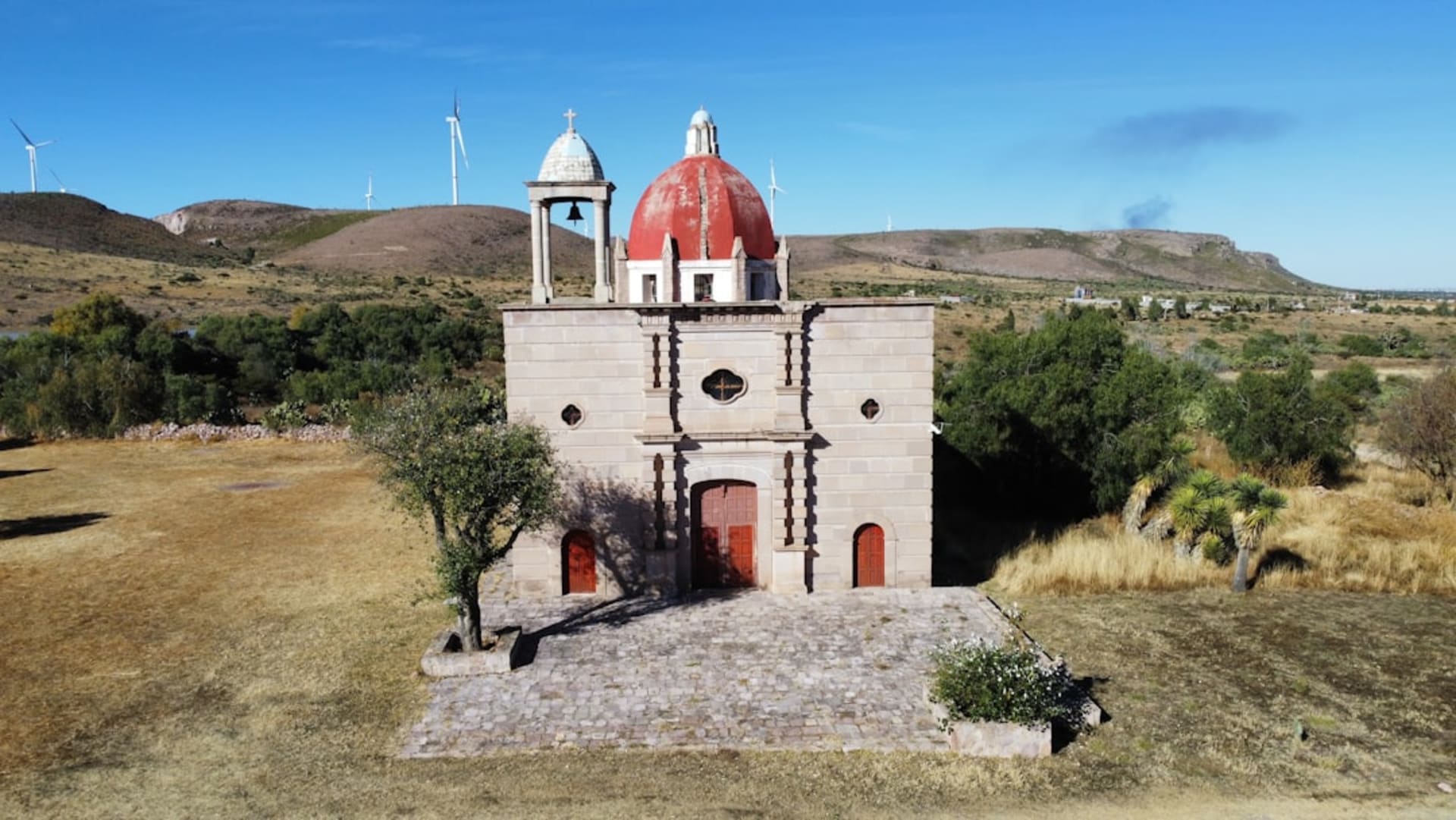
A former silver and gold mining town marooned in the high desert of northern Zacatecas, Concepción del Oro wears its boom-and-bust history in crumbling stone walls and family names that trace back to the Bonanza mine. The landscape reads closer to the American Southwest than to central Mexico — bone-dry, wide, and very quiet.
Explore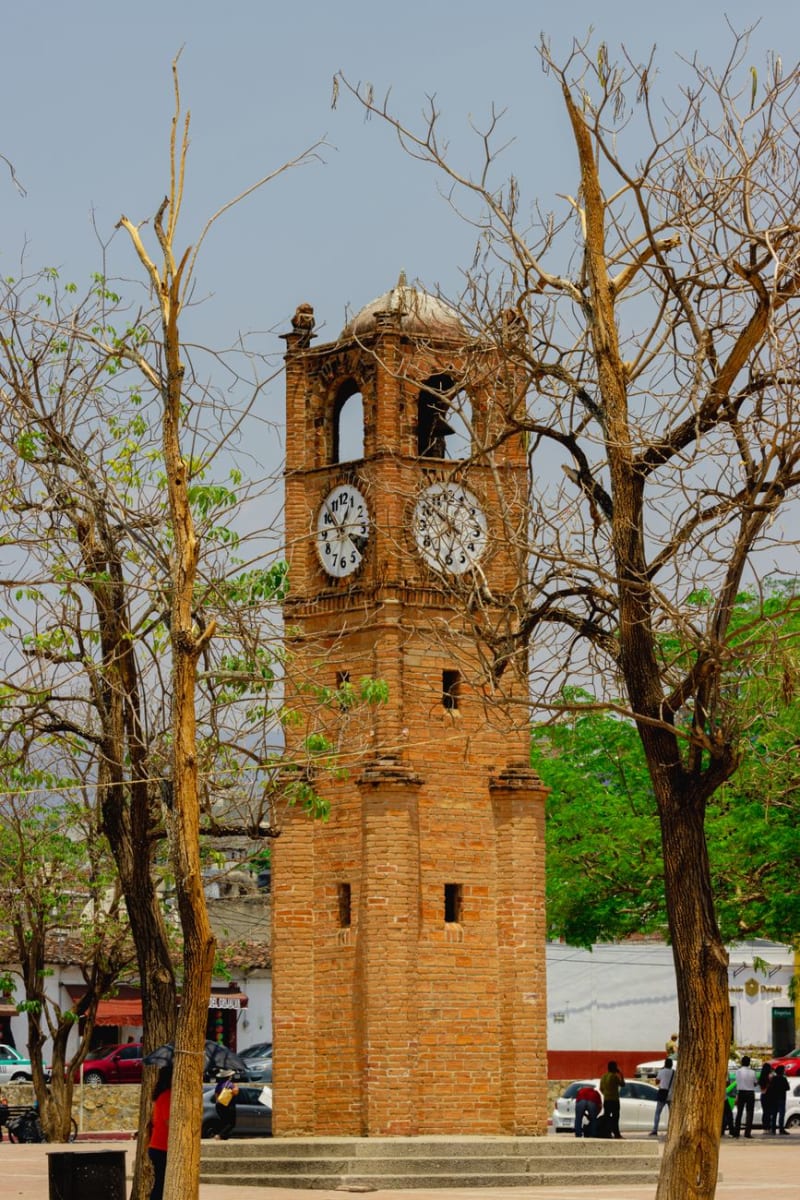 mexico
 Fresnillo
Fresnillo is the second-largest city in Zacatecas state, built around a silver mine that is still one of the largest operating silver mines in the world. It is a working northern Mexican city without pretension: wide streets, norteño music from car stereos, a colonial church on a functional plaza, the mine infrastructure visible from the surrounding hills. I ate cabrito — slow-roasted young goat, the northern Mexico specialty — in a lunch restaurant full of mine workers and thought this was a more honest version of the state than the cable car and the pink cathedral sixty kilometers south, though I love the cable car.
Explore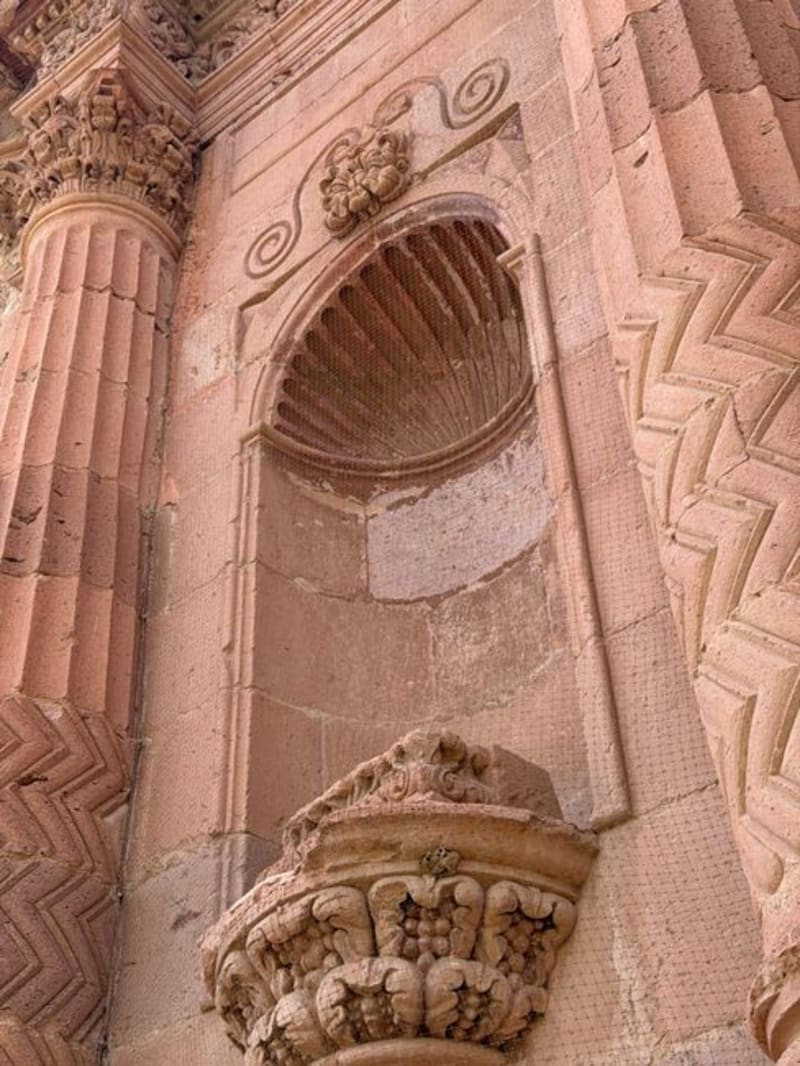 mexico
 Guadalupe
Seven kilometers east of Zacatecas city, the town of Guadalupe holds an 18th-century Franciscan ex-convent with one of Mexico's finest collections of New Spain baroque painting — a place most visitors drive past without stopping. The museum inside the convent walls is, by most measures, more rewarding than anything in Zacatecas proper.
Explore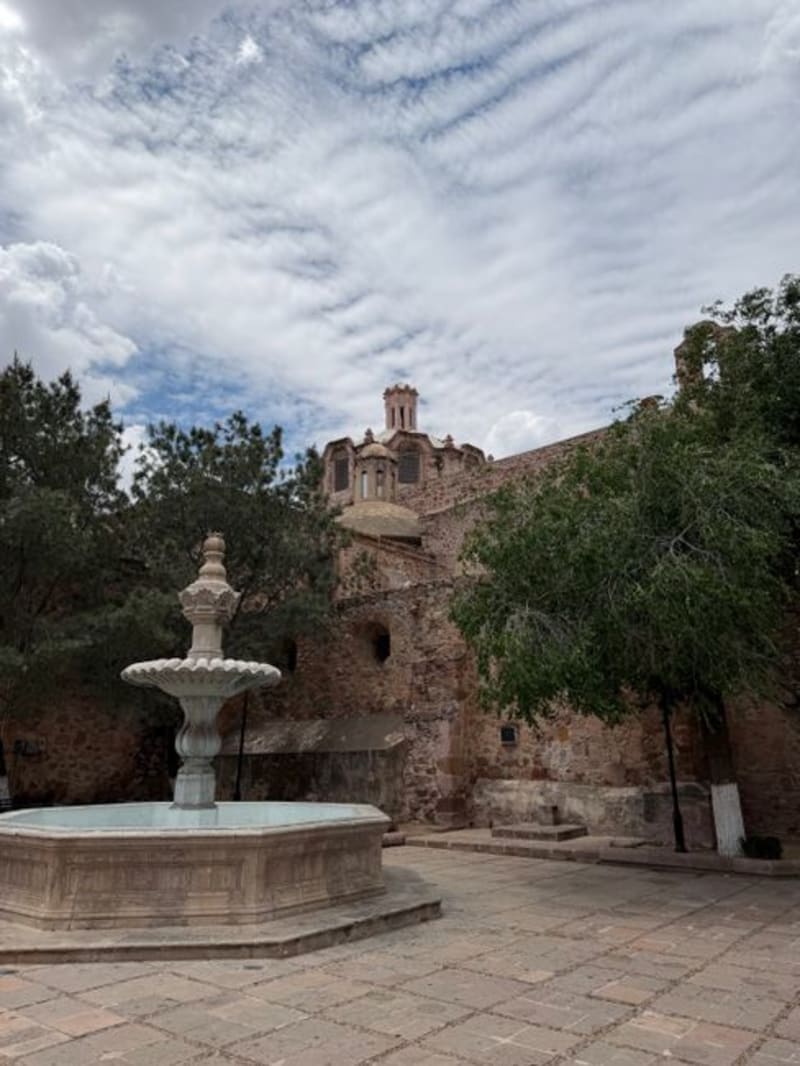 mexico
 Jalpa
A small colonial town in southern Zacatecas that earns a longer stop than most travelers give it, chiefly because of the 16th-century castle ruins on the ridge above and a main plaza calm enough to make you forget you had somewhere else to be.
Explore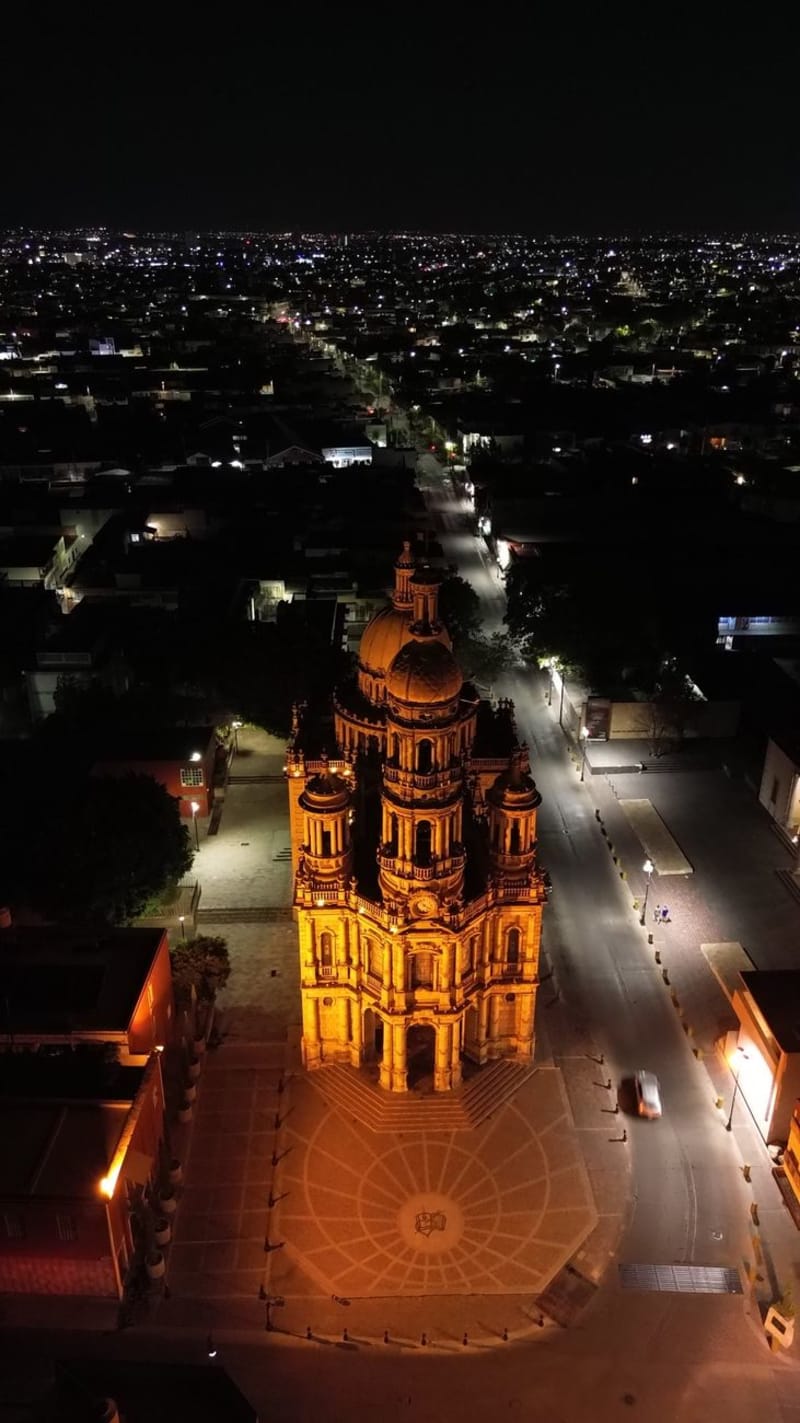 mexico
 Jerez de García Salinas
Jerez is a Pueblo Mágico 50km from Zacatecas City and the birthplace of Ramón López Velarde, the poet whose 'La suave patria' became the defining literary expression of Mexican national identity after the revolution. The town is also famous for handcrafted sombreros charro — wide-brim formal hats made in workshops you can walk into — and has a bullring culture that predates everything around it. It is a town that takes its own seriousness for granted.
Explore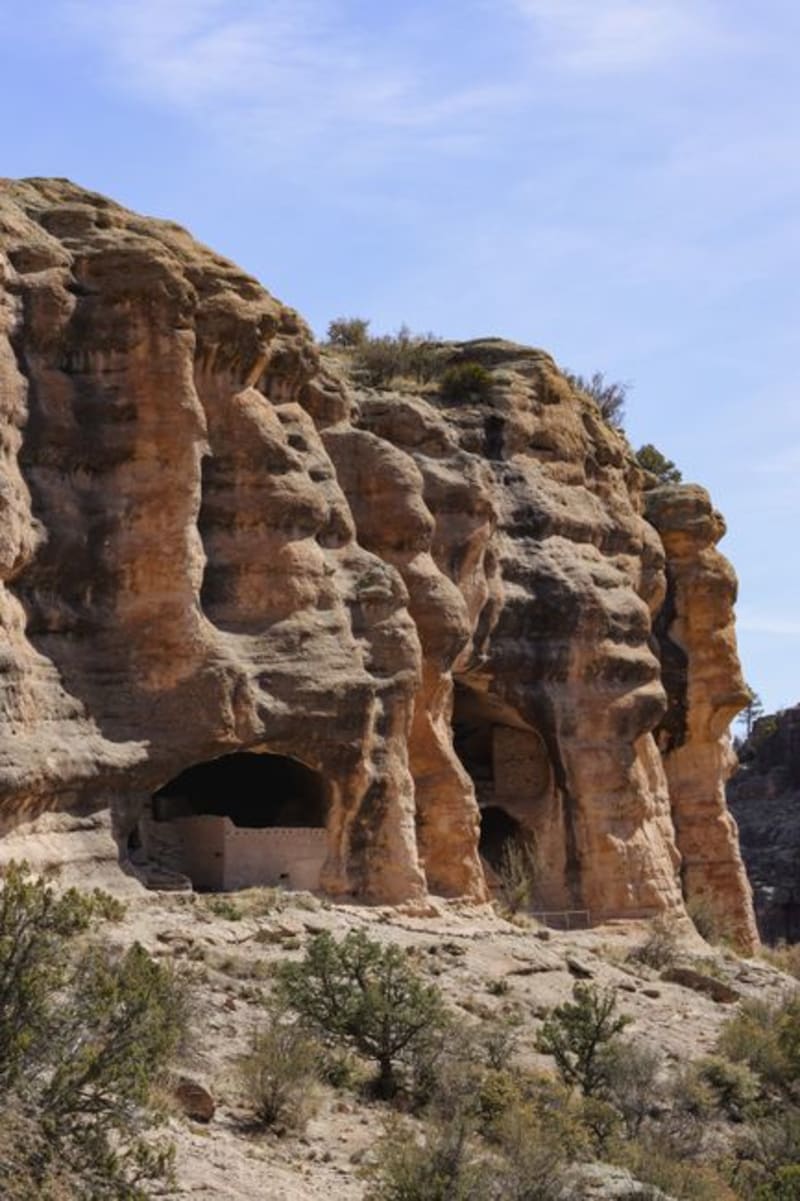 mexico
 Jiménez del Teul
A remote highland village perched above the Cañón del Teul, where pre-Hispanic ruins cling to canyon walls carved by a river over ten thousand years. Fewer than a dozen tourists pass through each month — which means the ruins, the silence, and that staggering drop of ochre stone are entirely yours.
Explore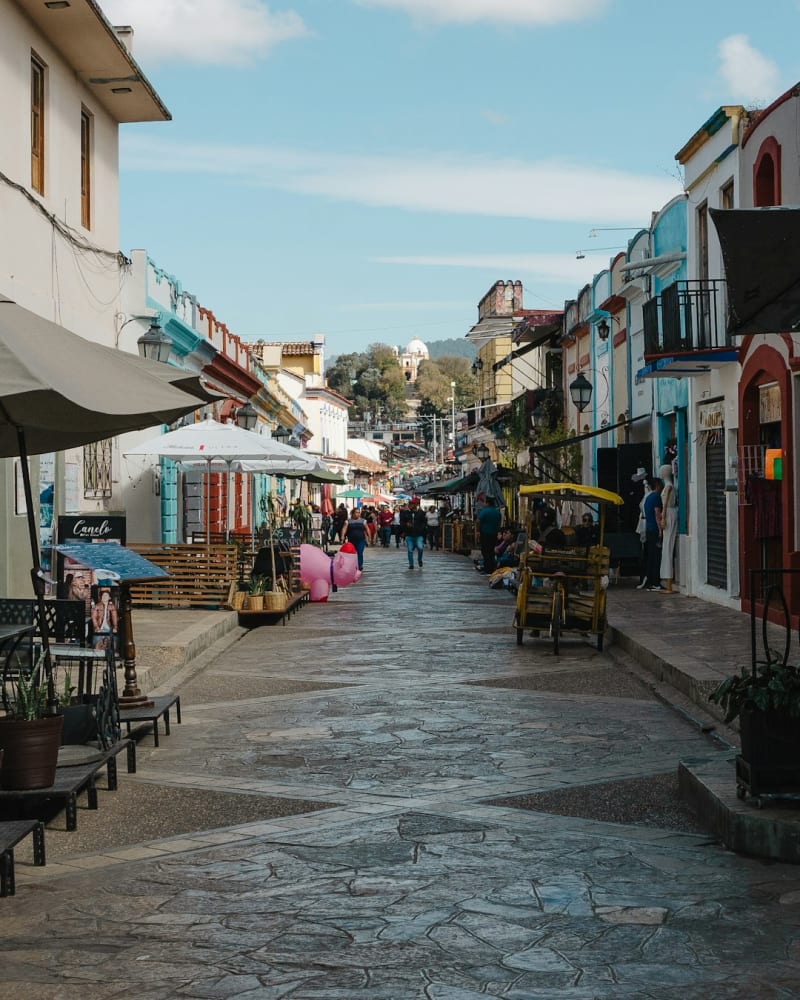 mexico
 Juchipila
A small colonial town tucked inside a red-rock canyon in southern Zacatecas, where the Juchipila River carves through volcanic cliffs and the mezcal goes largely unnoticed by anyone outside the region. The canyon turns a deep amber at sunset, and the town quiets down early enough that you can hear the river from the main plaza.
Explore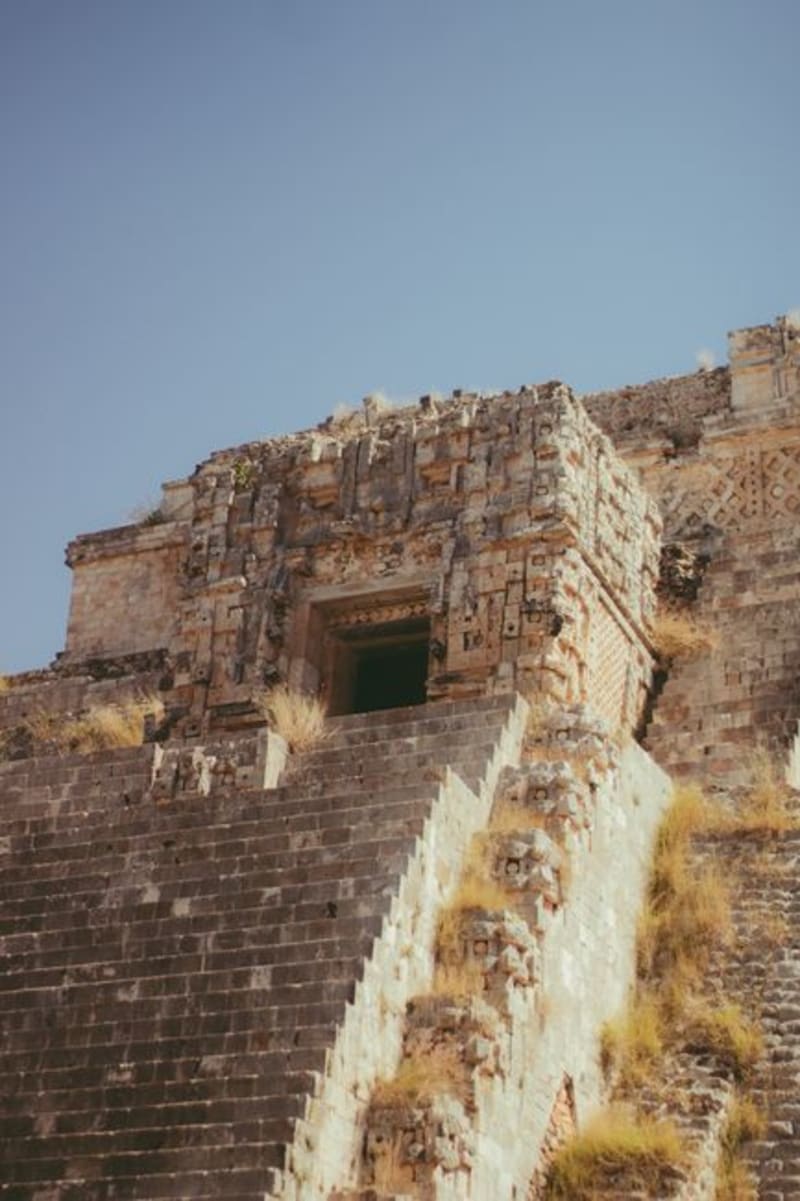 mexico
 La Quemada
A pre-Hispanic fortress city climbing a volcanic hill fifty kilometers south of Zacatecas — colonnaded halls, a sacrificial platform lined with skulls, and a votive pyramid that once commanded the northern trade routes. The civilization that built it vanished around the year 900, and no one has satisfactorily explained why.
Explore mexico
 Loreto Zacatecas
A highland Zacatecas town built on Franciscan faith and silver money, Loreto carries the particular composure of a place that mattered once and has never quite stopped knowing it. The surrounding hills still show their mine workings, and the mission church holds the square with quiet authority.
Explore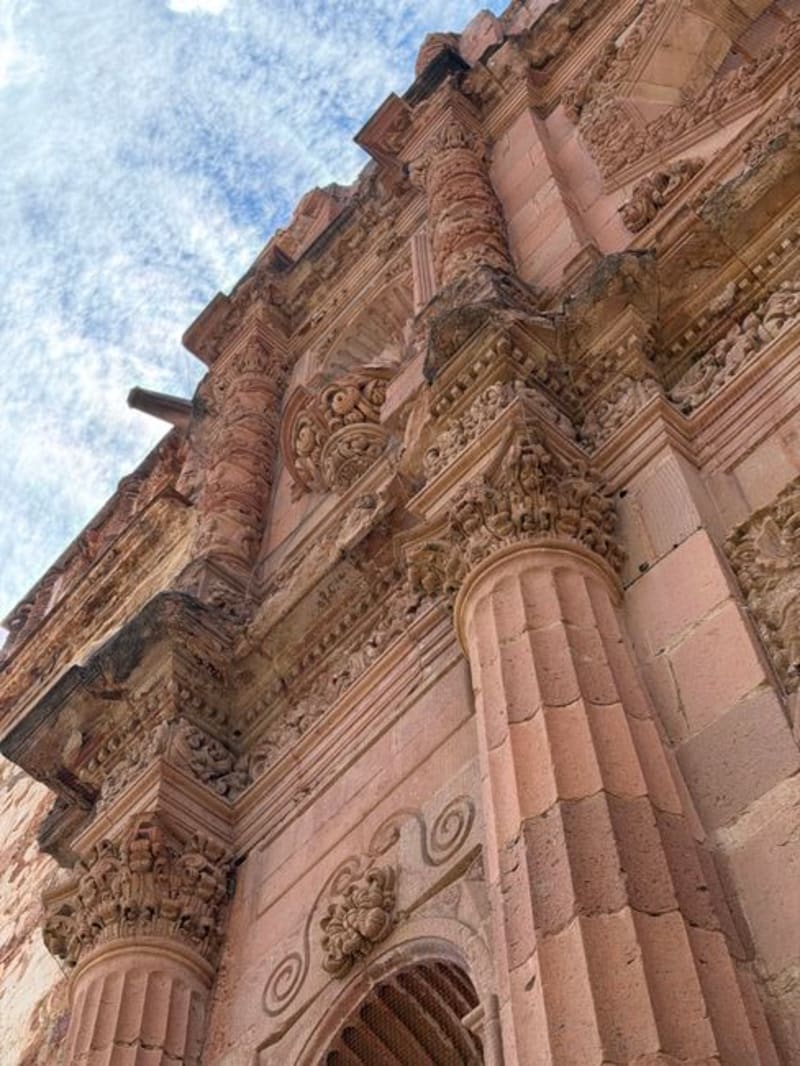 mexico
 Mazapil
Founded in 1568 as a silver-mining outpost in the high Chihuahuan desert, Mazapil is one of the oldest towns in Zacatecas — a place where a 16th-century Augustinian convent rises from scrubland and a meteorite crater sits just down the road, reminding you that geography here has always been extreme.
Explore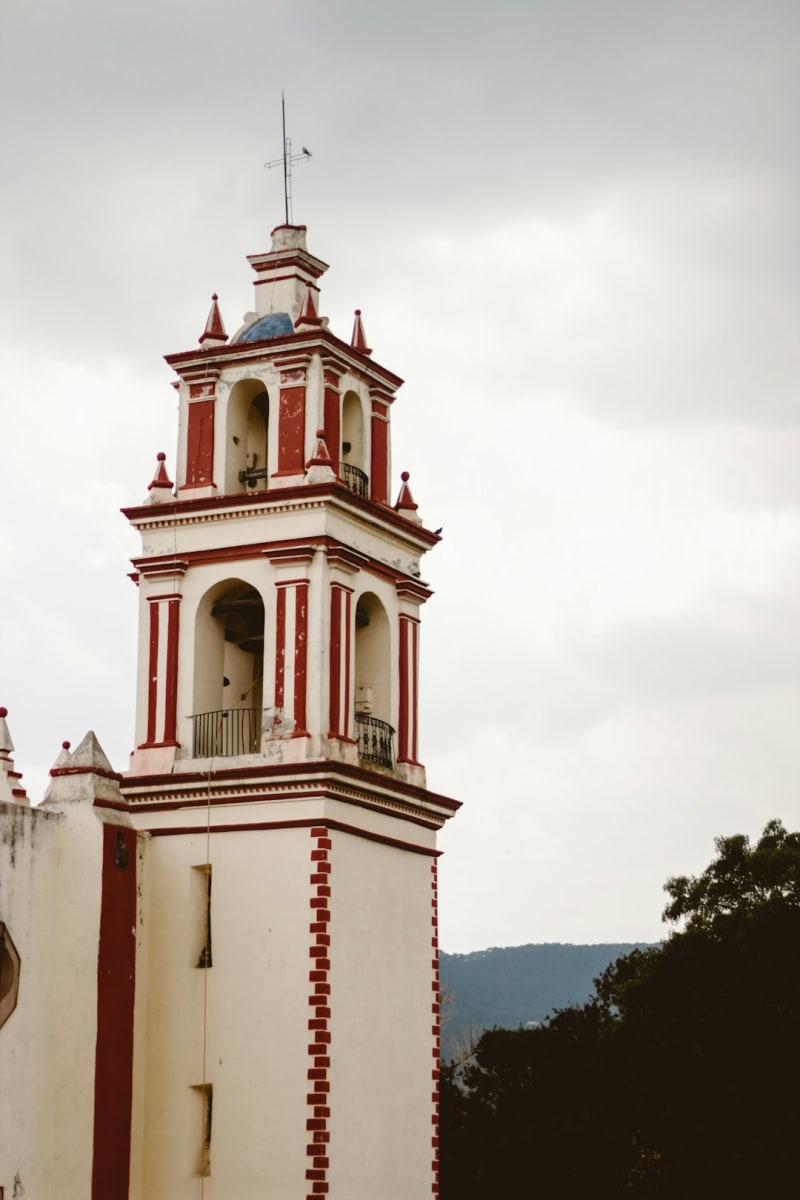 mexico
 Monte Escobedo
A quiet Pueblo Mágico in the pine-covered mountains of southern Zacatecas where the air stays cold even in July, a sixteenth-century parroquia anchors a plaza built for doing nothing, and the gorditas de maíz are worth the drive alone.
Explore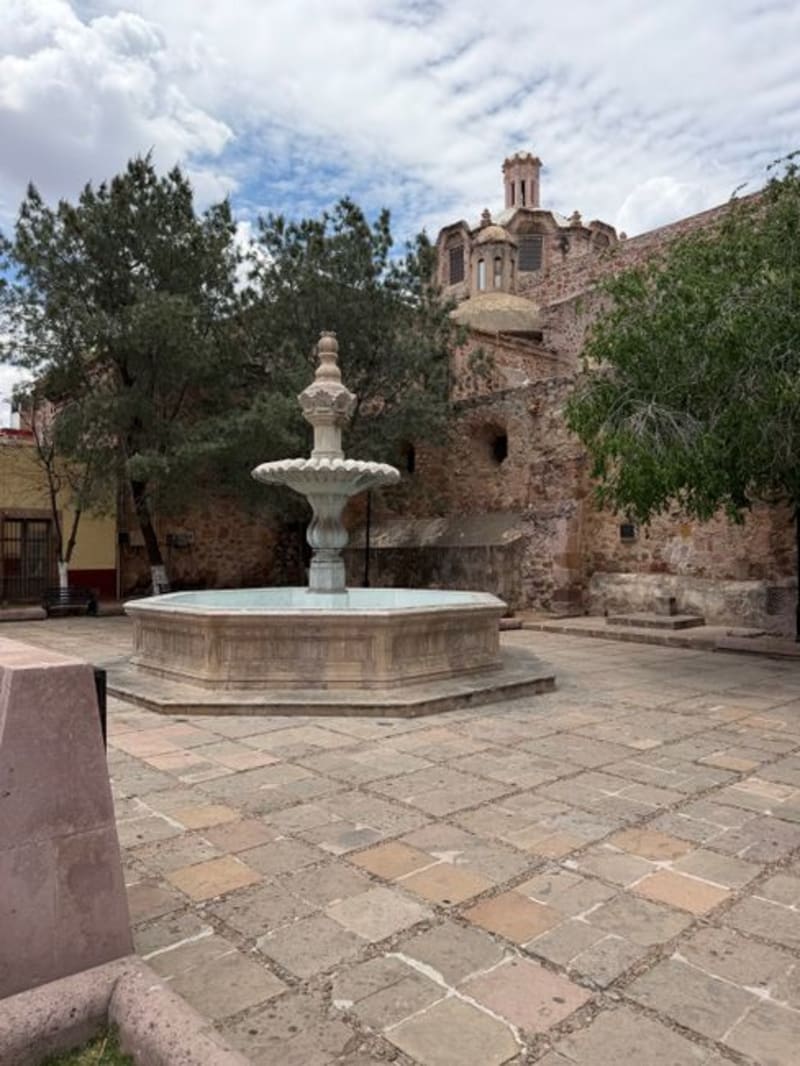 mexico
 Nochistlán
A 16th-century colonial town on the old highway between Guadalajara and Zacatecas, where most drivers pass without stopping. Its church and empty plaza carry the particular weight of places that remember something heavy — Nochistlán was the flashpoint of the Mixtón War, one of the most violent indigenous uprisings in colonial New Spain.
Explore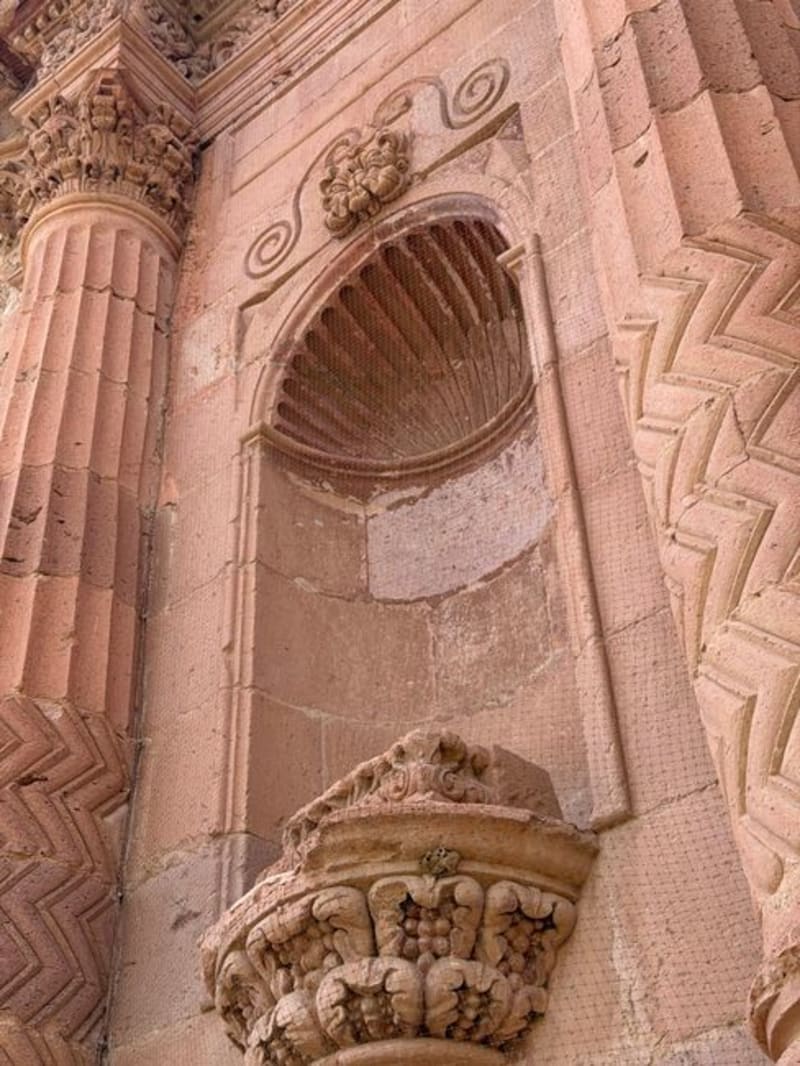 mexico
 Pinos
Founded in 1563 and barely changed since, Pinos is a high-altitude colonial town in Zacatecas where silver-era mansions lean over cobblestone streets and every corner hides a ruined convent or a surprisingly good local museum. The late afternoon light does something particular to the stone here — it turns the whole centro amber, and you stop walking and just stand there.
Explore mexico
 Sombrerete
Sombrerete is a Pueblo Mágico in the Zacatecas highlands, founded in 1555 on the back of a major silver strike, with five colonial churches in a single historic center — an improbable density for a city of 25,000 that becomes entirely explicable the moment you understand what the Cerro Pelón mine once produced. The Convento de San Mateo de Apostol has a baroque facade that architectural historians place among the finest in northern Mexico. I arrived at dusk and found all five churches open, and walked between them in the failing light.
Explore mexico
 Teúl de González Ortega
A quiet ranching town perched on a mesa above the Juchipila canyon in southern Zacatecas, Teúl de González Ortega sits on top of one of western Mexico's most significant pre-Hispanic sites — a fortified city that once controlled trade routes between Mesoamerica and the American Southwest. It has almost no visitor infrastructure and draws almost no tourists, which is not a flaw in need of correction.
Explore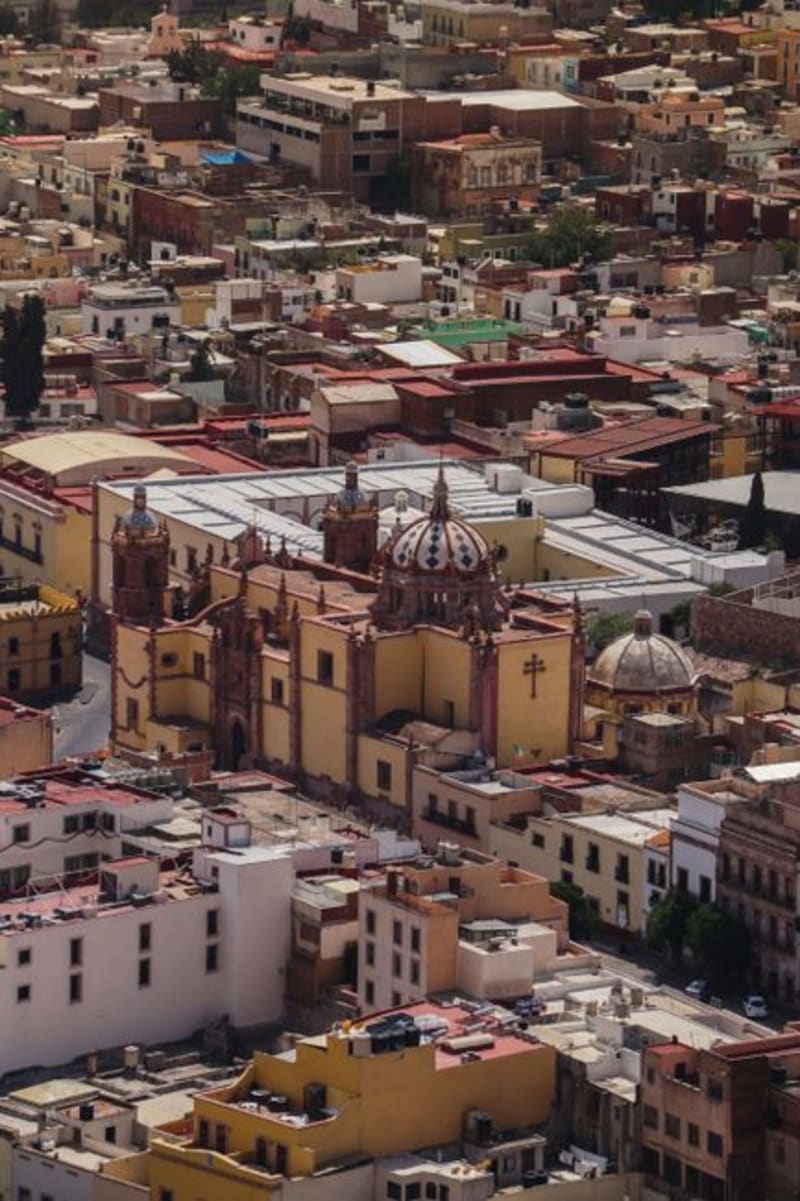 mexico
 Valparaíso
A ranching town wedged into the Sierra Madre Occidental where the air drops ten degrees and the highway ends at a weekly livestock market that smells of pine resin and copal. Valparaíso has no interest in being discovered, which is part of what makes it worth the three-hour drive from Zacatecas City.
Explore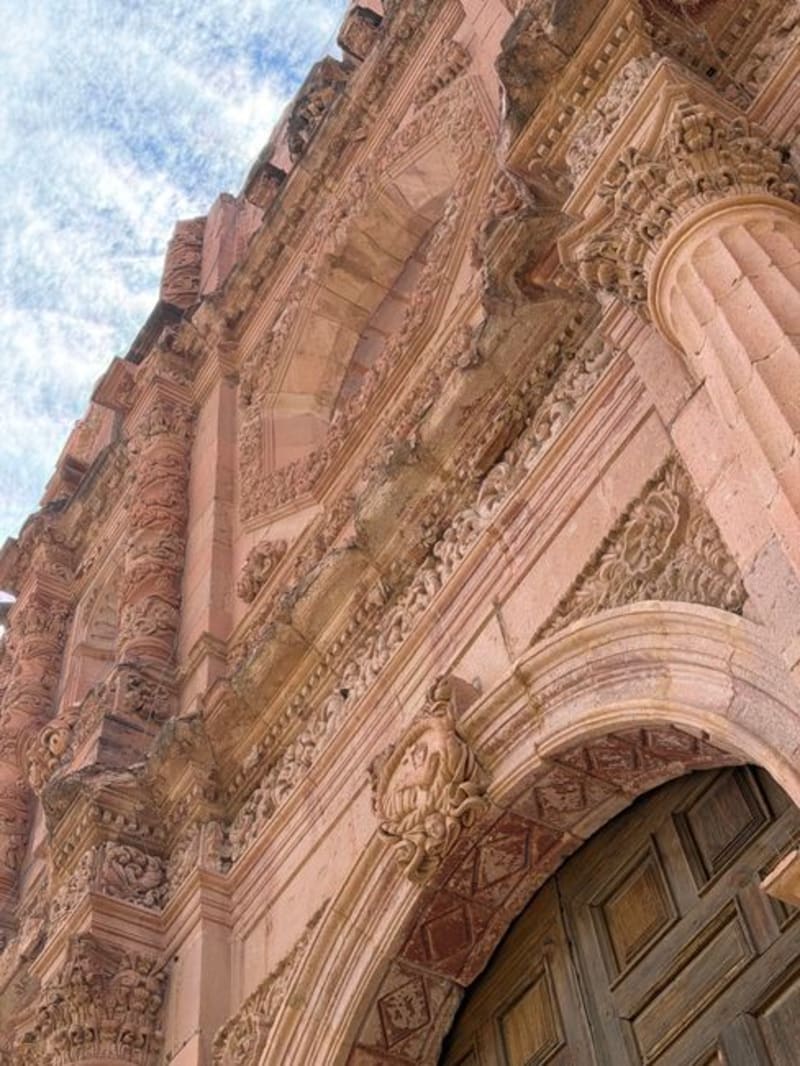 mexico
 Villa de Cos
A desert mining town on the high Zacatecan plain where ochre rock and scrub stretch to every horizon and the silence is thick enough to taste. The surrounding semi-desert holds petroglyphs, collapsed haciendas, and a sky so uninterrupted it feels like a second landscape laid over the first.
Explore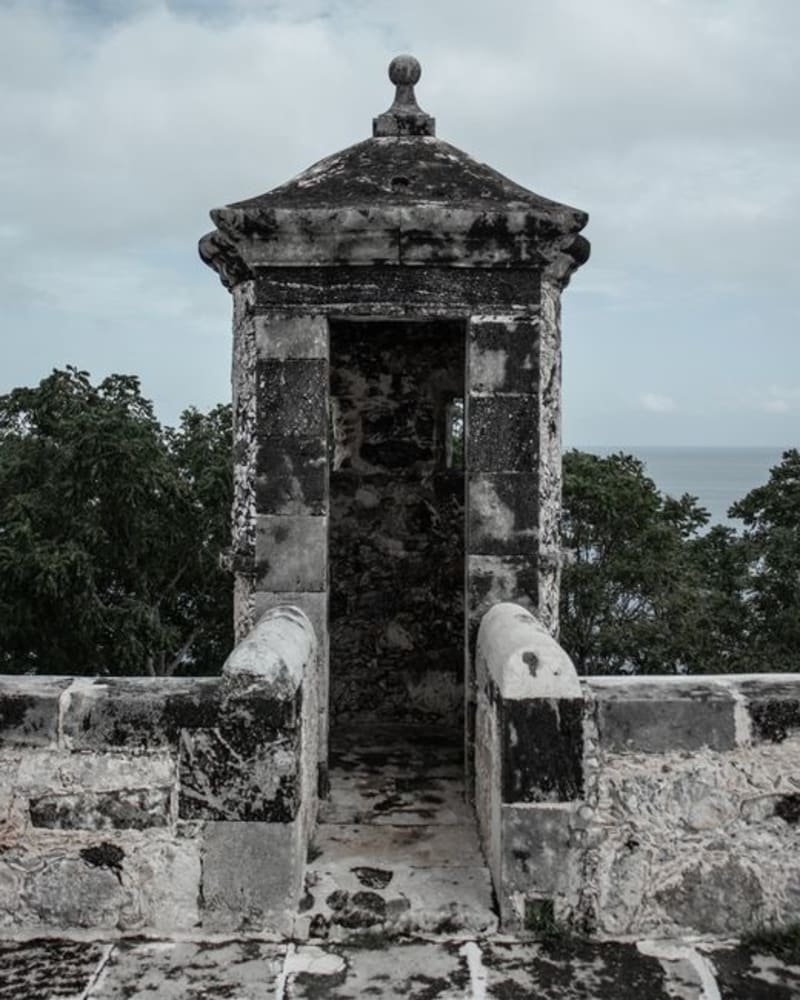 mexico
 Villa García
Villa García is best known for its Presa — a reservoir of improbably turquoise water set against the bare Zacatecan sierras — and the ruins of a 16th-century fort and chapel that stand beside it with the right amount of melancholy. On weekends families drive up from Aguascalientes to swim and eat freshwater fish; the rest of the week, the place is entirely yours.
Explore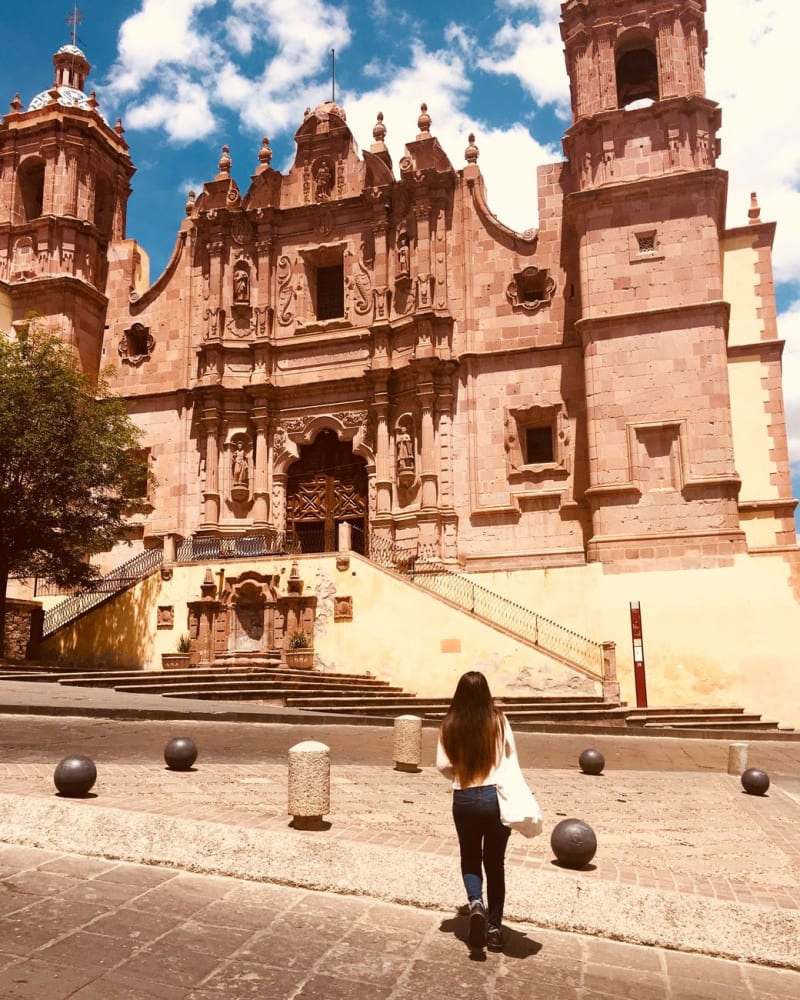 mexico
 Zacatecas City
Zacatecas City is a UNESCO World Heritage colonial mining city built almost entirely from cantera rosa, a local volcanic stone that turns the historic center a deep rose-pink in daylight and copper at sunset. The churrigueresque cathedral facade is the most ornate in Mexico. You enter the old silver mine in a miniature train, descend into the mountain, and walk extraction tunnels that funded a significant portion of the Spanish colonial empire. A cable car connects the two hills that bracket the city.
ExploreKeep exploring
More from Mexico
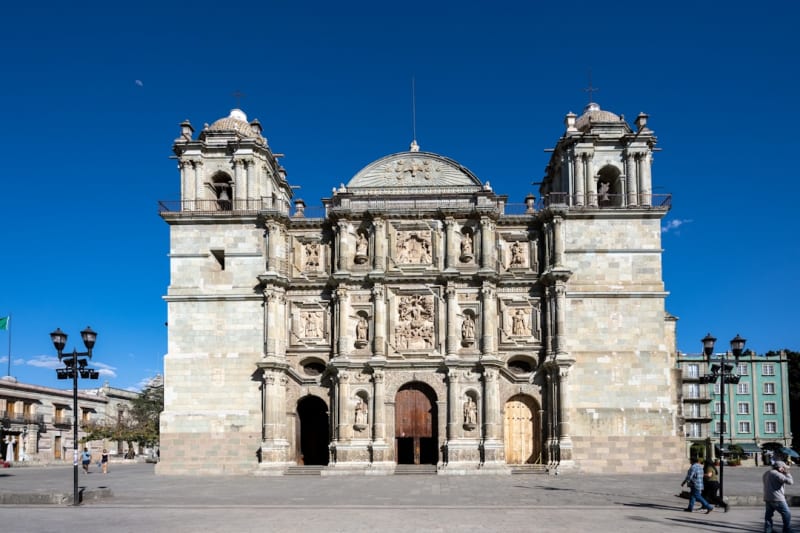 mexico
 Aguascalientes
The landlocked city that throws the biggest fair in Mexico every April — 22 days of bullfighting, cockfights, regional food, and free concerts that have been running continuously since 1828, plus the birthplace of José Guadalupe Posada.
Explore mexico
 Antiguo Morelos
A small colonial town in the Tamaulipas lowlands where orange groves and banana plantations frame an 18th-century parish and one of the most genuinely local Sunday markets in the region. Antiguo Morelos is the quiet southern gateway to the El Cielo biosphere reserve, and its tamales are among the best I have found in this part of Mexico.
Explore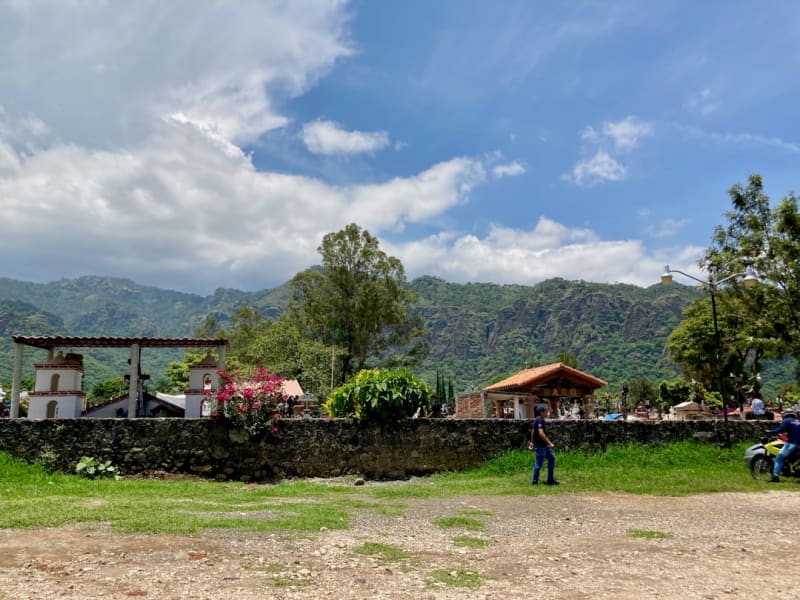 mexico
 Baja California
The northern half of the Baja peninsula — where Tijuana's border energy, the Valle de Guadalupe wine country, and the Pacific surf breaks of Ensenada coexist in a Mediterranean climate that produces Mexico's only world-class wine region and some of its best seafood.
Explore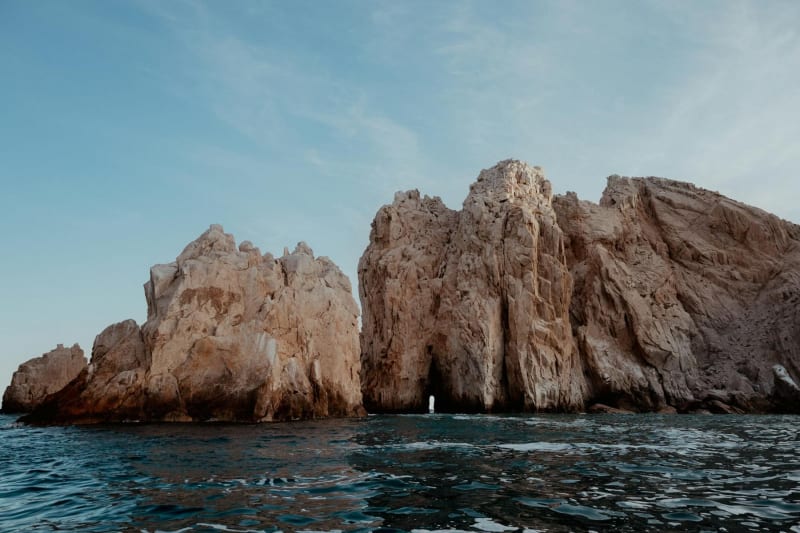 mexico
 Baja California Sur
The lower half of the 1,200-kilometer Baja Peninsula — the Sea of Cortez on the east, the Pacific on the west, the Transpeninsular Highway connecting colonial mission towns and whale lagoons and the resort lights of Los Cabos at the southern tip.
Explore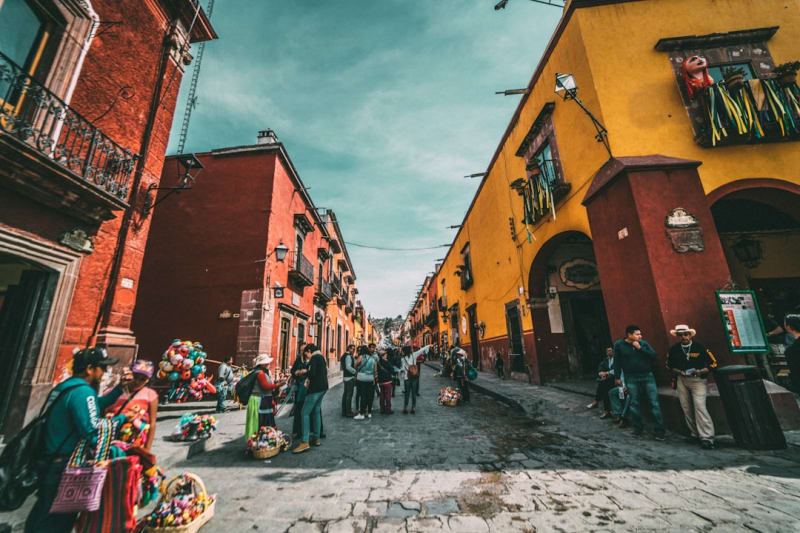 mexico
 Campeche
Mexico's most intact walled colonial city on the Gulf coast — pastel-painted streets, pirate-proof bastions, extraordinary Mayan artifacts, and almost no other tourists.
Explore mexico
 Chiapas
Cloud forests, Maya ruins in the jungle, and indigenous cultures that predate the Spanish by millennia. Mexico's deepest south.
Explore