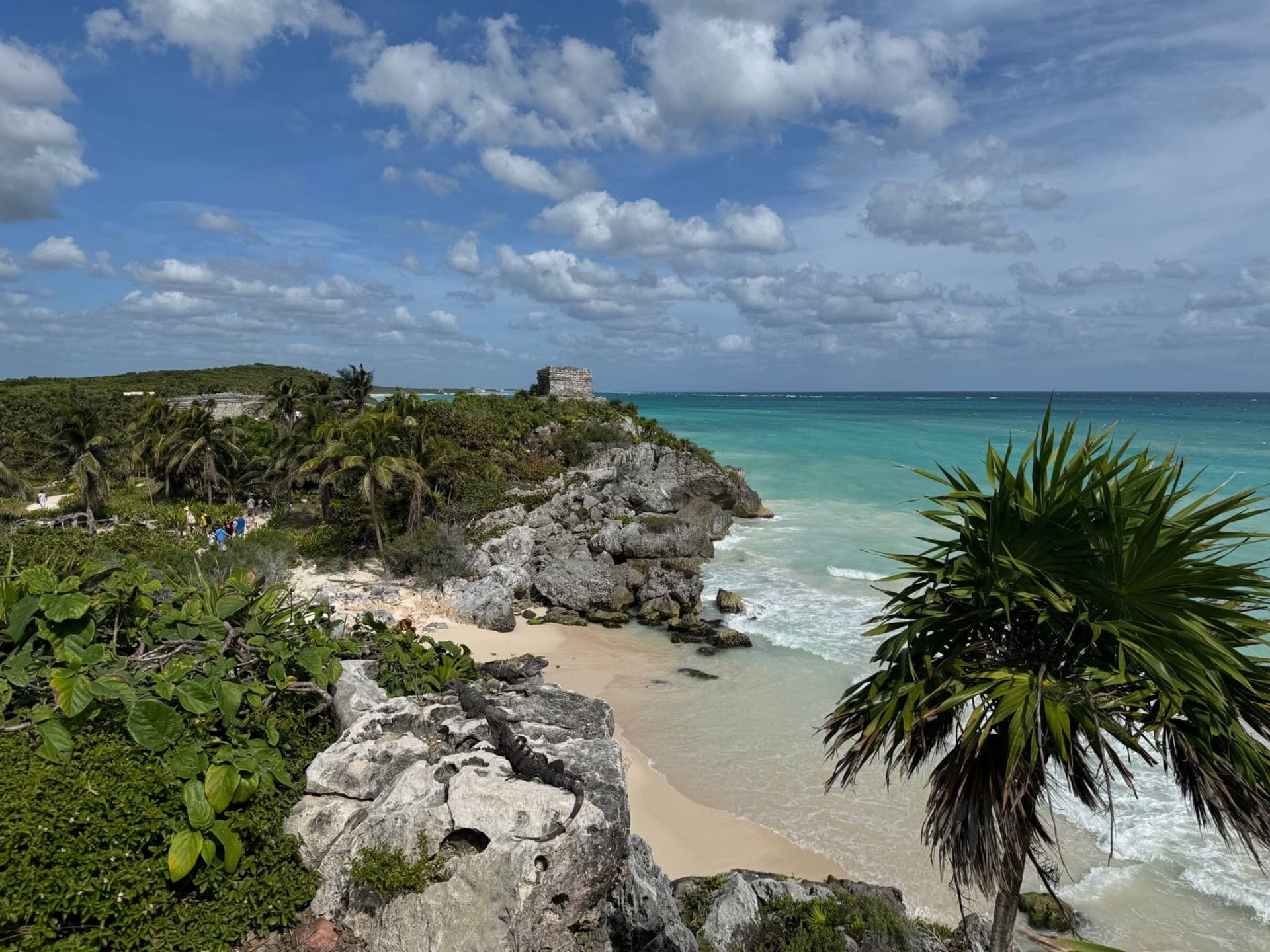
Quintana Roo
"The Caribbean has the best color water in the Western Hemisphere. Quintana Roo has 400 kilometers of it, from the cenote pools in the interior to the reef drop-off 800 meters offshore."
The Caribbean coast of Mexico — from the Cancún hotel zone to the last village before Belize, the Mesoamerican Barrier Reef running parallel to the coast, Maya ruins in the jungle above the turquoise water, and a spectrum from world-famous to entirely unknown within 400 kilometers.

Quintana Roo is Mexico’s youngest state (created in 1974 as a territory and elevated to full statehood in 1974) and its fastest-growing, transformed from uninhabited jungle coast to a 16 million-visitor per year tourism economy in 50 years. The transformation has been most dramatic in the north — the Riviera Maya corridor from Cancún to Tulum is one of the most intensively developed tourist zones in Latin America — but the coast extends 440 kilometers south to the Belize border, and the southern section remains largely untouched.
The Mesoamerican Barrier Reef — the second longest in the world at 1,000 kilometers, running from the tip of the Yucatán to the Bay Islands of Honduras — defines the character of the coast. The reef sits 800 meters to 2 kilometers offshore, creating a protected lagoon of turquoise water that is calmer and clearer than the open Caribbean beyond the reef crest. The cenote network beneath the limestone peninsula feeds fresh water into the sea through underwater caves, creating the specific clarity that characterizes Quintana Roo’s diving.
The Maya occupied this coast — Tulum (the only Maya city built on a sea cliff) and the ruins visible throughout the jungle are evidence of a civilization that used the Caribbean trade routes for centuries before the Spanish closed them. The cenotes were ritual sites before they became dive destinations.
The spectrum from north to south: Cancún (international airport, hotel zone, 24-hour economy), Holbox (no cars, flamingos, whale sharks), Tulum (eco-resort aesthetic, ruins, cenote clusters), Bacalar (seven-color lagoon, slow pace), Mahahual (cruise ships, Costa Maya), Xcalak (60km of unpaved road, 350 people, the reef 20 meters from the beach). The same Caribbean coast, 400 kilometers of choices.
Explore
Places in Quintana Roo
 mexico
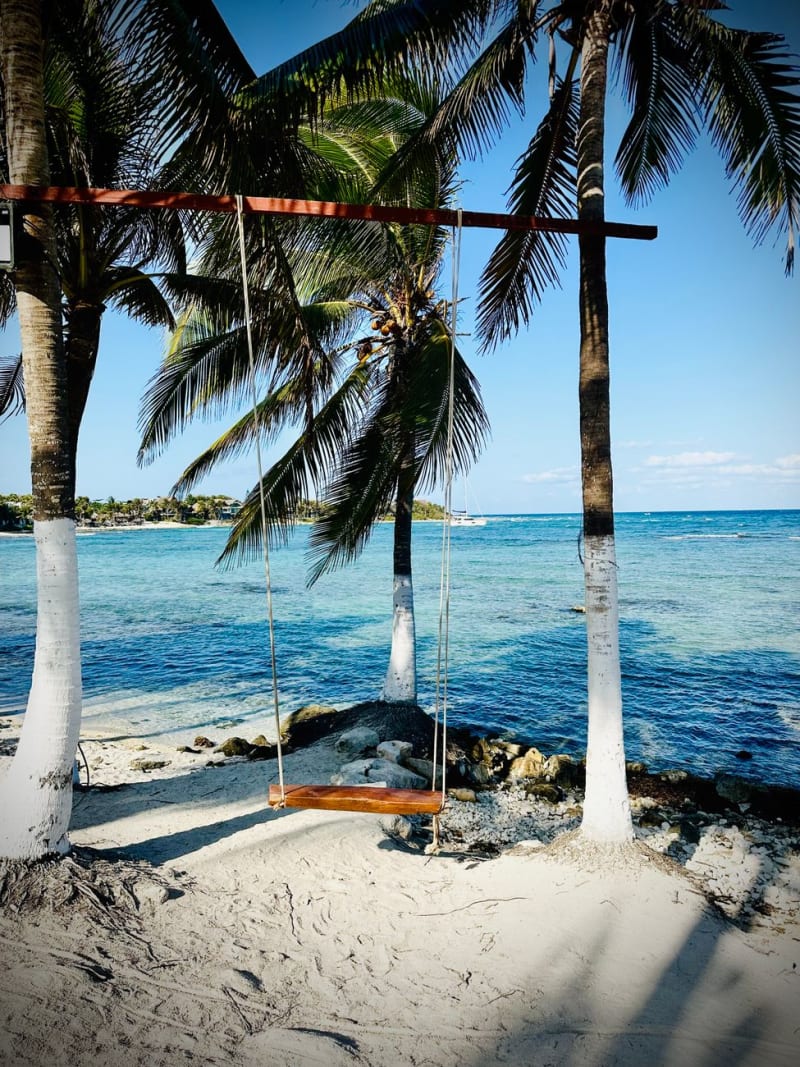
 Akumal
Akumal means 'place of the turtles' in Maya, and the name is accurate: green sea turtles and loggerheads feed on seagrass in the shallow reef bay year-round, reachable by snorkel from the beach without a boat. I arrived early on a Tuesday, rented a snorkel from a beach shack, spent two hours with turtles that ignored me completely, and came back the next morning.
Explore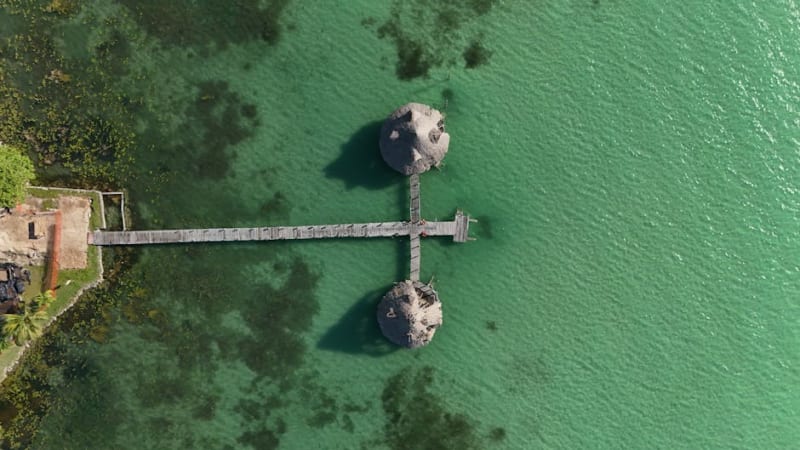 mexico
 Bacalar
The Lagoon of Seven Colours — a freshwater lake in southern Quintana Roo that makes the Caribbean look ordinary.
Explore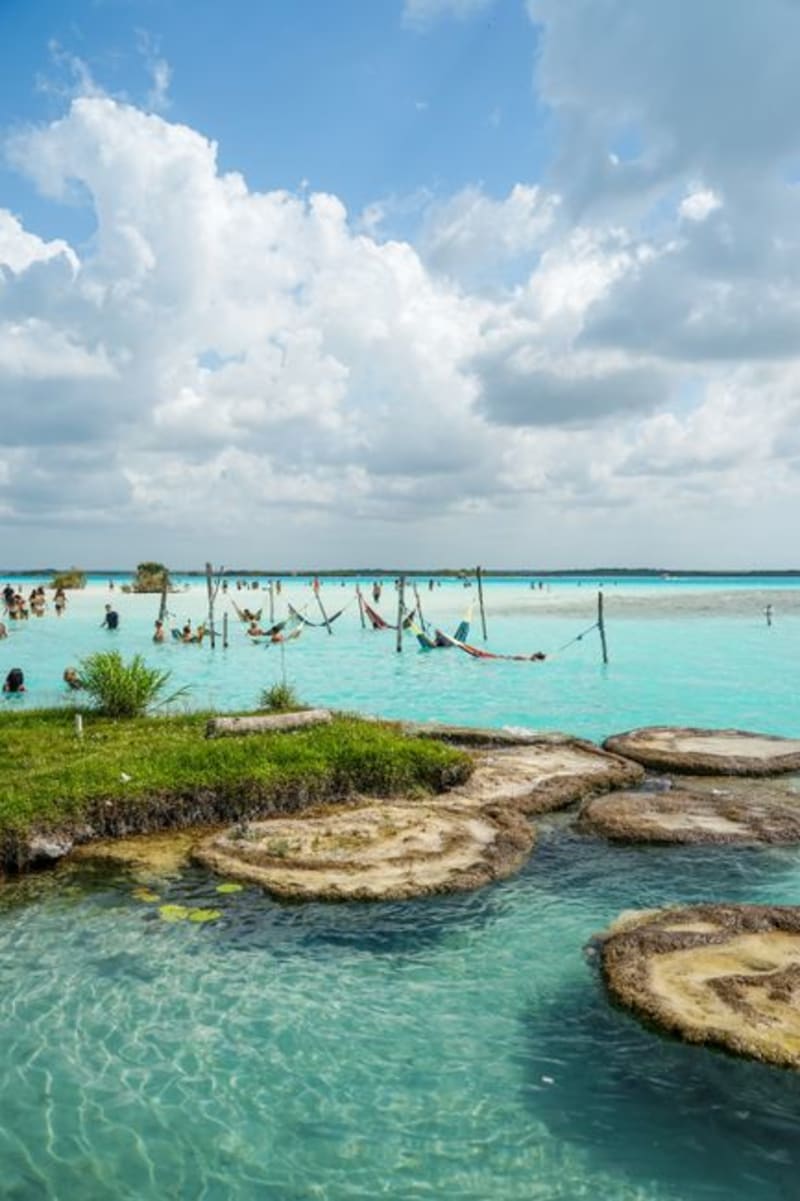 mexico
 Laguna Bacalar Stromatolites
In the shallow southern reaches of Laguna Bacalar, along the Canal de los Piratas, ancient microbial colonies called stromatolites rise from the lagoon floor in knobbly dark formations older than complex animal life. Most visitors never see them — they are too busy photographing the turquoise water from the pier.
Explore mexico
 Banco Chinchorro
Two hours of open Caribbean separates Banco Chinchorro from the coast at Xcalak — long enough that the mainland disappears entirely before the atoll comes into view. Mexico's largest coral reef system is also a biosphere reserve, a seasonal home to lobster fishermen in wooden palafitos, and a resting place for 18th-century shipwrecks that surface at low tide.
Explore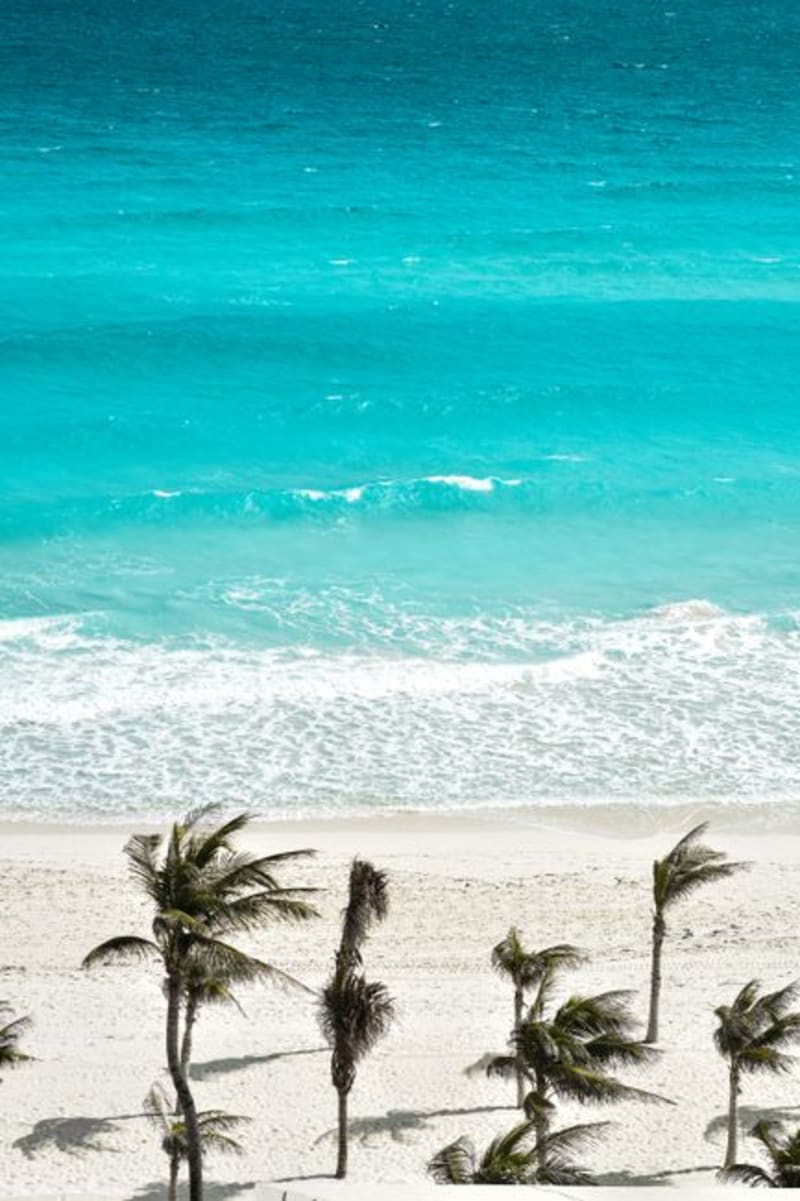 mexico
 Cancun
Cancun is a government experiment that succeeded too spectacularly to be taken seriously. Built from jungle in 1974, it has since grown into a Mexican metropolis of a million people — most of whom have never set foot in the hotel zone and have no intention of doing so. The centro is where Cancun actually lives.
Explore mexico
 Chetumal
The Belizean-border capital of Quintana Roo is everything the Riviera Maya is not: unhurried, Caribbean in architecture and logic, with a Maya museum of genuine world-class quality that almost no one visits. Manatees surface in the bay in the early morning.
Explore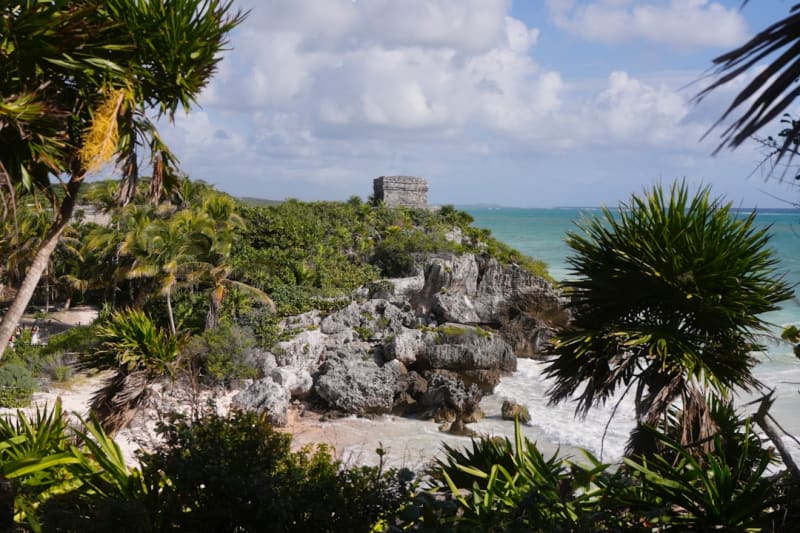 mexico
 Cobá
A Yucatán Maya city in the jungle where the main pyramid still allows the climb — 42 meters above the forest canopy, the highest point between the Caribbean coast and the Gulf of Mexico — and where the ancient sacbé road network connecting the Maya lowlands is still visible in the forest.
Explore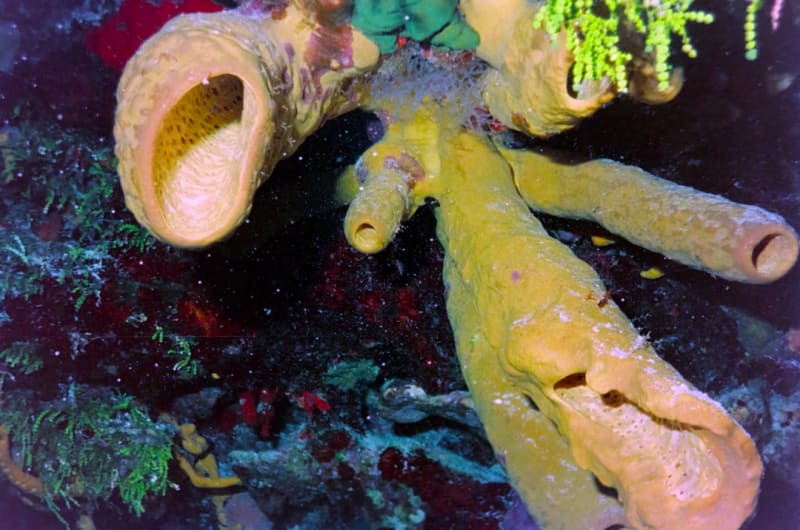 mexico
 Cozumel
The Caribbean island that lives underwater — the second-largest coral reef system in the world runs its entire western coast, with walls dropping 30 meters in visibility so clear you can see the reef from the surface.
Explore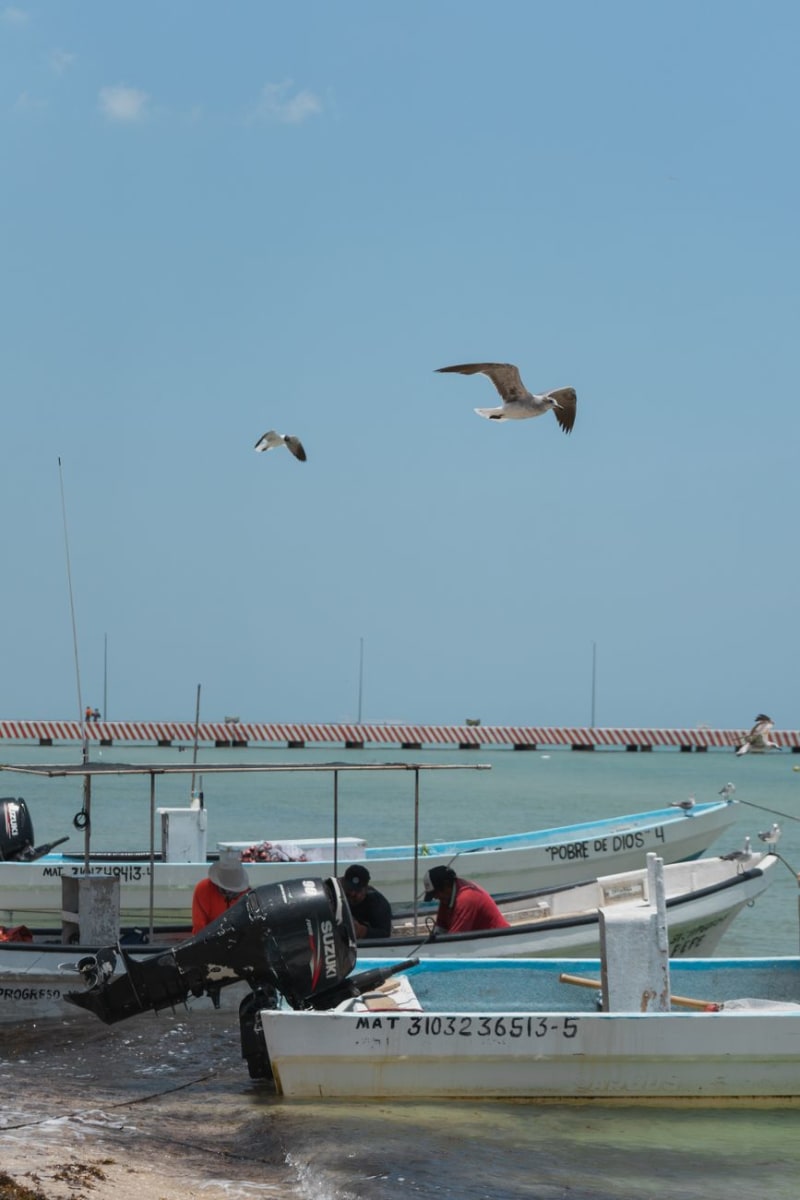 mexico
 Felipe Carrillo Puerto
The historic capital of the Chan Santa Cruz Maya, Felipe Carrillo Puerto is where a nineteenth-century resistance movement built a civilization around a talking cross and held off Mexican federal forces for half a century. Inland Quintana Roo at its most unfiltered.
Explore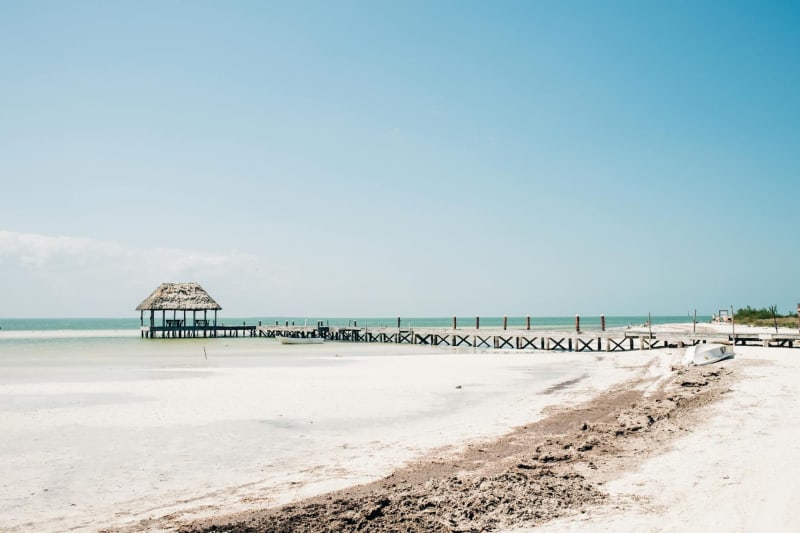 mexico
 Holbox Island
No cars, no crowds — just sand streets, bioluminescent waters, and whale sharks passing offshore.
Explore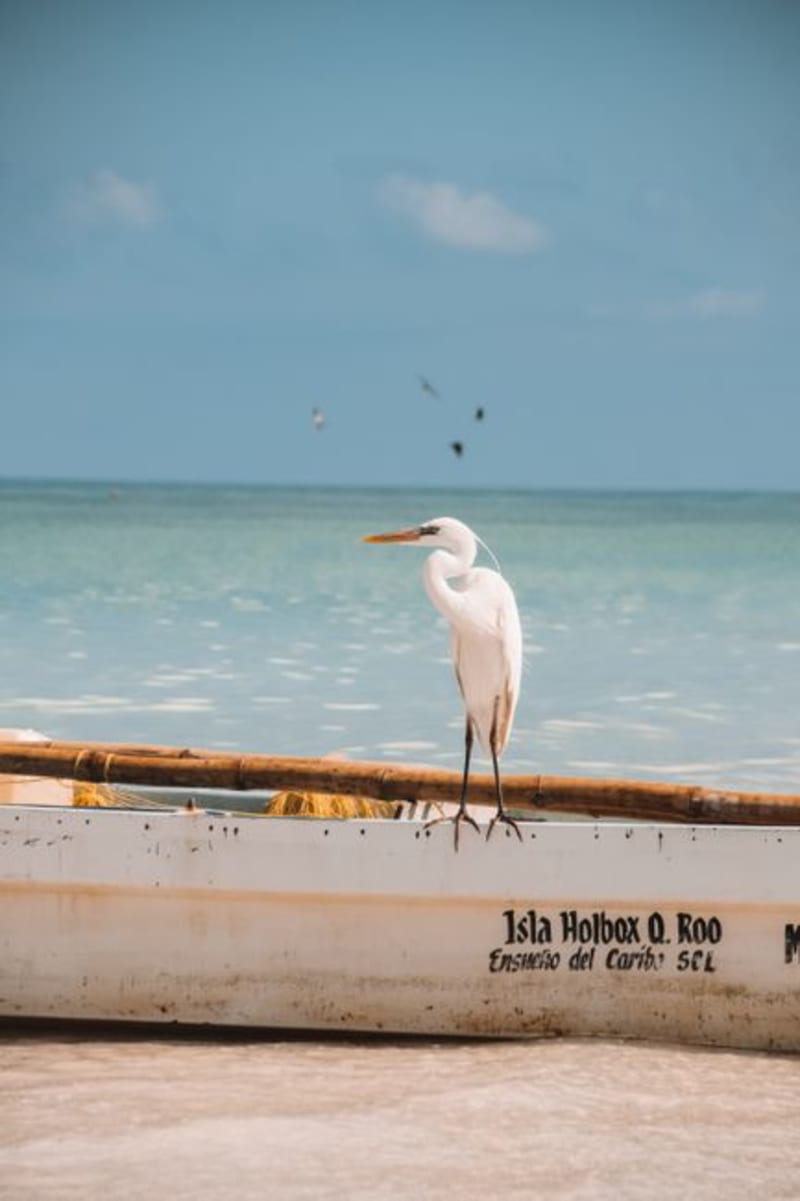 mexico
 Isla Contoy
A protected seabird sanctuary off the northern tip of Quintana Roo, Isla Contoy admits only two hundred visitors a day and zero hotels — which means the frigatebirds nesting here in the thousands have never learned to be afraid of you. Access is by boat from Isla Mujeres, and the open Caribbean crossing is very much part of the deal.
Explore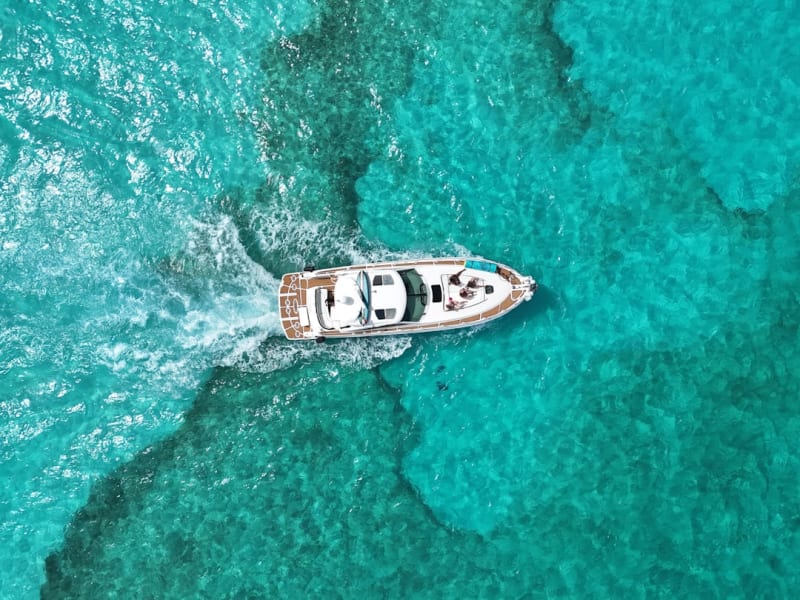 mexico
 Isla Mujeres
The Caribbean island that Cancún was before it became Cancún — a strip of white coral sand and turquoise water, small enough to bike in an afternoon, still slow enough to stay a week.
Explore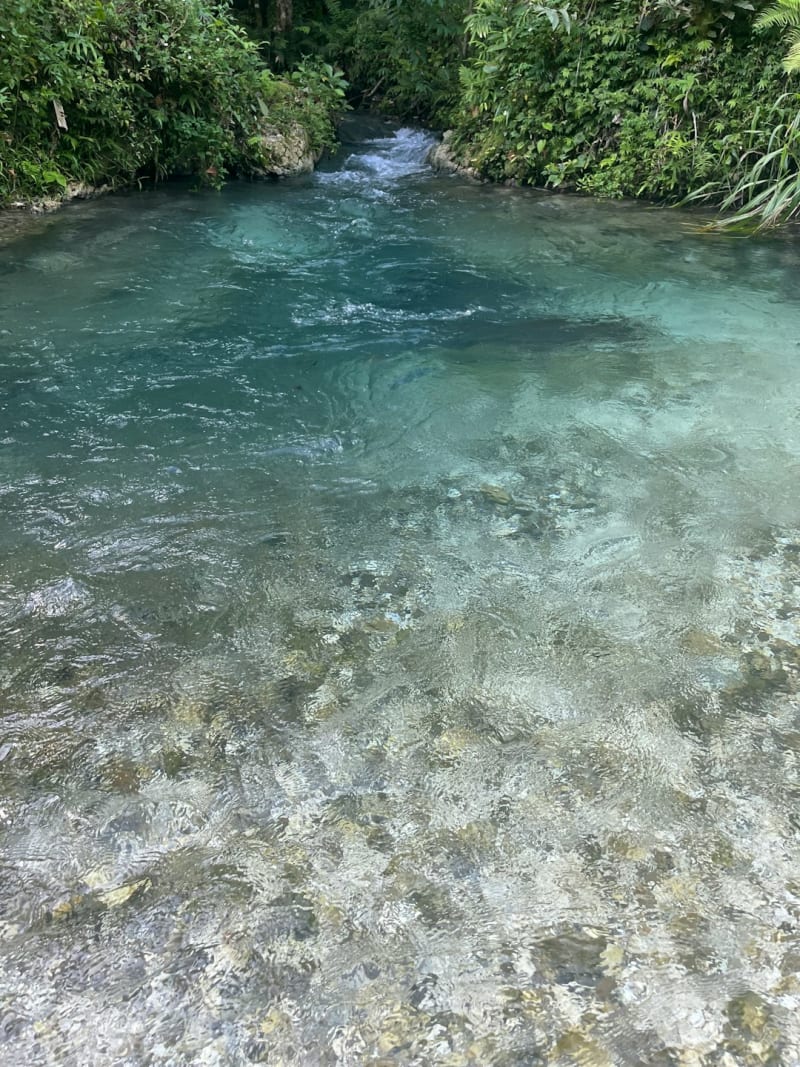 mexico
 Kantunilkin
The municipal capital of Lázaro Cárdenas sits in the northern lowlands of Quintana Roo, where cattle pastures stretch toward a coastline that tour operators never mention. This is the town Mexicans pass through and rarely stop in — which is exactly why I stopped.
Explore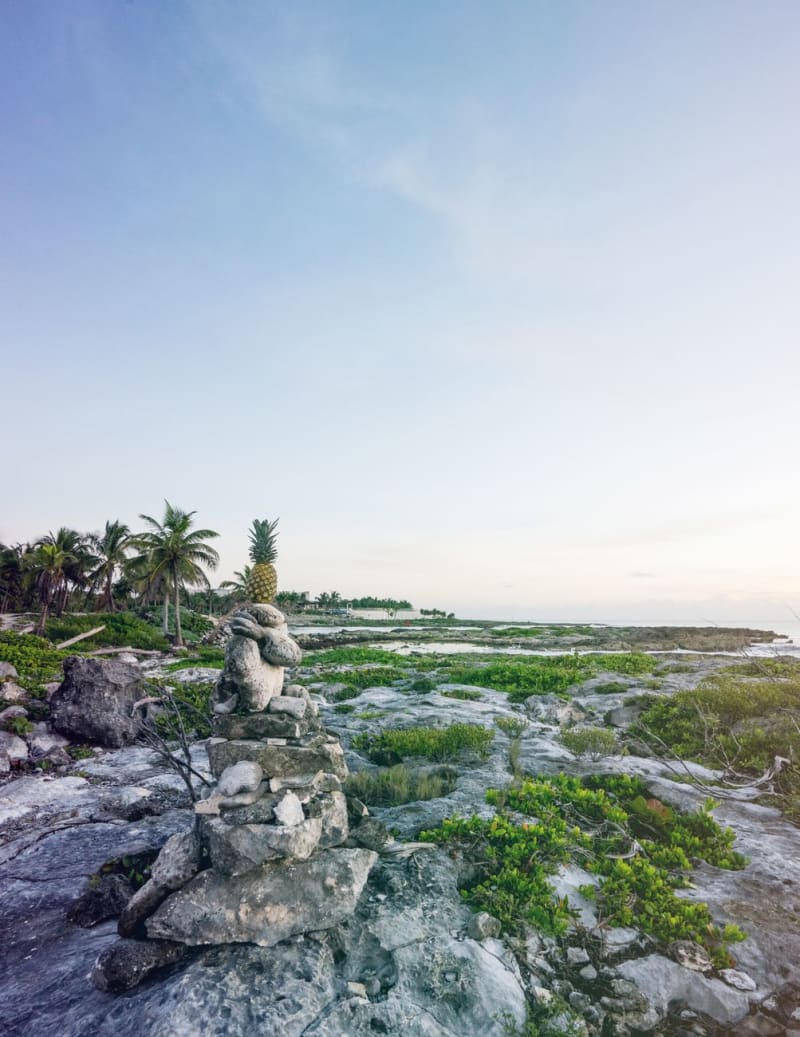 mexico
 Mahahual
Mahahual stretches along the longest wooden boardwalk on the Mexican Caribbean, a reef town that still belongs to the pelicans on days the cruise ships stay away. The water over the coral starts clear at snorkeling depth and stays that way. This is the Caribbean the Riviera Maya promised before it ran out of coast to sell.
Explore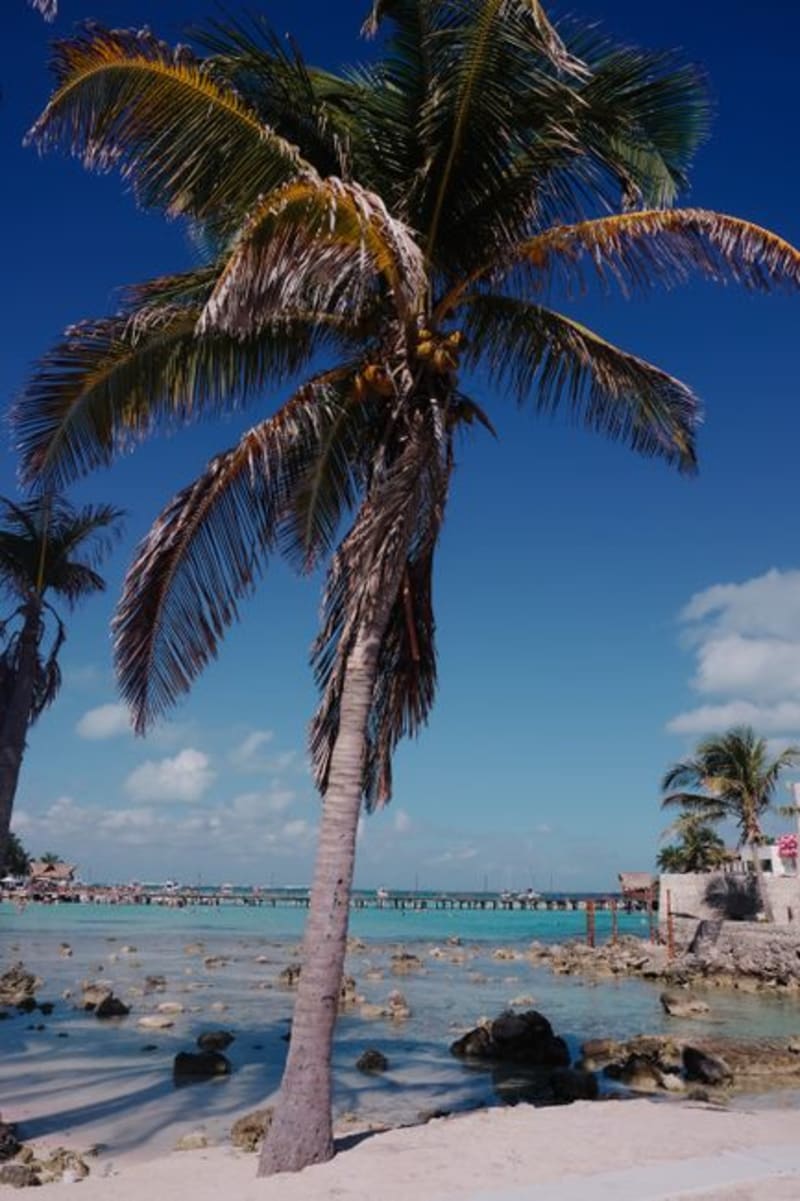 mexico
 Majahual Coast
The Costa Maya stretches south from Mahahual toward Xcalak along a Caribbean coastline of reef, mangrove, and pale sand that the hotel corridors never reached. This is where you eat lobster tostadas in bare feet with the reef visible twenty metres from your table.
Explore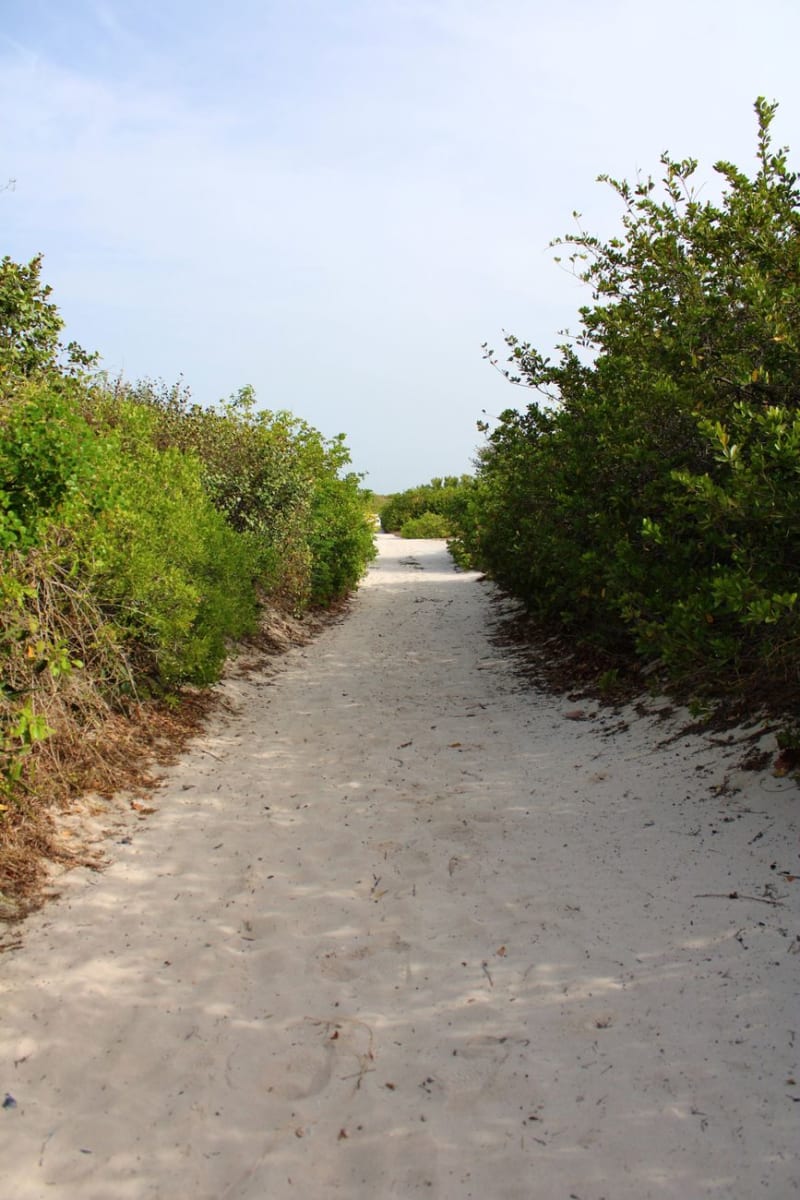 mexico
 Muyil
A small Maya archaeological site on the edge of the Sian Ka'an Biosphere Reserve, connected by ancient canal to a lagoon where you float downstream through jungle on a current that does the work. The site at dawn, before anyone else arrives, is among the most atmospheric in the Yucatán Peninsula.
Explore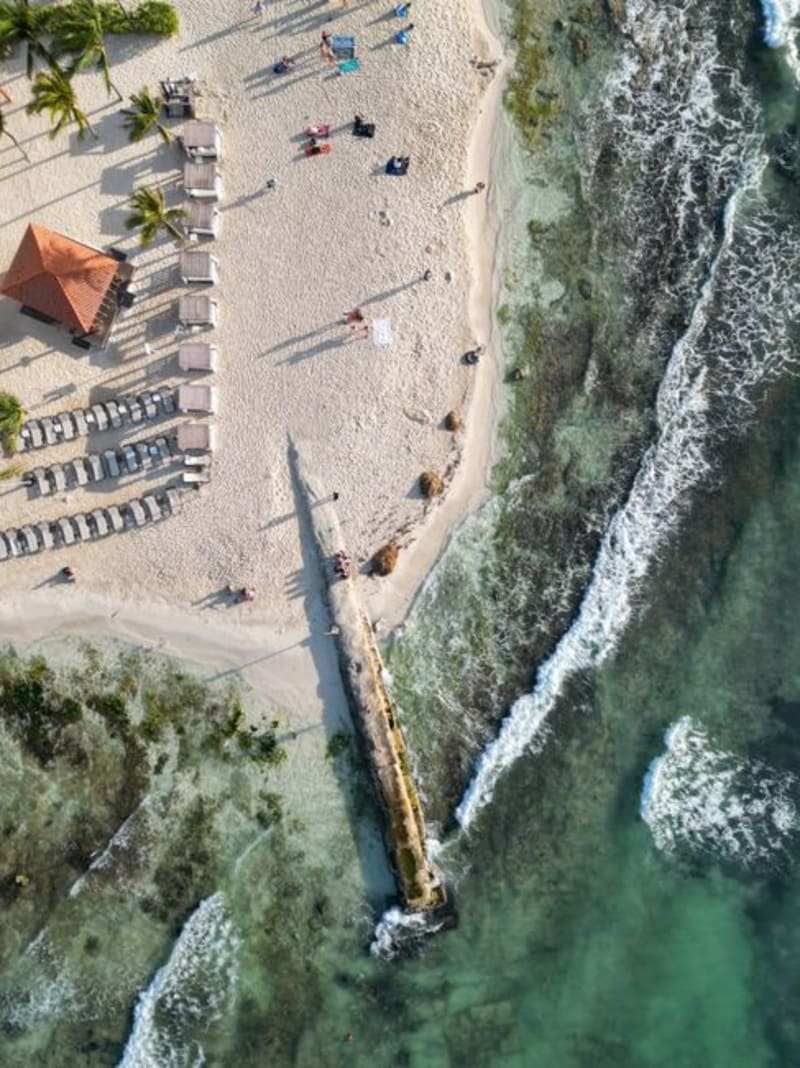 mexico
 Playa del Carmen
Everyone passes through Playa del Carmen on the way to Tulum or Cozumel, and almost everyone misses it. Behind La Quinta Avenida's parade of souvenir shops is a real city — one where ferry workers eat breakfast next to digital nomads, where the cenote roads begin twenty minutes inland, and where the pier at six in the morning belongs entirely to you.
Explore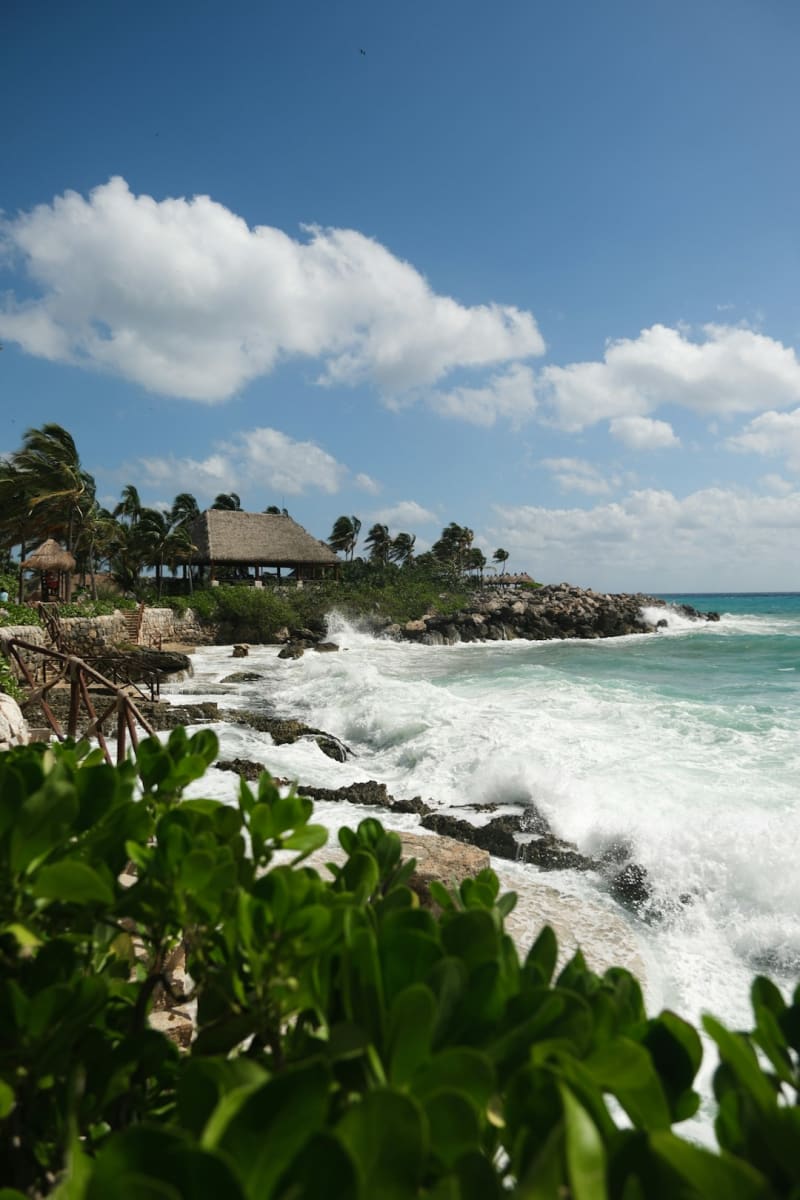 mexico
 Puerto Aventuras
Puerto Aventuras is a gated marina enclave on the Riviera Maya — manicured, quiet, slightly surreal — but it sits minutes from Dos Ojos, one of the largest flooded cave systems on earth. Most people drive through without stopping. That is a mistake.
Explore mexico
 Puerto Morelos
Wedged between Cancún and Playa del Carmen, Puerto Morelos resisted the all-inclusive tide and stayed a fishing village — central square, tilted lighthouse, and a reef so protected it still has coral. The pace here is slow on purpose, not by accident.
Explore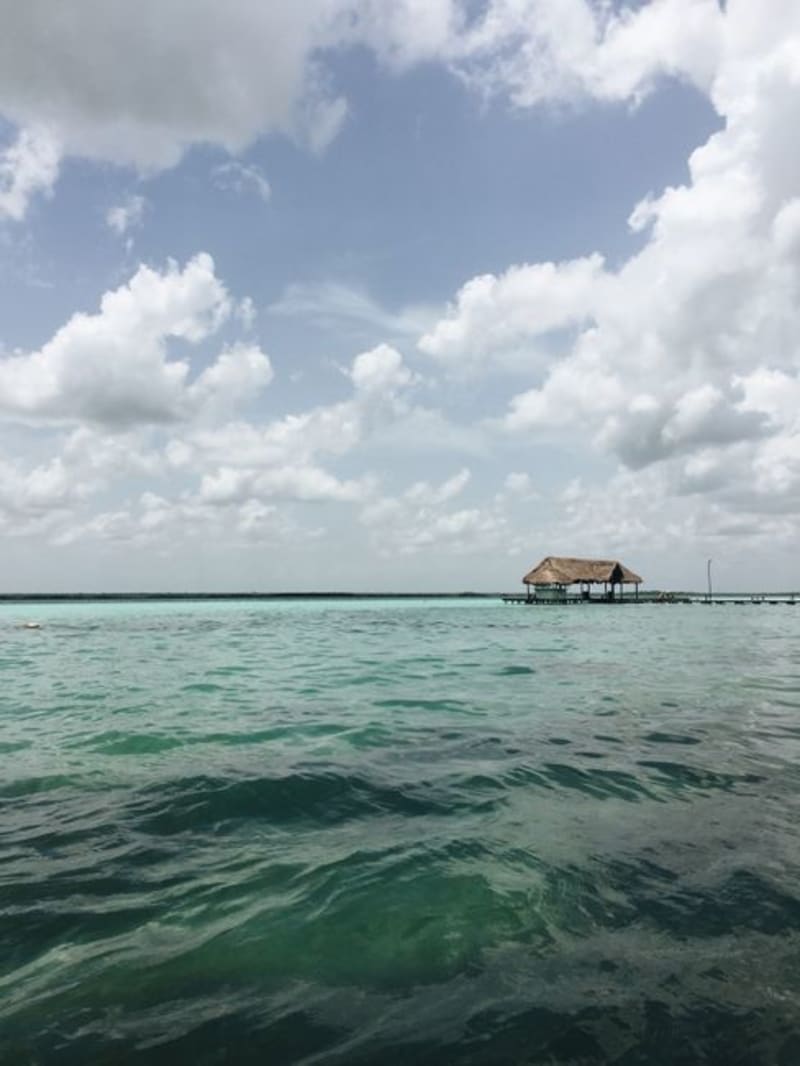 mexico
 Punta Allen
Sixty kilometers of unpaved road through Sian Ka'an is the best filter Mexico has ever devised. What comes after it is a fishing village of two hundred souls, world-class bonefish flats, and nights dark enough to make the bioluminescent lagoon feel like something you dreamed.
Explore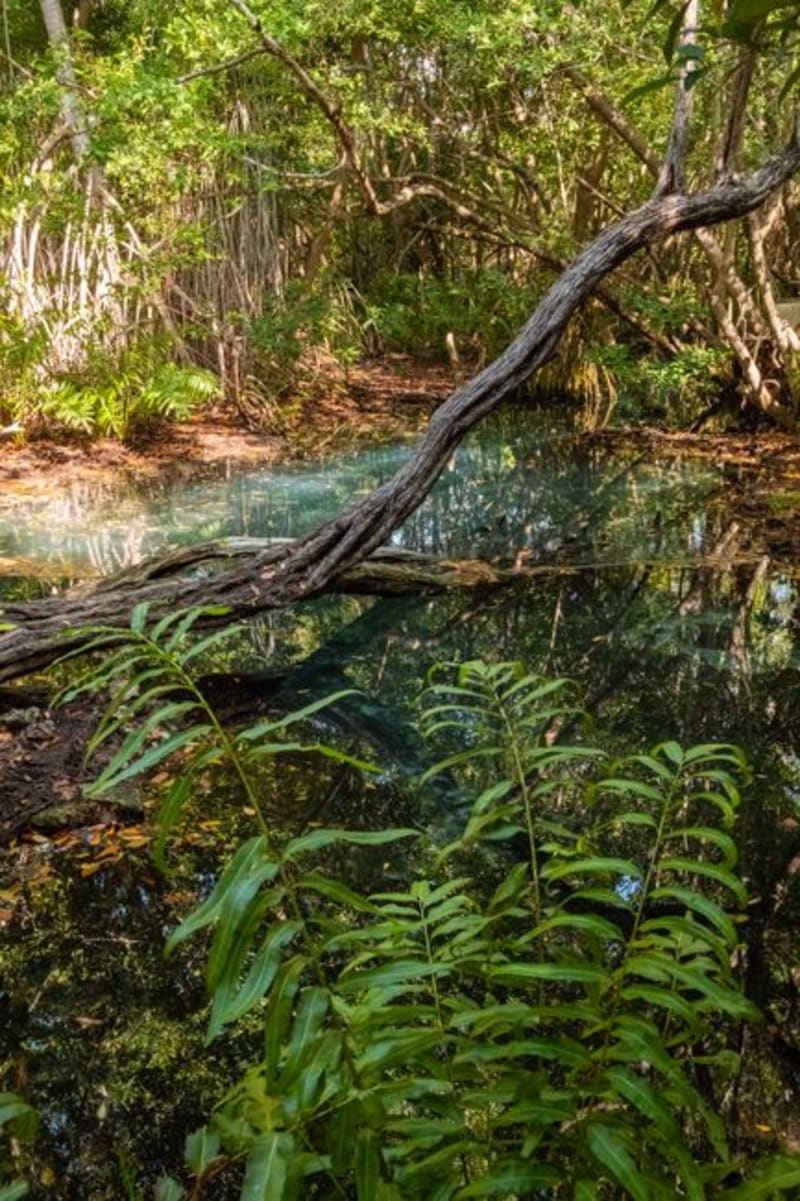 mexico
 Sian Ka'an
Sian Ka'an is a UNESCO biosphere reserve of more than a million hectares — rainforest, mangrove, reef, and ancient Maya canals that still carry you through the wetlands as they did centuries ago. Most people drive as far as Punta Allen and call it done. That is a reasonable start, but it is not the place.
Explore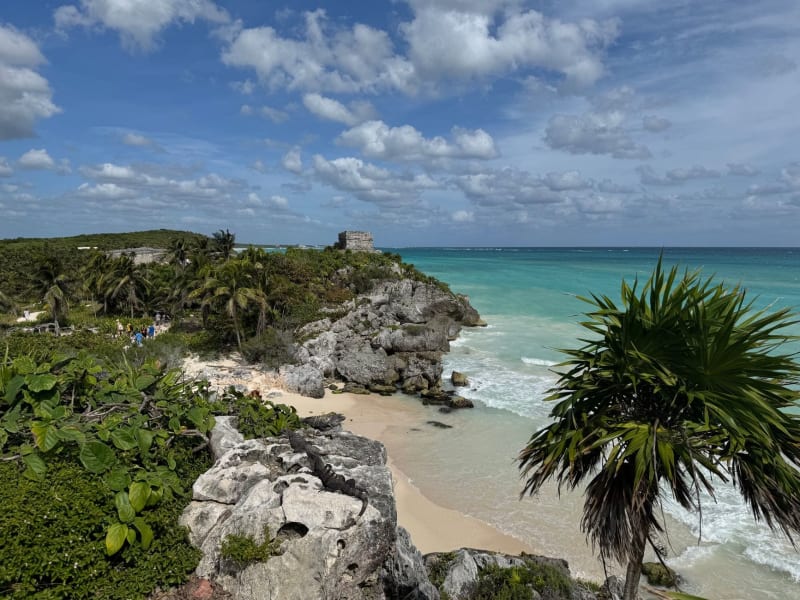 mexico
 Tulum
Mayan ruins perched above turquoise Caribbean waters, and a jungle of cenotes beneath your feet.
Explore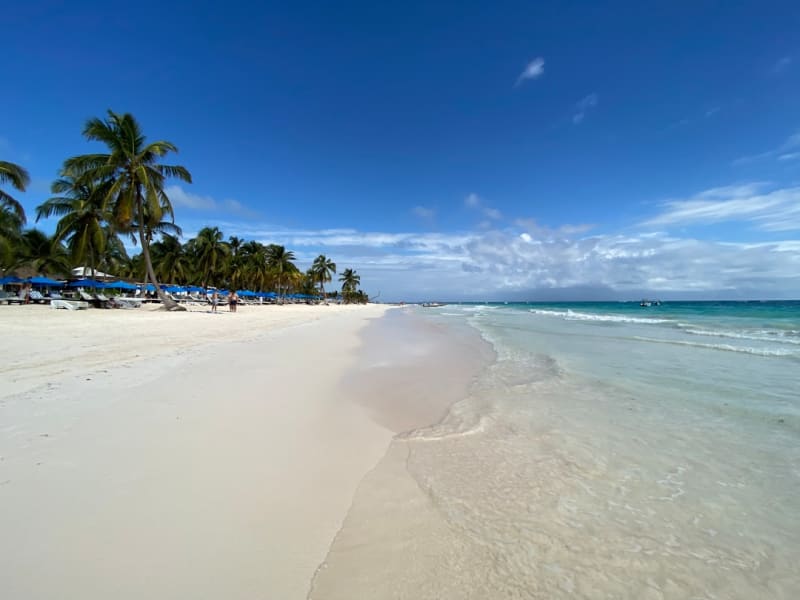 mexico
 Xcalak
The last village on the Quintana Roo coast before Belize, 60 kilometers of unpaved road from the nearest town, a living coral reef starting 20 meters from the beach, and a population of 350 people who chose to be here when they could have been anywhere else.
ExploreKeep exploring
More from Mexico
 mexico
 San Fernando Tamaulipas
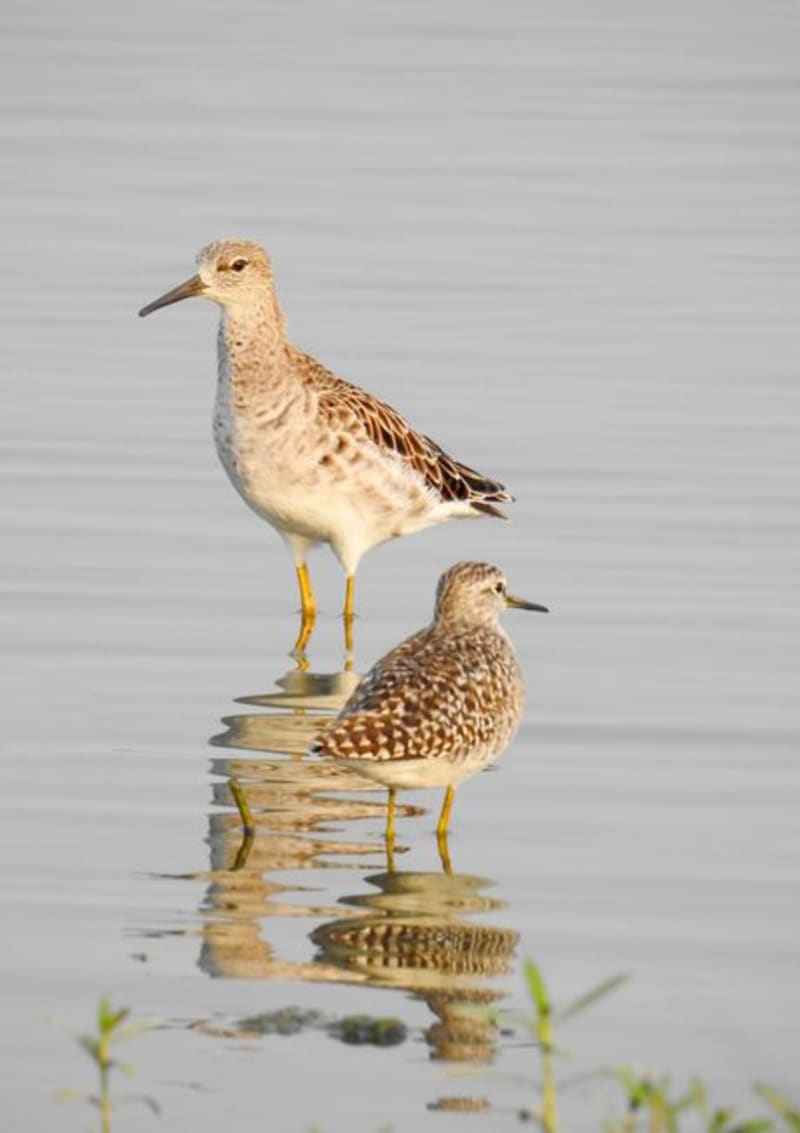
San Fernando is a ranching and fishing town on the Tamaulipas coast, unremarkable by most travel standards and extraordinary if you know where to look. Behind Padre Island lies the Laguna Madre, a hypersaline lagoon that shelters the largest wintering concentration of redhead ducks on the planet — a million birds in a landscape that still looks like it did before anyone thought to develop it.
Explore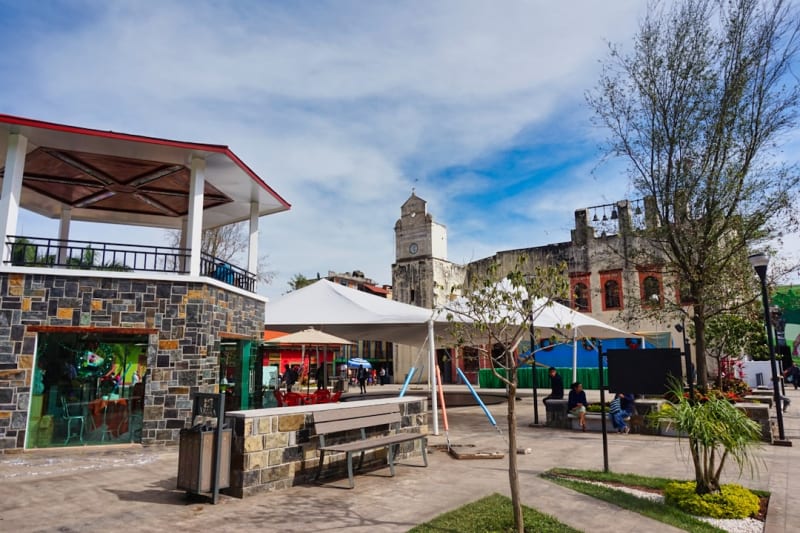 mexico
 San Luis Potosí
A UNESCO colonial capital with some of the finest baroque churches in Mexico — and an hour away, a surrealist garden in the jungle built by an English poet who spent thirty years pouring his inheritance into concrete.
Explore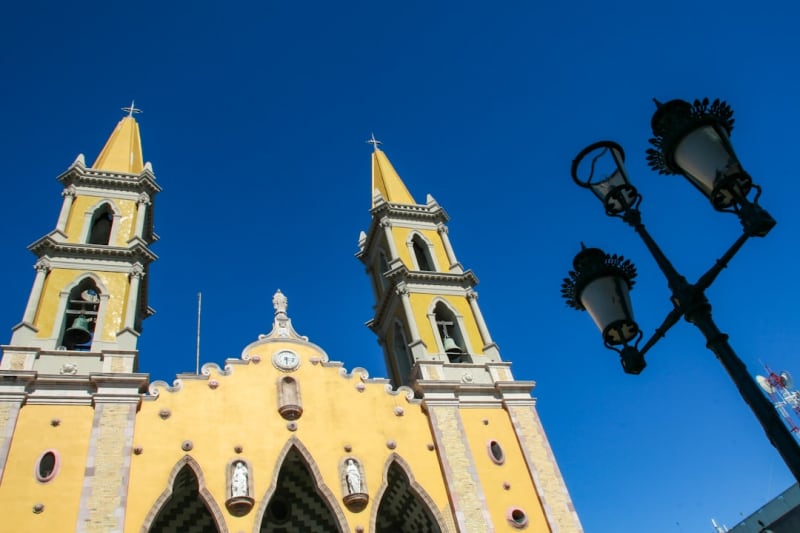 mexico
 Sinaloa
A Pacific coast state of contradictions — some of Mexico's best seafood, the colonial trading town of El Fuerte, the stylish malecon of Mazatlán, and a shadow economy that doesn't announce itself but shapes everything from the infrastructure to the music.
Explore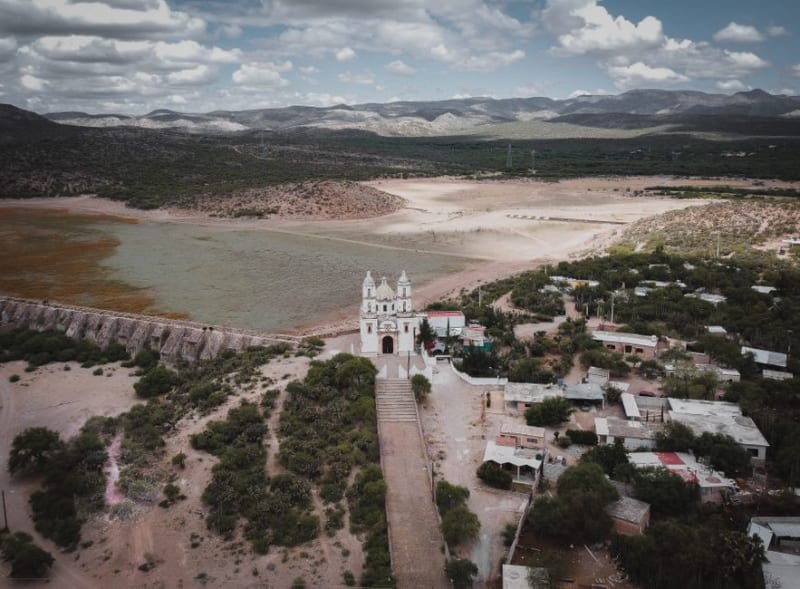 mexico
 Sonora
Mexico's second-largest state — a vast territory of Sonoran Desert, the Sea of Cortez coast, the Yaqui and Mayo indigenous civilizations, the colonial silver town of Álamos, and the best beef in Mexico from cattle that graze the grasslands of the sierra.
Explore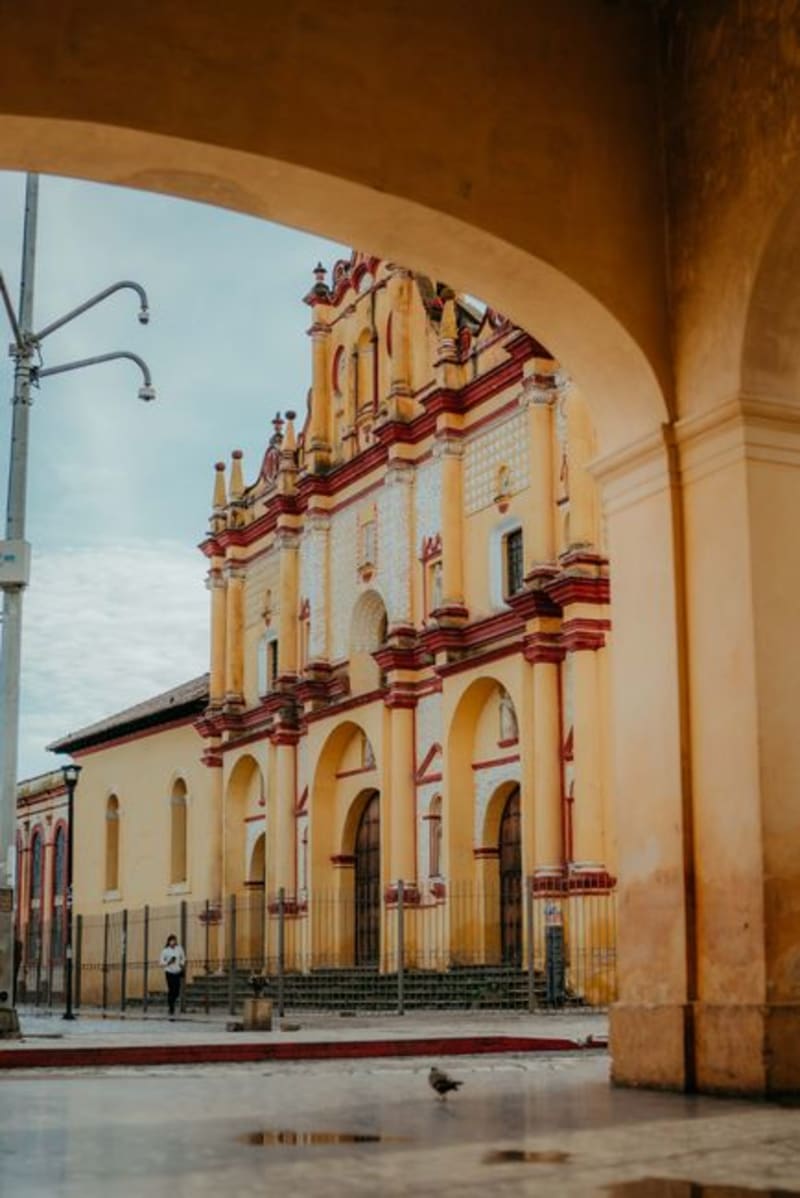 mexico
 Soto la Marina
A working river town on the Río Soto la Marina where colonial history — it was the landing point of Spain's last failed attempt to reconquer Mexico in 1829 — lives alongside fishing boats and citrus groves. The river mouth opens onto a Gulf coastline of barrier islands and shallow lagoons that almost nobody has thought to visit.
Explore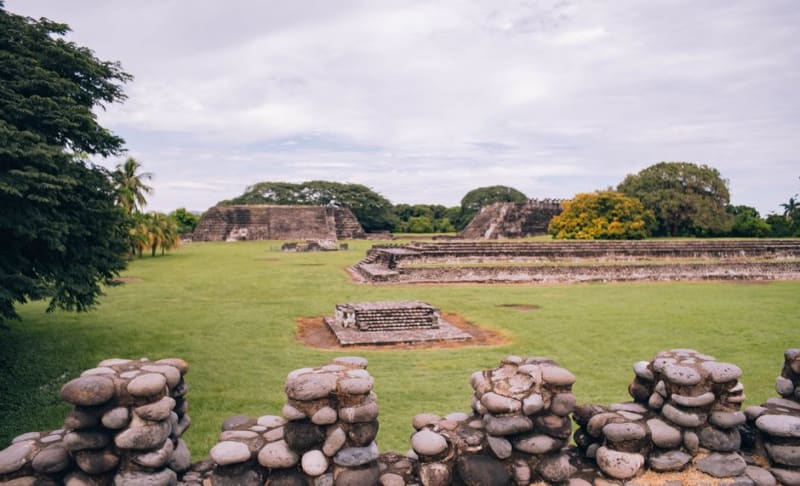 mexico
 Tabasco
A Gulf coast state of rivers, cacao, and Olmec heads — the birthplace of chocolate, the heartland of the Olmec civilization, and the state where the rivers run so full that the capital is built on stilts over the Grijalva.
Explore