Cuernavaca
"The Brady Museum is the best small museum in Mexico. Almost no one outside Mexico knows it exists."
Mexico City's weekend exhalation — a city of gardens and near-perfect climate 75km south, with a collector's house-museum of extraordinary depth that almost nobody outside Mexico knows exists and Diego Rivera murals in the palace Cortés built.

Cuernavaca has a reputation in Mexico that it partially deserves and partially doesn’t. The reputation is for being a wealthy weekend destination — the city where Mexico City professionals retreat on Fridays, where the private schools and gated residential compounds and weekend houses accumulate in the barrancas between the colonial center and the surrounding suburbs. This is true. Cuernavaca is expensive, comfortable, and full of people who drive large vehicles and discuss real estate. It is also, underneath this, a city of real historical depth and one genuinely extraordinary institution that almost nobody talks about outside Mexico.
The climate reputation, at least, is entirely earned. Cuernavaca sits at 1,500 meters — a thousand meters lower than Mexico City — in the foothills south of the volcanic range, in a position that catches warm air from the south and is sheltered from the north by the mountains. The result is a microclimate of near-constant pleasantness: 22–26°C for most of the year, rarely cold enough to need more than a light jacket at night, rarely hot enough to be uncomfortable. The jacarandas bloom in February. Bougainvillea blooms year-round. The city is full of gardens, and unlike Mexico City’s gardens, these ones stay green.
I first came to Cuernavaca not for the climate but on the recommendation of a friend who described the Brady Museum as “the thing I most wish I had found earlier in Mexico.” That description turned out to be accurate.
The Robert Brady Museum
Robert Brady was an American collector and artist who arrived in Cuernavaca in 1963, fell in love with the city, bought a 16th-century house attached to a former convent, and spent the next thirty years filling it. He died there in 1986 and left the house and its contents as a museum. What those thirty years of filling produced is one of the most remarkable private collections in Mexico.
The collection has no single organizing principle beyond Robert Brady’s taste, which was extraordinary and eclectic: pre-Columbian ceramics and stone objects, colonial religious painting, folk art from every region of Mexico, African and Asian art, modern painting by Frida Kahlo and Rufino Tamayo and others who were Brady’s contemporaries and friends. The objects are displayed not in museum cases but in the rooms of the house as Brady arranged them — on the tables, on the walls, in the corners, stacked on shelves — in the way a collector with excellent taste and unlimited time would actually live with things.
The kitchen has colonial tiles and African baskets and a pre-Hispanic figure on the counter beside a copper pot. The bedroom has a painted headboard and a Kahlo drawing and a carved animal mask from Guerrero. The garden has a tiled swimming pool surrounded by pre-Columbian sculpture and a Diego Rivera painting hung on the outer wall of the pool house.
This sounds chaotic. It is not. Brady’s arrangement communicates something about the relationships between objects across cultures and periods that conventional museum organization specifically prevents. A Oaxacan textile next to a Yoruba vessel next to a 17th-century retablo: the juxtaposition is not arbitrary. It reveals formal and spiritual connections between things that traveled very different paths to arrive in the same room. I stood for five minutes in front of a corner shelf where a Colima dog figurine from 200 BCE sat beside a carved wooden horse from Guerrero beside a Dogon figure from Mali, and the conversation between them was entirely legible.

The museum charges a modest entry fee. The visit takes two to three hours if you actually look at things. On weekday mornings, I have been nearly alone there. It is one of the most unexpectedly moving experiences available in Mexico to anyone interested in objects and the people who love them. If you are in Cuernavaca for any reason, you go here first.
Rivera at the Palacio de Cortés
The Palacio de Cortés — the fortified palace that Hernán Cortés began building in 1526, on the foundations of an Aztec ceremonial platform, with stones cannibalized from Aztec buildings — contains Diego Rivera’s mural of Morelos state history, painted in 1930 at the invitation of Dwight Morrow, the American ambassador who was an enthusiast of Mexican muralism. This is a lesser-known Rivera project than the Palacio Nacional in Mexico City or the murals in Detroit and San Francisco, and it is in some ways more interesting for being less famous.
The mural runs along the second-floor arcade overlooking the central courtyard. The panels cover the pre-Hispanic past, the Conquest, the colonial period, and the Revolution — the full arc of Morelos history compressed into a frieze that runs around three sides of an arcade. Rivera’s Zapata appears here as a white horse rearing, which is the image most widely reproduced, but the fuller narrative — the labor, the dispossession, the systematic violence of the colonial extraction economy — is in the panels that don’t make the reproductions.
The palace also contains the Museo Regional Cuauhnáhuac, a history museum of the state of Morelos with good ethnographic and archaeological collections. The museum is worth an hour. The mural is worth as much time as you want to give it.
The City on Weekdays
The Cuernavaca most worth experiencing is the weekday city, when the Mexico City weekend crowd has returned north and the streets return to their actual residents. The Jardín Borda — the 18th-century garden of a silver magnate that later became a weekend retreat for Maximilian and Carlota — is at its most peaceful on Tuesday or Wednesday mornings, the peacocks and fountains and colonial garden architecture available without competition.
The cathedral complex, one of the oldest in Mexico (founded 1529), contains colonial paintings of exceptional rarity: the Martyrdom of the Japanese Martyrs murals, discovered under whitewash in the 1960s, painted by a Japanese-influenced artist in the 17th century depicting the crucifixion of Japanese Christians who converted under Franciscan missionary influence. The style is neither European nor Japanese but somewhere between, and it is one of the strangest and most affecting things in Mexican religious art. Most visitors walk past the door that leads to them. Ask the custodian.

The central zócalo — the Jardín Juárez — is pleasant in a generic way, with cafés around the perimeter and a kiosk where a brass band plays Sunday evenings. The market streets around the Mercado Adolfo López Mateos, however, are not generic: the food stalls selling cecina, tlayudas, and the specific chile-heavy soups of the Morelos kitchen operate at a level of craft and price that the tourist-facing restaurants on the zócalo cannot match. Find the cecina stall that serves it with black beans and a handmade tortilla, and you have the best meal in the city for about four euros.
Getting there: Estrella Roja buses from the TAPO terminal in Mexico City run to Cuernavaca’s casino bus station every thirty minutes, journey approximately ninety minutes. Pullman de Morelos buses from Taxqueña terminal are an alternative. From Taxco, shared colectivos make the sixty-kilometer journey north in about ninety minutes.
When to go: February and March, when the jacarandas bloom, are the most visually striking months. The climate is pleasant year-round, but the city feels different — and noticeably more expensive — on weekends from October through April, when the Mexico City crowd arrives en masse. For the Brady Museum and the Rivera murals, any weekday visit at any time of year is the right answer.
Keep exploring
More of Morelos
Keep exploring
More from Morelos
 mexico
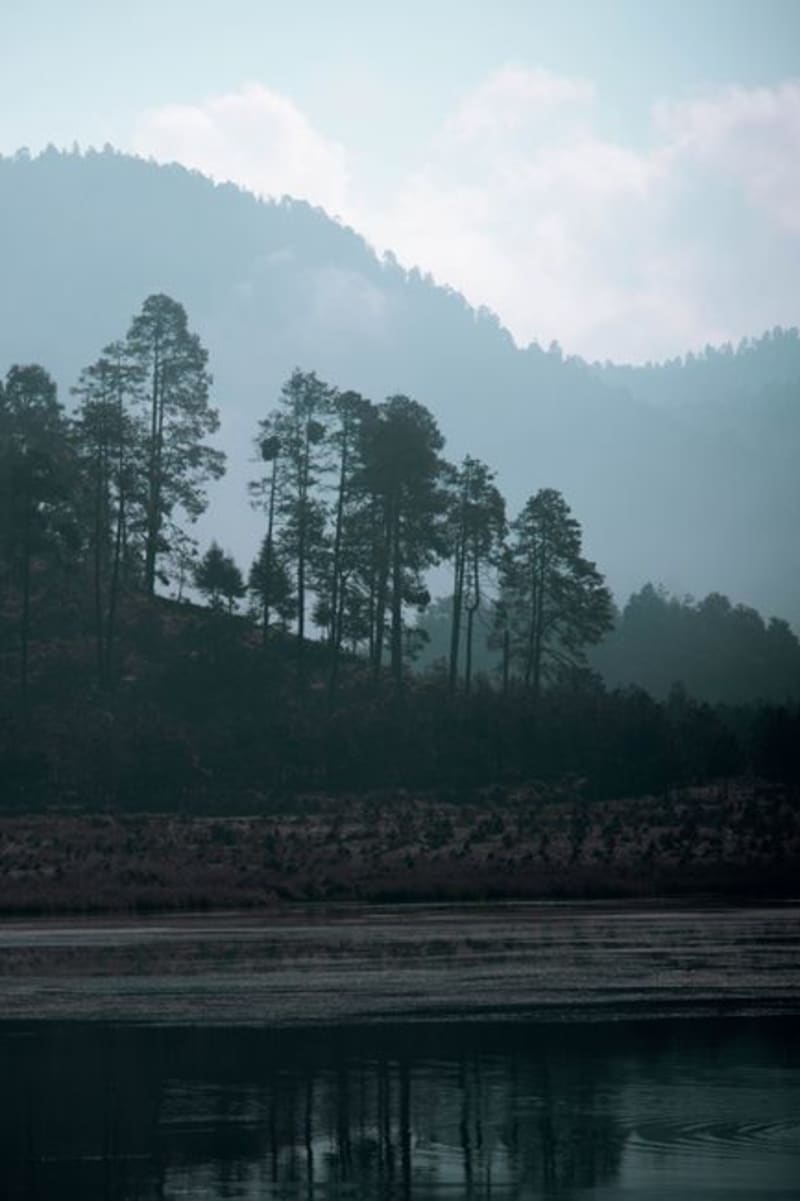
 Huitzilac
At 2,800 meters on Morelos's northern edge, Huitzilac trades the state's signature tropical heat for pine-oak forest, cold fog, and the high-altitude lakes of Zempoala. Most people pass through without stopping. That is their mistake.
Explore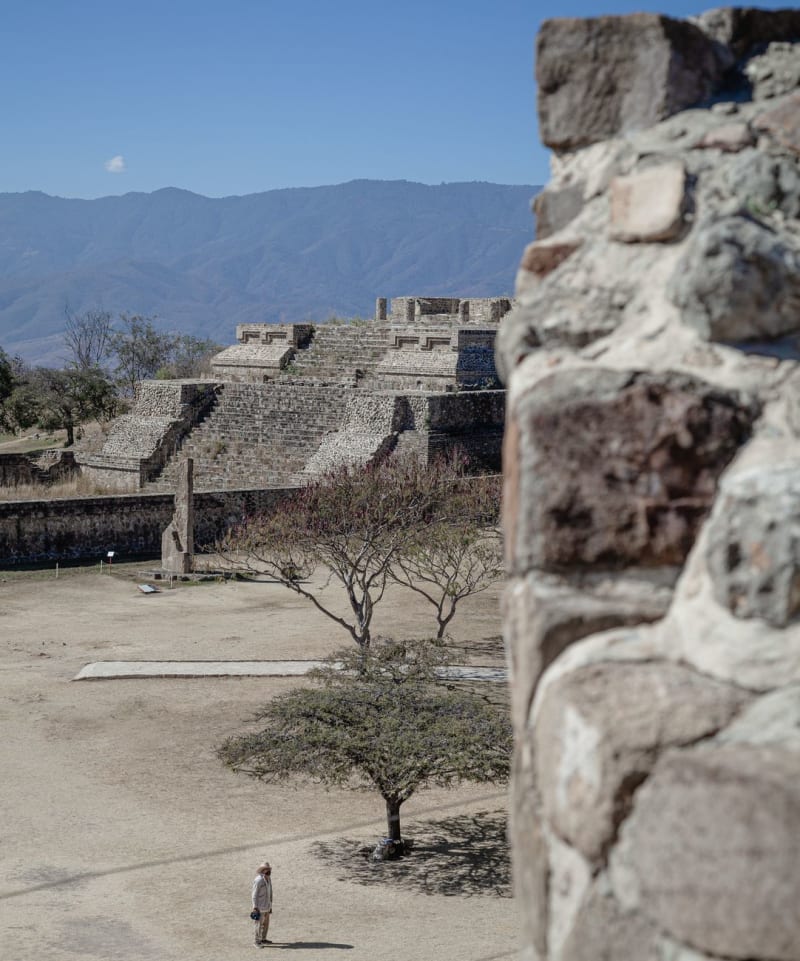 mexico
 Xochicalco
A hilltop pre-Hispanic city in the Morelos valley where a civilization of astronomers built one of the most sophisticated observatories in the Americas — including an underground cave where a column of light marks the exact zenith passage of the sun.
Explore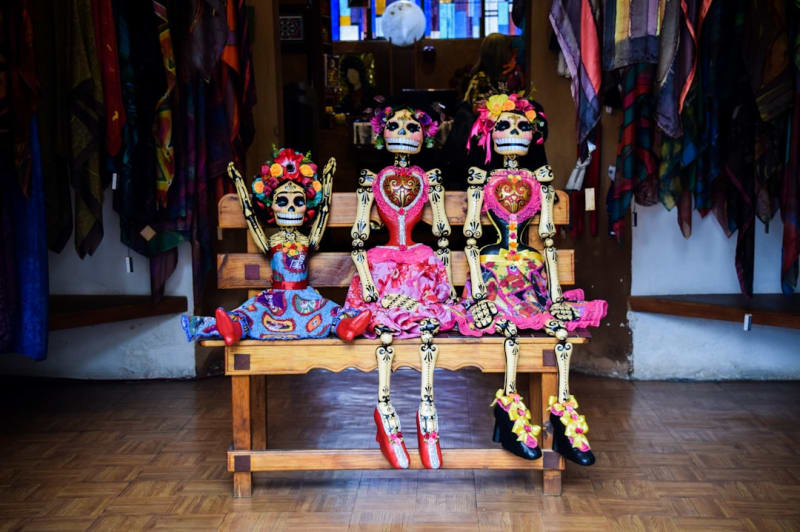 mexico
 Tepoztlán
A village of volcanic cliffs, a Nahua pyramid, and an agave deity — 75 kilometers from Mexico City and centuries away from it.
Explore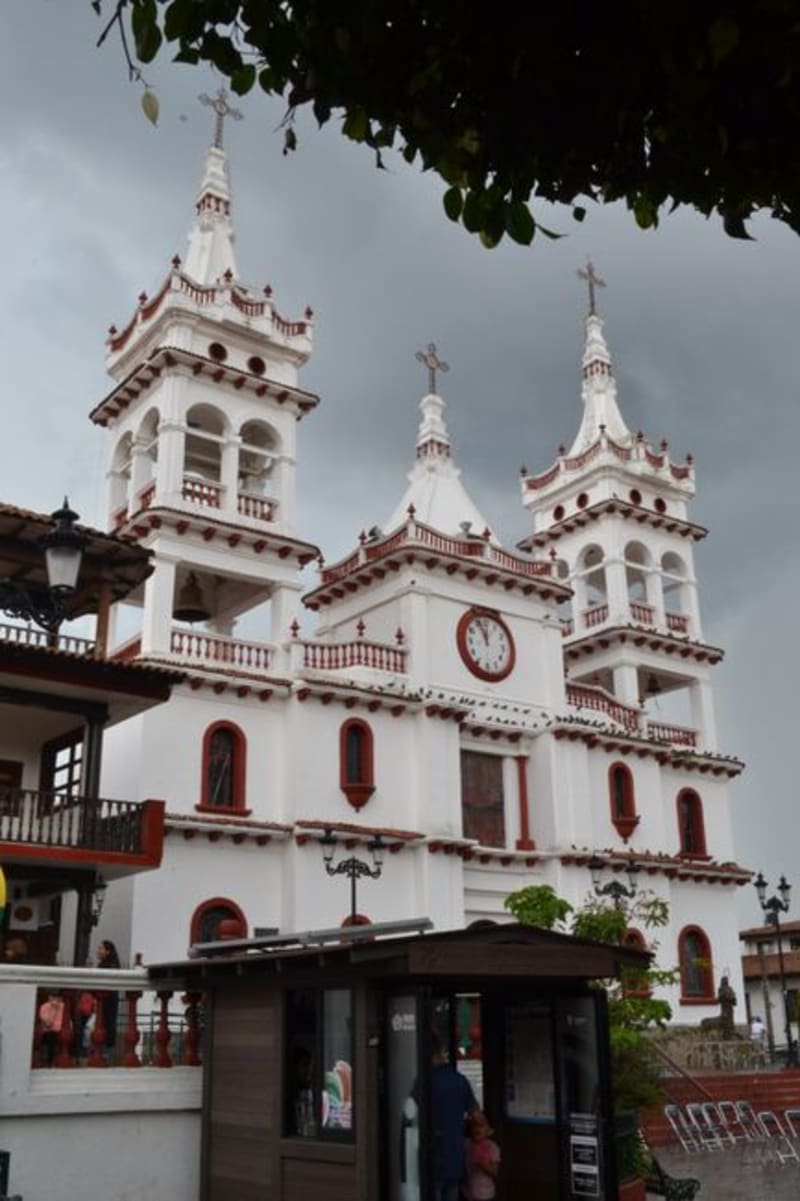 mexico
 Tetecala
Tetecala is one of Morelos' quietest Pueblos Mágicos — a warm-country town where mango orchards line the roads and a clear river has served as the local swimming hole for generations. The colonial church presides over an unhurried plaza, and the tourists have yet to find it.
Explore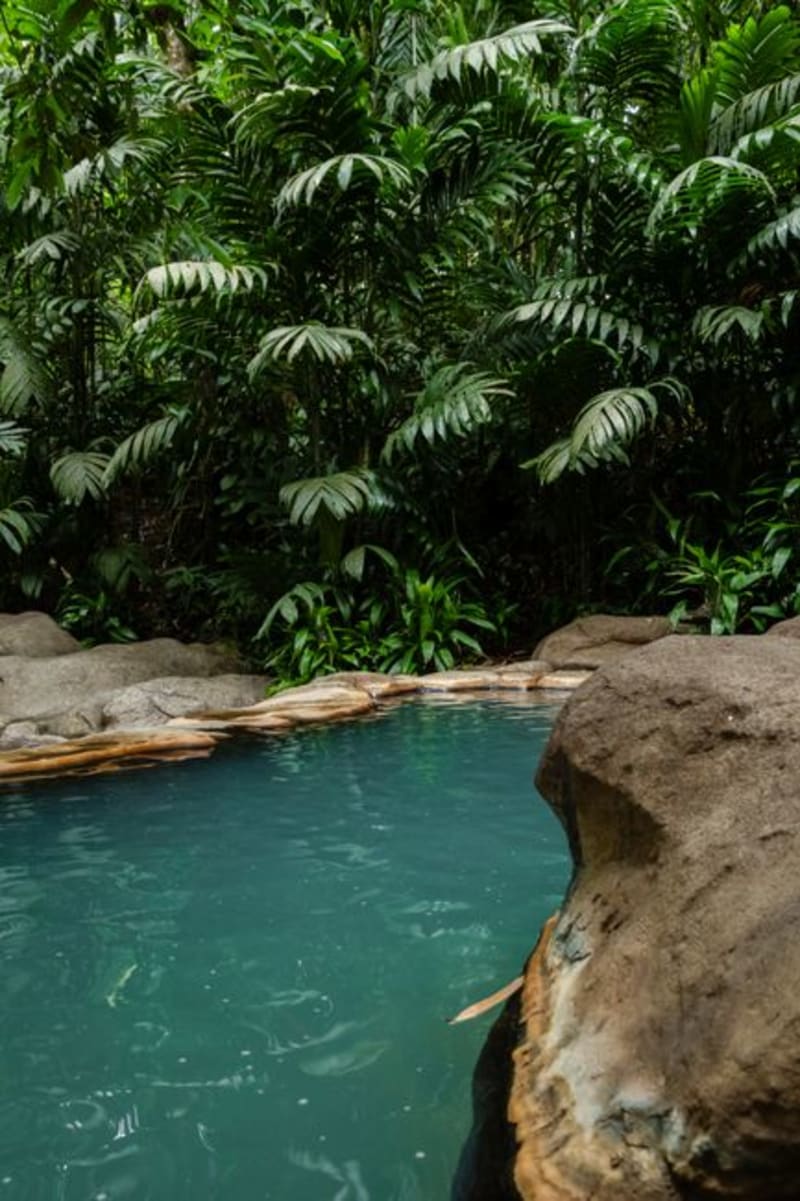 mexico
 Mazatepec
A village in the warm lowlands of western Morelos where ex-haciendas with thermal pools sit among mango and guava orchards. Mazatepec operates at a pace that makes Cuernavaca feel rushed — it rewards visitors who arrive with nothing planned.
Explore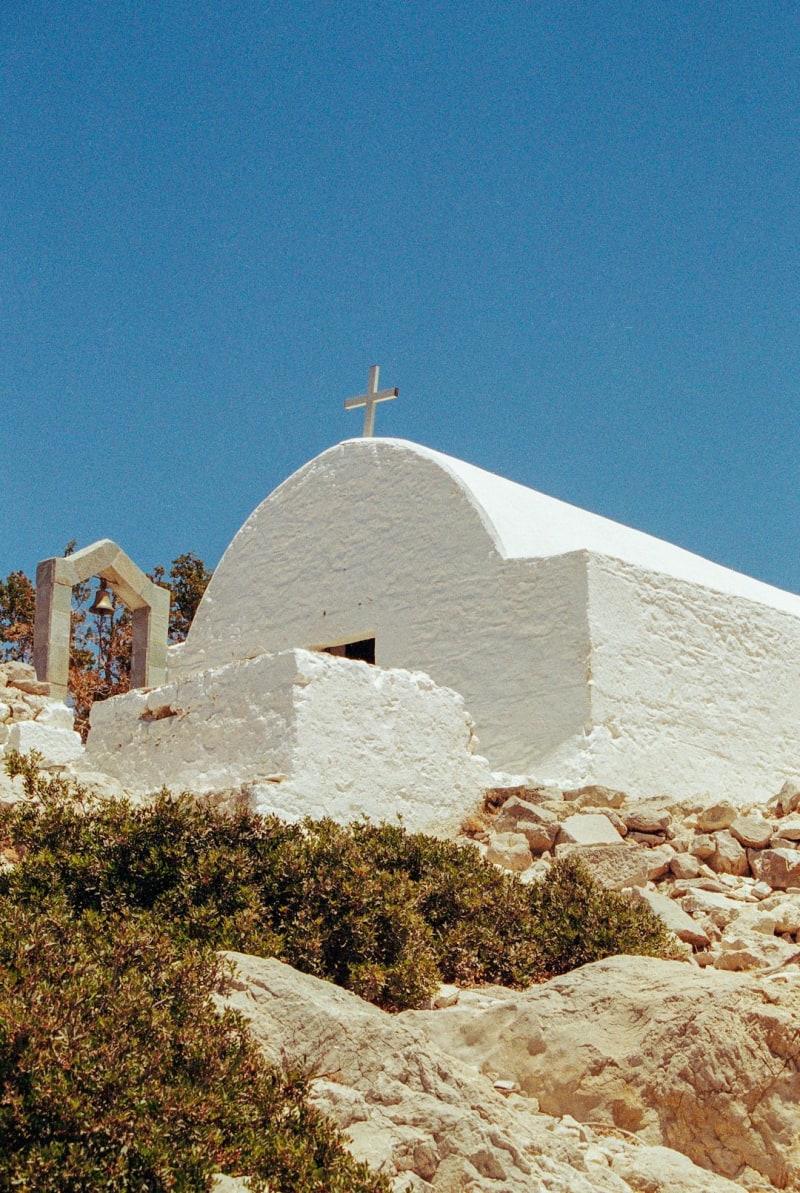 mexico
 Coatlán del Río
A warm river-valley town in southwestern Morelos where sugarcane and fruit ripen in the heat, spring-fed balnearios run cool and clear, and the pace slows to match the water. Green, hot, and gloriously unhurried.
Explore