Sinaloa
"Mazatlán has the longest malecón in Mexico. El Fuerte has the most elegant colonial plaza in the northwest. Copala has the banana cream pie. Sinaloa has better seafood than the tourists who skip it will ever know."
A Pacific coast state of contradictions — some of Mexico's best seafood, the colonial trading town of El Fuerte, the stylish malecon of Mazatlán, and a shadow economy that doesn't announce itself but shapes everything from the infrastructure to the music.

Sinaloa is the Pacific coast state that most travelers pass through (or over, in the aircraft) without stopping — its reputation preceding it in a way that obscures a coastline of genuine quality and a cultural identity that is specific and interesting. The state runs 600 kilometers along the Pacific and contains some of the most productive agricultural valleys in Mexico (the Culiacán and Fuerte river valleys supply a substantial portion of Mexico’s tomato, pepper, and grain production), the best Gulf shrimp fishing on the Pacific coast, and the colonial legacy of the northwestern trading networks that made El Fuerte and Culiacán significant before Mazatlán’s port opened the coast to the Pacific trade.
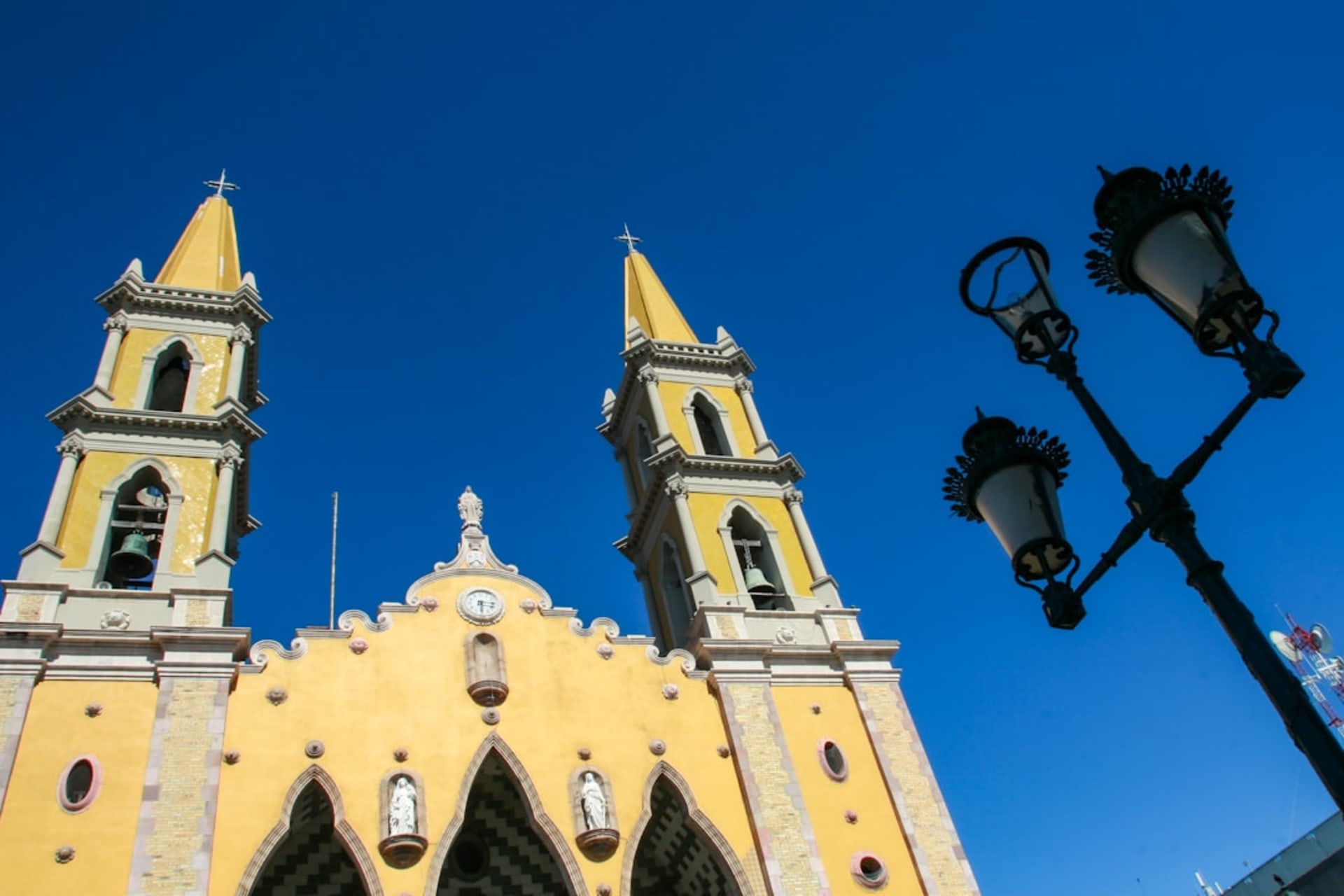
Mazatlán — the state’s tourist city, a Pacific resort with a genuine 19th-century centro histórico — has been discovered and rediscovered periodically since the 1970s. The old city (the Olas Altas neighborhood, the Teatro Ángela Peralta, the cathedral) is restored and walkable; the Malecón (at 21 kilometers, the longest in Mexico) runs along the Pacific from the old city to the hotel zone. The seafood — shrimp from the fishing fleet that works the continental shelf off Sinaloa, oysters from the coastal lagoons, the morning fish market — is the best argument for Mazatlán.
El Fuerte (covered separately) was the colonial capital of the northwestern provinces before the arrival of the railroad and the rise of Culiacán. Copala (covered separately) is the colonial silver mining ghost town that operates as a day trip from Mazatlán.
The banda music tradition of Sinaloa — the large brass ensemble that produces the music played at every northern Mexican celebration — has made Sinaloa’s musical identity nationally known even among people who’ve never visited the state. Sinaloa banda has become the dominant popular music of northern Mexico and of Mexican-American communities in the United States.
Explore
Places in Sinaloa
 mexico
 Altata
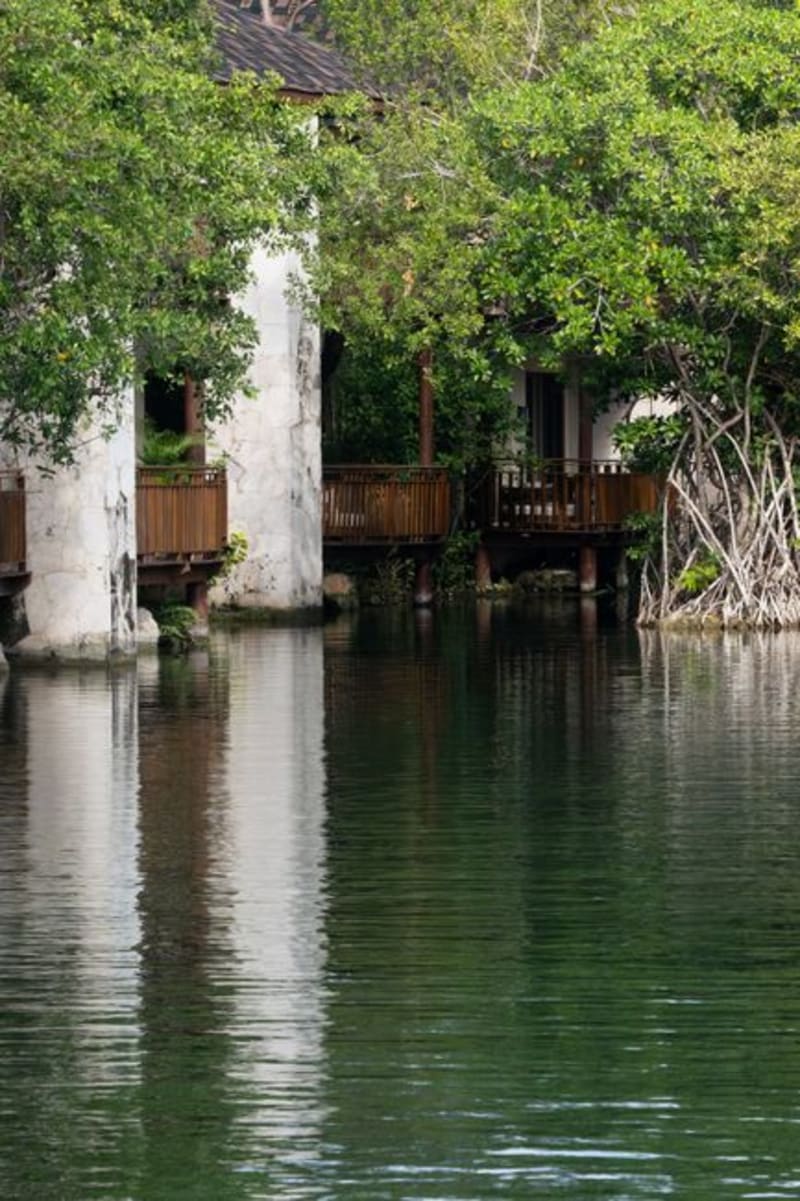
Altata is where Culiacán comes to eat on weekends — the beach annex of the state capital, sixty kilometers and an entirely different energy away. The mangrove channels running behind the beach are among the best kayaking on the Pacific coast, and the aguachile here is made with shrimp pulled from those same channels that morning.
Explore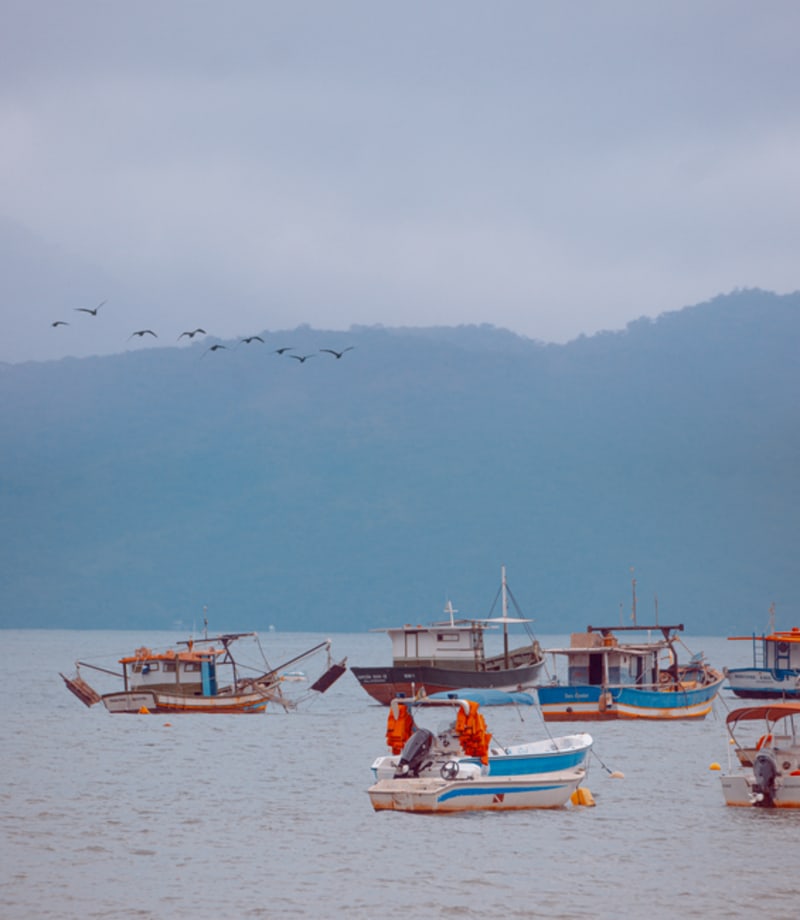 mexico
 Angostura
A reservoir town in northern Sinaloa where flat water, slow pelicans, and exceptional chilorio conspire to hold you longer than planned. Angostura is not on anyone's list, which is precisely what makes it worth stopping for.
Explore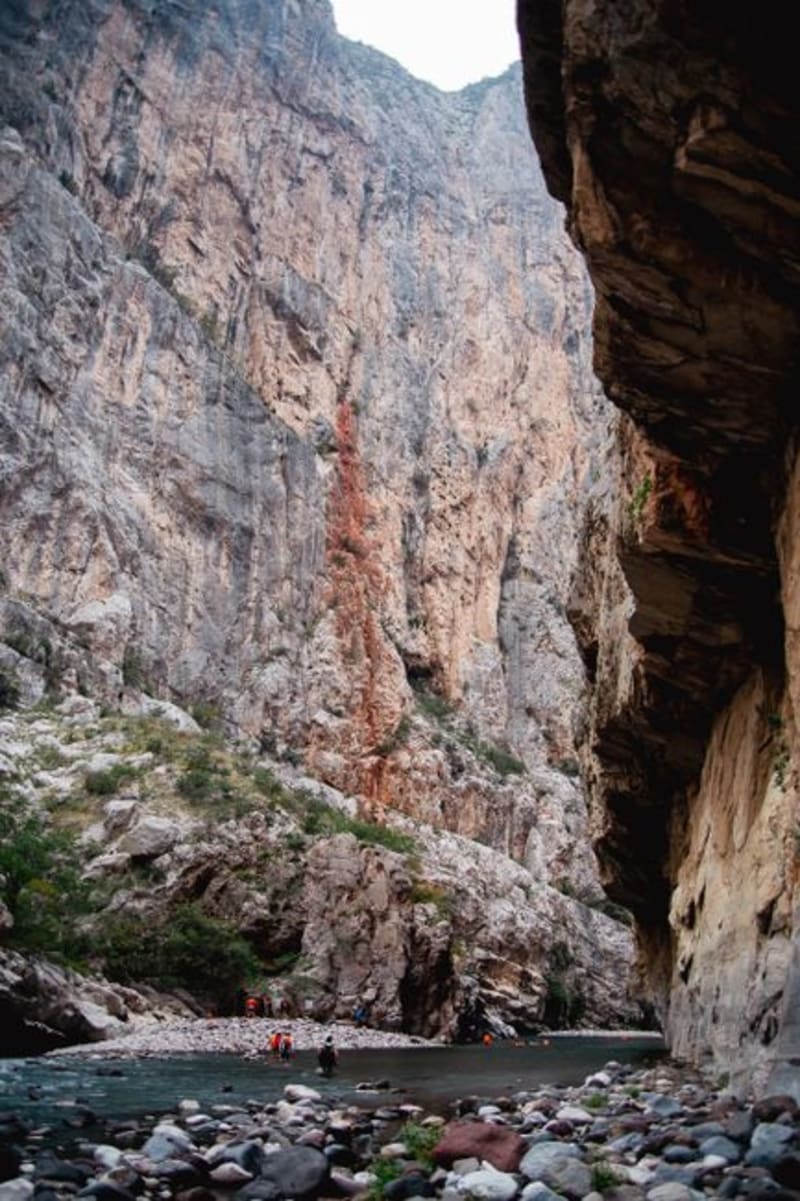 mexico
 Choix
A remote sierra town where the Fuerte River has carved barrancas through pine-oak forest at the northern edge of Sinaloa, presided over by a landscape that genuinely surprises this far north. Guarijío rancherías dot the surrounding mountains, the mercado fills on Tuesdays and Saturdays, and almost no foreigners pass through — which tells you something.
Explore mexico
 Concordia
A Pueblo Mágico forty minutes east of Mazatlán where cobblestone streets wind past open-air workshops producing some of Mexico's finest hand-carved mesquite furniture. The baroque Parroquia de San Sebastián anchors a plaza quiet enough to hear chisels at work — a deliberate counterpoint to Mazatlán's malecon.
Explore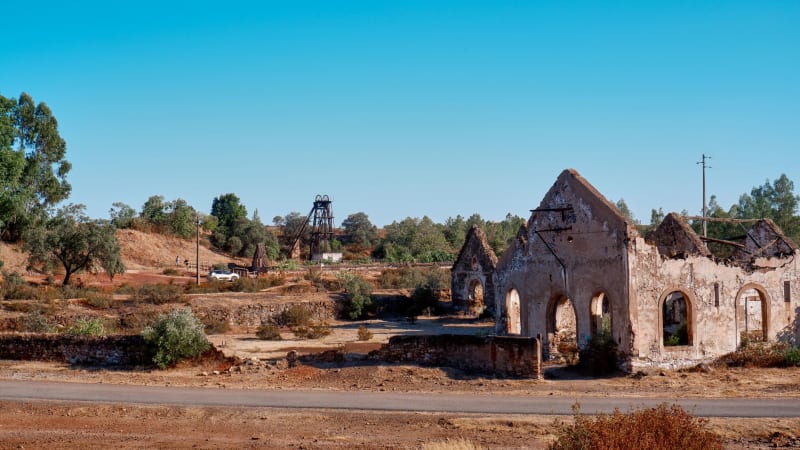 mexico
 Copala
A Sinaloa silver mining ghost town that produced 8 million pesos of silver for the Spanish Crown before the veins ran out — the 18th-century church, the stone-paved streets, the abandoned mine shafts, and one restaurant that has been serving the same banana cream pie since 1945.
Explore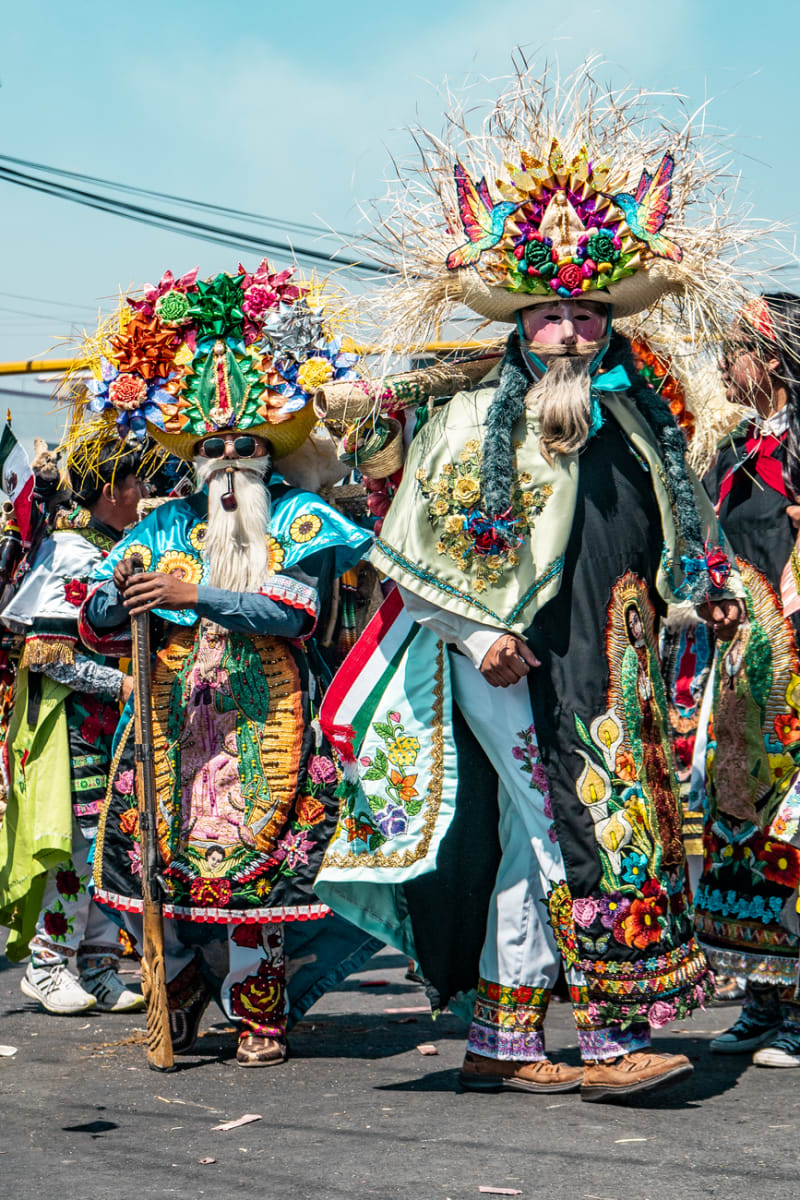 mexico
 Cosalá
Cosalá is a silver-mining Pueblo Mágico tucked into the Sierra Madre Occidental three hours from Mazatlán, old enough to have been founded in 1562, quiet enough that the colonial plaza still feels like it belongs to the people who live there rather than the people who visit. The church has a baroque altarpiece that has been in the same building for four and a half centuries. I arrived after a long drive through the sierra and ate tamales de elote at a roadside puesto while the mountains went dark around me.
Explore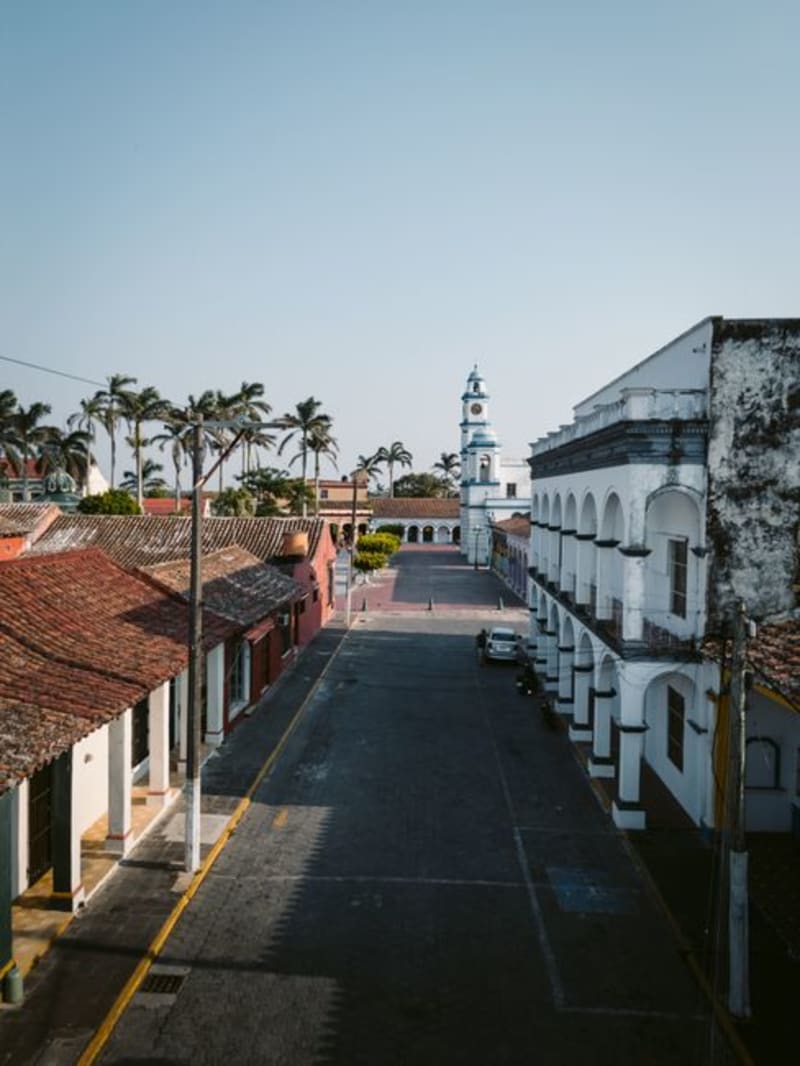 mexico
 Cosalá
A silver-mining colonial town in the Sinaloan sierra, Cosalá earns its pueblo mágico status with stone-paved streets, 18th-century churches, and thermal springs in the surrounding mountains. Almost no one from the coast makes the detour — which is precisely its advantage.
Explore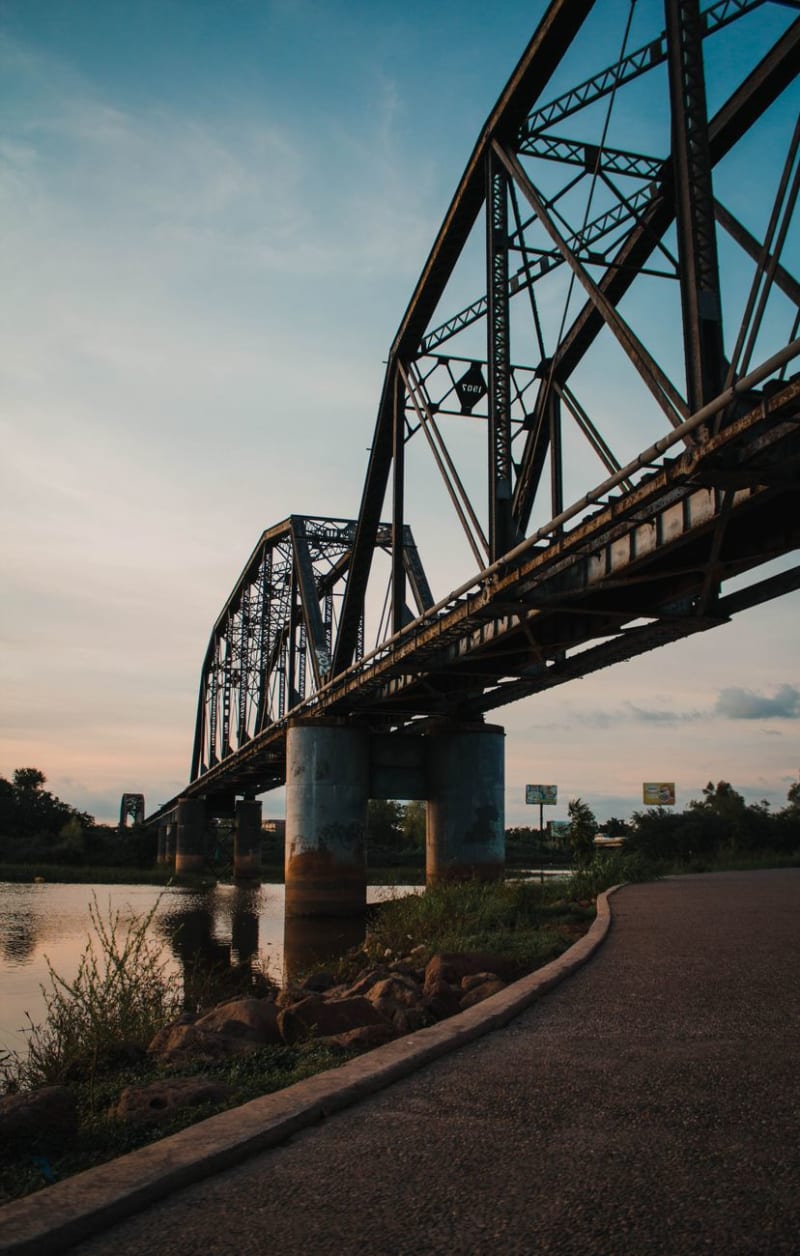 mexico
 Culiacán
Culiacán is Sinaloa's state capital — a modern, working city whose name travels internationally for one set of reasons while its actual daily life operates at a completely different register. I came for the aguachile negro and the contemporary art museum and left thinking I had barely touched it.
Explore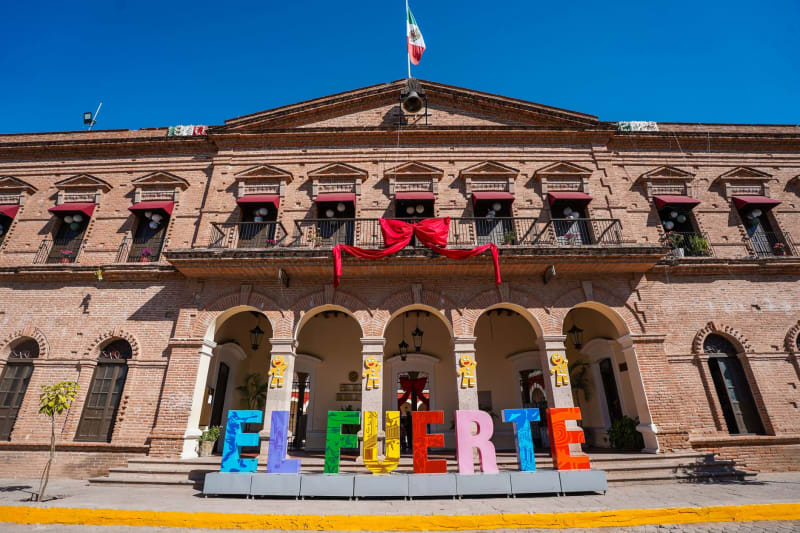 mexico
 El Fuerte
A Sinaloa colonial town that was the most important trading center in northwestern New Spain, the western terminus of the El Chepe Copper Canyon train, and a place where the evening malecón is more alive than any beach resort the state has produced.
Explore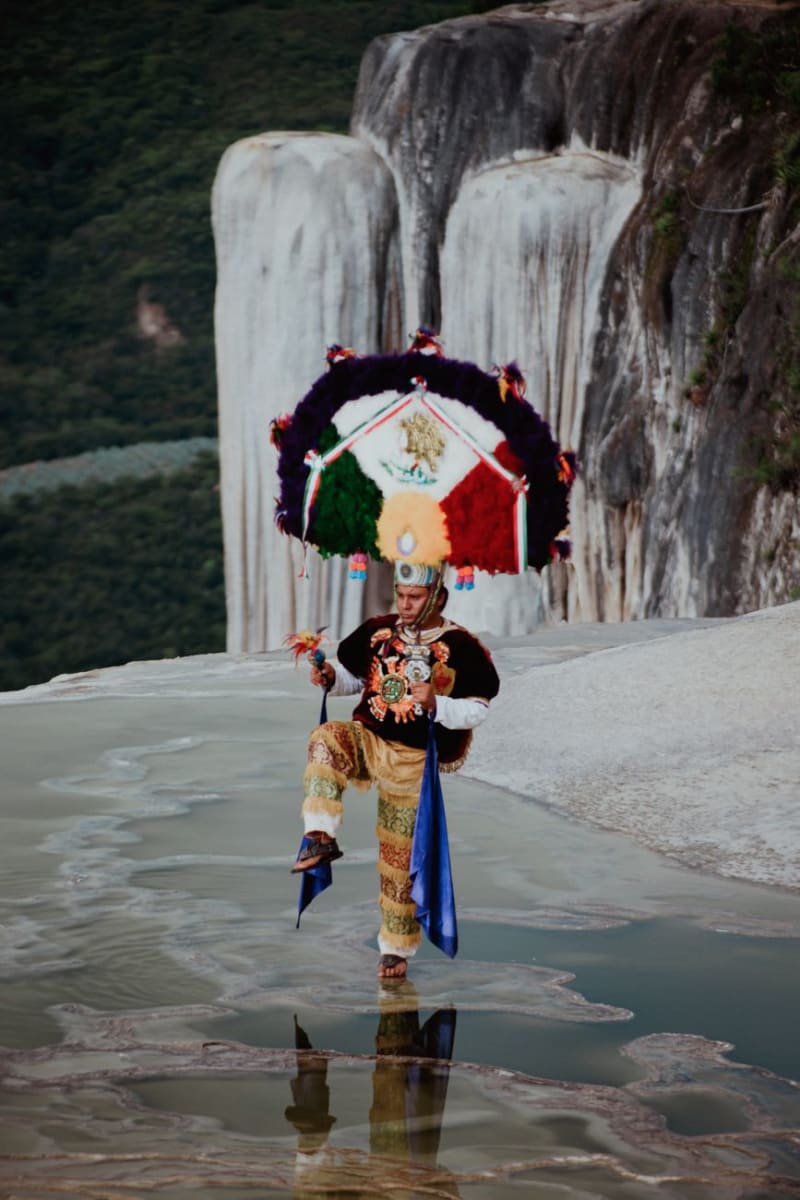 mexico
 El Quelite
A 19th-century colonial village 30 minutes from Mazatlán that has preserved — or rather, curated — its architecture as a showcase of Sinaloan country life and cooking. The chilorio is the best version in the state. The village knows exactly what it is, which is both its limitation and its appeal.
Explore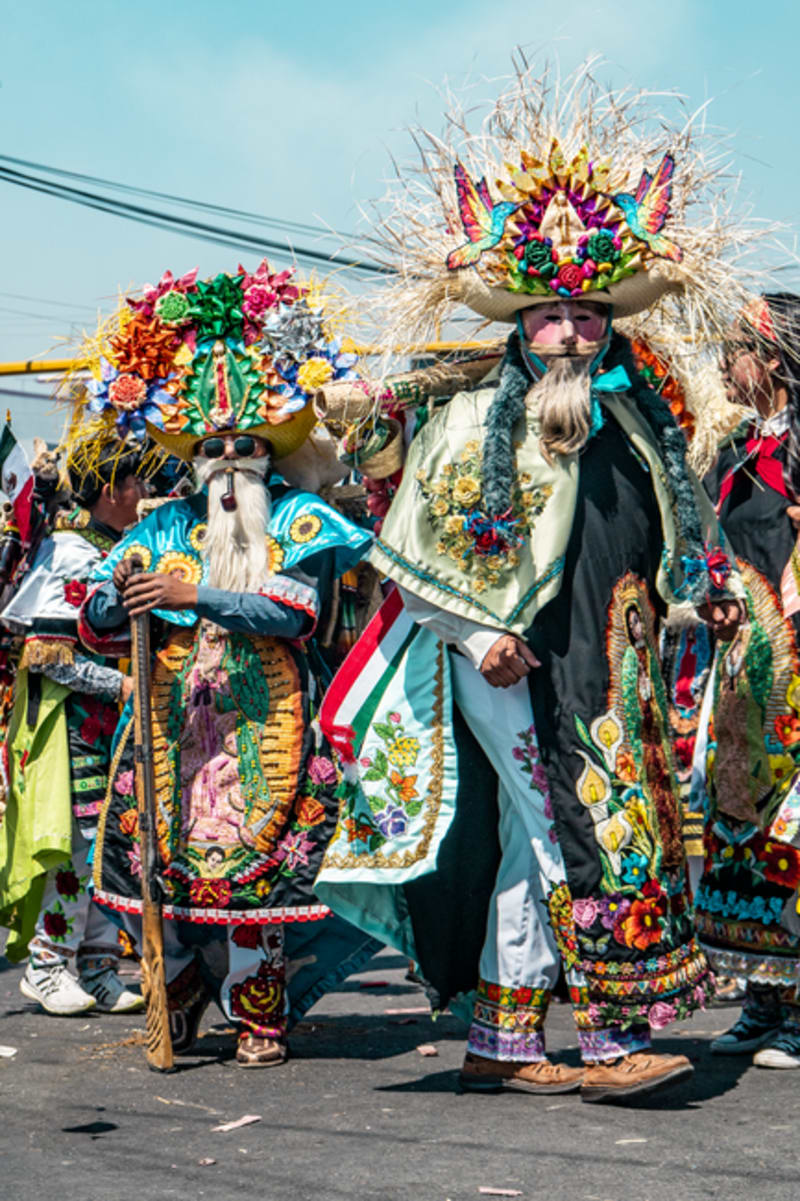 mexico
 Escuinapa
Escuinapa is a working shrimp town at the southern tip of Sinaloa, where the land flattens into mangrove estuaries and the pace of life slows to match the tides. It is the kind of place that exists entirely for itself — no beach bars, no surf schools — just docks, markets, and restaurants that have been cooking the same camarón recipes for generations.
Explore mexico
 La Noria
Forty-five minutes from Mazatlán, La Noria sits in a dry valley that seems to have opted out of the twentieth century entirely. The town built its name on silver, then on leather, and the huaraches stitched in its workshops are still among the finest in Sinaloa — as is the mezcal produced in small backyard stills that carry a minerality no commercial label has ever replicated.
Explore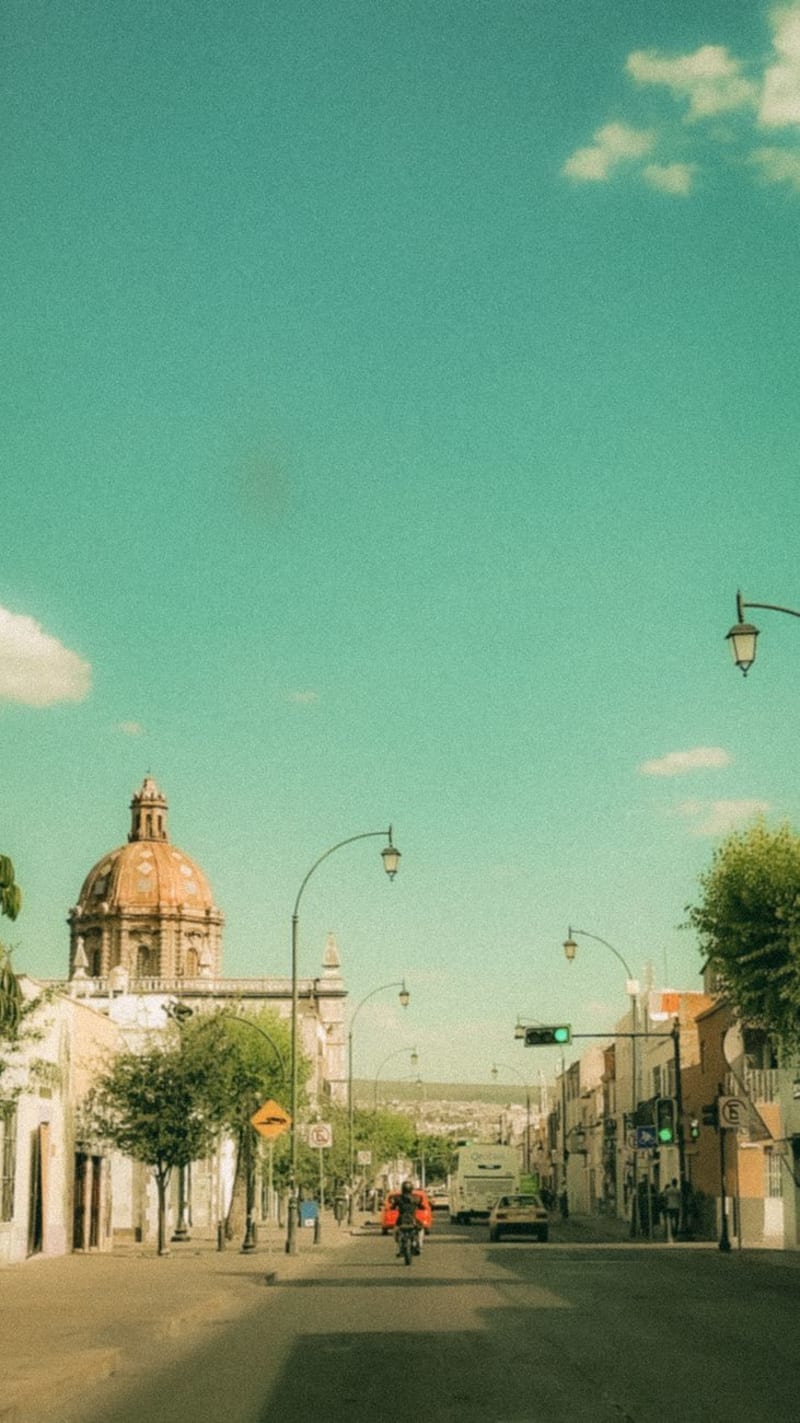 mexico
 Los Mochis
The western terminus of the Copper Canyon railway (El Chepe), a Pacific coast city that exists primarily to launch that journey. Not beautiful, but with a shrimp and seafood economy that produces extraordinary raw material and a 5am energy that belongs to working ports.
Explore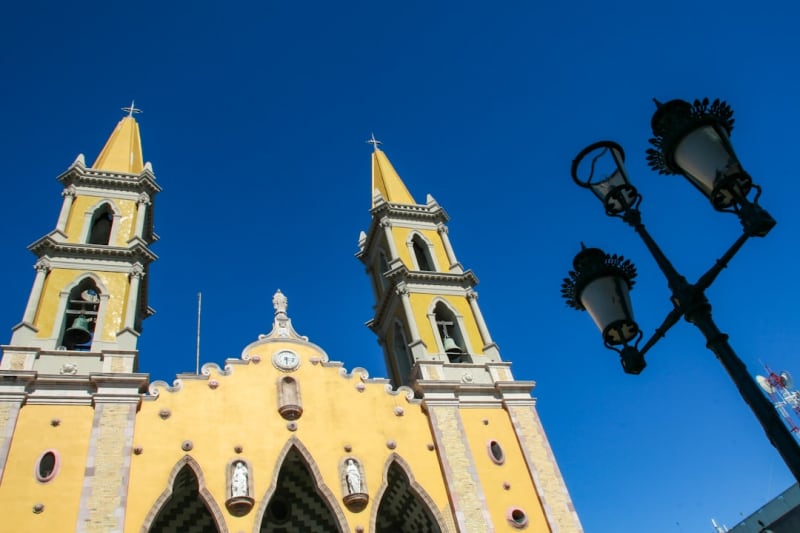 mexico
 Mazatlán
Mexico's Carnival capital on the Pacific — a Victorian port city with the largest historic center on the Pacific coast, the best shrimp in the country, and a malecón that runs eleven kilometers along the sea.
Explore mexico
 Mocorito
Mocorito is Sinaloa's smallest Pueblo Mágico, known locally as the cuna de las bellas costumbres — the cradle of beautiful customs — for preserving the Sunday paseo and the formal serenata that most Mexican towns have long since abandoned. I arrived on a Sunday afternoon, walked the plaza with the families doing exactly what families have done here on Sunday afternoons for generations, and ate birria de chivo at a comedor where the television was on and no one was watching it.
Explore mexico
 Mocorito
A small colonial town in the Sinaloan foothills that takes its literary identity seriously — the casco histórico is immaculate, the plaza is shaded and unhurried, and once a year a literature festival briefly fills every street with readers. The rest of the year it belongs to the sugarcane fields and the pigeons.
Explore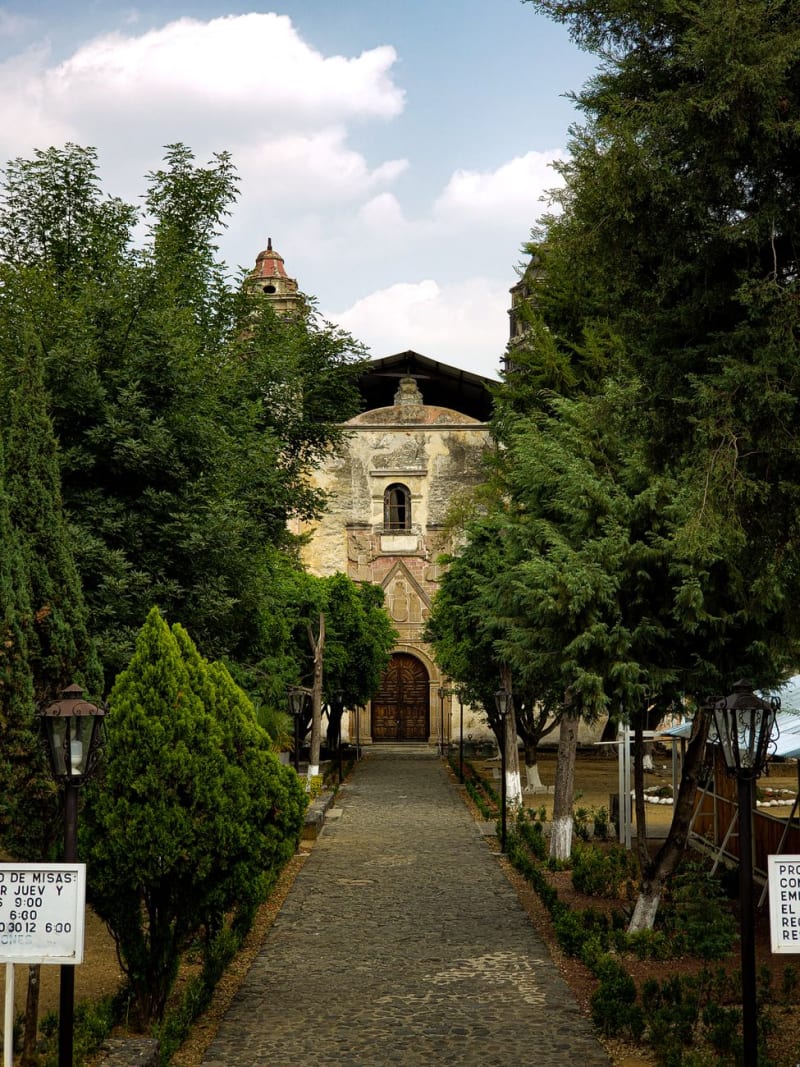 mexico
 Rosario
Rosario is a colonial silver mining Pueblo Mágico in the subtropical foothills of southern Sinaloa, a town of eight thousand people with a baroque church of gold-leaf retablos and a small museum dedicated to Lola Beltrán — the voice that defined ranchera music for a generation — that I found unexpectedly moving.
Explore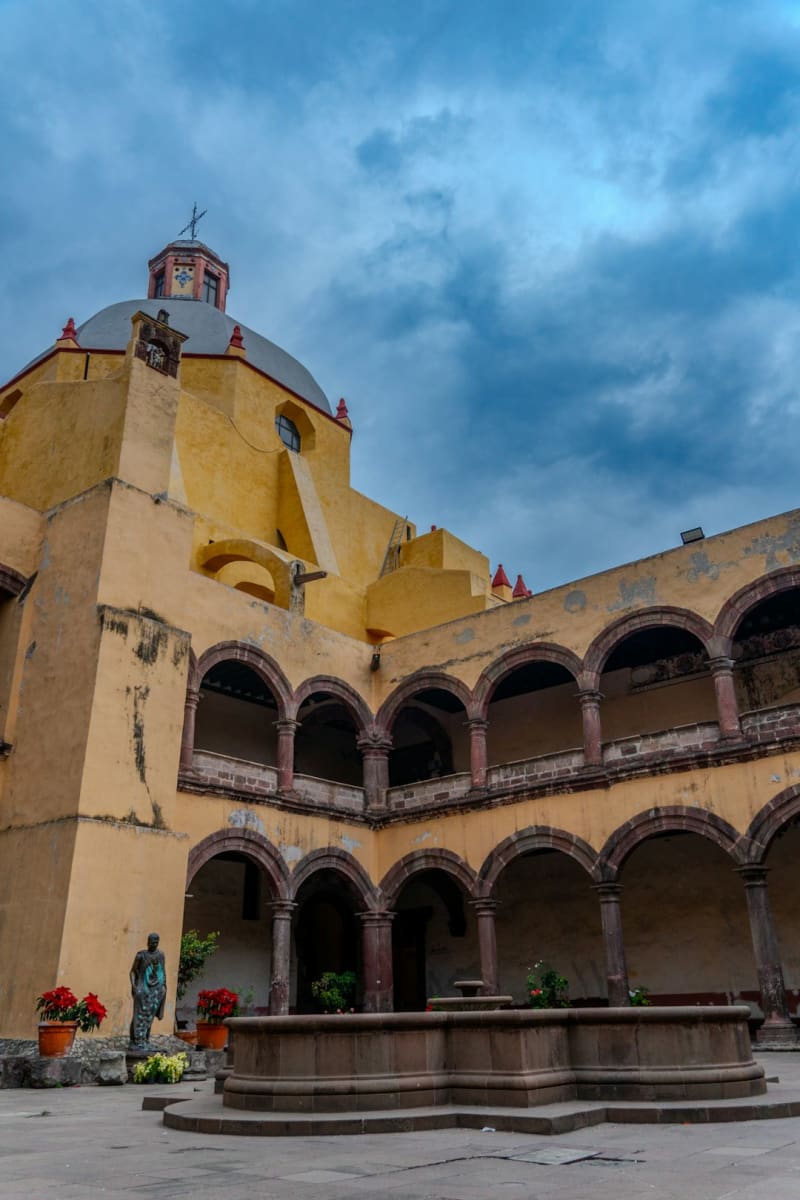 mexico
 San Ignacio Sinaloa
A Pueblo Mágico folded into the foothills north of Mazatlán, San Ignacio earns its colors with a neoclassical-baroque church that rises above mango orchards in improbable grandeur. Fewer visitors push into the Sierra Madre flanking the town, where Yoreme rock art has been waiting considerably longer than the colonial streets below.
Explore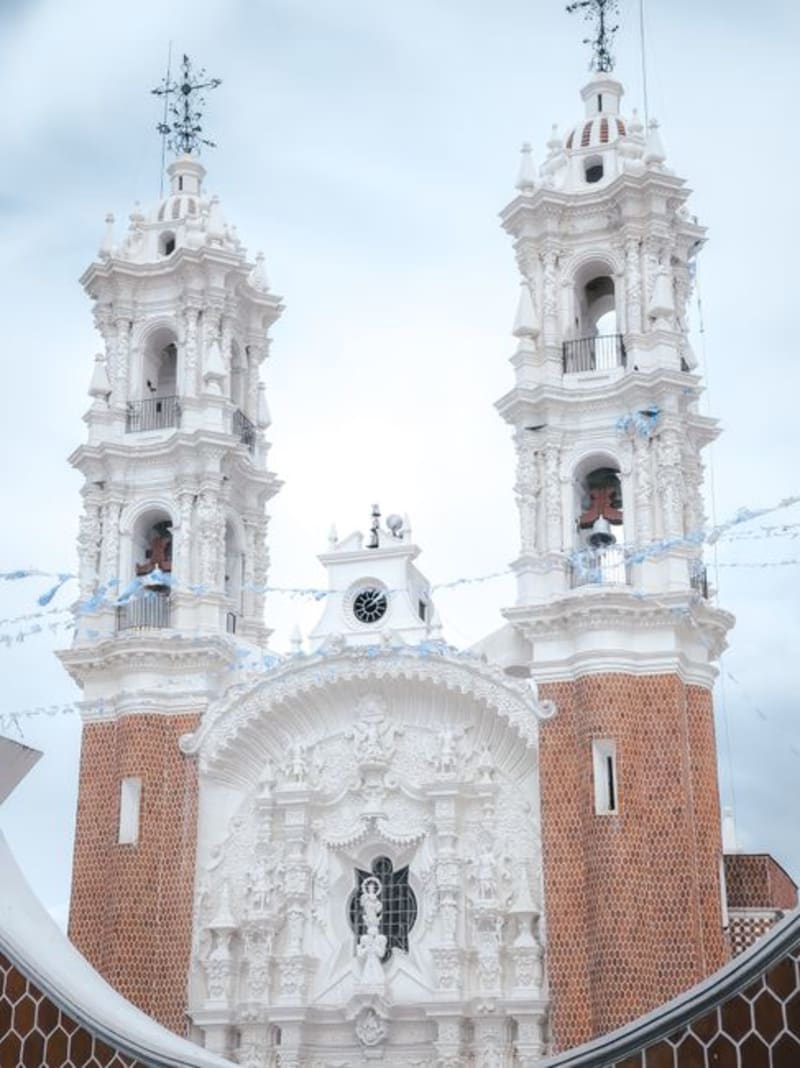 mexico
 Sinaloa de Leyva
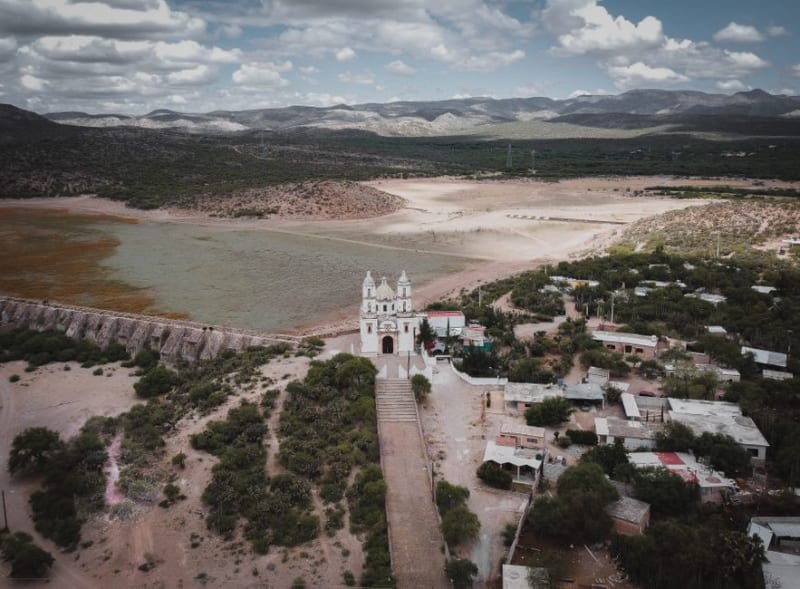
Sinaloa de Leyva was the colonial capital of the region before politics redirected everything south to Culiacán, and the town has spent the intervening centuries being exactly as small as it needed to be. The cathedral faces a plaza that once anticipated a larger crowd, and mornings here run at the pace that administrative cities forgot how to manage.
Explore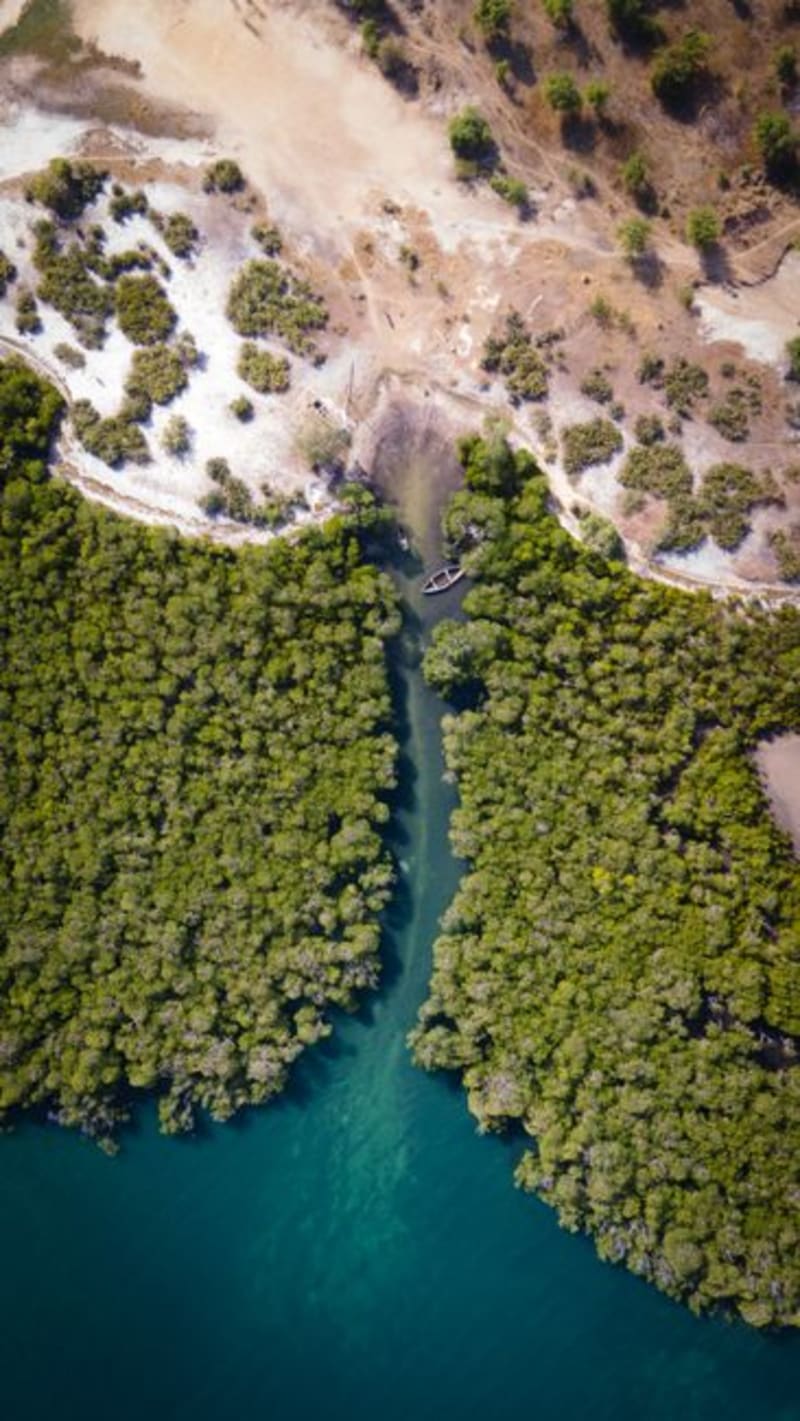 mexico
 Teacapán
A long sandy peninsula at the southern edge of Sinaloa, caught between the open Pacific and a vast mangrove estuary that stretches for miles inland. Sea turtles still come ashore at night. Fishing pangas still outnumber tourists by a margin that feels, in the best possible way, irreversible.
Explore mexico
 Topolobampo
Topolobampo is a port on Sinaloa's Pacific coast that most travelers cross without stopping, focused on the ferry to La Paz or the train east toward the Copper Canyon. The bay disagrees with this arrangement: whale sharks patrol its waters from October through April, the mangroves run dense with herons and spoonbills at dawn, and the fish market operates a daily pelican theater at no additional charge.
ExploreKeep exploring
More from Mexico
 mexico
 Sonora
Mexico's second-largest state — a vast territory of Sonoran Desert, the Sea of Cortez coast, the Yaqui and Mayo indigenous civilizations, the colonial silver town of Álamos, and the best beef in Mexico from cattle that graze the grasslands of the sierra.
Explore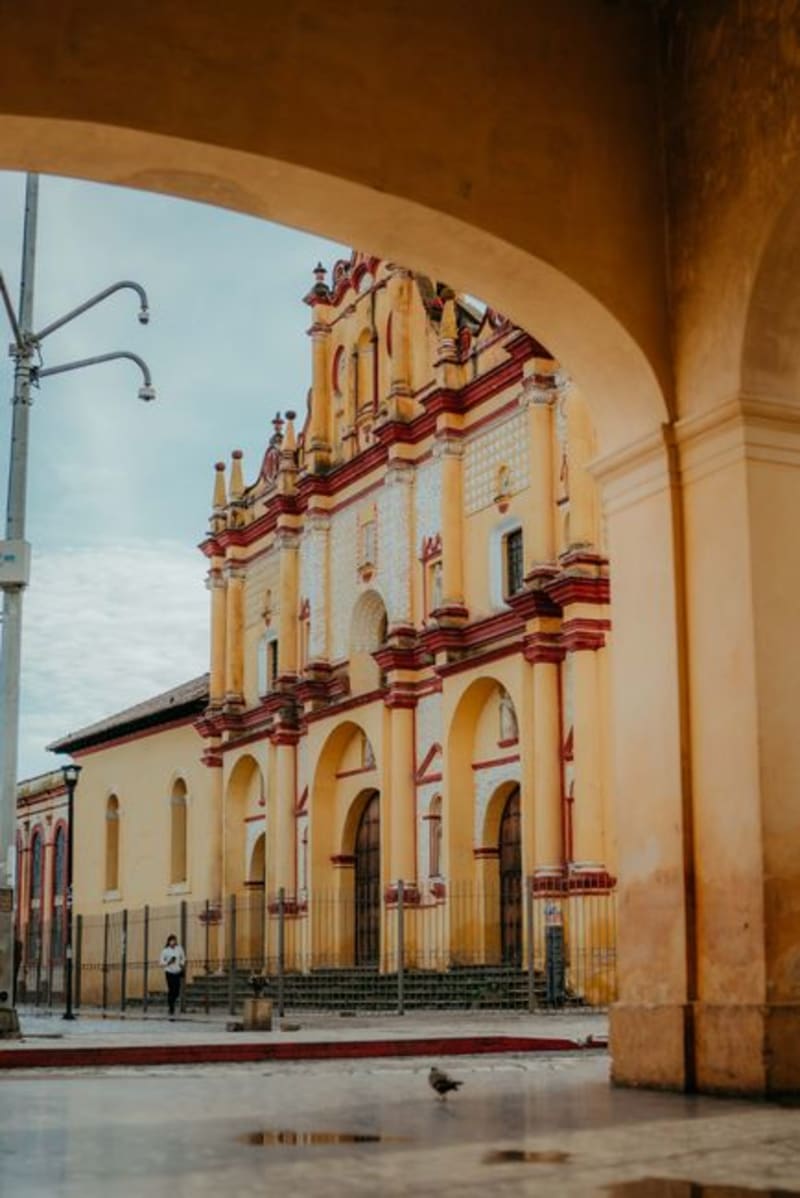 mexico
 Soto la Marina
A working river town on the Río Soto la Marina where colonial history — it was the landing point of Spain's last failed attempt to reconquer Mexico in 1829 — lives alongside fishing boats and citrus groves. The river mouth opens onto a Gulf coastline of barrier islands and shallow lagoons that almost nobody has thought to visit.
Explore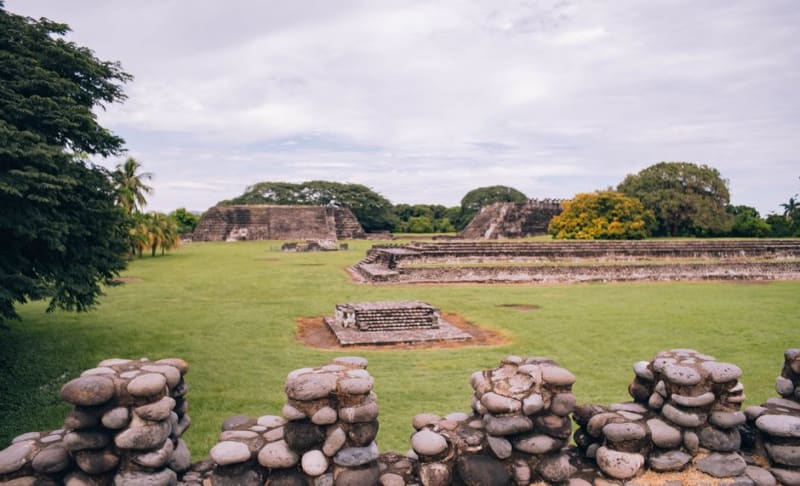 mexico
 Tabasco
A Gulf coast state of rivers, cacao, and Olmec heads — the birthplace of chocolate, the heartland of the Olmec civilization, and the state where the rivers run so full that the capital is built on stilts over the Grijalva.
Explore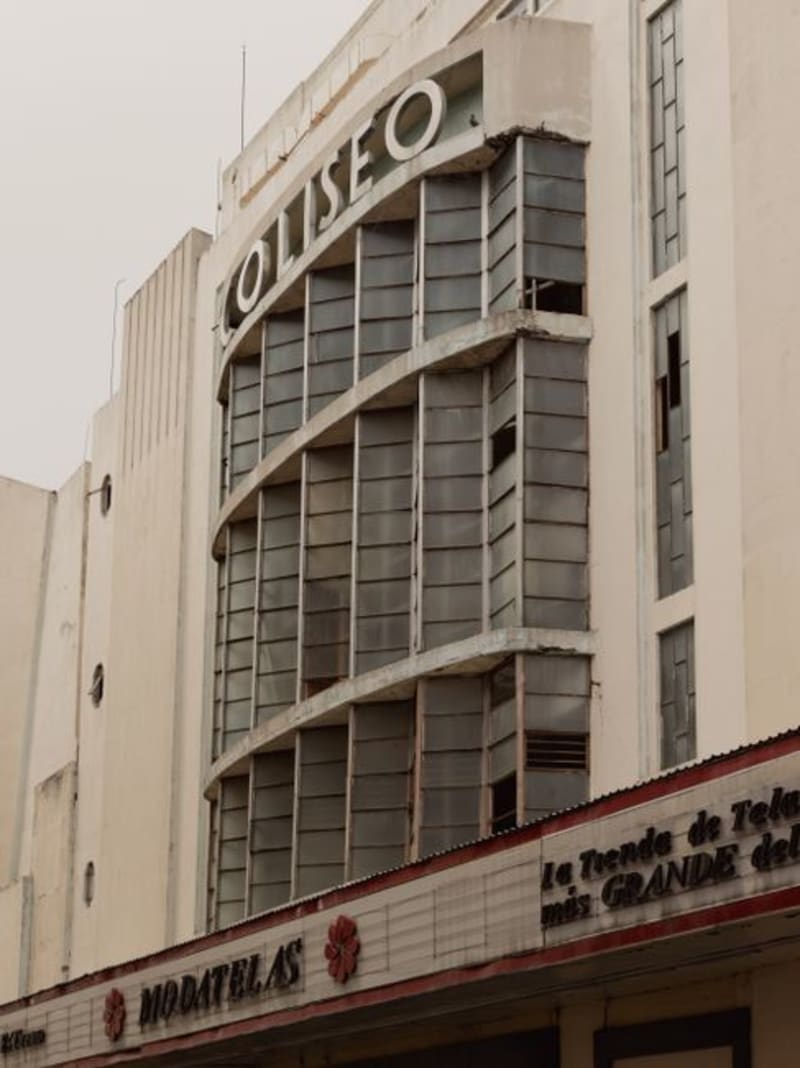 mexico
 Tampico
Tampico is a Gulf coast port city with a downtown full of art deco buildings from the 1930s and 1940s, a covered market that deals in zacahuil by the kilo, and a harbor history shaped by oil booms and Cuban trade. The Plaza de Armas at dusk functions as old Mexico does best — without tourism as its justification.
Explore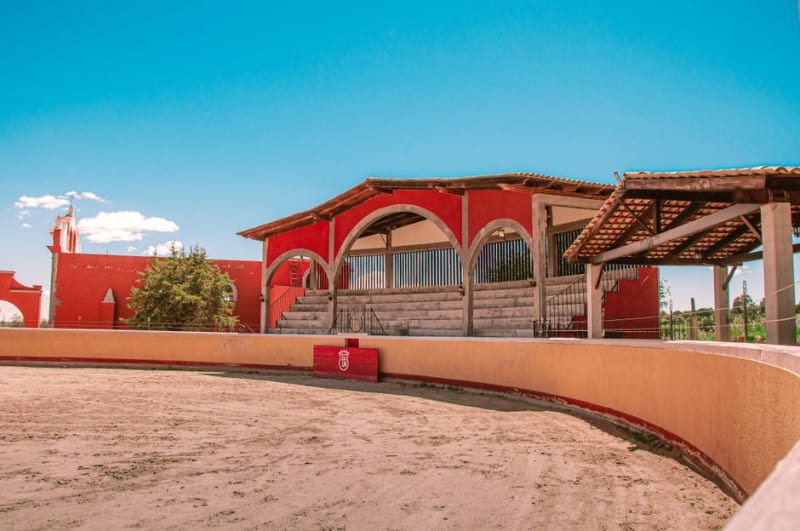 mexico
 Tlaxcala
Mexico's smallest state and its most underestimated colonial capital — a city of Moorish-influenced architecture, indigenous murals, the best pulque in the country, and an extraordinary military history that the rest of Mexico is still processing.
Explore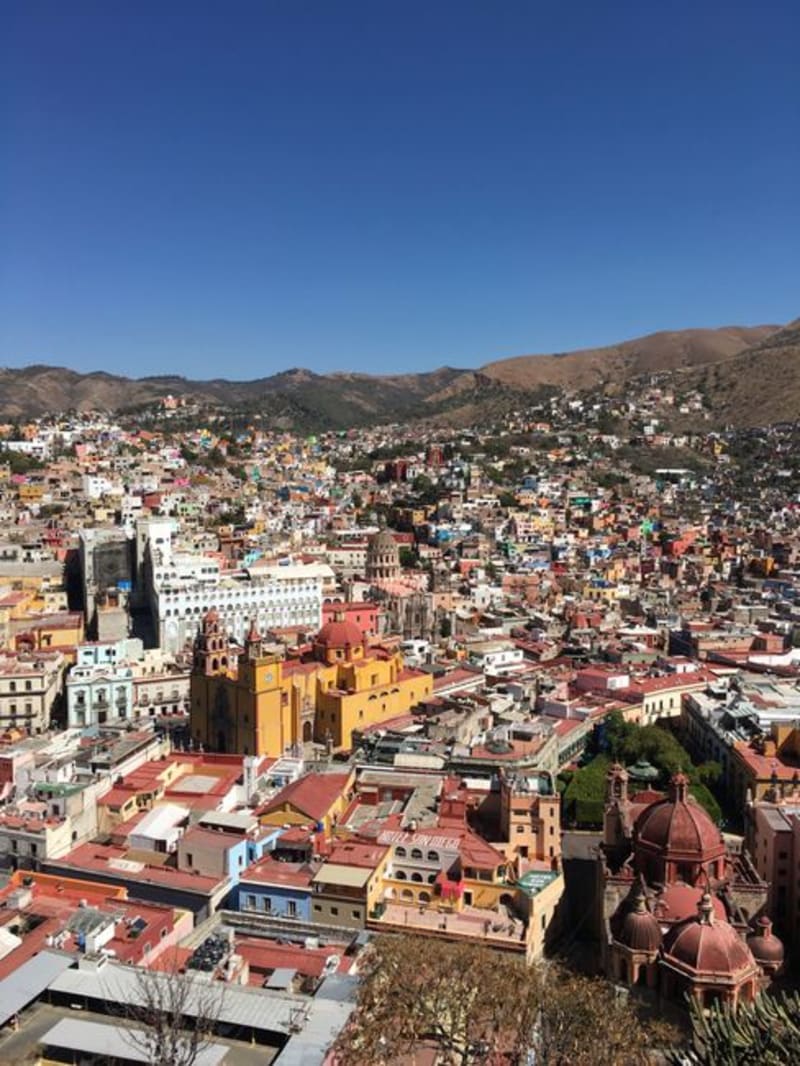 mexico
 Tula de Tamaulipas
A Franciscan mission from 1617 anchors the colonial center of this Sierra Madre valley town, where the regional market draws mountain communities every Saturday and the canyon road from the east is, on its own, worth the detour. Not to be confused with Hidalgo's Toltec Tula — though this one has the better barbacoa.
Explore