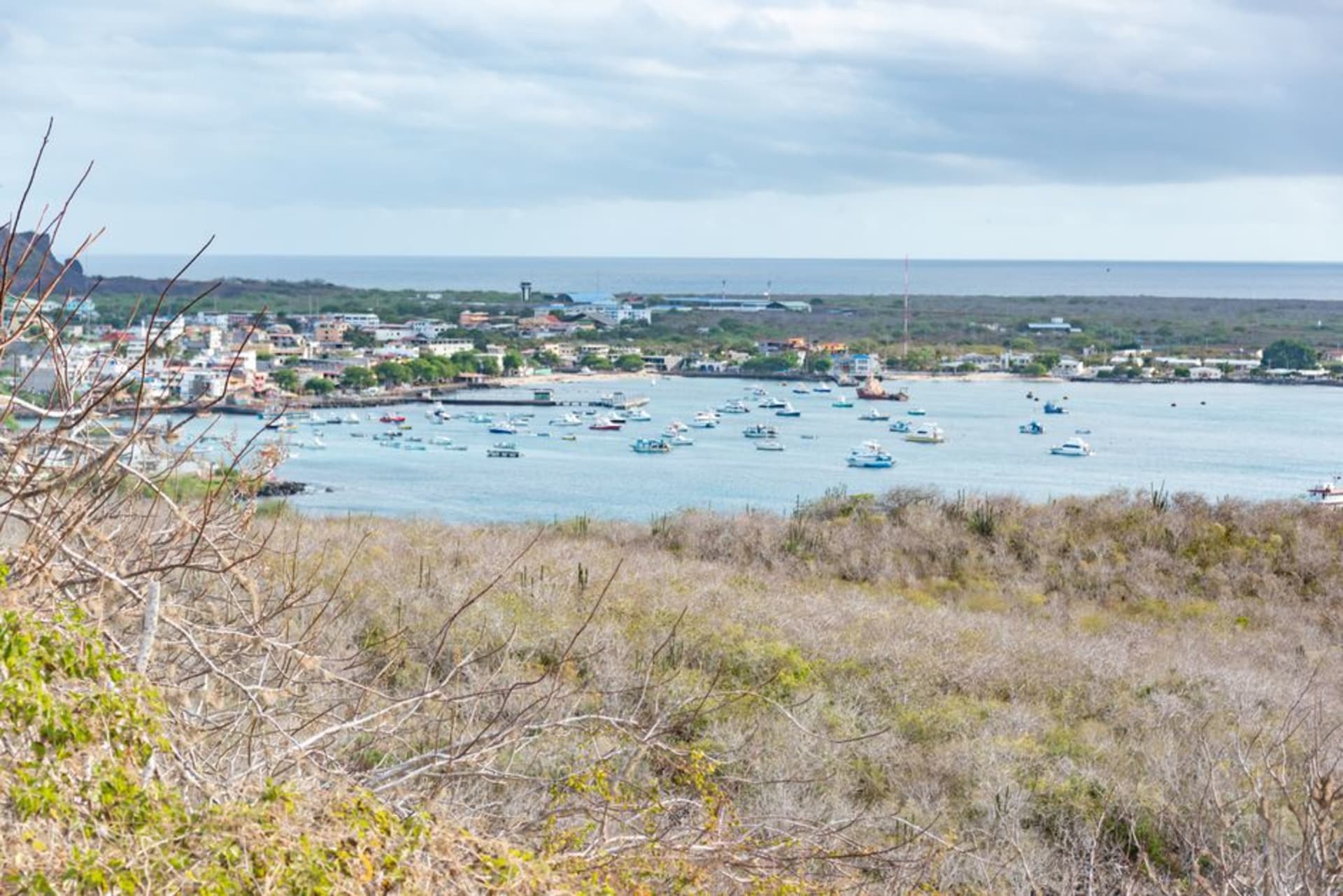
Soto la Marina
"A river that repelled the last Spanish invasion. The catfish did not get the memo."
A working river town on the Río Soto la Marina where colonial history — it was the landing point of Spain's last failed attempt to reconquer Mexico in 1829 — lives alongside fishing boats and citrus groves. The river mouth opens onto a Gulf coastline of barrier islands and shallow lagoons that almost nobody has thought to visit.

I arrived on a Tuesday, which turned out to be the right day — market day near the central plaza, the kind where the produce is still damp from the field and the women behind the tables know exactly what you are going to cook with their chiles. Nobody was selling anything to tourists, because there were no other tourists. I had driven down from Ciudad Victoria through flat ranch country, the sort of landscape that looks like nothing until you stop looking for something, and the river appeared before the town did, brown and slow and wider than I expected, carrying the Gulf in its smell.
The River and Its History
The Río Soto la Marina is where General Isidro Barradas landed eleven thousand Spanish troops in July 1829, the last serious attempt by Spain to take back a Mexico that had been independent for eight years. He failed — Santa Anna and a yellow fever outbreak did that work together — and the Spanish withdrew in September, never to return. Standing at the river’s edge on Calle Juárez, watching a man in rubber waders pull a cast net through the shallows, that history felt less like a museum piece than a fact still present in the air. The town has a small monument to the battle near the church, easy to miss. What you cannot miss is the river itself: fishermen out before six, egrets working the margins, the occasional flat-bottomed boat loaded with watermelons headed downstream toward the coast.

The Lagoons at the River Mouth
Thirty kilometers east, where the Soto la Marina meets the Gulf, the land dissolves into a system of barrier islands and coastal lagoons that the maps don’t bother to label individually. I hired a local pescador named Rodrigo for a half-day on the water — two hundred pesos, his cooler, his boat, his judgment about where the wind was. The lagoons are shallow enough to wade in places and home to brown pelicans, roseate spoonbills in the right season, and a quantity of blue crab that Rodrigo seemed to regard as a minor nuisance and I regarded as lunch. We ate the crab boiled on the boat with salt and lime. The barrier islands themselves are low and windswept, the sand pale and unphotographed. I have been to more famous coastlines in Mexico. I have not been to quieter ones.

Eating in Town
The thing nobody tells you about Soto la Marina is the bagre. Catfish — big, local, pulled from the river — appears in every fondita within two blocks of the market in the form of caldo de bagre, a broth with chiles, tomato, and enough fish that the bowl becomes a problem of abundance. My table at a place with no name on the sign, just a hand-painted fish on the wall off Avenida Hidalgo, cost ninety pesos including two tortillas and a Jarritos. The woman who ran it told me the catfish had been running well all month. I believed her.

Getting There
Soto la Marina is about 130 kilometers northeast of Ciudad Victoria on Federal Highway 180. There is no direct bus from the capital — you connect through Soto la Marina’s regional terminal from Victoria or from Tampico, roughly two hours each way. Having a car is genuinely useful here, especially for reaching the river mouth and the lagoons, where there is no public transport at all.
Keep exploring
More from Mexico
 mexico
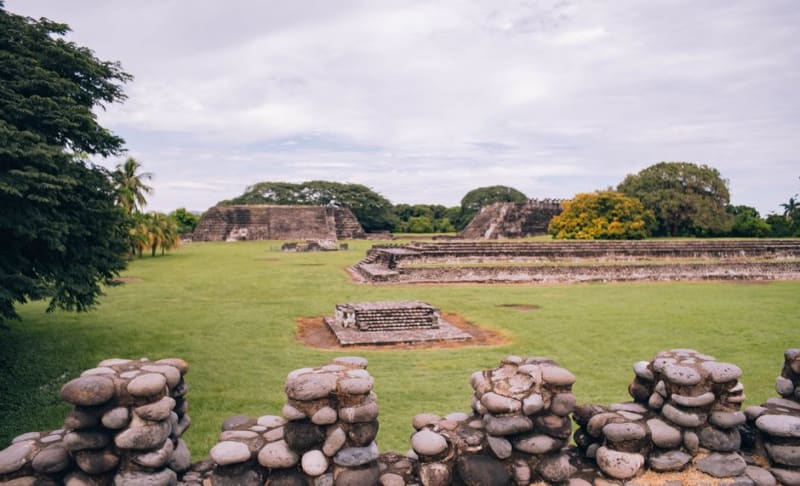
 Tabasco
A Gulf coast state of rivers, cacao, and Olmec heads — the birthplace of chocolate, the heartland of the Olmec civilization, and the state where the rivers run so full that the capital is built on stilts over the Grijalva.
Explore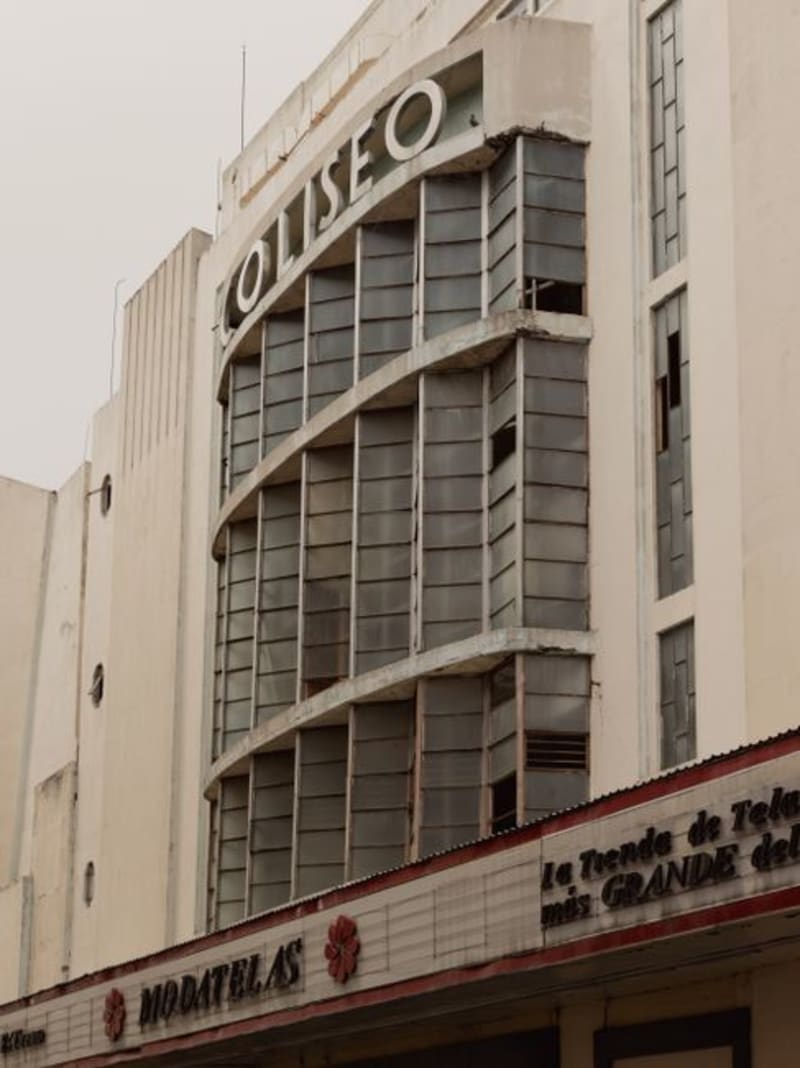 mexico
 Tampico
Tampico is a Gulf coast port city with a downtown full of art deco buildings from the 1930s and 1940s, a covered market that deals in zacahuil by the kilo, and a harbor history shaped by oil booms and Cuban trade. The Plaza de Armas at dusk functions as old Mexico does best — without tourism as its justification.
Explore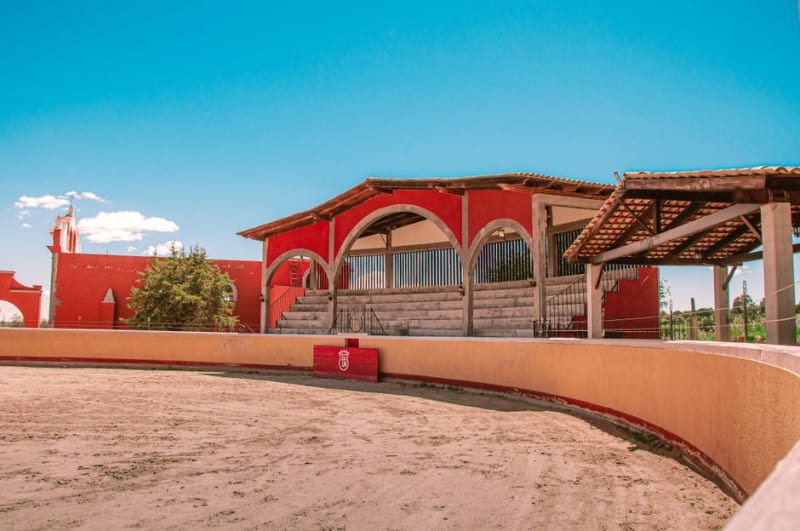 mexico
 Tlaxcala
Mexico's smallest state and its most underestimated colonial capital — a city of Moorish-influenced architecture, indigenous murals, the best pulque in the country, and an extraordinary military history that the rest of Mexico is still processing.
Explore mexico
 Tula de Tamaulipas
A Franciscan mission from 1617 anchors the colonial center of this Sierra Madre valley town, where the regional market draws mountain communities every Saturday and the canyon road from the east is, on its own, worth the detour. Not to be confused with Hidalgo's Toltec Tula — though this one has the better barbacoa.
Explore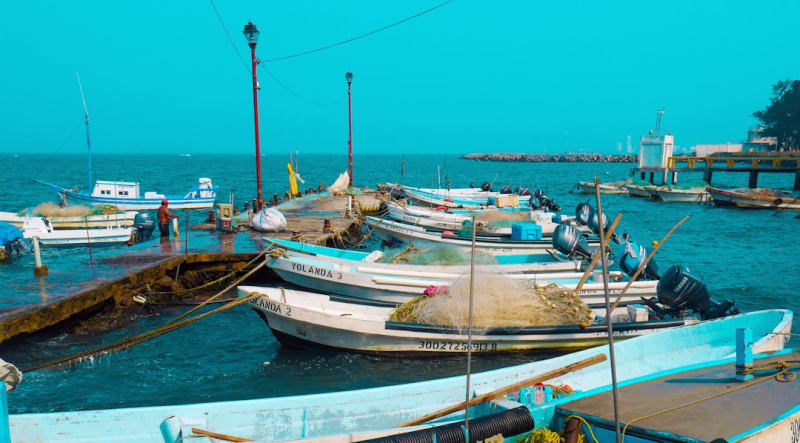 mexico
 Veracruz
Mexico's oldest port city on the Gulf coast — jarocho music, the best seafood in the country, a fortress that held off pirates for two centuries, and coffee from the sierra above the city.
Explore mexico
 Yucatán
Maya pyramids, sacred cenotes, and a cuisine distinct from the rest of Mexico. The Yucatán is a peninsula with its own identity.
Explore