
Arteaga
"Saltillo is desert. Then the road climbs and the temperature drops and there are apple trees. Mexico surprises me with this kind of shift more than anywhere I've lived."
Arteaga is a mountain town in the Sierra Madre Oriental that Mexicans call the Switzerland of Mexico, which they also call several other places, but in Arteaga's case the comparison has actual merit: the Cañón de Arteaga drops through limestone walls past apple and peach orchards into pine forest, and the temperature falls fifteen degrees between Saltillo and the canyon floor. I drove the canyon road in November when the apple trees had gone yellow, bought a liter of cider from a roadside stand, and sat on the hood of the car for longer than I planned.

Saltillo sits on a high plateau at 1,600 meters surrounded by semi-desert — agave, creosote, pale caliche soil, the blue-gray shapes of distant sierras. It’s a proper northern Mexican city: big, industrial, not particularly interested in being picturesque. I had been there for two days sorting out a bureaucratic matter that I don’t need to get into, and on the morning of the third day I rented a car and drove east toward the Sierra Madre.
The landscape change is quick and it is dramatic. The highway climbs from the plateau into the sierra in a series of switchbacks, and the temperature on the dashboard display drops as you go — Saltillo at 18 degrees, the climb at 14, the crest of the range at 10. On the other side, the Cañón de Arteaga opens below you: a limestone canyon with terraced orchards visible on the slopes, a river thread at the bottom, the road descending in curves through a landscape that does not look like Coahuila at all.
The Canyon Road
The road down into the canyon is the experience. It’s a two-lane mountain road with switchbacks that require genuine attention but are not technically difficult — the kind of driving that is actually pleasurable if you are not in a hurry, which you shouldn’t be, because the view changes every two hundred meters and the apple trees alongside the road are the reason you came.
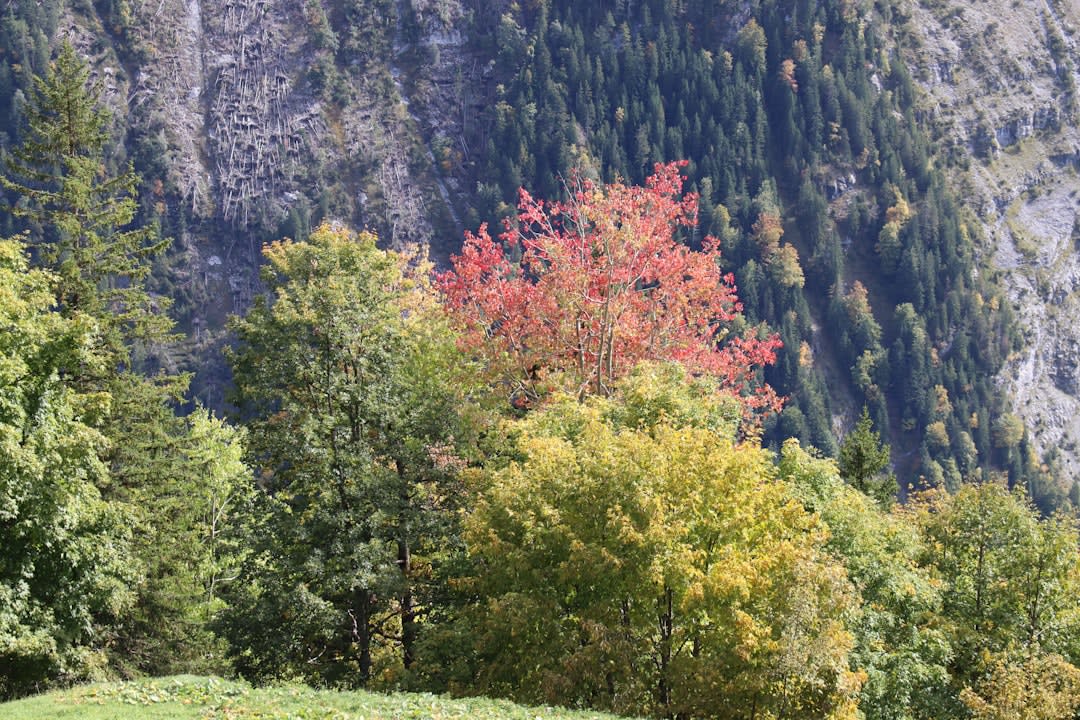
In November, when I drove it, the trees had turned. “Turned” sounds simple but the apple trees of Arteaga in late autumn go through a range from pale yellow to burnt orange to the specific deep amber of a good brandy, and they do this on the terraces cut into the limestone slopes in a way that stacks the colors vertically up the hillside. I had to pull over twice just to sit with it. I am from Normandy originally, a region of apple orchards that I find beautiful, and these orchards in their limestone canyon were different but not lesser. The comparison pleased me more than it probably should have.
Roadside stands appear at intervals along the descent — family operations selling cider, apple jam, dried fruit, and the local fresh cheeses. I stopped at one where an older man was working alone. The cider was sold in plastic liter bottles, unlabeled, and he charged twenty-five pesos. I bought two. The cider was dry and slightly fermented, not quite alcoholic but trending that way, with the specific taste of wild apples that apple cider in France occasionally has when it comes from old heritage orchards rather than commercial production.
The Town and the Cheeses
The town of Arteaga itself is a small market town at the base of the canyon — a grid of streets, a central plaza, the usual church and municipal building, a market where the agricultural products of the canyon are sold alongside the general goods of any small Mexican town. It doesn’t try to be a destination in the way that some mountain towns in Mexico try to be destinations. The orchards are the business.
The cheeses sold here and in the canyon are worth specific attention. The Sierra Madre of Coahuila and Nuevo León has a dairy tradition — the cool climate and the grass pastures produce good milk — and the local cheeses are made in the direct, unelaborated style of northern Mexican cheesemaking: fresh white cheeses, slightly salty, with a dense texture that holds together when you slice it. A vendor at the Arteaga market had three varieties on a table, and when I asked to taste one she gave me portions of all three without waiting to be asked again. The second one, a slightly aged variety with a firmer paste, was the best cheese I ate in Coahuila.
I ate it at a picnic table near the market with the cider I had bought on the way down. A dog appeared and sat next to the table with the patience of long experience. I gave it a piece of cheese. The dog reconsidered its position on the bench and moved closer.
The Canyon Bottom
The road continues from Arteaga town into the lower canyon, where the river runs between walls of pale limestone and the pine forest becomes denser. There are swimming holes accessible from the road in summer; in November they were cold and clear and deserted. I walked to one of them along a path that followed the river bank for about twenty minutes, through undergrowth and river-polished stones, and found a clear pool with the cold water running over white gravel.
I did not swim. The air temperature had dropped to 8 degrees by this point and the idea of submerging in glacier-temperature water seemed medically inadvisable. I sat at the edge of the pool for a while. A pair of ducks came through. The silence was the kind that exists when there are no roads or people within earshot and only the river and the wind in the pines.

Getting There
Arteaga is about 50 kilometers east of Saltillo — roughly an hour’s drive, plus however long you spend on the canyon road. Car is the only practical way to experience the canyon itself; there are buses to Arteaga town but they don’t stop at the canyon viewpoints. Saltillo is well connected by bus and domestic flight from other Mexican cities. The best time to visit for autumn color is late October through November; the apple harvest season runs from August through October and the roadside stands are fully stocked. Summer is pleasant in the canyon when the rest of Coahuila is very hot.
Keep exploring
More of Coahuila
Keep exploring
More from Coahuila
 mexico
 Viesca
Viesca is a semi-ghost town in the Coahuilan desert, a hundred and fifty kilometers west of Torreón, where the water table dropped in the twentieth century, the salt industry declined, and perhaps a third of the original buildings were abandoned in place — their walls still standing, roofless, with desert scrub growing through the floors. The remaining residents, a few hundred of them, carry on with an active plaza and a school with children in it, and the abandoned buildings press directly against the occupied ones in a way that concentrates the mind considerably.
Explore mexico
 Parras de la Fuente
The site of the oldest winery in the Americas — Casa Madero, founded 1597 — a colonial desert town in southern Coahuila where an underground spring feeds four-hundred-year-old vineyards, pecan groves shade the streets, and the wine is genuinely, unexpectedly good.
Explore mexico
 Parras de la Fuente
The oldest wine-producing town in the Americas sits in the middle of the Coahuilan desert, shaded by ancient vines and fed by a spring-fed lagoon that makes the whole thing feel slightly impossible. Casa Madero has been making wine here since 1597. The hacienda architecture, the cool water, and the surprisingly good Cabernet make Parras one of northern Mexico's most disarming places.
Explore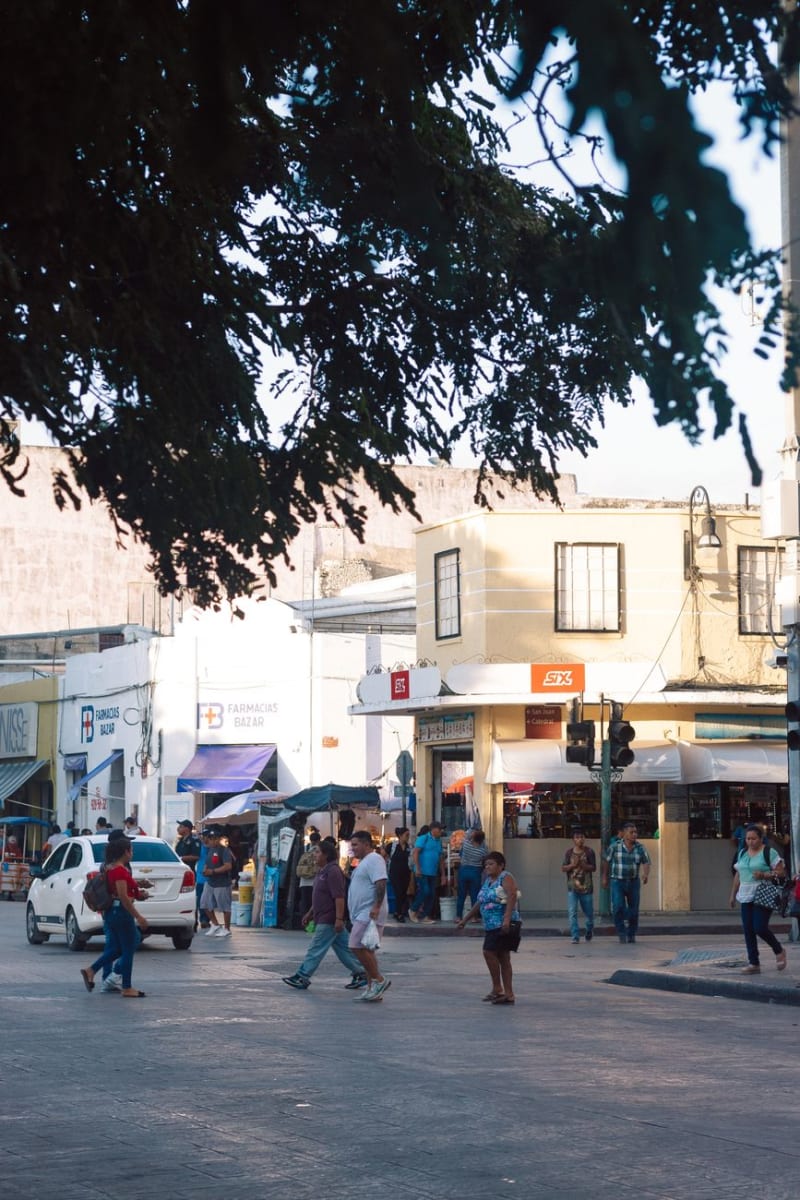 mexico
 Saltillo
The cool capital of Coahuila at 1,600 meters — origin of the serape and, arguably, of the northern flour tortilla tradition that became the burrito — with a baroque cathedral, a desert natural history museum that is better than it has any right to be, and a proper centro histórico that has been neither touristically packaged nor left to deteriorate.
Explore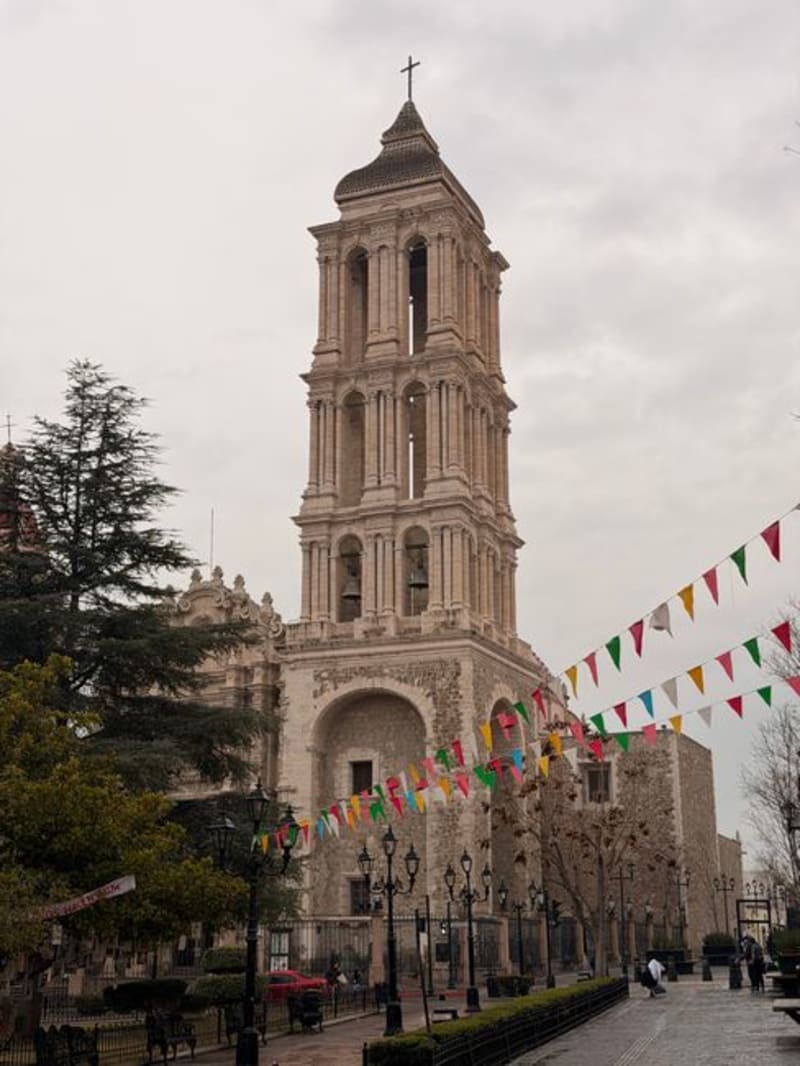 mexico
 General Cepeda
A quiet agricultural town ninety kilometers from Saltillo that sits, with remarkable casualness, atop one of Mexico's richest dinosaur fossil beds. The small paleontology museum holds hadrosaur bones and titanosaur casts from decades of patient excavation in the surrounding cerros. Outside town, the Lomas Blancas — white silica dunes rising from red-rock badlands — make for completely solitary hiking through a landscape that looks borrowed from somewhere else entirely.
Explore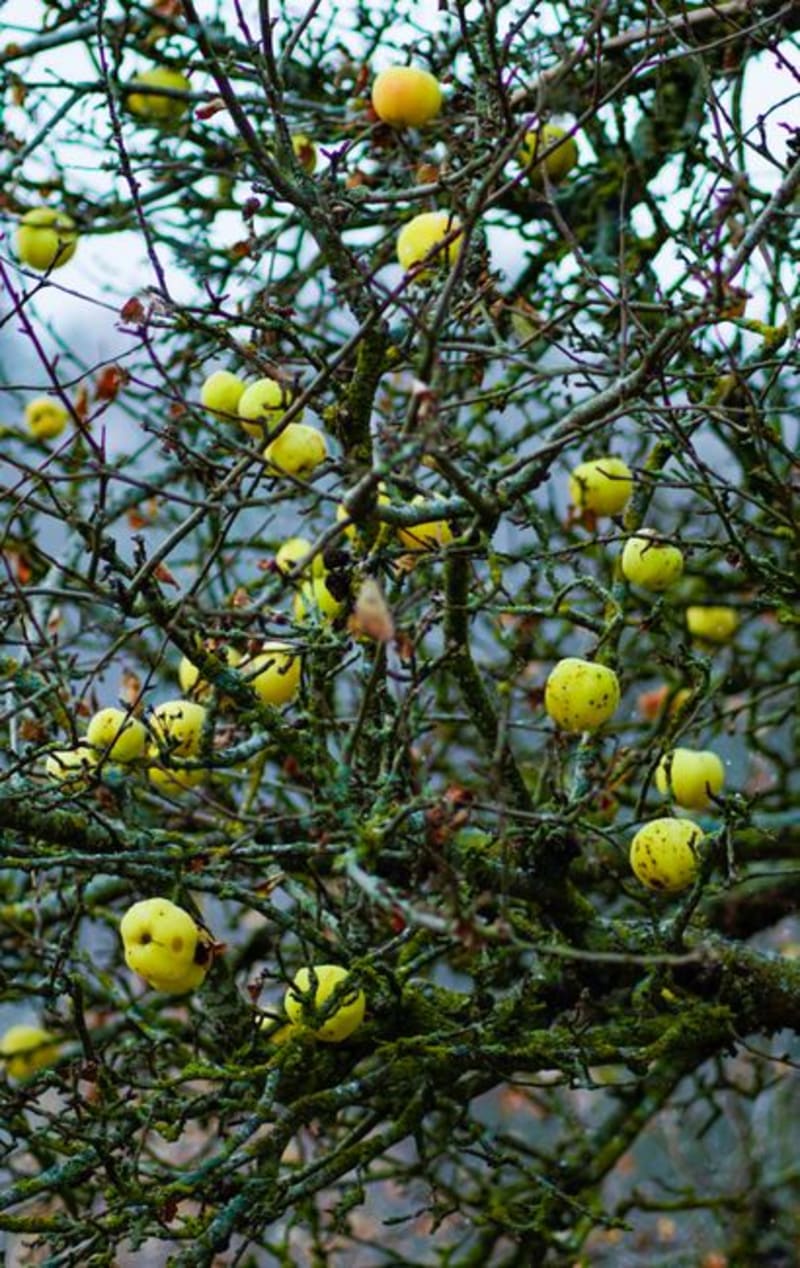 mexico
 Sierra de Arteaga
A high sierra south of Saltillo where apple orchards, canyon trails, and the only ski resort in Mexico share the same mountain air. Villa de Arteaga in October looks implausibly European — red-leafed orchards, stone walls, cold mornings — and the Monterrey weekend crowd that has found it mostly keeps quiet about it.
Explore