Nayarit
"Nayarit is where the Wixáritari come from — the people the Spanish called Huichol, who maintained their pre-Columbian religious practice in the sierra by being unreachable. The yarn art and the peyote ceremony are still ongoing."
A Pacific coast state where the surf town of Sayulita and the bird-rich mangroves of San Blas coexist with the Wixáritari (Huichol) sierra people who make the most visually complex yarn art in the Americas and make the peyote pilgrimage annually to San Luis Potosí.

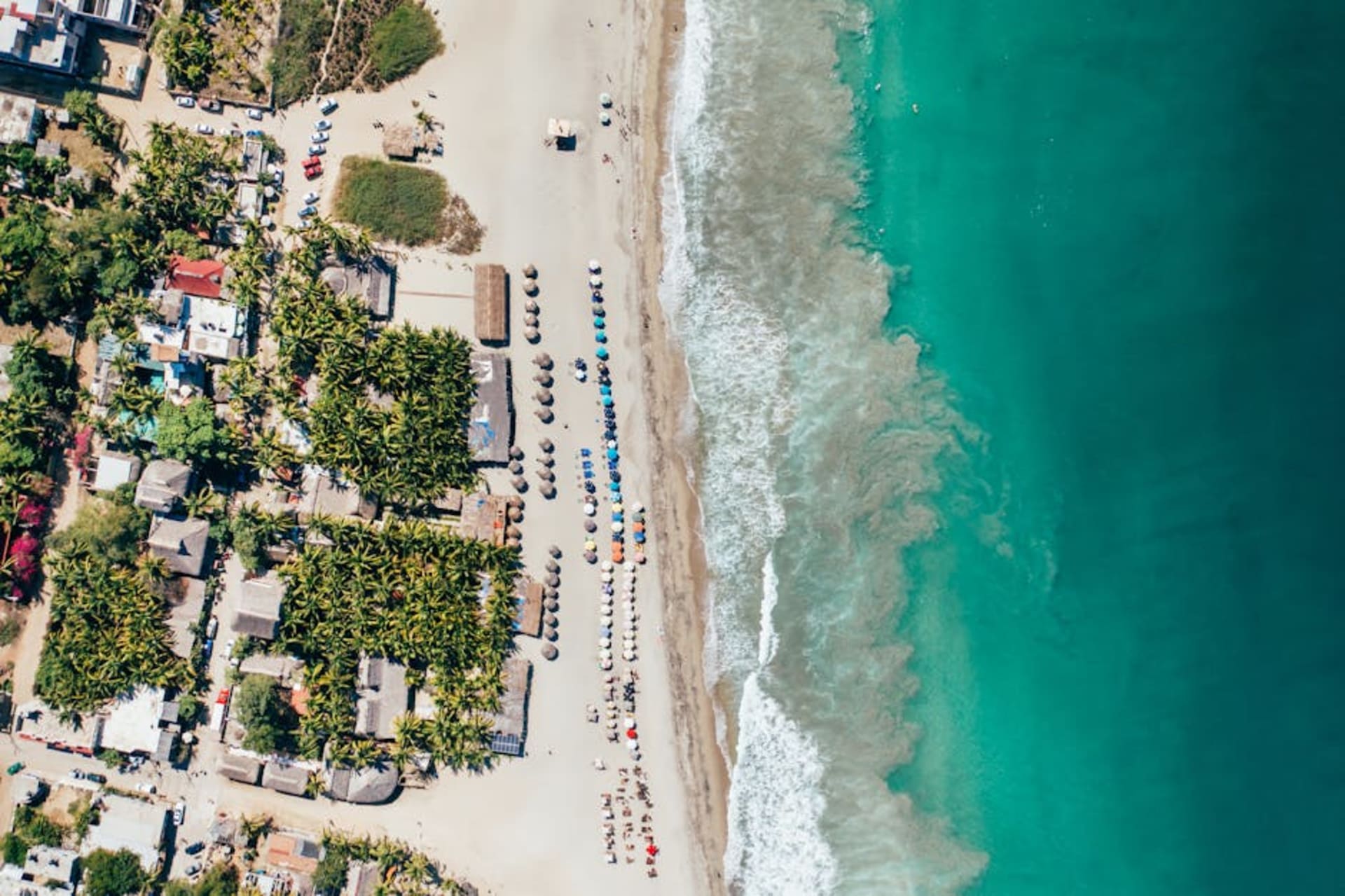
Nayarit is the small Pacific state squeezed between Sinaloa (north) and Jalisco (south) that has managed to be simultaneously famous for a surf town (Sayulita, technically marketed as the Riviera Nayarit to capitalize on Jalisco’s Puerto Vallarta adjacency) and largely invisible to the international tourist circuit that passes through it.
The coast between San Blas and the Jalisco border has been developed in the Riviera Nayarit brand — Sayulita, San Pancho, Punta de Mita — but the development is surf-and-boutique rather than resort-scale. Puerto Vallarta is technically in Jalisco; the international airport and the resort hotel infrastructure are on the Jalisco side of the state line. The Nayarit coast captures the overflow and the travelers who specifically choose the smaller-scale alternative.
San Blas (covered separately) is the colonial port and bird-watching destination on the northern coast — the Spanish established a shipyard here in the 18th century, and the resulting infrastructure (a fort, a church, a port) is now ruins surrounded by the mangrove estuaries that host one of the most concentrated bird populations in western Mexico. The La Tovara mangrove boat tour is the activity.
Mexcaltitán (covered separately) is the circular island in the coastal lagoon that some historians identify with the mythological Aztlán — the Aztec homeland from which the mexica people migrated south to found Tenochtitlán. The identification is contested by archaeologists; the circular island in the middle of a coastal lagoon, seasonally flooded, is real and unusual.
The Wixáritari (Huichol) indigenous people live in the sierra between Nayarit and Jalisco at elevations above 2,000 meters, maintaining a religious and ceremonial tradition that includes the annual peyote pilgrimage to the Wirikuta desert in San Luis Potosí — a 900-kilometer journey to gather the sacred cactus. The yarn paintings and beadwork produced by the Wixáritari for commercial sale are among the most intricate textile arts in the Americas.
Explore
Places in Nayarit
 mexico
 Acaponeta
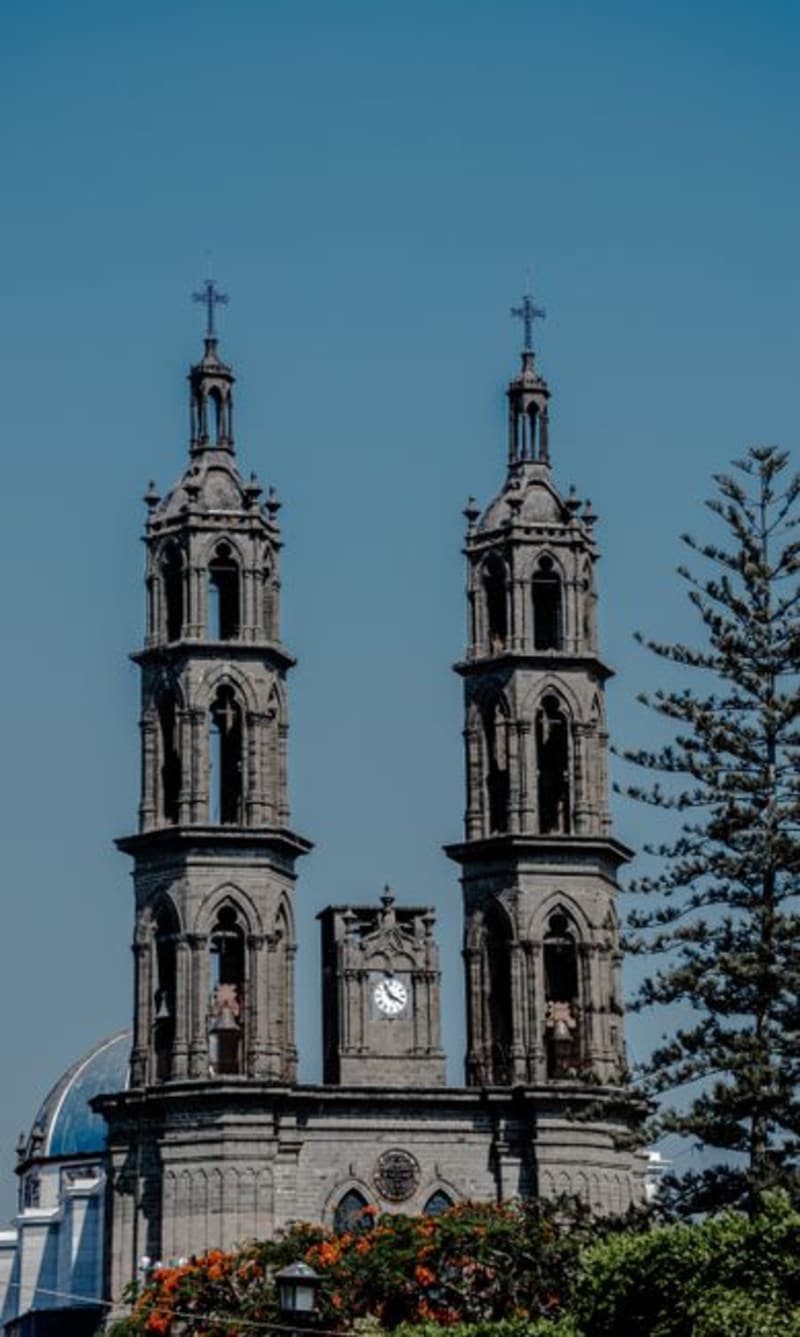
One of Nayarit's oldest colonial cities, Acaponeta wears its 16th-century bones without apology — a cathedral-anchored plaza, narrow streets of faded ochre facades, and a surrounding countryside of sugarcane fields that give the local food a character entirely its own.
Explore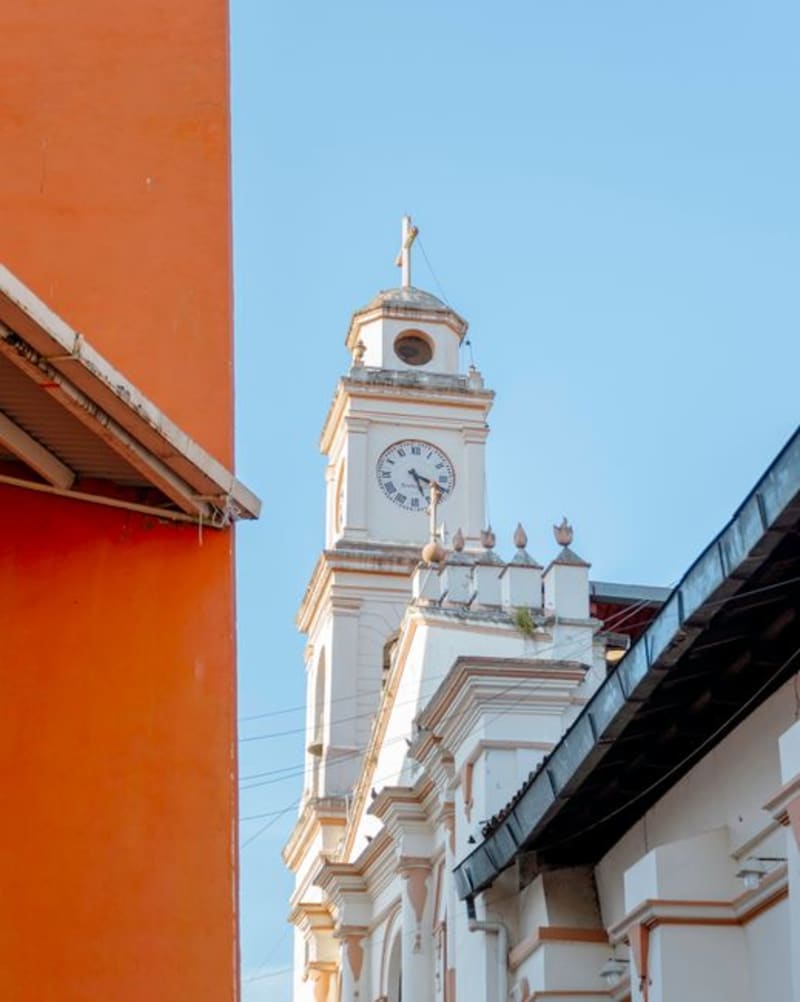 mexico
 Ahuacatlán
At a thousand meters in the Nayarit sierra, Ahuacatlán sits under the long shadow of Volcán Ceboruco — a cone that last erupted in 1870 and left a lava field that still looks like it cooled last week. The town earned its Pueblo Mágico designation without losing the Wednesday market rhythm or the mezcal operations running quietly in the surrounding hills. Most people driving the Tepic–Guadalajara corridor blow straight past. That suits the town fine.
Explore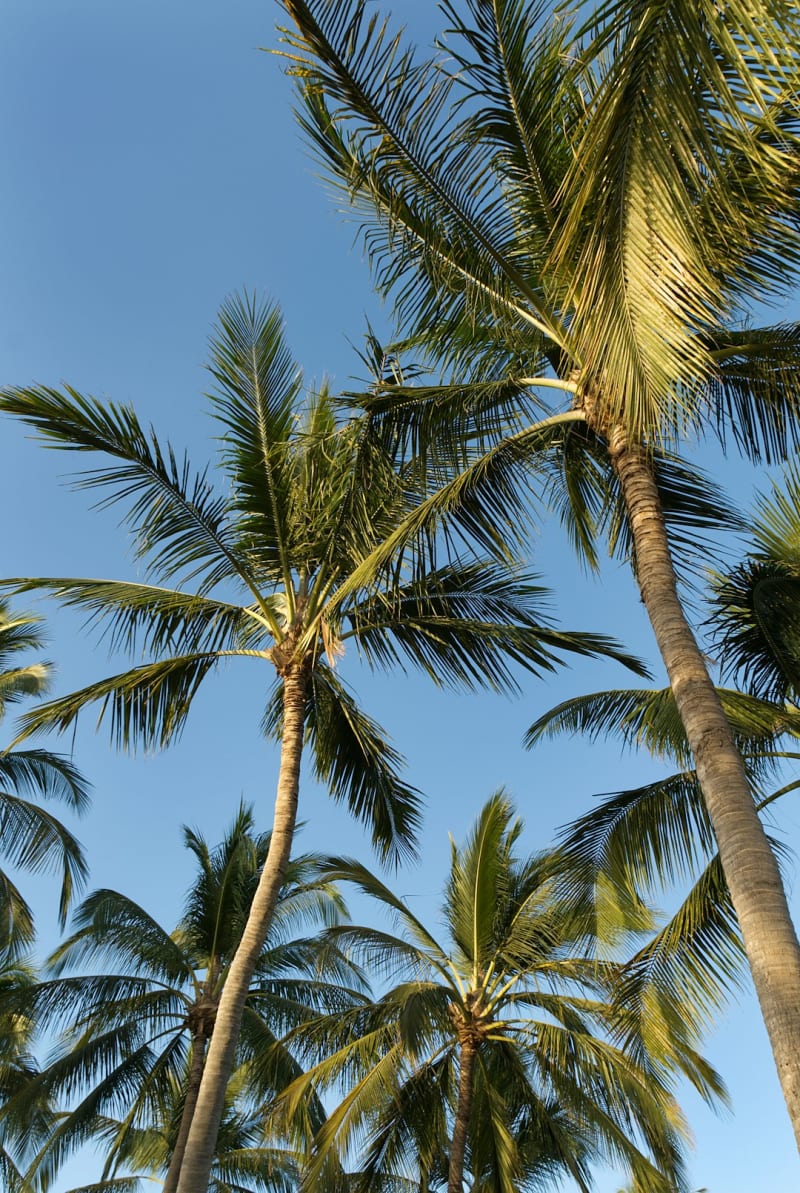 mexico
 Bahía de Matanchén
Just south of San Blas, Bahía de Matanchén is a sweeping, jungle-backed arc of coast famous among surfers for producing one of the longest rideable waves in the world — several kilometers on a good swell — though the light that falls here at dusk, and the mariscos shacks along the shore road, are reason enough to come whether or not you own a board. A colony of magnificent frigate birds nests in the mangroves at the south end of the bay, which makes the last hour before sunset complicated in the best possible way.
Explore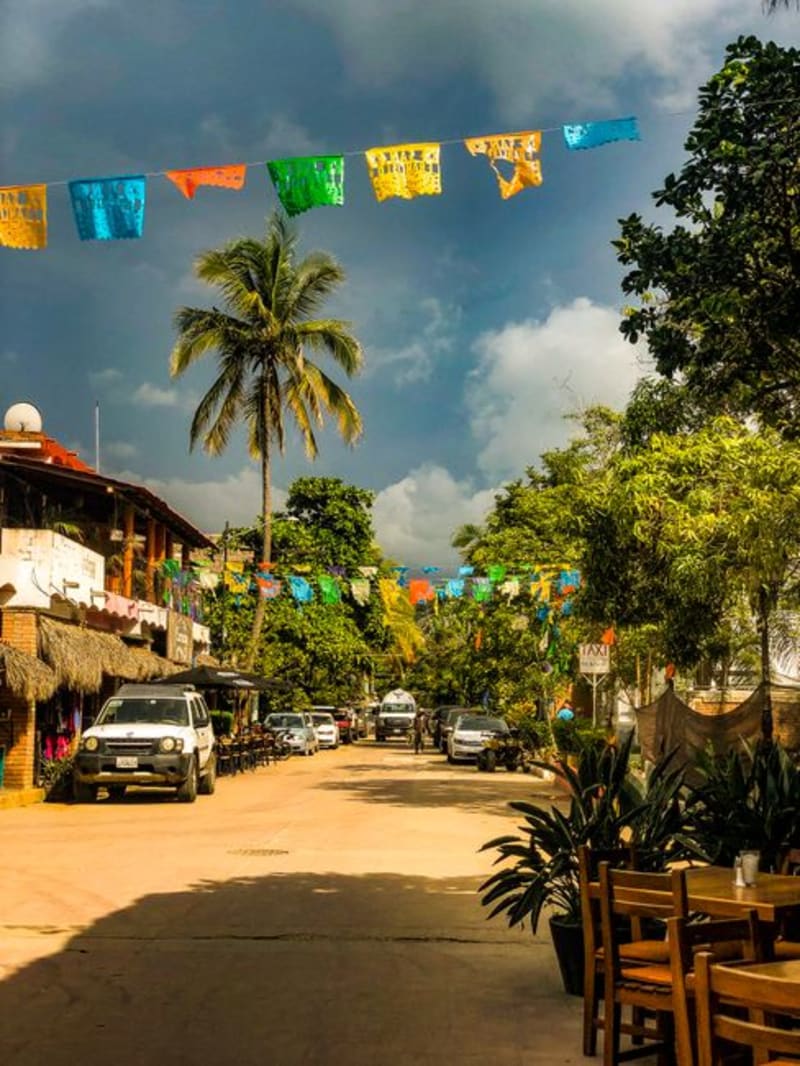 mexico
 Bucerías
A beach town north of Puerto Vallarta that has been quietly becoming one of Mexico's better food destinations for a decade, largely because the people who know prefer it that way. The Wednesday street food market on Lázaro Cárdenas is the kind of event you build your travel dates around; the beach is wide, uncrowded, and unbothered about the comparison.
Explore mexico
 Chacala
A tiny bay village an hour north of Puerto Vallarta with no chain hotels, a beach that resisted the development that swallowed Sayulita, and a particular quality of quiet you notice immediately and only fully appreciate after a full day.
Explore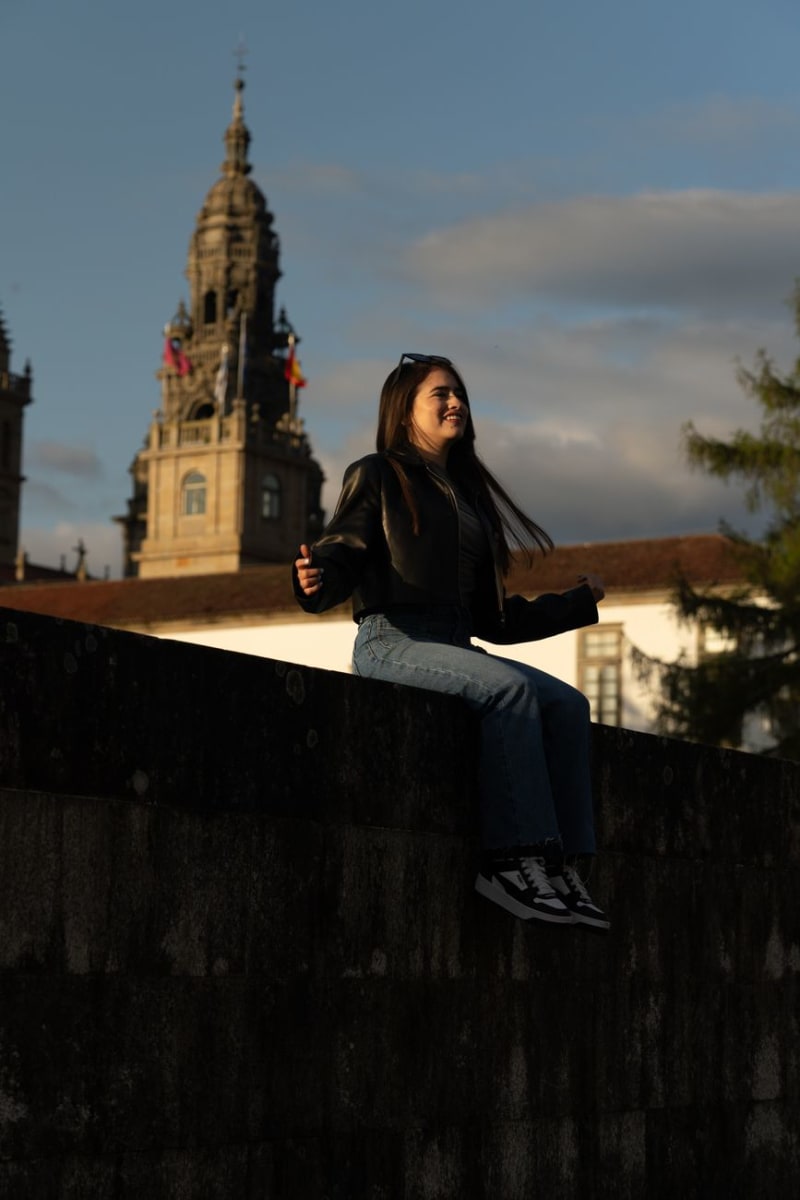 mexico
 Compostela
Compostela is a colonial town on the main road from Tepic to the coast, in a valley surrounded by tobacco fields, and one of the oldest Spanish settlements on Mexico's western Pacific shore — Francisco Vásquez de Coronado governed from here before his 1540 expedition into what is now the American Southwest. I stopped for an hour on the way to Puerto Vallarta and ate a mango from a roadside stand and noticed something about the light in that valley that I haven't been able to fully explain since.
Explore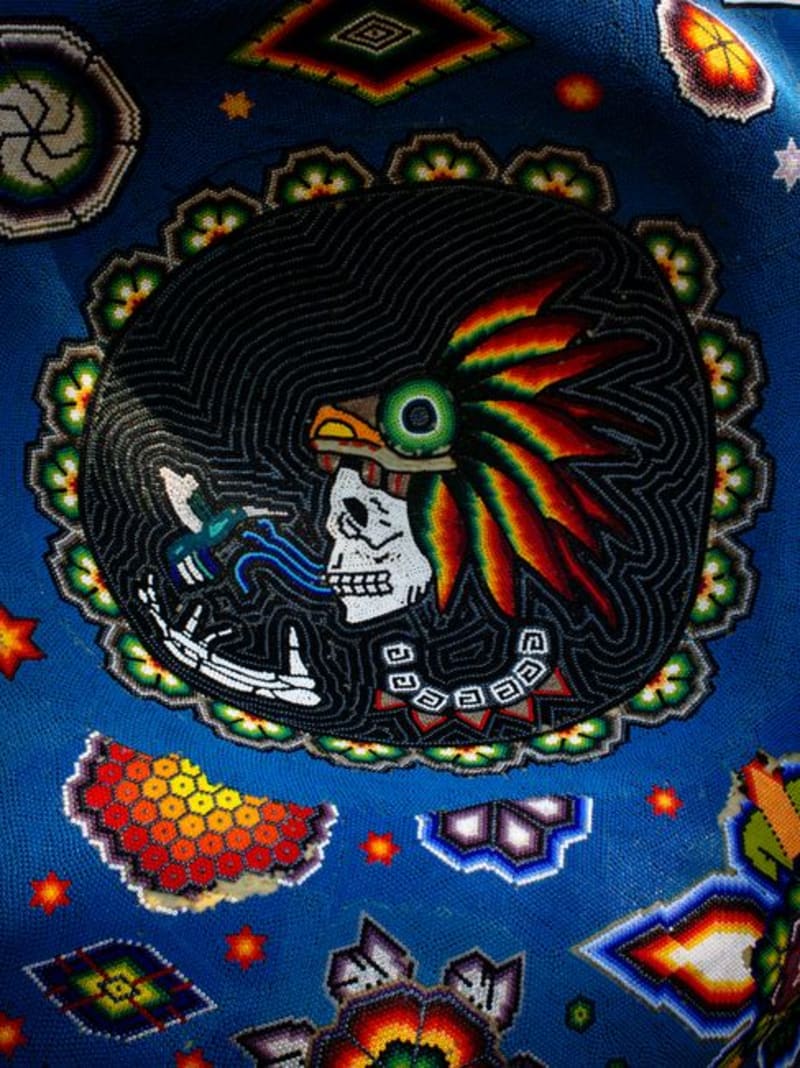 mexico
 Huaynamota
A Cora indigenous village at the bottom of the Barrancas del Nayar, reachable only by a corrugated canyon road or a two-hour lancha ride up the San Pedro Mezquital river. Hot springs seep from the cliff faces at water level, and the canyon — still Náayeri territory in every sense — makes most of accessible Mexico feel like a different country.
Explore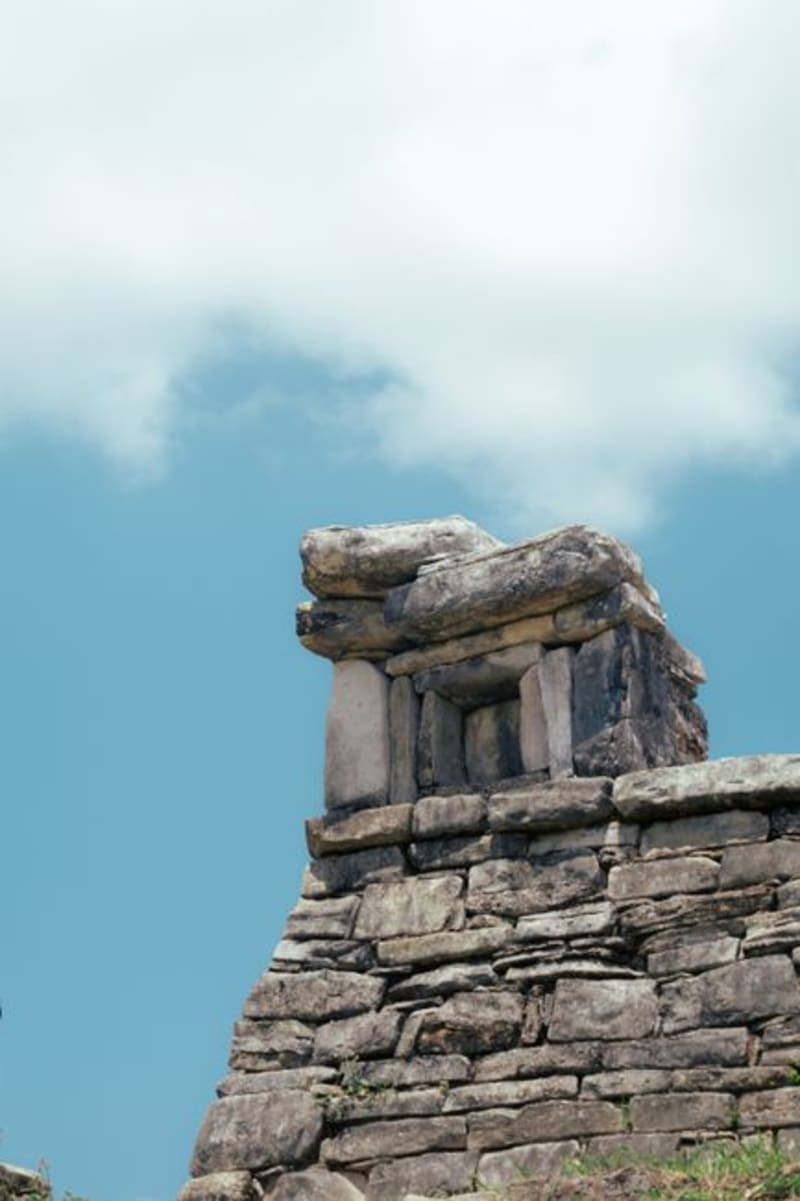 mexico
 Ixtlán del Río
Ixtlán del Río is a highway town in Nayarit that most people pass without stopping — and those who stop usually come for El Cerrito, a pre-Columbian ceremonial site on the edge of town with a round temple unlike almost anything else in western Mexico. The Aztatlán culture built it between 900 and 1200 CE, and it still sits beside the asphalt, largely unmarked, usually empty.
Explore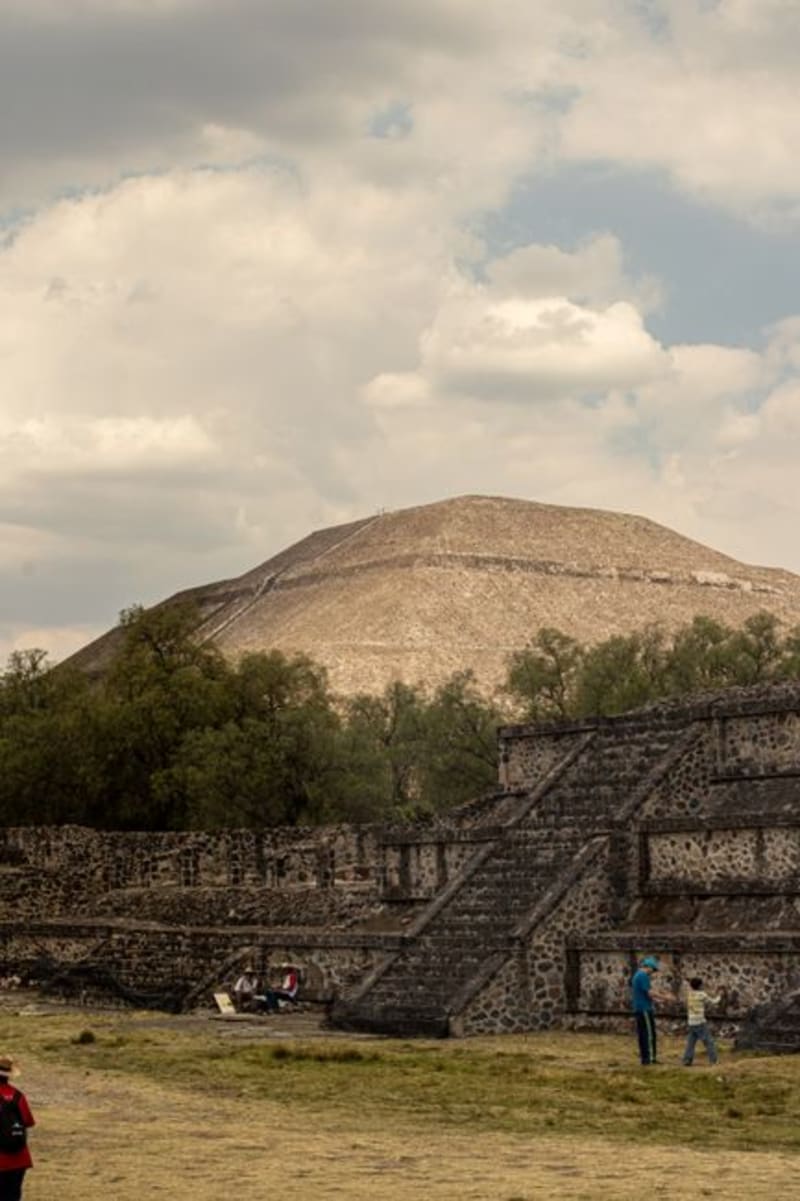 mexico
 Ixtlán del Río
A small Nayarit town on the Guadalajara-Tepic highway whose real reason to stop sits just outside the center: an archaeological zone built around a circular temple dedicated to Quetzalcóatl, one of the only round pre-Hispanic structures in western Mexico. Traffic roars past on the libre and almost nobody turns off.
Explore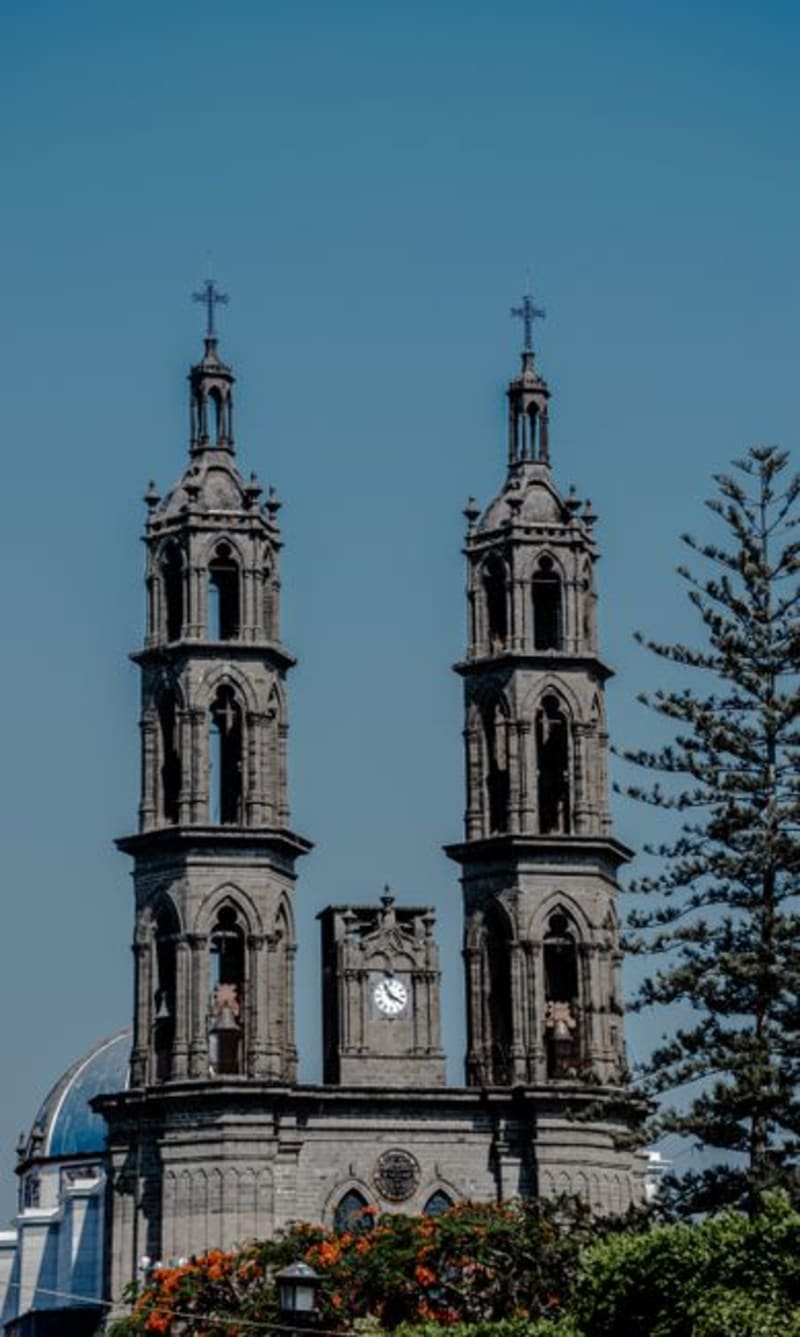 mexico
 Jala
A quiet Pueblo Mágico at the foot of Ceboruco, an active volcano that last erupted in 1875 and still breathes sulphur through its crater vents. Jala is also home to the maíz jaleño, a heritage corn variety that grows to four meters tall — and a plaza where very little happens, which turns out to be precisely the point.
Explore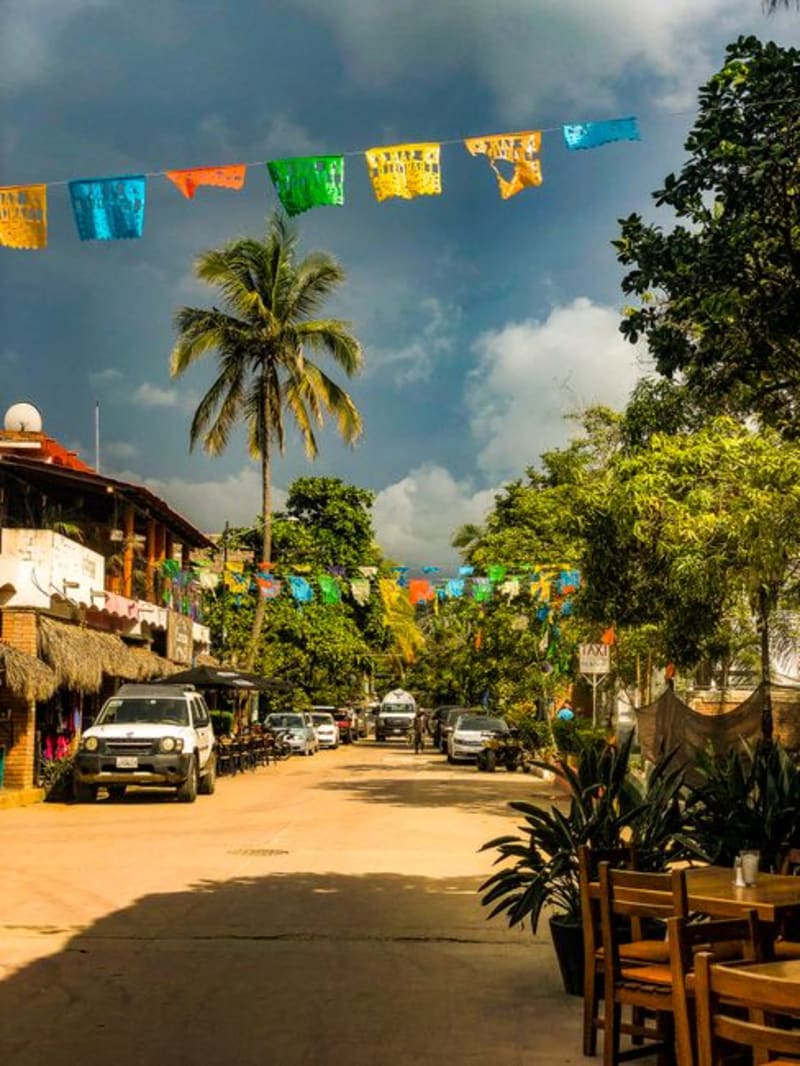 mexico
 La Cruz de Huanacaxtle
A deep-water marina town north of Puerto Vallarta where liveaboard sailors have quietly built one of Nayarit's most interesting food scenes. The Sunday flea market draws half the bay, and the pescado zarandeado smoked over wood on the beach is a benchmark worth driving for.
Explore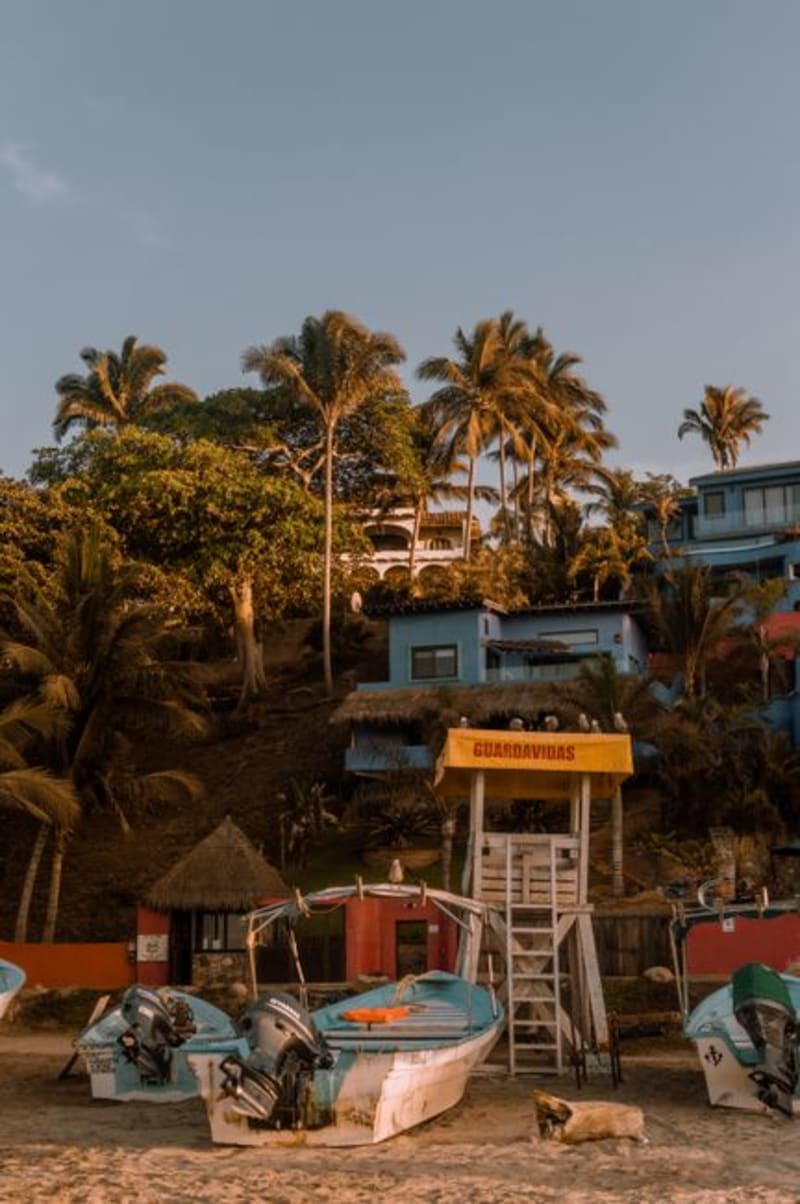 mexico
 La Peñita de Jaltemba
La Peñita de Jaltemba is a working fishing village on the Bay of Jaltemba where the Thursday tianguis draws vendors from three states and nobody has yet arrived to improve it. The seafood is honest, the bay is calm, and the weekend crowd is entirely local.
Explore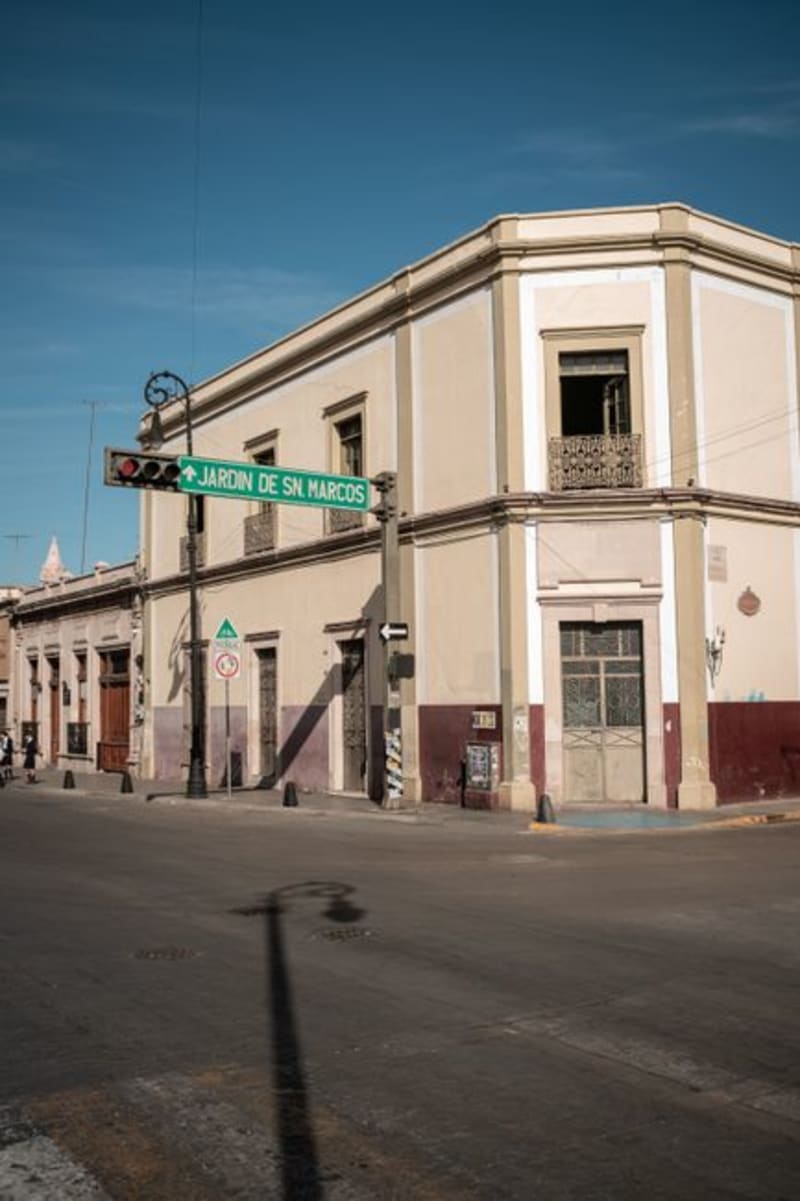 mexico
 Lo de Marcos
Lo de Marcos is a Pueblo Mágico that has not adjusted its behavior accordingly. The beach runs long and empty in either direction, the palapas creak pleasantly in the Pacific wind, and the fish at the shoreline restaurants came in on boats you can see from your table.
Explore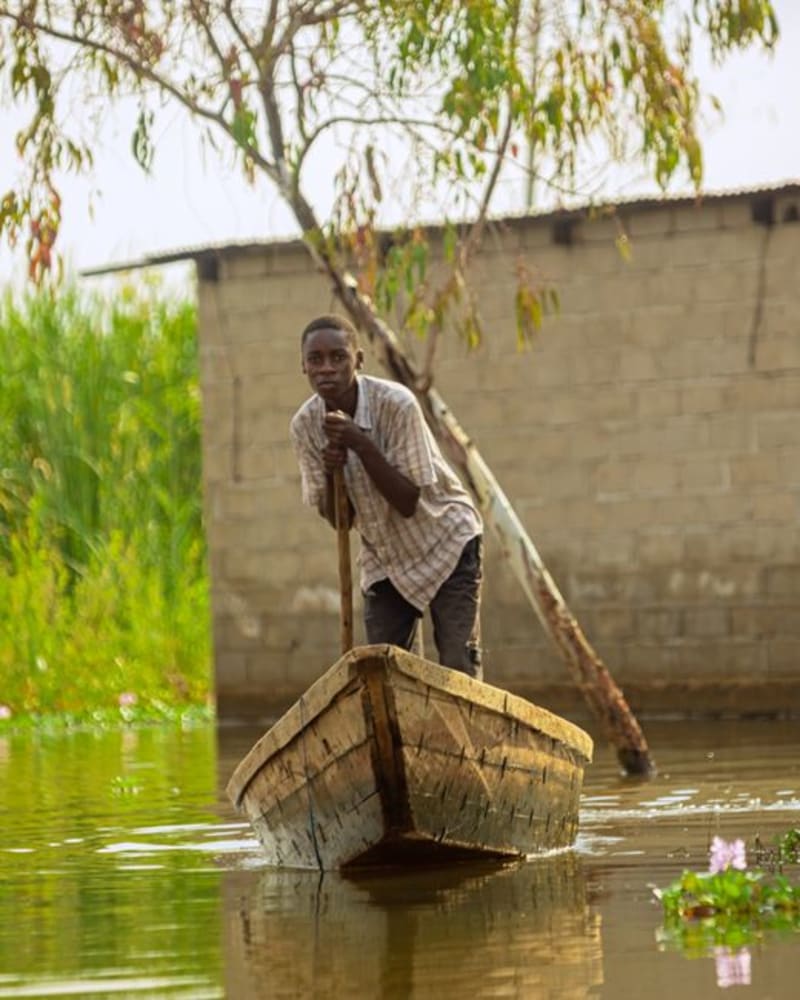 mexico
 Mexcaltitán
A perfectly circular island-village rising from the coastal marshes of Nayarit, Mexcaltitán floods each summer until its cobblestone streets vanish beneath the lagoon and the fishermen trade their feet for dugout canoes. Some anthropologists believe this is Aztlan — the mythic origin point of the Aztec people — though the village seems indifferent to the claim, more concerned with the morning shrimp catch than ancient glory.
Explore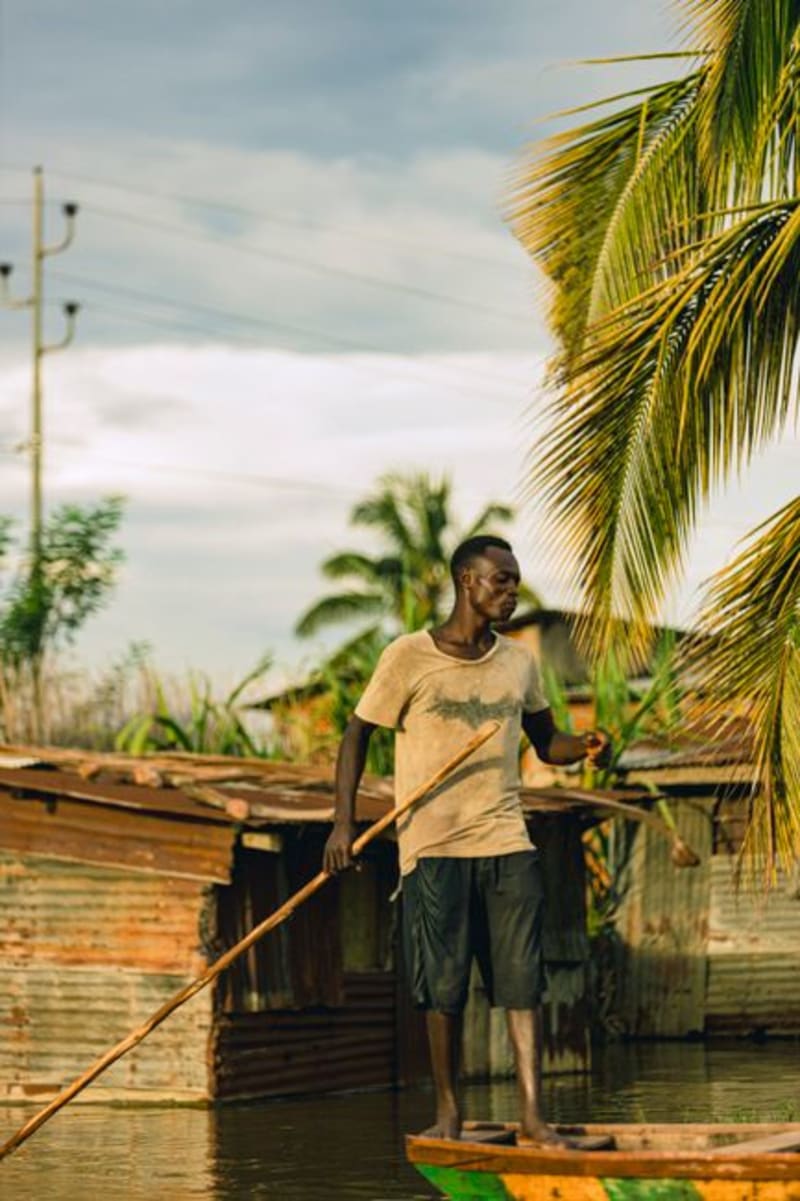 mexico
 Mexcaltitán
A tiny circular island adrift in the coastal lagoons of Nayarit, Mexcaltitán is reached by a short motorboat crossing and crossed on foot in twenty minutes. In rainy season, the streets flood to knee height and residents trade shoes for canoes. The shrimp pulled daily from the surrounding lagoon are among the best I have eaten in Mexico.
Explore mexico
 Punta Mita
The peninsula at the northern tip of Banderas Bay — some of the best surf in Nayarit, a panga ride to a heart-shaped blowhole on an offshore rock island, and humpback whales in the bay from December through March.
Explore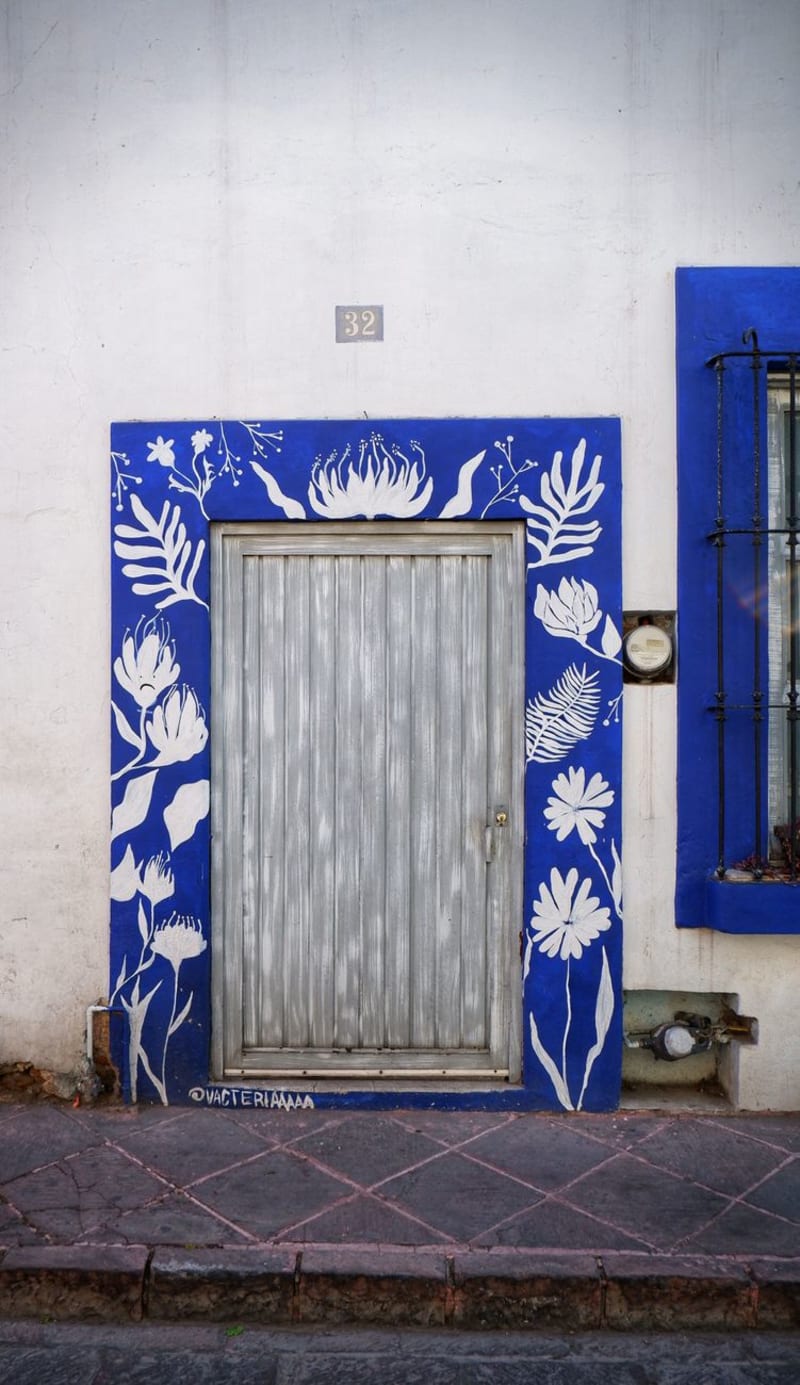 mexico
 Rincón de Guayabitos
A gentle crescent bay north of Puerto Vallarta where Mexican families from Guadalajara have been arriving with coolers and inflatable rings for four decades. The offshore islands sit close enough to swim to, the aguachile comes in clay bowls, and nobody has thought to install a rooftop bar — which is precisely the point.
Explore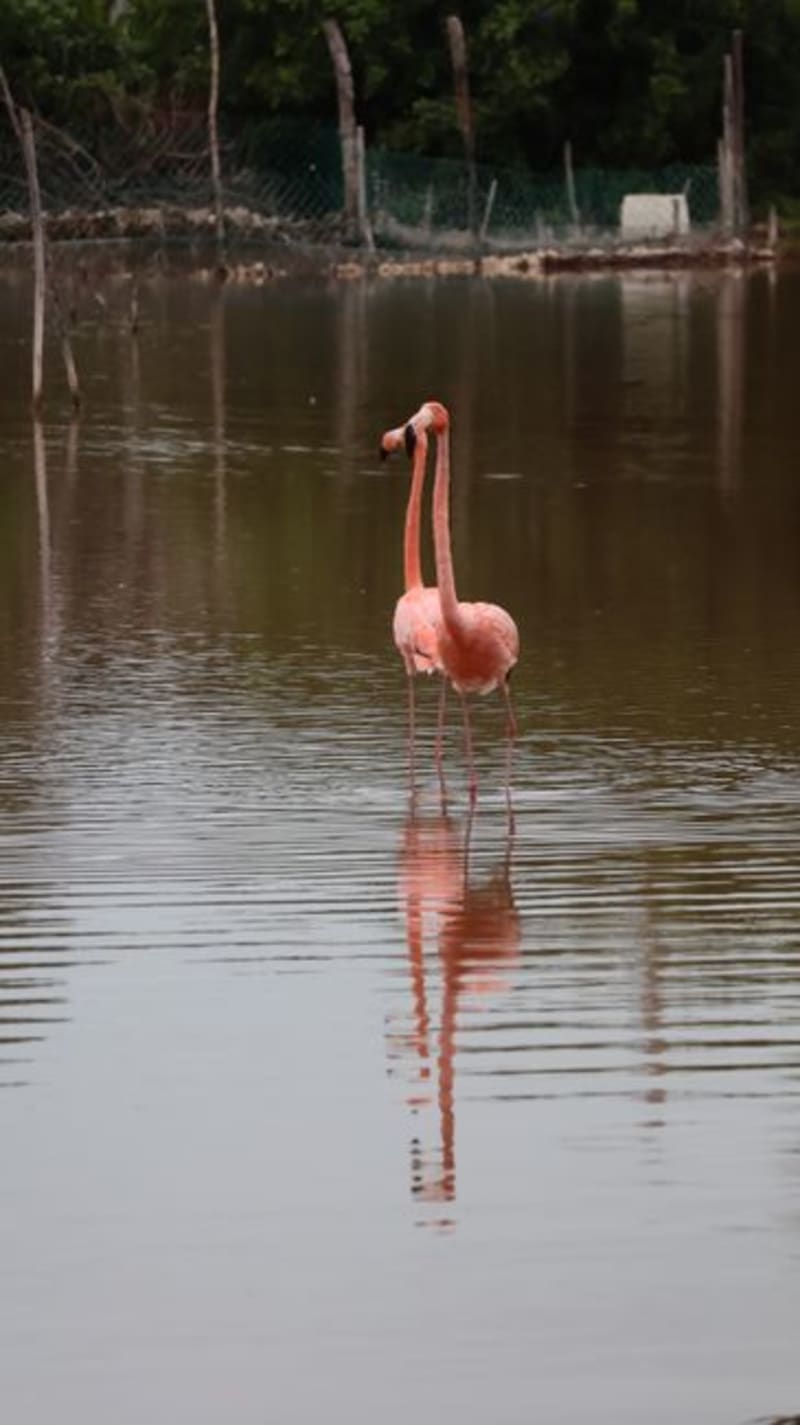 mexico
 San Blas
A former Spanish colonial port in Nayarit that traded empire-era galleons for birding scopes and flat-bottomed boats. San Blas moves slowly, smells of mangrove mud and fried pescado, and rewards anyone patient enough to show up before the jejenes do.
Explore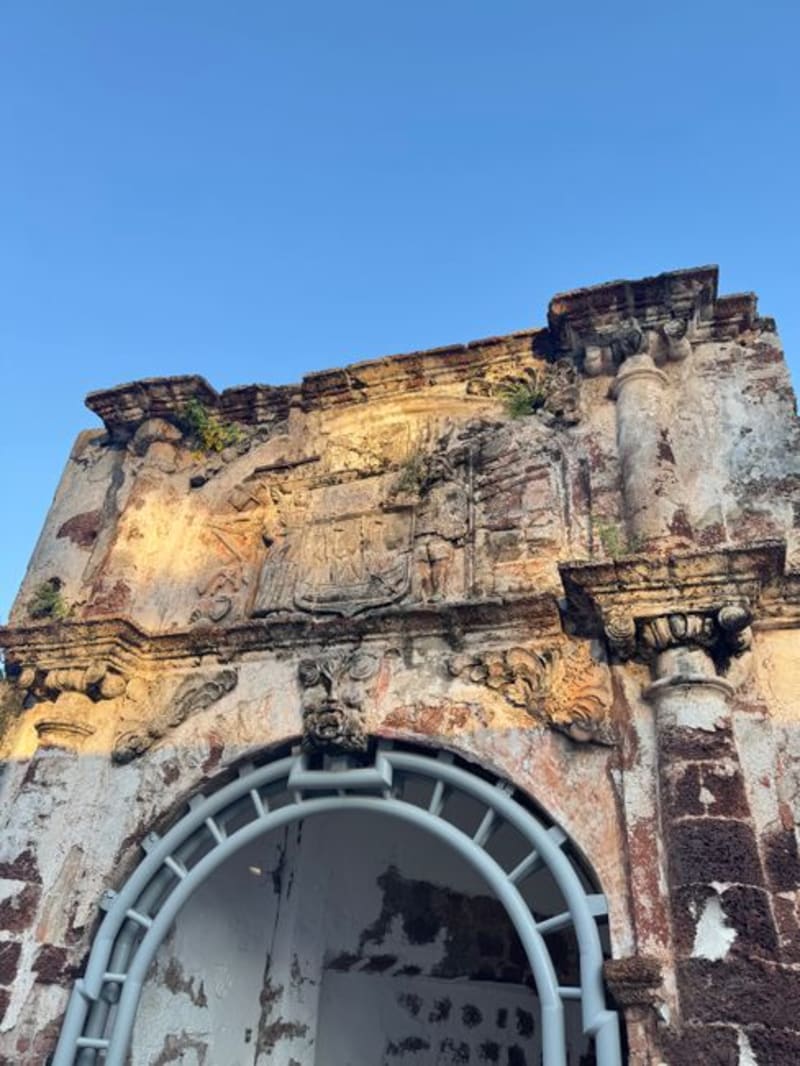 mexico
 San Blas
Once one of the most important ports on the Pacific coast of New Spain, San Blas has spent the last two centuries quietly unraveling into jungle and estuary. It is a town where the ruins outlast the ambition that built them, and where the mangrove channels hold more life than most cities.
Explore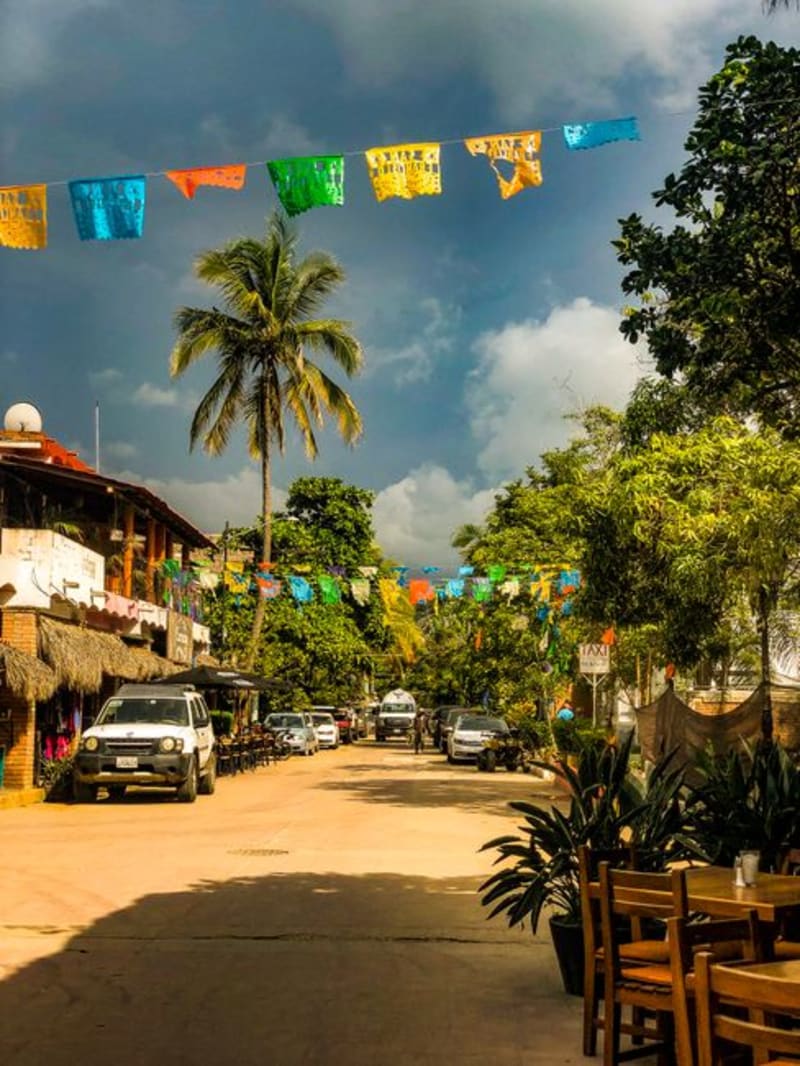 mexico
 San Pancho
Ten minutes north of Sayulita and roughly a decade slower in pace, San Pancho has held onto its identity as an actual fishing village — one that happens to have a polo field, a more consistent surf break, and a beach you can still walk without running a commercial gauntlet.
Explore mexico
 Santa María del Oro
Santa María del Oro is a volcanic crater lake in the mountains of central Nayarit — a perfectly circular caldera filled with water that shifts from green to blue to grey depending on the light and the sky above it, surrounded by pine forest and almost entirely unknown. I drove up on a Saturday having been told about it by a stranger in a Tepic market, arrived to find four other people and an extraordinary silence, and stayed until the light failed.
Explore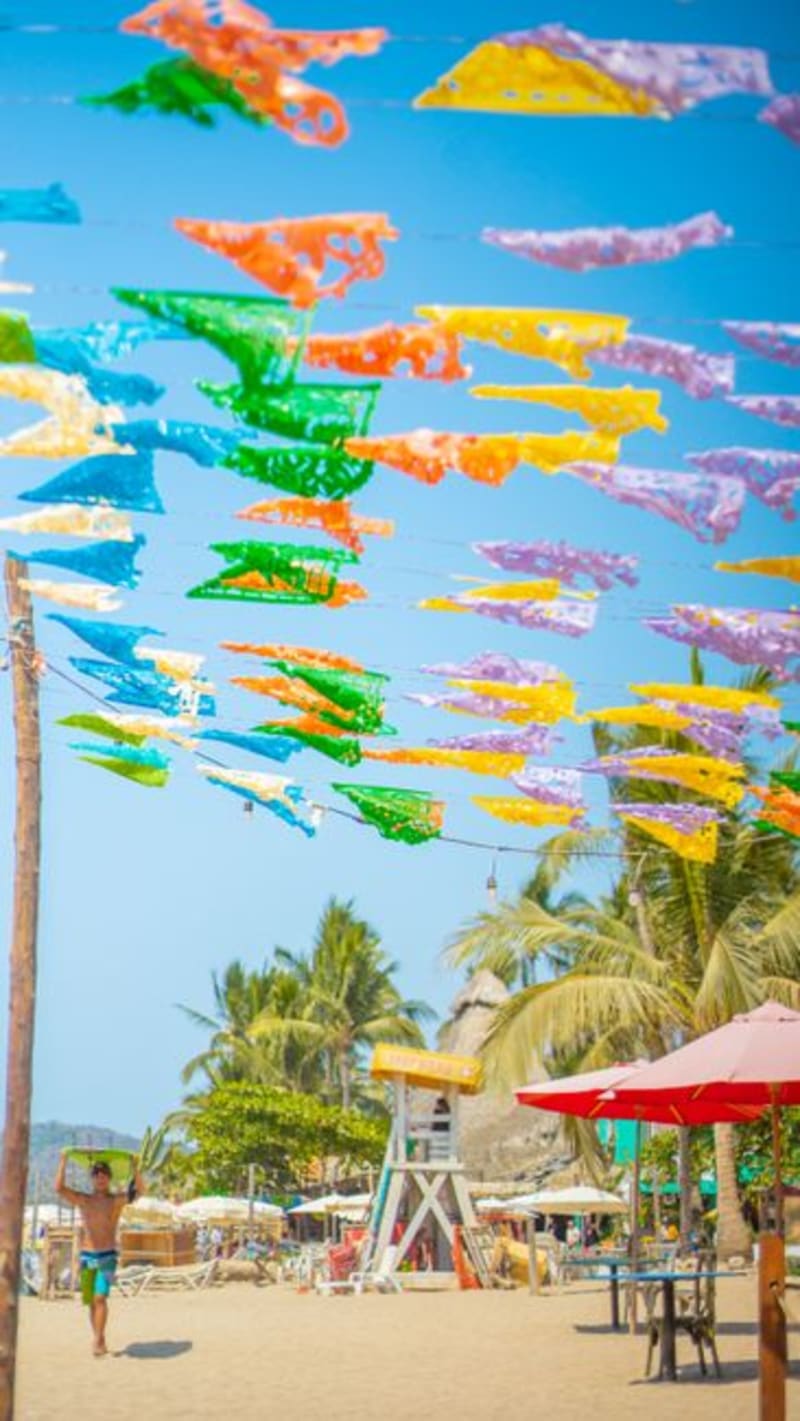 mexico
 Sayulita
A bohemian surf village north of Puerto Vallarta that has traded some of its original soul for infrastructure but keeps its beach honest. The tacos are extraordinary, the surf is genuinely good, and the people-watching on the main plaza rivals anywhere in Mexico.
Explore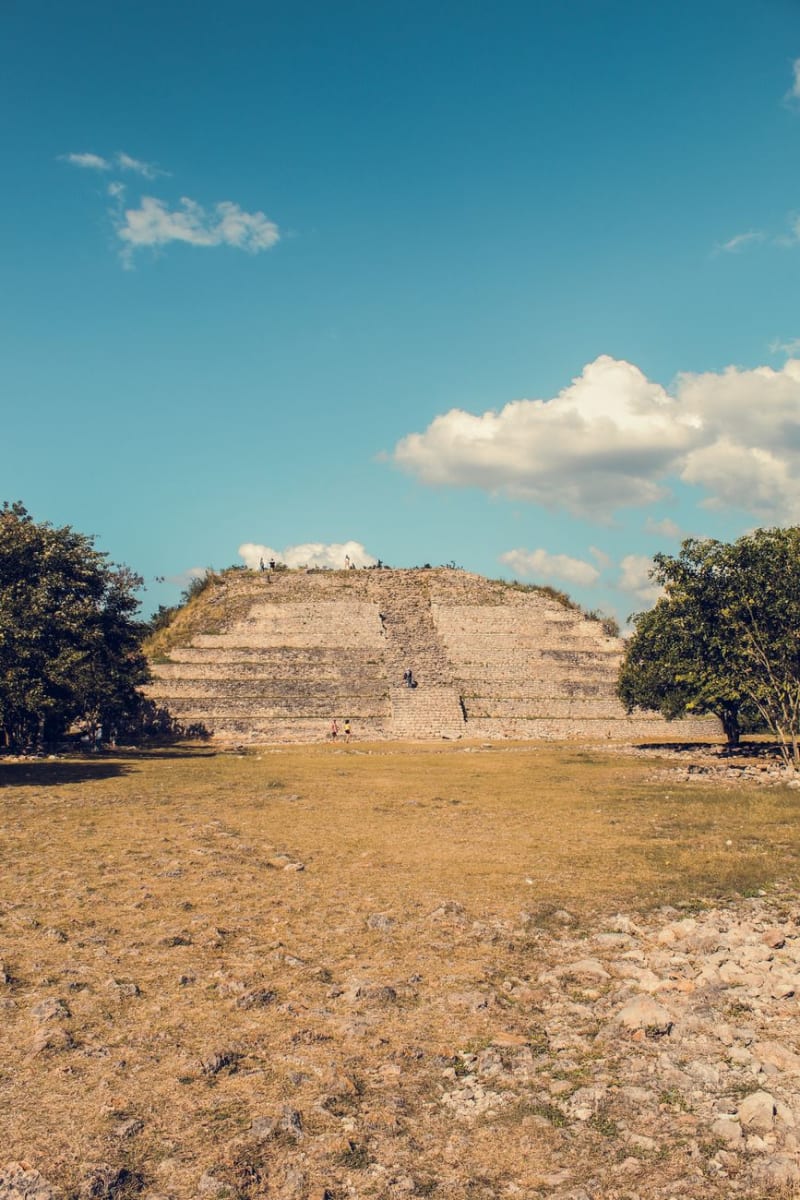 mexico
 Tepic
Tepic is the capital of Nayarit state and, in my experience, has the best permanent Huichol artisan market in Mexico — not the beaded tourist skulls from Puerto Vallarta, but actual nierika yarn paintings and beaded objects made by Wixáritari artisans depicting cosmology I cannot claim to fully understand but find completely absorbing. The city is undervisited in a way I've stopped trying to explain to people and started just recommending directly.
ExploreKeep exploring
More from Mexico
 mexico
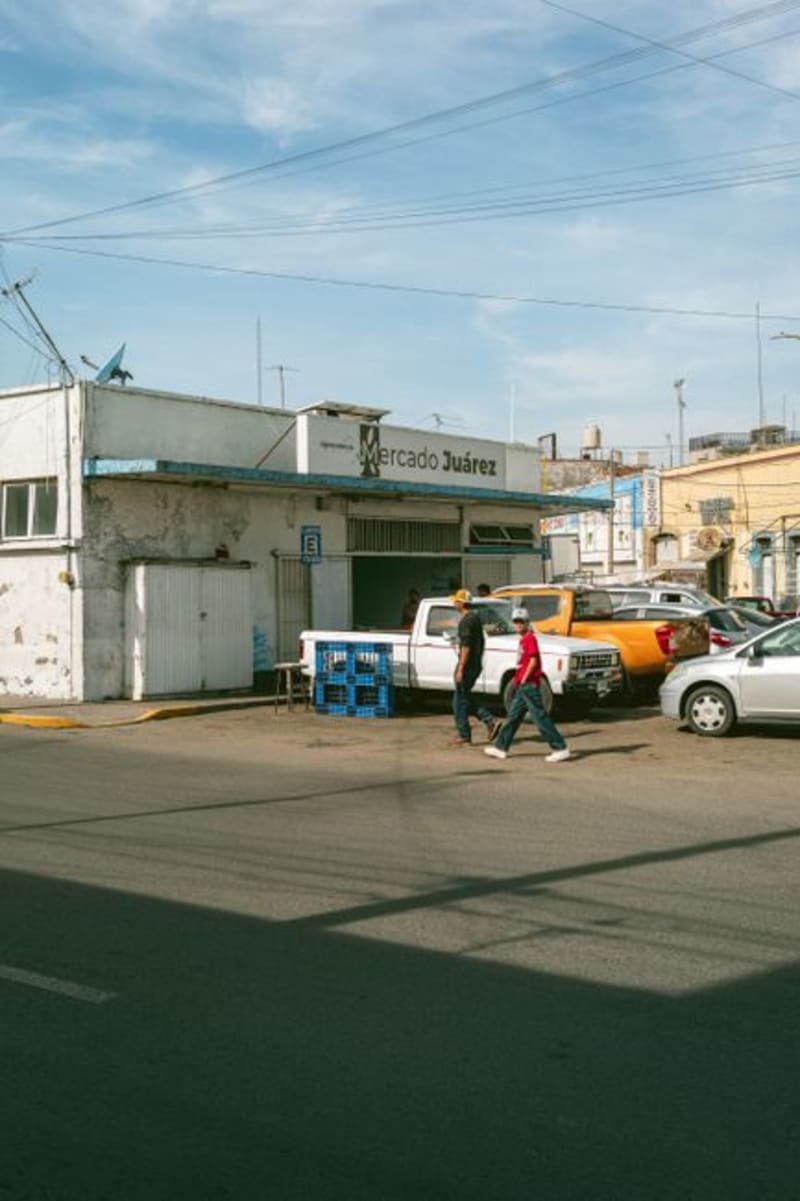
 Nuevo Laredo
The busiest land border crossing in the Western Hemisphere, Nuevo Laredo is neither fully Mexican nor American but some third thing entirely — a city shaped by a century of trade, transit, and the particular culture of people who have learned to live between two countries. The Mercado Maclovio Herrera, the bridge crowds, the norteño accordion drifting from taco stands at midnight: all of it is genuine, and most travel guides are too nervous to say so.
Explore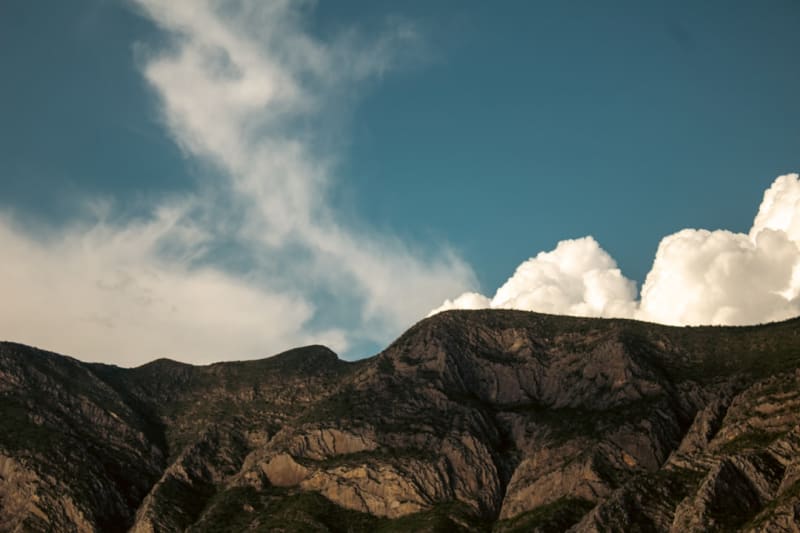 mexico
 Nuevo León
Mexico's industrial powerhouse and third-largest economy — where Monterrey's steel and glass towers rise against the Sierra Madre, the Barragán-designed Cuauhtémoc brewery stands in the city center, and an hour south you're in a canyon system deeper than the Grand Canyon.
Explore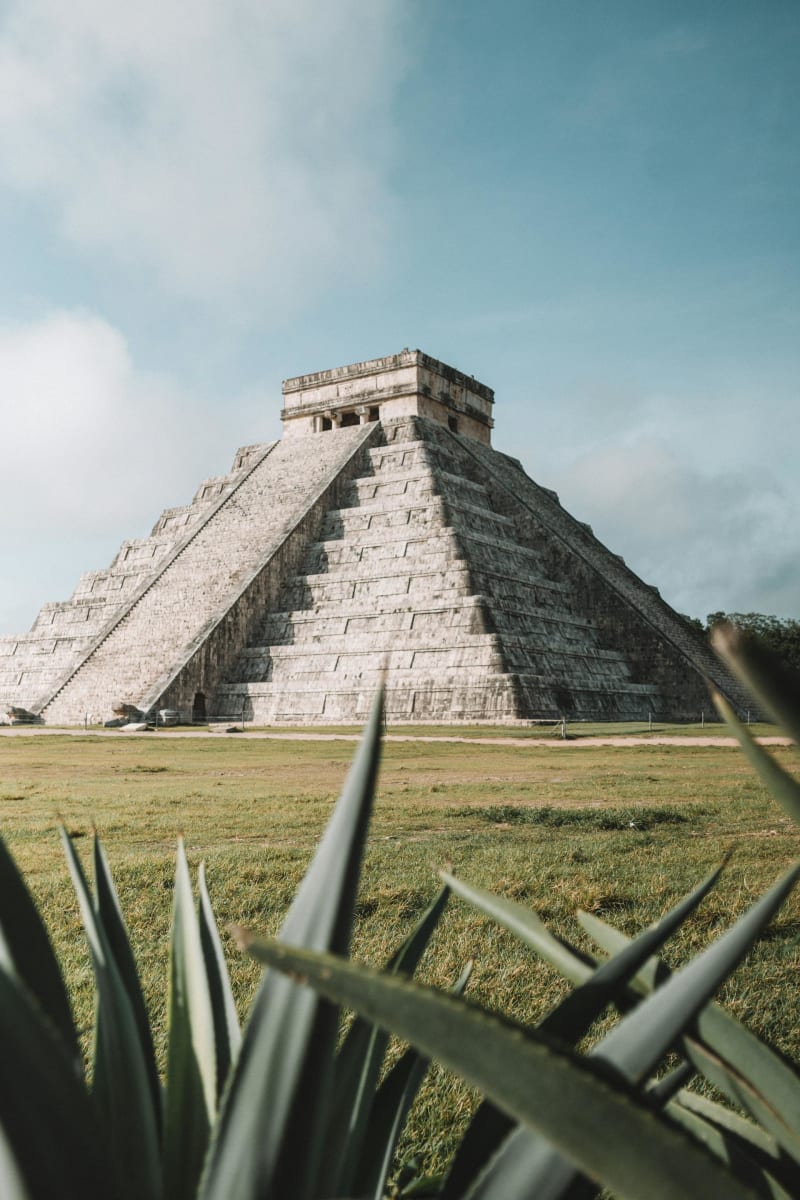 mexico
 Oaxaca
The mezcal capital, the molé motherland, and the most culturally rich state in Mexico. Oaxaca is a world unto itself.
Explore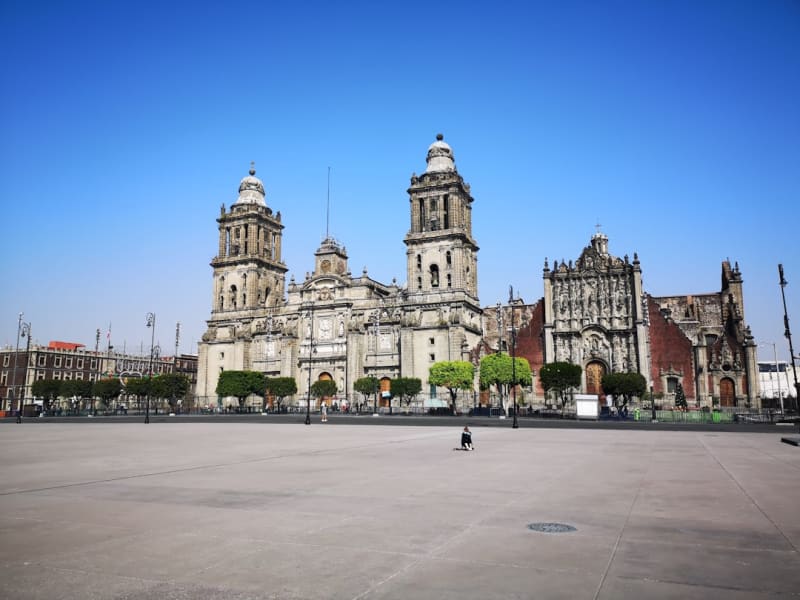 mexico
 Puebla
Mexico's baroque capital — a city of 365 churches, Talavera tiles, mole poblano, and the most ornate interiors of any colonial city in the Americas.
Explore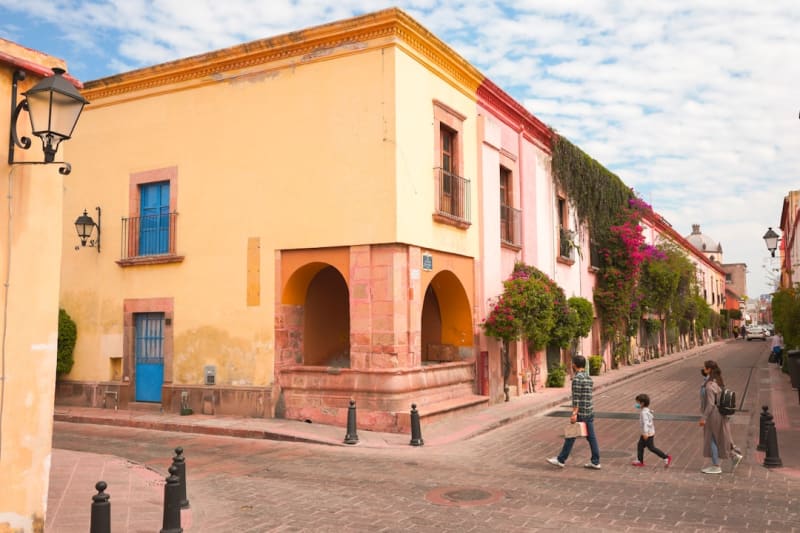 mexico
 Querétaro
A UNESCO colonial city where Mexico's independence was born — 18th-century aqueducts, the best wine region in the country two hours north, and Sierra Gorda biosphere with the most extraordinary baroque missions outside of Oaxaca.
Explore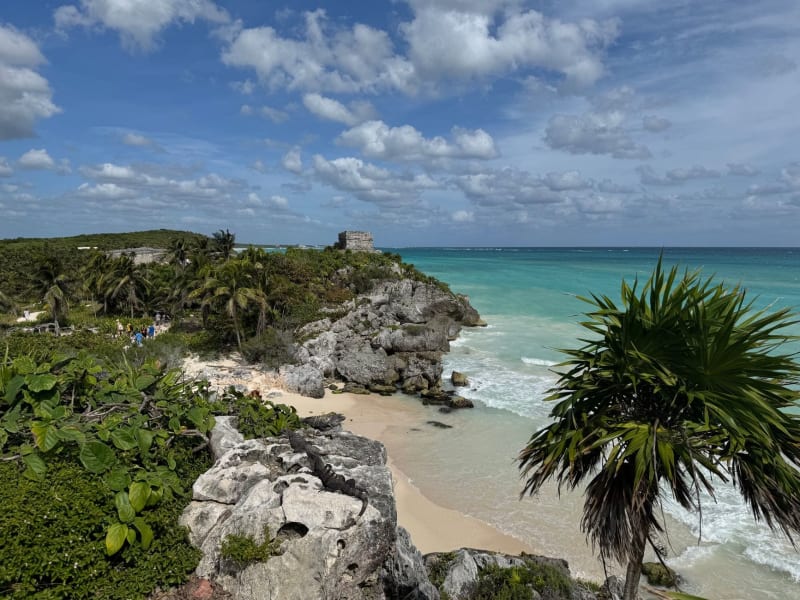 mexico
 Quintana Roo
The Caribbean coast of Mexico — from the Cancún hotel zone to the last village before Belize, the Mesoamerican Barrier Reef running parallel to the coast, Maya ruins in the jungle above the turquoise water, and a spectrum from world-famous to entirely unknown within 400 kilometers.
Explore