Campeche
"The city was walled against pirates. The walls still stand. Walk them at sunset — the Gulf is flat and gold and the city is all yours."
Mexico's most intact walled colonial city on the Gulf coast — pastel-painted streets, pirate-proof bastions, extraordinary Mayan artifacts, and almost no other tourists.

Campeche is Mexico’s best-kept secret and the Yucatán peninsula’s most rewarding city, with the possible exception of Mérida. It has everything Mérida has — colonial architecture, excellent food, genuine local life — minus the crowds and the prices that Mérida’s growing profile has generated. The reason people skip it is that it requires a slight detour from the standard Cancún-Mérida circuit. This detour is worth making.
The city sits on the Gulf of Mexico coast of the Yucatán peninsula and was one of the most important ports in New Spain from the 16th through 18th centuries — the gateway through which Mayan artifacts, silver from the interior, and logwood dye left for Spain. The wealth this generated built the colonial center and, more relevantly, financed the defensive walls that were built between 1686 and 1704 to keep the pirates out.
The pirates had been looting the city repeatedly since the 1560s, and the defensive investment was substantial: eight hexagonal bastions connected by 2.5 kilometers of thick stone walls encircling the entire historic center. The walls, almost completely intact, are what distinguish Campeche from every other colonial city in Mexico. UNESCO listed it in 1999.
The Walls and the Bastions
The Puerta de Tierra (Land Gate) and Puerta del Mar (Sea Gate) are the main entrances through the walls, both preserved in their original form. The bastions — Soledad, San Pedro, Santiago, San Juan, San Francisco, San Sebastián, Santa Rosa, and San Carlos — each contain a small museum or exhibition space; several are free. Baluarte San Carlos houses a small model of the city’s pirate-defense history and has a rooftop from which the Gulf is visible.
Walk the full circuit of the walls at sunset. The walk takes about forty minutes at a slow pace along the top of the defensive structure. In the last hour of light, the Gulf turns from blue to silver to gold, the pastel buildings inside the walls switch on their colonial-era streetlamps, and the whole city looks briefly like a set built for a film about the 18th century — except it is entirely real and you are the only person on the ramparts.

The Streets
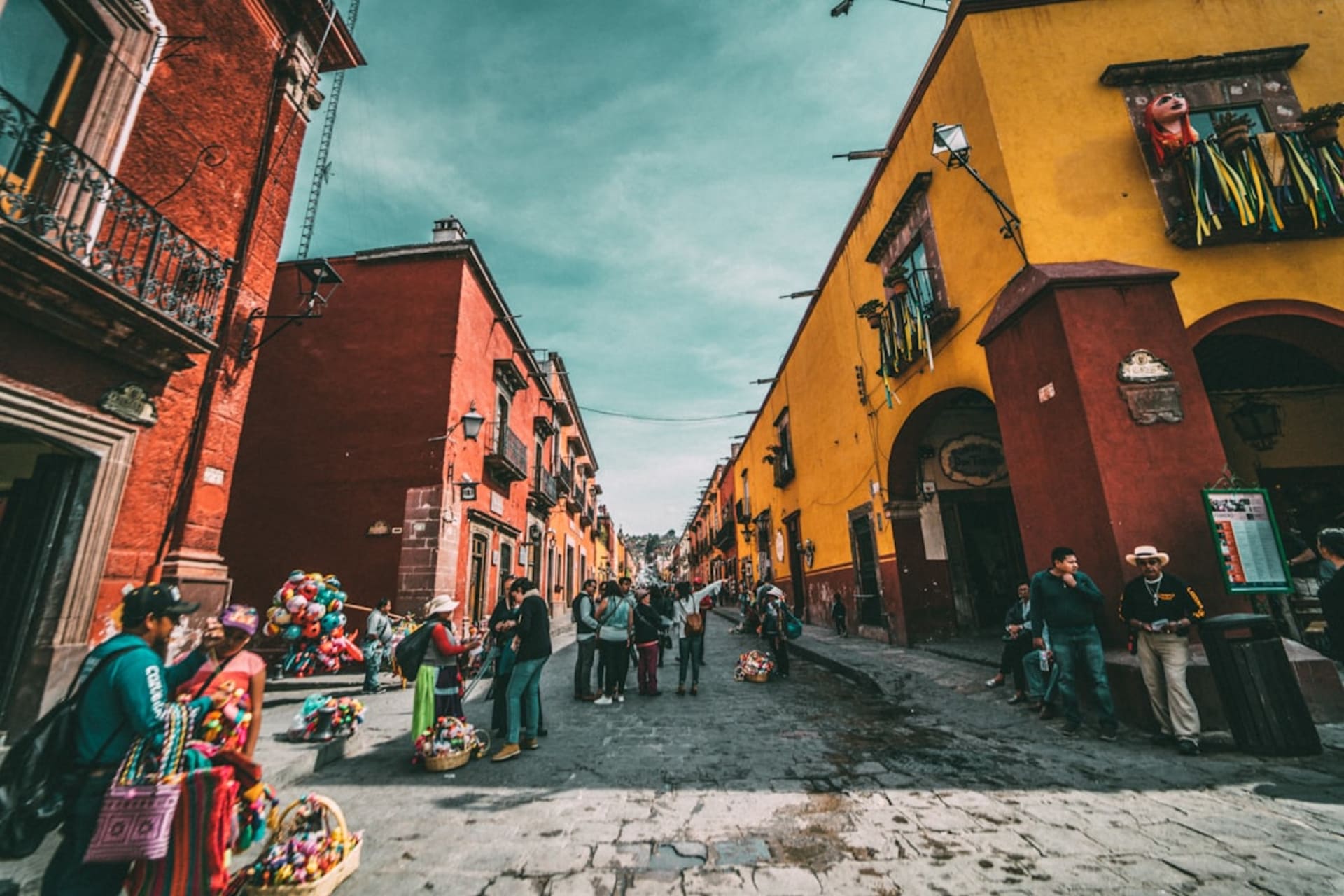
The streets of Campeche’s walled city were painted in 1990s in a palette of pastels — blue, yellow, ochre, terracotta, green — that has become the city’s photographic signature. The effect is somewhat theatrical, but the underlying architecture — 18th-century colonial buildings with deep portales, ornate doorways, interior courtyard gardens — justifies the presentation.
The Calle 59 and Calle 57 are the most photographed; the streets running east-west between Calles 10 and 16 have a more domestic character and are worth walking in the morning, when residents are on their doorsteps and the fruit vendors work the block.

The Plaza Principal (also called Plaza de la Independencia) is the center of civic life: a long rectangular square with a cathedral on one side, the municipal palace on another, and the covered walkway of the Portales on the remaining sides where restaurants and cafés have operated for decades.
The Mayan Artifacts
The Museo Arqueológico de Campeche in the Fuerte de San Miguel — a star-shaped fortress on a hill south of the city, reached by taxi or bicycle — contains one of the most important collections of Mayan funerary artifacts in existence. The jade burial masks, the ornate funerary vessels, the painted ceramics from the sites of Calakmul, Edzná, and the surrounding region: this is where they are kept, largely unvisited by international tourism.
The jade masks in particular — green-stone mosaics assembled to cover the faces of Mayan rulers in death — are among the finest pre-Columbian artifacts in any museum anywhere. The largest comes from the tomb of a Calakmul ruler and contains over two hundred individual jade pieces. It is displayed under glass in a dark room, lit from within, and it is extraordinary.
Calakmul — four hours south in the jungle, near the Guatemala border — is one of the great Classic Maya cities, larger than Tikal, with two thousand recorded structures and pyramids that emerge from the forest canopy. A day trip from Campeche involves an early start and a long drive through the Campeche biosphere reserve, which is one of the largest tropical forests in North America. Go if you have the day.
What to Eat
Campeche’s food is distinct from the rest of the Yucatán: more seafood, different spices, the Gulf coast influence visible throughout.
Pan de cazón — a layered dish of baby shark (cazón), black beans, and tortillas in tomato sauce. The local specialty and the thing to order first.
Camarones al coco — coconut shrimp, made with Gulf shrimp that were in the water the previous day.
Chocolomo — a beef offal soup with chile and epazote, served as a hangover remedy on Sunday mornings in the market. Not for the cautious.
The Mercado Municipal de San Francisco on the north side of the walled city is the correct market: large, chaotic, inexpensive, and oriented entirely toward local residents.
Getting there: Buses from Mérida take two to two-and-a-half hours. Direct flights from Mexico City (1.5h). The ADO terminal is outside the walled center — a fifteen-minute walk or a five-minute taxi.
When to go: November through April. The Gulf coast is hot and humid from May through October and the July-September hurricane season, while rarely hitting Campeche directly, brings heavy rainfall. The city is never crowded by Mexican standards; there is no particular high season to avoid.
Explore
Places in Campeche
 mexico
 Becal
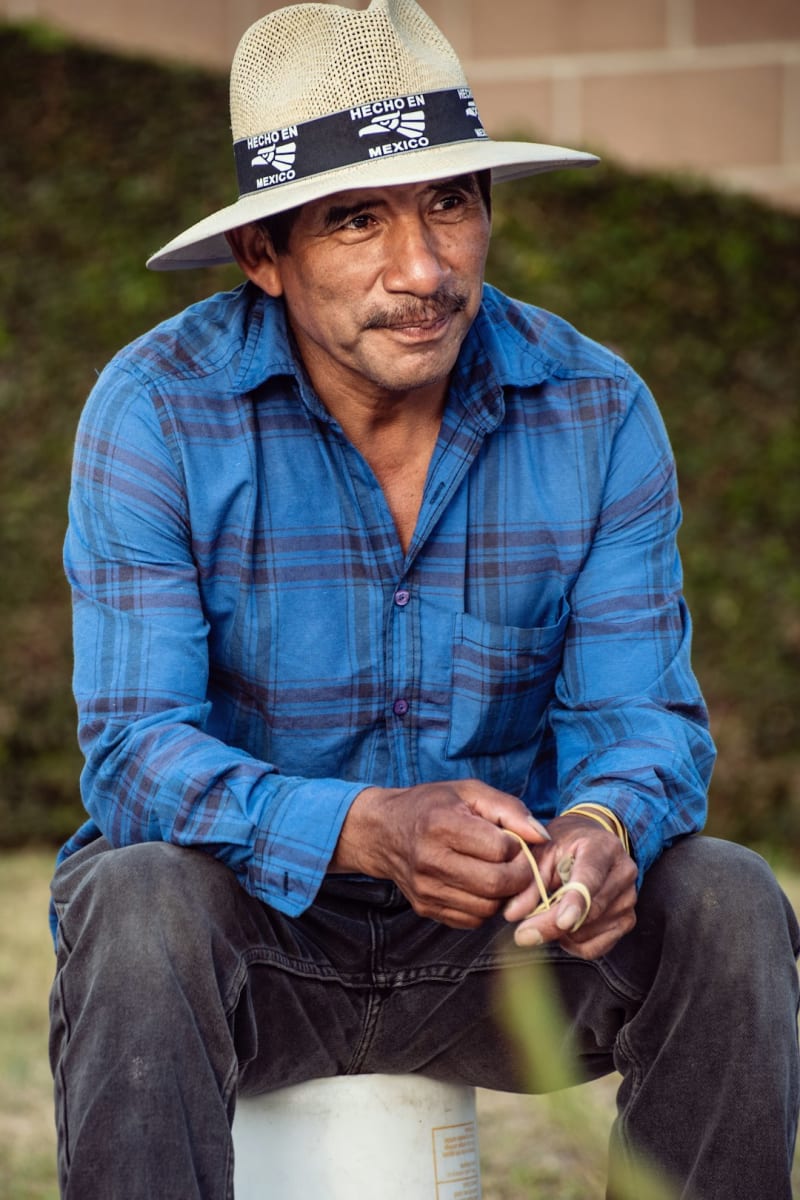
A small Campeche town where almost every family maintains a limestone cave beneath their kitchen floor — the only environment humid enough to keep palm fiber pliable for weaving. Becal produces the finest jipi hats in Mexico, and the town square ringed with oversized concrete hat sculptures is exactly as strange as it sounds.
Explore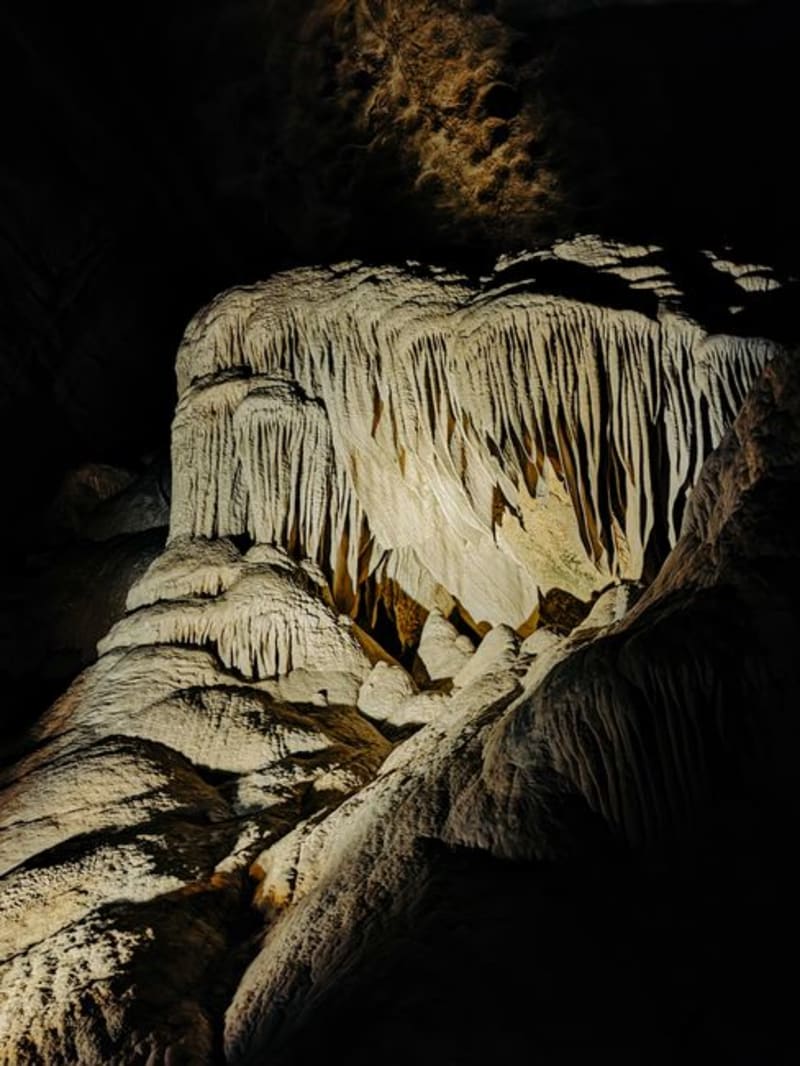 mexico
 Bolonchén de Rejón
A quiet Campeche town that barely hints at what lies beneath it: the Xtacumbilxunaan caves, where the ancient Maya descended more than 150 meters underground on wooden ladders to collect water during droughts. The cave name means hidden lady in Yucatec Maya, and the whole place has that quality — something extraordinary tucked beneath an ordinary afternoon.
Explore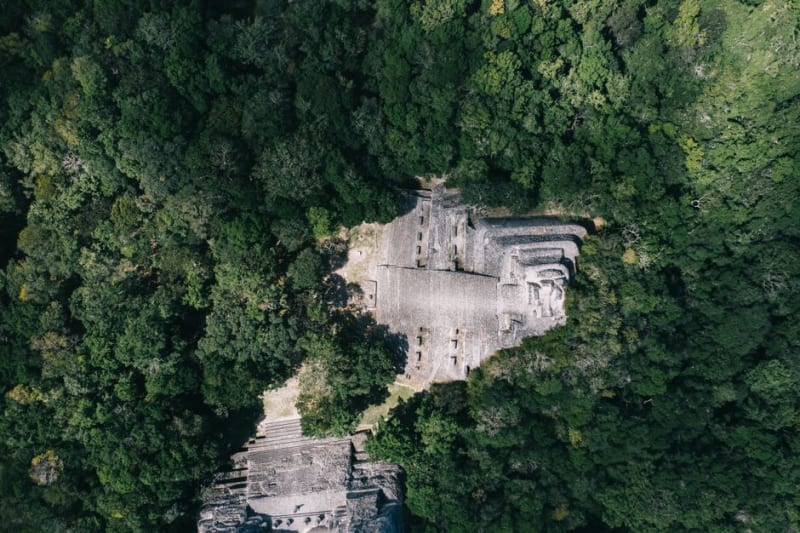 mexico
 Calakmul
The largest and most powerful Maya city of the Classic period — buried so deep in the Campeche jungle that howler monkeys outnumber tourists, and jaguars cross the road at dawn.
Explore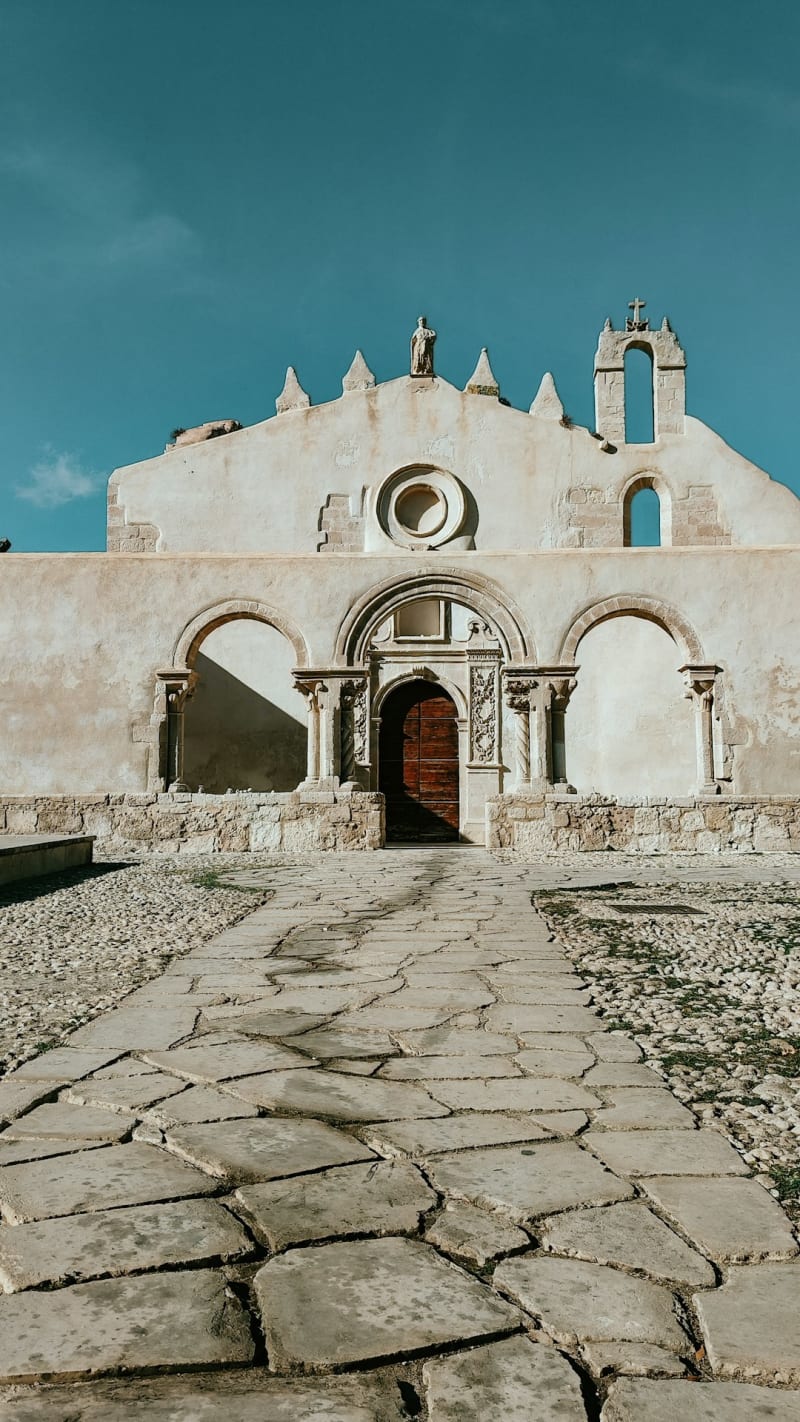 mexico
 Calkiní
A quiet Campeche town on the old Camino Real, Calkiní holds one of the finest Franciscan ex-convents on the Yucatán Peninsula — the kind of place that rearranges your afternoon without asking permission. The rest of the town is small, unhurried, and entirely indifferent to being discovered.
Explore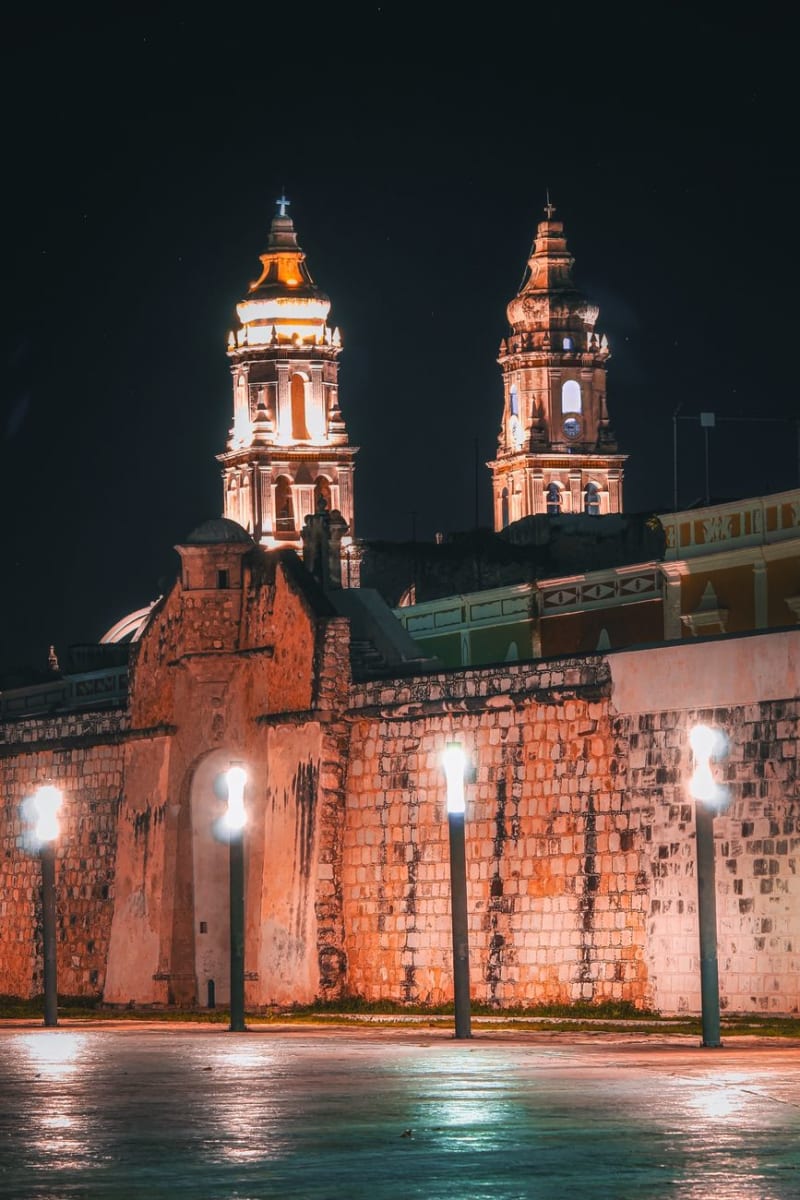 mexico
 Campeche City
Campeche City is a UNESCO-listed colonial port on the Gulf of Mexico whose walled historic center is painted in a density of pastel colors — ochre, sage green, turquoise, terracotta — that photographs cannot quite prepare you for. Built to withstand pirate raids, its bastions and sea walls are still the skeleton of a living city where people go to work and argue and eat pan de cazón, a baked layered dish of blue corn tortillas, black beans, and shredded dogfish shark that I am still thinking about. Two nights minimum; one is not enough.
Explore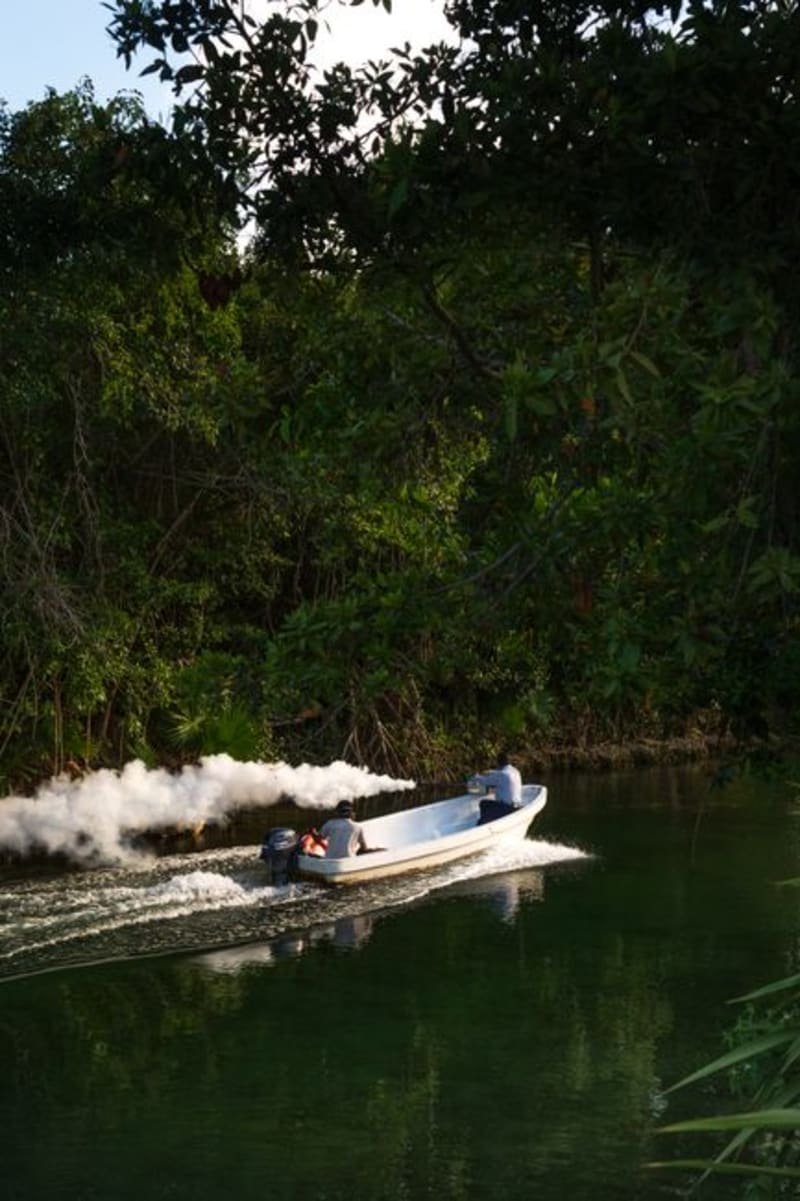 mexico
 Candelaria
Candelaria sits where its namesake river pushes south through the jungle toward the Guatemalan border, a town defined entirely by its water. Boat trips upriver into the Gulf lowlands reveal herons stalking the shallows, crocodiles barely distinguishable from driftwood, and a green world running on its own unhurried schedule. It is about as far off the tourist circuit as Campeche state gets.
Explore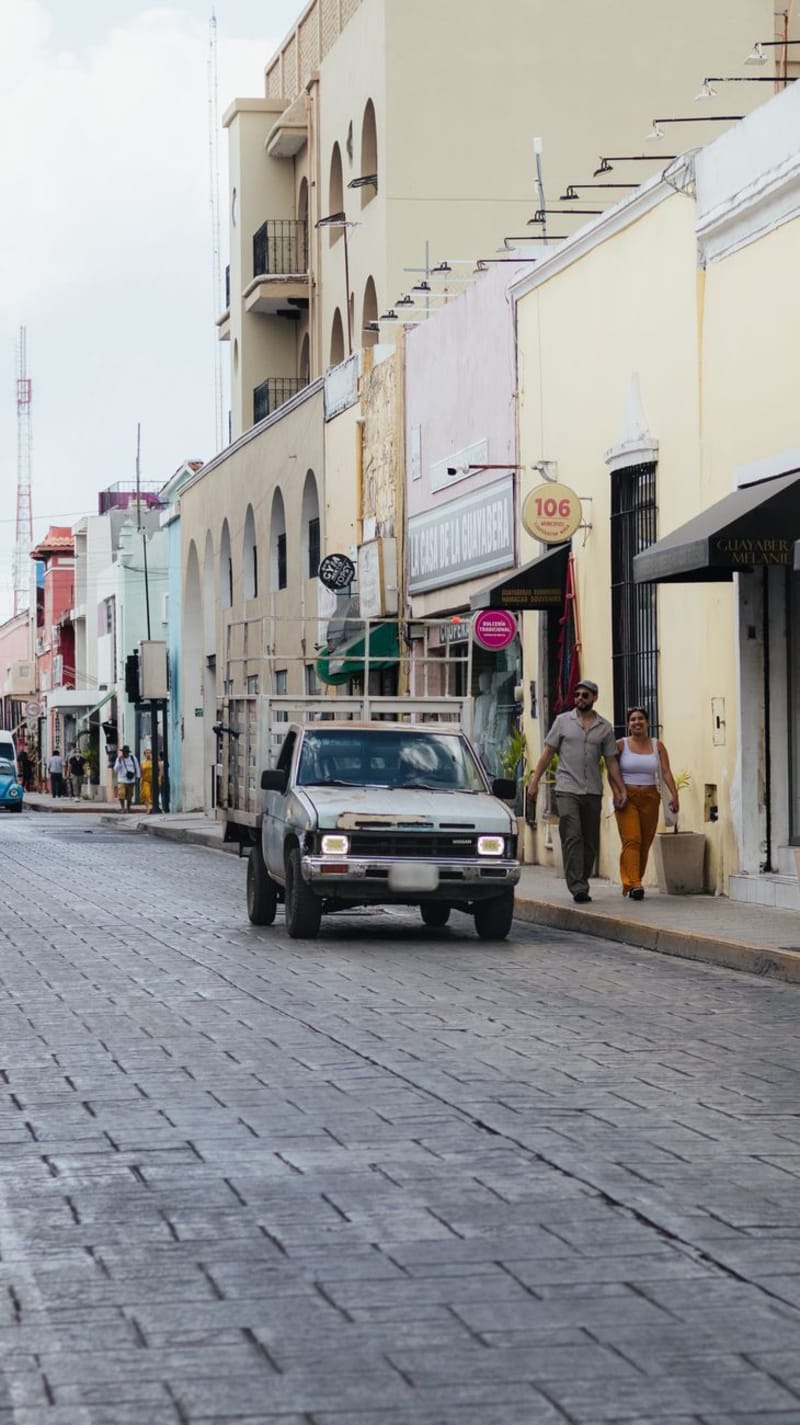 mexico
 Champotón
Champotón sits where the Champotón River meets the Gulf — a working port town with a colonial fort, a malecón lined with seafood comedores, and a civic pride rooted in the 1517 battle where the Maya sent the Spanish home badly diminished. The shrimp here are fresh in a way that makes the concept of frozen shrimp seem like a personal affront.
Explore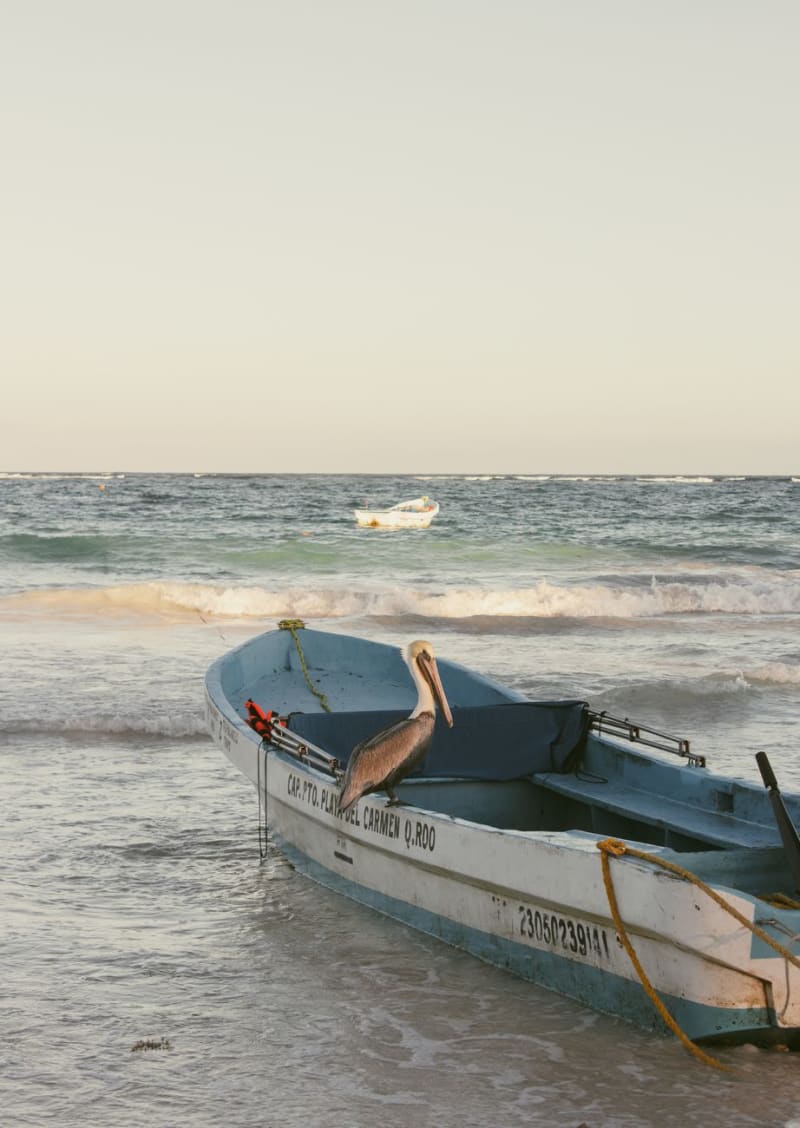 mexico
 Ciudad del Carmen
Ciudad del Carmen is an industrial port city on a barrier island in the Laguna de Términos, connected to the mainland by two long bridges and anchored by Mexico's offshore oil industry — the Cantarell field is just offshore. The Caribbean musical culture here feels more like Veracruz than the rest of Campeche state. I arrived by overnight bus, registered the oil platforms on the bridges, and ate a fish breakfast at 7am in a market already full of workers in Pemex uniforms.
Explore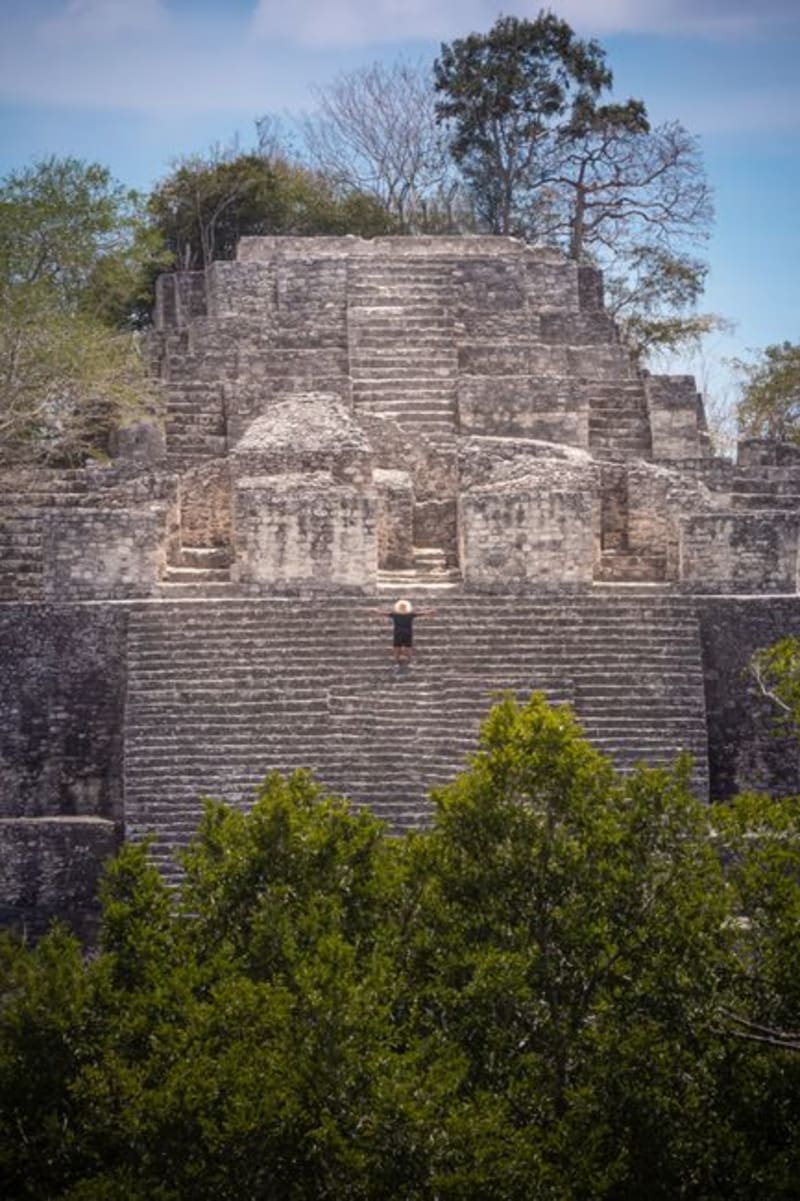 mexico
 Dzibalchén
Dzibalchén is a small market town in the Campeche interior, unremarkable until you understand it is the closest bed you will find to the Chenes Maya sites — Hochob and Dzibilnocac — where entire temple facades were carved into enormous monster mouths and you enter the god rather than observe it. Almost nobody comes out here, which is either the problem or the whole point.
Explore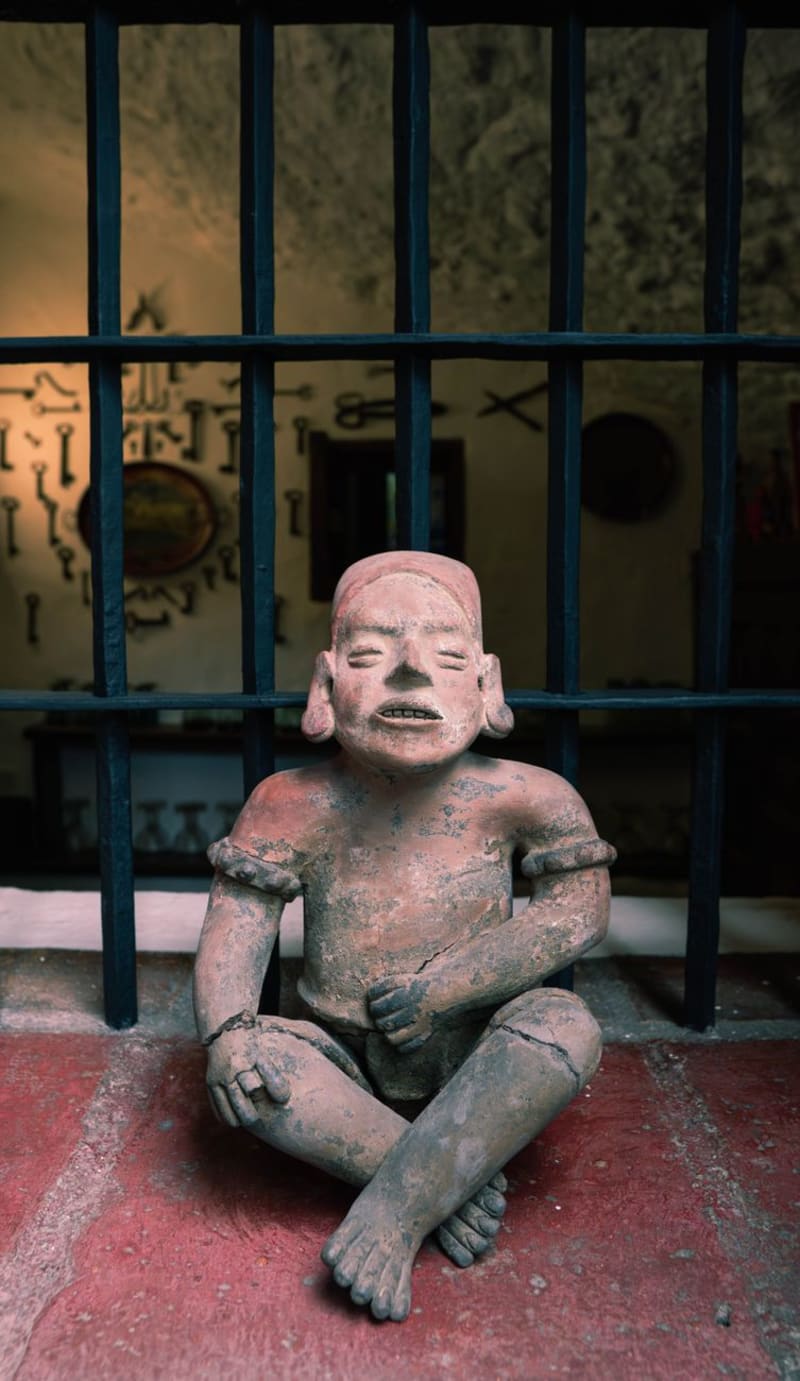 mexico
 Edzná
Edzná is a Maya archaeological site 60km from Campeche city whose centrepiece — a five-story palace that is also a pyramid, rising from a massive platform above the jungle — is among the most architecturally complex structures in the Maya world. Almost no one goes. When I was there on a Tuesday morning in December, I counted eleven other visitors across the entire site. The largest iguana I have ever seen was sitting on a carved stele and had no opinion about sharing it.
Explore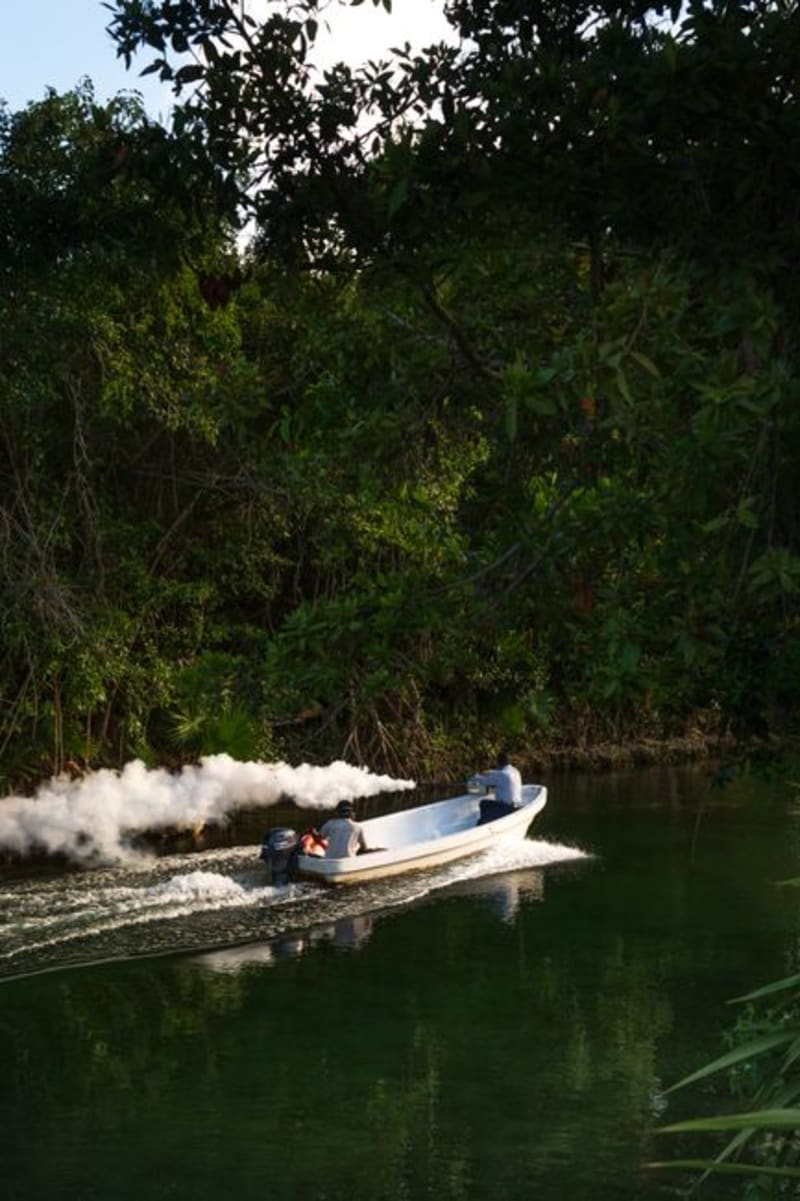 mexico
 Escárcega
Escárcega sits at the crossroads of three highways in the heart of Campeche, ignored by most travelers who treat it as a fuel stop. Stop anyway. The Laguna de Términos reserve nearby is one of Mexico's most important coastal wetlands — manatees, crocodiles, and clouds of migratory waterbirds in channels so quiet you can hear the mangroves breathe.
Explore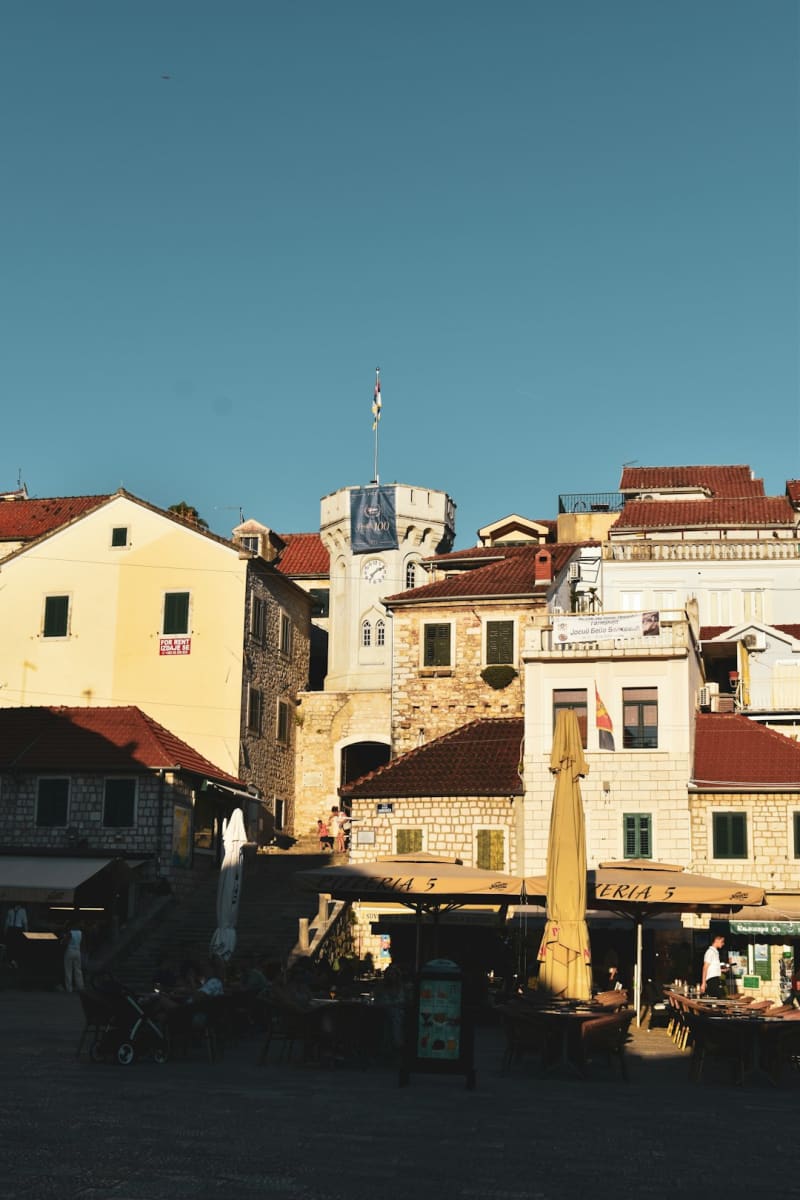 mexico
 Escárcega
A crossroads town in the heart of Campeche, Escárcega is the practical gateway to the Calakmul Biosphere Reserve and the Río Bec archaeological zone. Not a destination in itself — but the kind of honest transit hub where the journey to something extraordinary actually begins.
Explore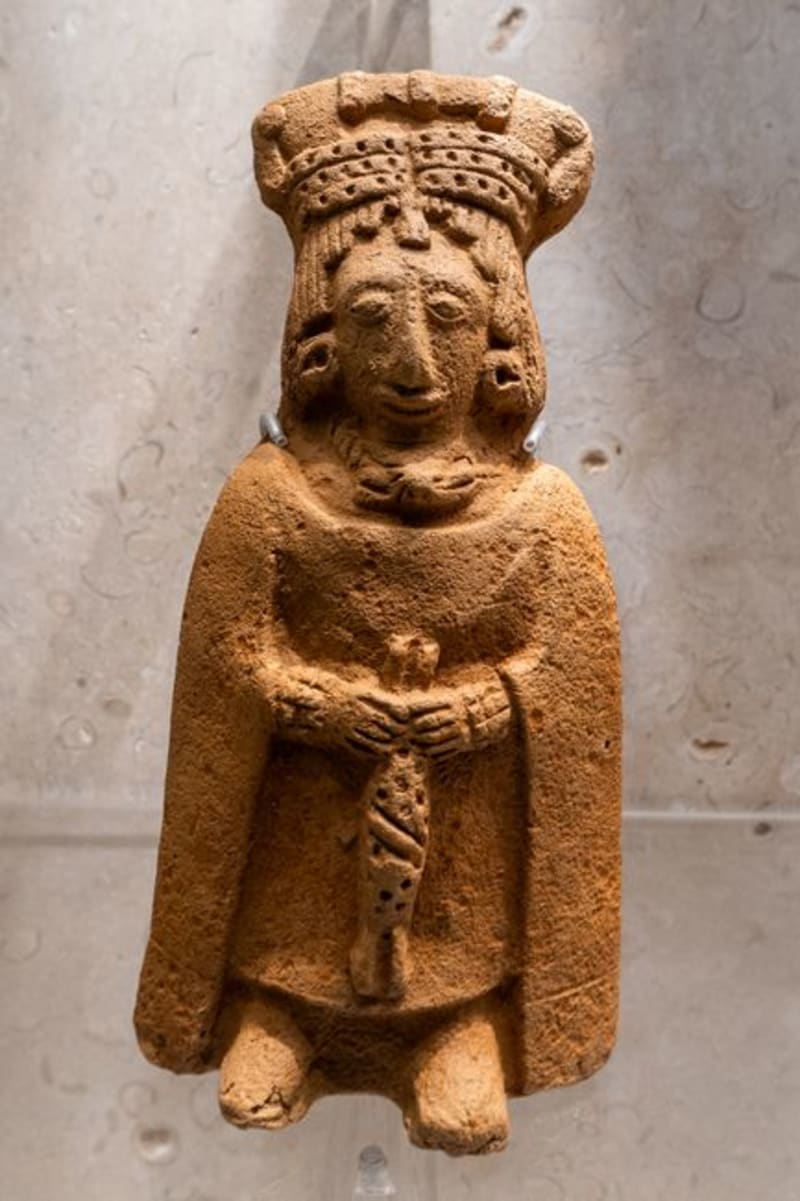 mexico
 Hecelchakán
A quiet colonial town on the Campeche plain whose modest museum holds the finest collection of Jaina Maya ceramic figurines I have encountered anywhere on the peninsula — tiny hand-formed portraits of warriors, scribes, and nobles buried centuries ago on a funerary island offshore. Most people drive straight through. That is their loss.
Explore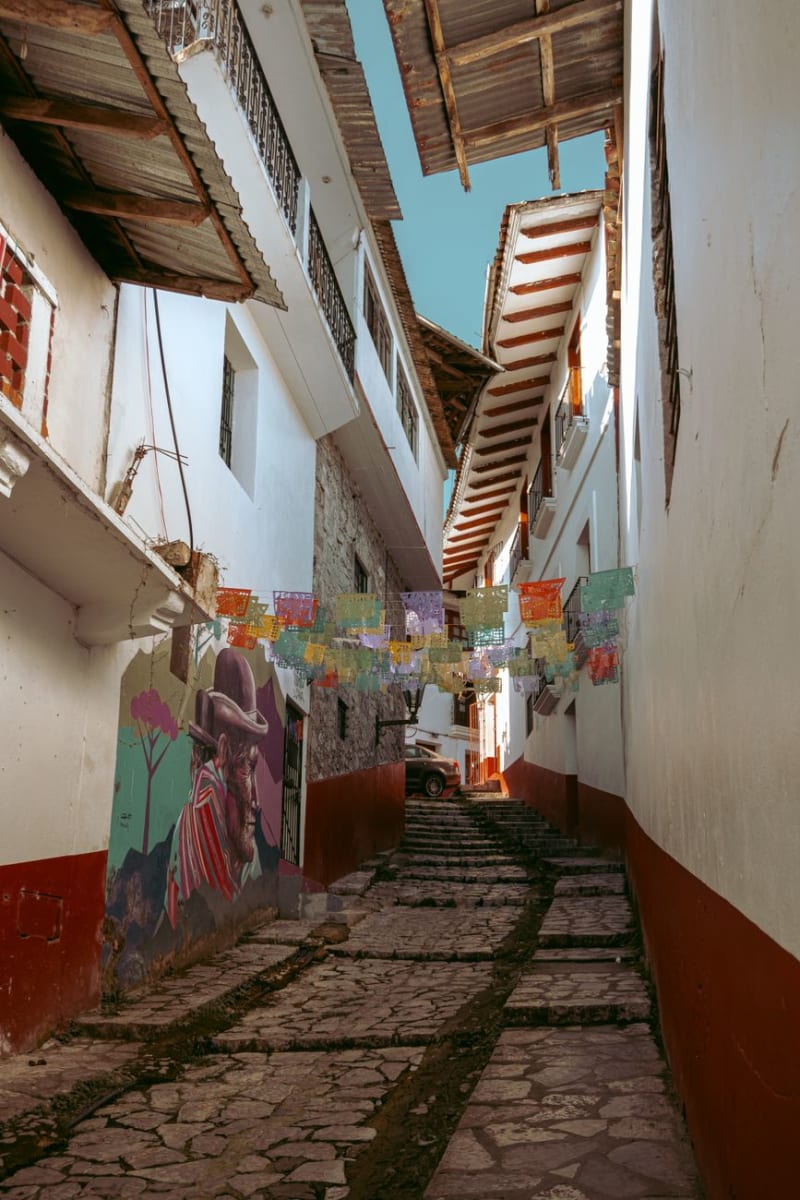 mexico
 Hopelchén
Gateway to the Chenes Maya region, Hopelchén sits among a cluster of archaeological sites — Hochob, Dzibilnocac, Santa Rosa Xtampak — where monster-mouth doorways built to resemble the open jaws of serpent gods still stop you cold. The town squares it all with a Franciscan monastery that has been quietly standing since the 1540s, and a market where the food deserves your full attention.
Explore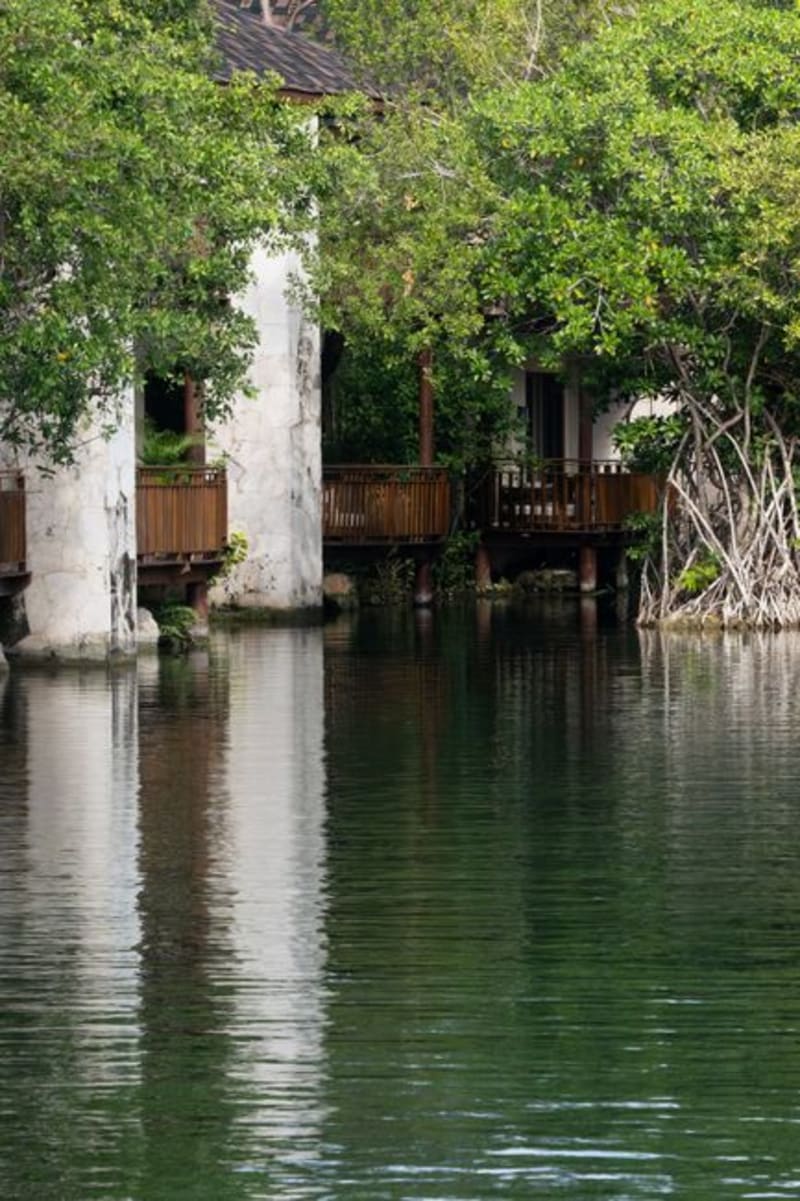 mexico
 Isla Aguada
A sliver of land pinched between the Gulf of Mexico and the vast Laguna de Términos, Isla Aguada moves at the pace of the tide — fishing boats at dawn, spinner dolphins by mid-morning, and a stillness in the afternoon that feels almost structural.
Explore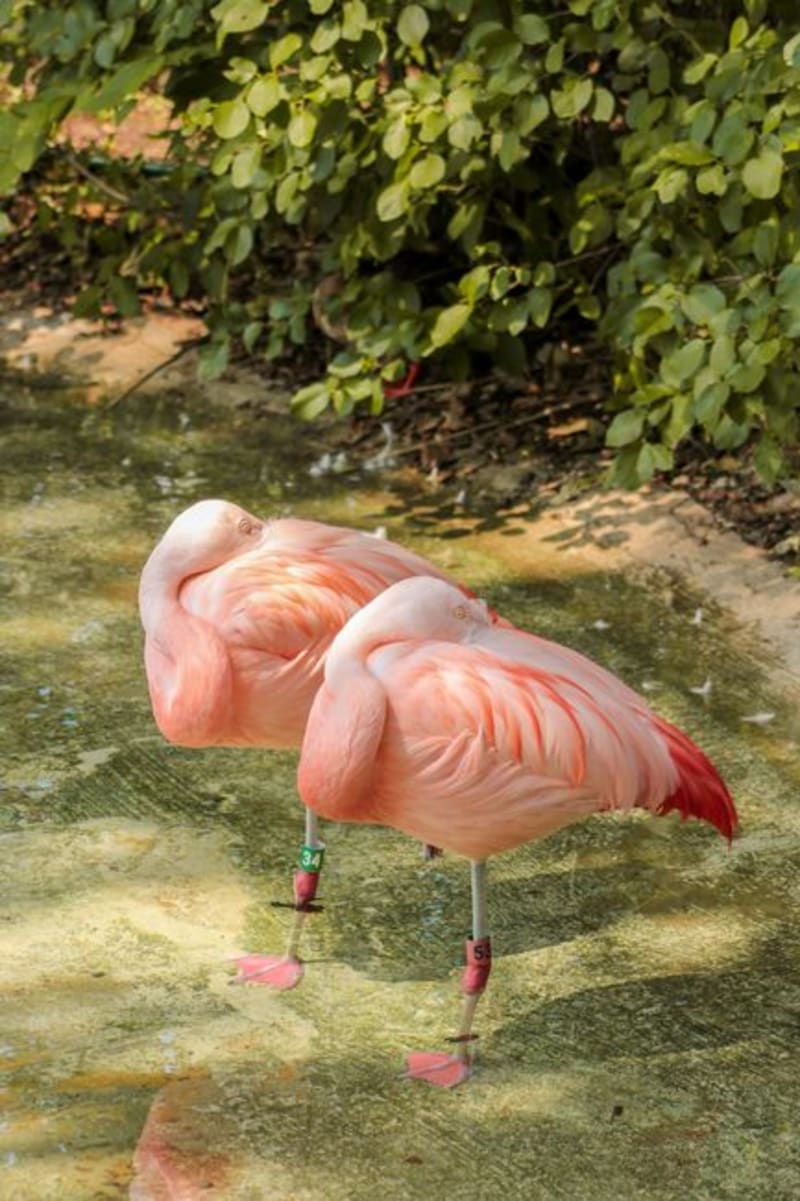 mexico
 Isla Arena
A narrow sand spit at the northwestern tip of Campeche where thousands of flamingos wade in shallow coastal lagoons at sunrise. One of the most surreal wildlife spectacles in Mexico, almost entirely unknown outside of birdwatching circles.
Explore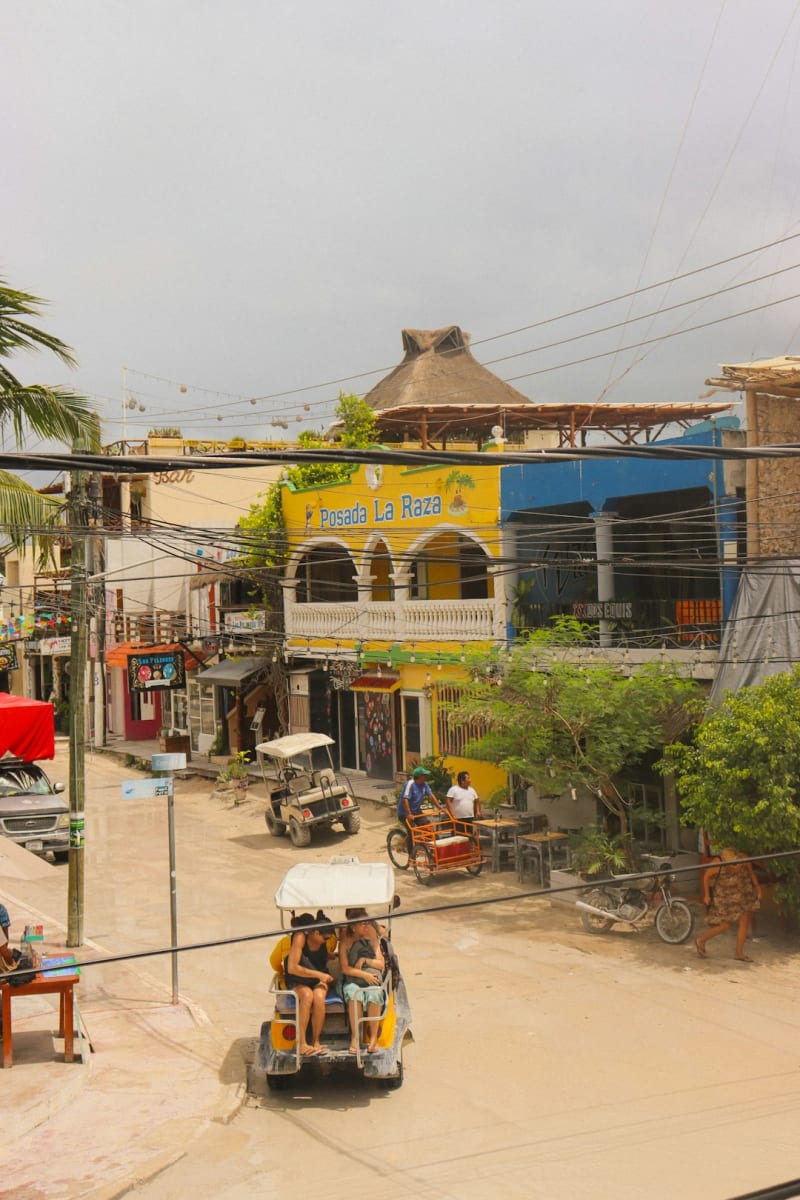 mexico
 Palizada
Palizada sits on a slow bend of the river that shares its name, a Pueblo Mágico that most Mexicans couldn't find on a map and that seems comfortable with that fact. Its 19th-century facades fade into tropical heat, its Carnaval is one of the oldest in the country, and the wooden stilt houses along the water feel closer to the Caribbean than to anything else on the Gulf coast.
Explore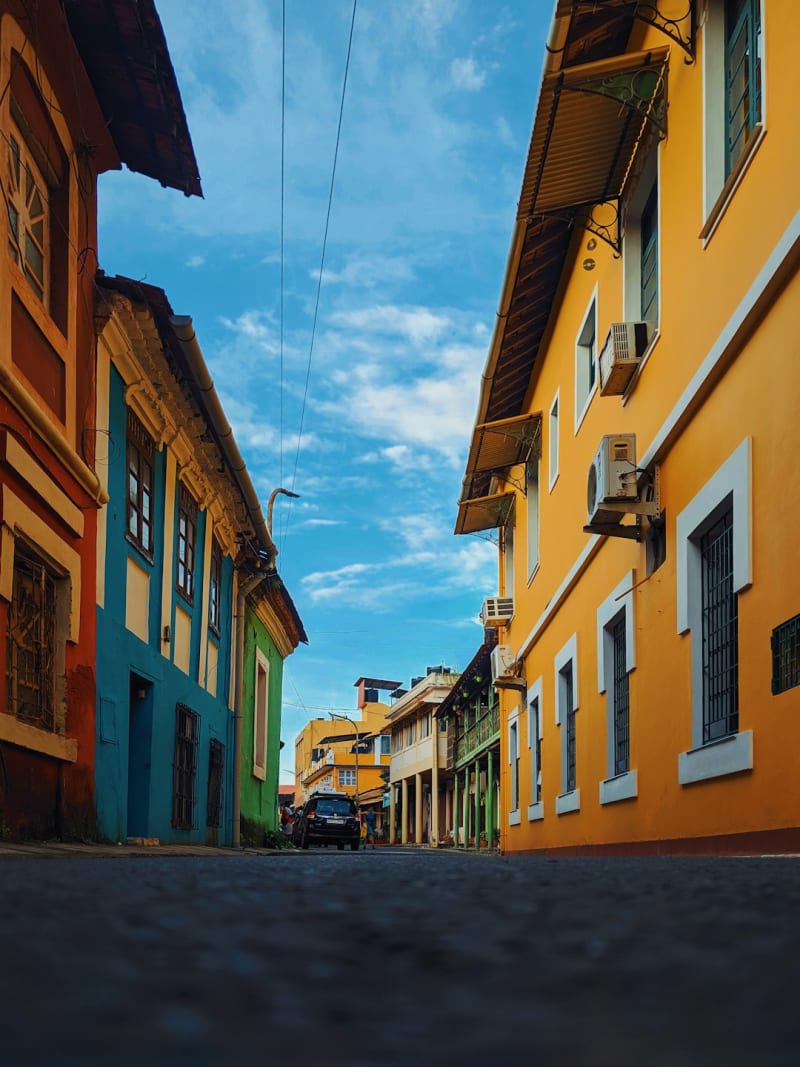 mexico
 Palizada
A 19th-century river town on the Palizada River where pastel wooden houses face the water and time moves at the speed of a dugout canoe. One of Mexico's least-visited Pueblos Mágicos, and one of its most quietly arresting.
Explore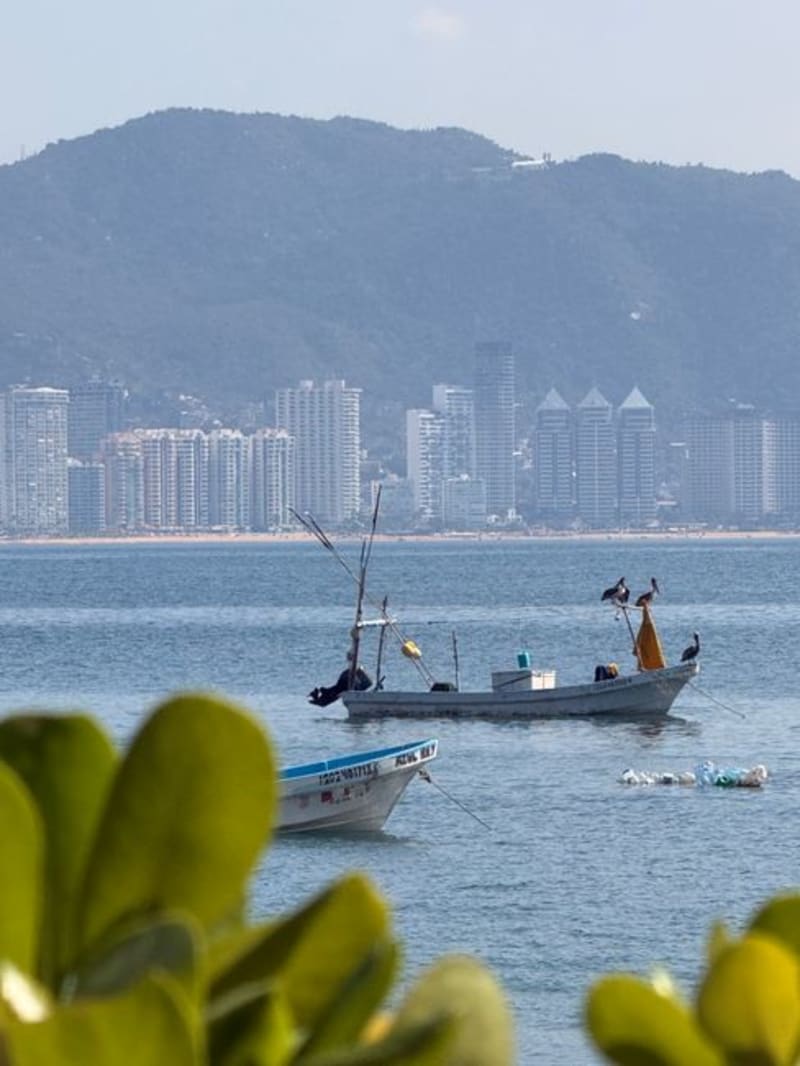 mexico
 Sabancuy
A small fishing village where mangrove lagoons meet the Gulf of Mexico and the morning catch — shrimp, octopus, fish from the Laguna de Términos — arrives before most people are awake. Pelicans outnumber tourists by a margin that I found genuinely comforting.
Explore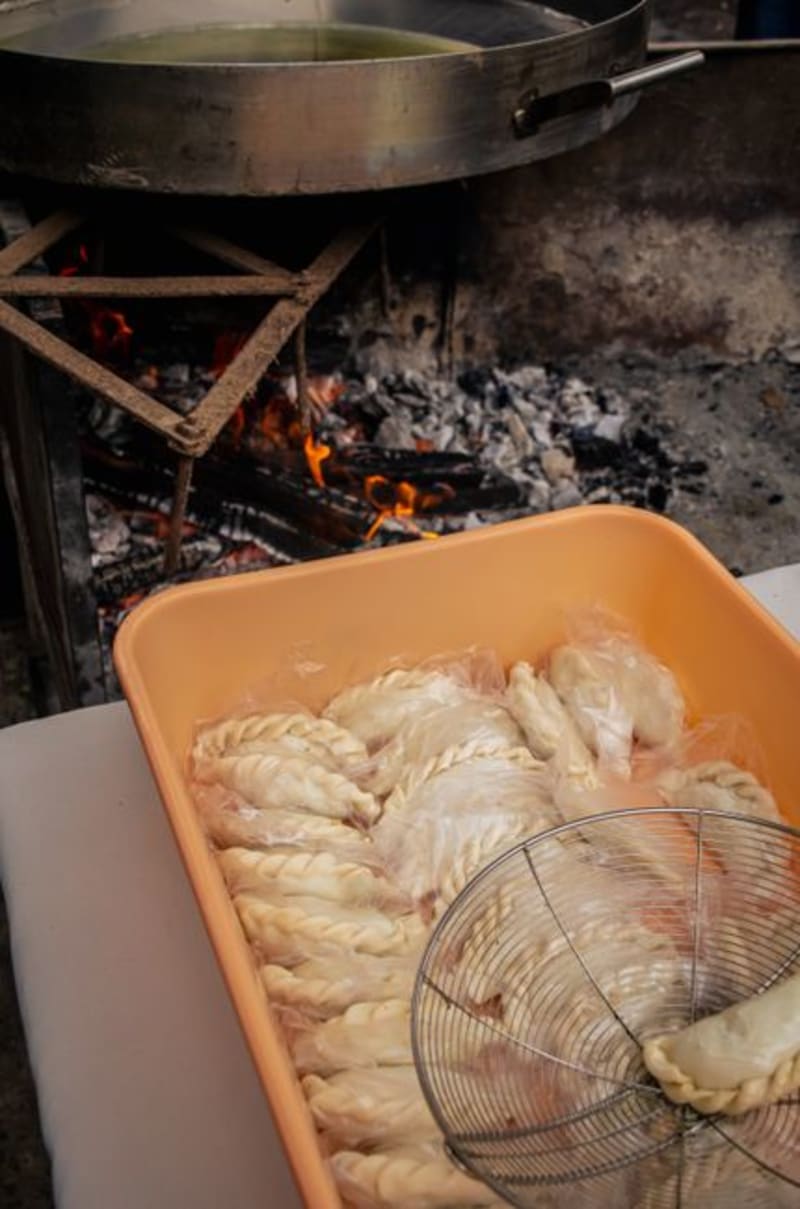 mexico
 Seybaplaya
A working fishing village on the Campeche coast where pangas return at dawn heavy with sierra and nobody has thought to package it for anyone. The malecón is the town's living room — dominos in the afternoon, couples at sunset, the whole village watching the Gulf go orange.
Explore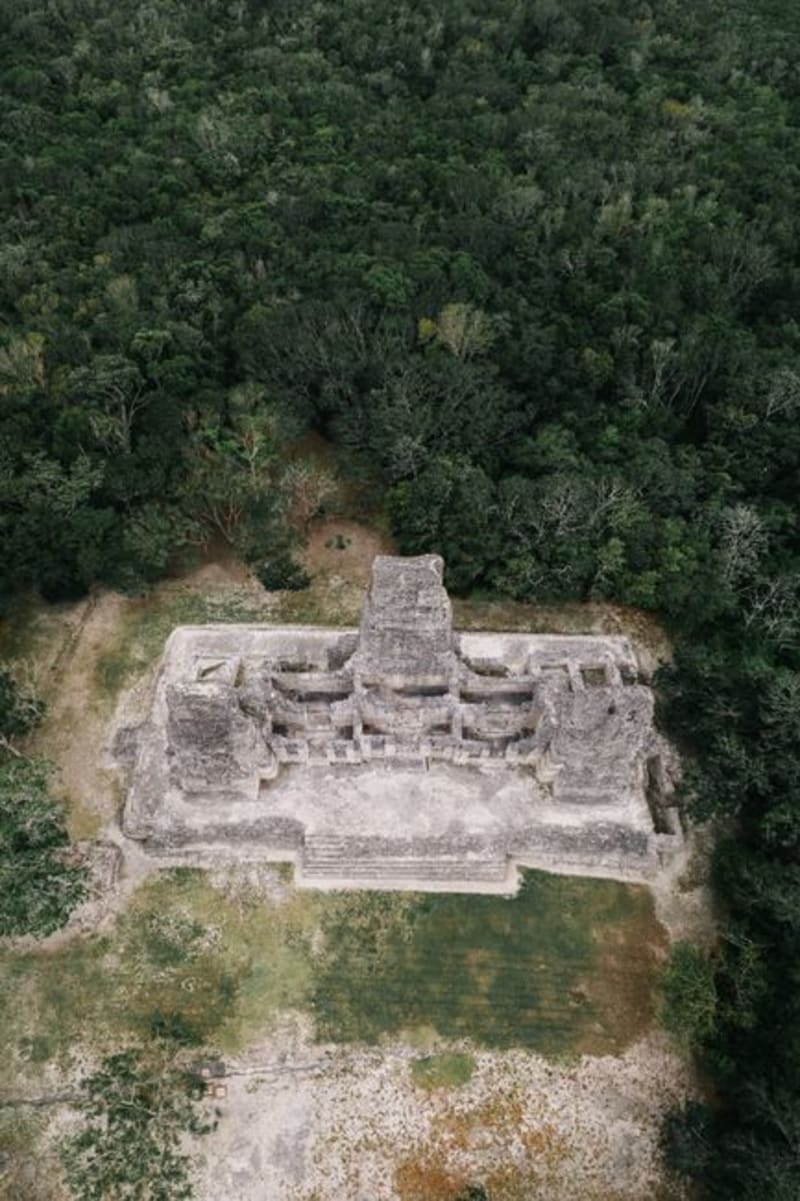 mexico
 Xpujil
Xpujil is a highway junction town in the deep south of Campeche, used mainly as a base for the Rio Bec archaeological zone. The ruins here — Becán, Chicanná, and Xpujil itself — sit inside genuine jungle and see a fraction of the visitors that Chichén Itzá or Palenque absorb on any given morning.
Explore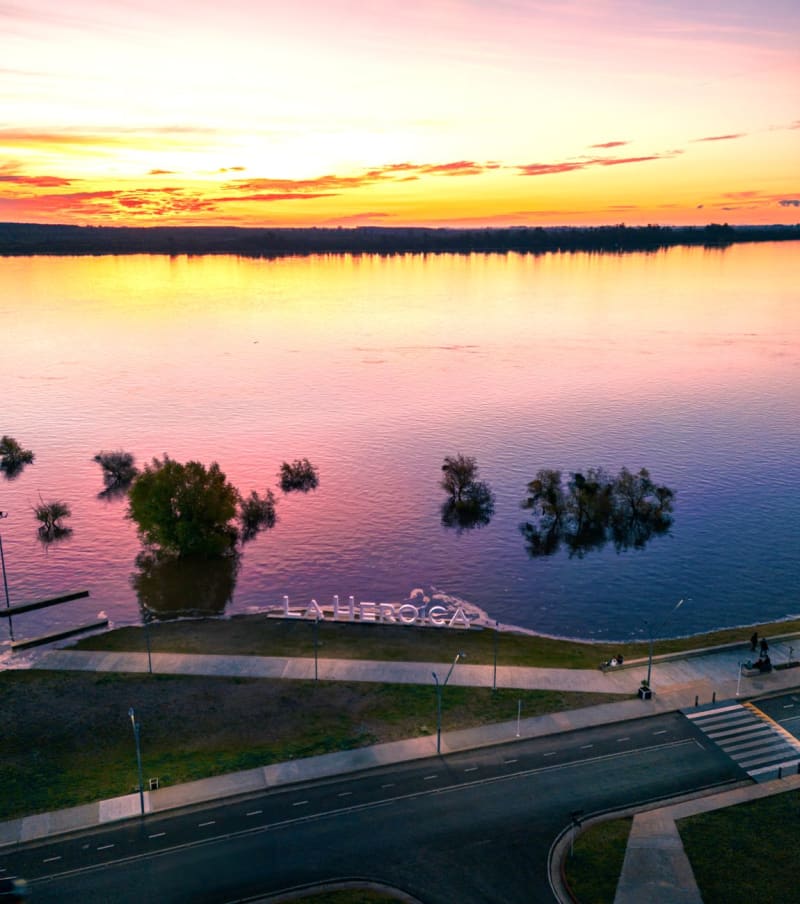 mexico
 Xpujil / Río Bec Zone
The Río Bec architectural zone is a cluster of Maya sites scattered through the southern Campeche jungle near the small town of Xpujil, united by a style found nowhere else: elaborate towers designed to look like soaring temple pyramids but built entirely solid, unable to be climbed, their purpose purely ceremonial and architectural. The sites receive a fraction of the visitors of Chichén Itzá or Palenque, which means you arrive at Chicanna and sometimes have the serpent-mouth doorway to yourself for forty minutes while the jungle makes its continuous noise around you.
ExploreKeep exploring
More from Mexico
 mexico
 Chiapas
Cloud forests, Maya ruins in the jungle, and indigenous cultures that predate the Spanish by millennia. Mexico's deepest south.
Explore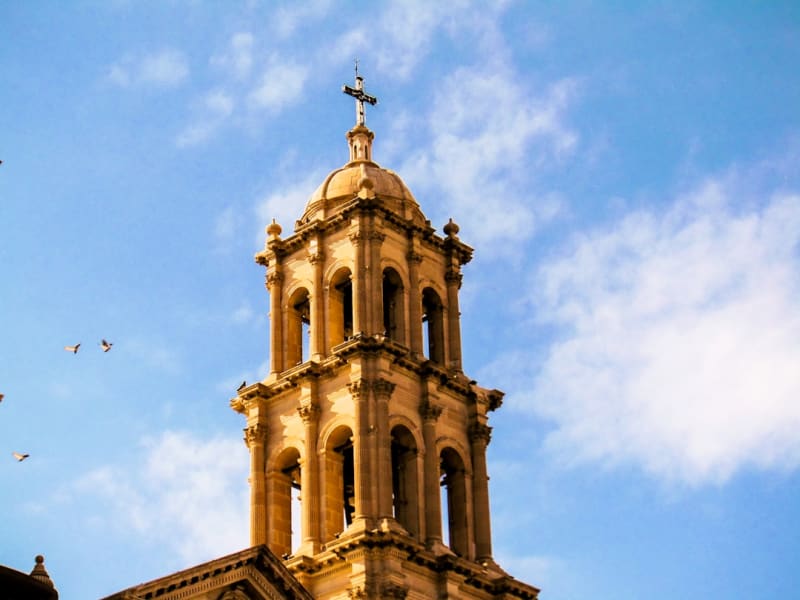 mexico
 Chihuahua
The northern capital where Pancho Villa planned his División del Norte — a city of revolutionary history, Mennonite cheese from the surrounding plains, art nouveau architecture, and the gateway to the Sierra Tarahumara.
Explore mexico
 Ciudad Victoria
The capital of Tamaulipas sits in a wide green valley where the Sierra Madre Oriental begins to rise in earnest. Most travelers blow past it on the way north, but the colonial centro, Parque Bicentenario, and the cloud forests of El Cielo biosphere reserve just to the south make a compelling case for stopping — and then staying longer than planned.
Explore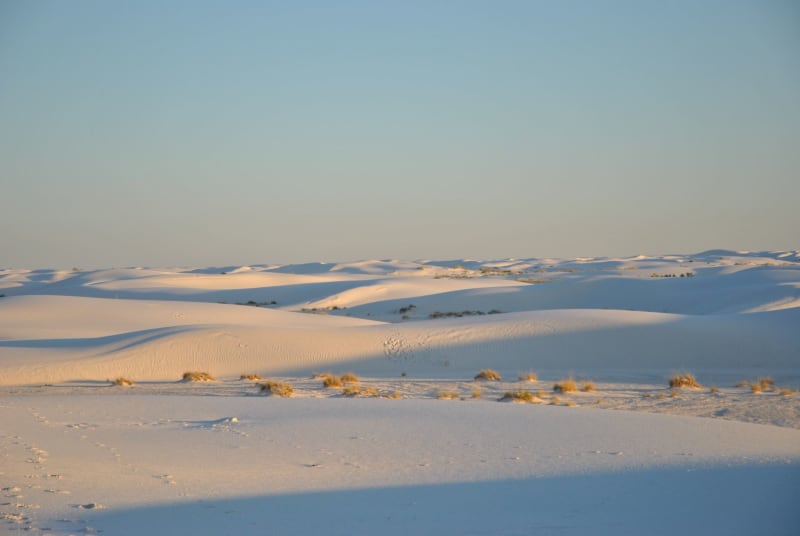 mexico
 Coahuila
A vast Chihuahuan Desert state where dinosaur fossils erode from the badlands, stromatolites (Earth's oldest life forms) grow in the hypersaline pools of Cuatro Ciénegas, and the cotton fields and wine valleys of the north produce the best Cabernet Sauvignon in Mexico.
Explore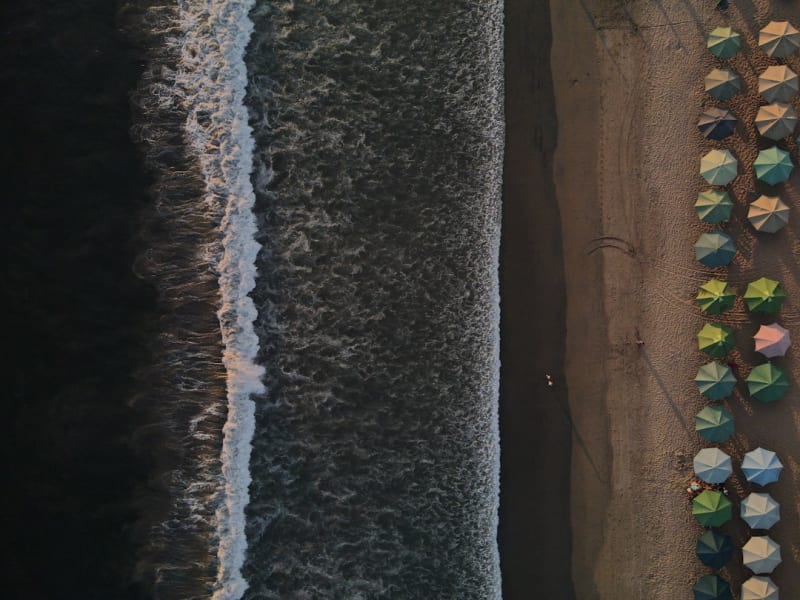 mexico
 Colima
Mexico's smallest mainland state — an active volcano that glows at night, the quiet colonial town of Comala known as the White City, the port of Manzanillo where the Pacific trade arrives, and a climate mild enough that the ancient inhabitants planted the first domesticated dogs here.
Explore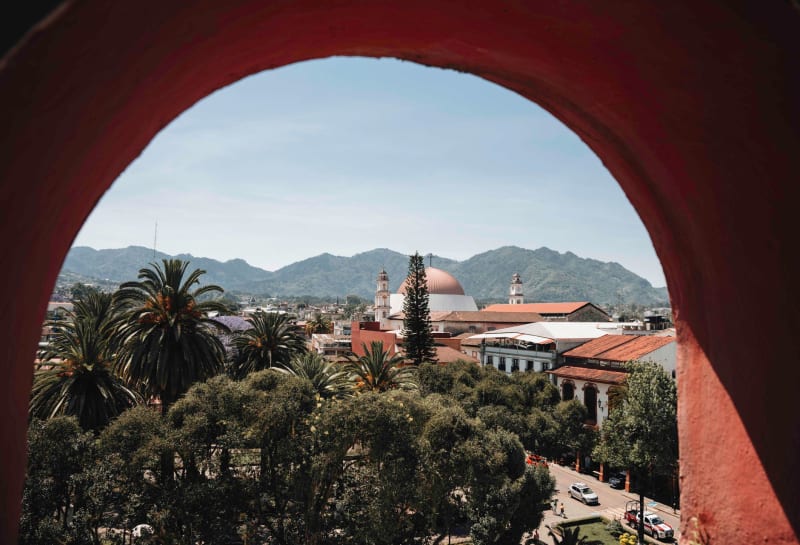 mexico
 Durango
A colonial mining capital in the Sierra Madre foothills where every major Hollywood Western was filmed between 1950 and 1990 — the terrain looked more like the American Southwest than anywhere in the US, and the light was perfect.
Explore