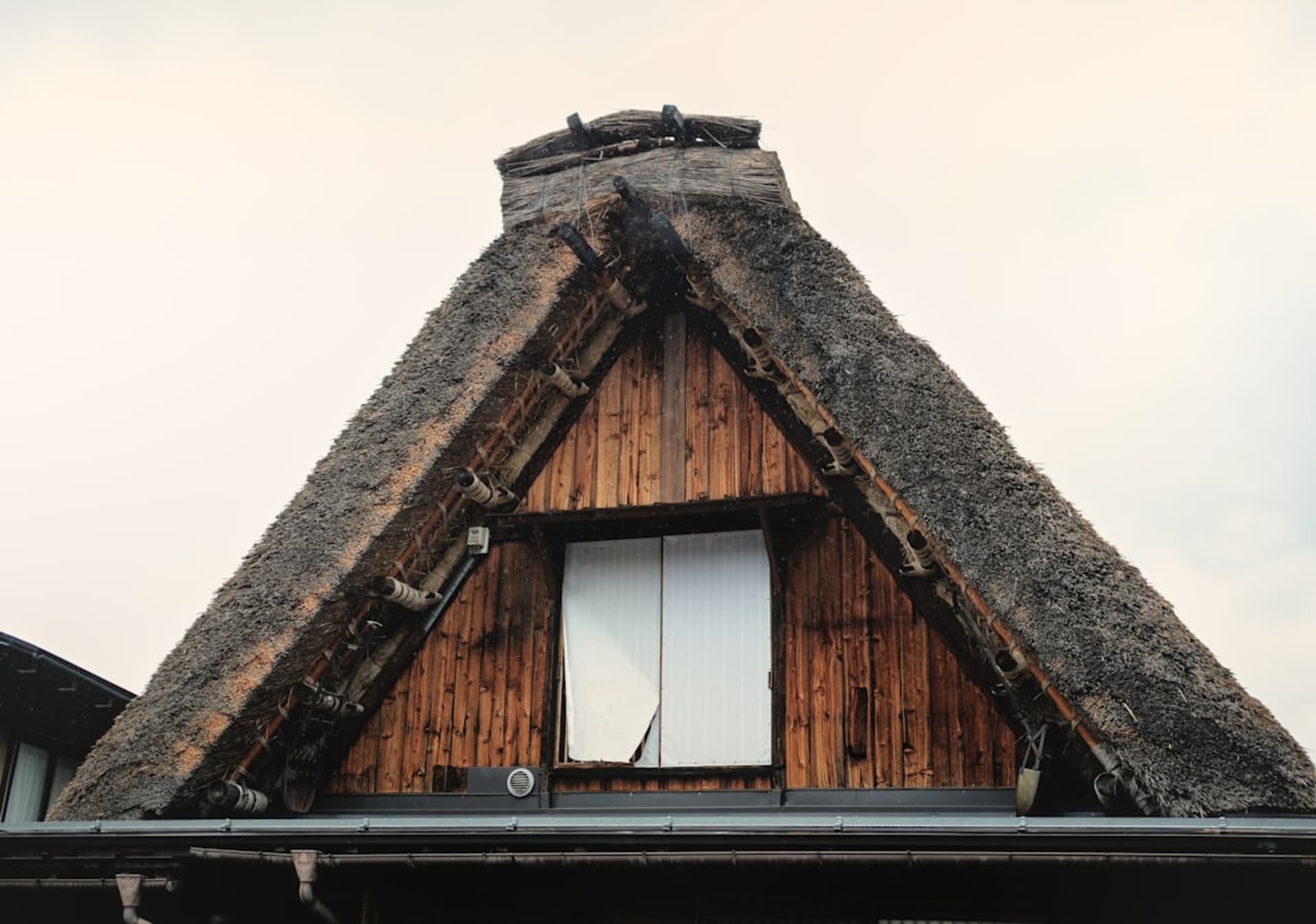
Central Japan, where the land buckles upward into the soaring Japan Alps and Mount Fuji stands over everything. This is a region of old post towns and castle towns, thatched mountain villages, snow monkeys and hot springs — the country at its most scenic and most storied.

Chūbu is the mountainous middle of Honshū, and it holds some of the most dramatic scenery and best-preserved history in all of Japan. Down its spine run the Japan Alps, a wall of jagged, snow-streaked peaks that feel a world apart from the coastal cities, and off to the east rises Mount Fuji, the country’s sacred, perfectly proportioned volcano. The lakeside resort of Kawaguchiko offers the classic reflection of Fuji in still water, while the mountain valley of Kamikōchi opens onto alpine meadows and clear rivers beneath the high peaks. This is a region that rewards travelers who want landscape, tradition, and hot water in equal measure.
The Alps shelter a remarkable roll-call of old towns. The castle town of Matsumoto guards one of Japan’s finest original wooden keeps, its black walls mirrored in the moat, while nearby Nagano is anchored by the great temple of Zenkō-ji and gives access to Obuse, a chestnut town with a Hokusai connection, and to Jigokudani, where the famous snow monkeys bathe in steaming pools. Along the old Nakasendō highway, the post towns of Tsumago, Magome, and Narai preserve entire streets of dark wooden inns and shopfronts, walkable much as travelers found them centuries ago. Further into the hills, Takayama keeps a beautifully intact merchant quarter, and the thatched gasshō-zukuri farmhouses of Shirakawa-gō cluster in a valley that turns storybook-perfect under snow.
The region layers in still more. Kanazawa, on the Sea of Japan coast, is a former castle city rich with one of the country’s great strolling gardens, a preserved samurai district, and gold-leaf craft; the little canal town of Gujō-Hachiman and the riverside baths of Gero Onsen reward detours off the main routes. To the south sprawls Nagoya, an industrious modern city and major hub, while up in the highlands the leafy resort of Karuizawa has long drawn Tokyoites seeking cool summer air.
To travel through Chūbu is to move constantly between the grand and the intimate — from a snow-capped panorama one hour to a lantern-lit post-town street the next, from a castle keep to a monkey soaking in a hot spring. Distances take time given the terrain, but every valley seems to hold something worth the climb. For many, this is Japan at its most quintessential: mountains, tradition, and steam, all wrapped together in one extraordinary region.
How I’d Plan Chūbu
This is the region people skip because it sits between Tokyo and Kyoto and the shinkansen makes it very easy to pass straight through. Do not pass straight through. Chūbu holds the best-preserved old Japan on the main island, and reaching it costs you a slower train and a bit of planning rather than any real hardship.
The efficient version is a loop: break the Tokyo–Kyoto journey at Kanazawa or Matsumoto, then work through the mountains via Takayama and Shirakawa-gō before rejoining the main line. Three days does it justice; five does it properly. Distances here are short on the map and long in practice, because the terrain does not permit straight lines.
For Mount Fuji, the honest advice is that you are gambling. The mountain is shy, it is frequently wrapped in cloud, and no amount of planning changes that. Kawaguchiko is the right base because it gives you two shots — the lake reflection and the Chureito Pagoda view — plus a ryokan with an onsen to console you if the cloud wins. Stay the night rather than day-tripping from Tokyo. Morning is your best chance, and a day trip arrives at exactly the wrong hour.
The post towns of the old Nakasendō — Tsumago and Magome — are best done as the walk between them rather than as two separate stops. That is the entire point of a highway.
When to go: Late October and November for mountain colour. January and February for Shirakawa-gō under snow, which is the postcard and deserves to be. Kamikōchi and the high alpine areas close in winter, so check before building a trip around them.
Explore
Places in Chūbu
 japan
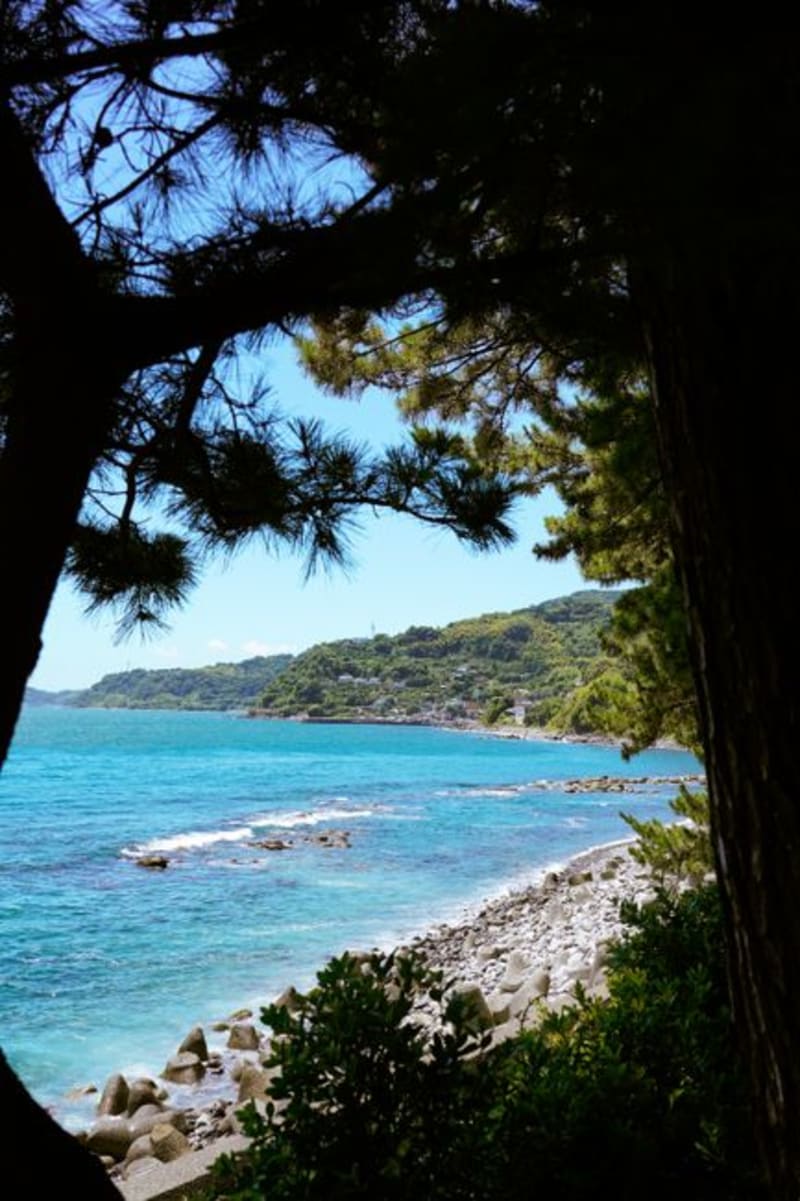
Atami
A retro seaside hot-spring resort on the Izu coast of Shizuoka, an easy hop from Tokyo, where hillside ryokan look down over the bay, summer fireworks burst above the water, and a nostalgic Shōwa-era holiday air is quietly coming back into fashion.
Explore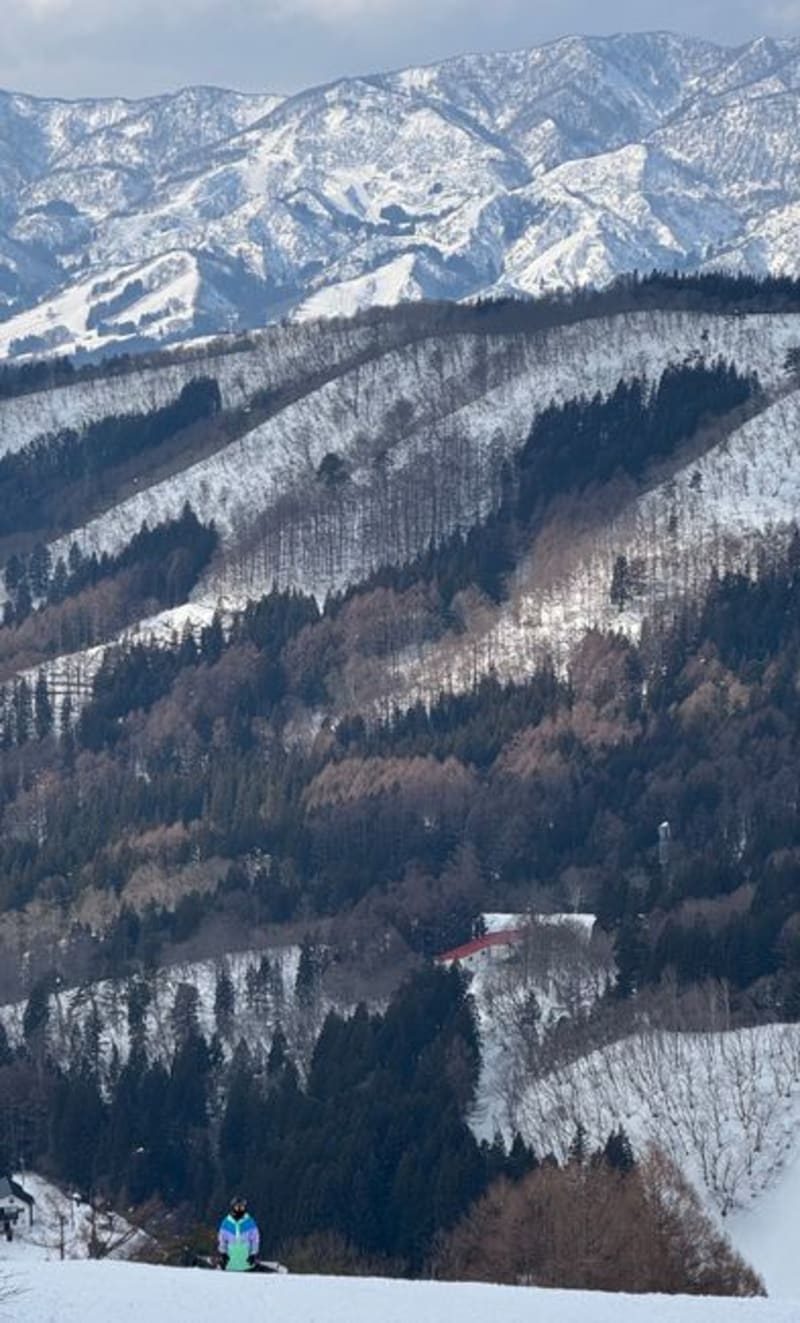 japan
Bessho Onsen
A hot-spring hamlet folded into the hills above Ueda, so old and quiet that people call it the little Kamakura of the mountains. Ancient temples lean over narrow lanes, steam drifts from public bathhouses, and the whole valley smells faintly of sulphur and cedar.
Explore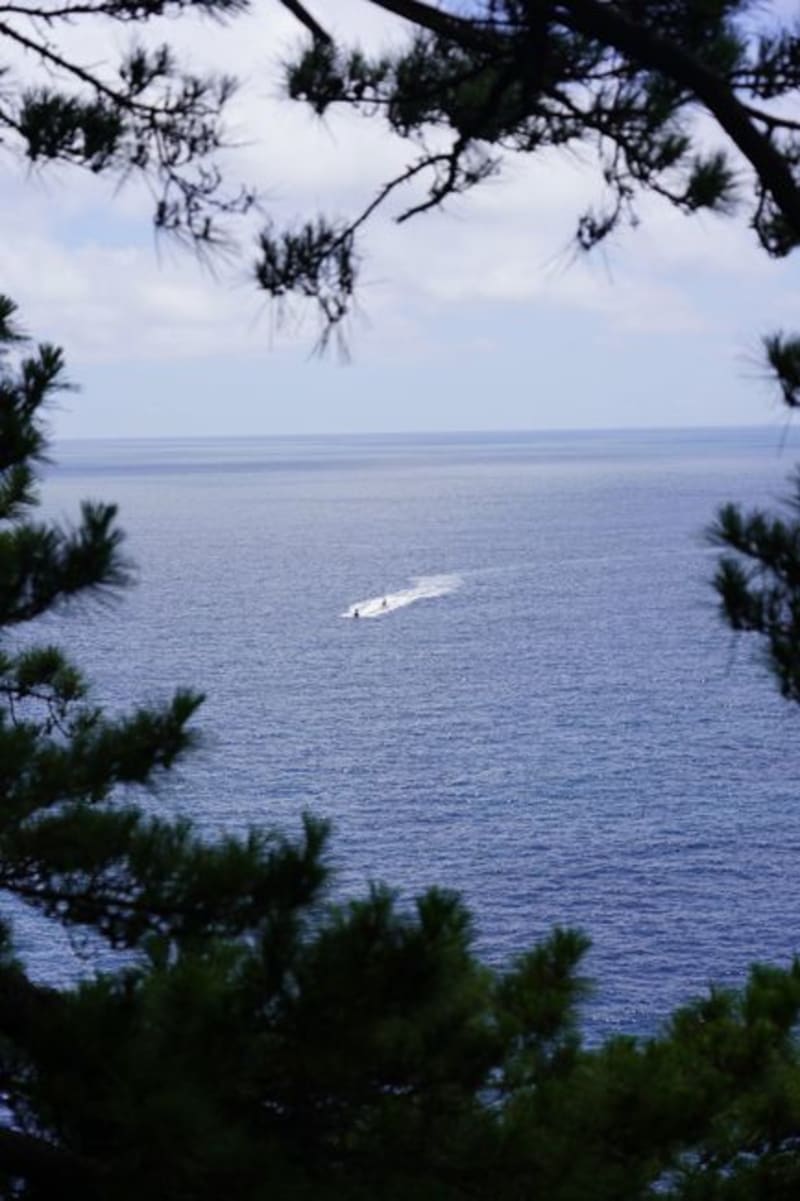 japan
Dogashima
West Izu's sculpted coast of tortured rock islets, a collapsed sea cave open to the sky, and sunsets that stop conversation. Lia and I timed our whole day to end here, on the rocks, facing the light. It was the right decision.
Explore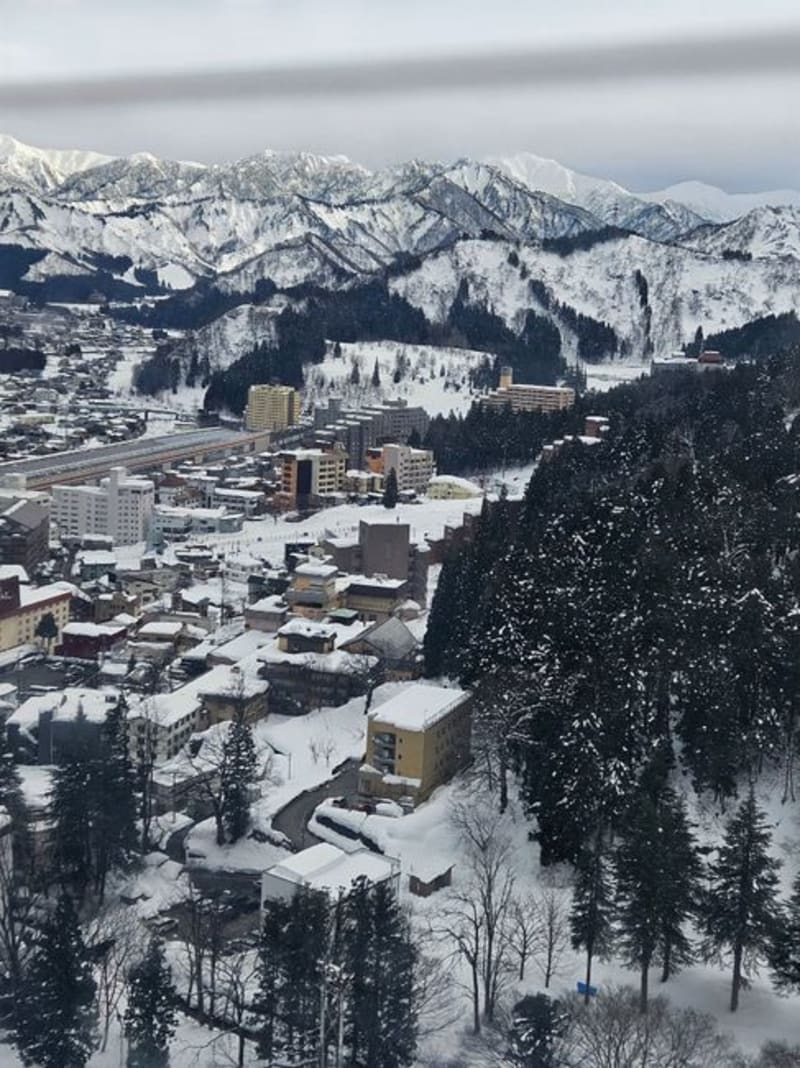 japan
Echigo-Yuzawa
A snow-country hot-spring town where the express train bursts out of a nine-kilometre tunnel into a white silence. Kawabata set his most famous novel here, and you understand why the moment the doors open. We came for one night and stayed three.
Explore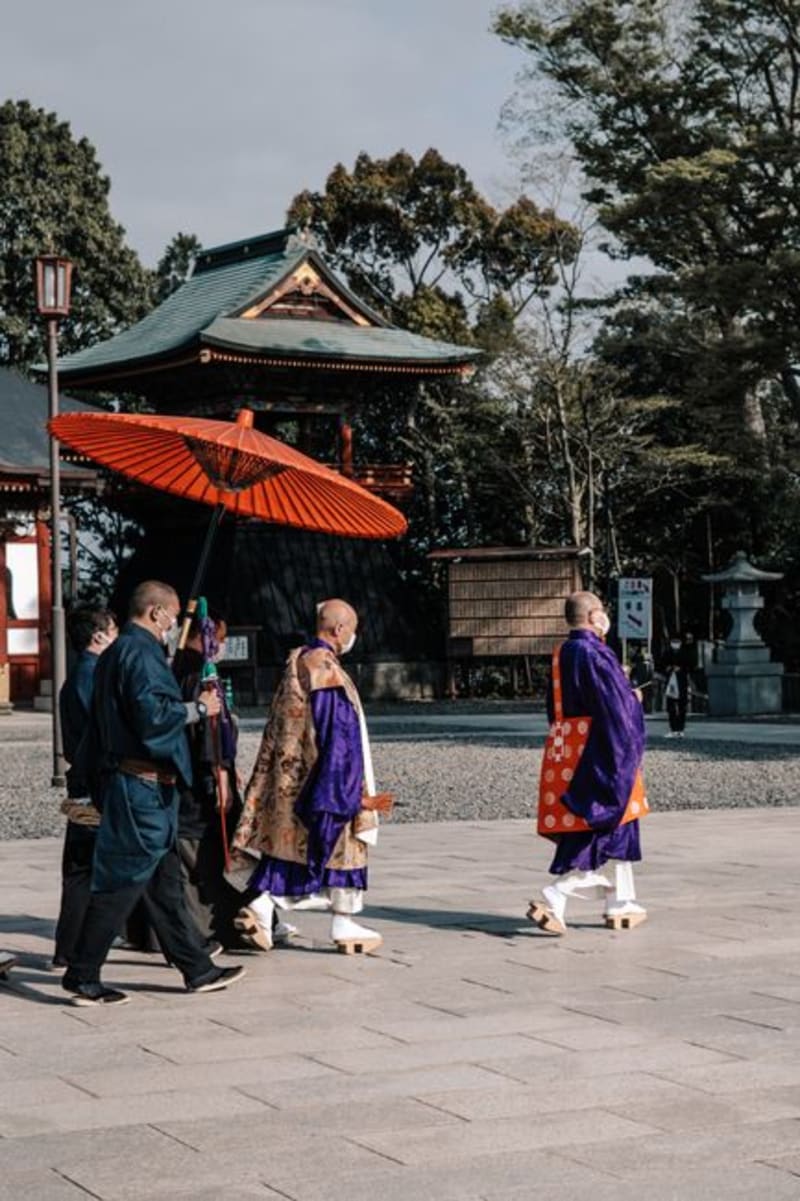 japan
Eiheiji
A great working Sōtō Zen training monastery deep in the cedar forests of Fukui. Founded in the thirteenth century, its wooden halls climb a mossy hillside linked by covered stairways, and hundreds of monks still live and practise here in silence and rain.
Explore japan
Ena
A Gifu town where the Kiso River pools into the Enakyō gorge, a two-kilometre stretch of water walled by strange wind-and-water-sculpted cliffs and pinnacles. Old Nakasendō post-road country, of ceramic hills, chestnut sweets, and slow boats gliding beneath the crags.
Explore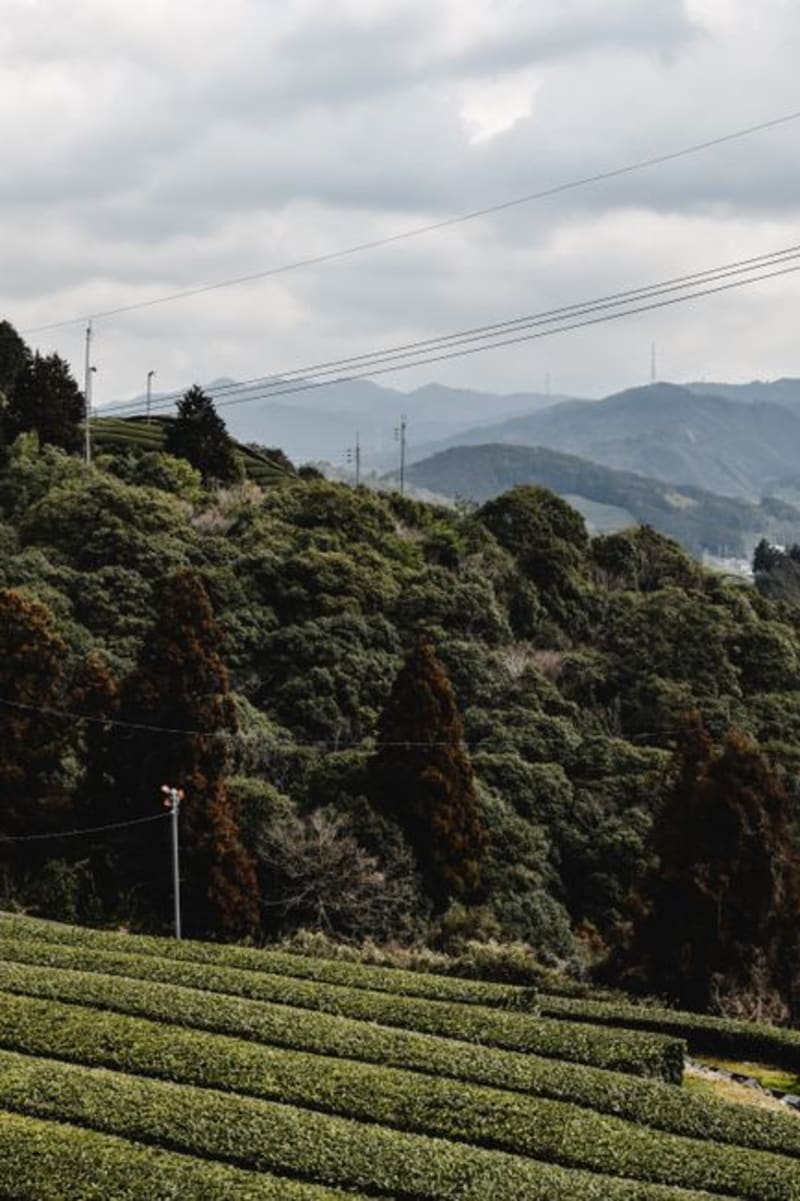 japan
Fujinomiya
The town at Fuji's western foot, home to the mountain's head shrine and the wide silver curtain of Shiraito Falls. Lia and I came to stand at Fuji's feet instead of climbing its head, and found the mountain is best worshipped from below.
Explore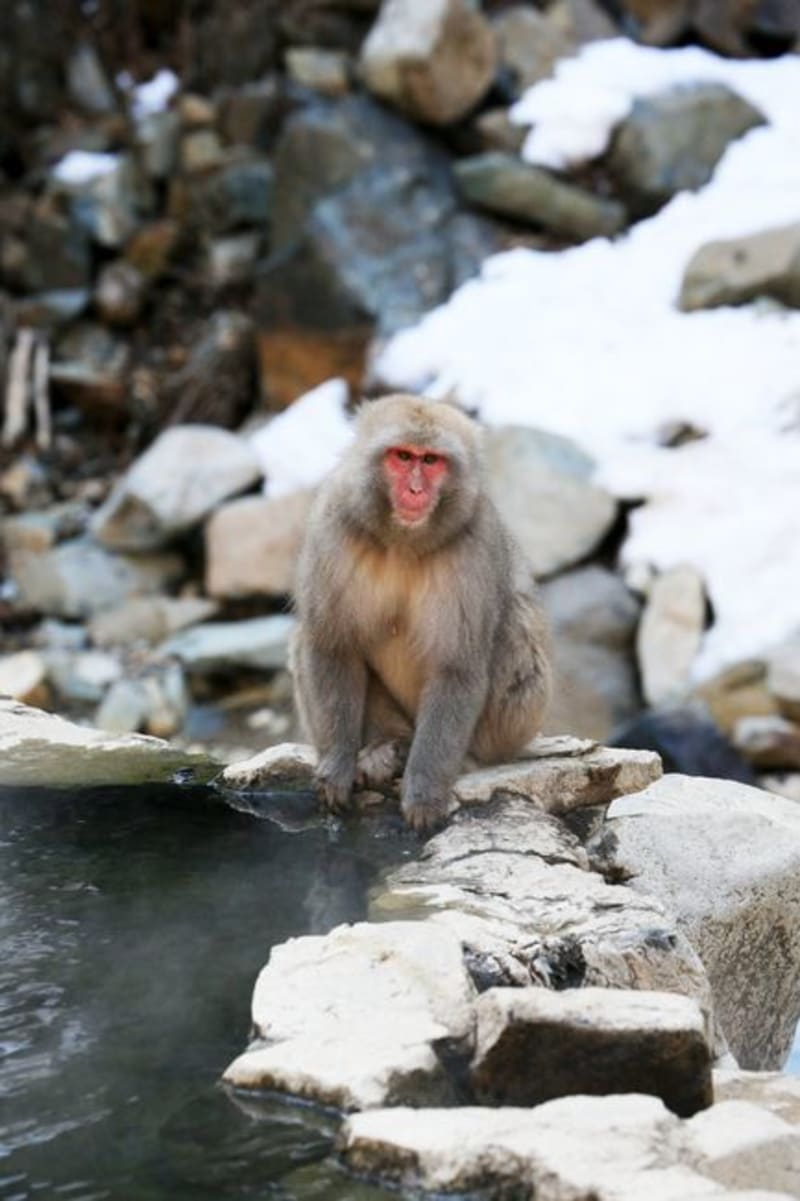 japan
Gero Onsen
A steaming hot-spring town folded into the Gifu mountains, where the Hida river runs green below terraced ryokan and free foot baths sit open to the street. Counted among Japan's three greatest onsen, it is a place for slow soaking and slower walking. Autumn sets the whole valley on fire.
Explore japan
Gokayama
A remote mountain valley in Toyama and the quieter UNESCO sibling of Shirakawa-gō. Steep-thatched gasshō-zukuri farmhouses cluster along a river gorge, where washi paper is still made by hand and old folk songs are sung in the winter dark.
Explore japan
Gotemba
A working town at the eastern foot of Mount Fuji, where the mountain fills half the sky and feels close enough to touch. Famous for its sprawling outlet mall, but we came for the view from the fifth station and the pilgrim's trailhead where climbers still begin. Fuji is not a backdrop here; it's the whole horizon.
Explore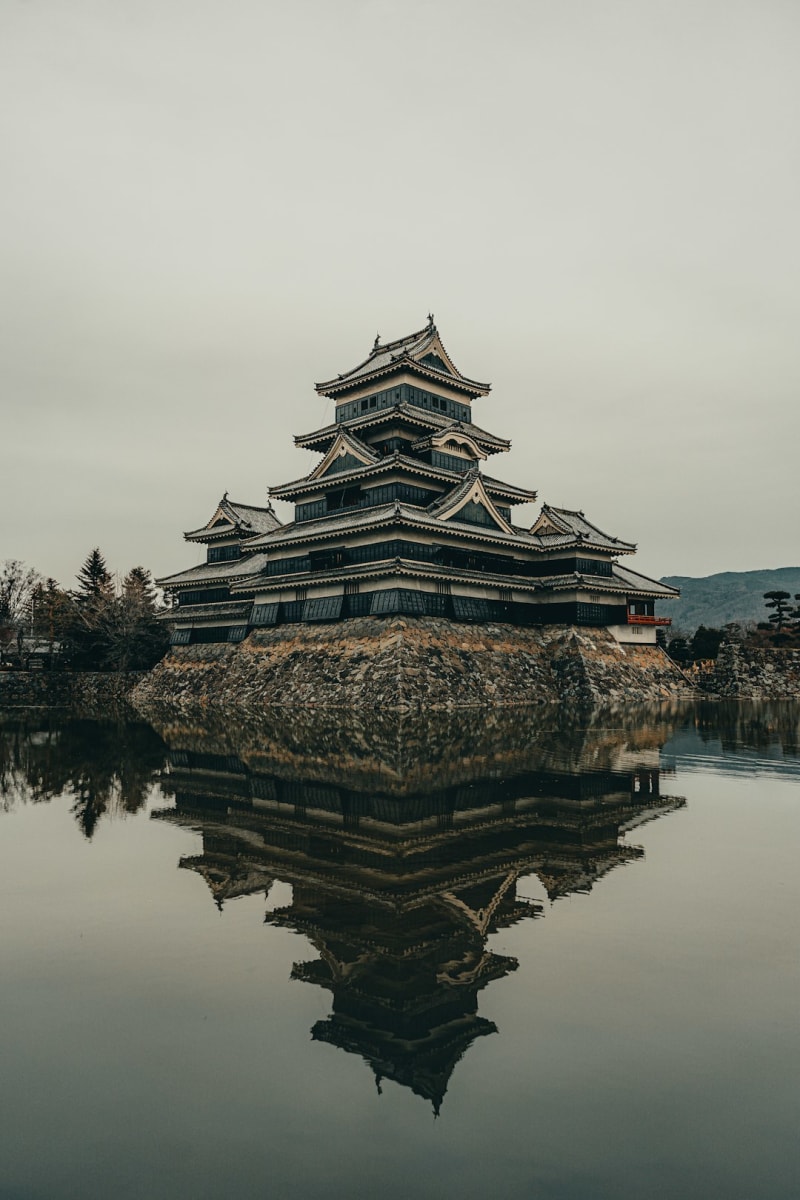 japan
Gujō-Hachiman
A Gifu 'water town' laced with clear canals and streams beneath a small hilltop castle. Famous for its all-night summer Bon dance and for the craft of making startlingly realistic plastic food samples.
Explore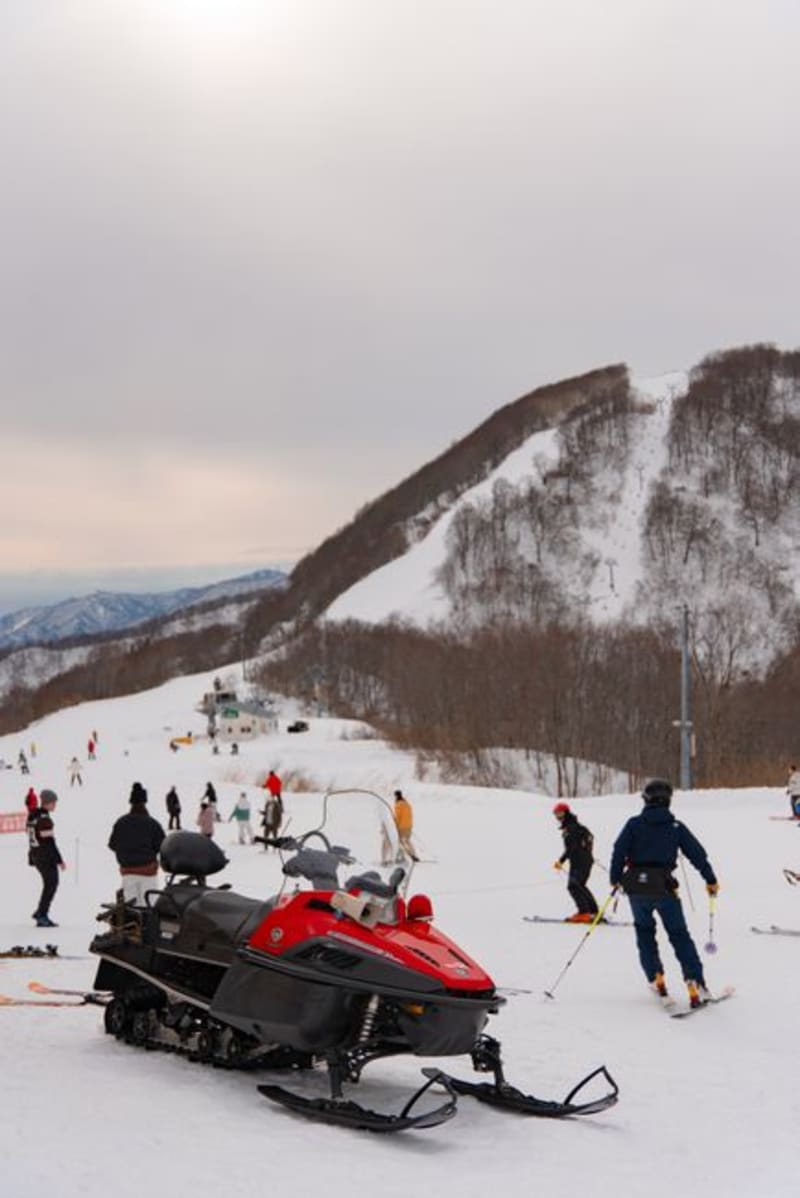 japan
Hakuba
A long alpine valley in Nagano beneath the great wall of the Northern Japan Alps. Home to the 1998 Winter Olympics ski jumps and some of the deepest powder in the country, it trades its snow for green meadows, gondola rides and high ridge walks in summer.
Explore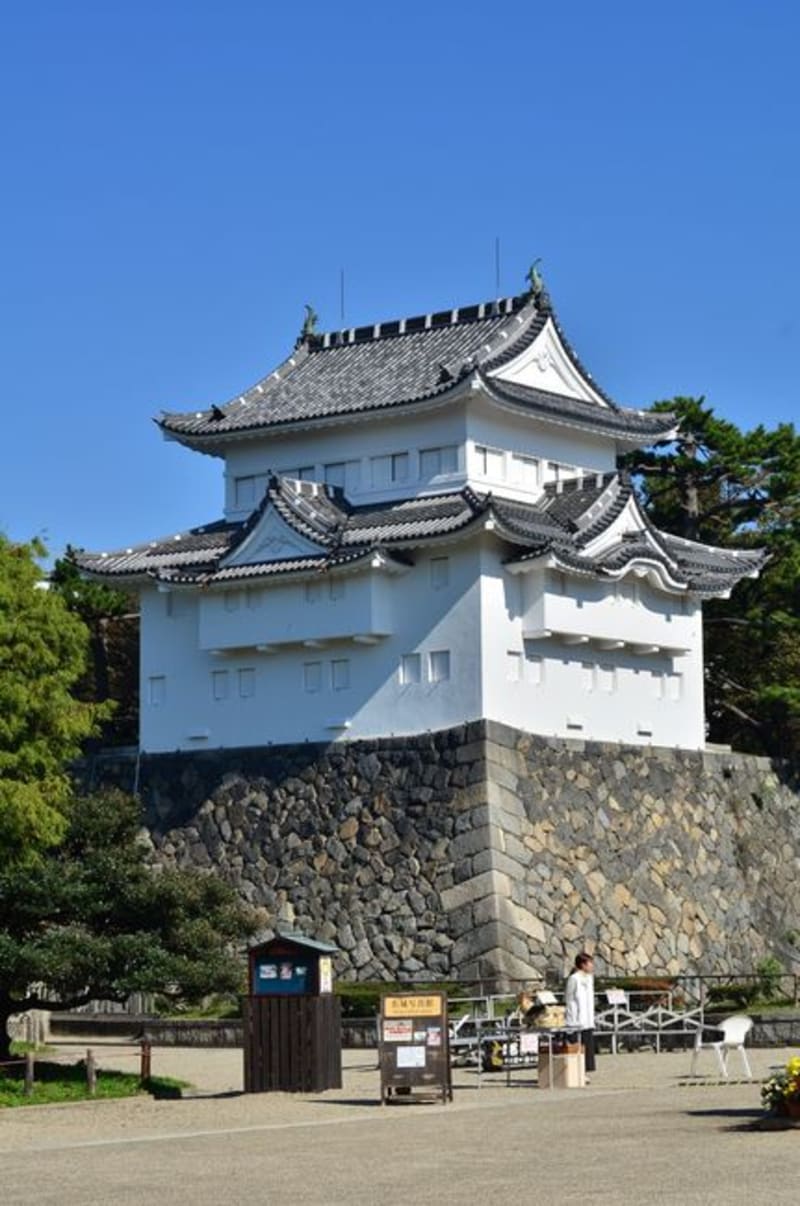 japan
Hamamatsu
A workmanlike city on the shore of a brackish lake, quietly famous for three things: grilled eel served with real ceremony, a heritage of building the world's pianos and motorcycles, and a spring festival where enormous kites do battle in the sky above the dunes.
Explore japan
Handa
A canal town on the Chita Peninsula that once shipped sake, vinegar, and cotton to Edo, and where a local innovator's leftover-lees vinegar recipe grew into Japan's leading vinegar producer.
Explore japan
Hida-Furukawa
A small Gifu old town of white-walled storehouses lining a stone canal where fat carp turn in the clear water. A quieter, gentler echo of nearby Takayama, with a woodworking soul and a spring festival of thunderous drums and great white floats.
Explore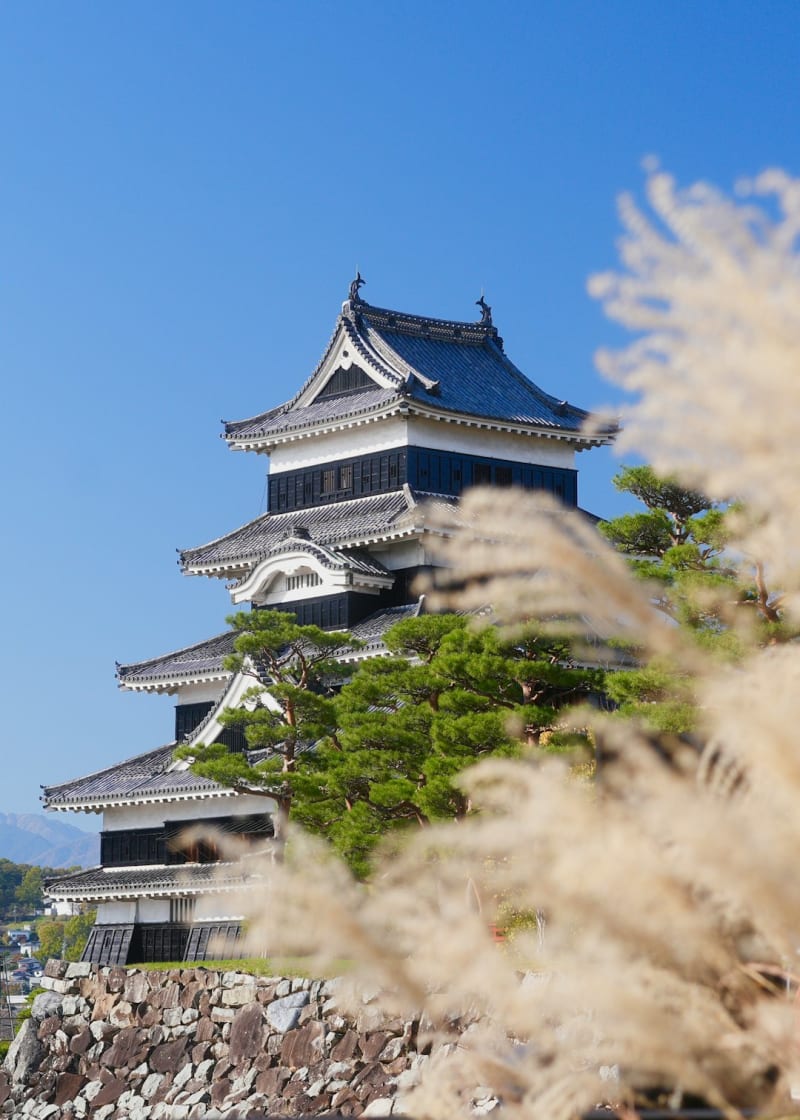 japan
Inuyama
A small Aichi castle town on a bend of the Kiso river, crowned by one of Japan's oldest original keeps. We came for the castle and stayed for the quiet — the old street, the open-air museum of a vanished century, and cormorant fishing on the water at dusk.
Explore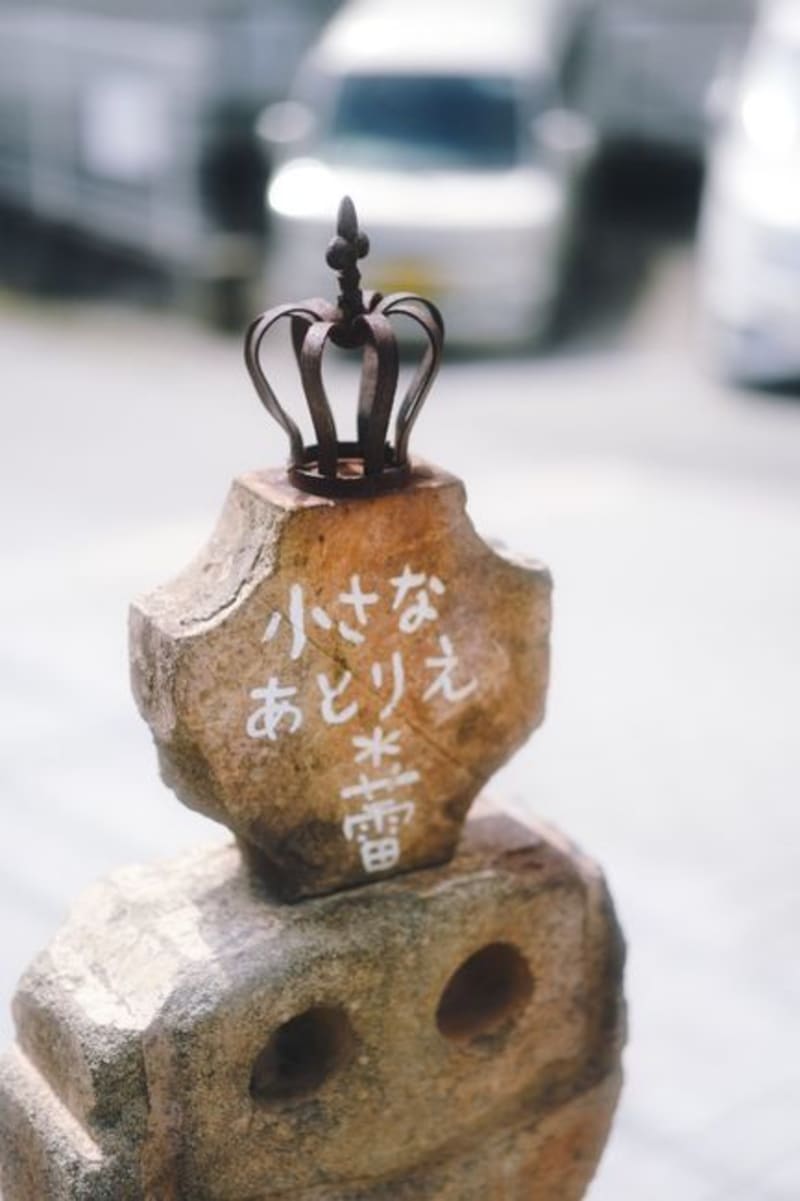 japan
Itoigawa
A stretch of Niigata coast where the mountains fall straight into the Sea of Japan and the beaches hide green jade among their pebbles. It is a UNESCO Global Geopark, though nobody here says that word out loud — they just hand you a stone and tell you to look closer. Alpine rivers, ancient rock, and a quiet that feels older than tourism.
Explore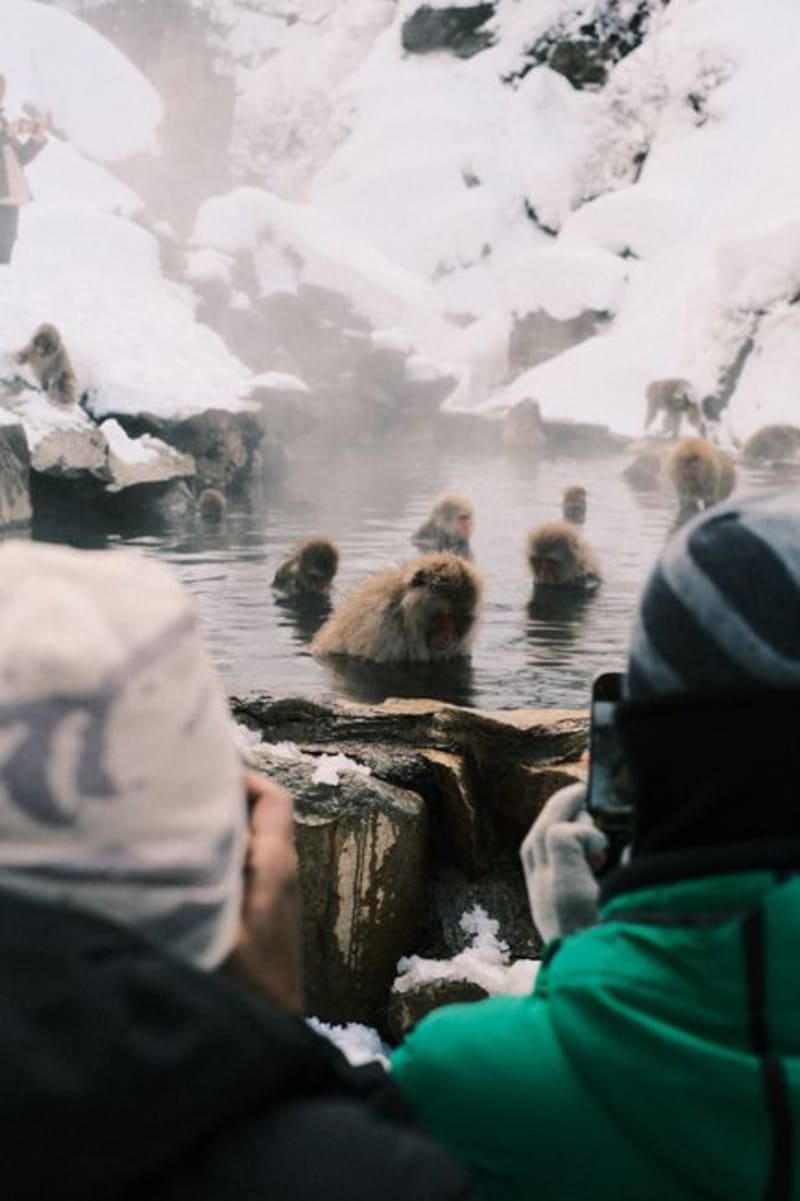 japan
Jigokudani (Snow Monkey Park)
The 'Hell Valley' in the Nagano mountains, where wild Japanese macaques climb down through the snow to bathe in a steaming hot spring. A forest walk through the cold to reach them, and then the strange, unforgettable sight of monkeys soaking with their eyes closed. Wild and humbling.
Explore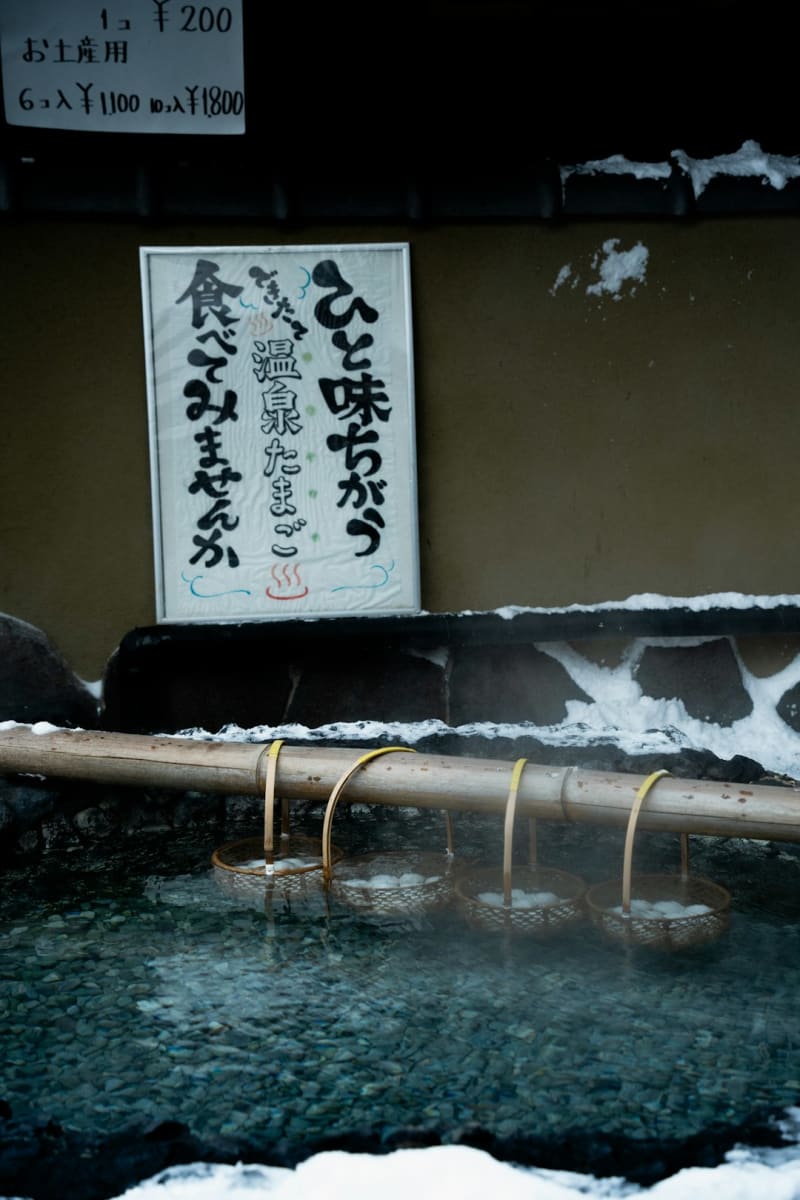 japan
Kaga Onsen
A cluster of centuries-old hot-spring villages in southern Ishikawa, where a wooded gorge unspools beside a mountain stream, kilns still fire the bold colours of Kutani porcelain, and the ryokan know how to make an evening disappear.
Explore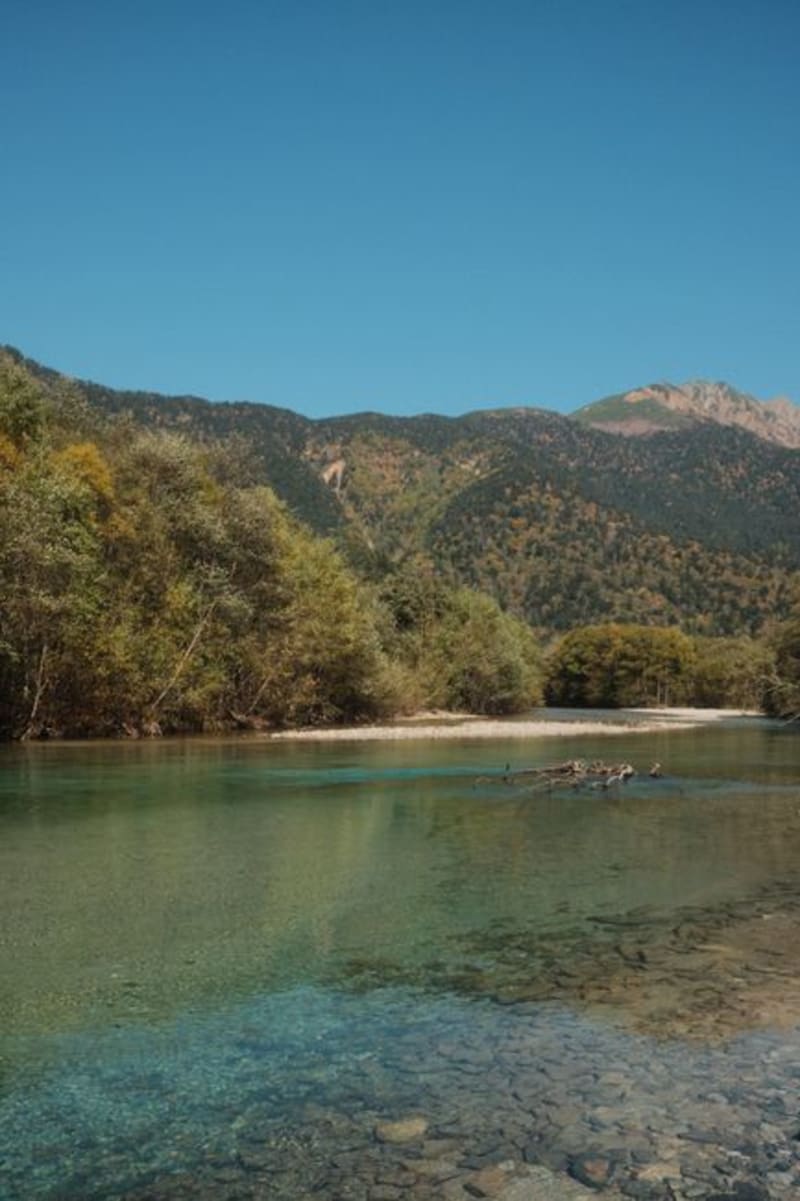 japan
Kamikōchi
A pristine highland valley in the Northern Japan Alps where the clear Azusa river runs beneath the Hotaka peaks. No private cars, boardwalk trails through wetland and larch, and an alpine stillness that closes with the snow each winter.
Explore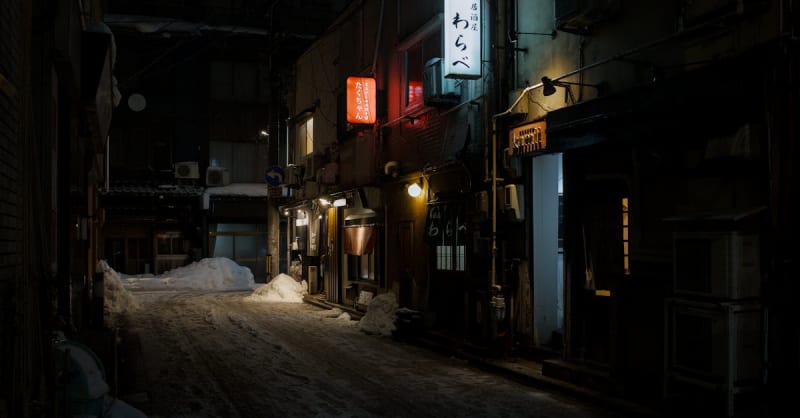 japan
Kanazawa
Samurai districts, contemporary art, and one of Japan's three great gardens — without the Kyoto crowds.
Explore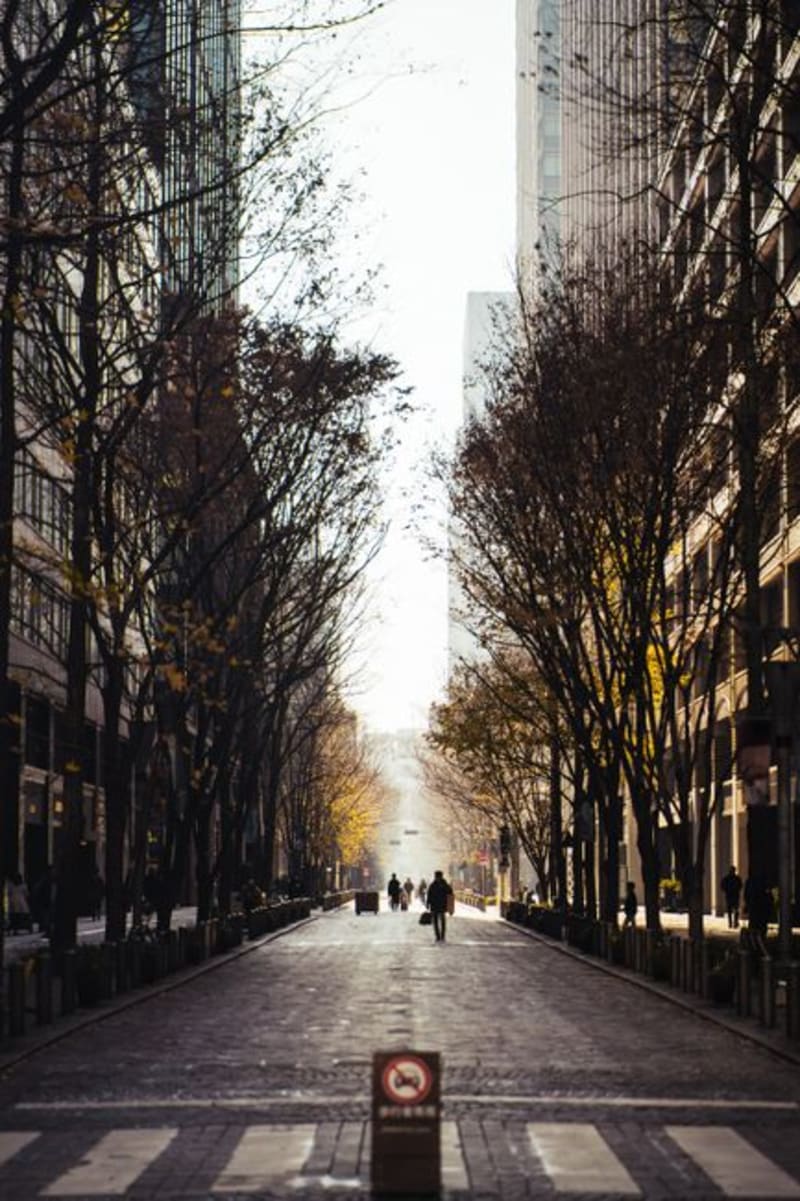 japan
Karuizawa
A leafy highland resort in Nagano beneath the smoking cone of Mount Asama, where Tokyo comes to escape the summer heat. Larch forests and cycling paths, old Western villas hidden in the trees, cool air and good coffee. A genteel mountain retreat with a century of quiet good taste.
Explore japan
Katsunuma
The heart of Japanese wine country, tucked into a Yamanashi valley where terraced vineyards of the native Koshu grape climb toward the peaks and, on a clear day, Mount Fuji watches over the whole basin. Small family wineries line the slopes, generous with pours and short on pretense. It is a place that surprised us — we came skeptical and left with three bottles and a soft spot.
Explore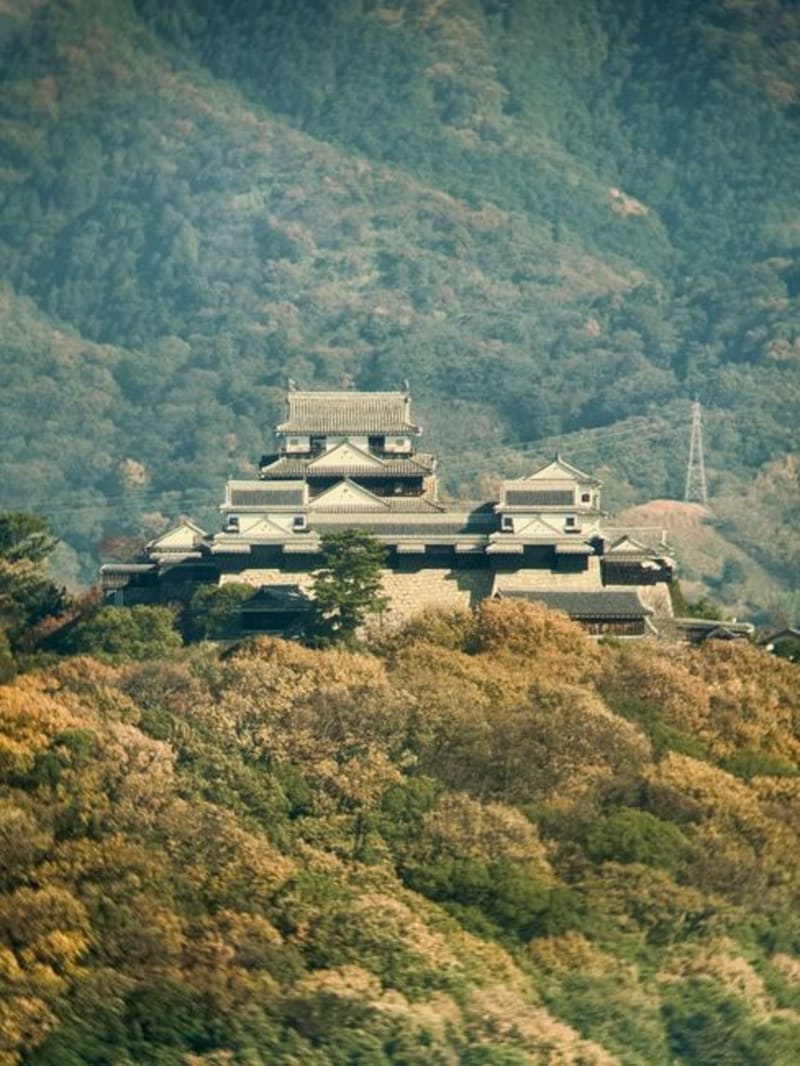 japan
Katsuyama
A Fukui city that became Japan's dinosaur capital after a major fossil find, home to one of the largest dinosaur museums on earth and an active excavation site you can tour rather than a diorama.
Explore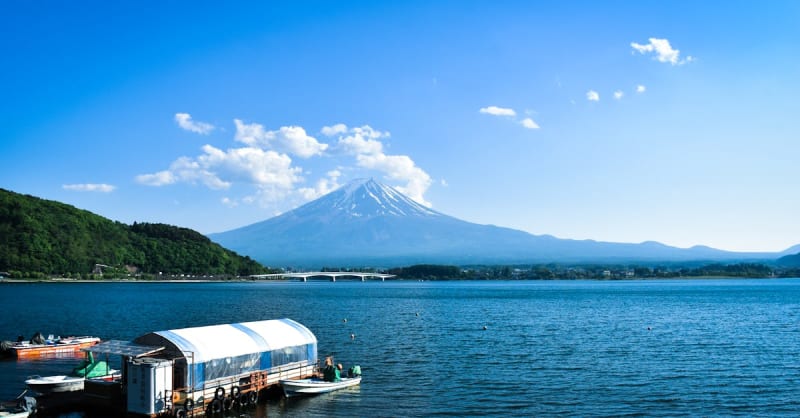 japan
Kawaguchiko
A lakeside onsen town at the foot of the volcano — hot springs, hoto noodles, and the kind of quiet that Tokyo makes you forget exists.
Explore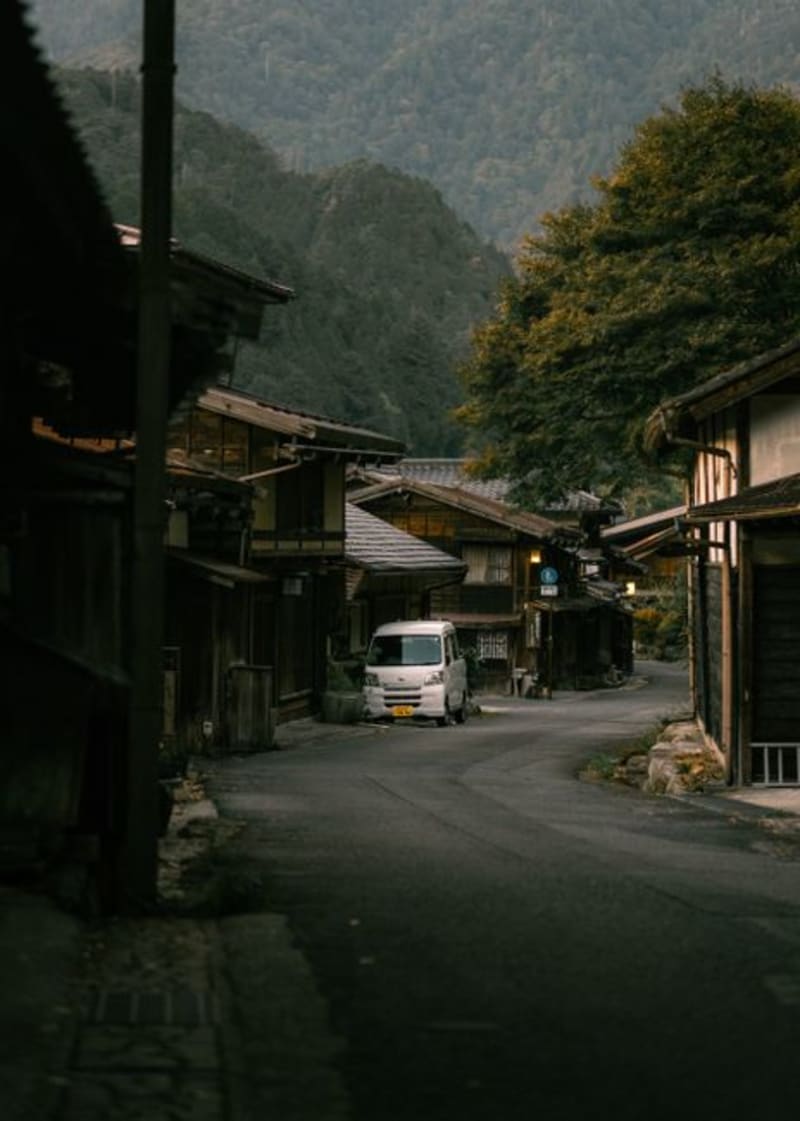 japan
Kiso-Fukushima
A mountain post town deep in the Kiso valley of Nagano, once a major checkpoint on the old Nakasendo highway. Steep riverside lanes, cypress-scented forests, and a working, unpolished feel far from the tour buses. A gateway to the old road and to sacred Mount Ontake.
Explore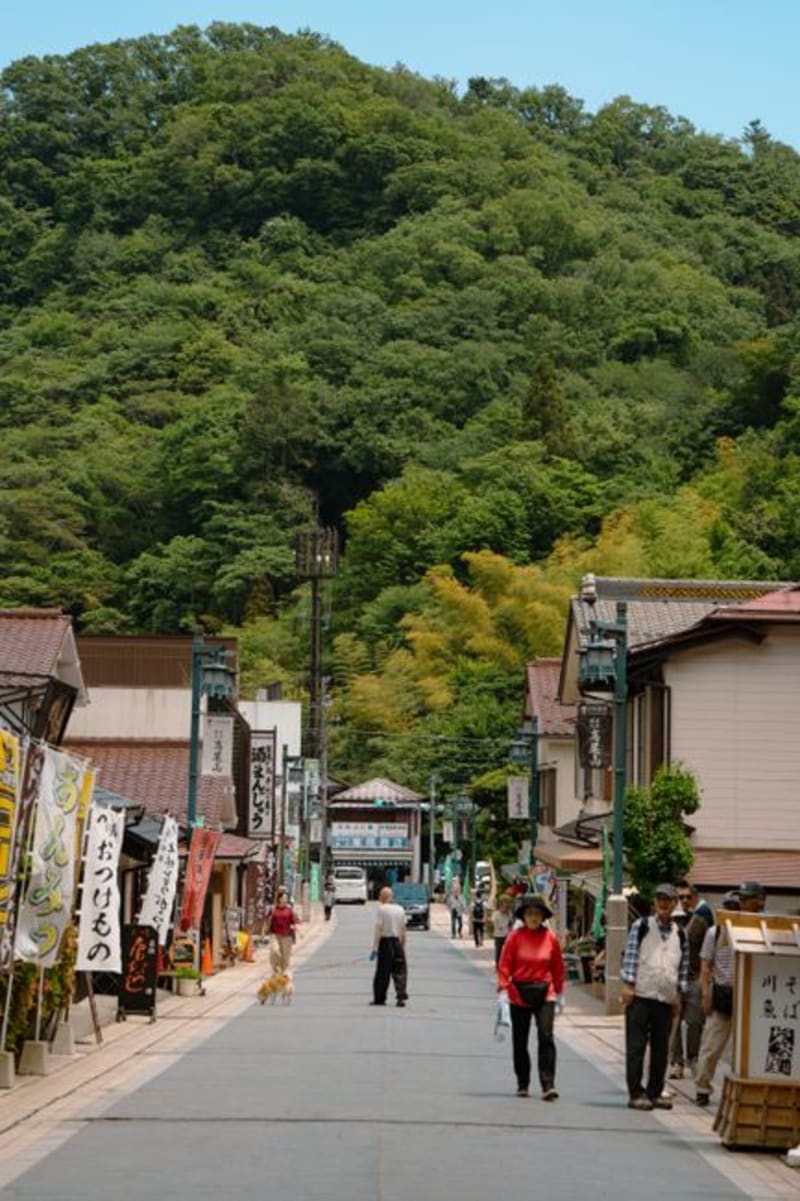 japan
Magome
A restored Edo-era post town climbing a steep hillside in the Kiso Valley, all wooden inns and turning water wheels, and the trailhead for the beautiful forest walk over the pass to Tsumago.
Explore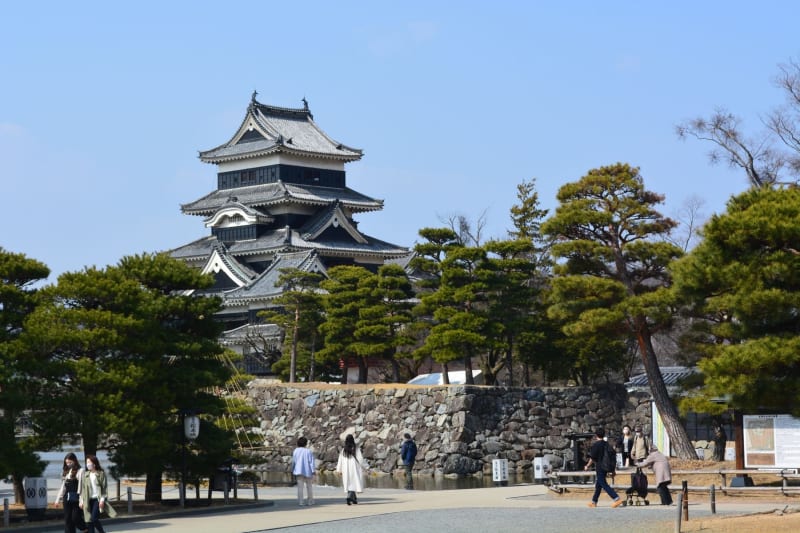 japan
Matsumoto
A feudal black castle reflected in still water, ringed by the Japanese Alps.
Explore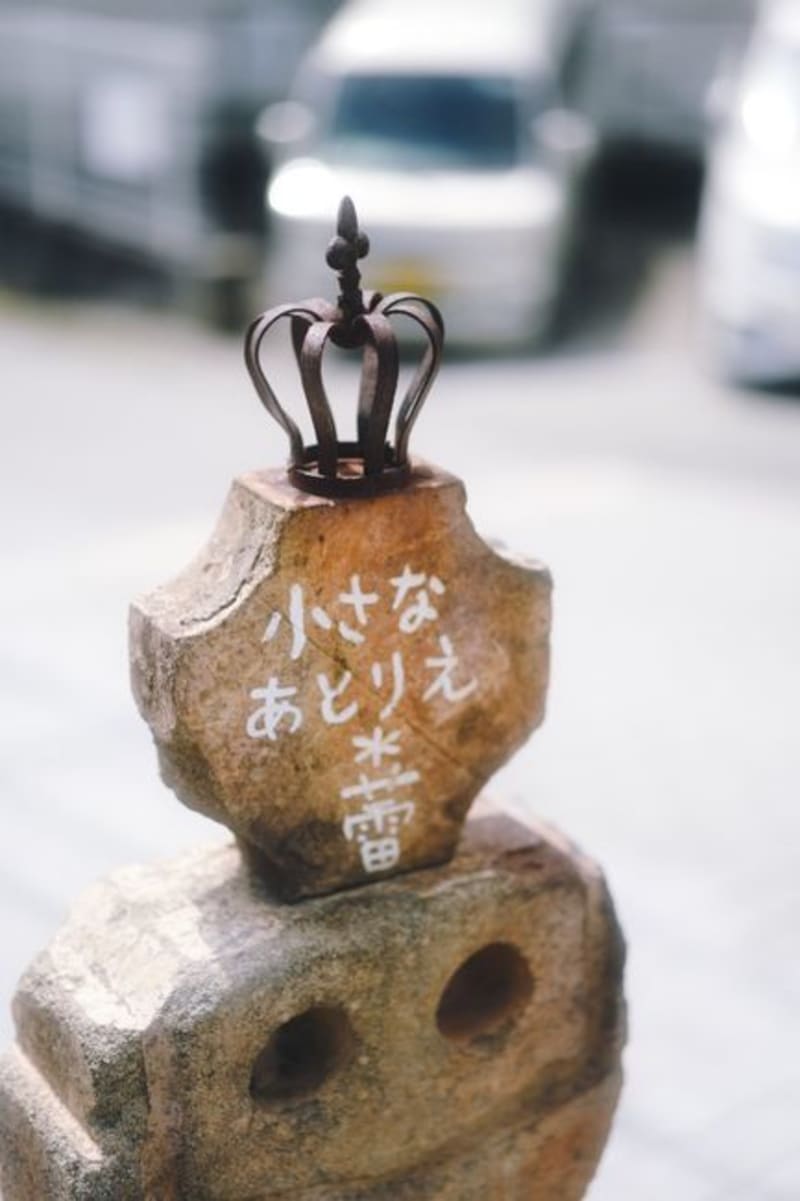 japan
Mitsukejima
A small uninhabited rock island off the Noto Peninsula, nicknamed 'battleship island' for its silhouette, that you can walk out to at low tide and whose shape changed permanently after the 2024 earthquake.
Explore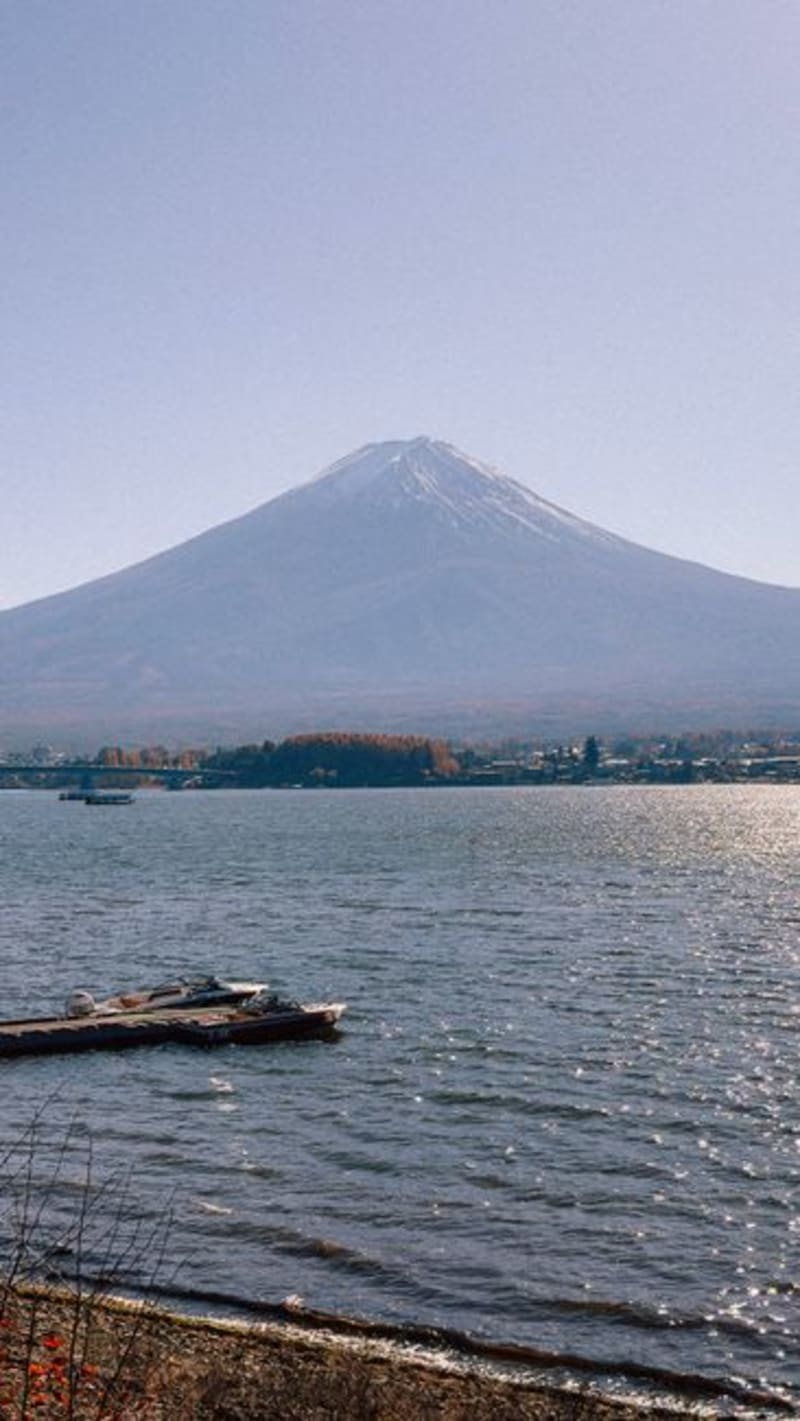 japan
Lake Motosu
The deepest of the Fuji Five Lakes, so clear and still that on a windless morning it holds a second Mount Fuji upside down in the water. This is the exact view engraved on the back of the 1000-yen note. We came for the reflection and stayed for the silence.
Explore japan
Mt. Fuji
The sacred volcano, the iconic pagoda, and a view that no photograph has ever fully captured. Fuji is Japan's spiritual anchor.
Explore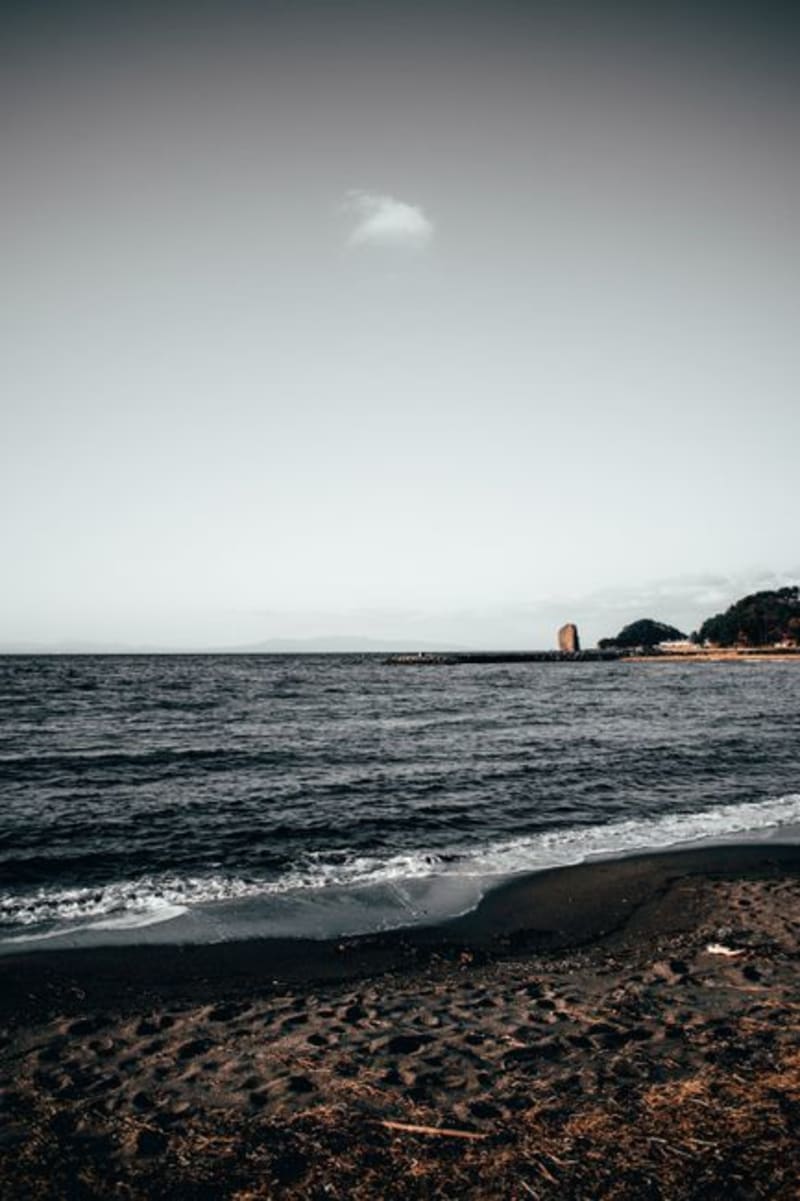 japan
Murakami
A Niigata castle town so devoted to salmon that whole rooms hang thick with fish curing in the winter air. Behind the black-latticed fronts of its old merchant houses live tea shops, sake brewers, and a way of using every last part of the salmon that borders on reverence.
Explore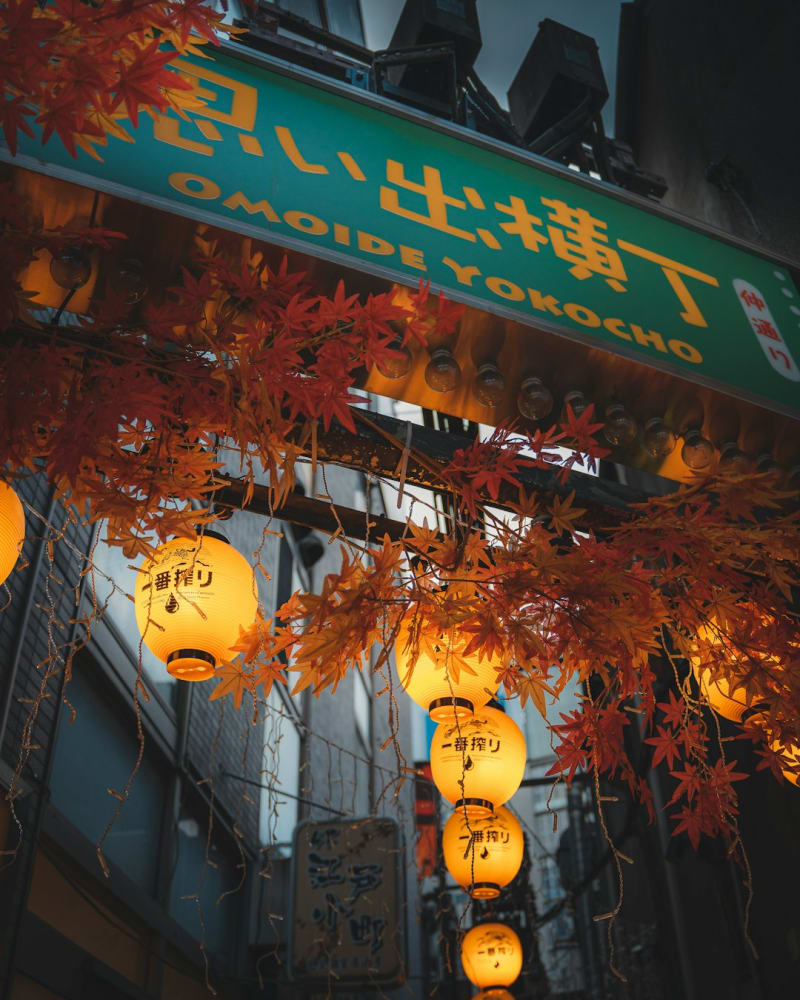 japan
Nagano
A mountain-ringed city built around Zenkō-ji, one of Japan's oldest and most welcoming temples, at the foot of the Northern Alps. A lively temple-approach street, honest soba, and a gateway to snow country and highland trails. Spiritual, brisk, and framed on every side by peaks.
Explore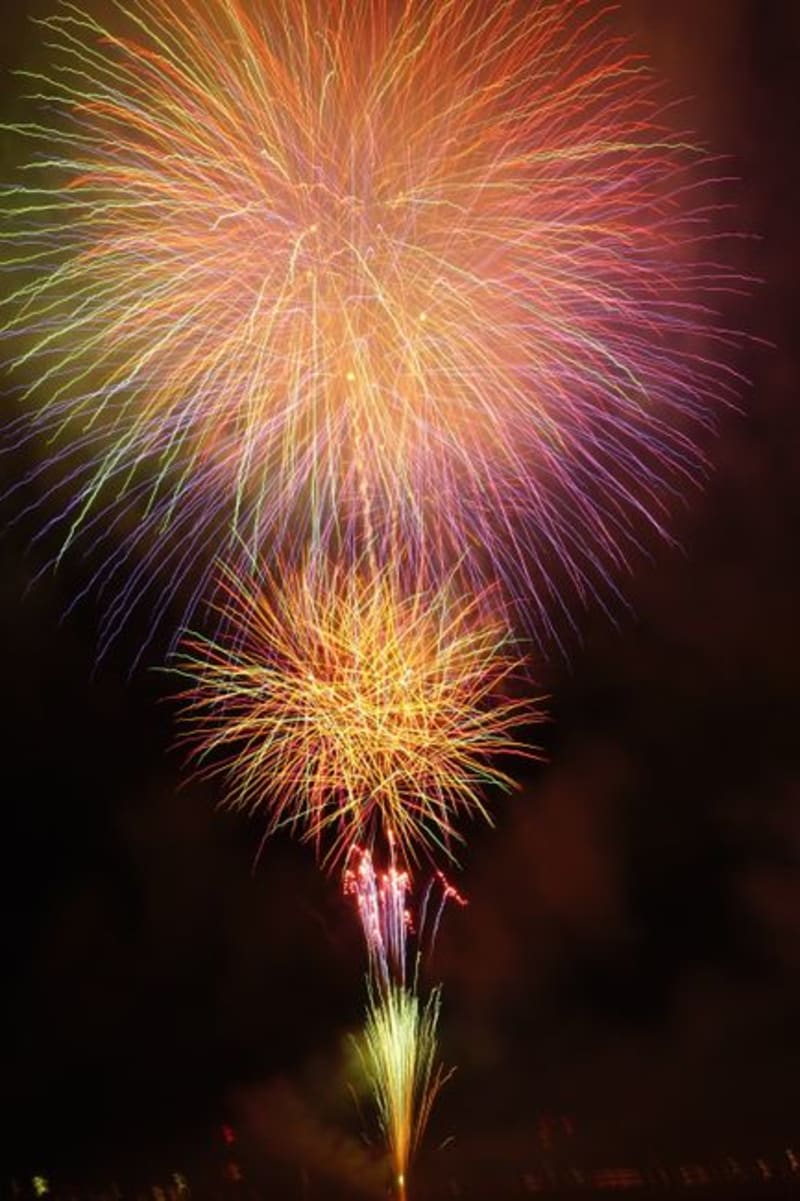 japan
Nagaoka
A working Niigata city on the wide Shinano river that saves its full heart for two nights each August, when the sky over the water fills with some of the largest fireworks in Japan. They are not a show. They are a memorial, and once you know that you never watch them the same way.
Explore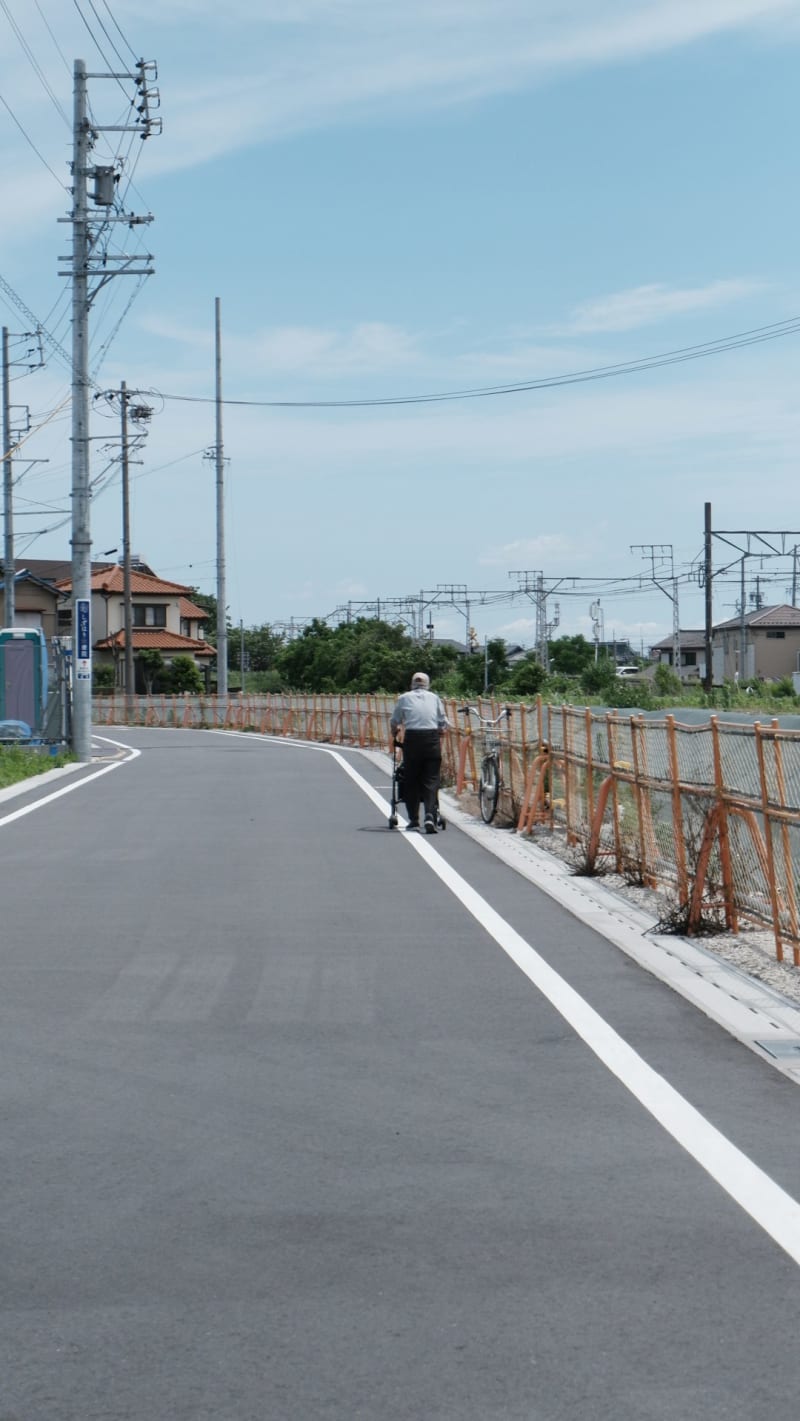 japan
Nagoya
Japan's industrious fourth city, too often skipped between Tokyo and Kyoto. A golden-finned castle, an ancient forest shrine, and some of the heartiest food in the country.
Explore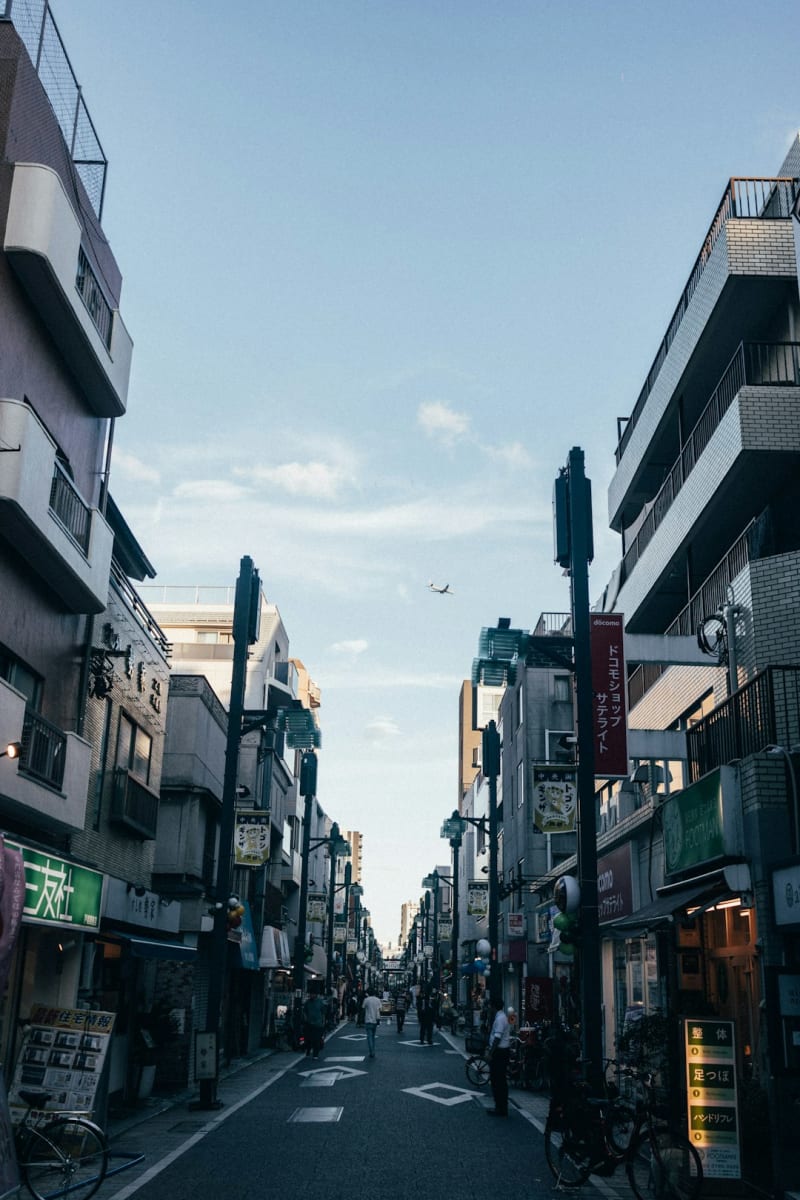 japan
Namerikawa
A small Toyama Bay town where firefly squid swarm the shallows for a few weeks each spring, glowing blue-white when netted on pre-dawn boat tours that sell out fast every year.
Explore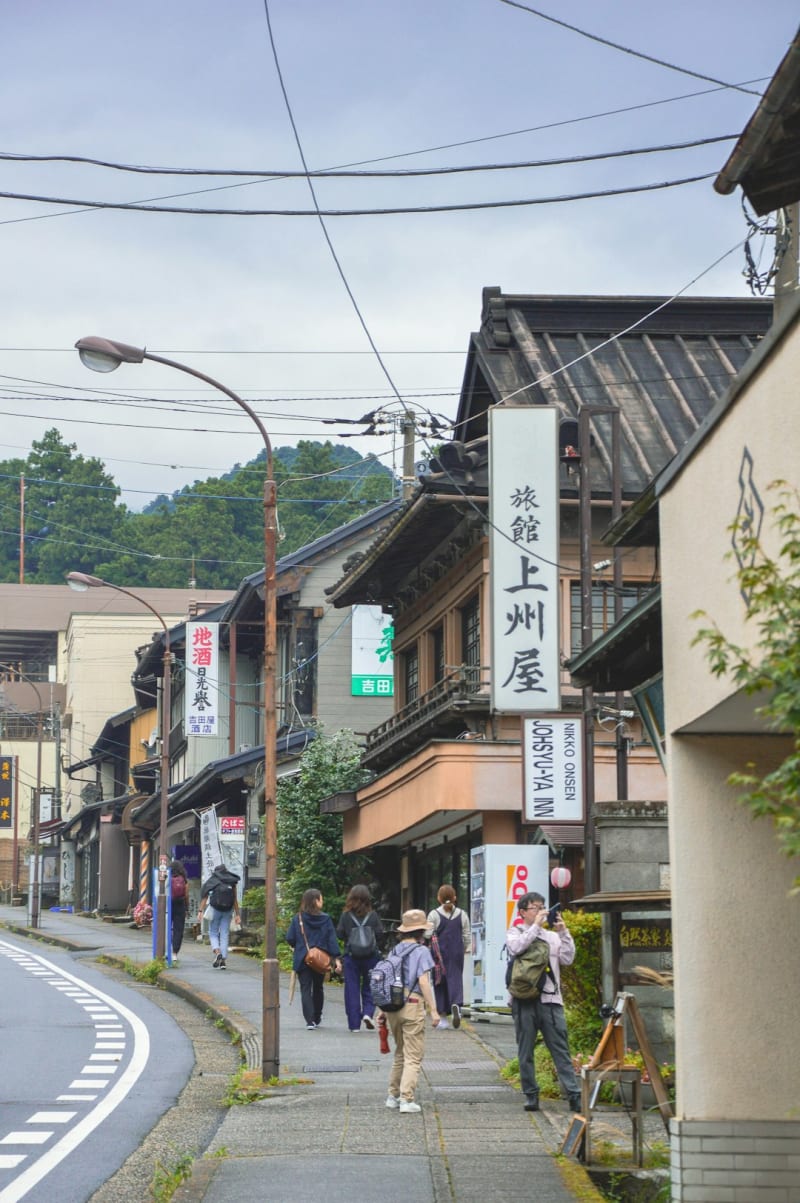 japan
Narai
The longest and best-preserved of the Kiso Valley post towns, once called 'Narai of a thousand houses.' A kilometer of dark-latticed wooden facades, lacquerware workshops, and near-perfect quiet.
Explore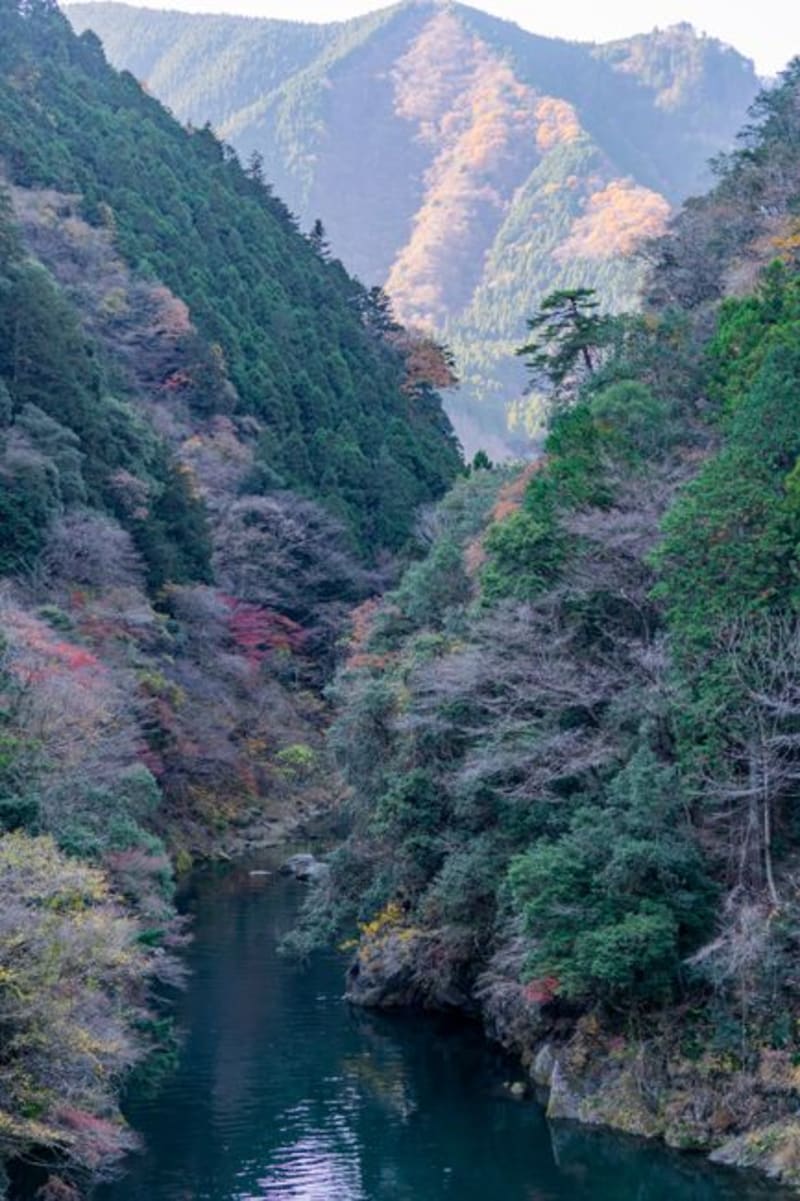 japan
Nishizawa Gorge
A jade-colored gorge inside Chichibu-Tama-Kai National Park, its long looping trail crossing a suspension bridge past named waterfalls to a five-tiered cascade ranked among Japan's finest.
Explore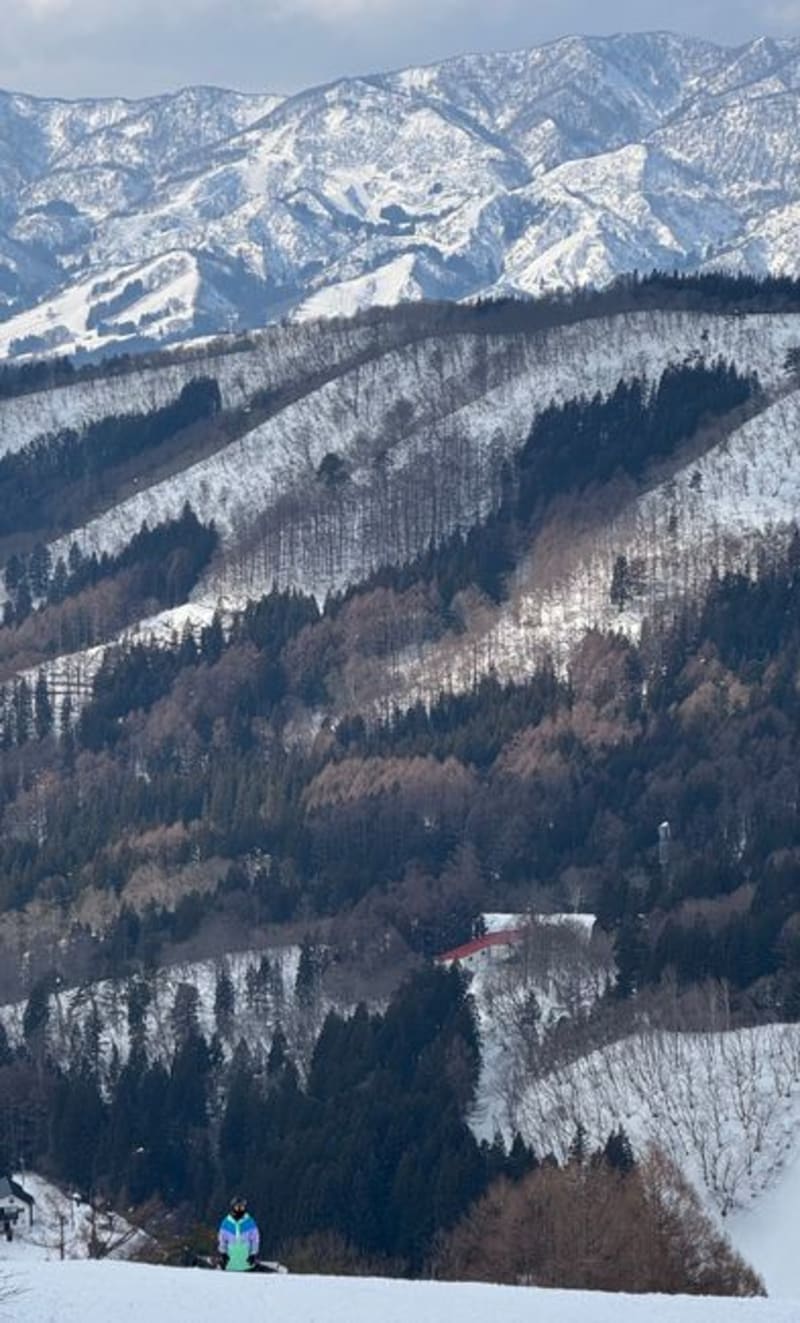 japan
Nozawa Onsen
A steep, snow-buried village in northern Nagano where thirteen free public bathhouses steam at the ends of the lanes and skiers and grandmothers share the same scalding water. In winter it's one of Japan's great ski towns; in every season it smells of sulfur and woodsmoke. We came to ski and left converted to the baths.
Explore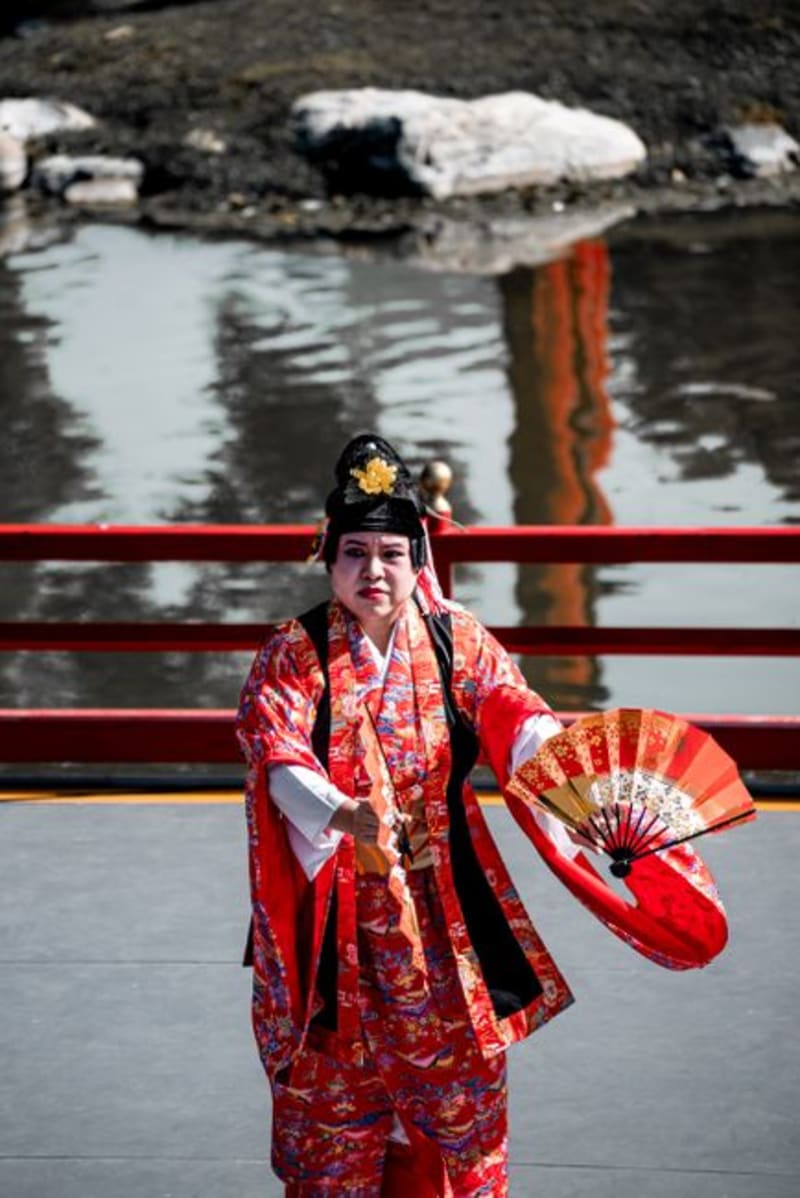 japan
Obama
A small bay town on the Fukui coast that once fed the imperial court, its old temple district full of secret Buddhas and its lacquered chopsticks flecked with mother-of-pearl. The mackerel roads to Kyoto started here, and the whole place still smells faintly of the sea and of cedar temple beams.
Explore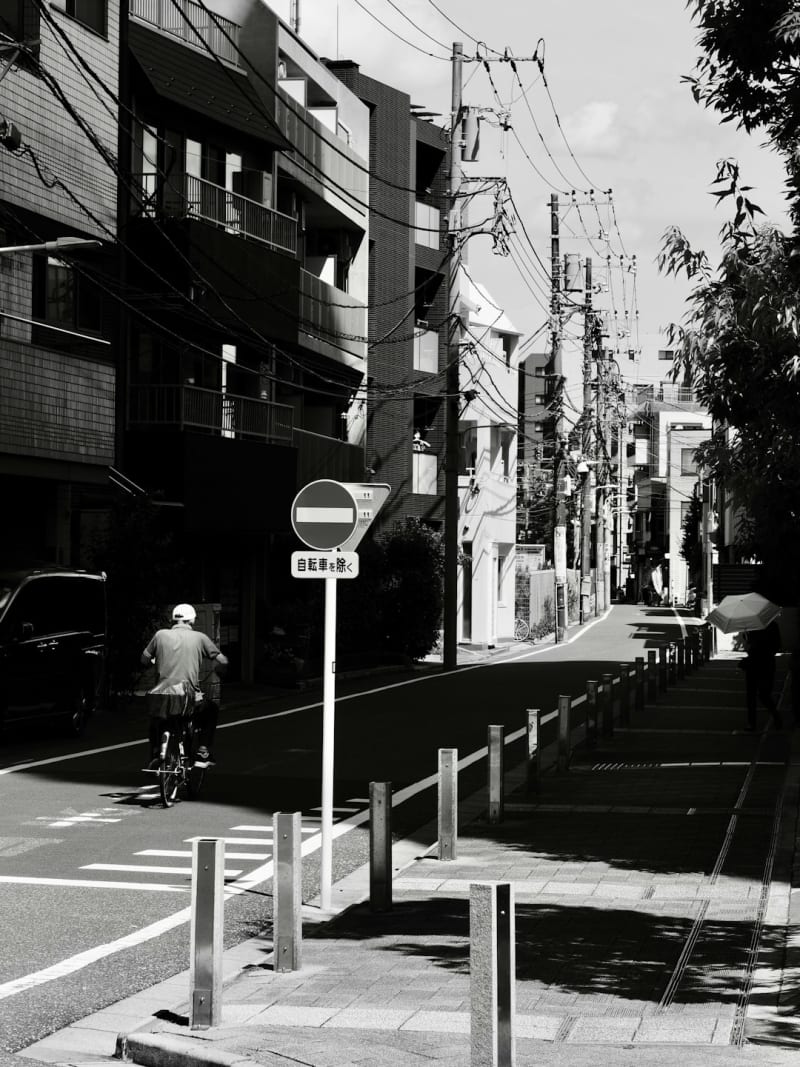 japan
Obuse
A small, immaculate chestnut town in the Nagano hills where Hokusai spent his final years painting. A fine museum, sweet-shop lanes scented with roasting chestnuts, and gardens kept with almost obsessive care. Cultured, quiet, and unhurried.
Explore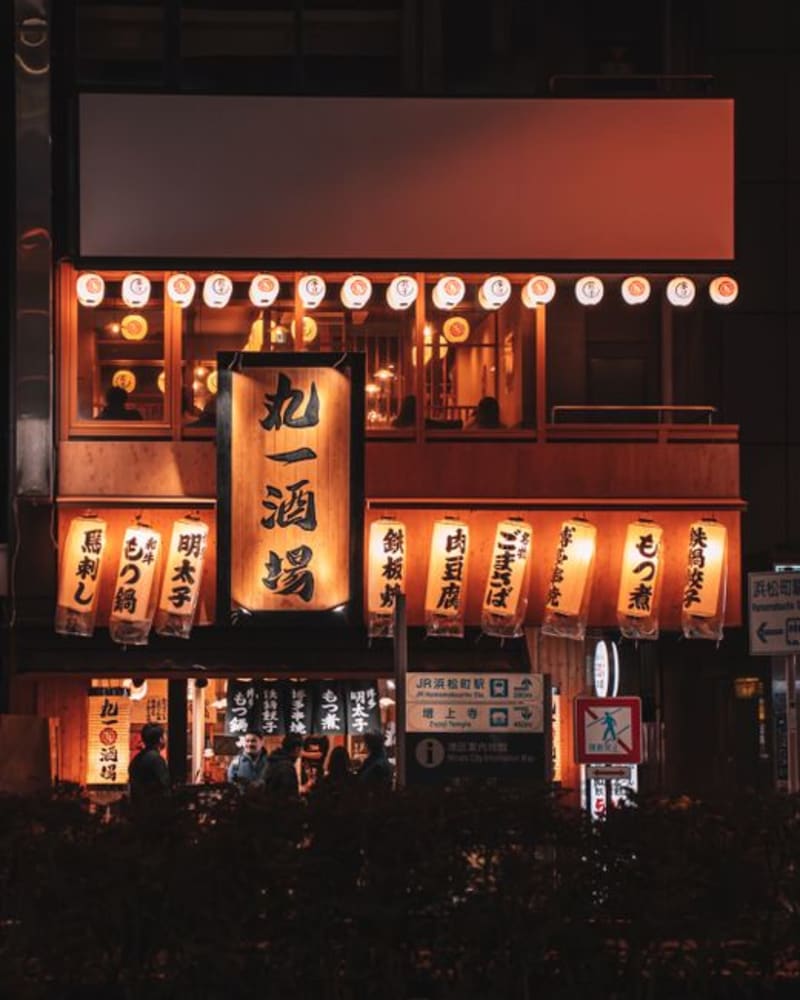 japan
Ojiya
A quiet Niigata city that turned mutant carp into a national obsession, breeding the ornamental koi now shipped to collectors worldwide from mud ponds tucked into its rice-terrace hills.
Explore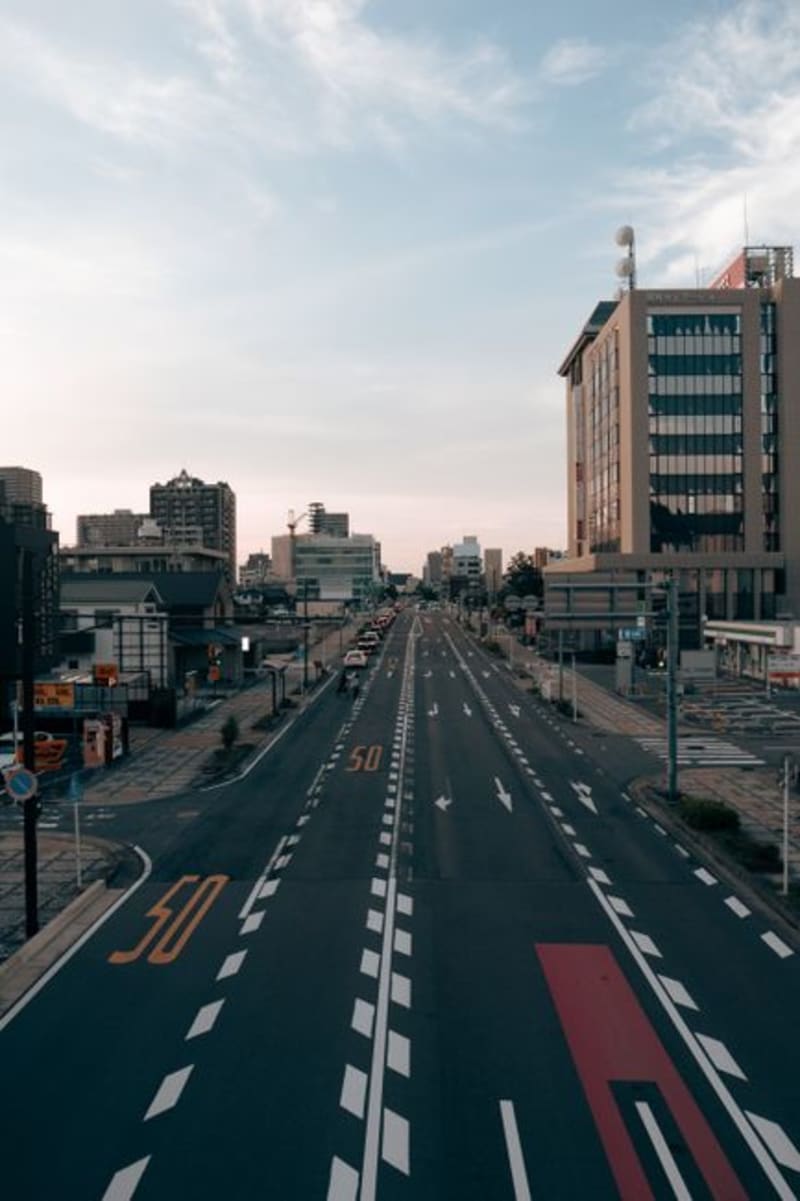 japan
Okazaki
An Aichi castle city where the shogun Tokugawa Ieyasu was born, its keep rebuilt above a river that fills with cherry blossom in spring. Beneath the samurai history runs a quieter, browner current: this is a town that has been brewing miso in the same wooden vats for centuries.
Explore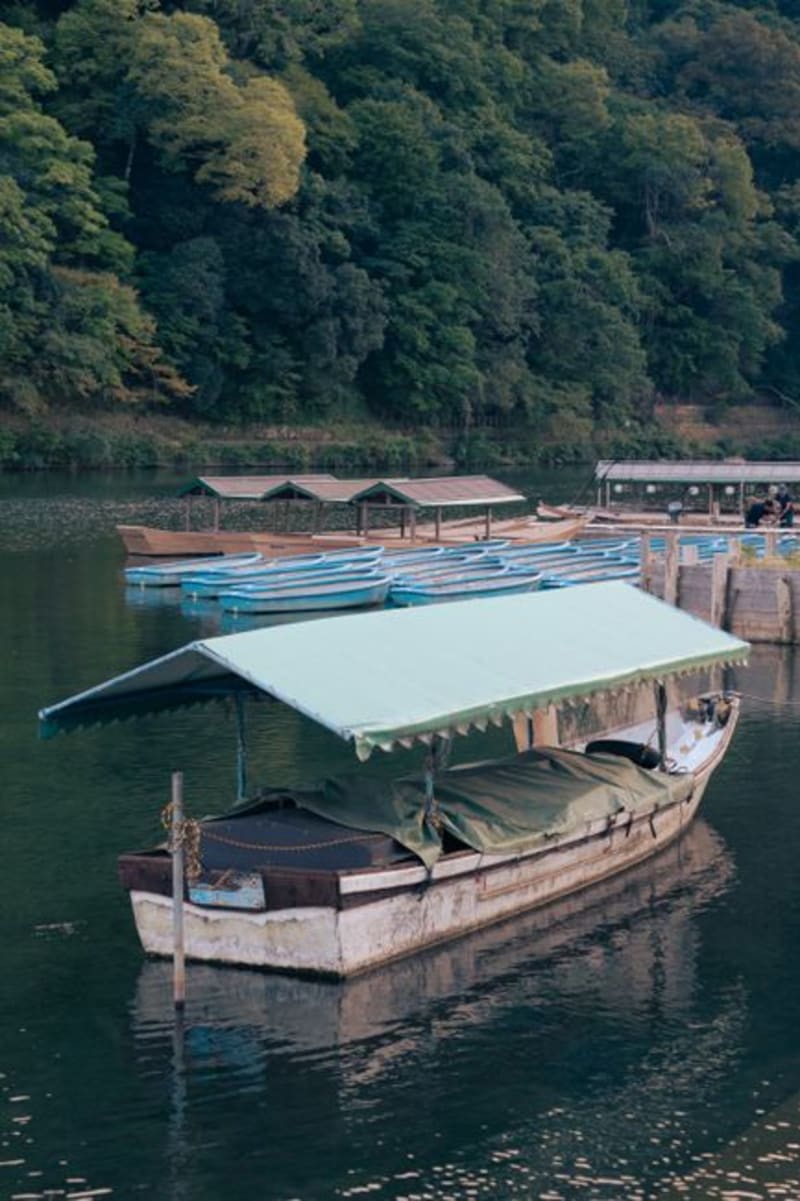 japan
Sado Island
A large, rugged island off the coast of Niigata, wilder and slower than the mainland it faces. It holds the ruins of a great gold mine, the thunder of Kodō taiko drumming, terraced rice fields above the sea, and old women who still fish from round wooden tub boats.
Explore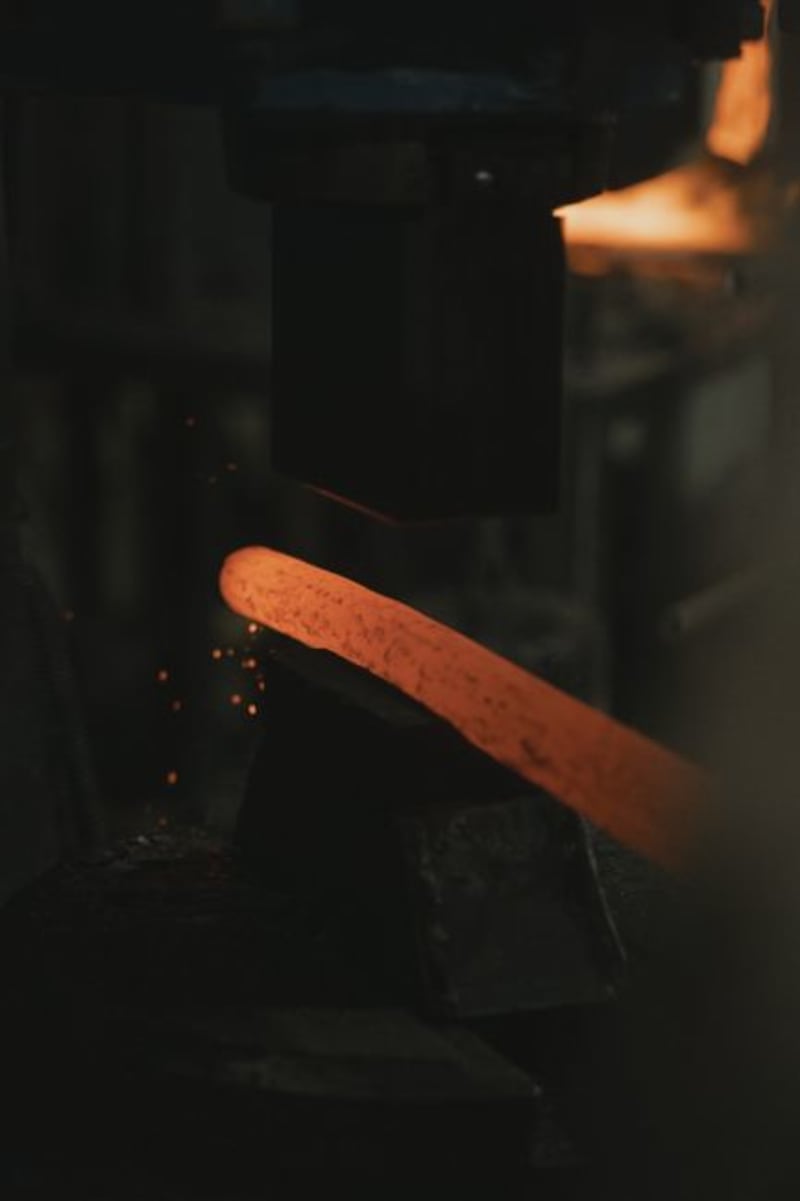 japan
Seki
A Gifu town that has forged blades for seven hundred years, once the sword capital of Japan and still one of the world's great centres of cutlery. A place where you can watch a smith fold and hammer glowing steel, and where the whole town smells faintly of hot metal and cherry-charcoal.
Explore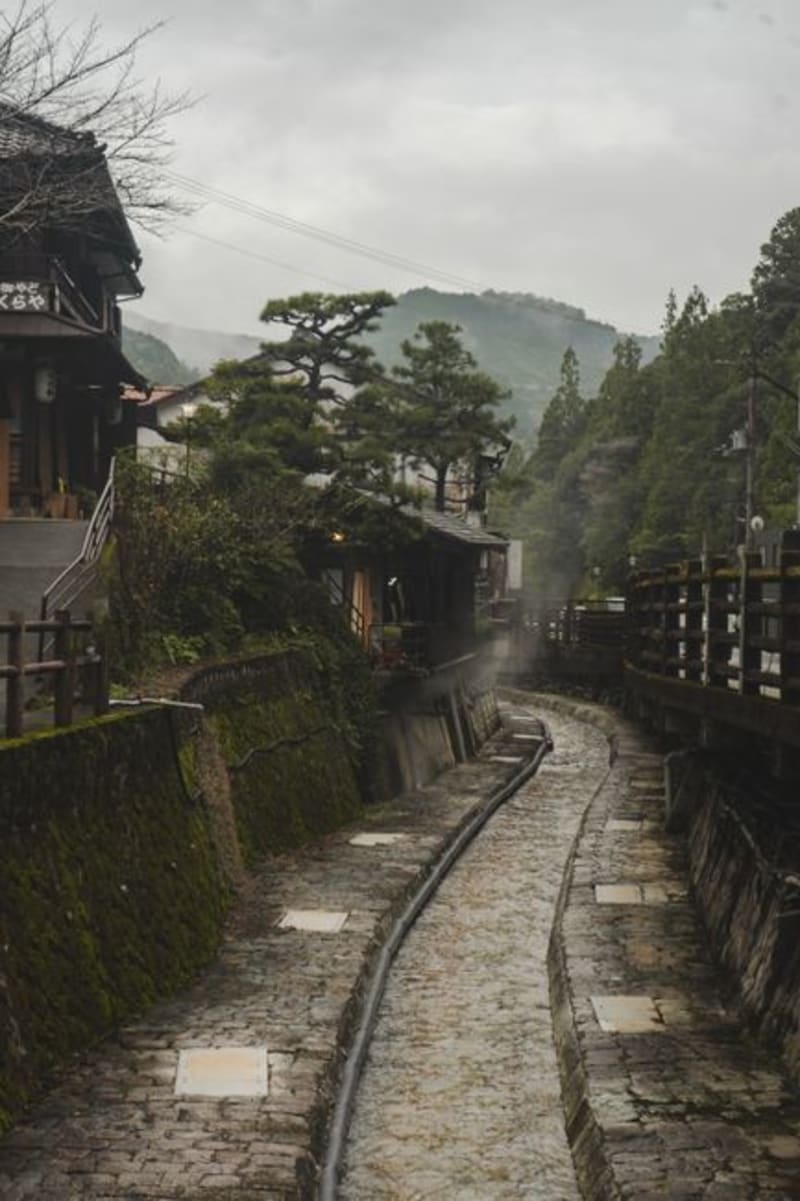 japan
Shibu Onsen
A single cobbled lane of wooden inns and steam in the Nagano hills, where guests pad between nine public bathhouses in wooden clogs and cotton robes. Just up the valley the famous snow monkeys bathe in their own hot spring. We came for the monkeys and found the village itself was the reason to stay.
Explore japan
Shimoda
The Izu port where Commodore Perry's black ships pried Japan open to the world, now a town of white-sand beaches and salt light. Lia and I came for the beaches and stayed for the ghosts of 1854. History here smells of sea and camellia.
Explore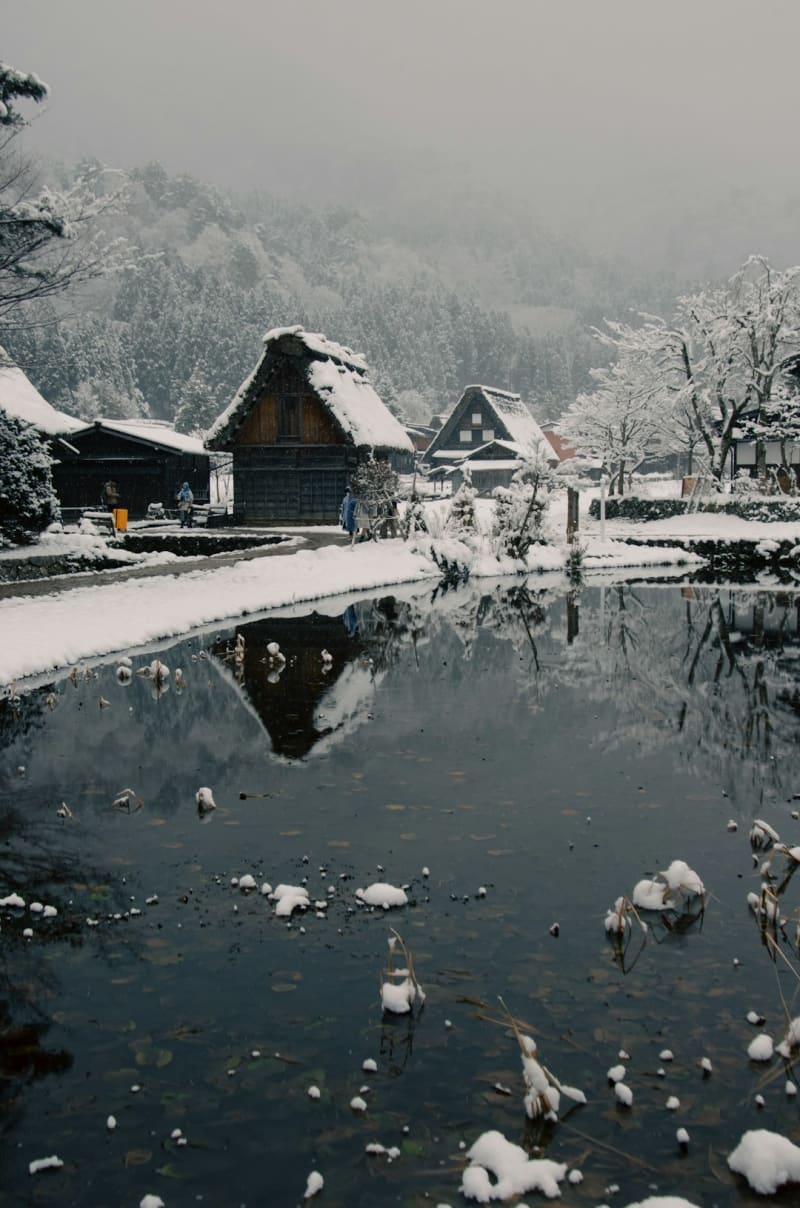 japan
Shirakawa-gō
A remote valley of steep-thatched gasshō-zukuri farmhouses, folded into the mountains of Gifu and unchanged for generations. Green and loud with cicadas in summer, buried in snow in winter. A UNESCO village that still feels lived-in rather than looked-at.
Explore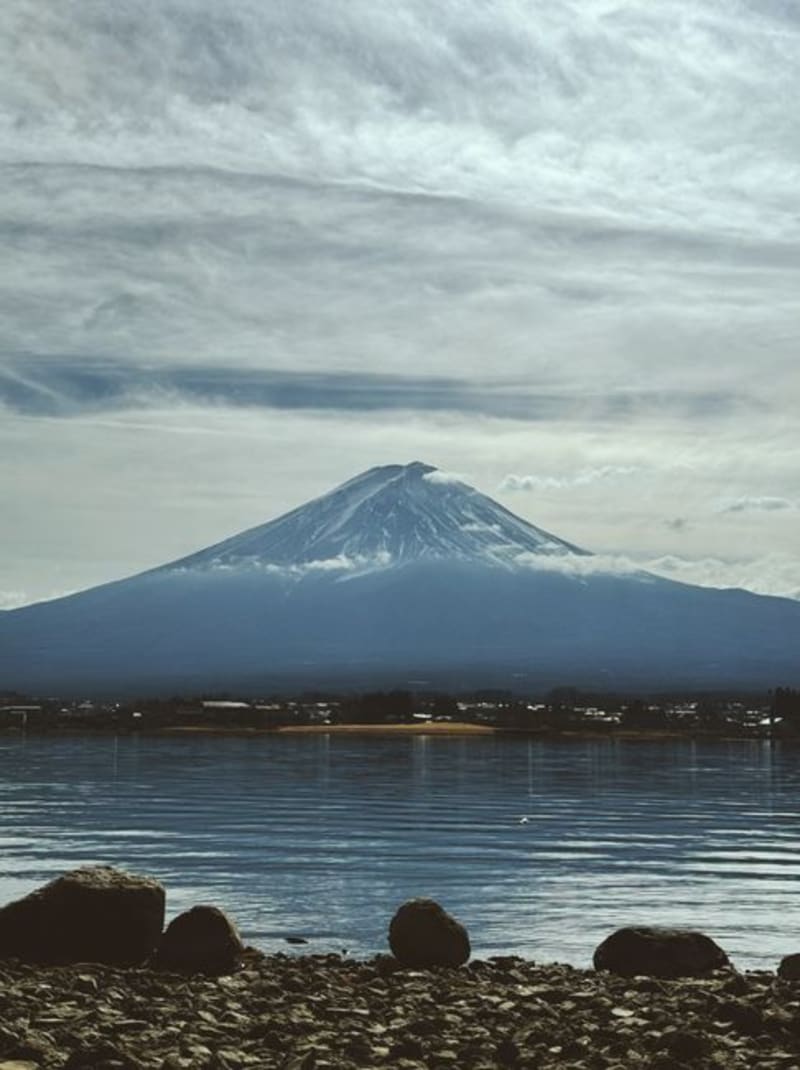 japan
Shizuoka
A mild, easygoing coastal city cradled between the sea and hills combed with green tea. Mount Fuji floats over the bay, an ancient pine grove fringes the shore where a legend came down from heaven, and every teahouse pours the finest green tea in Japan.
Explore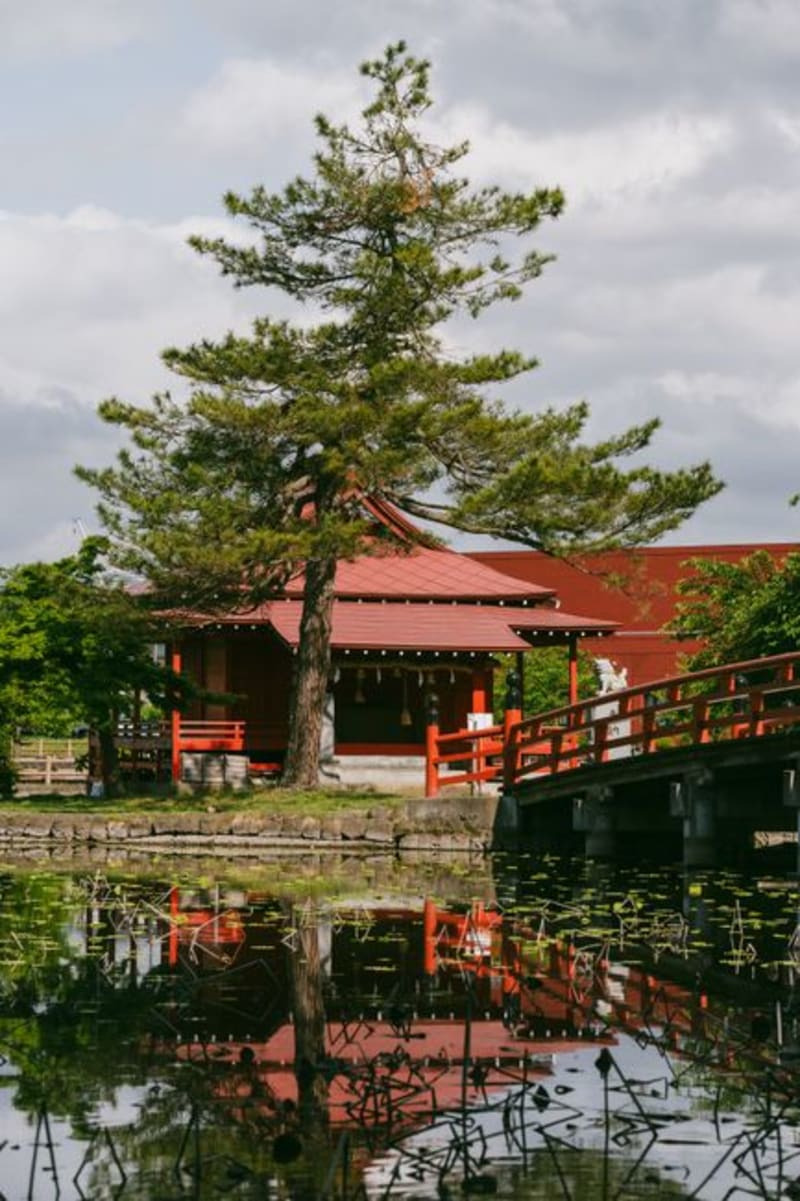 japan
Shuzenji
An old hot-spring town in the green heart of the Izu Peninsula, where a red bridge crosses the Katsura river, a bamboo path rustles above the water, and a temple keeps a literary, autumnal calm. The kind of onsen town writers came to and never quite left.
Explore japan
Suwa
A lake ringed by the Nagano highlands, where one of Japan's oldest shrines guards the water, hot springs steam at its edge, and on the coldest winter nights the ice itself heaves up into a ridge the locals call the crossing of the gods.
Explore japan
Suzu
The far tip of the Noto Peninsula, an end-of-the-road city known for lantern floats carried into the sea during its Kiriko festival and for the visible, ongoing work of rebuilding after the 2024 earthquake.
Explore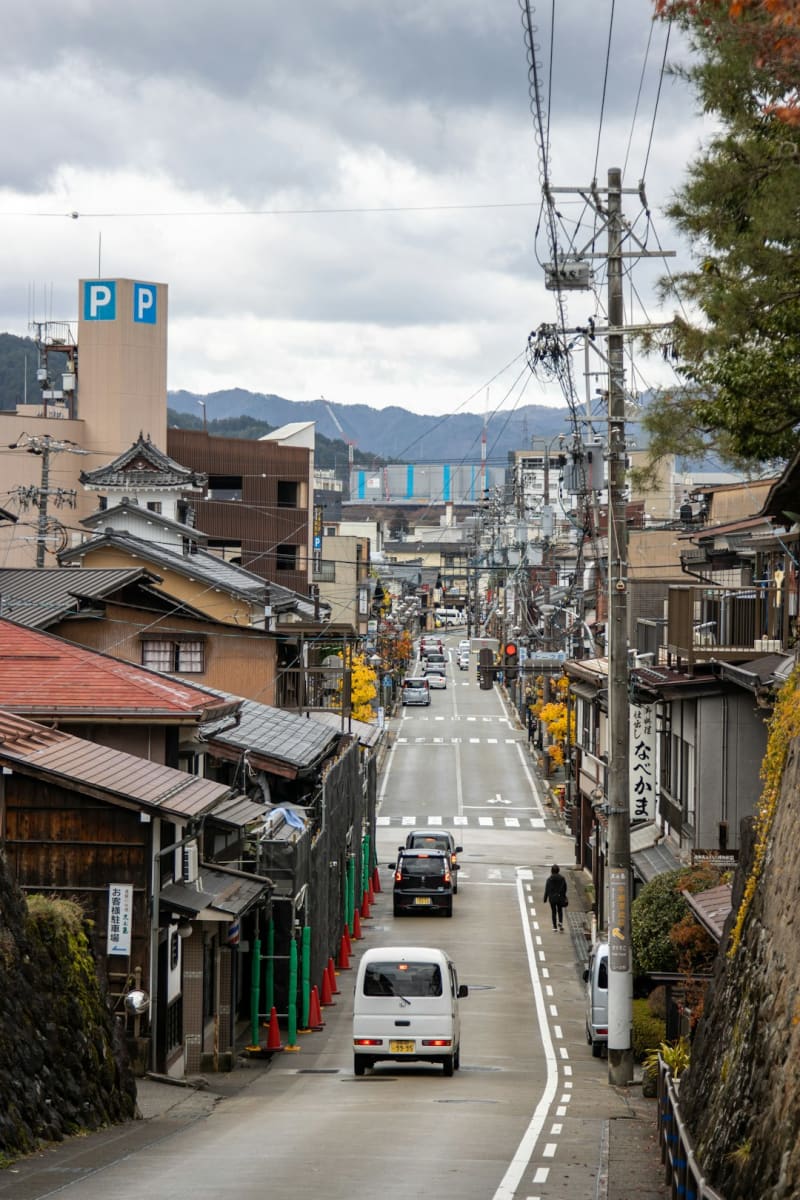 japan
Takayama
An old castle-town folded into the Hida mountains, where Edo-era merchant streets still smell of cedar and sake. Morning markets by the river, black-lacquered façades, and beef so tender it barely needs teeth. A slower counterpoint to the neon of the cities.
Explore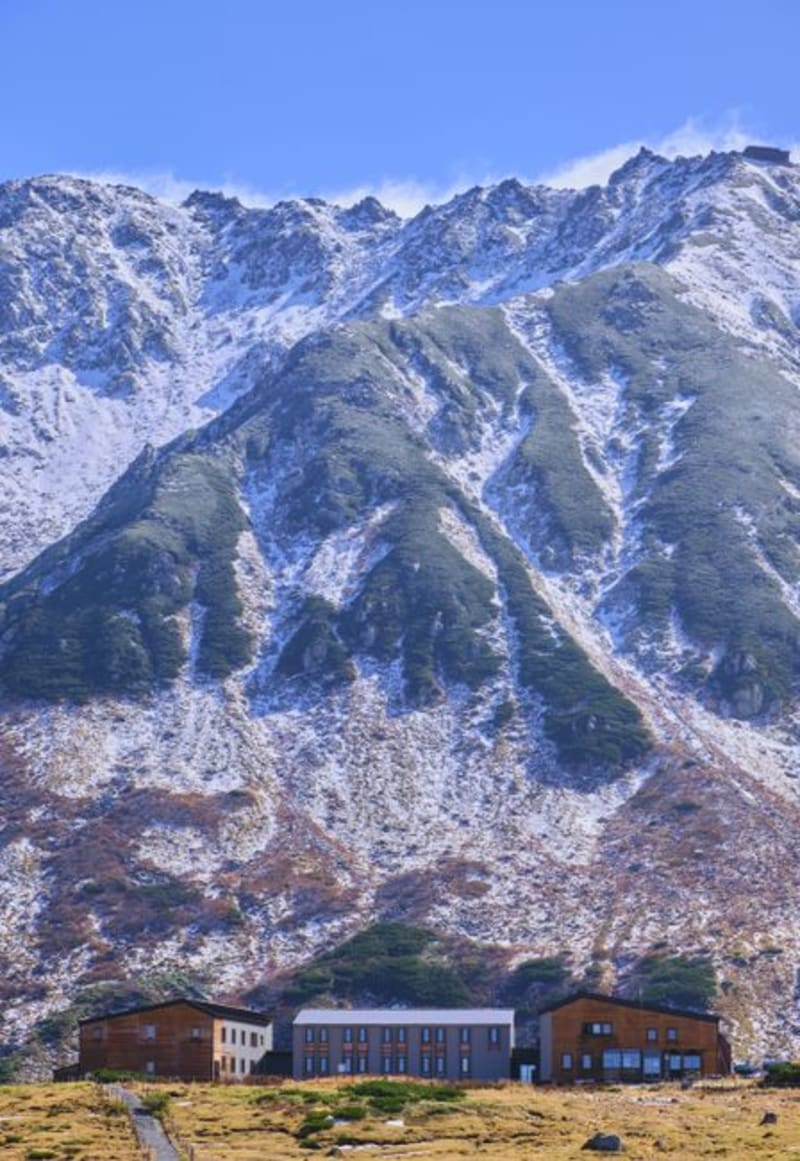 japan
Tateyama Kurobe Alpine Route
A spectacular high-mountain crossing linking Toyama and Nagano by cable car, bus and ropeway. Its wonders include the towering spring snow corridor, the great arc of the Kurobe Dam, and the wind-scoured Murodō plateau near the roof of Japan.
Explore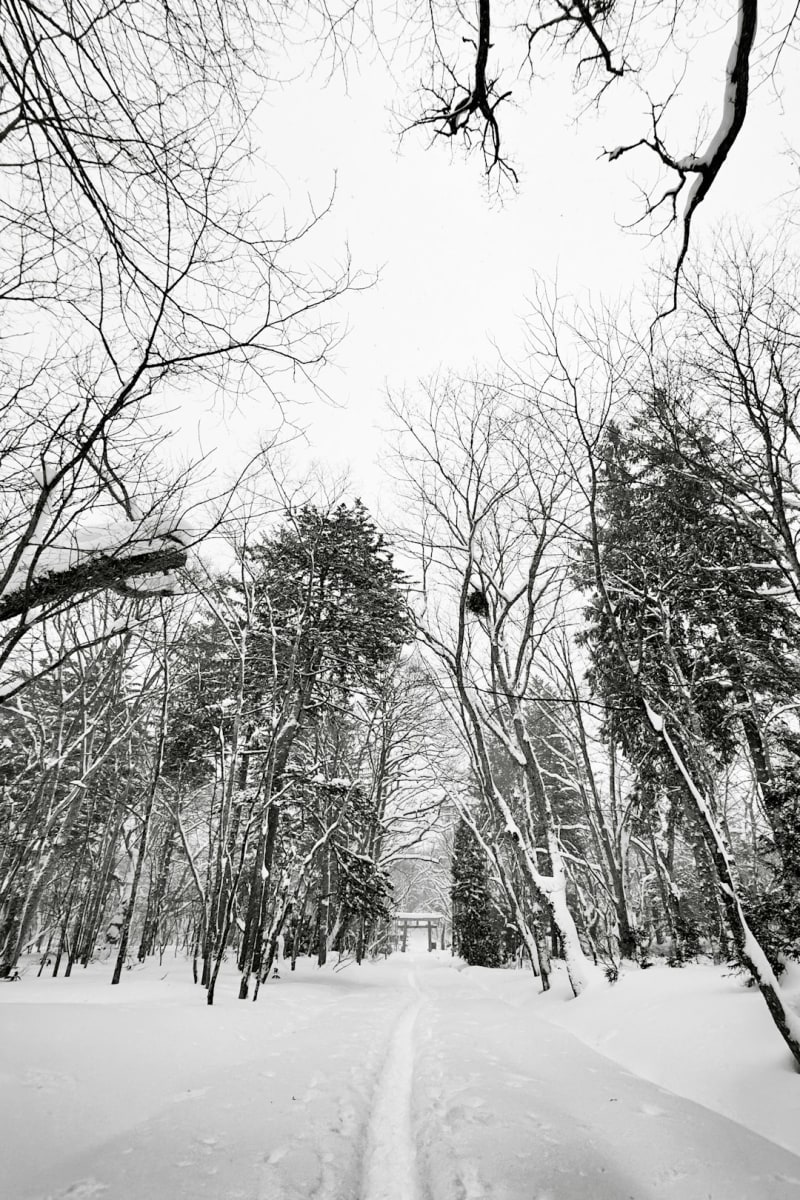 japan
Togakushi
A mountain village near Nagano that was the historical home of a famous ninjutsu school, its ninja village and cedar-lined shrine complex sitting side by side with dozens of soba restaurants.
Explore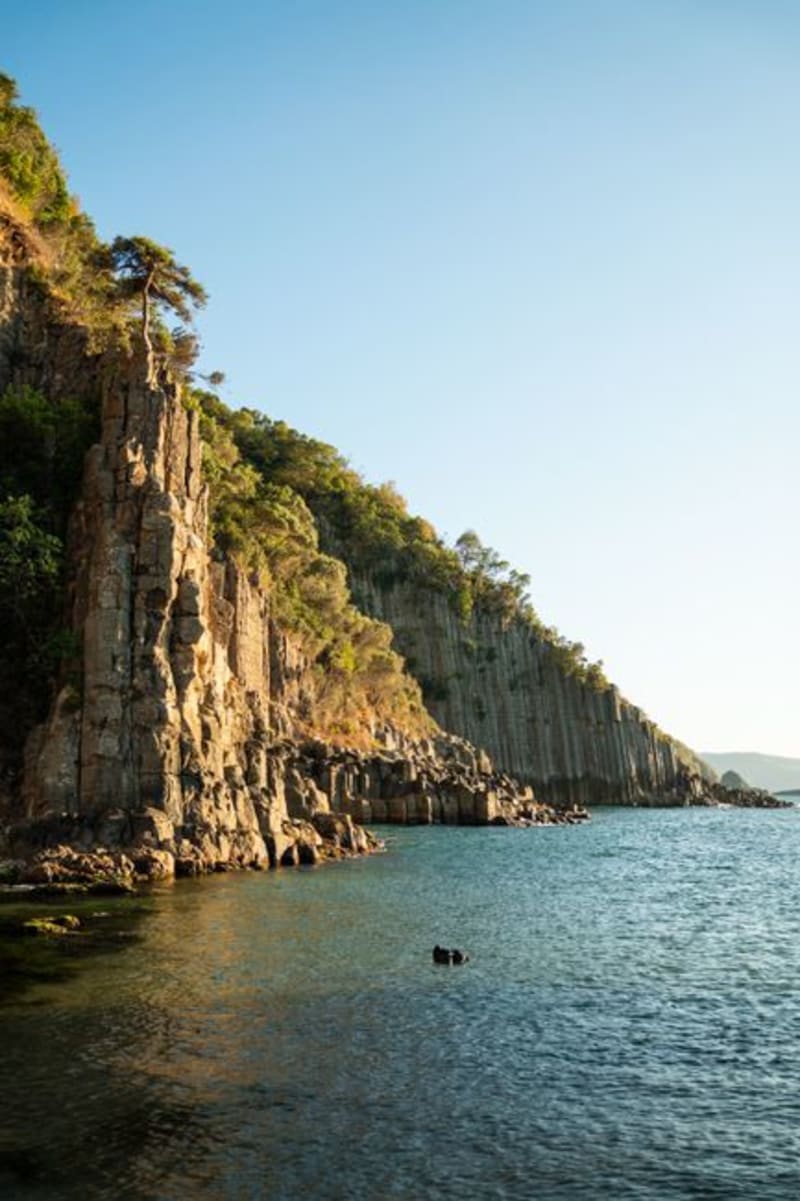 japan
Tojinbo
A mile of columnar basalt cliffs where the Sea of Japan hurls itself against pillars of stone so geometrically strange they look carved. The wind never really stops here, the surf booms in the hollows below, and the whole place carries a beauty that is not entirely comfortable.
Explore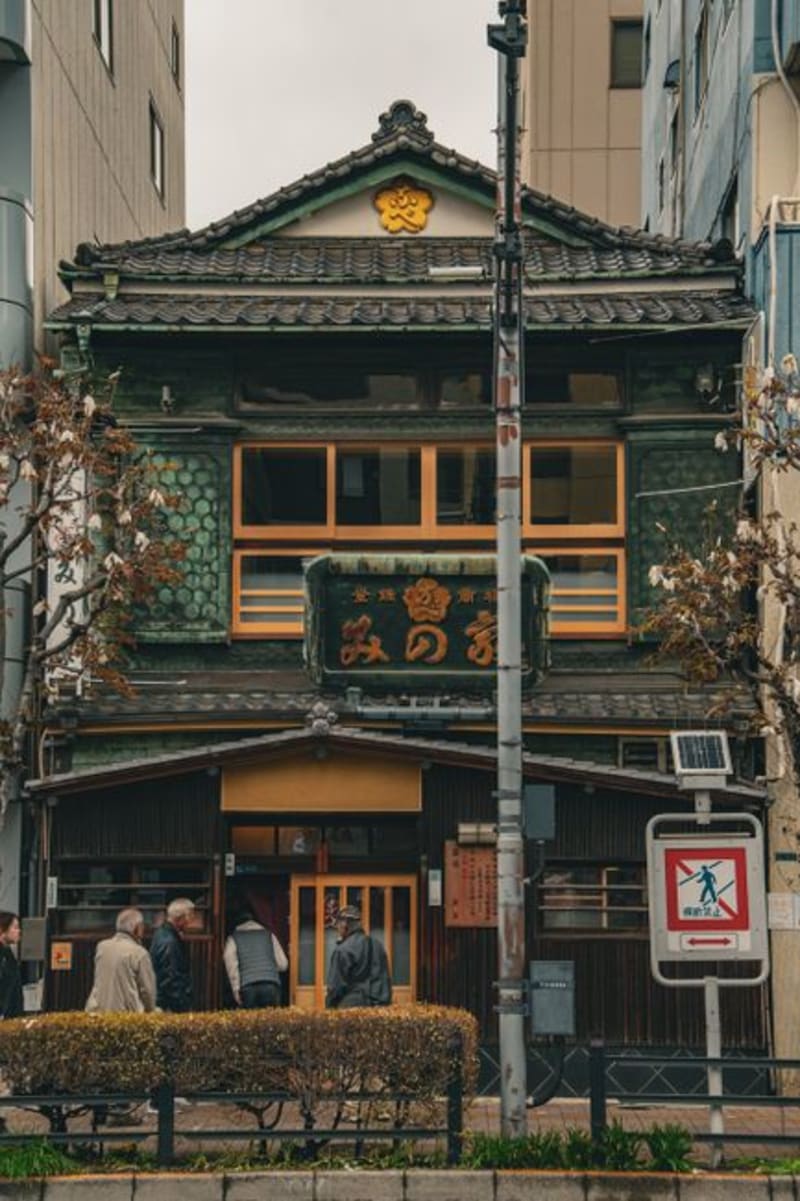 japan
Tokamachi
A snow-country city in Niigata that transforms every three years into the stage for the Echigo-Tsumari Art Triennale, its rice terraces and abandoned farmhouses becoming open-air galleries.
Explore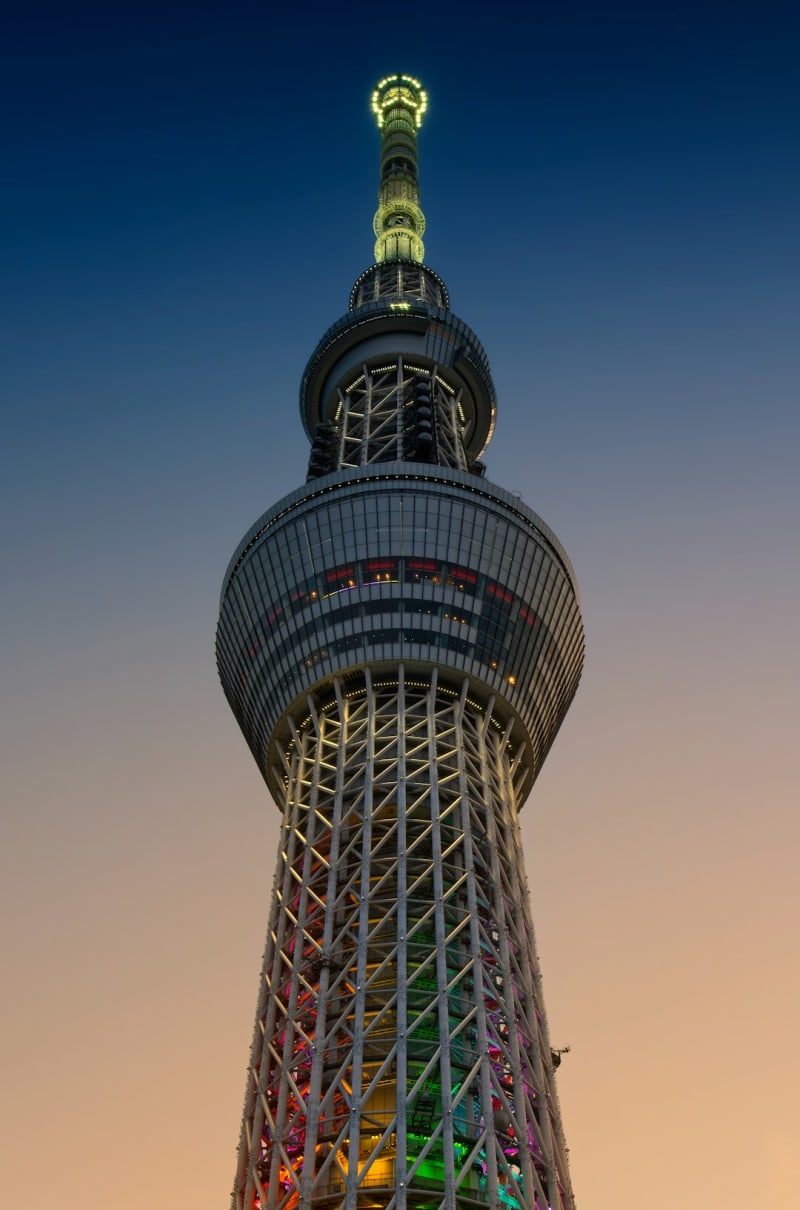 japan
Toyama
A clean, quietly modern bay city on the Sea of Japan, backed by the towering wall of the Tateyama alps. Famed for translucent white shrimp and glowing firefly squid, a dazzling glass-art museum, and its role as the eastern gateway to the Alpine Route.
Explore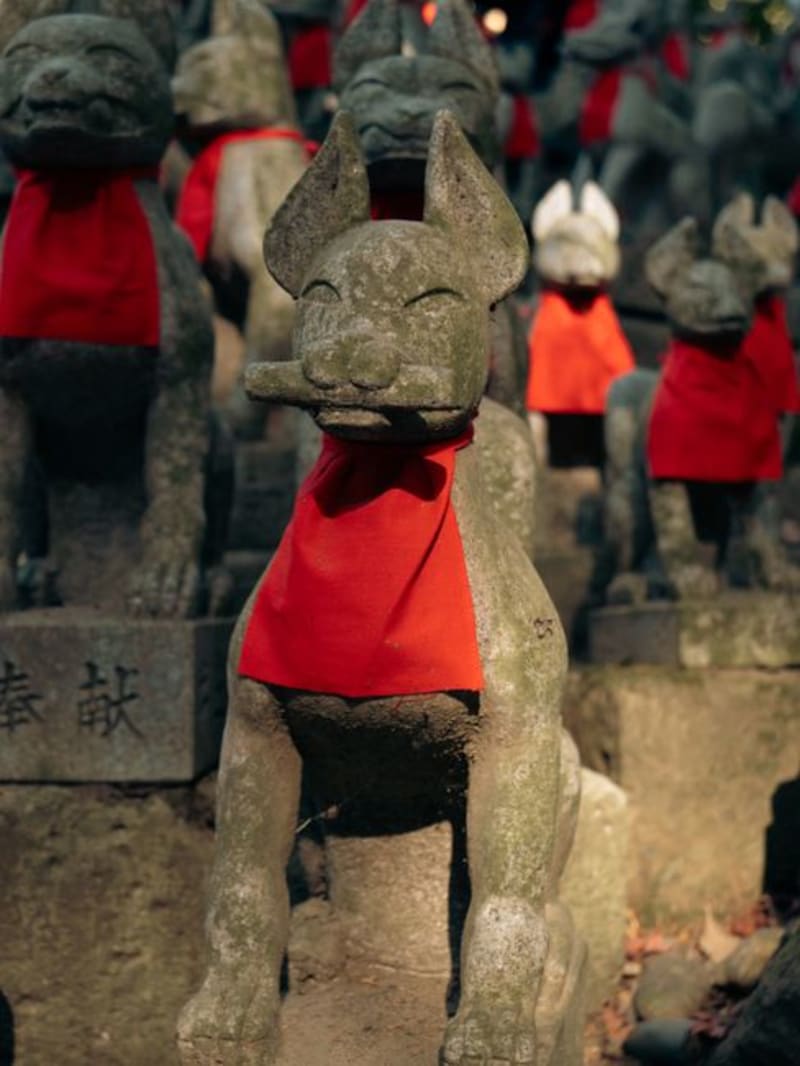 japan
Toyokawa Inari
A striking Zen Buddhist temple in Aichi that simultaneously worships the fox deity Inari, its hillside crowded with roughly a thousand red-bibbed stone fox statues each donated by a grateful believer.
Explore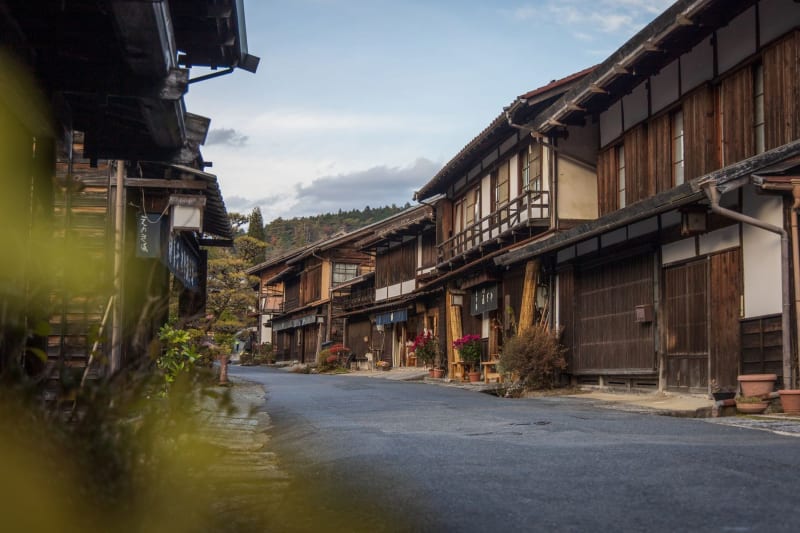 japan
Tsumago
A perfectly preserved Edo-period post town on the Nakasendo trail in the Kiso Valley, with cars banned from the main street.
Explore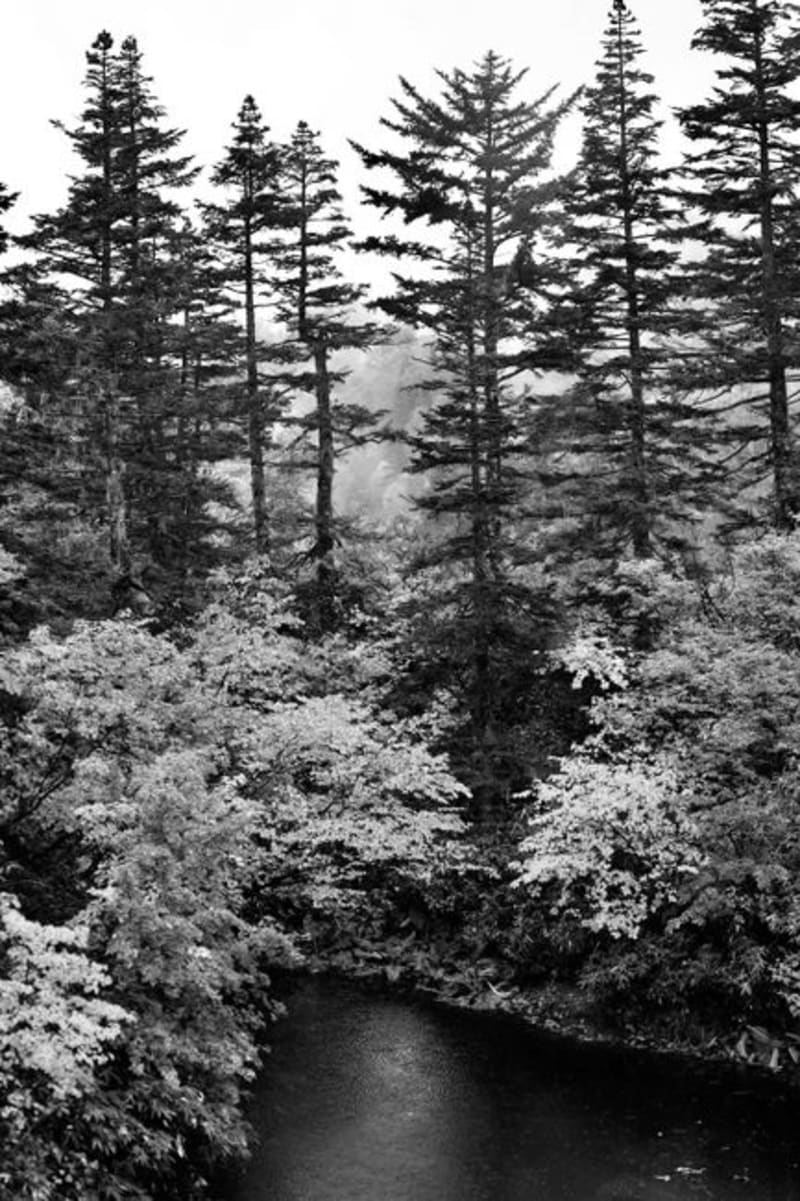 japan
Ueda
A Nagano castle town that once belonged to the Sanada, the samurai clan who twice humiliated far larger armies from behind these walls. Now it's a easygoing river town with a ruined keep, a temple-quiet hot spring called Bessho tucked in the hills, and a stubborn sense of its own history. We came for the castle and lingered for the baths.
Explore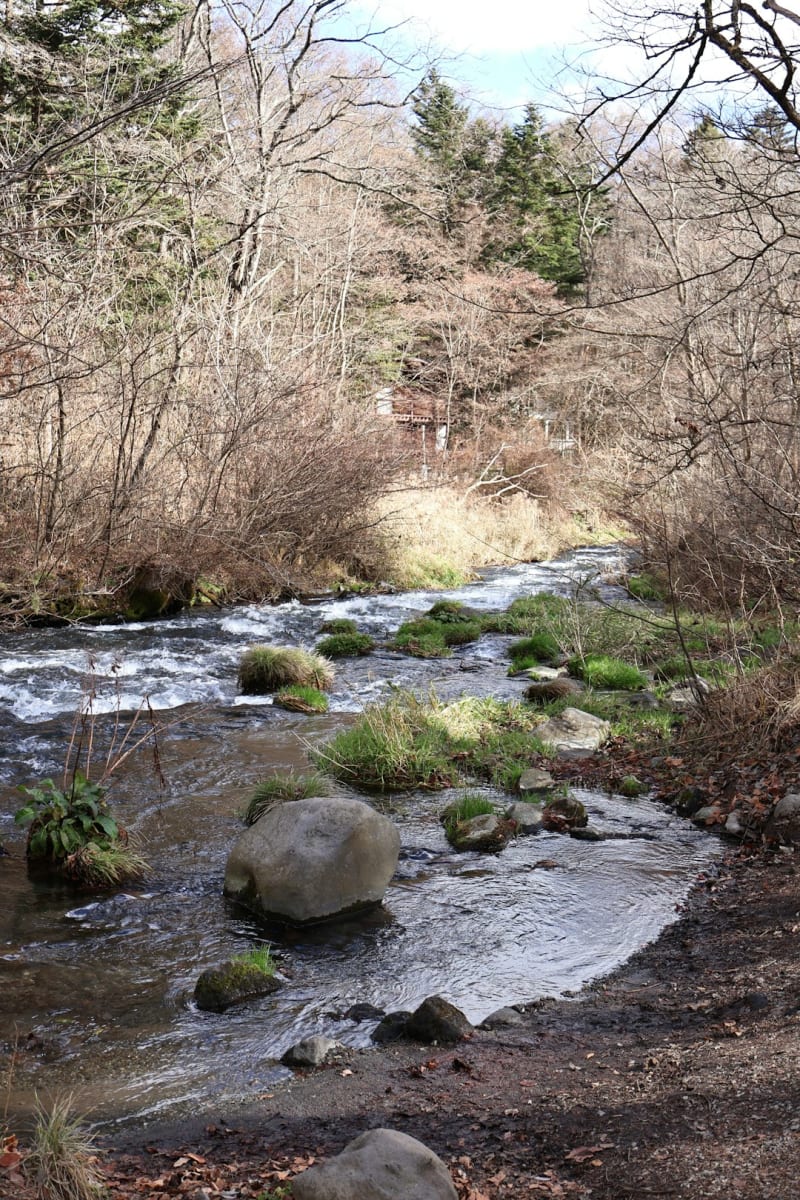 japan
Unazuki Onsen
A small hot-spring town at the mouth of Toyama's Kurobe Gorge, where clear alkaline water is piped down from a source high in the mountains and a little red train rattles off into one of the deepest ravines in Japan. It is a place of steam and cedar and the long whistle of the sightseeing railway. You come for the gorge; you stay for the bath.
Explore japan
Wajima
A weathered town on the wild tip of the Noto Peninsula, where a morning market has run for a thousand years, lacquer masters still lay gold onto black bowls, and rice terraces step down to the very edge of the Sea of Japan.
Explore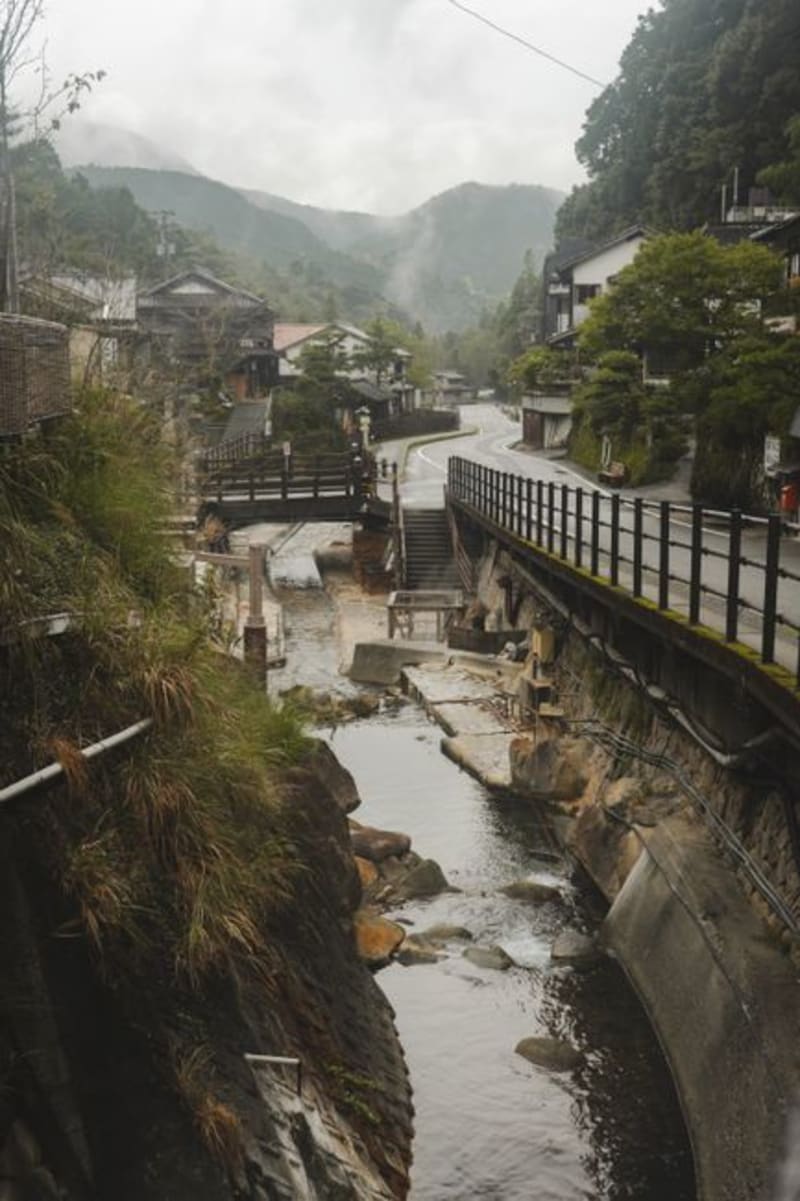 japan
Wakura Onsen
A hot spring town on the Noto Peninsula whose waters are pumped up from the seabed itself, legend crediting the discovery to a wounded white heron that once guided villagers there.
Explore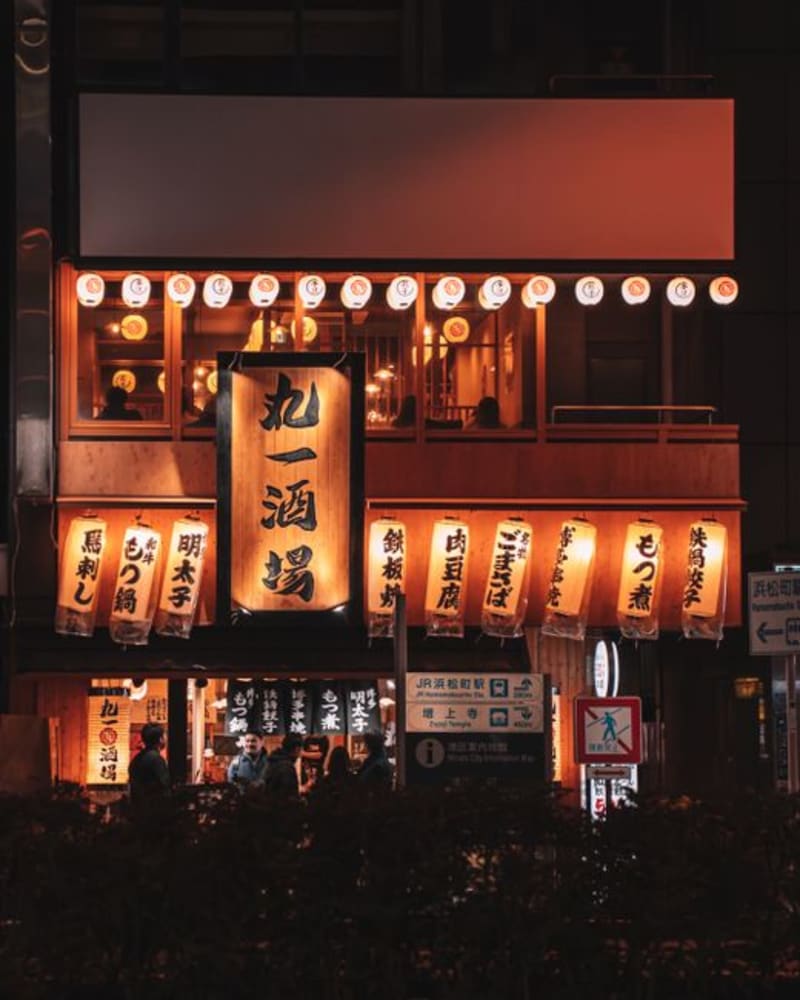 japan
Yahiko
A small Niigata village built around one of Japan's oldest and most venerated shrines, its cedar-lined approach and summit ropeway making for an easy, atmospheric day away from the coast.
Explore japan
Yoro
A Gifu waterfall town built around the legend of a spring that once flowed with sake instead of water, paired incongruously with a disorienting modern art park nearby.
ExploreKeep exploring
More from Japan
 japan
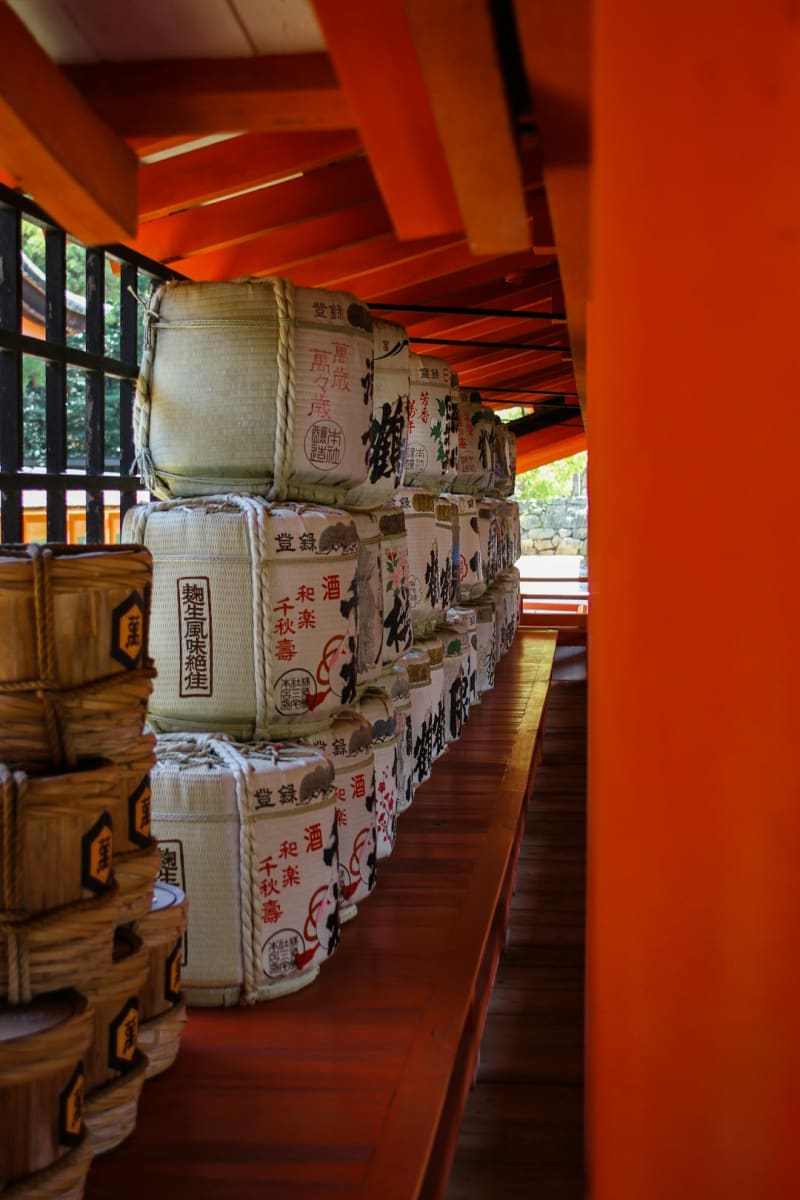
Chūgoku
The western tip of Honshū, a region shaped by memory, resilience, and quiet beauty. Here Hiroshima tells its story of loss and renewal, a great torii floats on the tide at Miyajima, canal towns preserve an older grace, and coastal dunes ripple down to the sea.
Explore japan
Hokkaidō
Japan's vast northern frontier, where the crowds thin and the land opens out into big skies, volcanic peaks, and rolling farmland. It is a place of deep snow and long, cool summers, of seafood pulled fresh from cold seas, and of a wildness you rarely feel elsewhere in the country.
Explore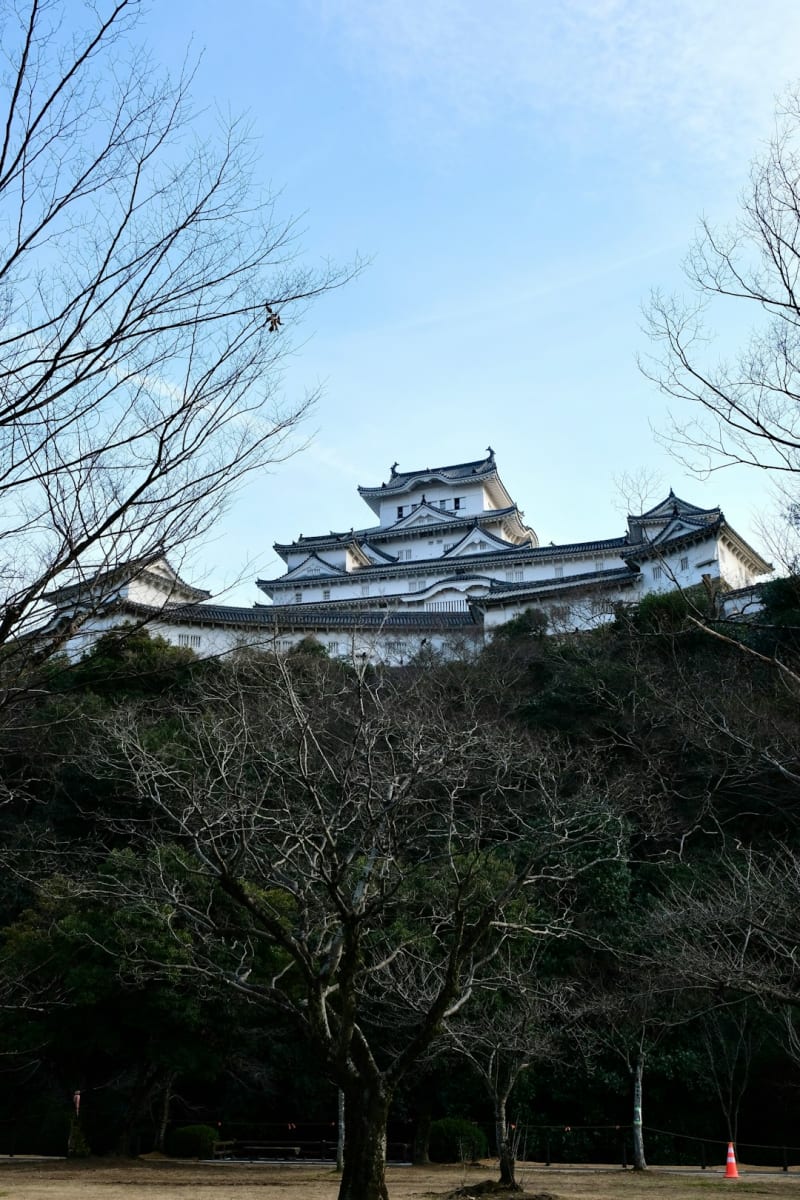 japan
Kansai
The cultural heartland of Japan, home to its old imperial capitals and their thousand temples and shrines. This is the region of Kyoto and Osaka, of pilgrimage trails and hilltop castles, of tea, food, and tradition kept vividly alive.
Explore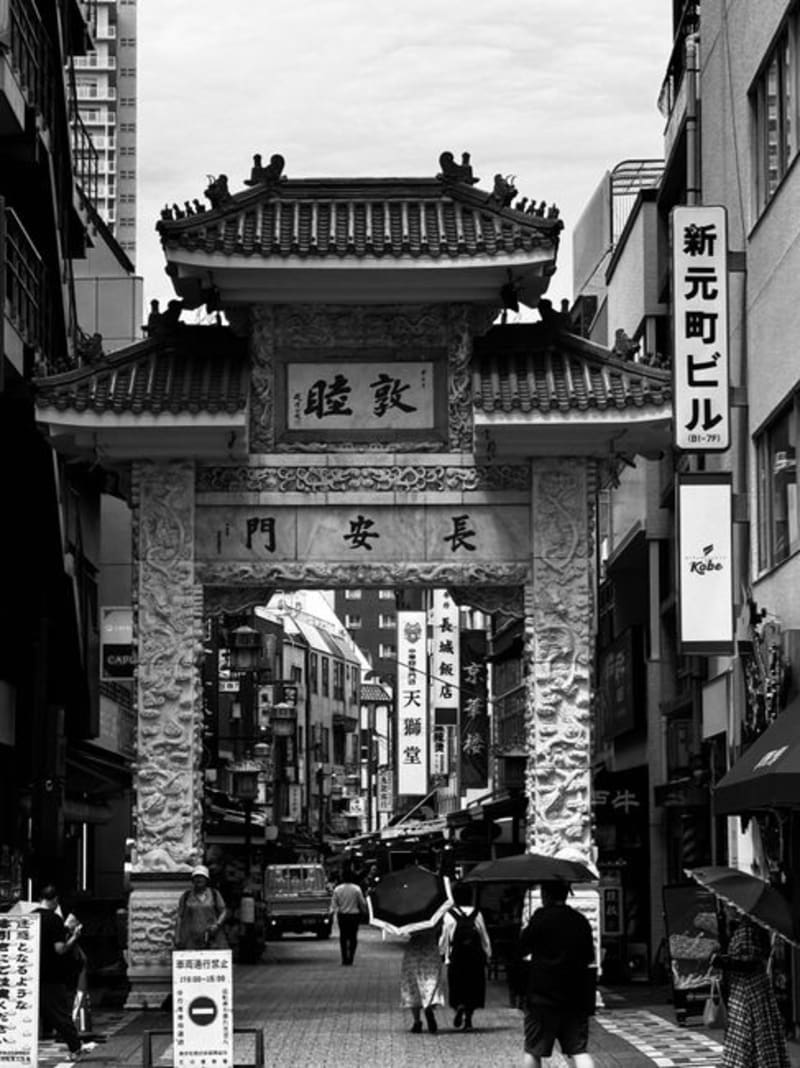 japan
Kantō
The great Tokyo plain — the beating heart of modern Japan and everything within easy reach of it. Around the endless capital lie ancient shrines, a historic coast, and hot-spring valleys, all close enough for a day's escape and back.
Explore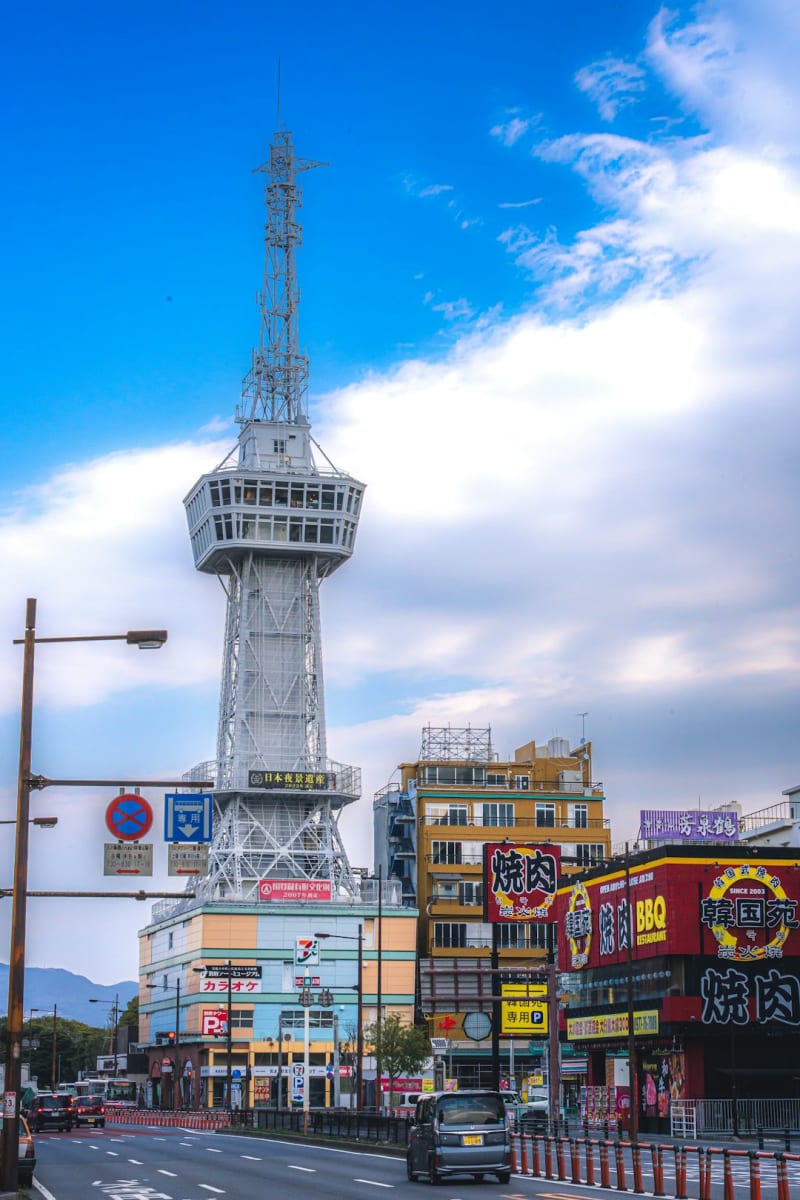 japan
Kyūshū & Okinawa
Japan's volcanic, subtropical south — a land of steaming hot springs, smoking craters, and deep history, trailing off into the far turquoise islands of Okinawa. Warm, elemental, and distinct, this is the country at its most southern and most sensory.
Explore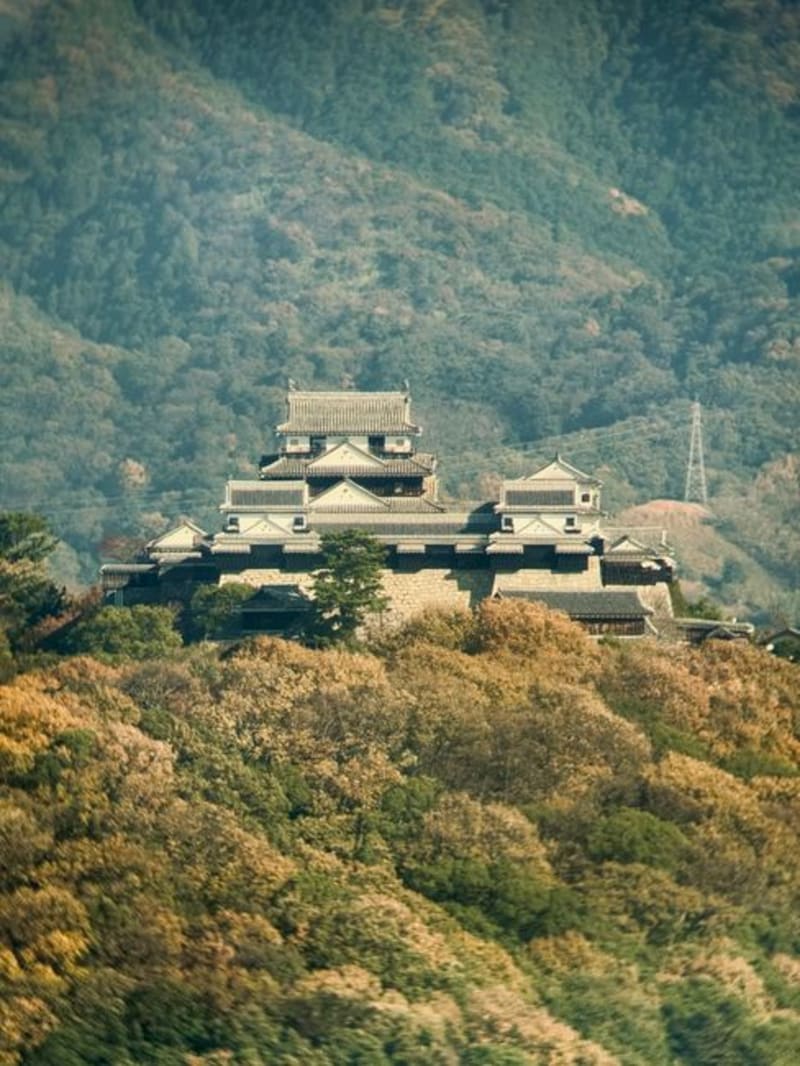 japan
Shikoku
The smallest and least-visited of Japan's main islands, a place of pilgrimage, ancient hot springs, and a quiet inland sea now studded with world-class contemporary art. Shikoku moves at its own unhurried pace, and rewards those who seek it out.
Explore