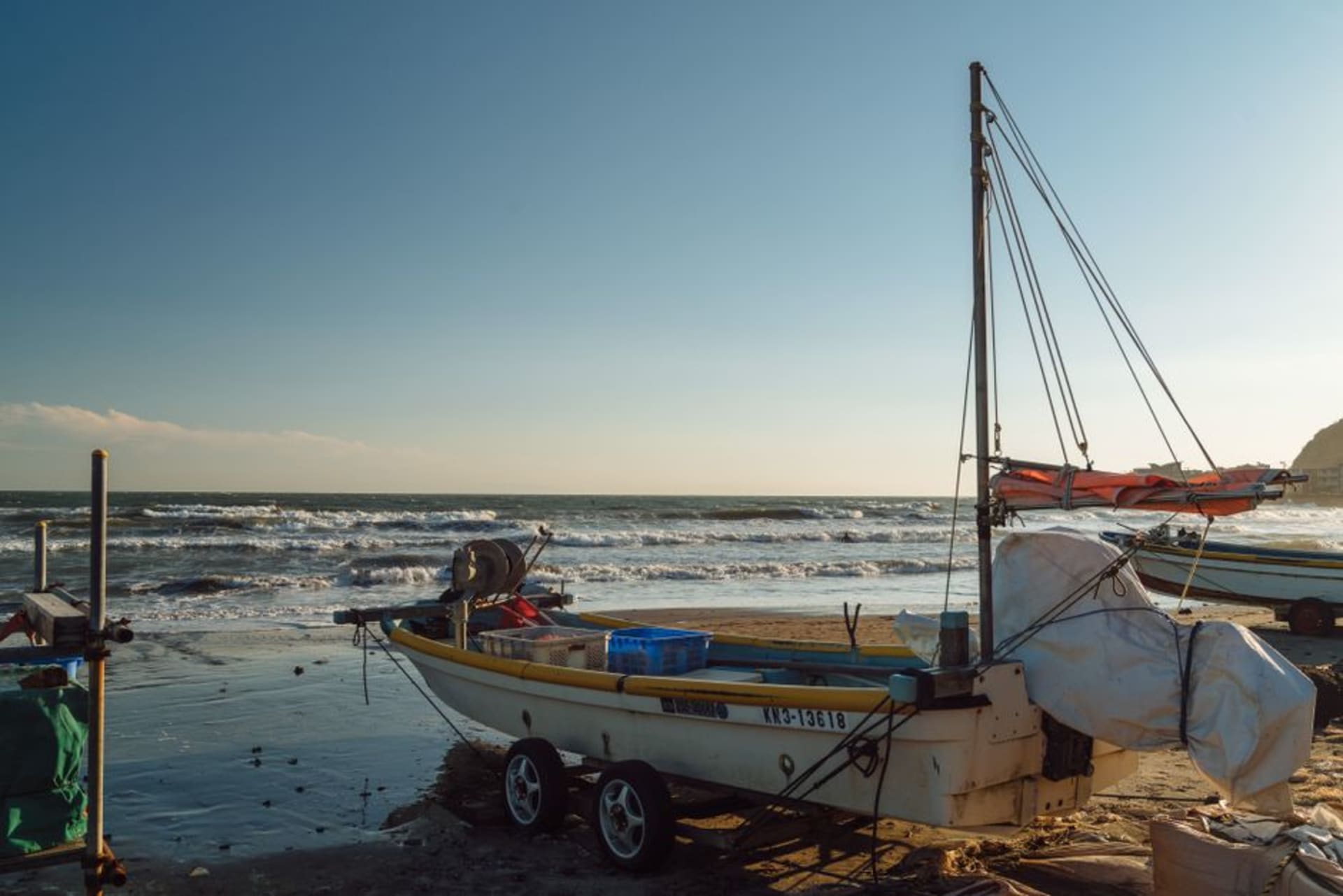
Mitsukejima
"Everyone here just calls it Gunkan-jima, and once you see the shape you understand why."
A small uninhabited rock island off the Noto Peninsula, nicknamed 'battleship island' for its silhouette, that you can walk out to at low tide and whose shape changed permanently after the 2024 earthquake.

We’d seen photos of Mitsukejima before we left, the way you see photos of most famous rock formations, and I assumed it would look smaller and less dramatic in person the way these things usually do. It didn’t. We arrived on the Suzu coast in the late afternoon, tide charts checked in advance because Lia had read that the low-tide sandbar was the whole point, and there it was — a rock island shaped so precisely like a warship’s hull that the local nickname, Gunkan-jima, felt less like a nickname and more like a plain description. Locals also credit its first sighting to the traveling priest Kukai, centuries ago, which gave the whole scene a strange layered weight, ancient legend and modern geology sitting right on top of each other.
Walking Out at Low Tide
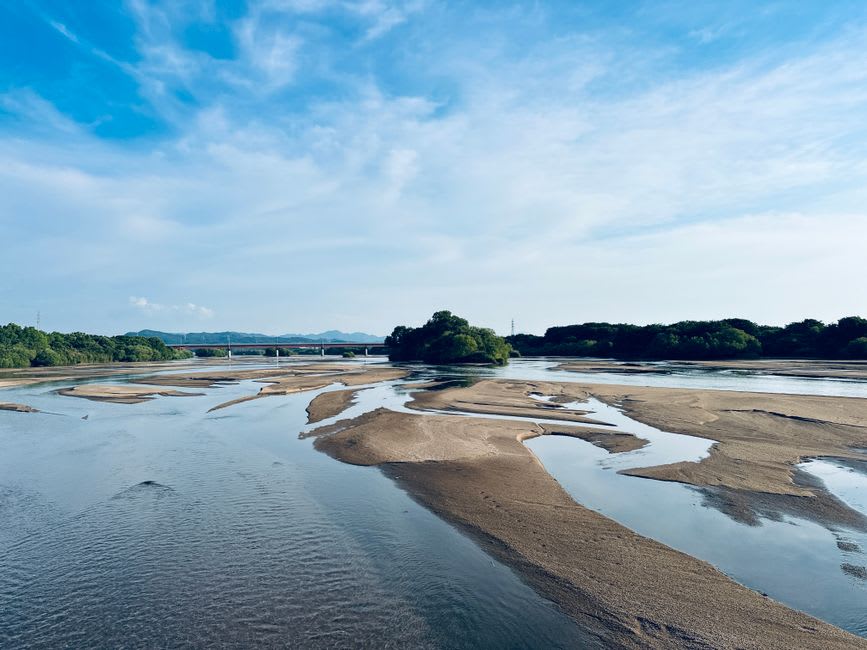
We timed our visit for a falling tide, and watching the sandbar emerge from the water was genuinely mesmerizing — first just a dark ridge under the surface, then a walkable strip of packed sand connecting the shore to the island’s base. Lia went first, testing the ground, and within a few minutes we were both standing at the foot of a rock that from the beach had looked entirely offshore and unreachable. Up close, the island’s pine-topped rock face is steeper and stranger than any photo suggests, streaked and undercut by centuries of tide. We didn’t try to climb it, out of both common sense and posted warnings, but simply standing on the sandbar at its base, waves lapping in from both sides, was its own quiet thrill.
A Silhouette Changed by the Earthquake
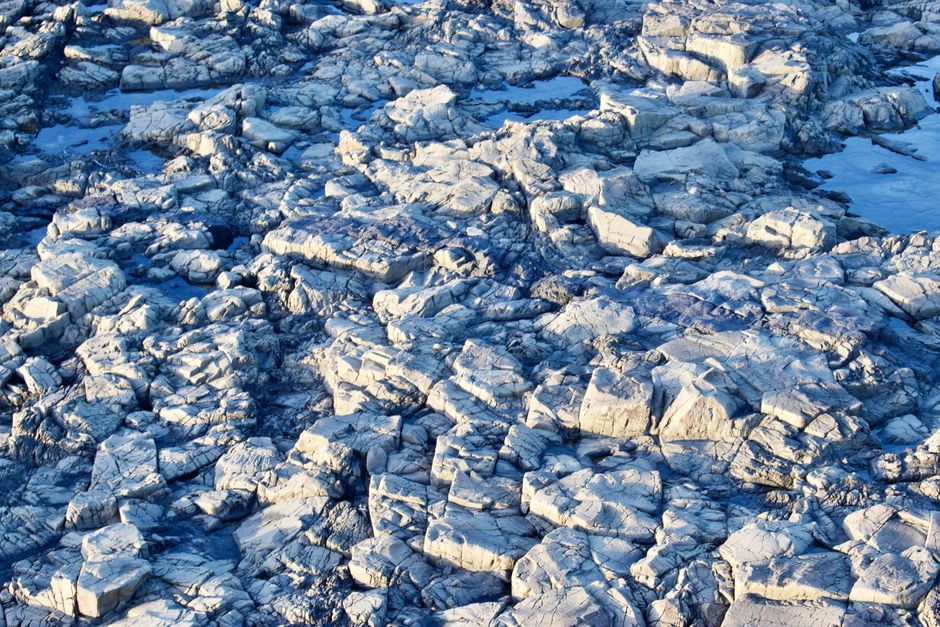
What we hadn’t fully processed until we were standing there is that the island we were looking at isn’t quite the island in the older guidebook photos. The 2024 Noto earthquake triggered a landslide that altered part of Mitsukejima’s silhouette, so the famous “battleship” profile everyone had shared online for years no longer matches exactly what you see today. It gave the whole visit a strange, sober undercurrent, a reminder that this stretch of the peninsula had been through something serious and recent, and that even a landmark this solid-looking wasn’t immune to it. We didn’t dwell on it out loud, but I noticed Lia looking at the rock face a little differently after that, aware of the freshly exposed pale stone where the landslide had torn away older growth.
The Coast Around It
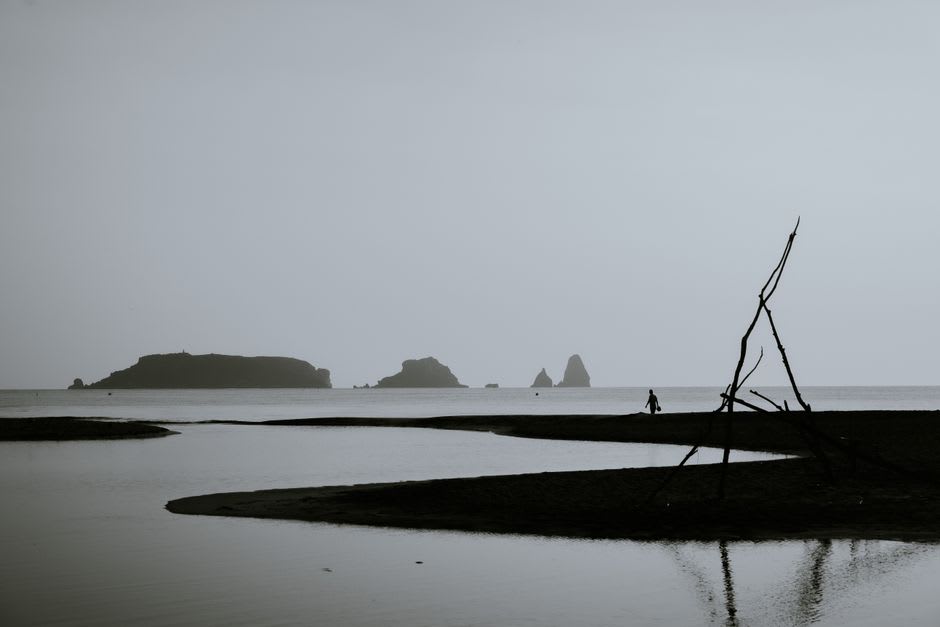
The small park and parking area around Mitsukejima make it an easy, unhurried stop, with a shrine gate near the shoreline and a handful of benches facing the island that seem built for exactly the kind of unhurried tide-watching we ended up doing. We stayed long enough to watch the tide turn and start swallowing the sandbar again, the whole shape of the place reversing itself in under an hour. It’s a small sight in terms of footprint, but it rewards patience more than almost anywhere else we visited on the peninsula, and it sits naturally on the way toward Suzu itself at the peninsula’s tip.
Getting There
Mitsukejima sits on the eastern coast of the Noto Peninsula near Suzu, and the practical way to reach it is by car, since the peninsula’s public transit is sparse beyond the main towns. From Kanazawa, it’s a long but scenic drive up the coast; alternatively, Noto Satoyama Airport offers a shorter approach with connecting bus or taxi services onward, and limited express buses also run from Kanazawa toward Suzu. Check tide tables before you go, since the sandbar is only walkable within a window either side of low tide, and rebuilding work in the area following the 2024 earthquake means it’s worth confirming current access before setting out.
Keep exploring
More of Chūbu
Keep exploring
More from Chūbu
 japan
japan Lake Motosu
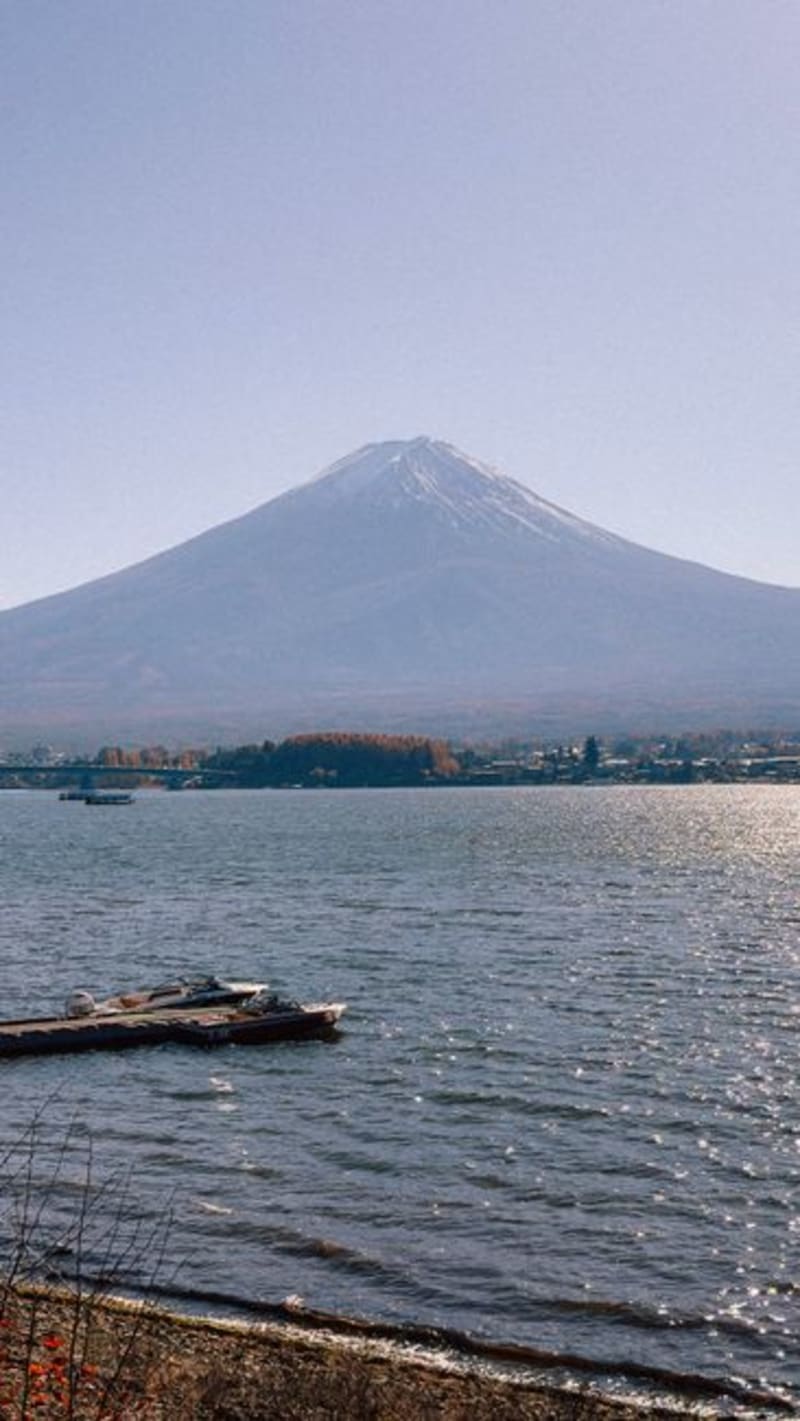
The deepest of the Fuji Five Lakes, so clear and still that on a windless morning it holds a second Mount Fuji upside down in the water. This is the exact view engraved on the back of the 1000-yen note. We came for the reflection and stayed for the silence.
Explore japan
japan Mt. Fuji
The sacred volcano, the iconic pagoda, and a view that no photograph has ever fully captured. Fuji is Japan's spiritual anchor.
Explore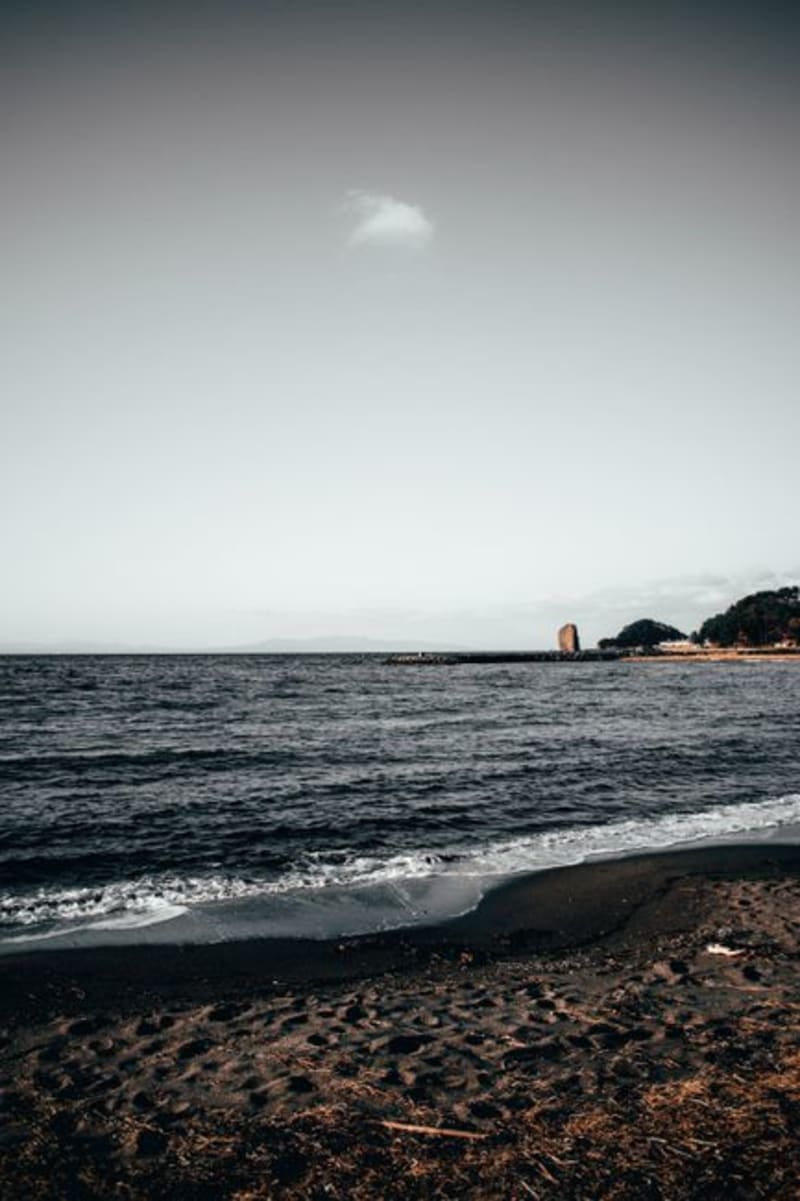 japan
japan Murakami
A Niigata castle town so devoted to salmon that whole rooms hang thick with fish curing in the winter air. Behind the black-latticed fronts of its old merchant houses live tea shops, sake brewers, and a way of using every last part of the salmon that borders on reverence.
Explore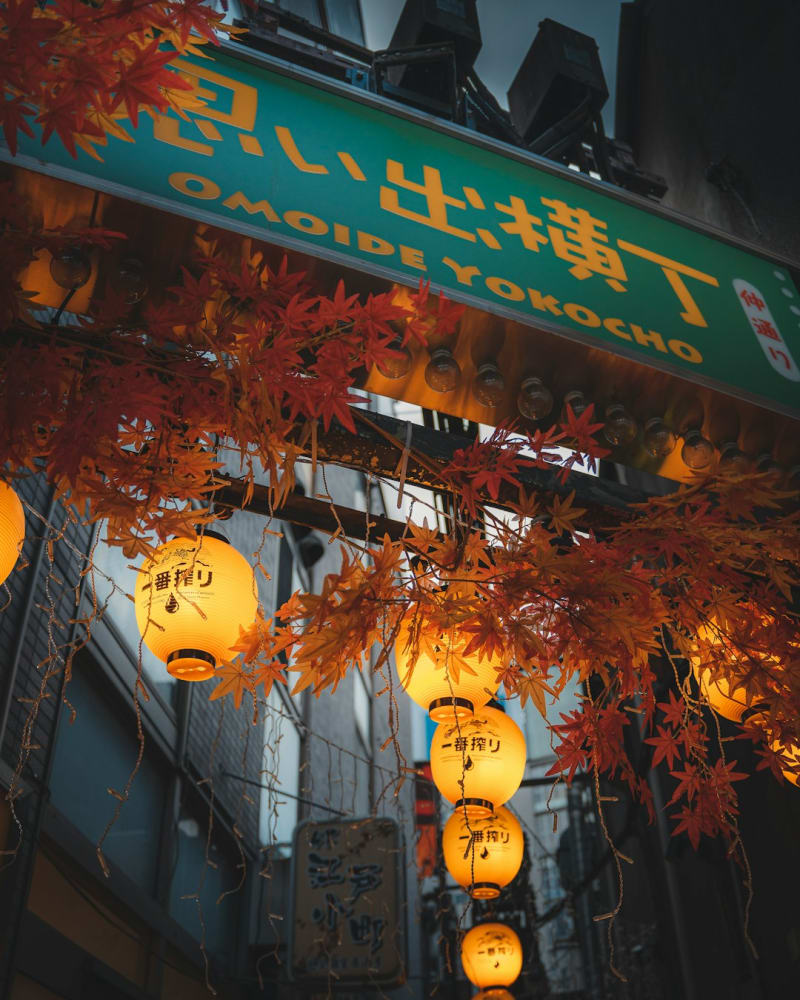 japan
japan Nagano
A mountain-ringed city built around Zenkō-ji, one of Japan's oldest and most welcoming temples, at the foot of the Northern Alps. A lively temple-approach street, honest soba, and a gateway to snow country and highland trails. Spiritual, brisk, and framed on every side by peaks.
Explore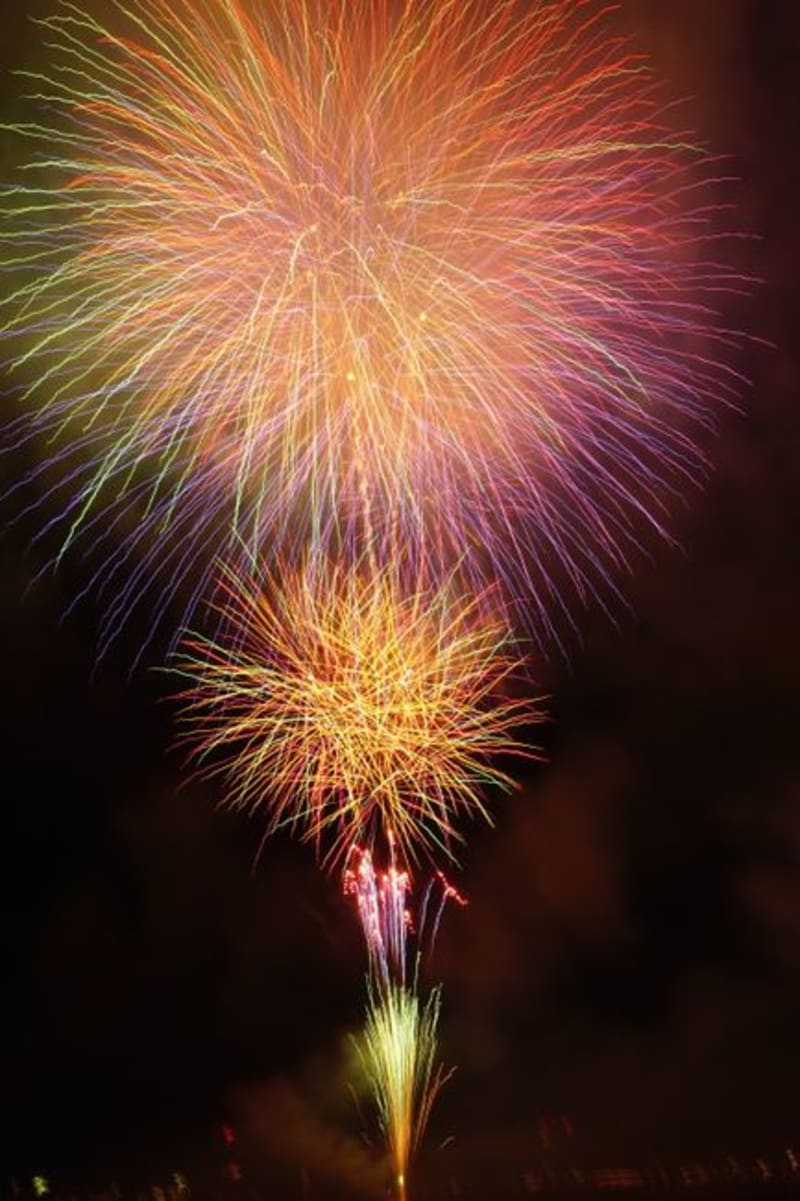 japan
japan Nagaoka
A working Niigata city on the wide Shinano river that saves its full heart for two nights each August, when the sky over the water fills with some of the largest fireworks in Japan. They are not a show. They are a memorial, and once you know that you never watch them the same way.
Explore japan
japan Nagoya
Japan's industrious fourth city, too often skipped between Tokyo and Kyoto. A golden-finned castle, an ancient forest shrine, and some of the heartiest food in the country.
Explore