Tokamachi
"We came looking for art and found ourselves standing in a rice field instead, which was rather the point."
A snow-country city in Niigata that transforms every three years into the stage for the Echigo-Tsumari Art Triennale, its rice terraces and abandoned farmhouses becoming open-air galleries.

Neither Lia nor I are especially devoted followers of contemporary art, so it says something about Tokamachi that it pulled us hours out of our way anyway. We’d read about the Echigo-Tsumari Art Triennale, one of the largest art festivals in the world, and been struck by the strangeness of its premise: instead of galleries, the artwork lives in this snow-country region’s abandoned farmhouses, disused schools, and working rice terraces, scattered across dozens of small hamlets rather than concentrated in any single venue. We arrived in late summer, driving between installations down narrow roads lined with rice that was just beginning to turn gold, and it felt less like visiting an art show and more like being handed a reason to actually look at the countryside.
Art in the Rice Fields
The installation that stayed with us longest wasn’t in any building at all — a piece set directly into a working rice terrace, using the shape of the paddies themselves as part of the work, so that from certain angles you couldn’t tell where the farming ended and the art began. We spent a long, quiet stretch of afternoon just walking the paths between terraces, finding sculptures tucked into hedgerows and reflective surfaces set up to catch the mountains behind them. Lia, who usually moves fast through anything labeled “art,” slowed right down here, and I think it was because none of it felt staged for a museum crowd. It felt like something growing directly out of the landscape it sat in.

Abandoned Houses Given a Second Life
Some of the most affecting pieces were inside old farmhouses that had been left empty as the region’s population aged and thinned, buildings the triennale had effectively adopted rather than restored to their original use. Walking through one such house, its old wooden beams and paper screens intact but its rooms filled with an artist’s installation of light and sound, gave the whole experience a melancholy undertone that I hadn’t expected from what I’d assumed would be a straightforwardly cheerful art festival. It’s clearly as much a project about rural depopulation and memory as it is about art for its own sake, and that combination is what makes Tokamachi’s version of things so different from any city gallery circuit.

Snow Country, Twice Over
Outside the triennale’s three-year cycle, Tokamachi doesn’t stop being interesting — it’s snow country in the truest sense, buried under meters of accumulation most winters, and the same rice terraces that hold art installations in summer become ski slopes and elaborate snow-art light displays once the season turns. We didn’t experience the winter side ourselves, but locals described it with real pride, snow piled to the eaves of houses and events built entirely around embracing rather than merely enduring the cold. It left me thinking Tokamachi is really two different, equally deliberate performances of the same landscape, art in one season and snow in the other.

Getting There
Tokamachi is reached via the Hokuhoku Line, with a transfer at Echigo-Yuzawa from the Joetsu Shinkansen line out of Tokyo, putting it within a few hours of the capital door to door. Because the Echigo-Tsumari Art Triennale’s installations are scattered across a wide rural area, a rental car makes a real difference once you arrive, and the tourist information office in town can point you toward whichever installations are open outside the main triennale years. If you’re coming in winter for the snow rather than the art, confirm current conditions ahead of time, since heavy snowfall can affect both roads and train schedules in the region.
Keep exploring
More of Chūbu
Keep exploring
More from Chūbu
 japan
japan Toyama
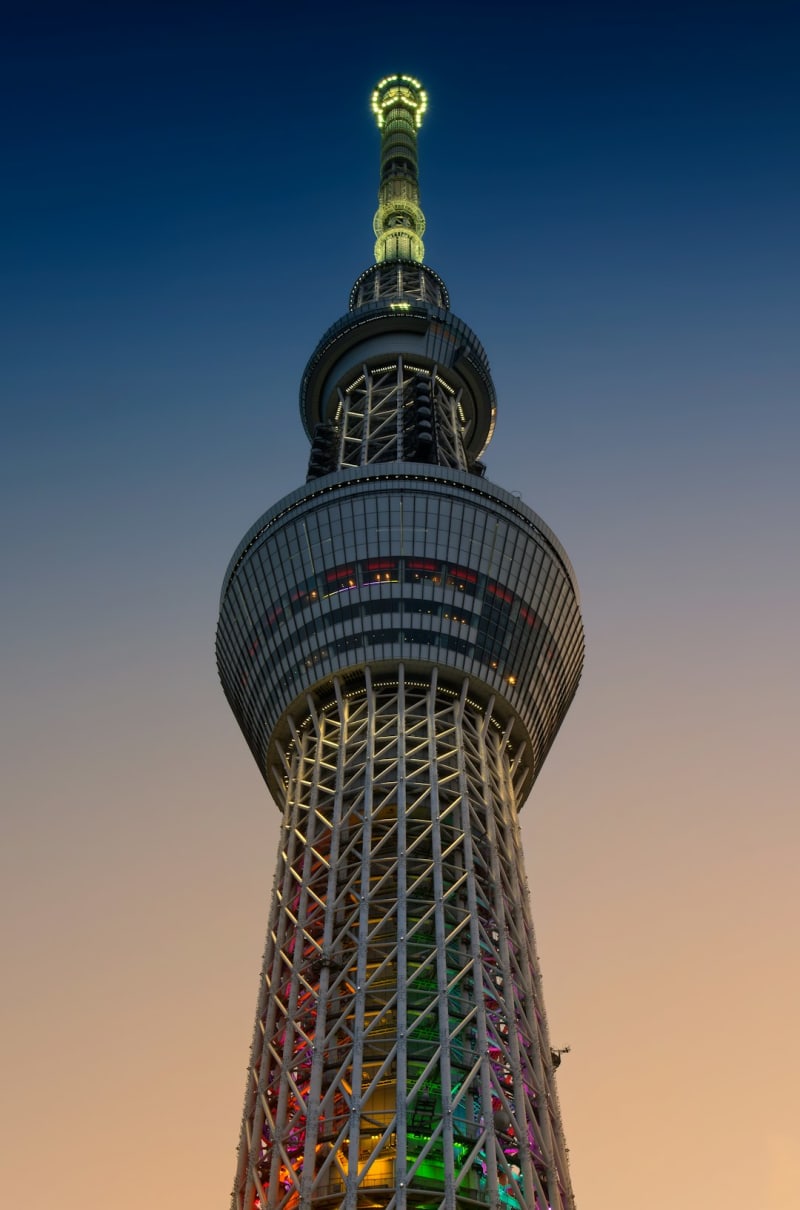
A clean, quietly modern bay city on the Sea of Japan, backed by the towering wall of the Tateyama alps. Famed for translucent white shrimp and glowing firefly squid, a dazzling glass-art museum, and its role as the eastern gateway to the Alpine Route.
Explore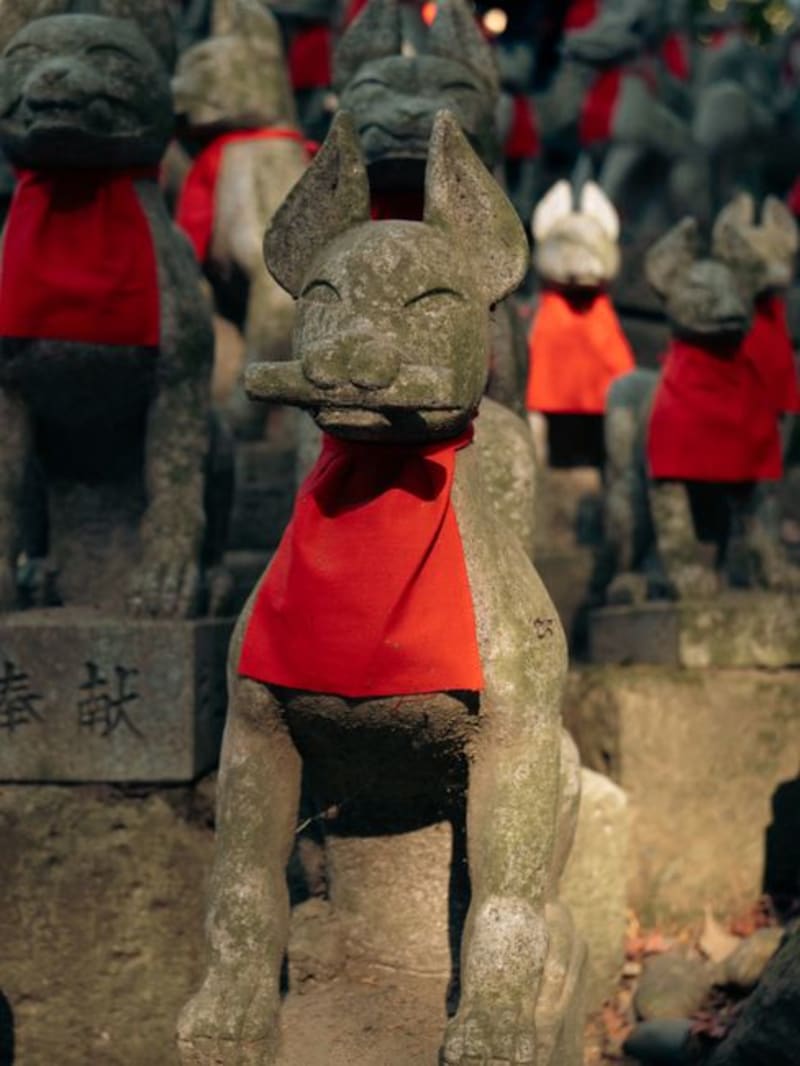 japan
japan Toyokawa Inari
A striking Zen Buddhist temple in Aichi that simultaneously worships the fox deity Inari, its hillside crowded with roughly a thousand red-bibbed stone fox statues each donated by a grateful believer.
Explore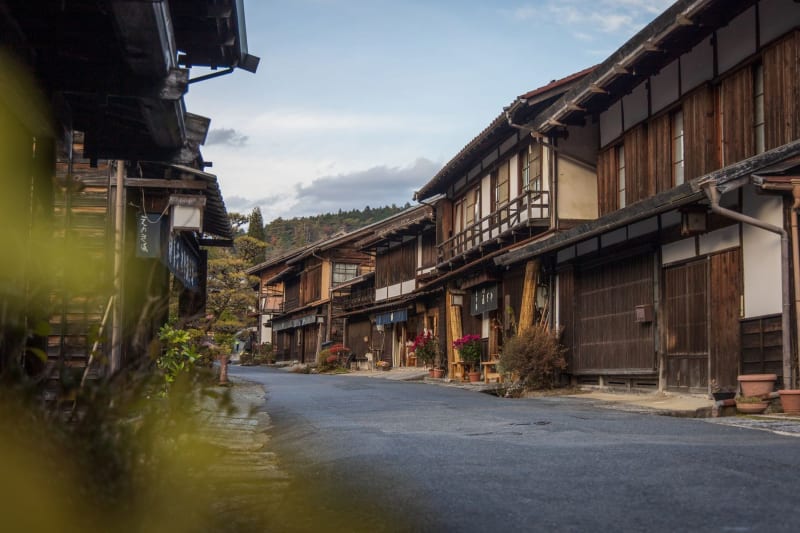 japan
japan Tsumago
A perfectly preserved Edo-period post town on the Nakasendo trail in the Kiso Valley, with cars banned from the main street.
Explore japan
japan Ueda
A Nagano castle town that once belonged to the Sanada, the samurai clan who twice humiliated far larger armies from behind these walls. Now it's a easygoing river town with a ruined keep, a temple-quiet hot spring called Bessho tucked in the hills, and a stubborn sense of its own history. We came for the castle and lingered for the baths.
Explore japan
japan Unazuki Onsen
A small hot-spring town at the mouth of Toyama's Kurobe Gorge, where clear alkaline water is piped down from a source high in the mountains and a little red train rattles off into one of the deepest ravines in Japan. It is a place of steam and cedar and the long whistle of the sightseeing railway. You come for the gorge; you stay for the bath.
Explore japan
japan Wajima
A weathered town on the wild tip of the Noto Peninsula, where a morning market has run for a thousand years, lacquer masters still lay gold onto black bowls, and rice terraces step down to the very edge of the Sea of Japan.
Explore