
Yoro
"An empress bathed in this exact water and renamed the whole era after it, Lia said, like that was a normal thing to do."
A Gifu waterfall town built around the legend of a spring that once flowed with sake instead of water, paired incongruously with a disorienting modern art park nearby.

We went to Yoro for a waterfall and left having spent most of our time being pleasantly baffled by a piece of modern art. That’s not a complaint, just an honest summary of how the day actually unfolded. Lia had read the legend behind Yoro Falls, a story about a woodcutter who found a spring flowing with sake rather than water and used it to cure his ailing, blind father, a tale so celebrated in its time that a visiting empress reportedly bathed in the same falls and renamed the entire era Yoro in its honor. That kind of origin story is hard to resist, and the drive up into the Gifu hills to see the source of it felt appropriately reverent, right up until we found the art park next door.
The Falls That Renamed an Era
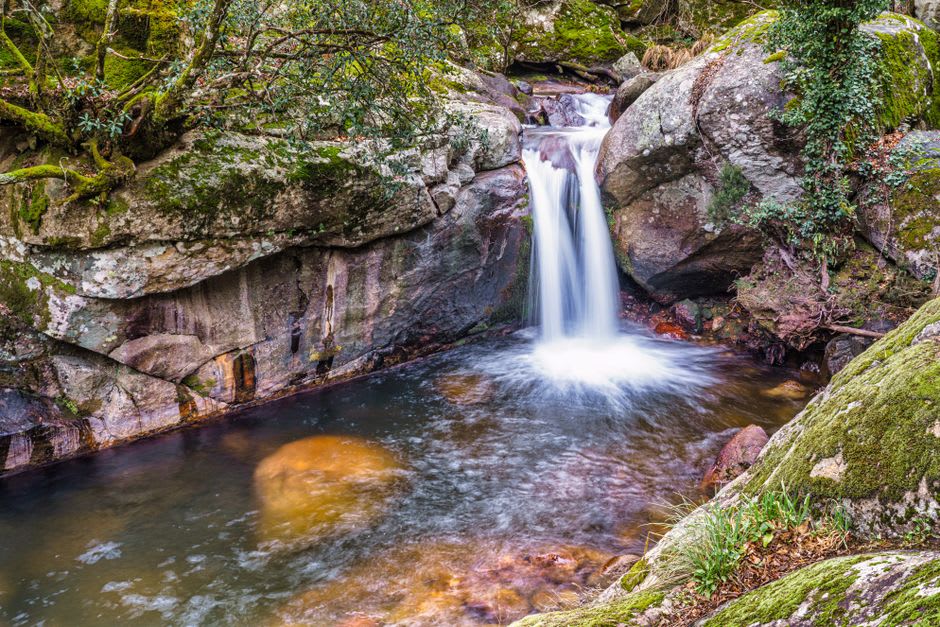
Yoro Falls itself earns its reputation as one of Japan’s finer waterfalls without needing the legend to prop it up, a tall, narrow cascade dropping through mossy rock into a clear pool, framed by a walking path that climbs gently through forest to reach it. Standing at the base, mist drifting over us in the afternoon heat, it wasn’t hard to understand why the legend took root here specifically rather than at any of the dozen other waterfalls we’d passed on the drive up. Lia read the placard describing the woodcutter’s story twice, clearly enjoying both its earnestness and its total lack of plausibility, and we lingered at the pool longer than we’d planned, cooling off in the spray before continuing on.
Following the Path Up
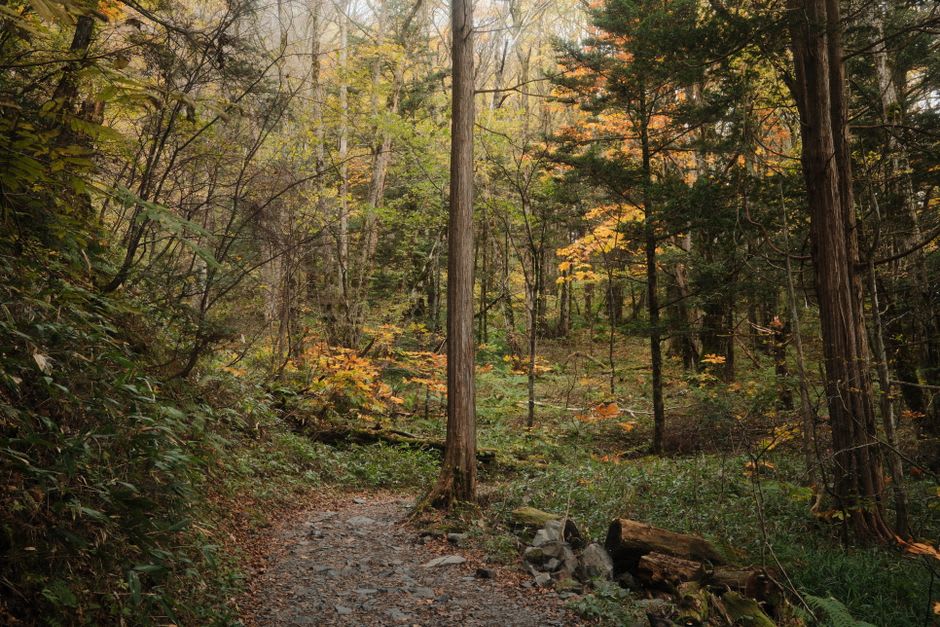
The trail up to the falls follows the stream through dense forest, crossing small footbridges and passing shrines and rest stops that other visitors, mostly local families, were using for picnics along the way. It’s an easy, well-shaded walk rather than a demanding hike, which made it a pleasant midday counterpoint to some of the steeper trails we’d tackled elsewhere in the region. We stopped at a small teahouse near the base to drink something cold before heading back down, and it was there that a shop owner first mentioned, almost as an aside, that the odd building we might have noticed on our way in was actually a deliberately disorienting art installation.
The Art Park That Tilts the Ground
That aside turned out to be an understatement. The Site of Reversible Destiny park sits within walking distance of the falls, and it is, without exaggeration, one of the strangest built environments either of us has ever walked through — sloped floors, tilted rooms, and disorienting color schemes designed specifically to unsettle your sense of balance and perspective. We spent a good hour stumbling through it, laughing more than either of us expected, Lia grabbing my arm at one point on a floor that genuinely refused to let either of us walk in a straight line. Coming right after the calm, legend-soaked reverence of the falls, the whiplash between the two experiences was, honestly, the best part of the whole day.
Getting There
Yoro is reached via the Yoro Railway from Ogaki Station, itself on the JR Tokaido Main Line, with the short branch-line ride to Yoro Station taking well under half an hour. From the station, both Yoro Park and the falls, along with the Site of Reversible Destiny art park, are within an easy walk. It makes a comfortable half-day trip if you’re already routing through Gifu or Ogaki, and pairing the waterfall walk with the art park gives the visit a nice contrast between quiet legend and deliberate strangeness.
Keep exploring
More of Chūbu
Keep exploring
More from Chūbu
 japan
japan Atami
A retro seaside hot-spring resort on the Izu coast of Shizuoka, an easy hop from Tokyo, where hillside ryokan look down over the bay, summer fireworks burst above the water, and a nostalgic Shōwa-era holiday air is quietly coming back into fashion.
Explore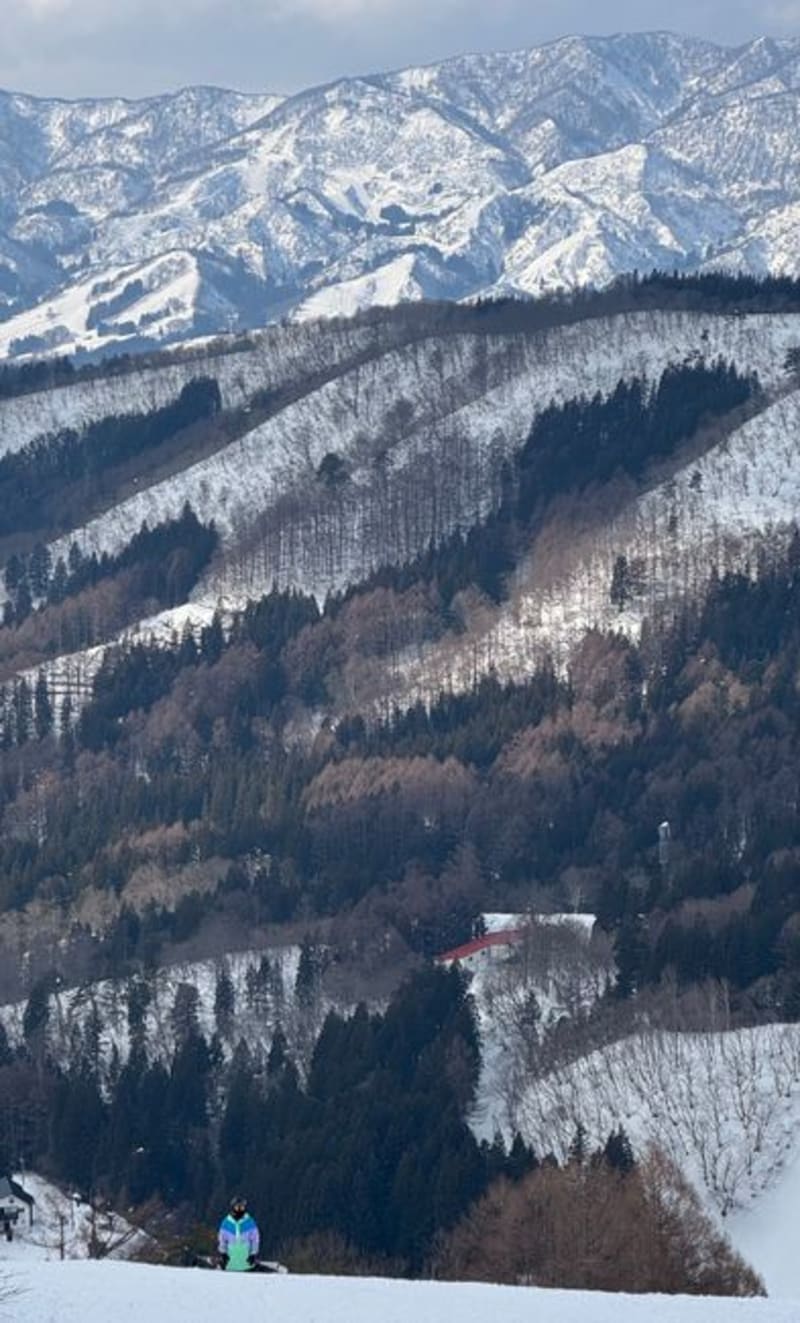 japan
japan Bessho Onsen
A hot-spring hamlet folded into the hills above Ueda, so old and quiet that people call it the little Kamakura of the mountains. Ancient temples lean over narrow lanes, steam drifts from public bathhouses, and the whole valley smells faintly of sulphur and cedar.
Explore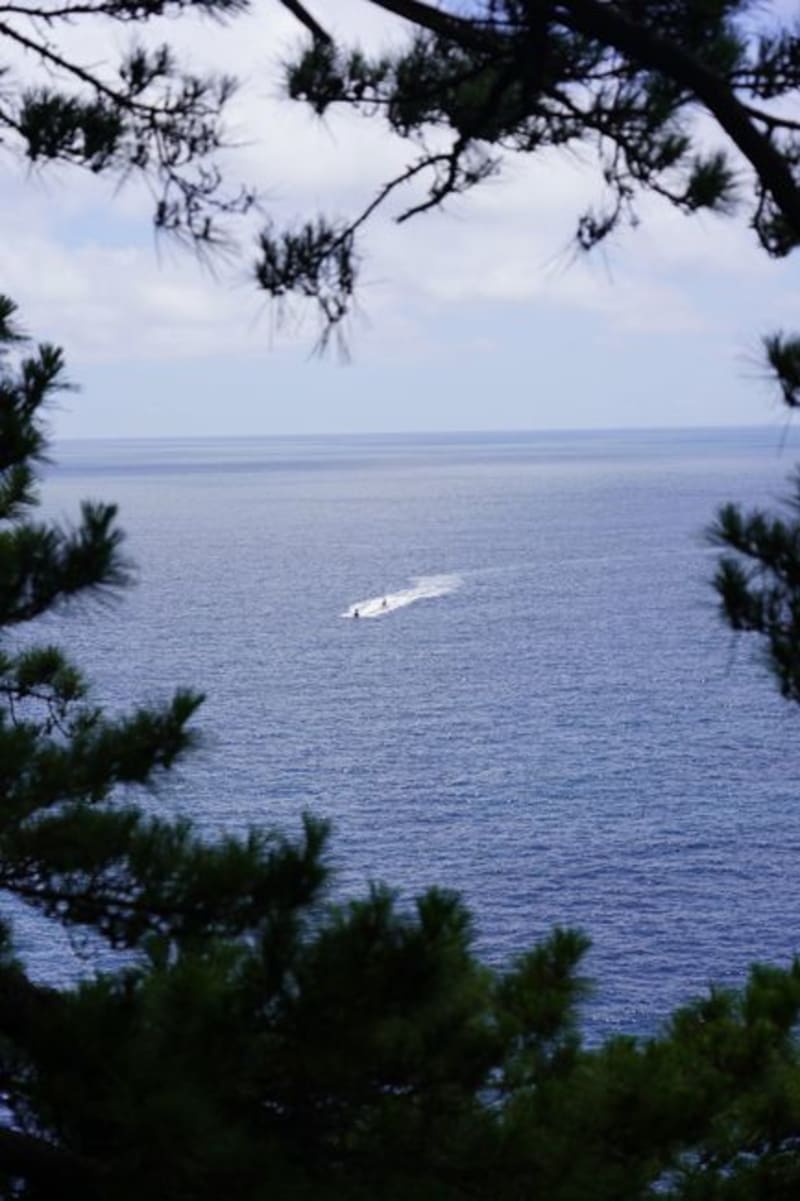 japan
japan Dogashima
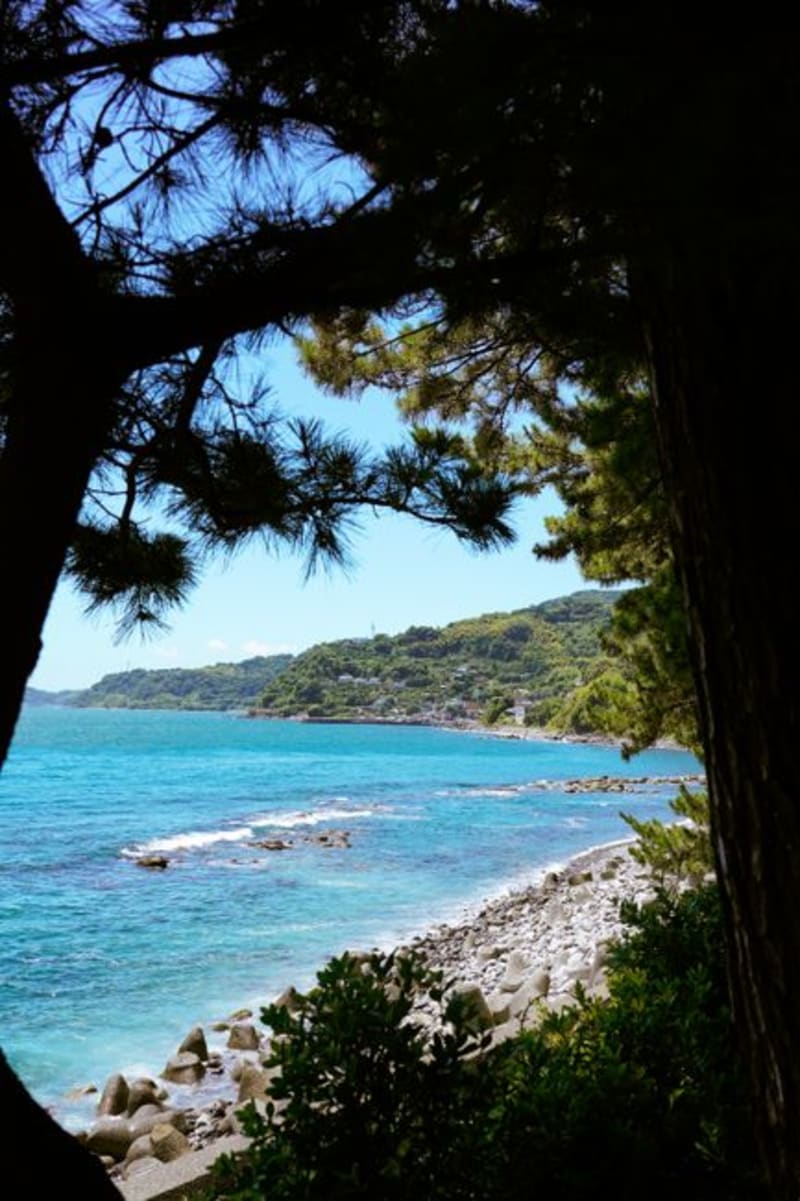
West Izu's sculpted coast of tortured rock islets, a collapsed sea cave open to the sky, and sunsets that stop conversation. Lia and I timed our whole day to end here, on the rocks, facing the light. It was the right decision.
Explore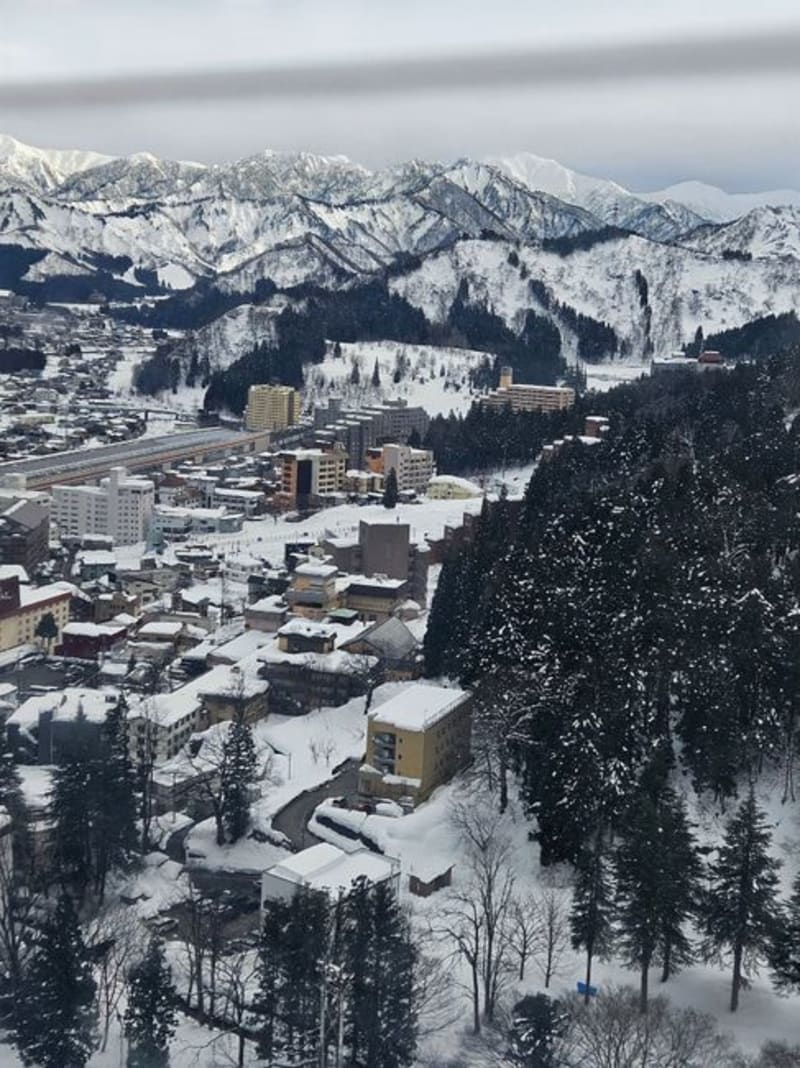 japan
japan Echigo-Yuzawa
A snow-country hot-spring town where the express train bursts out of a nine-kilometre tunnel into a white silence. Kawabata set his most famous novel here, and you understand why the moment the doors open. We came for one night and stayed three.
Explore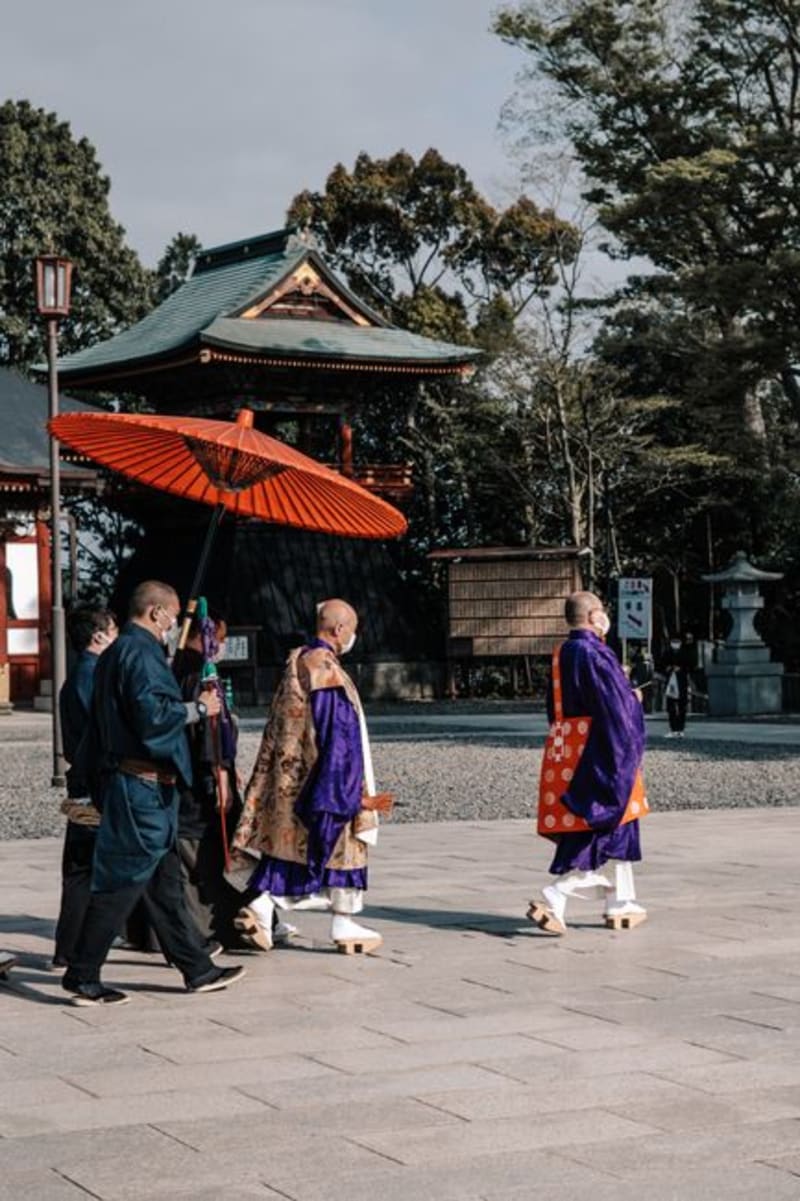 japan
japan Eiheiji
A great working Sōtō Zen training monastery deep in the cedar forests of Fukui. Founded in the thirteenth century, its wooden halls climb a mossy hillside linked by covered stairways, and hundreds of monks still live and practise here in silence and rain.
Explore japan
japan Ena
A Gifu town where the Kiso River pools into the Enakyō gorge, a two-kilometre stretch of water walled by strange wind-and-water-sculpted cliffs and pinnacles. Old Nakasendō post-road country, of ceramic hills, chestnut sweets, and slow boats gliding beneath the crags.
Explore