
An old hot-spring town in the green heart of the Izu Peninsula, where a red bridge crosses the Katsura river, a bamboo path rustles above the water, and a temple keeps a literary, autumnal calm. The kind of onsen town writers came to and never quite left.

Shuzenji is the kind of place that lowers your voice for you. We had come south into the Izu Peninsula chasing hot springs and green hills, and after the coast towns with their sea glare, this inland valley felt like stepping into a cooler, older room. The Katsura river runs right through the middle of it, shallow and quick and loud, crossed by a series of small red bridges, and the old wooden inns crowd down to its banks so that from our room the water was the only thing we could hear. It is a town Japanese writers have loved for a century, and within an afternoon of arriving I understood the pull — Shuzenji makes you want to sit still and notice things.
The Temple and the Bridges
The town takes its name from Shuzen-ji, the temple founded, tradition says, by the great monk Kūkai over twelve hundred years ago, its dark halls set among maples on the slope above the river. Kūkai is also credited with striking the rock and calling forth the town’s first hot spring — Tokko-no-yu, which still bubbles up in the middle of the riverbed, a small roofed spring right in the current where pilgrims once bathed. We crossed and recrossed the red bridges just for the pleasure of it; each has a name and a wish attached — one for love, one for a good marriage, one for children — and Lia made me pause on each while she read the little plaques aloud.

There is a melancholy folded into this town’s history — a tragic exiled shogun died here in the twelfth century — and even on a bright day something of that clings pleasantly to the temple grounds. We lingered until the light went amber.
The Bamboo Path
Following the river a short way you come to the Chikurin-no-komichi, a bamboo-grove path that runs along the water, planks underfoot and tall green culms leaning overhead so the light comes down filtered and moving. At its centre is a round bamboo bench where you can lie back and look straight up into the canopy, and we did, of course, along with a scatter of others all doing the same thing and all grinning slightly at themselves for doing it. The bamboo made that dry rushing sound in the wind that I have come to think of as one of the true sounds of Japan.

It is a short path — you could walk it in three minutes — but no one does. Everyone slows. The town trains you to.
Soaking and Staying
We had come for the water and the water did not disappoint. Shuzenji has been an onsen town for centuries, and the old inns take their baths seriously; ours had a small rock-lined outdoor pool set right against the river, so that soaking at night the sound of the rapids came up through the steam. There is also a public footbath, the riverside spring, for those just passing through. We ate a long kaiseki dinner in our room — river fish, mountain vegetables, wild boar in a miso hotpot — and slept on futons with the paper screens cracked open to let the river talk all night.

In the morning a fine mist lay along the valley and the maples dripped, and we stayed a second night we had not planned on. Some towns are worth rearranging your trip for. This was one.
Getting There
Shuzenji lies inland on the Izu Peninsula and is reached via Shuzenji Station, the terminus of the Izuhakone Railway’s Sunzu Line, which connects to Mishima on the Tokaido Shinkansen — from Tokyo the whole trip runs a little over two hours. From the station a short local bus or a ten-minute taxi brings you to the old onsen quarter around the temple and the river, which is small and entirely walkable. Autumn, when the maples along the Katsura turn, is the classic season, though the green damp of early summer has its own quiet appeal. Pair it with the coast of Izu or the hot springs further down the peninsula.
Keep exploring
More of Chūbu
Keep exploring
More from Chūbu
 japan
japan Atami
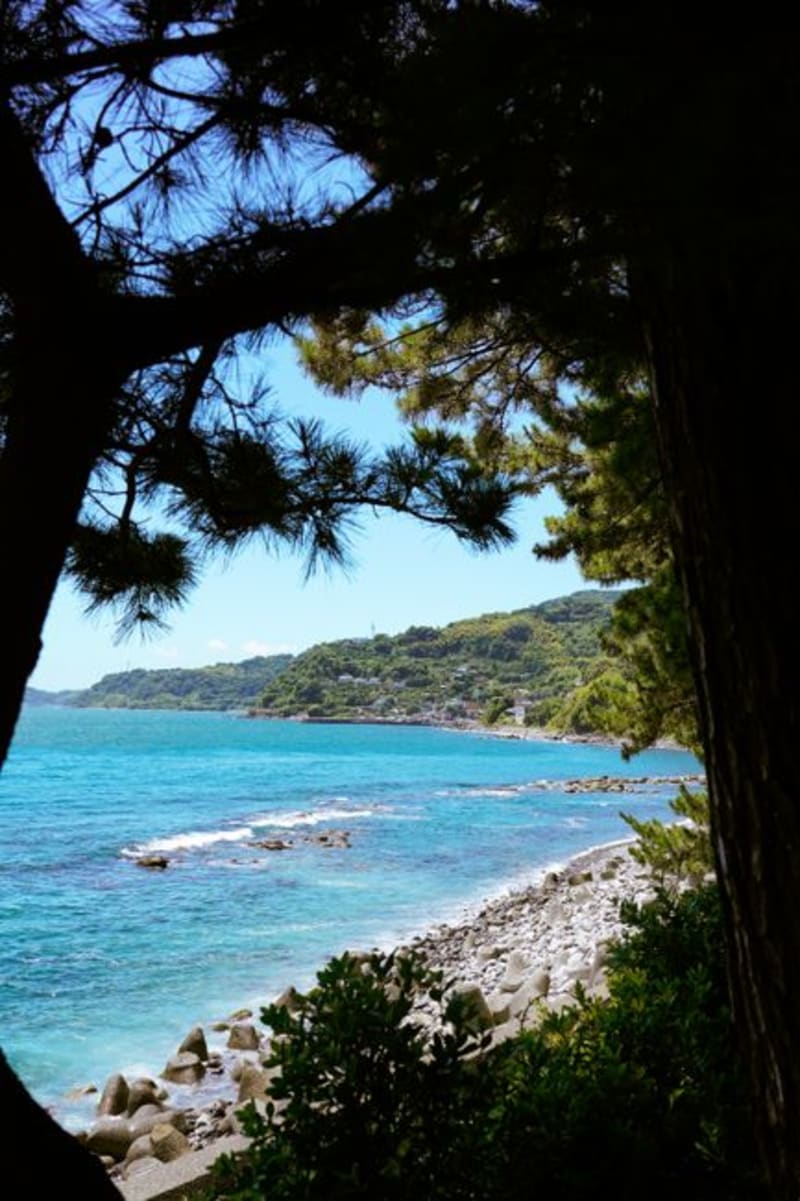
A retro seaside hot-spring resort on the Izu coast of Shizuoka, an easy hop from Tokyo, where hillside ryokan look down over the bay, summer fireworks burst above the water, and a nostalgic Shōwa-era holiday air is quietly coming back into fashion.
Explore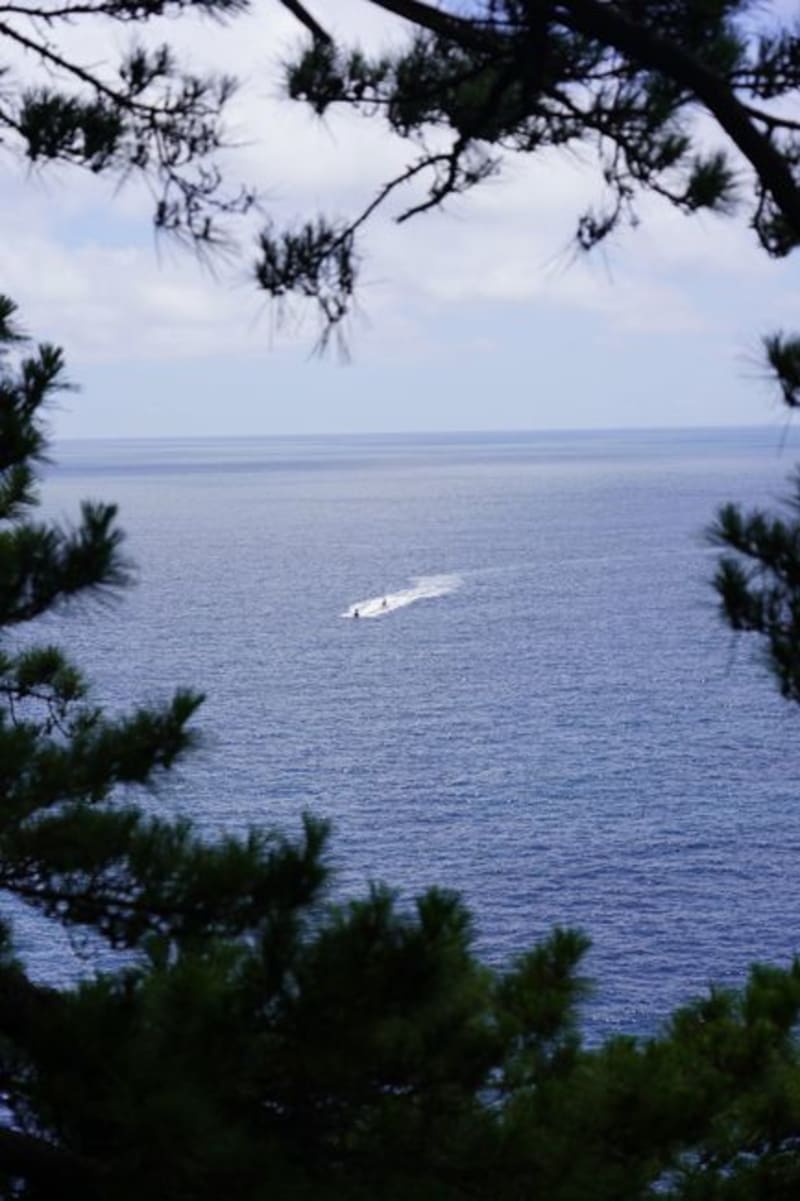 japan
japan Dogashima
West Izu's sculpted coast of tortured rock islets, a collapsed sea cave open to the sky, and sunsets that stop conversation. Lia and I timed our whole day to end here, on the rocks, facing the light. It was the right decision.
Explore japan
japan Shimoda
The Izu port where Commodore Perry's black ships pried Japan open to the world, now a town of white-sand beaches and salt light. Lia and I came for the beaches and stayed for the ghosts of 1854. History here smells of sea and camellia.
Explore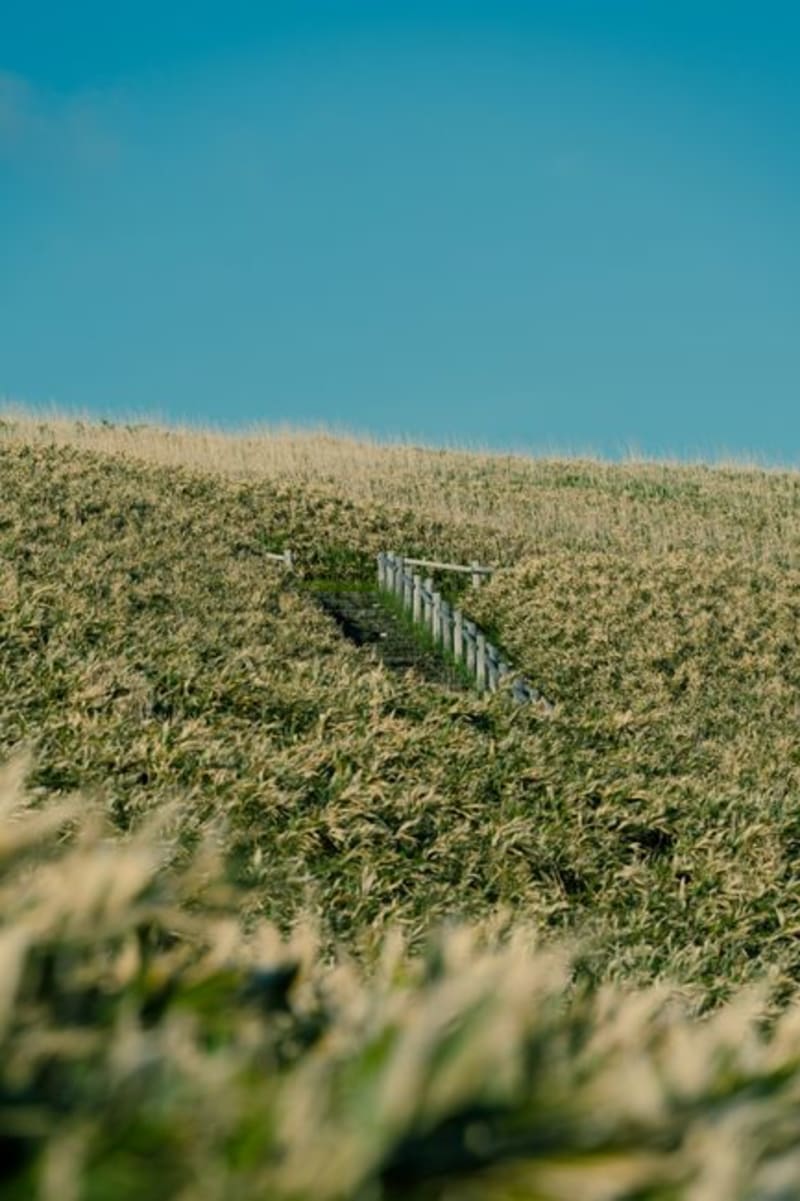 japan
japan Gotemba
A working town at the eastern foot of Mount Fuji, where the mountain fills half the sky and feels close enough to touch. Famous for its sprawling outlet mall, but we came for the view from the fifth station and the pilgrim's trailhead where climbers still begin. Fuji is not a backdrop here; it's the whole horizon.
Explore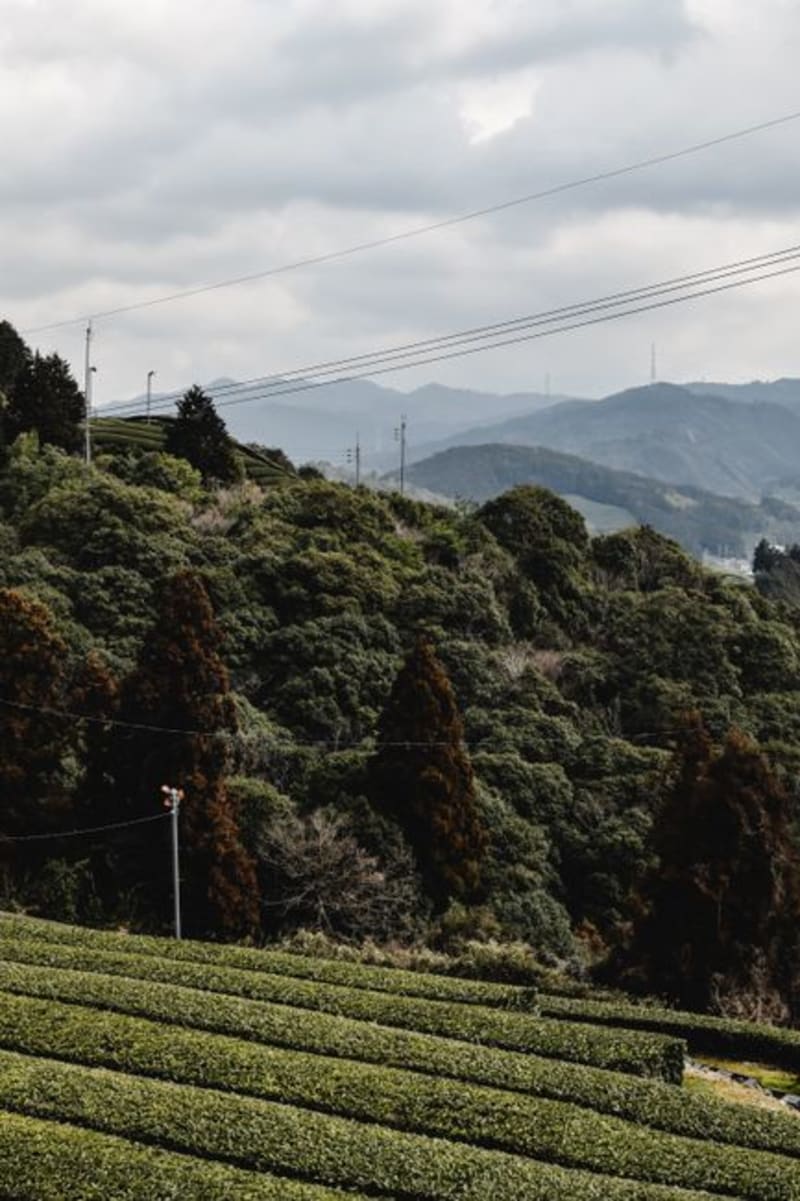 japan
japan Fujinomiya
The town at Fuji's western foot, home to the mountain's head shrine and the wide silver curtain of Shiraito Falls. Lia and I came to stand at Fuji's feet instead of climbing its head, and found the mountain is best worshipped from below.
Explore japan
japan Mt. Fuji
The sacred volcano, the iconic pagoda, and a view that no photograph has ever fully captured. Fuji is Japan's spiritual anchor.
Explore