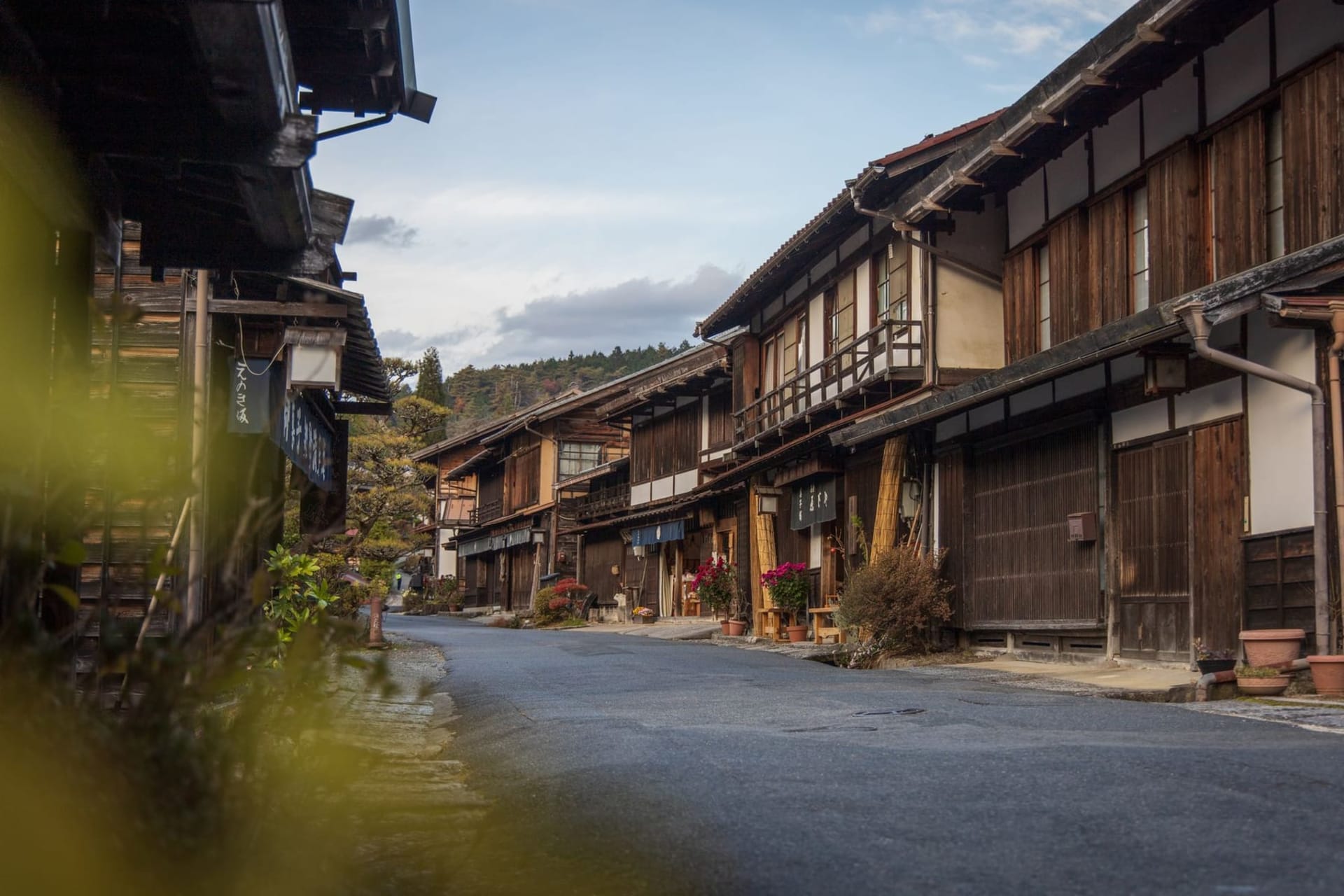
A perfectly preserved Edo-period post town on the Nakasendo trail in the Kiso Valley, with cars banned from the main street.

I heard Tsumago before I saw it. The sound of the Kiso River threading through cedar forest, then silence — no engine noise, no tires on asphalt. Just wind, birds, and the soft creak of wooden geta on stone. The main street, Honjin-dori, is the only road through town, and it belongs entirely to foot traffic. That absence of cars isn’t a novelty. It’s the whole point.
A Street That Stopped in 1895
The Meiji government moved the old Nakasendo highway off this valley, and Tsumago simply… stopped updating itself. No new construction. No modern facades stapled over the Edo bones. What remains is a single long street of connected wooden buildings — the machiya style, dark-lacquered timber, white plaster panels, deep-eaved roofs — so intact that film crews use it as a standing set. The Waki-honjin, the secondary lodging house reserved for lesser nobility during the Edo period, still stands with its original gate. I passed under it slowly, trailing my hand along the wood, trying to feel the grain of three centuries.
The smell of the street in late afternoon is woodsmoke and cedar resin, with something underneath — fermented, mild — that I eventually traced to the miso shop near the north end. An old woman behind the counter let me taste three varieties from small wooden spoons without a single word of shared language between us. The middle one, aged two years in a cedar barrel, tasted like the forest itself.
What the Guidebooks Don’t Mention
Lia found it: a narrow stone staircase climbing the hillside above the main street, invisible unless you’re looking directly at it. We followed it up through a bamboo grove to a small Shinto shrine with a single fox statue, a rope with paper streamers, and a view over the entire valley. No sign. No ropes. No tourists. Just the pewter light of late afternoon settling over the cedar ridgelines and the toy-perfect rooftops of the town below.
That unannounced shrine — the Suwa Shrine, I later confirmed on a hand-drawn map at the local museum — felt more like Tsumago’s real interior than anything on the main street. The main street is magnificent. But this was where the town exhaled.
The Walk Out
Most visitors day-trip from Nagoya. The better move is the eight-kilometer walk to neighboring Magome, which climbs through forest and rice terraces and arrives at a town that is similarly preserved but decisively more commercial. Walking it in reverse — Magome to Tsumago — means arriving at the quieter end of the afternoon. We did it carrying too much, stopping twice for gohei-mochi, rice-cake skewers glazed with walnut miso and grilled over charcoal, sold from a roadside stall near the Okuya museum.
When to go: Late October through early November for autumn color on the ridgelines above the valley, when the maples go copper against the dark timber of the town. April is also excellent, before the summer tour groups arrive.
Keep exploring
More of Chūbu
Keep exploring
More from Chūbu
 japan
japan Ena
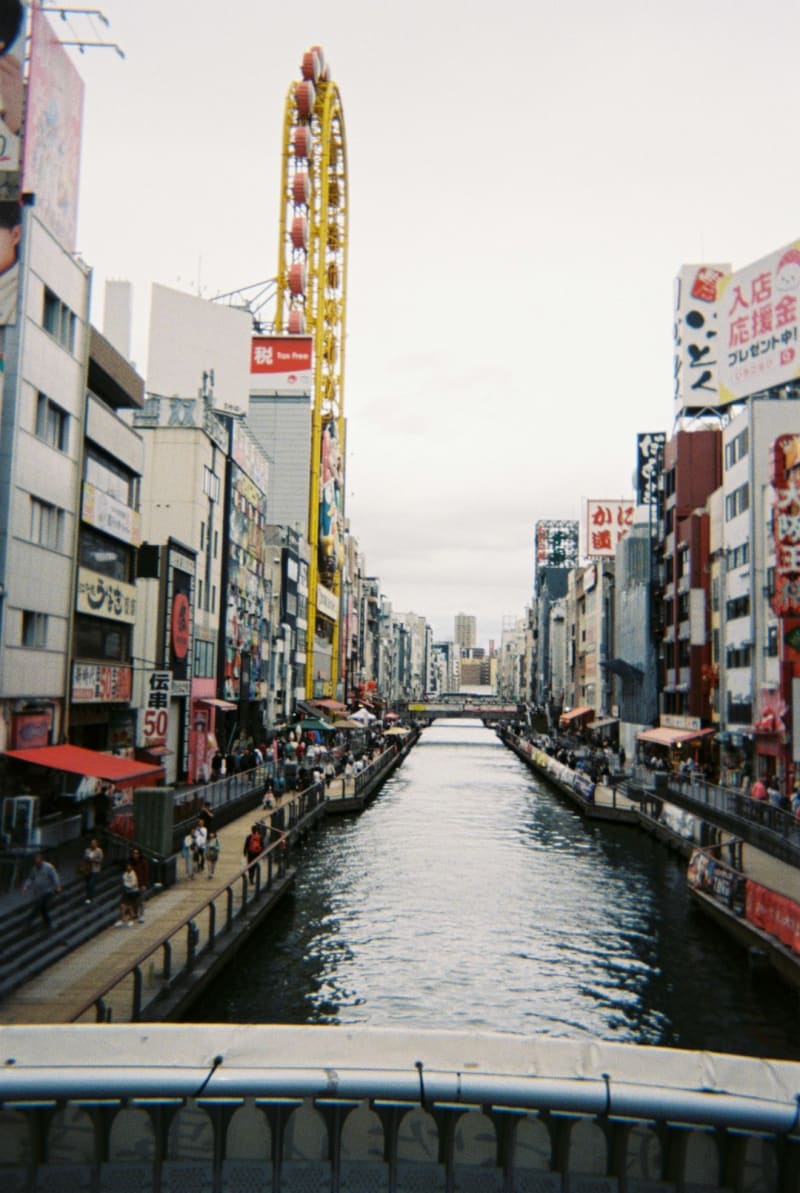
A Gifu town where the Kiso River pools into the Enakyō gorge, a two-kilometre stretch of water walled by strange wind-and-water-sculpted cliffs and pinnacles. Old Nakasendō post-road country, of ceramic hills, chestnut sweets, and slow boats gliding beneath the crags.
Explore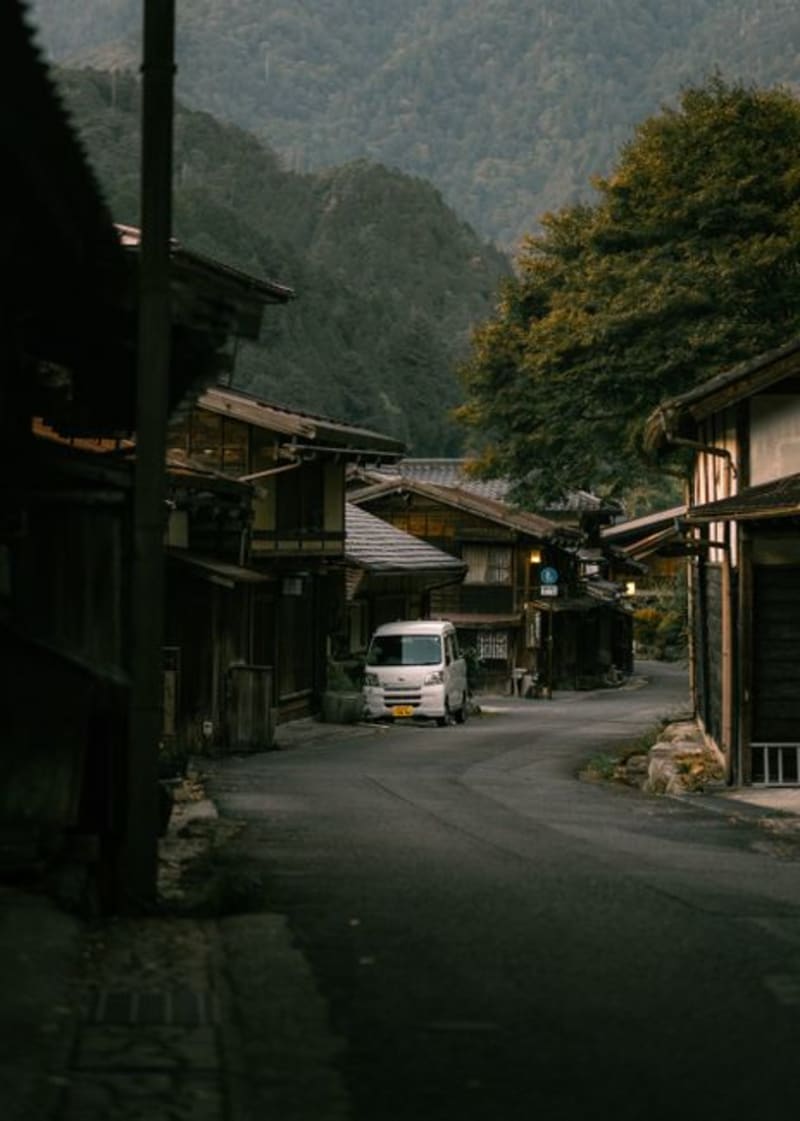 japan
japan Kiso-Fukushima
A mountain post town deep in the Kiso valley of Nagano, once a major checkpoint on the old Nakasendo highway. Steep riverside lanes, cypress-scented forests, and a working, unpolished feel far from the tour buses. A gateway to the old road and to sacred Mount Ontake.
Explore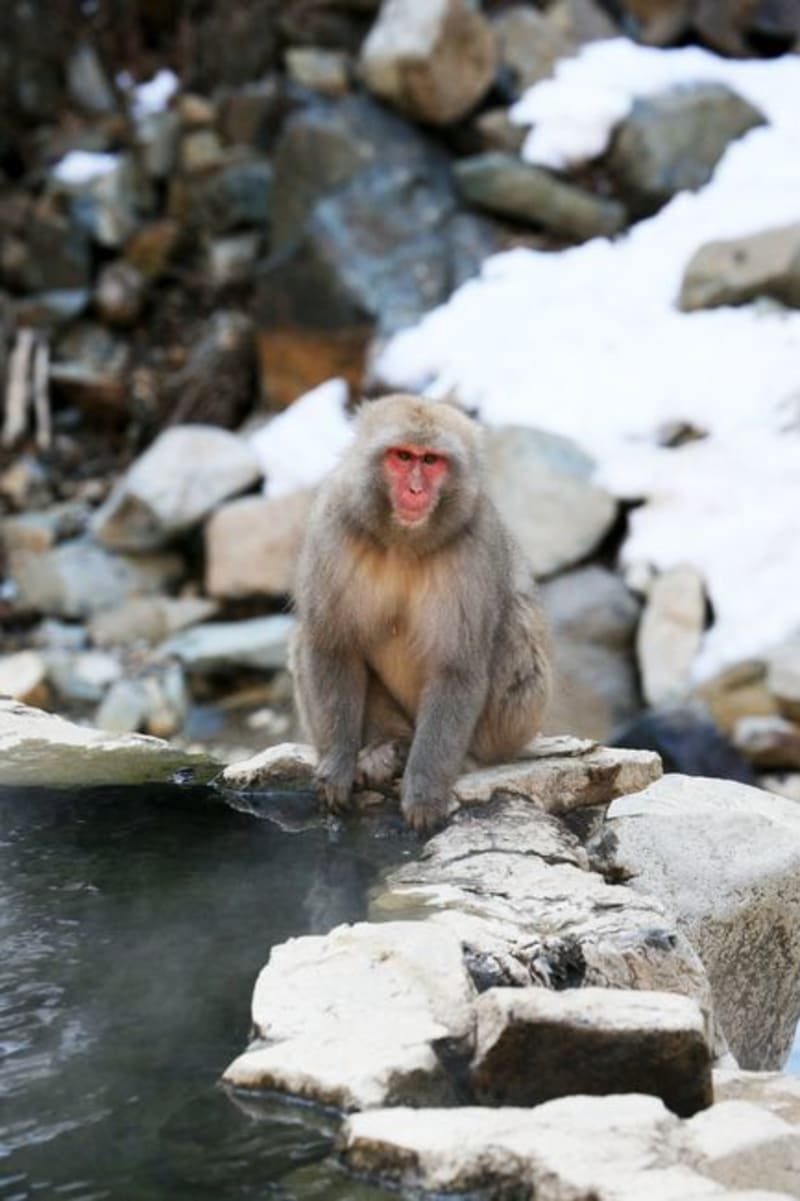 japan
japan Gero Onsen
A steaming hot-spring town folded into the Gifu mountains, where the Hida river runs green below terraced ryokan and free foot baths sit open to the street. Counted among Japan's three greatest onsen, it is a place for slow soaking and slower walking. Autumn sets the whole valley on fire.
Explore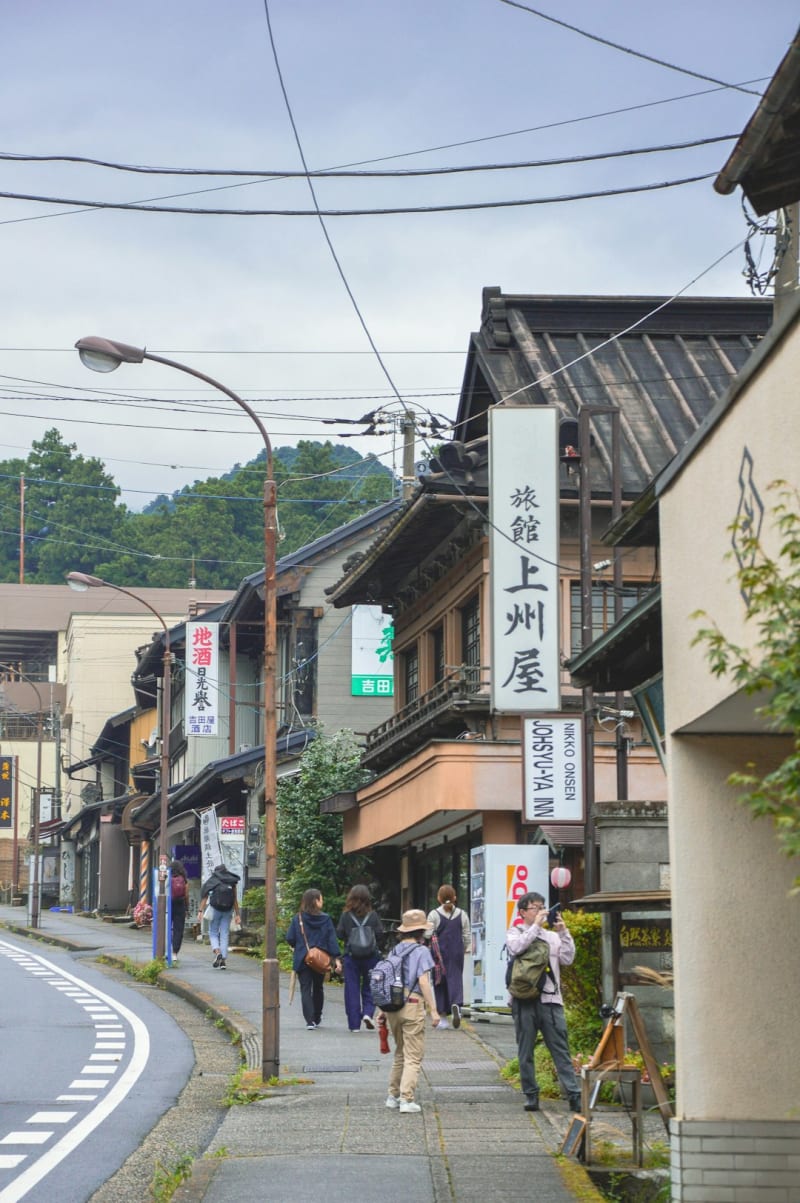 japan
japan Narai
The longest and best-preserved of the Kiso Valley post towns, once called 'Narai of a thousand houses.' A kilometer of dark-latticed wooden facades, lacquerware workshops, and near-perfect quiet.
Explore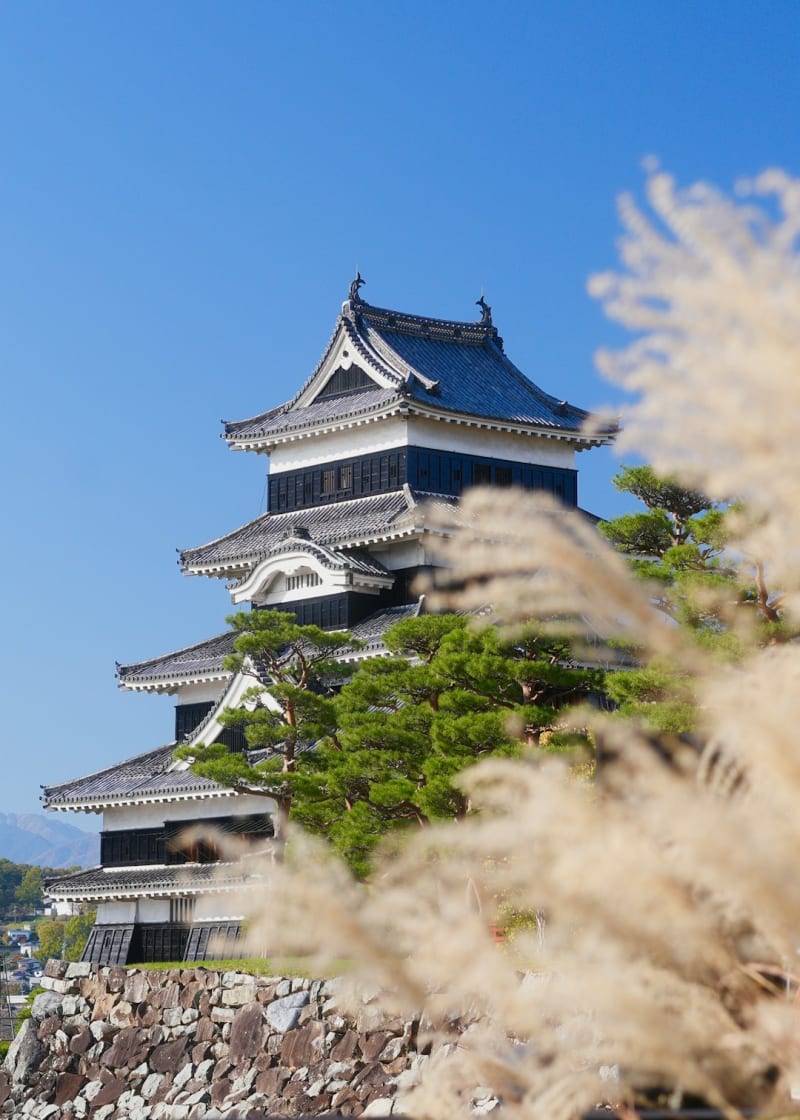 japan
japan Inuyama
A small Aichi castle town on a bend of the Kiso river, crowned by one of Japan's oldest original keeps. We came for the castle and stayed for the quiet — the old street, the open-air museum of a vanished century, and cormorant fishing on the water at dusk.
Explore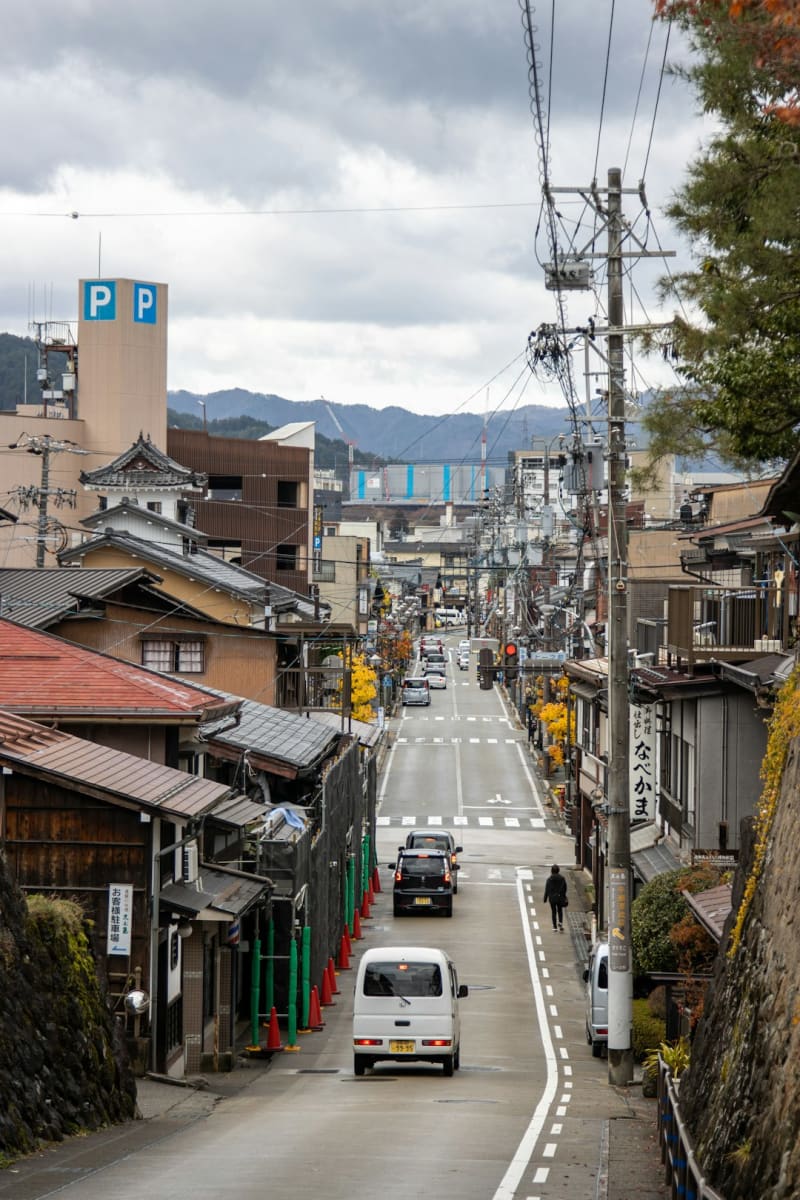 japan
japan Takayama
An old castle-town folded into the Hida mountains, where Edo-era merchant streets still smell of cedar and sake. Morning markets by the river, black-lacquered façades, and beef so tender it barely needs teeth. A slower counterpoint to the neon of the cities.
Explore