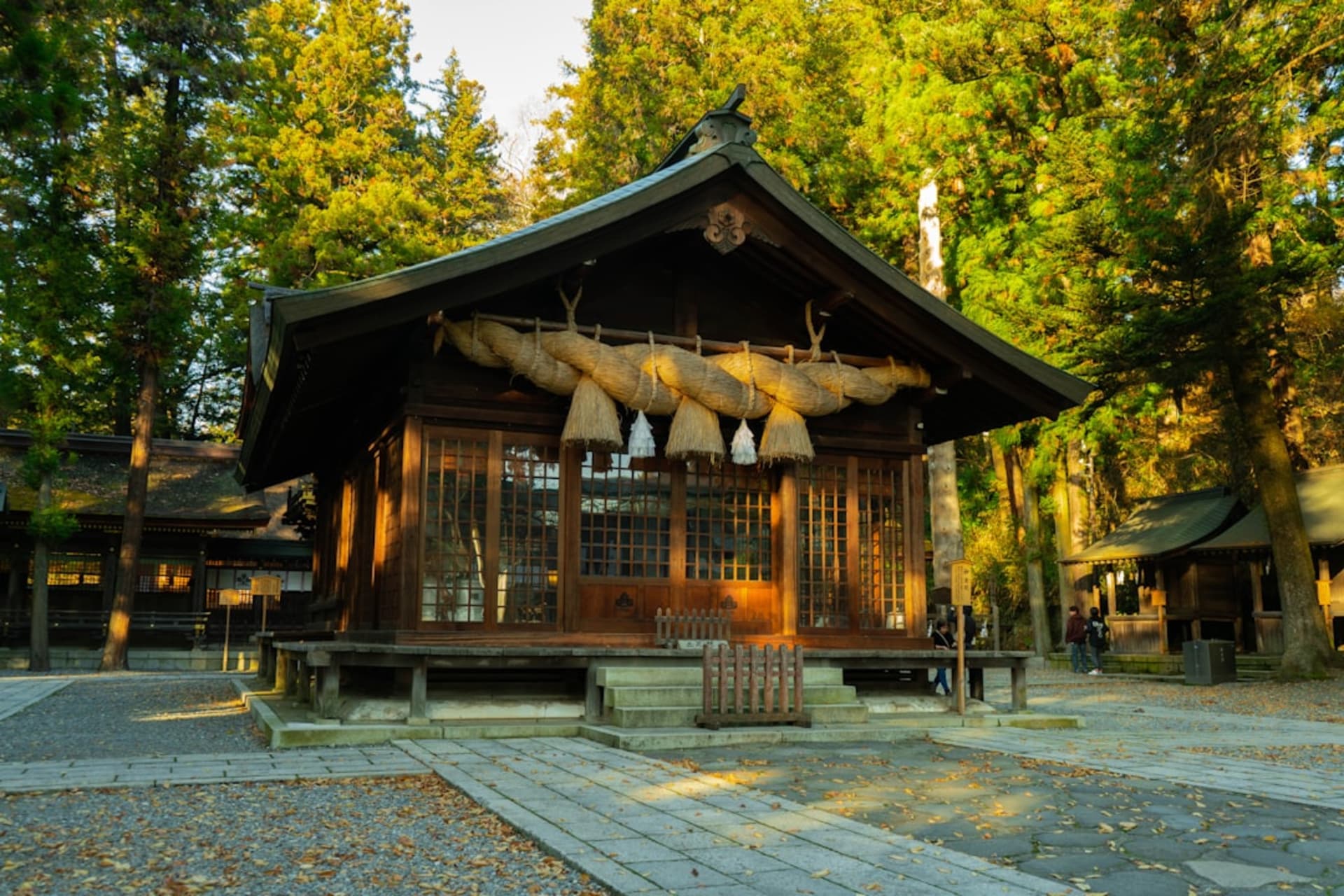
A leafy highland resort in Nagano beneath the smoking cone of Mount Asama, where Tokyo comes to escape the summer heat. Larch forests and cycling paths, old Western villas hidden in the trees, cool air and good coffee. A genteel mountain retreat with a century of quiet good taste.

We arrived in Karuizawa sweating, straight off a Tokyo platform in the thick of a Japanese August, and stepped out of the station into air that was suddenly, blessedly cool. That is the whole reason Karuizawa exists as it does — it sits high on a plateau in the Nagano hills, and for more than a century the people of Tokyo have fled up here to escape the summer, from missionaries and merchants in the 1800s to the families who keep summer villas in the woods today. Lia rolled her shoulders back and said she could finally breathe. We rented bicycles within the hour and did not look back.
Under the Larch Trees
Karuizawa is really a forest with a town threaded through it. The signature tree is the karamatsu, the Japanese larch, and the whole resort sits under a high canopy of it, cut through with cycling and walking paths that make a car feel absurd. We rode out to Kumoba Pond early, before anyone else, and found it perfectly still, the larches and the sky doubled in the black water, mist lifting off the surface. Locals call it Swan Lake. In the quiet it earned the name.

Further out the paths run to Shiraito Falls, a low curved wall of water where dozens of thin threads spill over moss like something staged. We leaned the bikes against a rail and stood in the cool spray for a while, saying nothing, which by then was our default setting.
Villas, Coffee, and Old Money
There is an unmistakable gentility to Karuizawa. The Old Ginza shopping street keeps its early-twentieth-century bones, and scattered through the trees are the summer villas of the well-to-do and the old wooden churches the missionaries built, including the tiny Shaw Memorial Church that started it all. The town wears its history lightly and its wealth even more lightly. We drank very good coffee in a wooden café that could have been in Vermont, and browsed a bookshop with a wood stove, and understood why generations of Tokyo families have guarded their little houses in these woods.

Even the big outlet mall by the station, which should feel crass, is somehow set among lawns and ponds and mountain views. Lia bought a jumper. I bought nothing and felt very calm about it.
The Shadow of Asama
Over all of it hangs Mount Asama, one of Japan’s most active volcanoes, a broad grey cone that smokes gently on clear days above the treeline. You see it from the cycling paths and from the higher roads, and there is something bracing about a resort so genteel sitting under a live volcano. We drove up toward the Onioshidashi Park on its flank, a strange black field of hardened lava from a great 1783 eruption, jagged rock rolling away toward the summit, pine and shrine improbably growing out of the ruin.

We walked the little paths through the lava as the light went gold, the mountain breathing its faint plume above us. It was the one wild note in an otherwise very civilised place, and it was exactly what the day needed.
Getting There
Karuizawa is astonishingly easy: the Hokuriku Shinkansen reaches it from Tokyo in a little over an hour, which is what makes it such a beloved bolt-hole. From the station, rent a bicycle — it is genuinely the best way to move through the forest paths and reach the ponds and falls — or use the local buses for the villas and Onioshidashi. Summer is the classic season, when the plateau stays cool while the cities swelter, but autumn colour in the larches is spectacular and the winter light is clean and sharp. Give it at least a full day; two if you mean to ride.
Keep exploring
More of Chūbu
Keep exploring
More from Chūbu
 japan
japan Ueda
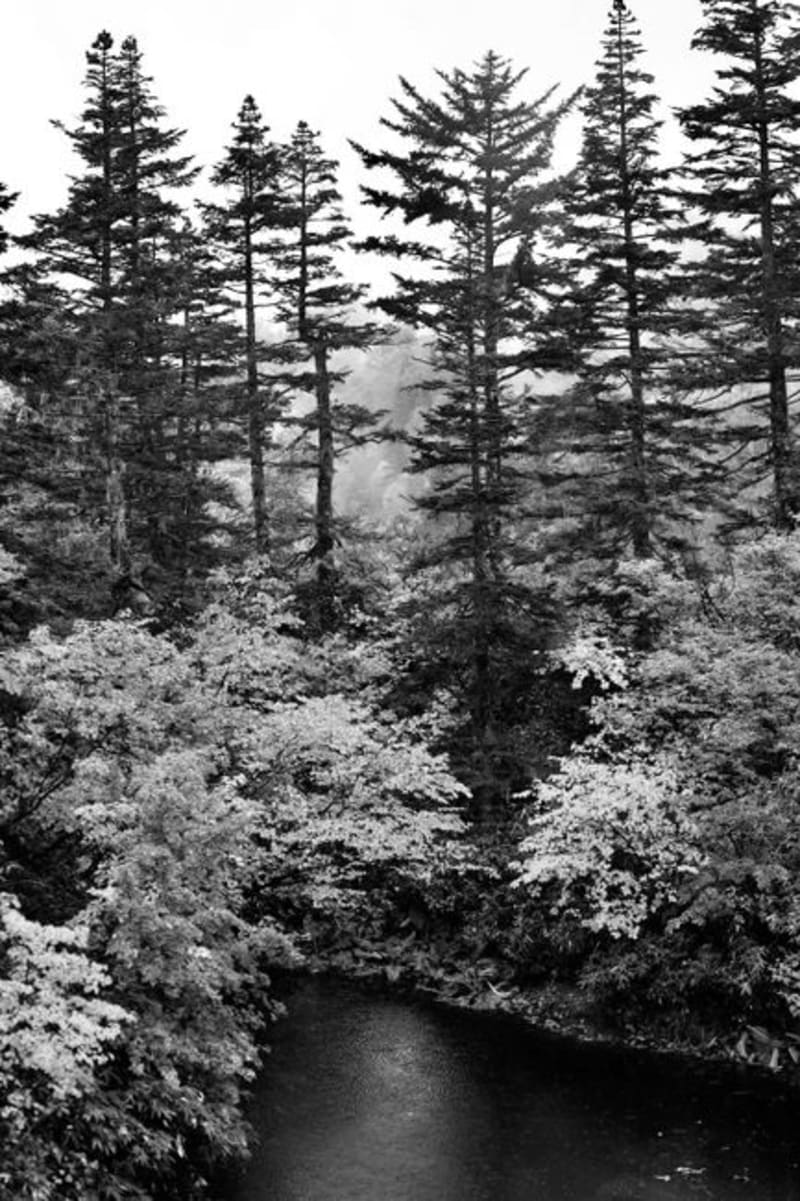
A Nagano castle town that once belonged to the Sanada, the samurai clan who twice humiliated far larger armies from behind these walls. Now it's a easygoing river town with a ruined keep, a temple-quiet hot spring called Bessho tucked in the hills, and a stubborn sense of its own history. We came for the castle and lingered for the baths.
Explore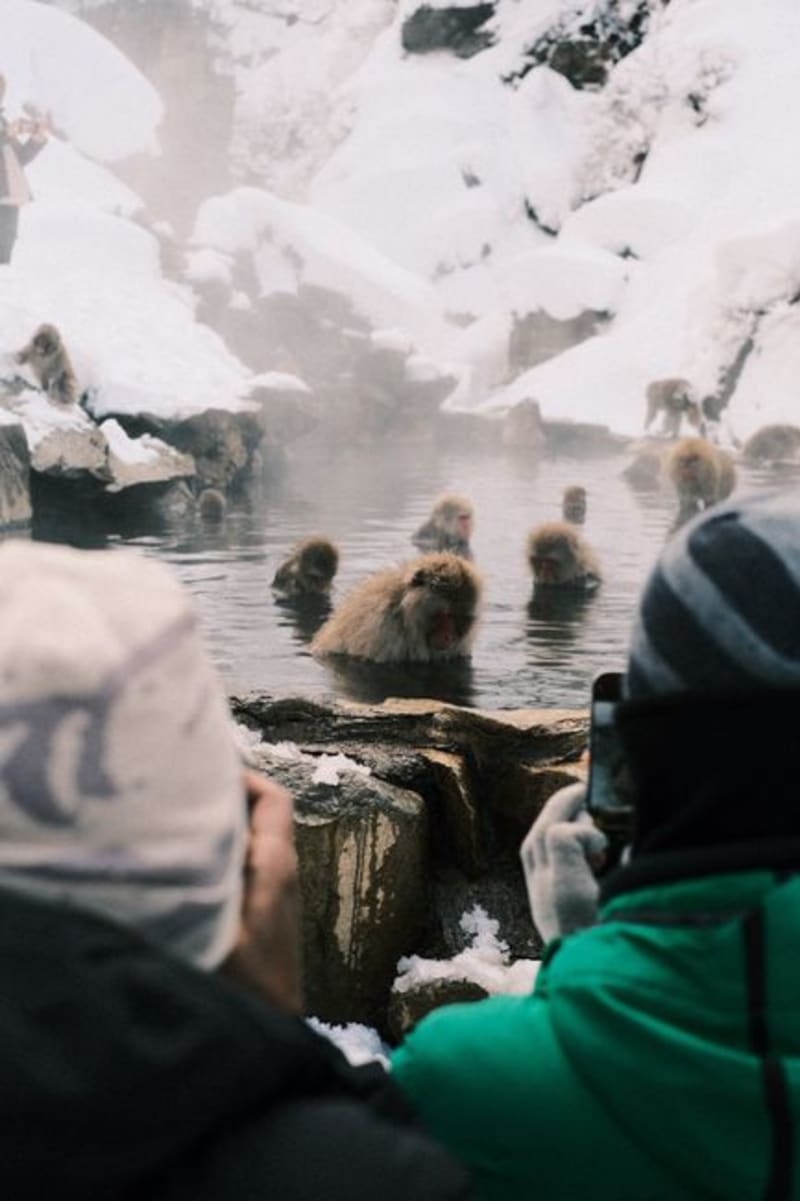 japan
japan Jigokudani (Snow Monkey Park)
The 'Hell Valley' in the Nagano mountains, where wild Japanese macaques climb down through the snow to bathe in a steaming hot spring. A forest walk through the cold to reach them, and then the strange, unforgettable sight of monkeys soaking with their eyes closed. Wild and humbling.
Explore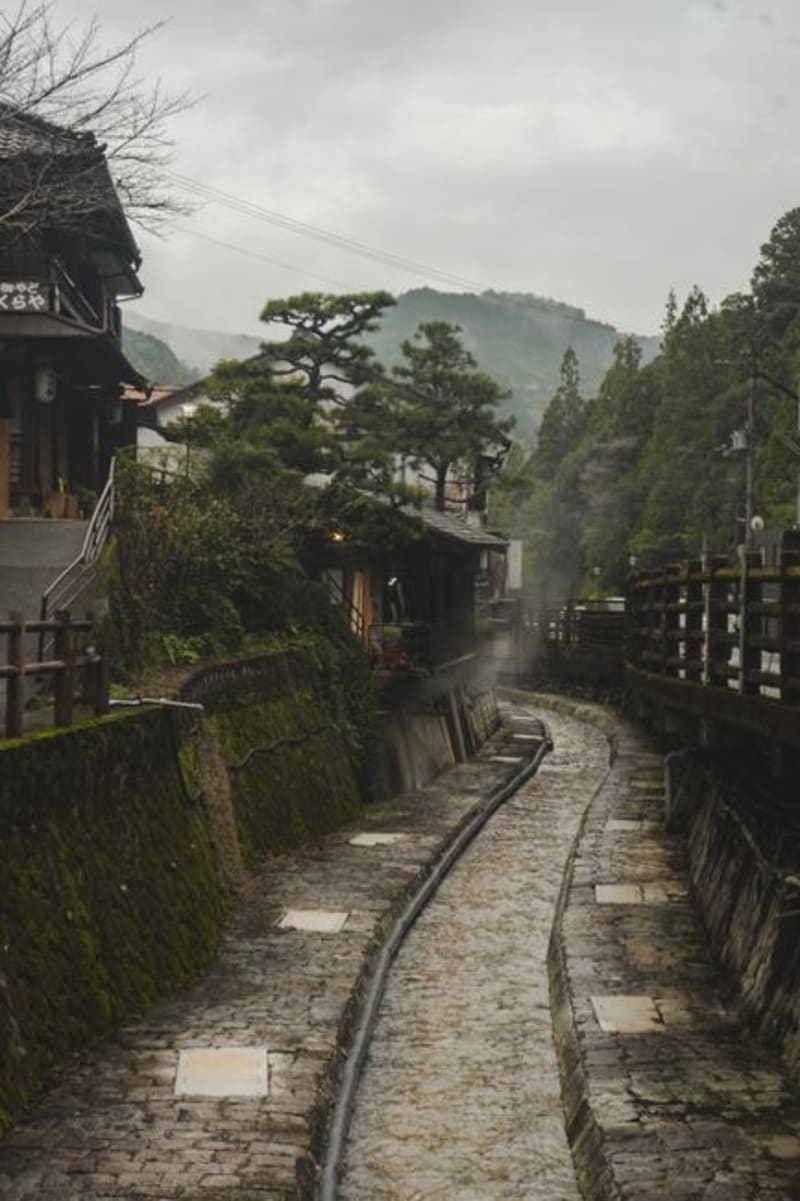 japan
japan Shibu Onsen
A single cobbled lane of wooden inns and steam in the Nagano hills, where guests pad between nine public bathhouses in wooden clogs and cotton robes. Just up the valley the famous snow monkeys bathe in their own hot spring. We came for the monkeys and found the village itself was the reason to stay.
Explore japan
japan Bessho Onsen
A hot-spring hamlet folded into the hills above Ueda, so old and quiet that people call it the little Kamakura of the mountains. Ancient temples lean over narrow lanes, steam drifts from public bathhouses, and the whole valley smells faintly of sulphur and cedar.
Explore japan
japan Obuse
A small, immaculate chestnut town in the Nagano hills where Hokusai spent his final years painting. A fine museum, sweet-shop lanes scented with roasting chestnuts, and gardens kept with almost obsessive care. Cultured, quiet, and unhurried.
Explore japan
japan Suwa
A lake ringed by the Nagano highlands, where one of Japan's oldest shrines guards the water, hot springs steam at its edge, and on the coldest winter nights the ice itself heaves up into a ridge the locals call the crossing of the gods.
Explore