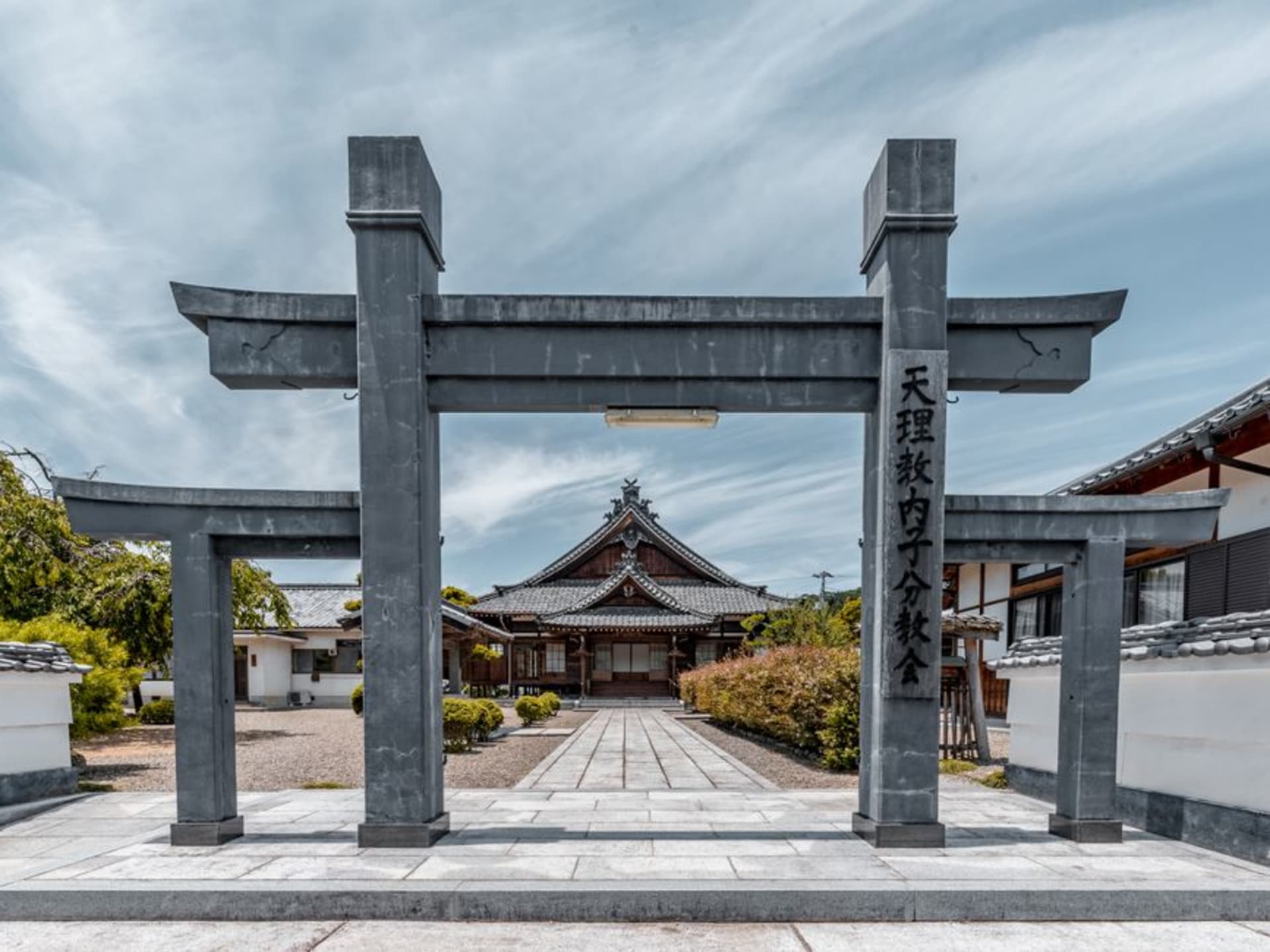
Handa
"You could smell the fermentation before we even reached the canal, Lia said, like the whole street was breathing."
A canal town on the Chita Peninsula that once shipped sake, vinegar, and cotton to Edo, and where a local innovator's leftover-lees vinegar recipe grew into Japan's leading vinegar producer.

We came to Handa on a tip from a friend in Nagoya who insisted, with more enthusiasm than I expected for a conversation about vinegar, that we had to see the canal town where his favorite brand had been made for generations. Lia and I are both suckers for a place with a specific, almost stubborn local identity, and Handa turned out to have exactly that. During the Edo period this stretch of the Chita Peninsula shipped sake, vinegar, and cotton up the coast to Edo and Osaka, and unlike a lot of towns that trade on a past like that, Handa’s brewery district still smells like it means it.
The Canal That Built the Town
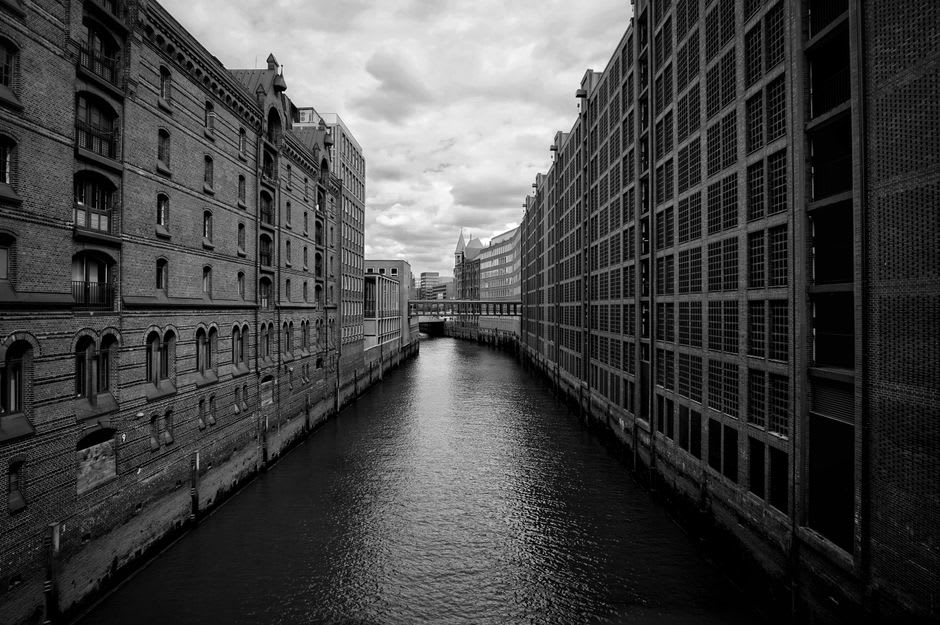
Handa’s old canal, lined with black-paneled warehouses and breweries dating back centuries, is easy to underestimate from a distance — quiet water, dark wooden buildings, nothing dramatic at first glance. But walking its length slowly, as we did on a warm afternoon, the details accumulate: loading platforms worn smooth by generations of barrels, narrow alleys between buildings clearly designed for moving goods rather than people, and a persistent, faint tang of fermentation in the air that told you this wasn’t a preserved museum piece so much as a working district that simply hadn’t stopped. Lia kept pausing to look up at the buildings’ dark cedar paneling, remarking on how deliberately unshowy the whole street felt for somewhere that had once shipped goods all the way to the shogun’s capital.
The Invention of Kasuzu
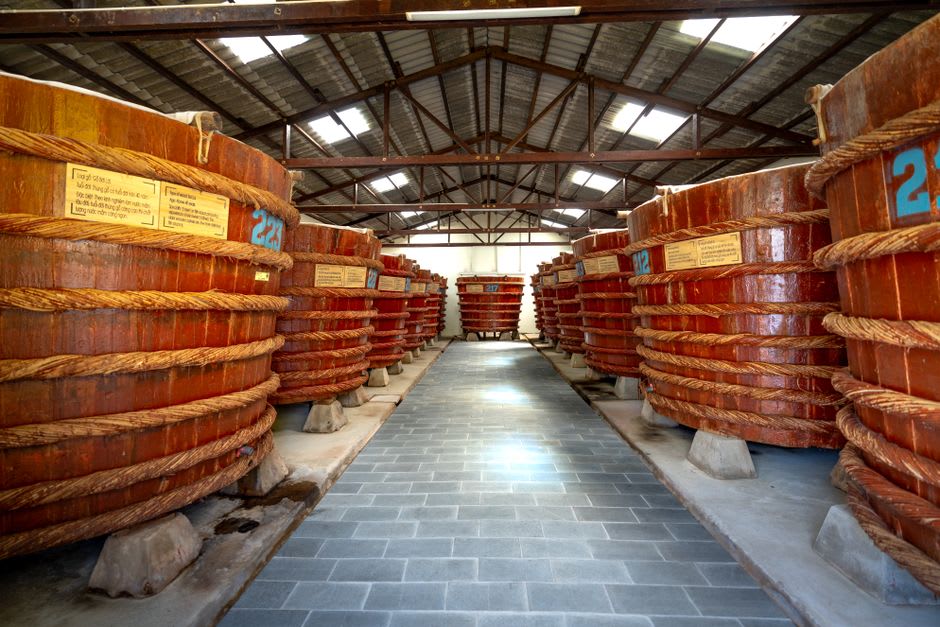
The detail that stuck with me most, though, was learning about kasuzu, a style of vinegar made from the leftover lees of sake production rather than wasting them, an innovation credited to a local brewer here generations ago. It’s the kind of practical, resourceful idea that turns a byproduct into a whole industry, and it’s the reason Handa eventually became home to what grew into Japan’s leading vinegar producer. We toured a small brewery museum built into one of the old buildings, its wooden vats and tools still smelling faintly of the work they’d done for so long, and came away with a much better appreciation for a condiment I’d never once thought about with any real curiosity before.
A Town Still Fermenting
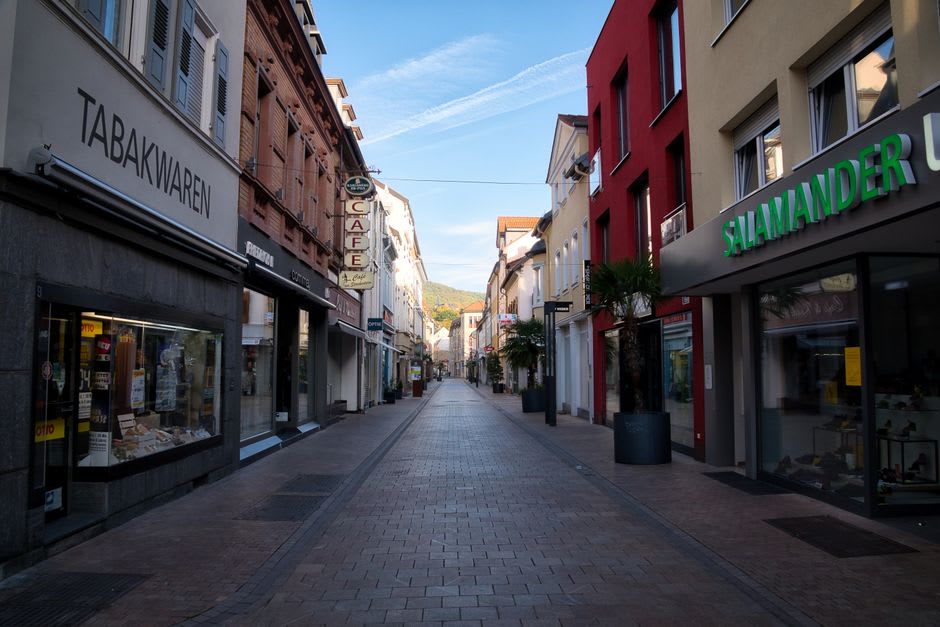
Beyond the canal district, Handa is a pleasant, low-key city that doesn’t try particularly hard to be a tourist destination, which we found refreshing after busier stops. We wandered past small shrines, a shopping street with the kind of local diners that don’t bother with English menus, and ended up eating dinner recommended by the brewery museum’s staff, simple and excellent. It’s an easy complement to a Nagoya-based itinerary, close enough for a half-day trip but distinct enough in character that it doesn’t feel like an extension of the city at all.
Getting There
Handa is reached via the JR Taketoyo Line, with direct trains from Nagoya taking roughly forty minutes to Handa Station. The historic canal and brewery district is an easy walk from the station, making Handa a comfortable half-day or full-day trip from Nagoya for anyone curious about the Chita Peninsula’s brewing history. A rental car isn’t necessary for the town center, though one gives more flexibility if you want to continue exploring the wider peninsula afterward.
Keep exploring
More of Chūbu
Keep exploring
More from Chūbu
 japan
japan Hida-Furukawa
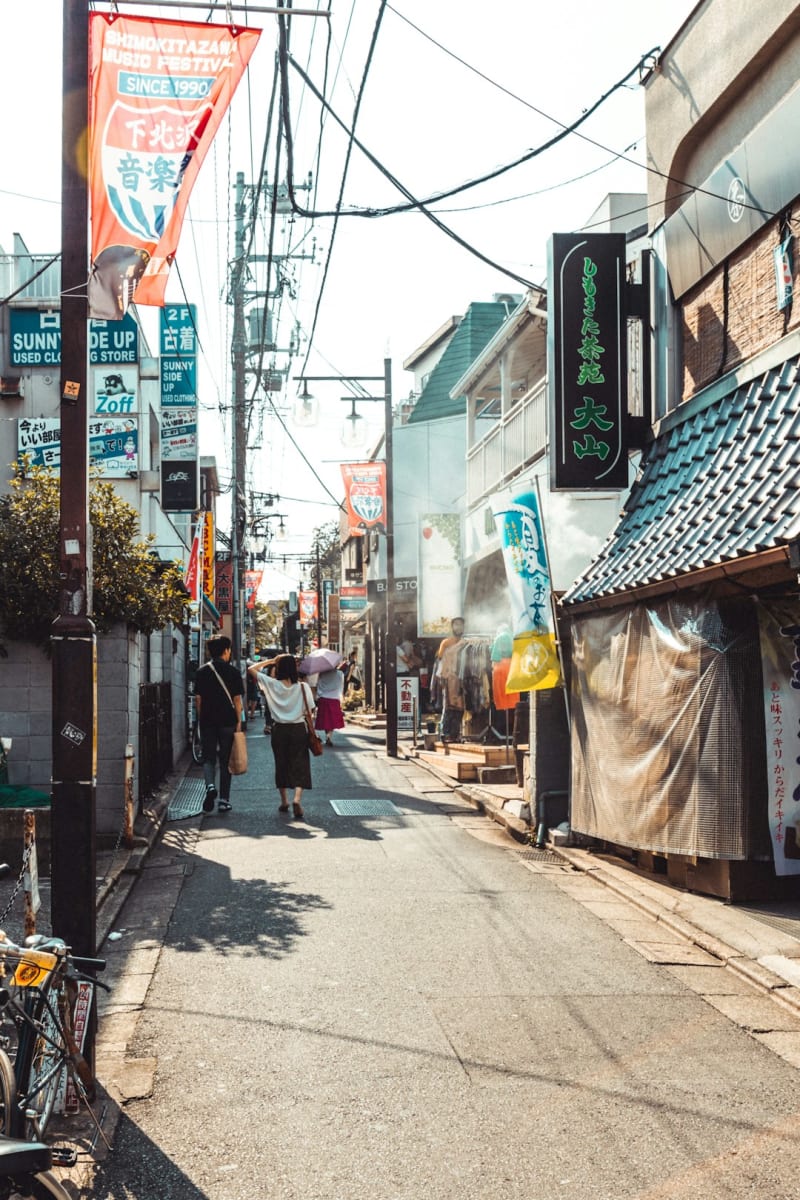
A small Gifu old town of white-walled storehouses lining a stone canal where fat carp turn in the clear water. A quieter, gentler echo of nearby Takayama, with a woodworking soul and a spring festival of thunderous drums and great white floats.
Explore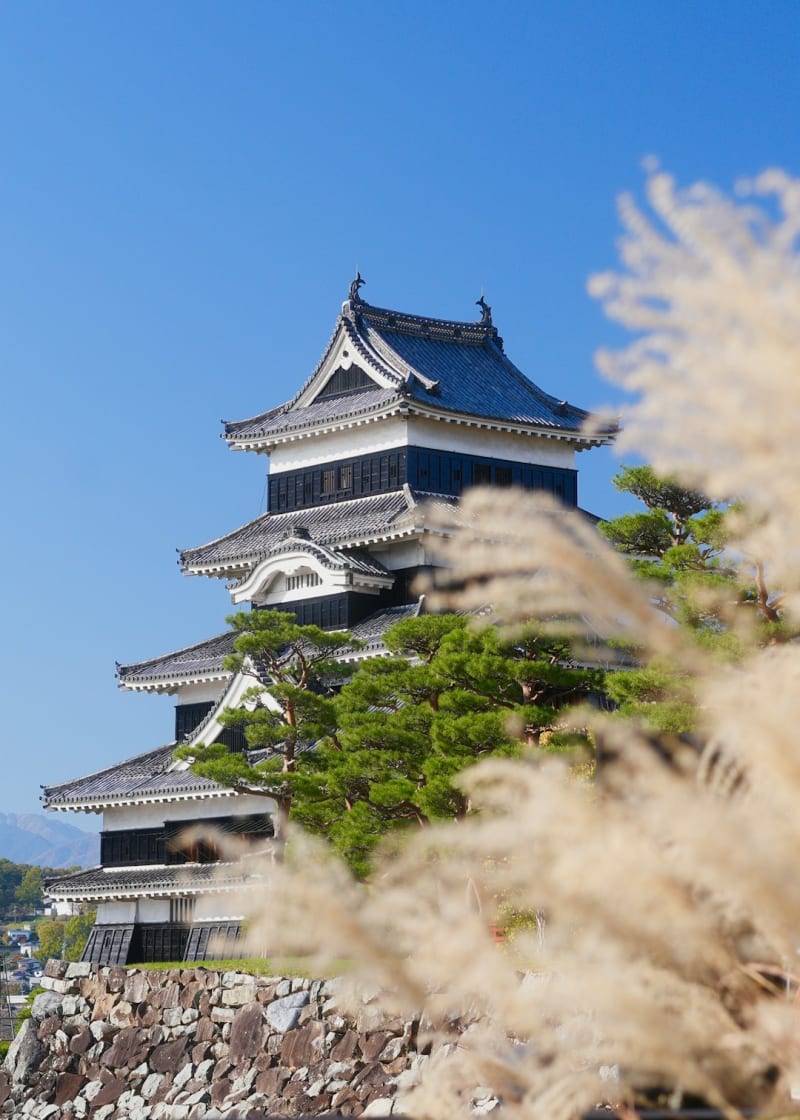 japan
japan Inuyama
A small Aichi castle town on a bend of the Kiso river, crowned by one of Japan's oldest original keeps. We came for the castle and stayed for the quiet — the old street, the open-air museum of a vanished century, and cormorant fishing on the water at dusk.
Explore japan
japan Itoigawa
A stretch of Niigata coast where the mountains fall straight into the Sea of Japan and the beaches hide green jade among their pebbles. It is a UNESCO Global Geopark, though nobody here says that word out loud — they just hand you a stone and tell you to look closer. Alpine rivers, ancient rock, and a quiet that feels older than tourism.
Explore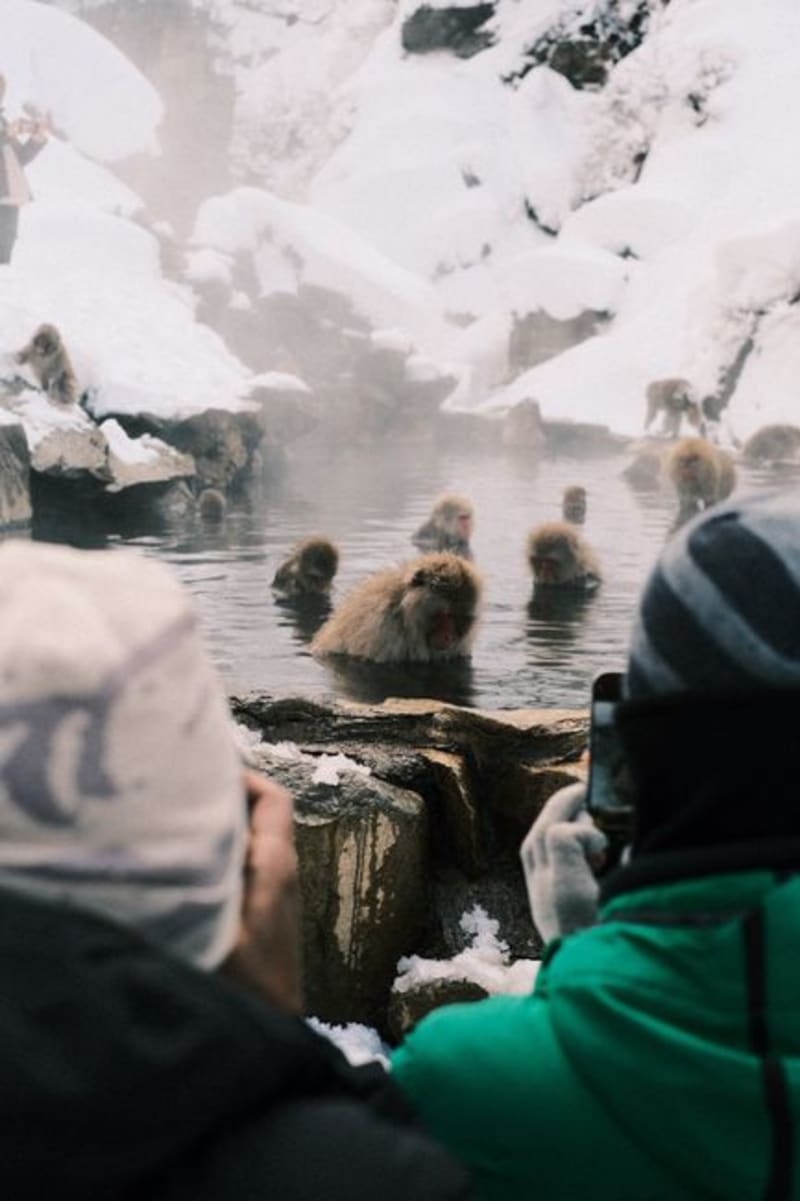 japan
japan Jigokudani (Snow Monkey Park)
The 'Hell Valley' in the Nagano mountains, where wild Japanese macaques climb down through the snow to bathe in a steaming hot spring. A forest walk through the cold to reach them, and then the strange, unforgettable sight of monkeys soaking with their eyes closed. Wild and humbling.
Explore japan
japan Kaga Onsen
A cluster of centuries-old hot-spring villages in southern Ishikawa, where a wooded gorge unspools beside a mountain stream, kilns still fire the bold colours of Kutani porcelain, and the ryokan know how to make an evening disappear.
Explore japan
japan Kamikōchi
A pristine highland valley in the Northern Japan Alps where the clear Azusa river runs beneath the Hotaka peaks. No private cars, boardwalk trails through wetland and larch, and an alpine stillness that closes with the snow each winter.
Explore