
The smallest and least-visited of Japan's main islands, a place of pilgrimage, ancient hot springs, and a quiet inland sea now studded with world-class contemporary art. Shikoku moves at its own unhurried pace, and rewards those who seek it out.

Shikoku is the least-traveled of Japan’s four main islands, and that is exactly why those who make the journey come away so fond of it. Tucked south of the Inland Sea, it is a place of mountains and rivers, small cities and slow coasts, best known for the great Buddhist pilgrimage that loops around its edge — an 88-temple circuit that has drawn white-clad walkers for over a thousand years. Even for visitors with no intention of walking it, that pilgrim spirit sets the island’s tone: humble, welcoming, and quietly spiritual.
The island’s most rewarding city is Matsuyama, watched over by a handsome hilltop castle and home to Dōgo Onsen, reputedly the oldest hot spring in Japan and the model, it is said, for the bathhouse in a certain beloved animated film. To soak in its wooden halls, then wander back through the old streets in a yukata, is to touch something very old and very comforting. Nearby, the town of Kotohira guards Konpira-san, a revered shrine reached by a long stone stairway of more than a thousand steps, climbing past shops and teahouses to sweeping views over the plain.
In recent years Shikoku’s northern waters have become the setting for something unexpected and wonderful. Out in the Seto Inland Sea, the once-declining islands of Naoshima and Teshima have been transformed into a renowned canvas for contemporary art and architecture — museums built into hillsides, installations set among fishing villages, and outdoor sculptures gazing out to sea. Reaching them by ferry, cycling between galleries under a wide sky, is one of the most singular experiences in the country.
Shikoku asks for a little patience — its rail and road connections are quieter than the mainland’s, and the rhythm here is deliberately gentle — but that is precisely its charm. This is Japan with room to breathe: an island of ancient baths and mountain shrines, of pilgrims and ferries, where a bold experiment in modern art now coexists with some of the country’s oldest traditions. Come for the quiet, and stay for the sense that you have found somewhere most visitors never do.
How I’d Plan Shikoku
Shikoku is the island you visit on a second trip to Japan, or on a first trip if you already know you prefer quiet to spectacle. Nothing here is a must-see in the way Kyoto is a must-see, and that is precisely the appeal — you are not queuing for anything.
Three days covers a sensible loop: Matsuyama for the castle and Dōgo Onsen, Kotohira for the shrine stairway, and a night out on Naoshima. Five days lets you add Teshima and slow the whole thing down, which suits the island better.
Naoshima deserves its own note, because it is the reason most people come and it is the easiest place to get wrong. It is not a day trip you squeeze in from Osaka — the ferries are infrequent, the museums close earlier than you expect, several are shut on Mondays, and the island is bigger than the map suggests. Stay the night. The art is genuinely world-class, and the experience of having the island after the last ferry leaves is a large part of what you are paying for. Rent a bicycle; the distances between galleries are exactly bicycle-shaped.
The 88-temple pilgrimage is a two-month walk if you do the whole thing, which almost no visitor does. You can walk a section of it in a day, and several stretches are reachable from Matsuyama. Doing a fragment honestly is better than pretending to do the whole thing.
When to go: Spring and autumn. The Setouchi Triennale, when it runs, transforms the art islands and also fills every bed on them — check whether it is on before you book, in either direction depending on what you want.
Explore
Places in Shikoku
 japan
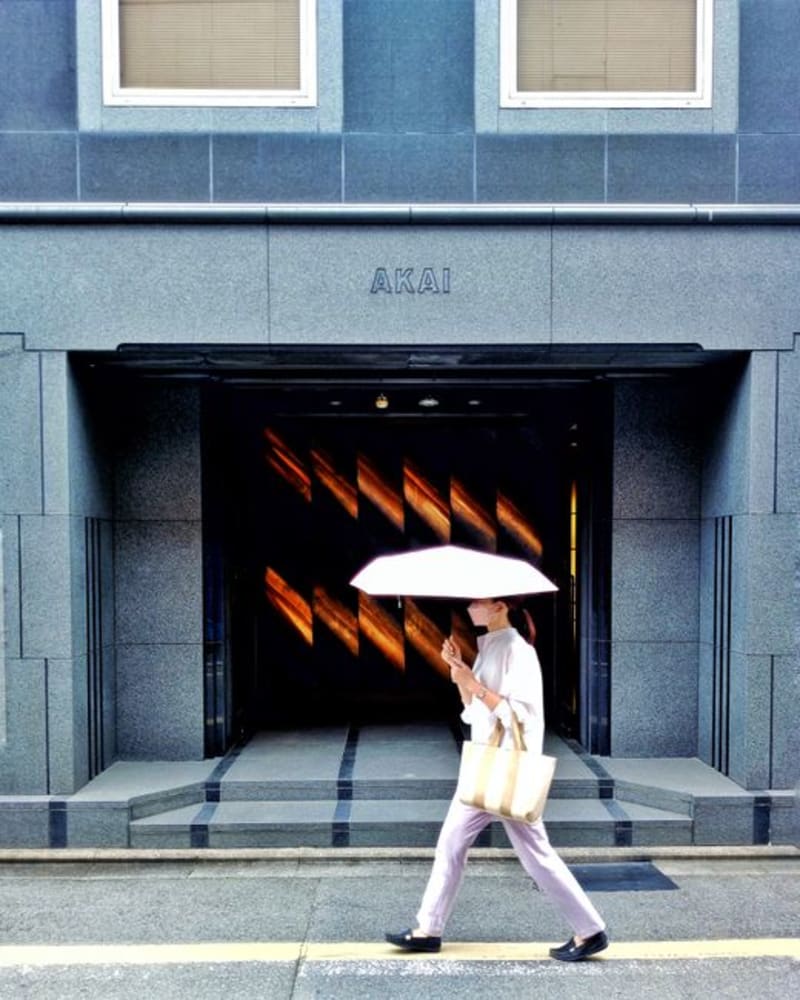
Aki
A quiet former castle town in Kochi and the birthplace of Iwasaki Yataro, the low-ranking samurai's son who went on to found Mitsubishi. His family's thatched-roof house still stands in the Inokuchi neighborhood, across the valley from a well-preserved samurai district and the old castle mound.
Explore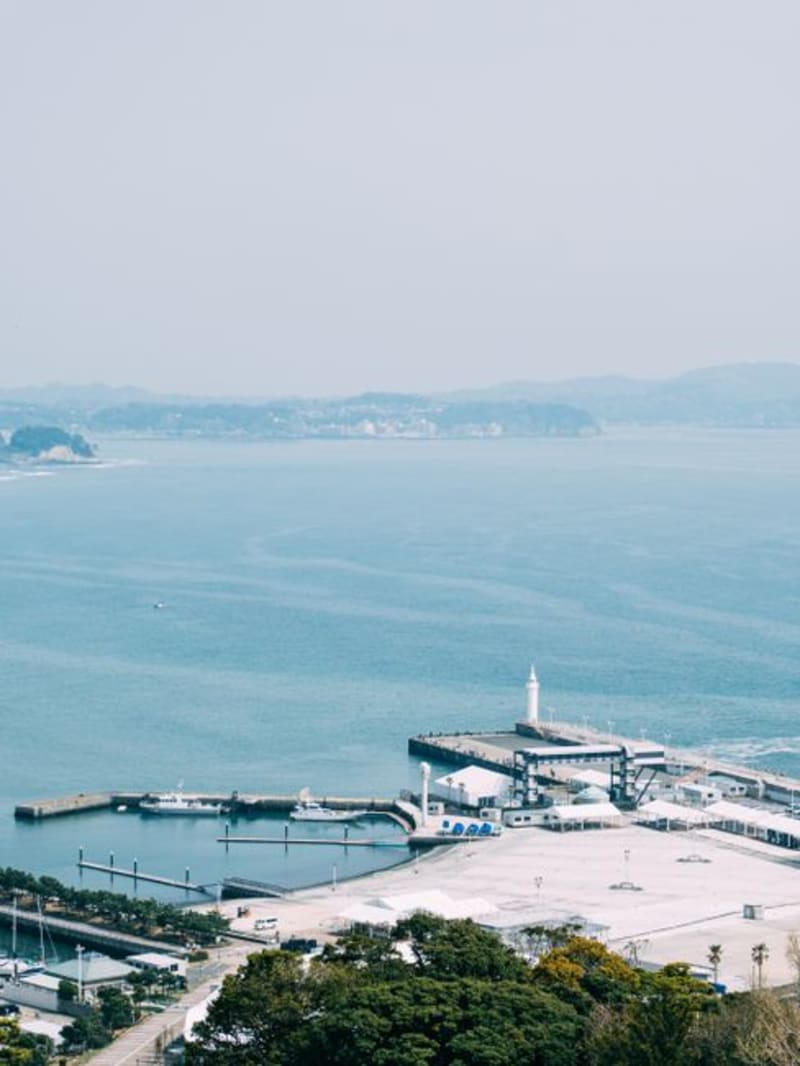 japan
Anan
A long, unhurried stretch of Tokushima coast where loggerhead turtles still haul themselves up dark beaches to nest, and a scatter of green islands breaks the Pacific into quieter water. It is Shikoku's warm, salt-bleached edge, far from any crowd.
Explore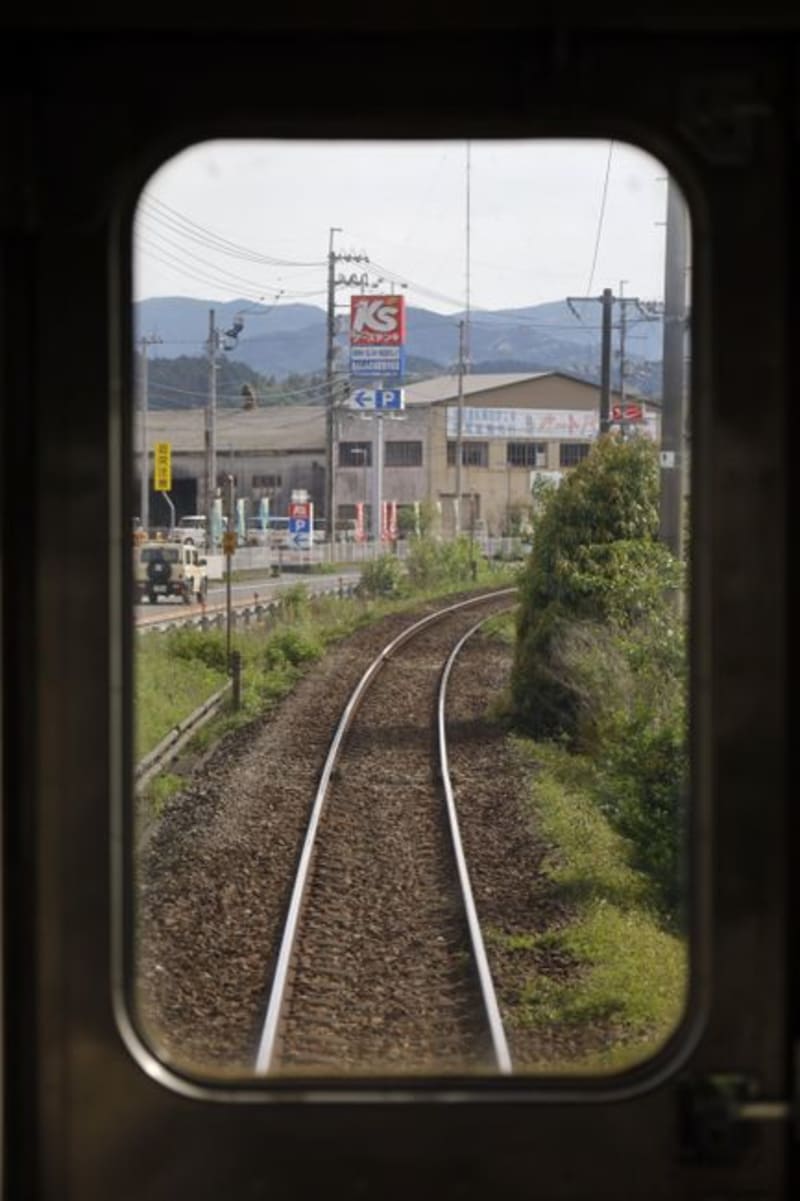 japan
Aoshima (Cat Island, Ehime)
A tiny island in the Uwa Sea where feral cats vastly outnumber the handful of elderly residents left, descendants of cats fishermen once brought aboard to control shipboard mice. No shops, no vending machines, just a short ferry ride and cats sunning themselves in half-empty doorways.
Explore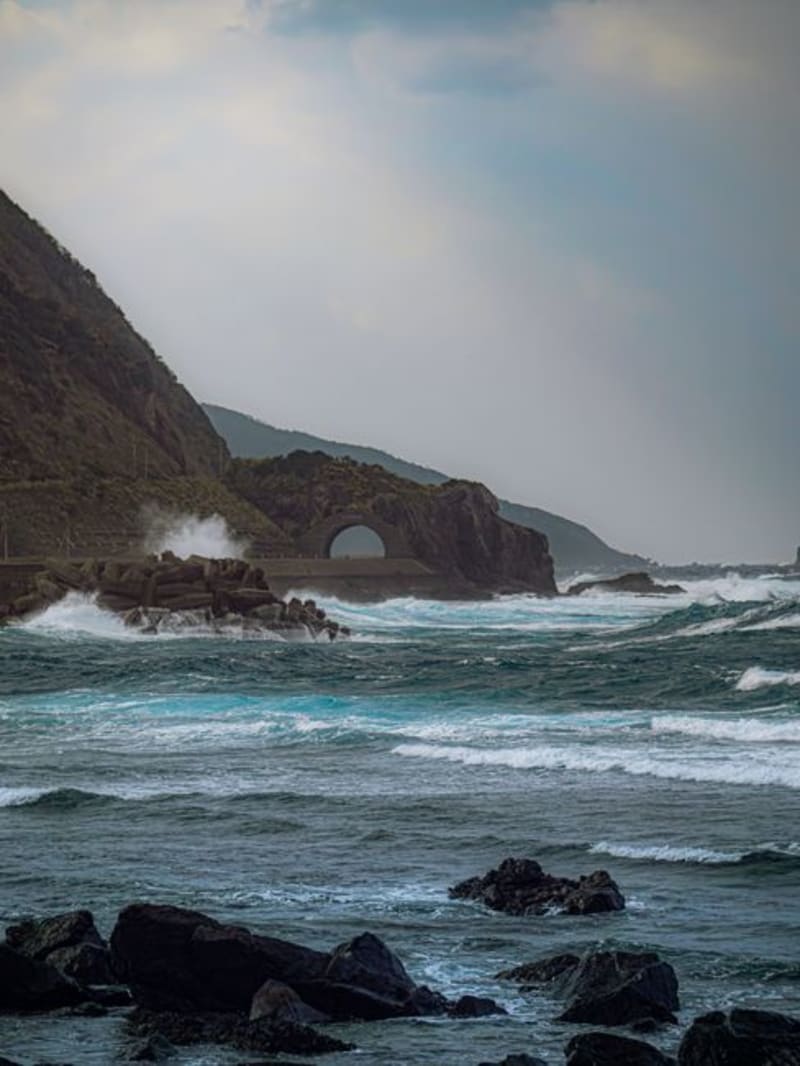 japan
Cape Ashizuri
The wild southwestern tip of Kochi, where Shikoku runs out of land in a flourish of black cliffs, subtropical greenery, and a white lighthouse that has watched over some of the roughest water in Japan for over a century. It is remote, weather-beaten, and gloriously empty — a place to feel small in the good way. We drove a long way for it and the cape paid us back with interest.
Explore japan
Hiketa
An Edo-period port district in Higashikagawa that flourished as the 'port waiting for the wind,' trading salt, cotton, and the hand-refined sugar called wasanbon still made almost nowhere else in Japan. Its merchant streets of lattice doors and white-plastered storehouses remain intact enough to walk straight into the past.
Explore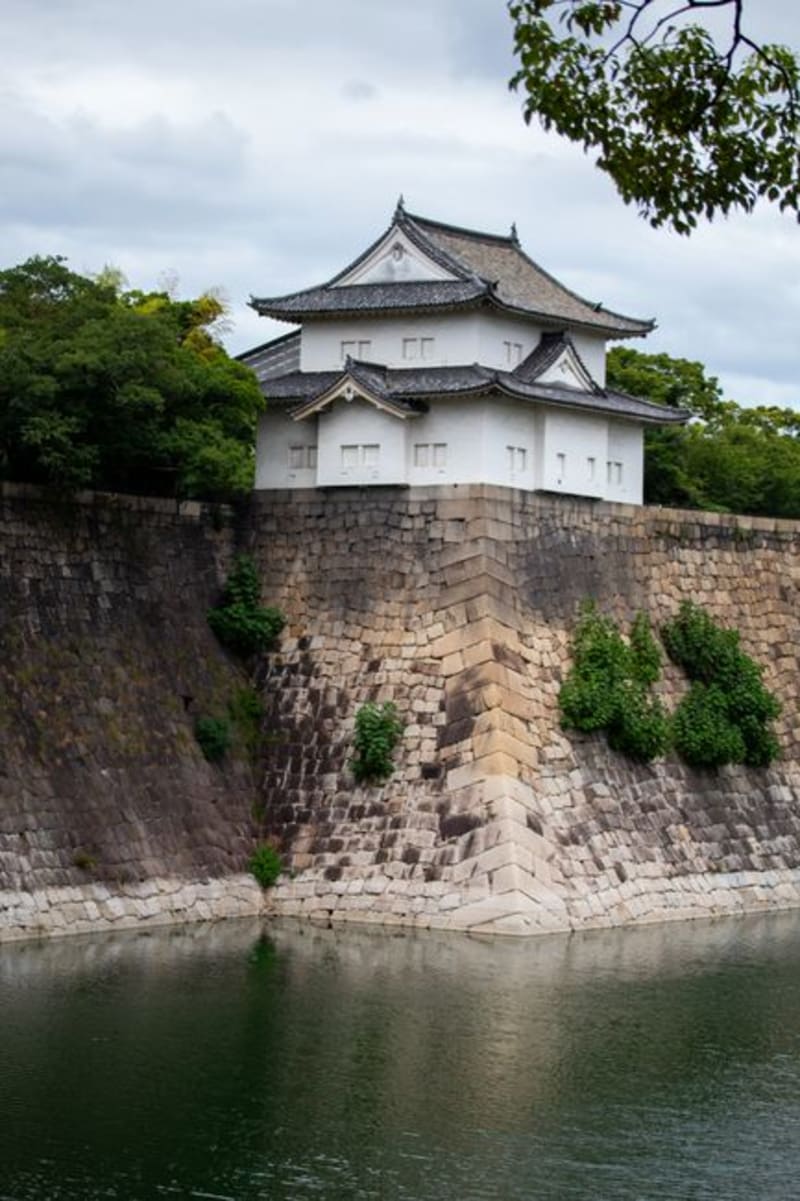 japan
Imabari
A working port on the Seto Inland Sea where the Shimanami Kaidō lands back on Shikoku after leaping island to island on impossible bridges. Imabari smells of the sea and of freshly pressed cotton, and moves at the speed of a bicycle.
Explore japan
Ino
A Kochi town that has made Tosa washi paper for over a thousand years, legend crediting a Heian-era governor and poet with encouraging the craft. At the paper museum near the station you can work a vat of pulp yourself, hands in the water beside artisans repeating the same rocking motion their grandparents used.
Explore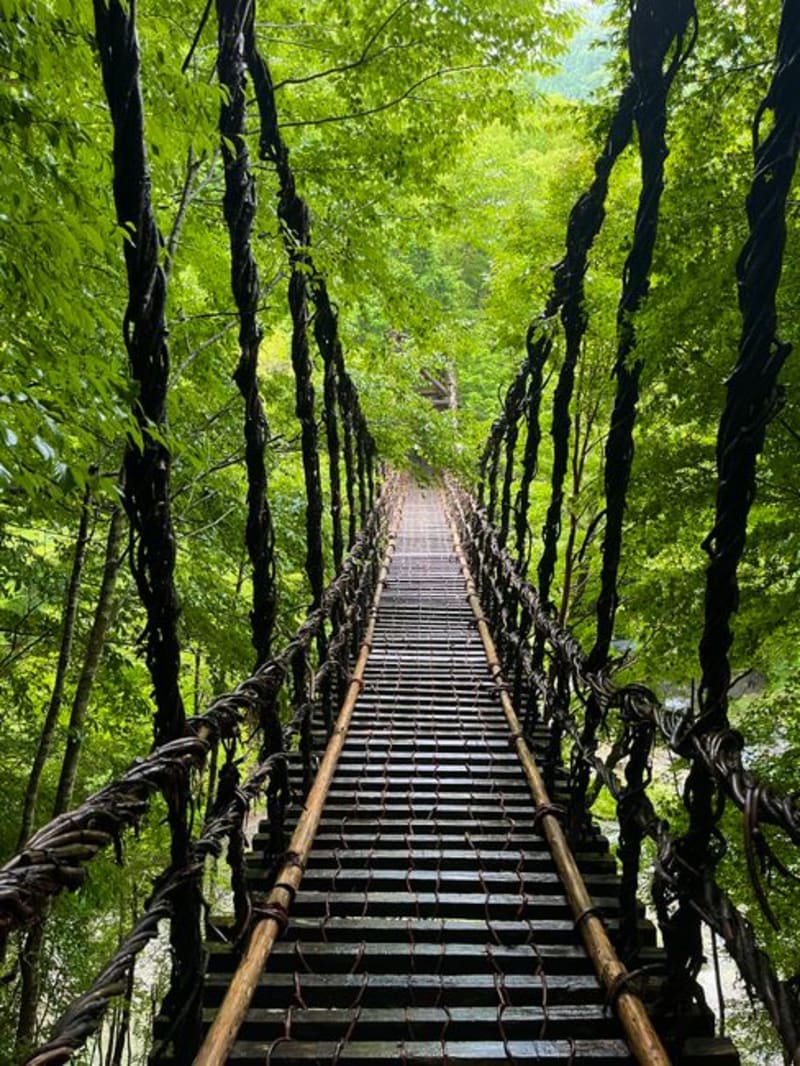 japan
Iya Valley
A deep, mist-wrapped gorge in the heart of Shikoku, laced with vine bridges and thatched houses and a strange population of straw scarecrows. Iya is the Japan we thought had disappeared — and hadn't.
Explore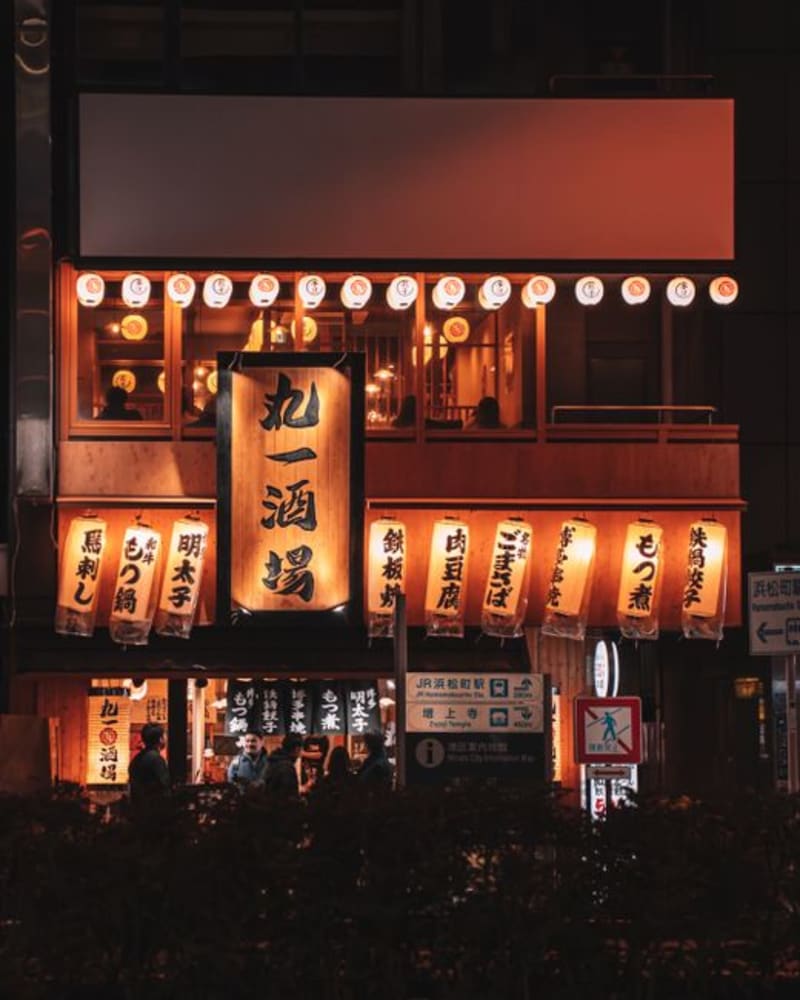 japan
Kamikatsu
A mountain hamlet in inland Tokushima where every household hand-sorts its trash into dozens of categories at a single drop-off station, because in the early 2000s this became Japan's first town to declare itself zero waste. A quiet, unglamorous lesson in what it actually takes to mean it.
Explore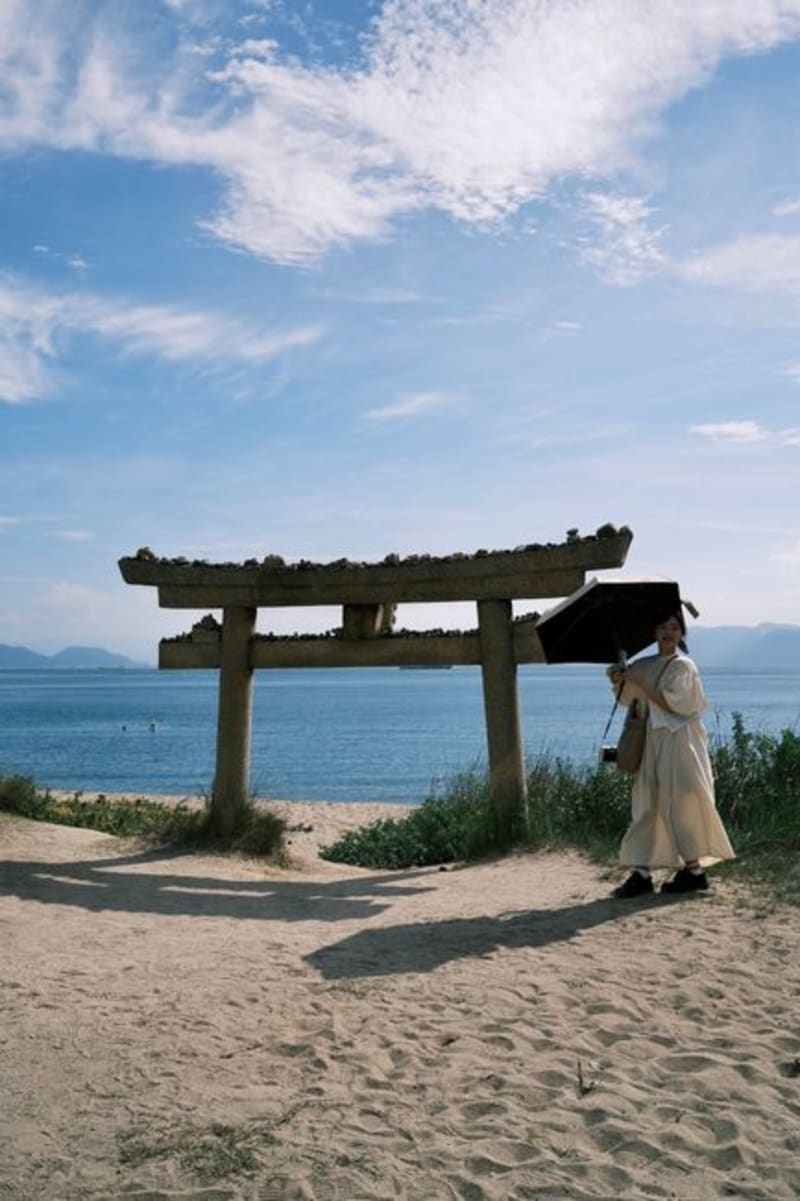 japan
Kanonji
A breezy Kagawa town on the Inland Sea where a giant coin lies raked into the beach sand, said to bless whoever looks upon it. Above it a pine-shaded hilltop shrine, and inland a mountaintop temple reached by ropeway over the whole silver sea.
Explore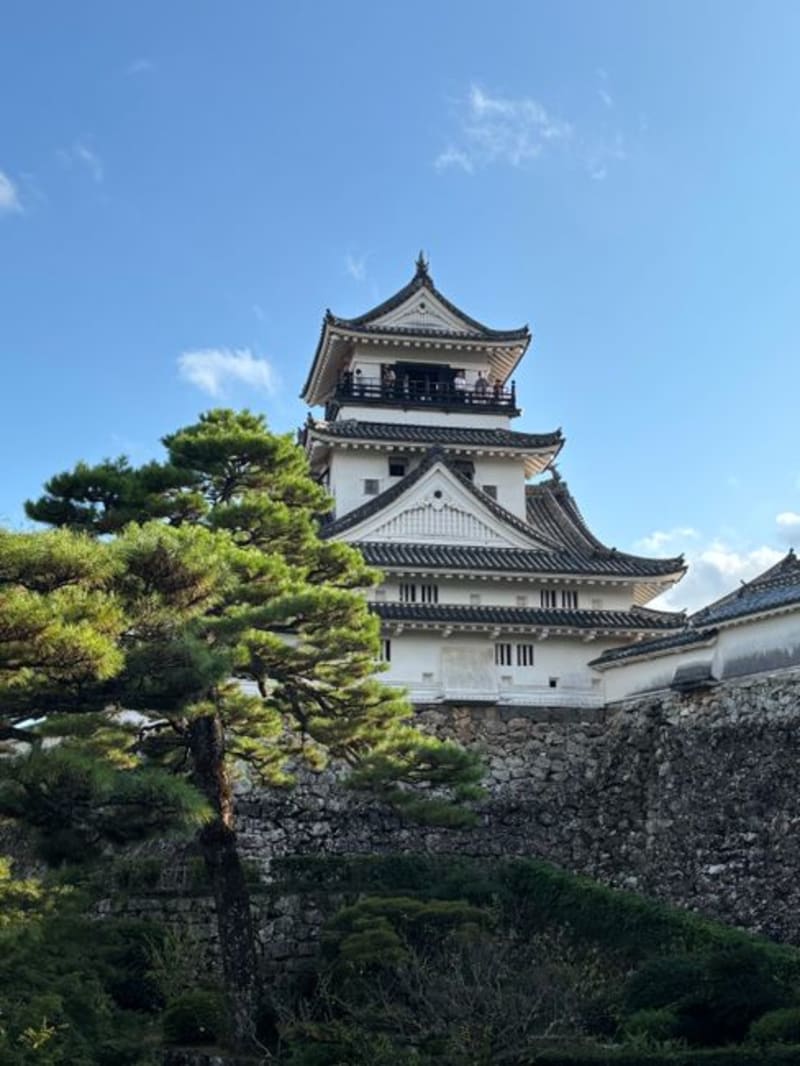 japan
Kōchi
South-coast Shikoku, warm and open-hearted, with one of Japan's few surviving original castles and a fish grilled over burning straw. Kōchi felt like the country exhaling — slower, sunnier, and unafraid of a drink.
Explore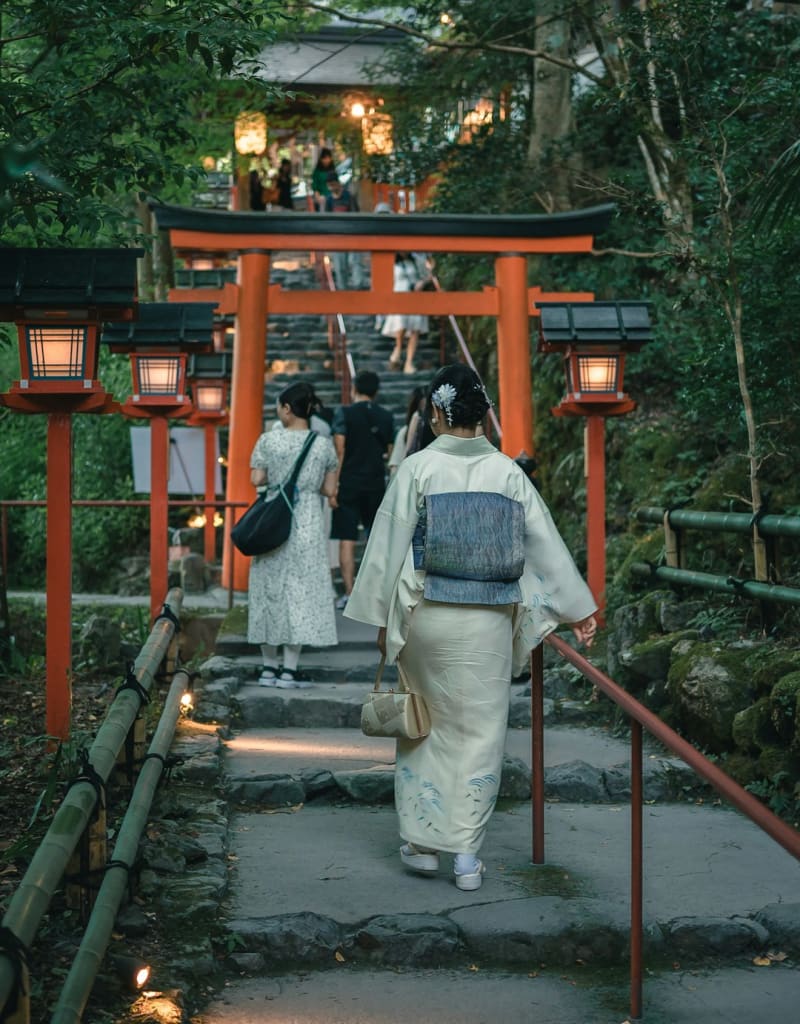 japan
Kotohira
A temple town in Kagawa on the island of Shikoku, built around Konpira-san — a mountainside shrine reached by more than 785 stone steps lined with old shops. It is a pilgrimage and a climb and a bowl of Sanuki udon at the top of it all. Earnest, a little breathless, and richly rewarded by the view.
Explore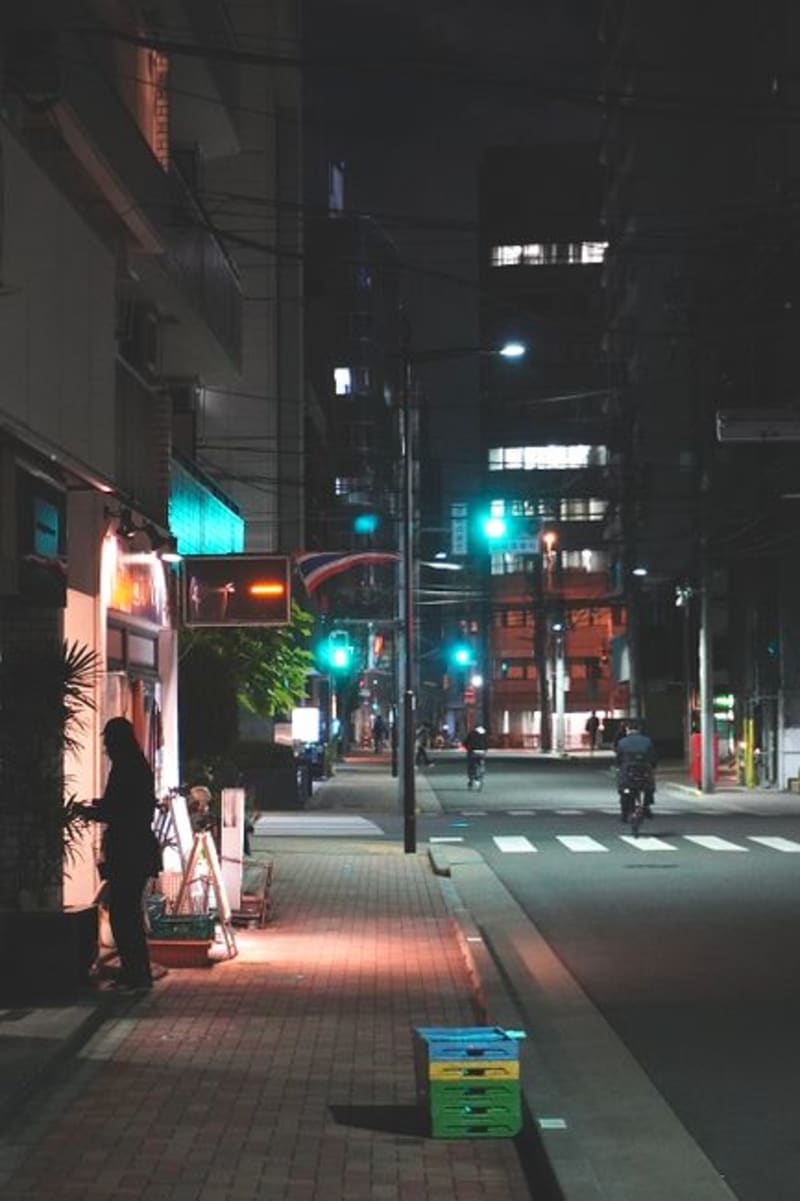 japan
Marugame
A Kagawa castle town whose original Edo-period wooden keep still stands atop what are officially the tallest stone castle walls in all of Japan, a dizzying stack of curved ishigaki you only truly feel by walking the full loop up. It's also a serious rival to Takamatsu for the title of Sanuki udon's true birthplace.
Explore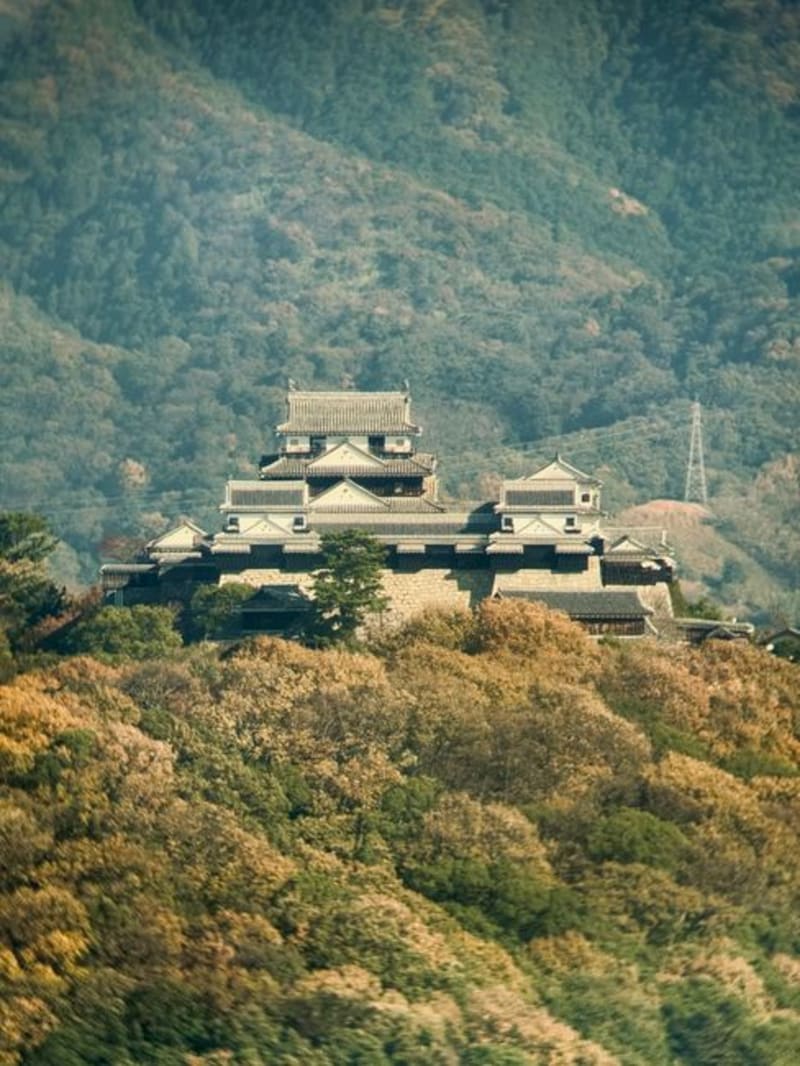 japan
Matsuyama
The largest city on Shikoku, built around Dōgo Onsen — one of the oldest hot springs in Japan and its grand wooden bathhouse. A hilltop castle, rattling streetcars, and a warm, literary, unhurried spirit all its own.
Explore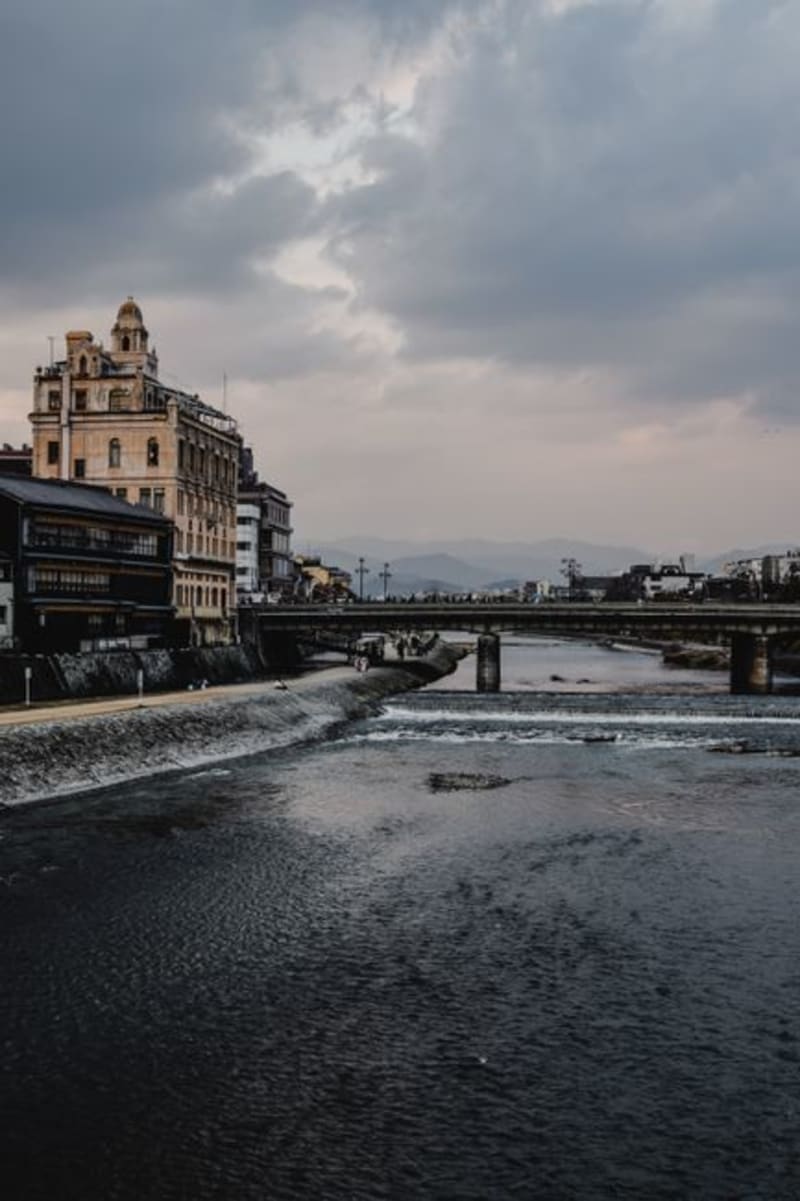 japan
Mima
A river town in Tokushima where a single Edo street survives almost whole — the white-plastered homes of the old indigo merchants, crowned with ornate fireproof udatsu gables that were once a quiet boast of wealth. It is history you can walk down slowly, with the Yoshino River at its back.
Explore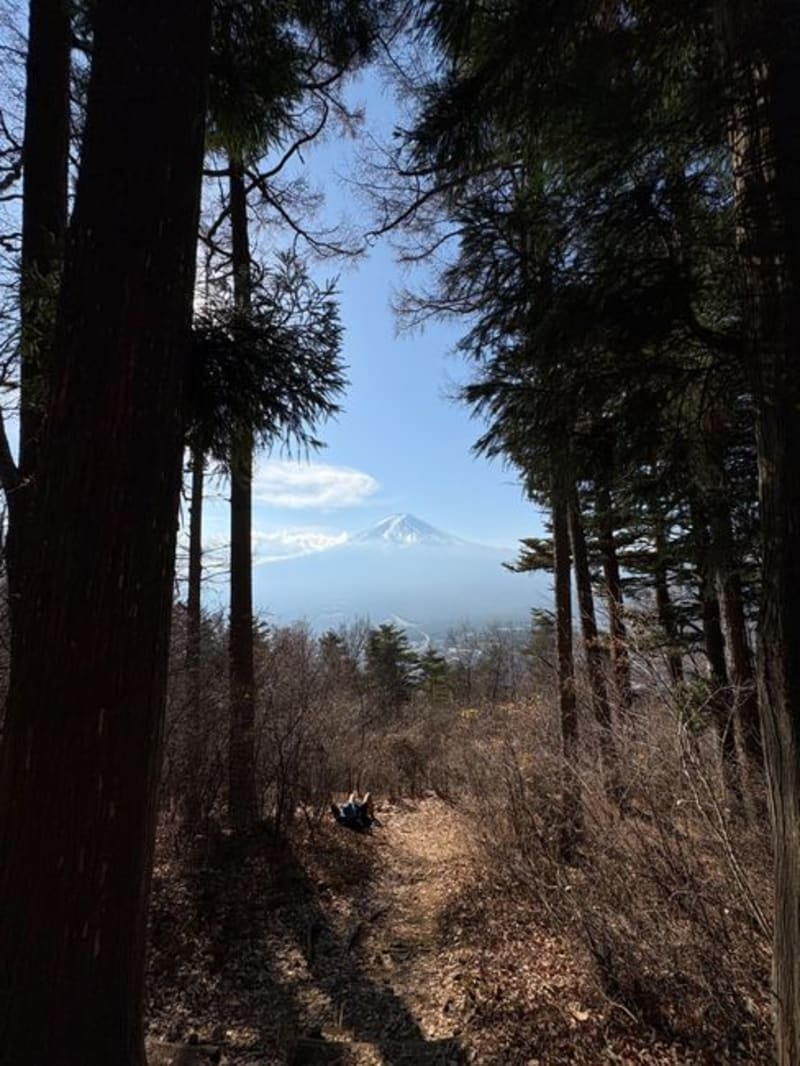 japan
Mount Ishizuchi
The highest peak in all of western Japan and a Shugendo ascetic training ground for over a millennium, proven by sets of iron chains bolted straight up the near-vertical rock faces below its summit. Climbers can take the chains for the old-school ordeal or the wooden stairs bolted alongside for a gentler ascent.
Explore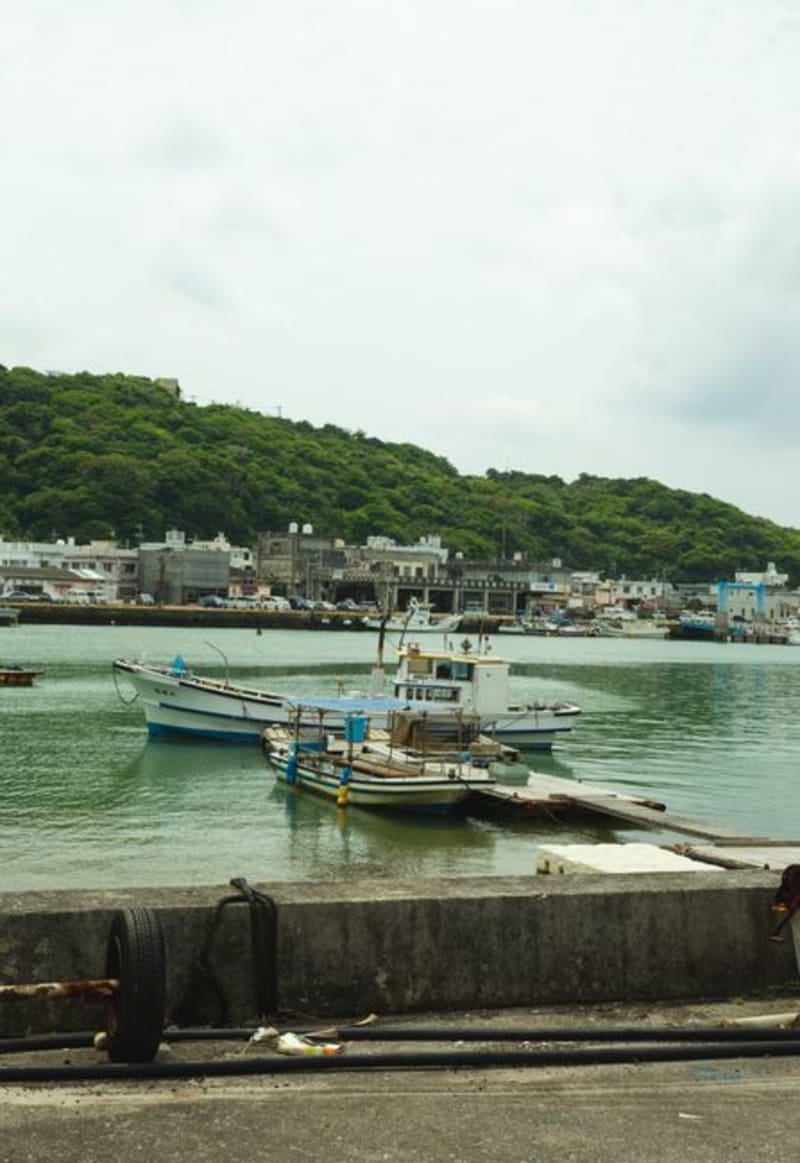 japan
Mugi
A small Tokushima town on the Pacific edge of Shikoku, where sea turtles come ashore to nest and a white lighthouse keeps watch over water so blue it looks dyed. Mugi is the kind of place you reach at the end of a road and wonder why you ever hurried anywhere.
Explore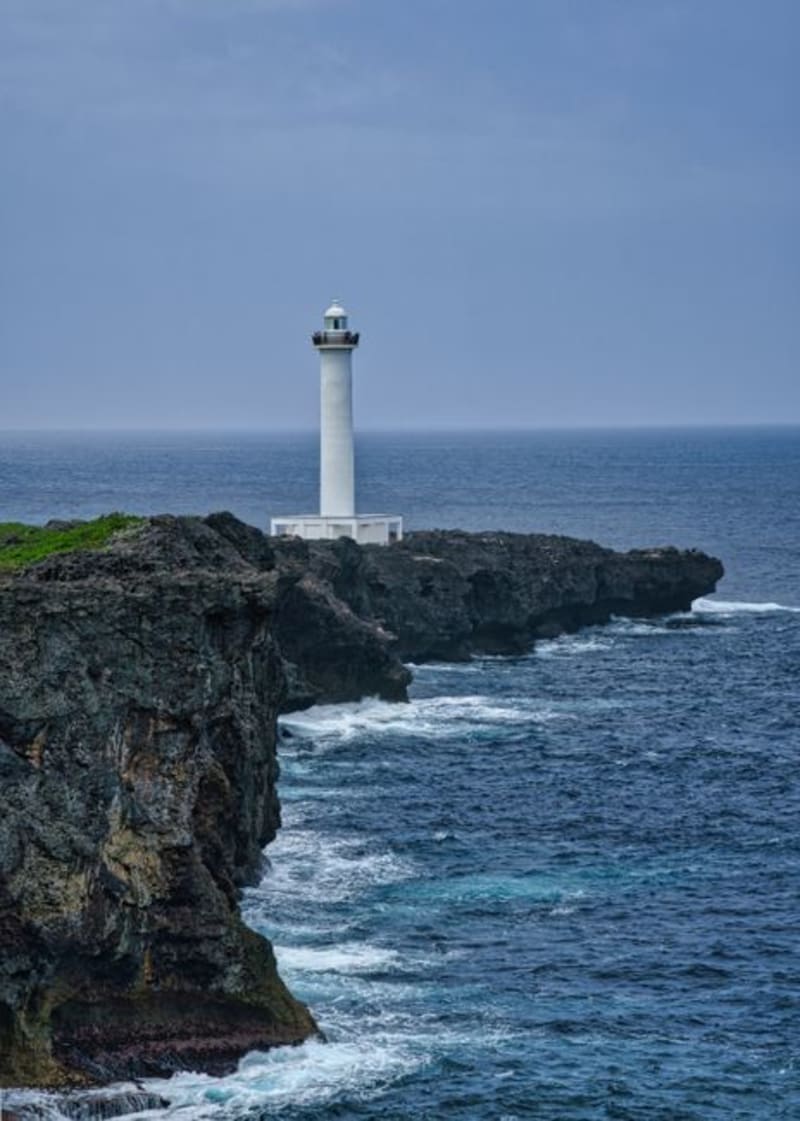 japan
Muroto
A cape flung out into the Pacific at the raw edge of Kōchi, where the land is still rising out of the sea. Muroto is uplifted rock, subtropical green, and a lighthouse that has watched the dark water for over a century. We went to feel small, and it obliged.
Explore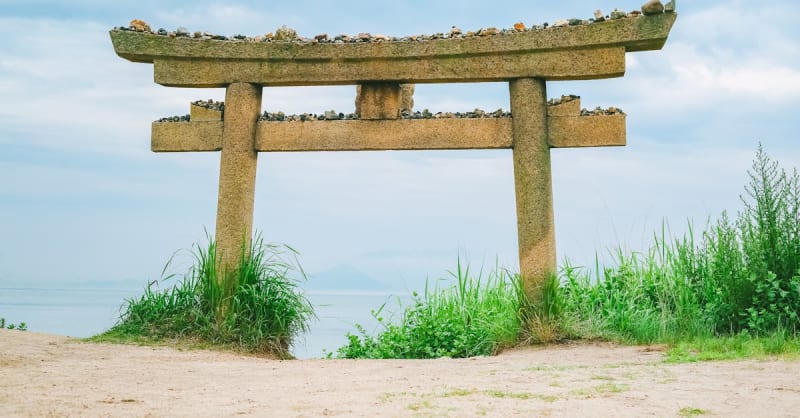 japan
Naoshima
A tiny island in the Seto Inland Sea transformed into one of the world's great open-air art museums.
Explore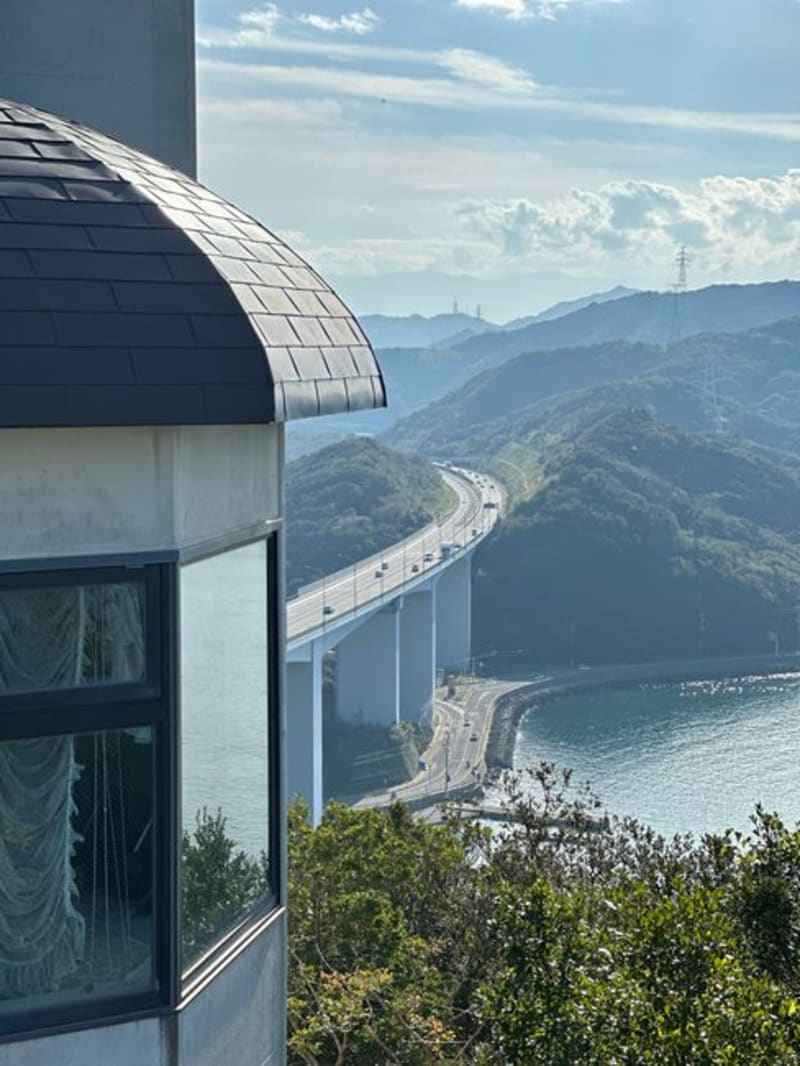 japan
Naruto
A ragged corner of Shikoku where the tide itself roars. Naruto is whirlpools, a great white bridge, and the strange calm of a museum that holds the world's masterpieces in ceramic. We came for the water and stayed for the quiet after it.
Explore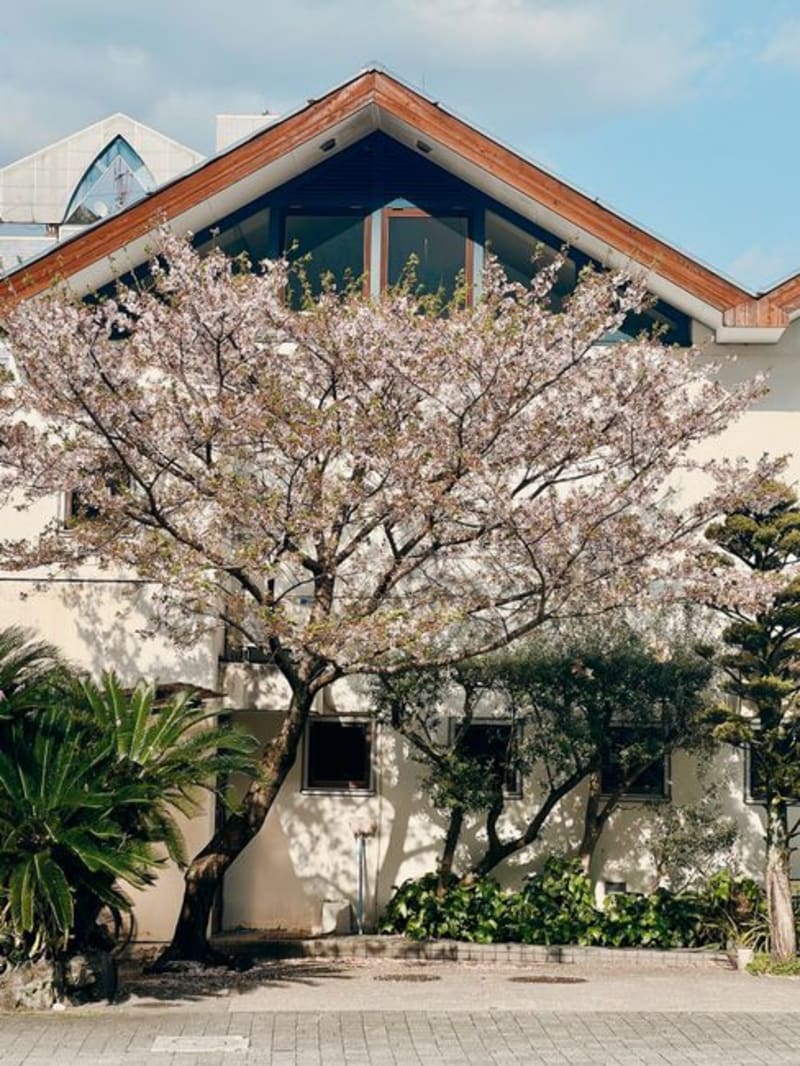 japan
Niihama
An industrial Ehime city built on the fortune of the Besshi copper mine, struck in the 17th century and worked continuously for centuries until it closed in the 1970s. The mountainside ruins, rail lines, and cable-car remains are still there to walk through today, a rare close look at the mine behind the Sumitomo empire.
Explore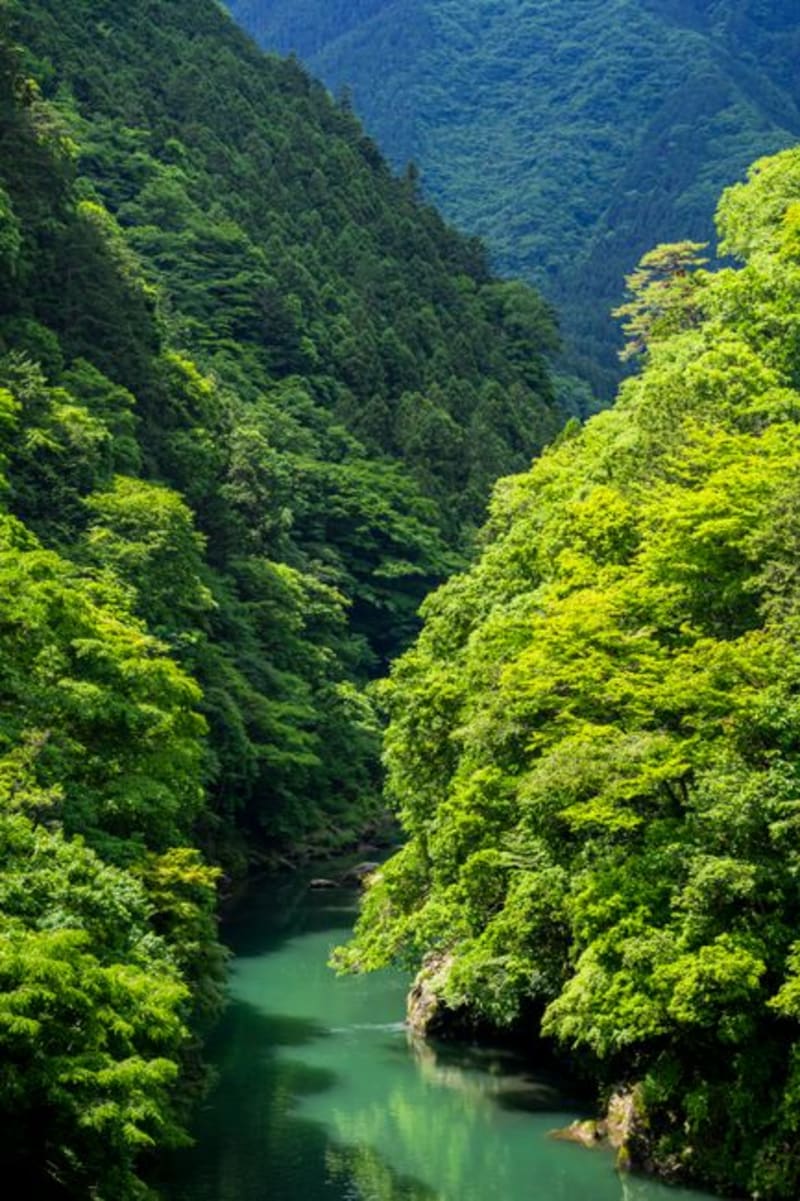 japan
Niyodo River
A Kochi river whose water goes past clear into something almost unreal — a pale, luminous turquoise the locals call 'Niyodo blue'. It pools under mossed boulders, spills over low falls, and rewards anyone willing to drive its long green valley.
Explore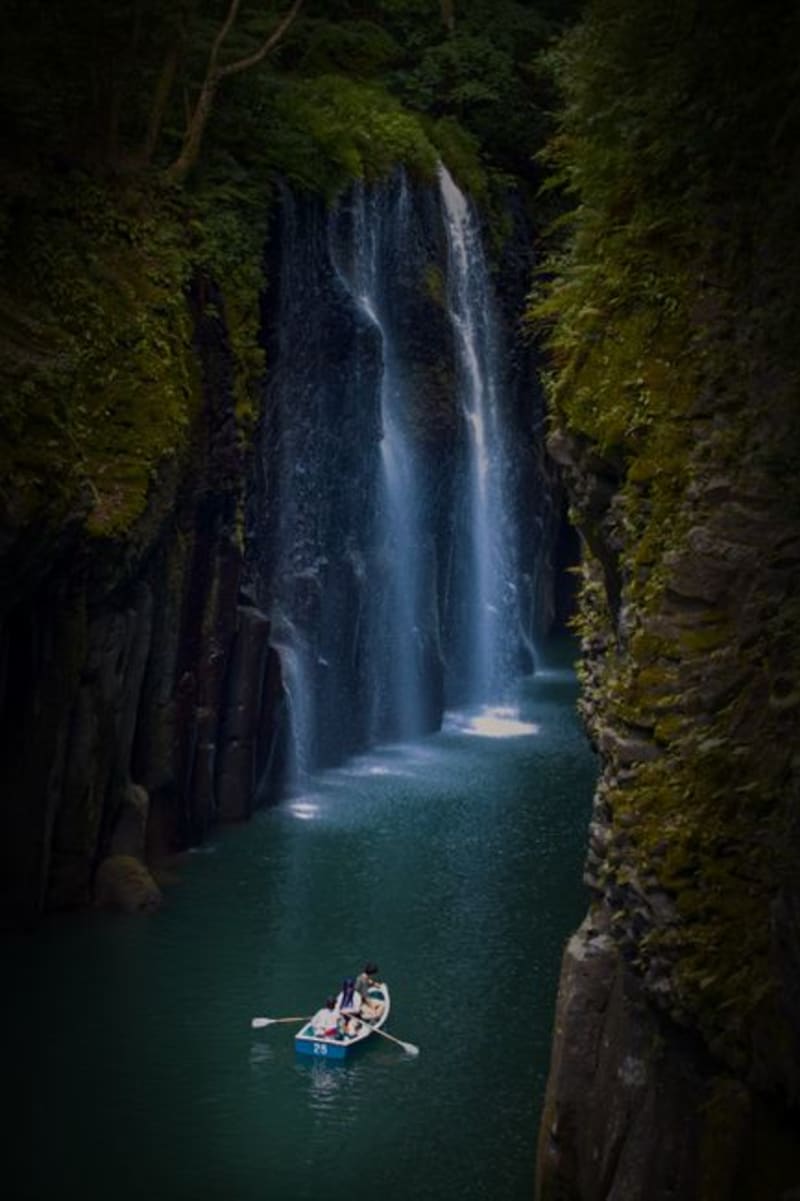 japan
Ōboke
A gorge cut deep into the Tokushima mountains, where the Yoshino river turns jade and white between walls of folded rock. Pleasure boats drift and rafts crash through the rapids, and just beyond lies the hidden Iya Valley.
Explore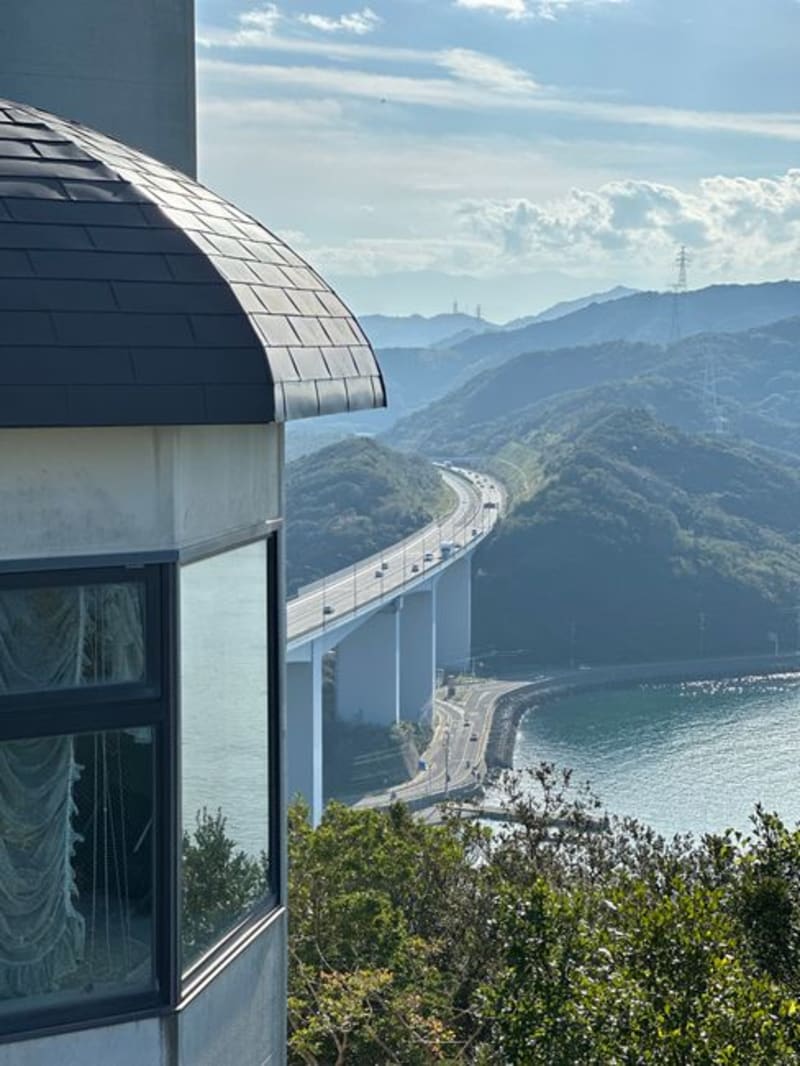 japan
Ogijima
A small island forty minutes by ferry from Takamatsu, home to a little over a hundred people, a granite Meiji-era lighthouse, and a concentrated population of cats around a handful of alley corners. Its sloped, maze-like village has been dotted with permanent art since the early 2010s, when it joined the Setouchi Triennale.
Explore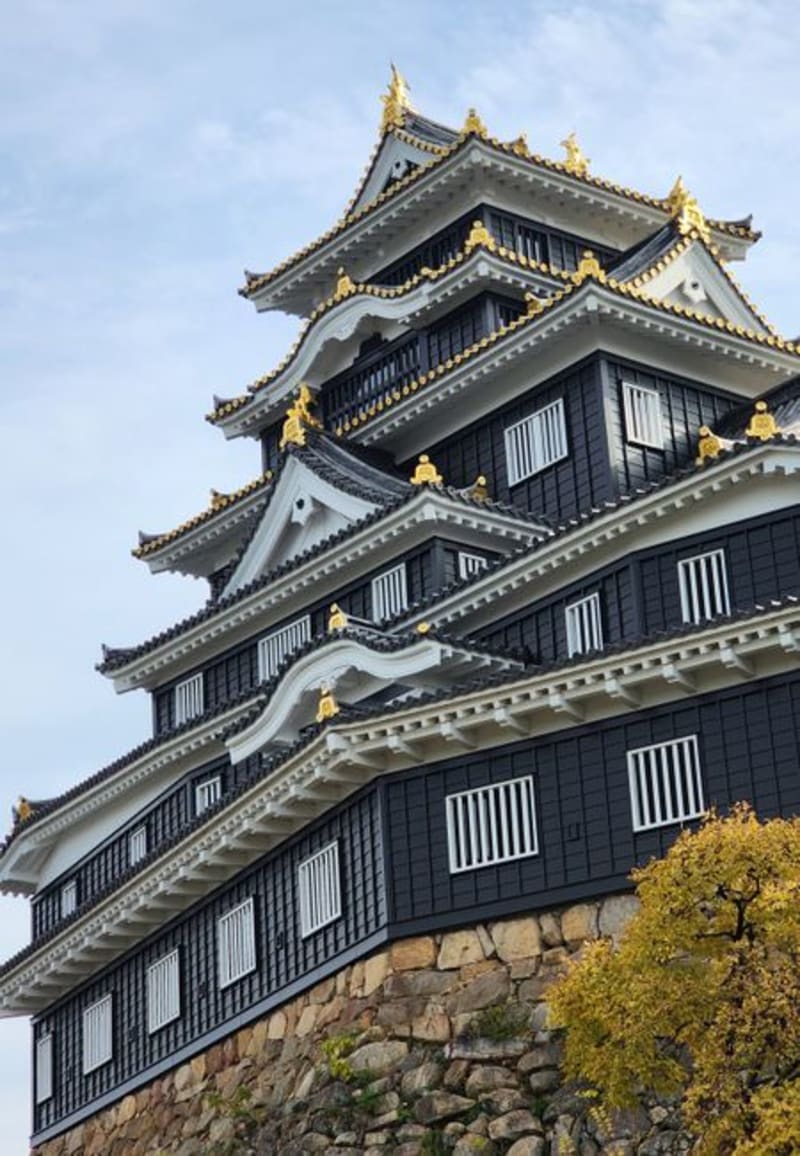 japan
Ōzu
An Ehime castle town on the Hiji river, sometimes called a little Kyoto for its old streets and riverside calm. A faithfully rebuilt wooden keep, a hillside villa looking out over the water, and cormorant fishermen working the summer nights. Riverine, unhurried, and easy to love.
Explore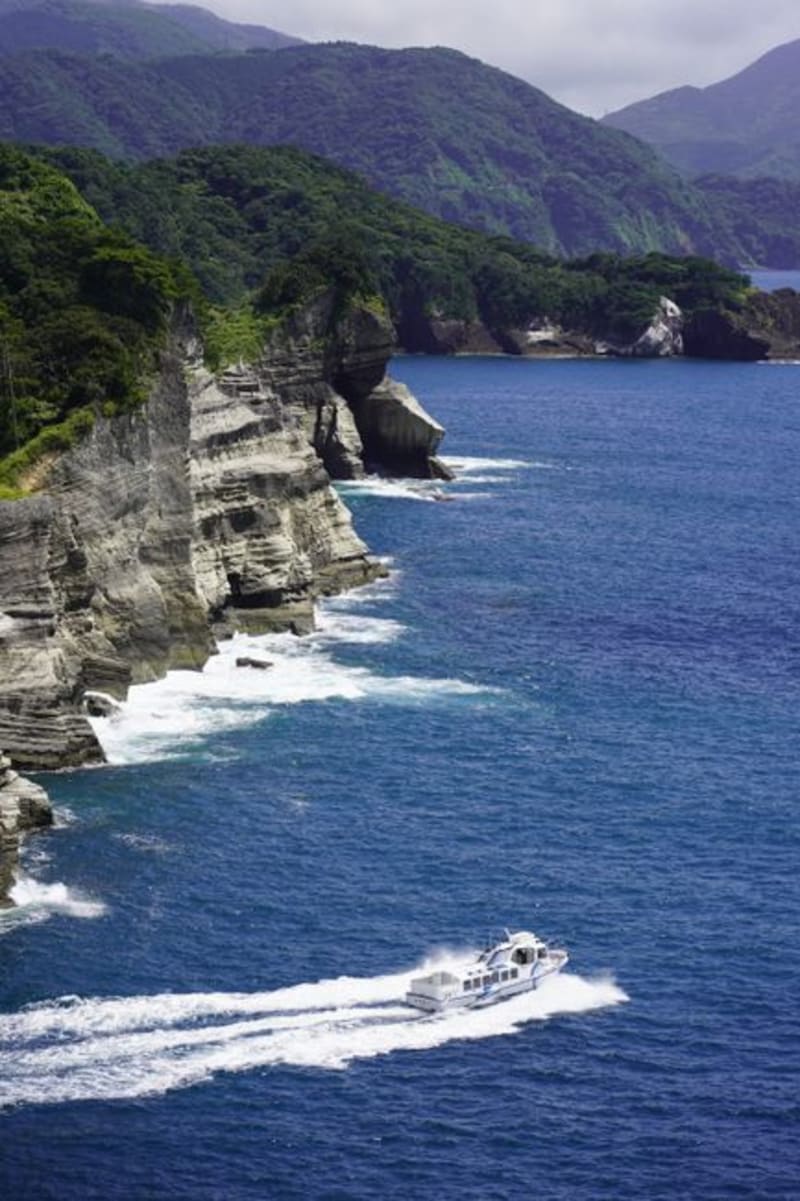 japan
Sadamisaki Peninsula
One of the narrowest peninsulas of its length in all of Japan, a long blade of land jutting west from Ehime so slender that a single ridge road offers views of both the Seto Inland Sea and the Uwa Sea at once. It ends, after miles of cherry trees and fishing coves, at Shikoku's westernmost lighthouse.
Explore japan
Saijo
A quiet Ehime city that drinks straight from the mountain, where artesian springs bubble up in doorways and rice paddies alike beneath Ishizuchi, the highest peak in western Japan. It is a place of clear water, sacred stone, and autumn festival drums.
Explore japan
Shimanto
A green fold of rural Kōchi wrapped around the Shimanto, often called the last clear river in Japan. Here bridges duck under the floods instead of fighting them, and the days move at the pace of slow water.
Explore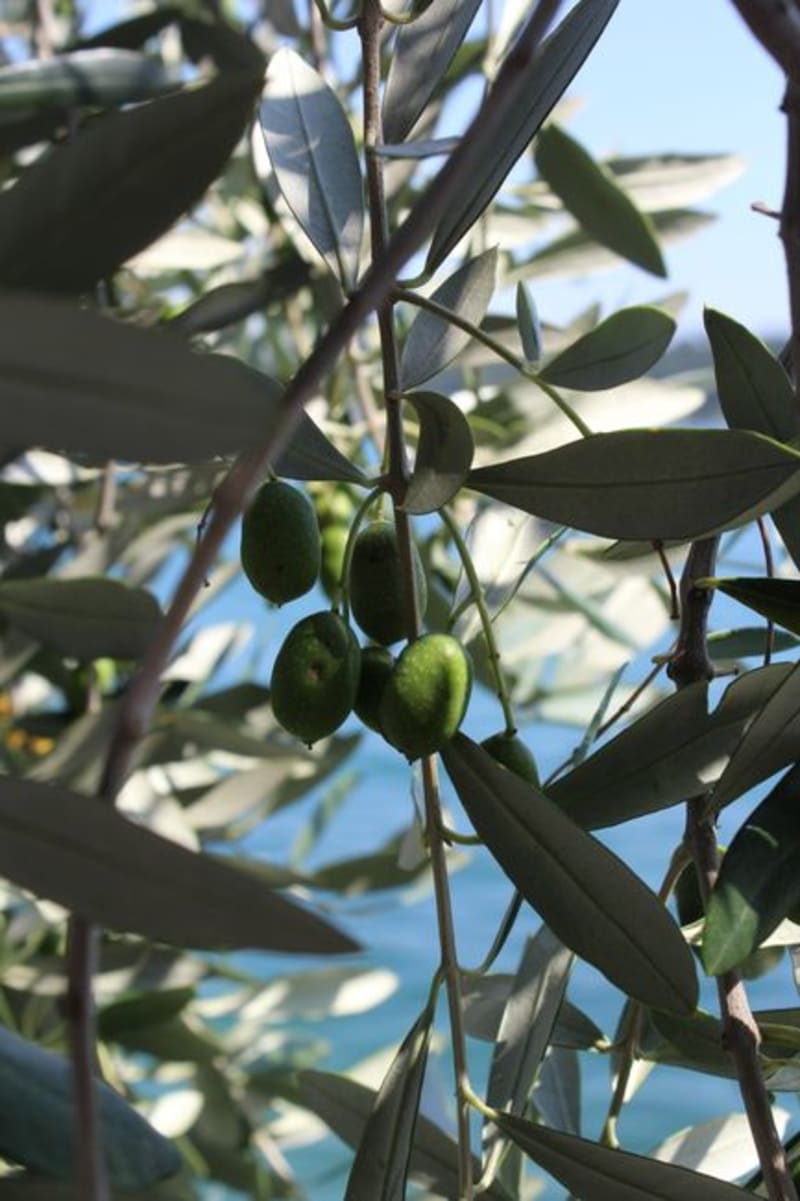 japan
Shōdoshima
An Inland Sea island that smells of olives and the sea, where a Mediterranean daydream sits beside a raw stone gorge and soy-sauce breweries fill the air with dark, sweet steam. Shōdoshima was our slow goodbye to the Setouchi.
Explore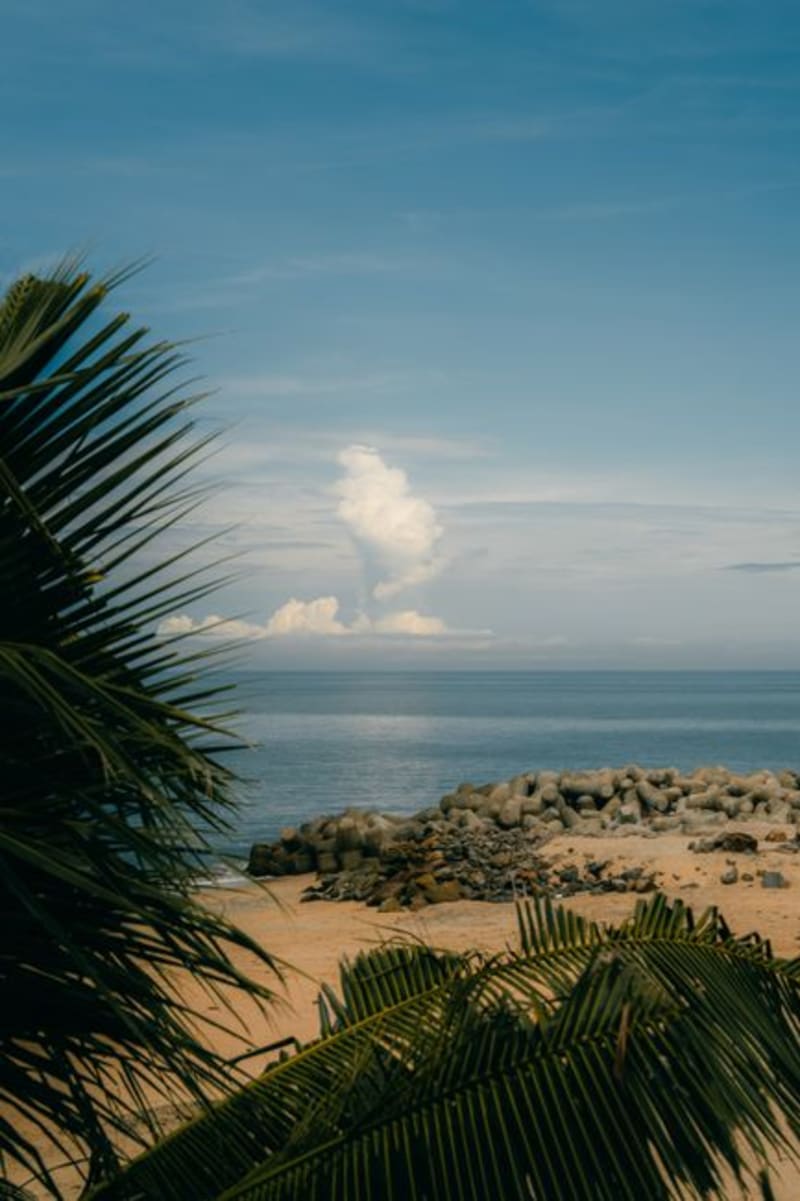 japan
Sukumo
A quiet bay town in the far southwestern corner of Kochi, where the days end in sunsets so famous they've been given a name. There is little to 'do' here, which is precisely the point — Sukumo is a place to slow down and watch the light leave the water.
Explore japan
Susaki
A working Pacific port in Kochi still shipping cargo out on routes to Korea and China, giving it a harbor grit that more touristed coastal towns nearby have lost. It's also the birthplace of nabeyaki ramen, a bubbling clay-pot bowl of soy-chicken broth, chikuwa fish cake, and a raw egg cracked in tableside.
Explore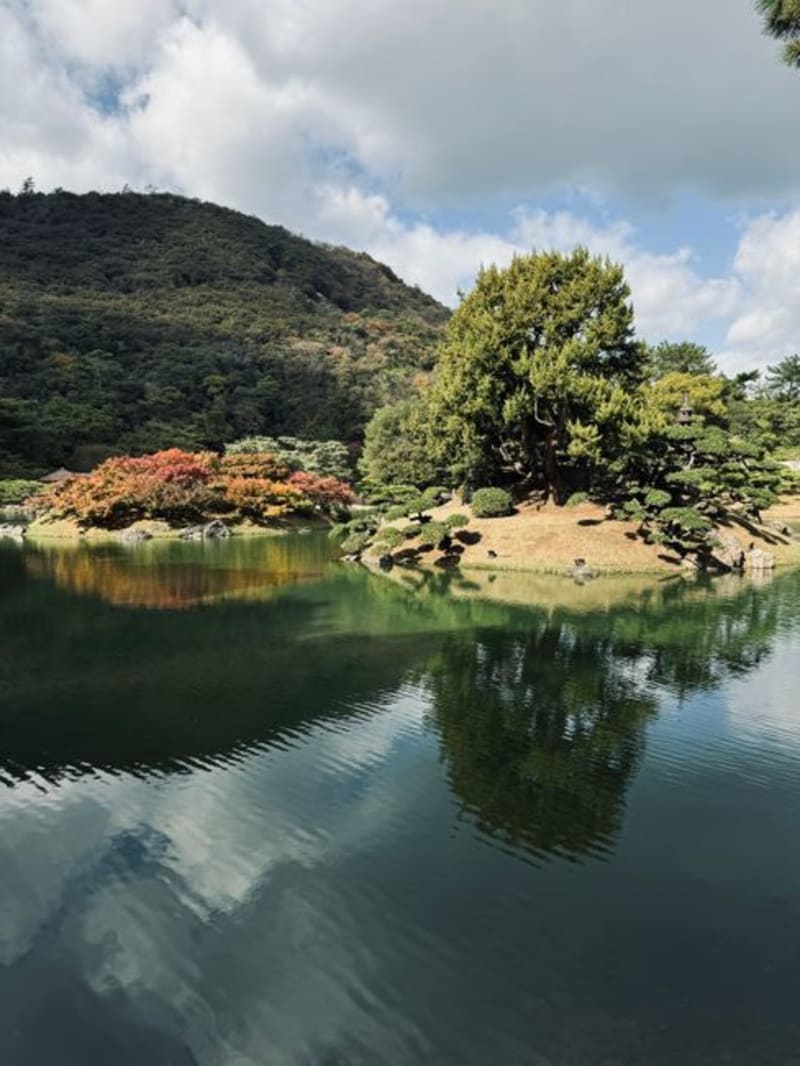 japan
Takamatsu
A port city where a feudal garden meets the tide and a castle keeps its feet in seawater. Takamatsu gave Lia and me our first taste of the Inland Sea, and our first bowl of udon that mattered.
Explore japan
Teshima
A small Seto Inland Sea island where contemporary art museums blend into rice terraces tended by elderly farmers.
Explore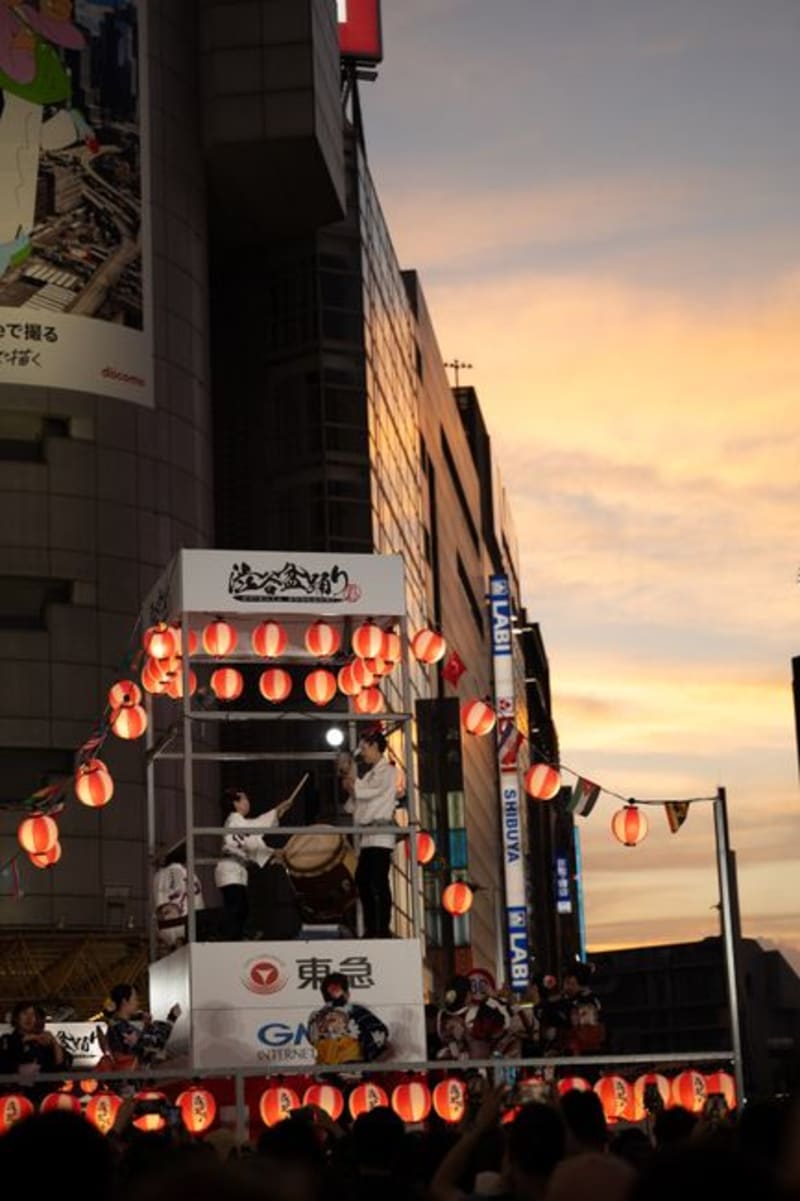 japan
Tokushima
A city that spends most of the year quietly and then, for a few August nights, loses its mind to dance. Between the whirlpools of Naruto and the drum of the Awa Odori, Tokushima taught us to stop watching and join in.
Explore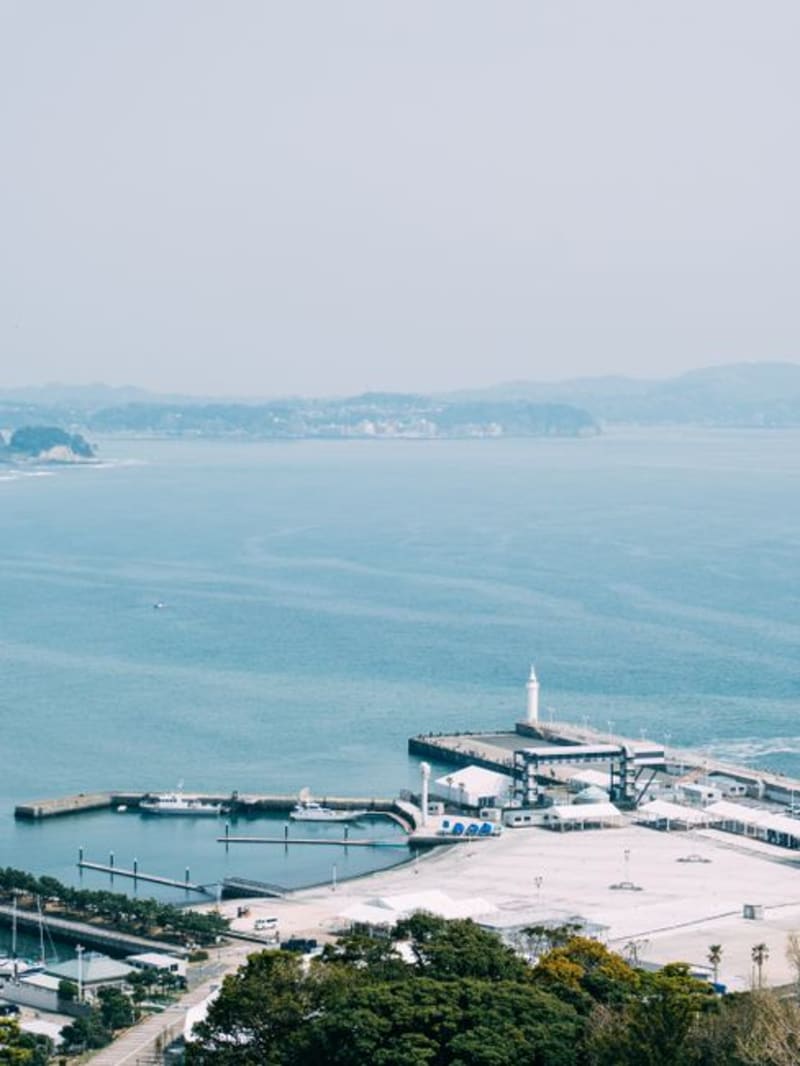 japan
Tosa
A Kōchi coast town where the Pacific arrives loud and open, and lunch is a fillet of bonito scorched over rice straw until the skin blisters. Between the whale boats and the paper mills, Tosa keeps a slower, saltier rhythm than the rest of Shikoku.
Explore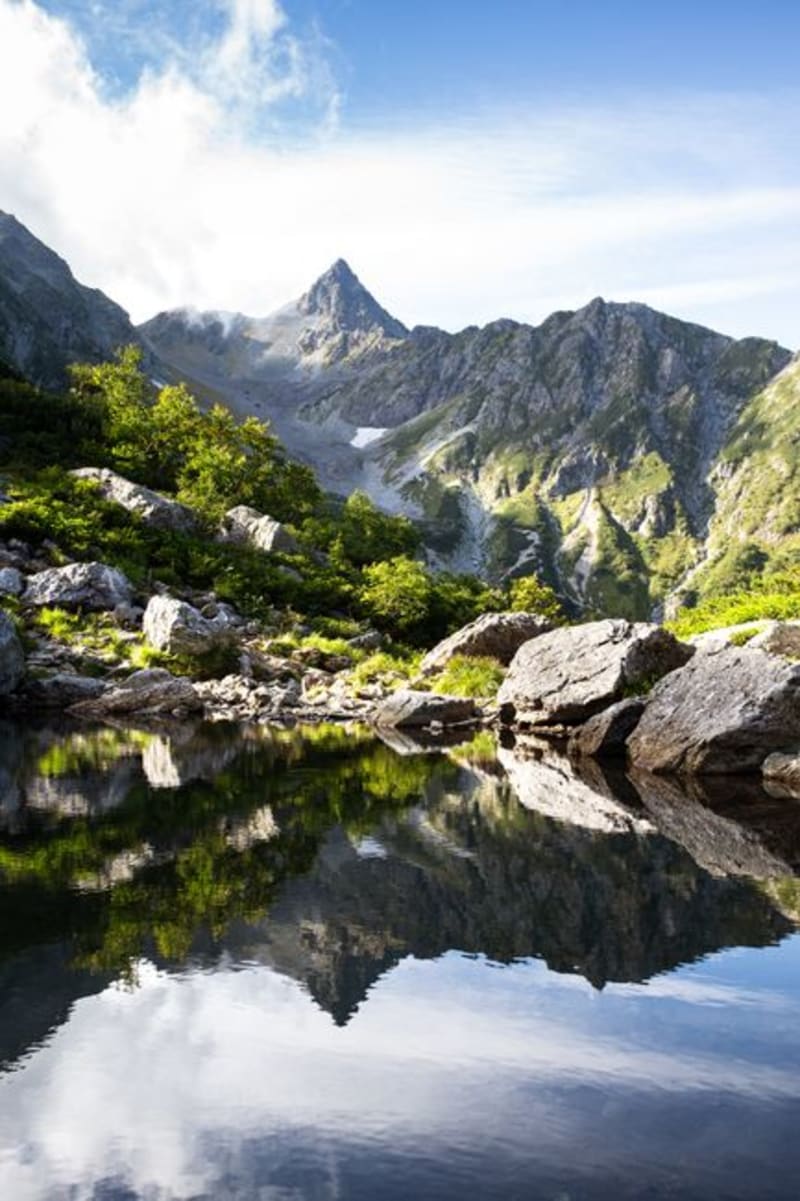 japan
Mount Tsurugi
Shikoku's second-highest peak and one of the gentlest sacred summits in Japan — a mountain you can walk up over grassy ridges and boardwalks, with a shrine near the top and views that on a clear day run all the way to the sea.
Explore japan
Uchiko
An Ehime town that once grew rich on wax, where a single street of ochre-plastered merchant houses has been kept just as it was. There is a jewel of a Meiji-era kabuki theatre, green hills at every turn, and almost no one else about. Quietly, unshowily elegant.
Explore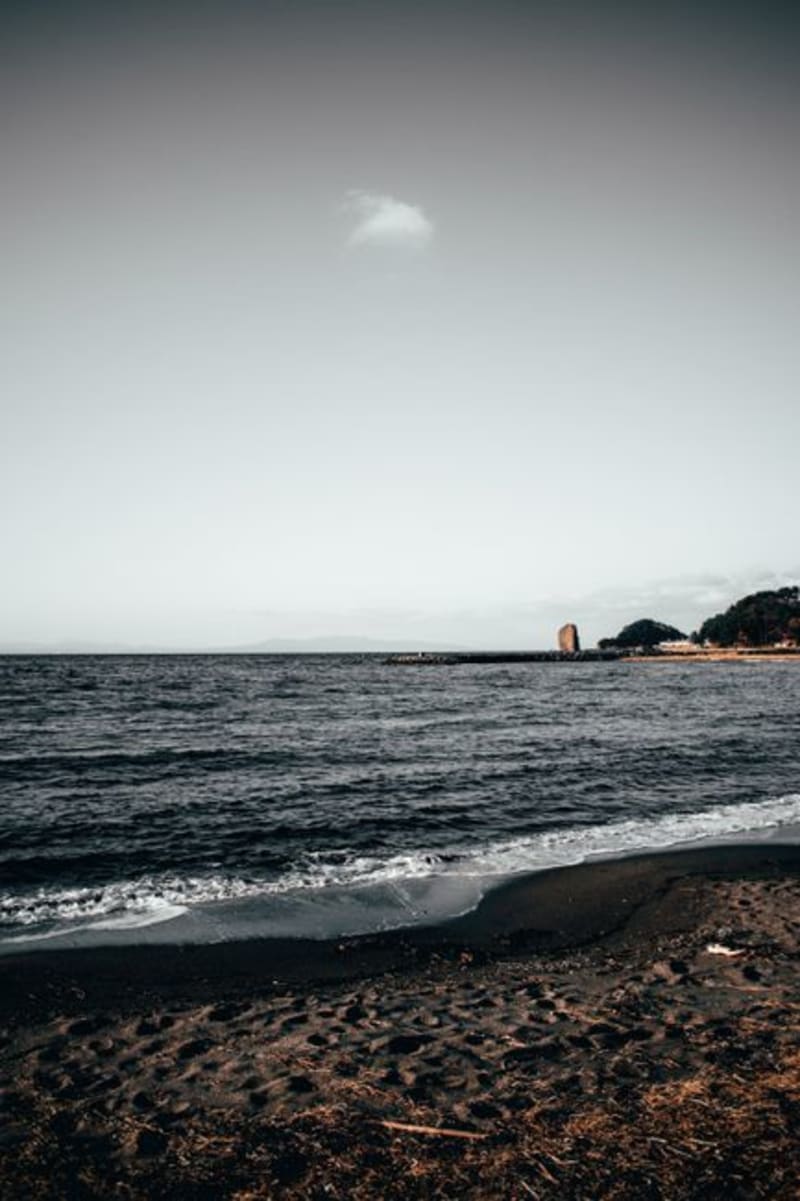 japan
Uwajima
A salt-air port at the ragged bottom of Ehime, where an original castle keeps watch over a ria coast strung with pearl rafts. It is a town of bull-sumo bellows, mikan groves, and a bay that turns silver at dusk.
Explore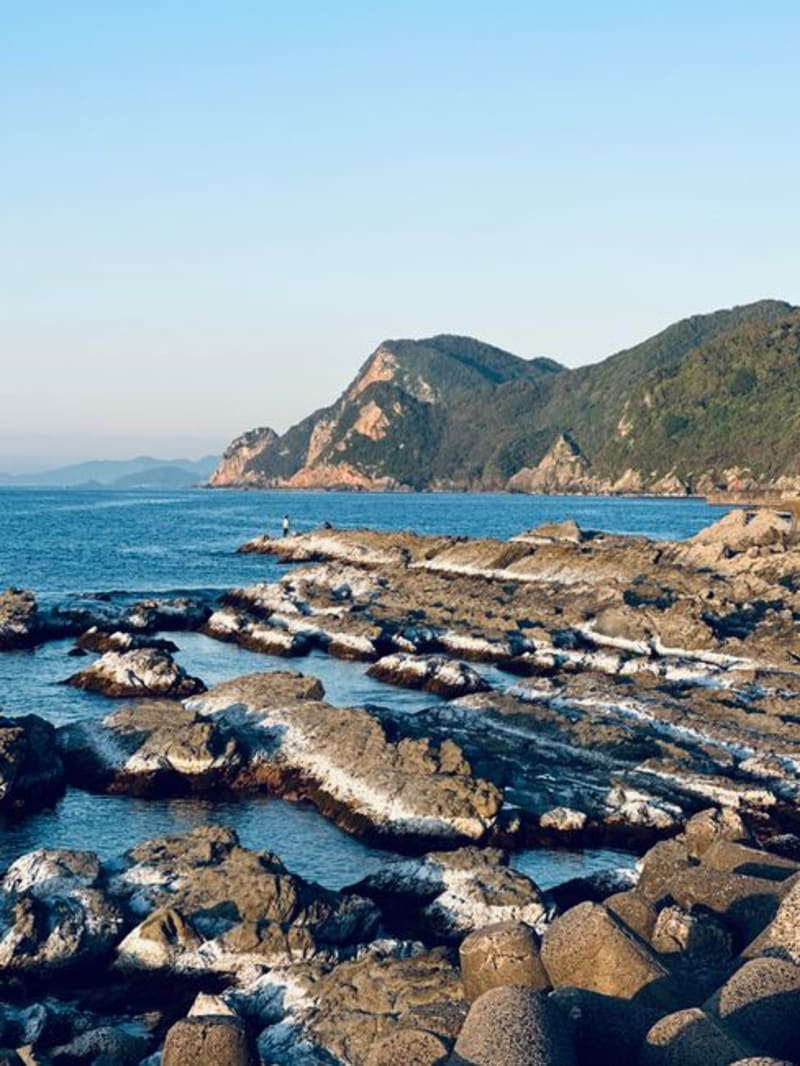 japan
Yawatahama
An Ehime port town where the hillsides above the harbour are stacked with mandarin terraces, and the ferries slip out across the strait toward Kyushu. A place of citrus, salt air, and the particular restlessness of a town that has always faced the sea.
Explore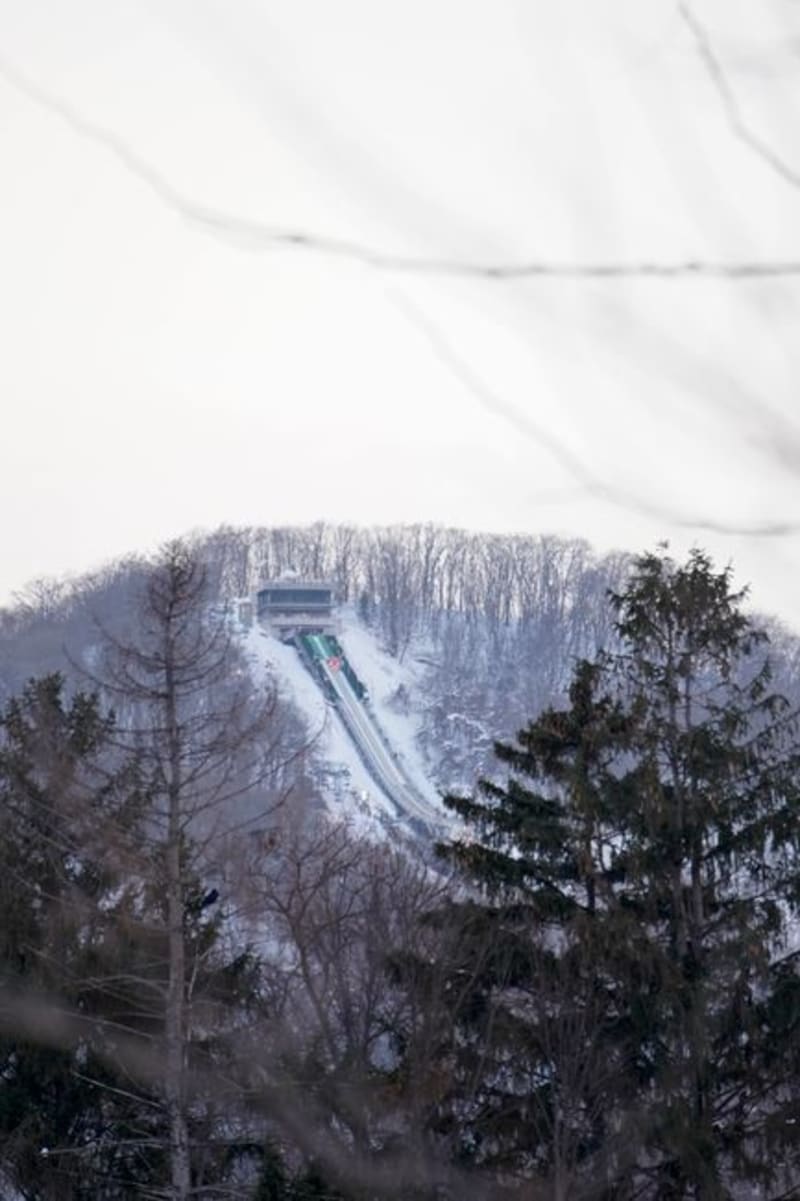 japan
Yusuhara
Nicknamed 'the town above the clouds,' this remote logging town deep in the Kochi mountains has quietly become an open-air museum of buildings by one of Japan's most celebrated architects. A thatch-and-glass library, a cedar town hall, and a wooden bridge-gallery, all in a village most guidebooks skip entirely.
Explore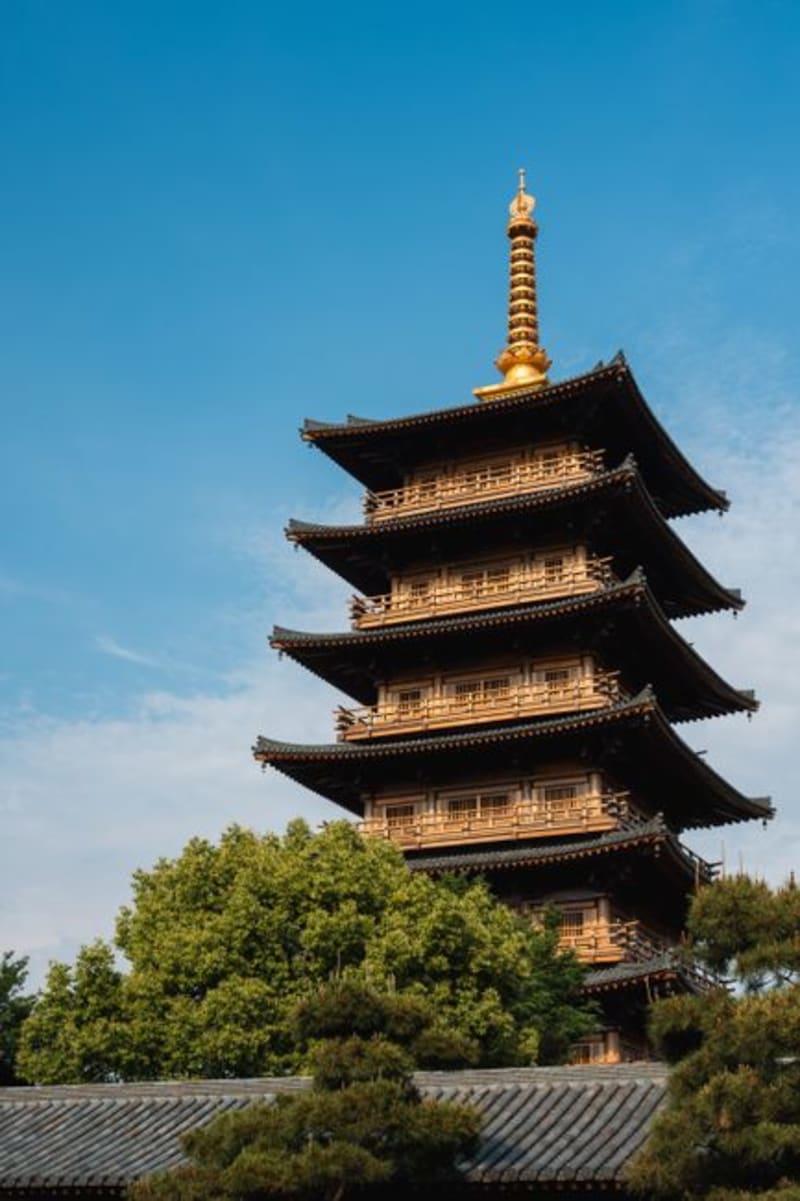 japan
Zentsūji
A quiet Kagawa temple town grown up around the birthplace of Kūkai, the monk who shaped Japanese Buddhism. A great five-storey pagoda watches over pilgrims in white, and the local udon is some of the best on the island.
ExploreKeep exploring
More from Japan
 japan
Tōhoku
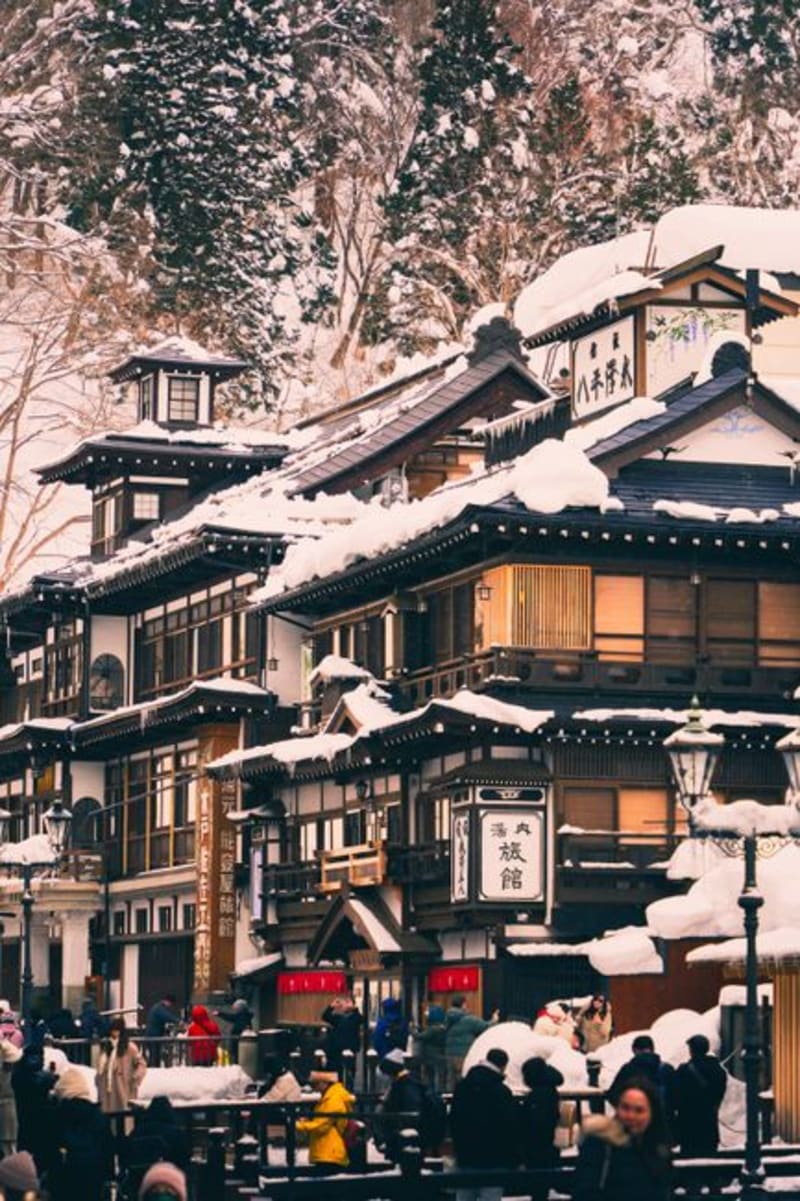
The deep, rural north-east of Honshū, a region of samurai towns, hidden hot springs, and mountain temples where old Japan lingers largely undisturbed. Snowbound and traditional, it is Bashō country — a landscape made for slow travel and quiet discovery.
Explore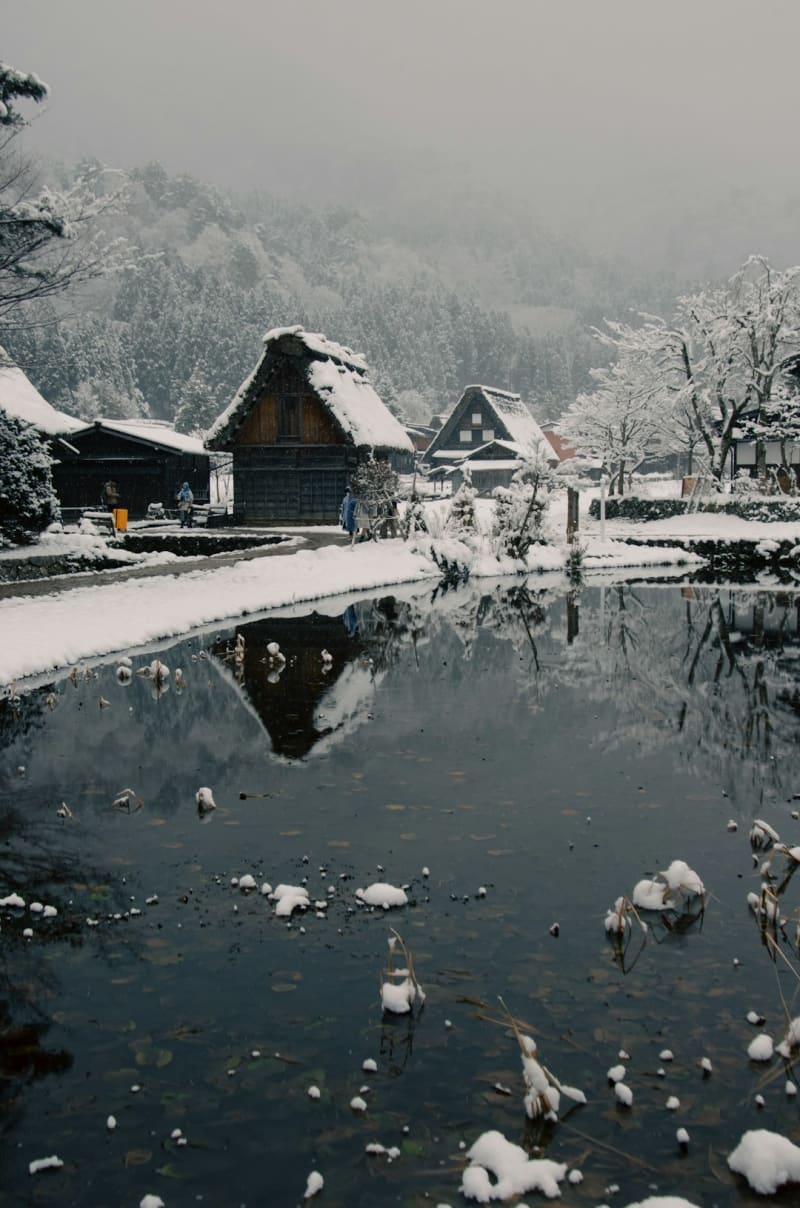 japan
Chūbu
Central Japan, where the land buckles upward into the soaring Japan Alps and Mount Fuji stands over everything. This is a region of old post towns and castle towns, thatched mountain villages, snow monkeys and hot springs — the country at its most scenic and most storied.
Explore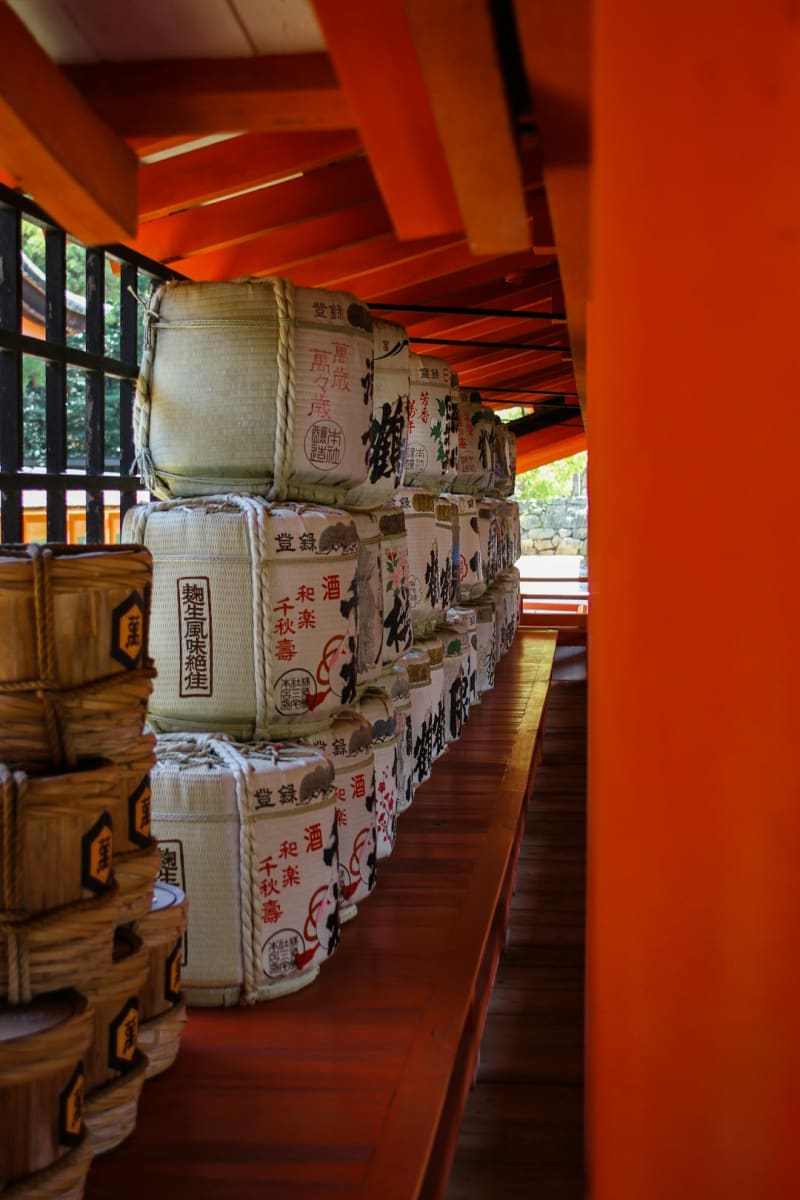 japan
Chūgoku
The western tip of Honshū, a region shaped by memory, resilience, and quiet beauty. Here Hiroshima tells its story of loss and renewal, a great torii floats on the tide at Miyajima, canal towns preserve an older grace, and coastal dunes ripple down to the sea.
Explore japan
Hokkaidō
Japan's vast northern frontier, where the crowds thin and the land opens out into big skies, volcanic peaks, and rolling farmland. It is a place of deep snow and long, cool summers, of seafood pulled fresh from cold seas, and of a wildness you rarely feel elsewhere in the country.
Explore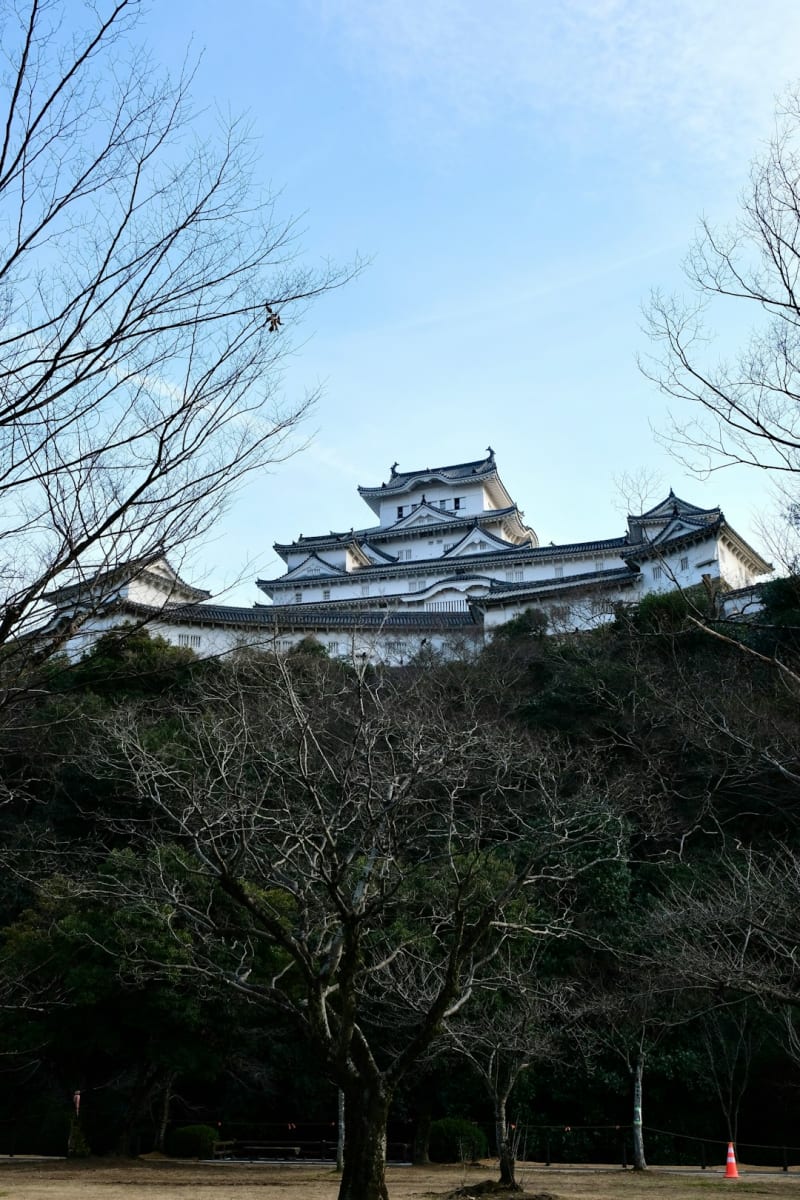 japan
Kansai
The cultural heartland of Japan, home to its old imperial capitals and their thousand temples and shrines. This is the region of Kyoto and Osaka, of pilgrimage trails and hilltop castles, of tea, food, and tradition kept vividly alive.
Explore japan
Kantō
The great Tokyo plain — the beating heart of modern Japan and everything within easy reach of it. Around the endless capital lie ancient shrines, a historic coast, and hot-spring valleys, all close enough for a day's escape and back.
Explore