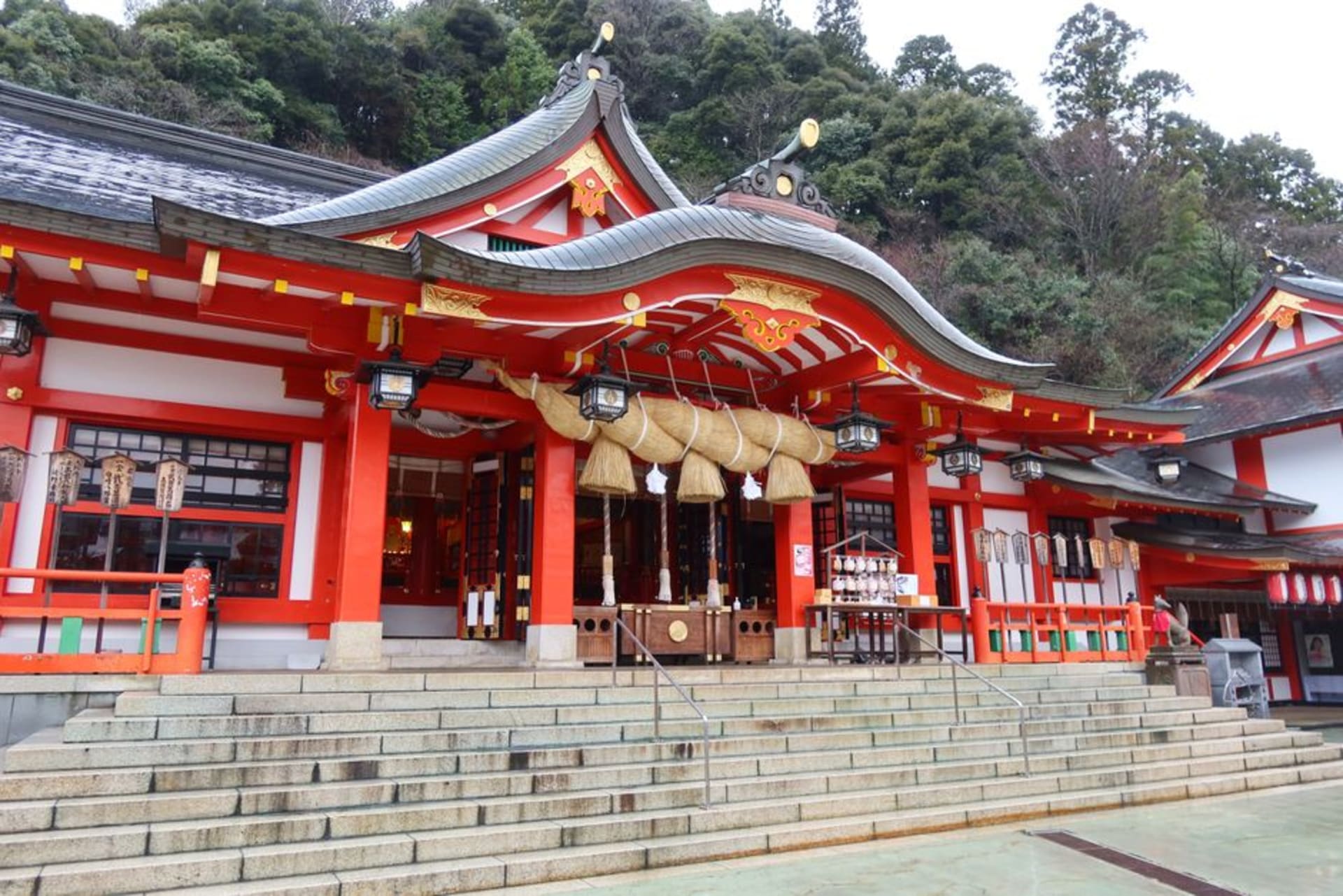
The far tip of the Noto Peninsula, an end-of-the-road city known for lantern floats carried into the sea during its Kiriko festival and for the visible, ongoing work of rebuilding after the 2024 earthquake.

There’s a particular feeling that comes from driving as far as a road will actually take you, and Suzu gave us that more than anywhere else in Japan. We’d spent days working our way up the Noto Peninsula, past onsen towns and rice terraces, and by the time we reached Suzu at the very tip it genuinely felt like we’d run out of country. Lia had wanted to come specifically for the Horyu Tanabata Kiriko Festival, having read that unlike most kiriko festivals, where the illuminated floats stay on land, Suzu’s are carried directly into the sea. Even without festival timing lining up perfectly, the drive alone told us this was a different kind of place than the rest of the peninsula.
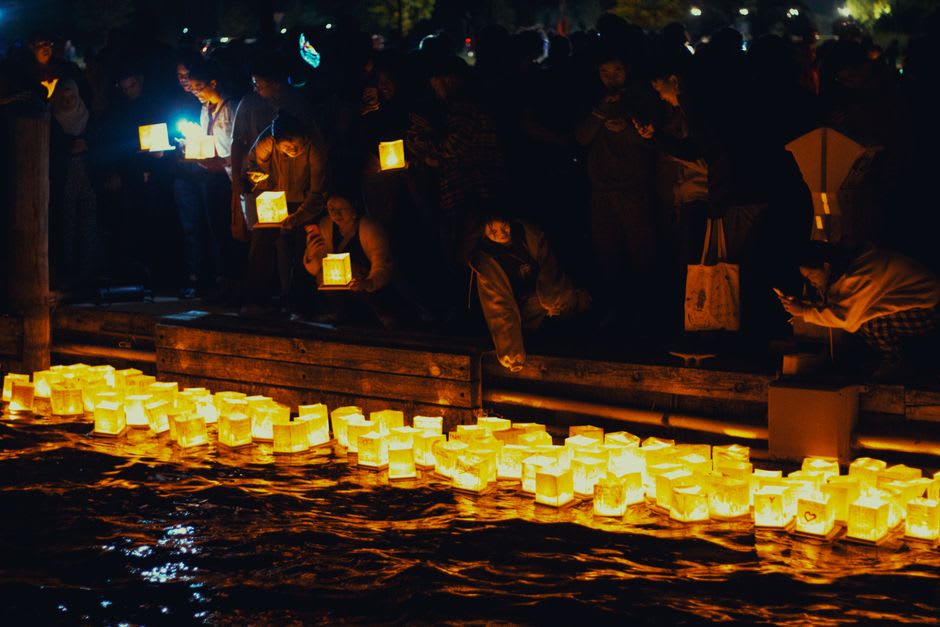
Fire Carried Into the Water
We were lucky enough to catch a smaller local kiriko procession rather than the full Horyu Tanabata spectacle, but even that gave a sense of what makes Suzu’s version of the festival so unlike the others we’d read about. Teams of men in traditional dress hauled towering illuminated lantern floats, some taller than the buildings around them, straight down to the shoreline and out into the shallow water, the reflected fire doubling itself on the black surface of the sea. The mix of flame, chanting, and cold seawater around everyone’s ankles was unlike any festival scene either of us had witnessed, equal parts solemn ritual and full-body spectacle. Lia stood ankle-deep at the edge of it all, filming almost nothing, just watching.
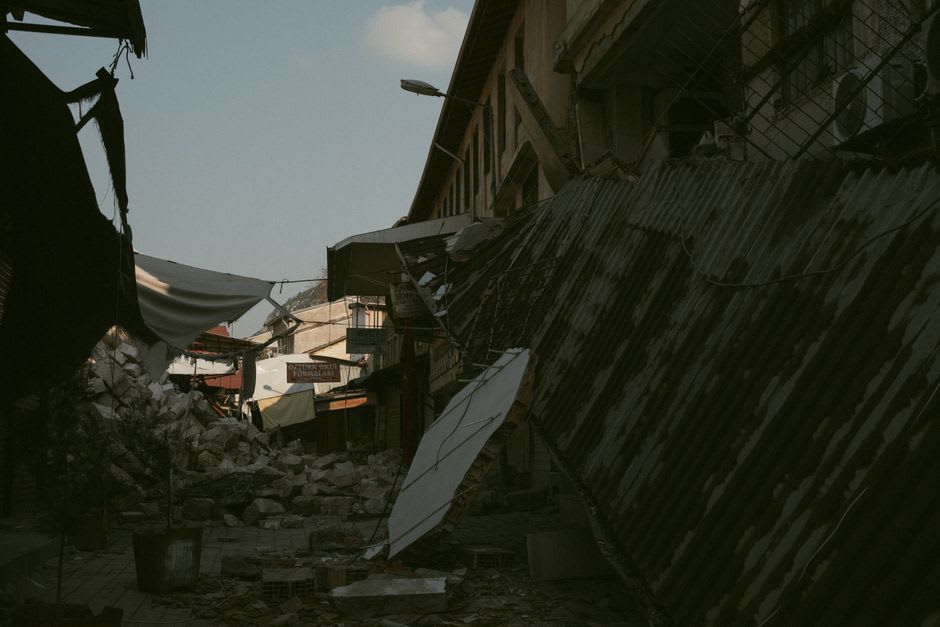
A City Still Rebuilding
It would be dishonest to write about Suzu right now without mentioning what’s plainly visible everywhere you look: the city is still recovering from the 2024 Noto earthquake, and evidence of that recent history sits alongside daily life in a way that’s impossible to ignore. Some streets showed repaired roofs and fresh timber next to buildings still shored up or under construction, and locals we spoke with were matter-of-fact about it in that resilient, unshowy way that felt very true to the region. We were careful to be respectful visitors rather than disaster tourists, sticking to open businesses and asking before photographing anything that felt like it might still be a sensitive scene for someone living through it.
The End of the Road
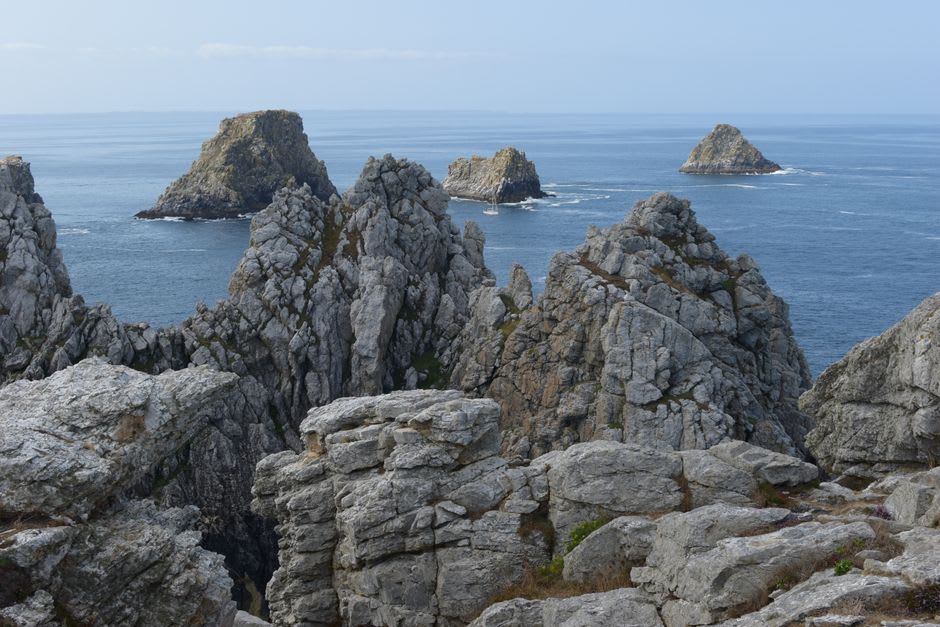
What we’ll remember most, though, is simply the feeling of the place: rugged coastline, salt-worn fishing villages, and a specific end-of-the-world quality that most Japan itineraries never reach because Suzu is genuinely inconvenient to get to. We ate at a tiny restaurant near the port serving whatever had come in that morning, watched fishing boats work the coast in the evening light, and felt further from Tokyo than the actual distance really justified. It’s the kind of place that rewards the effort of getting there precisely because so few people bother, and it makes a fitting final stop after working up through Wakura Onsen and the rest of the peninsula.
Getting There
Suzu sits at the very northern tip of the Noto Peninsula, and reaching it requires real commitment. The most direct option is flying into Noto Satoyama Airport and continuing by rental car or connecting bus, or driving the length of the peninsula from Kanazawa, a trip of several hours depending on stops along the way. Public transit this far out is limited, so a car gives far more flexibility, especially since parts of the region are still in active recovery from the 2024 earthquake and services can change with little notice. It’s worth checking current road and business conditions before you set out.
Keep exploring
More of Chūbu
Keep exploring
More from Chūbu
 japan
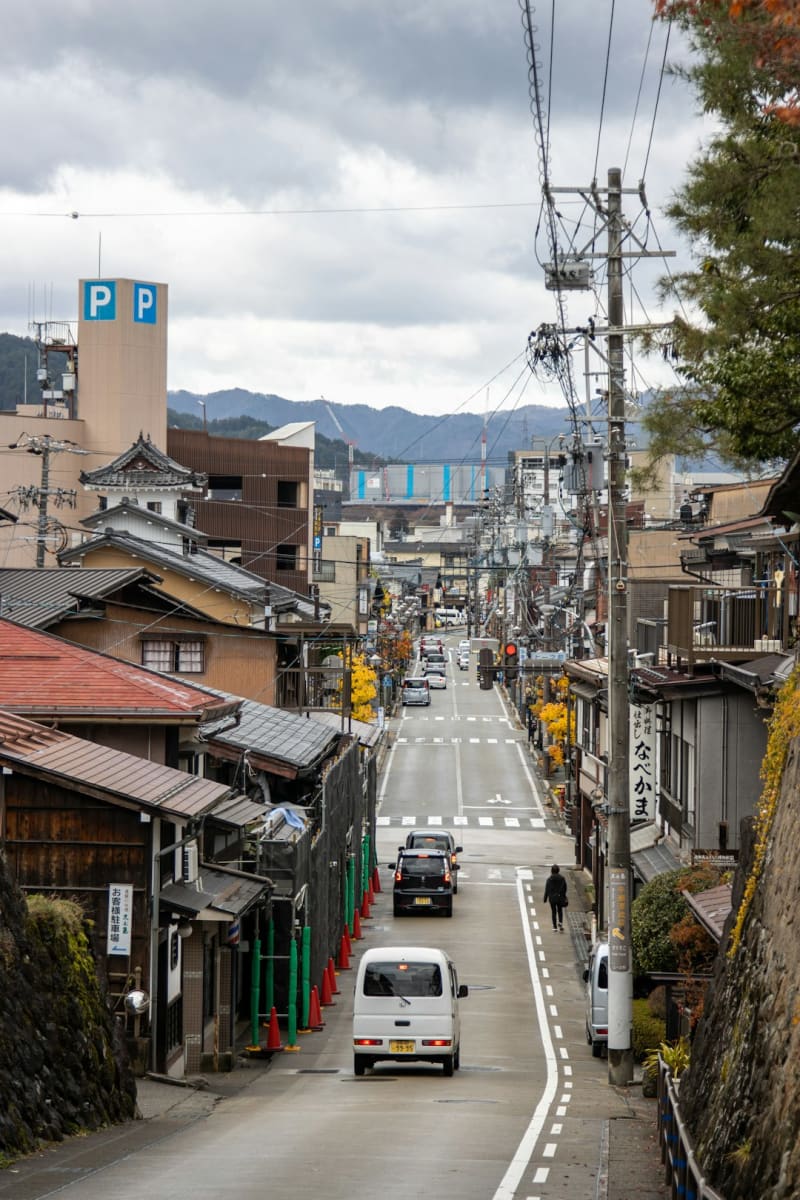
japan Takayama
An old castle-town folded into the Hida mountains, where Edo-era merchant streets still smell of cedar and sake. Morning markets by the river, black-lacquered façades, and beef so tender it barely needs teeth. A slower counterpoint to the neon of the cities.
Explore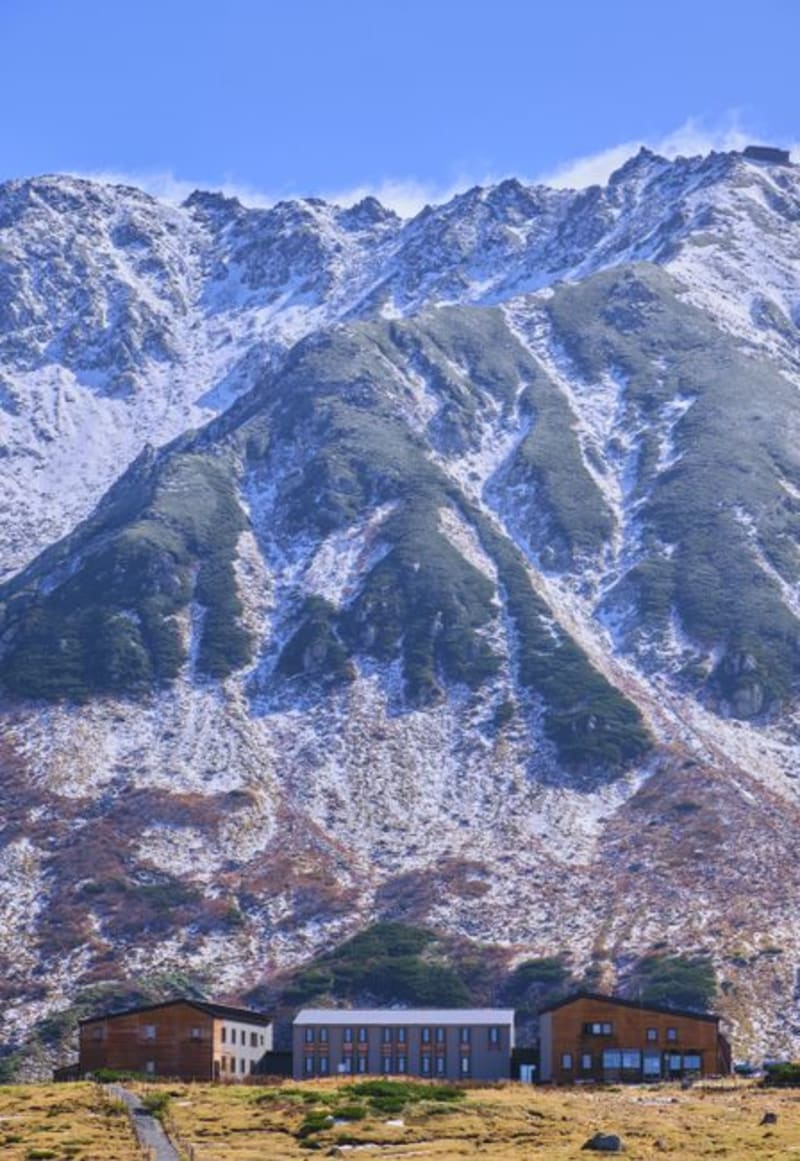 japan
japan Tateyama Kurobe Alpine Route
A spectacular high-mountain crossing linking Toyama and Nagano by cable car, bus and ropeway. Its wonders include the towering spring snow corridor, the great arc of the Kurobe Dam, and the wind-scoured Murodō plateau near the roof of Japan.
Explore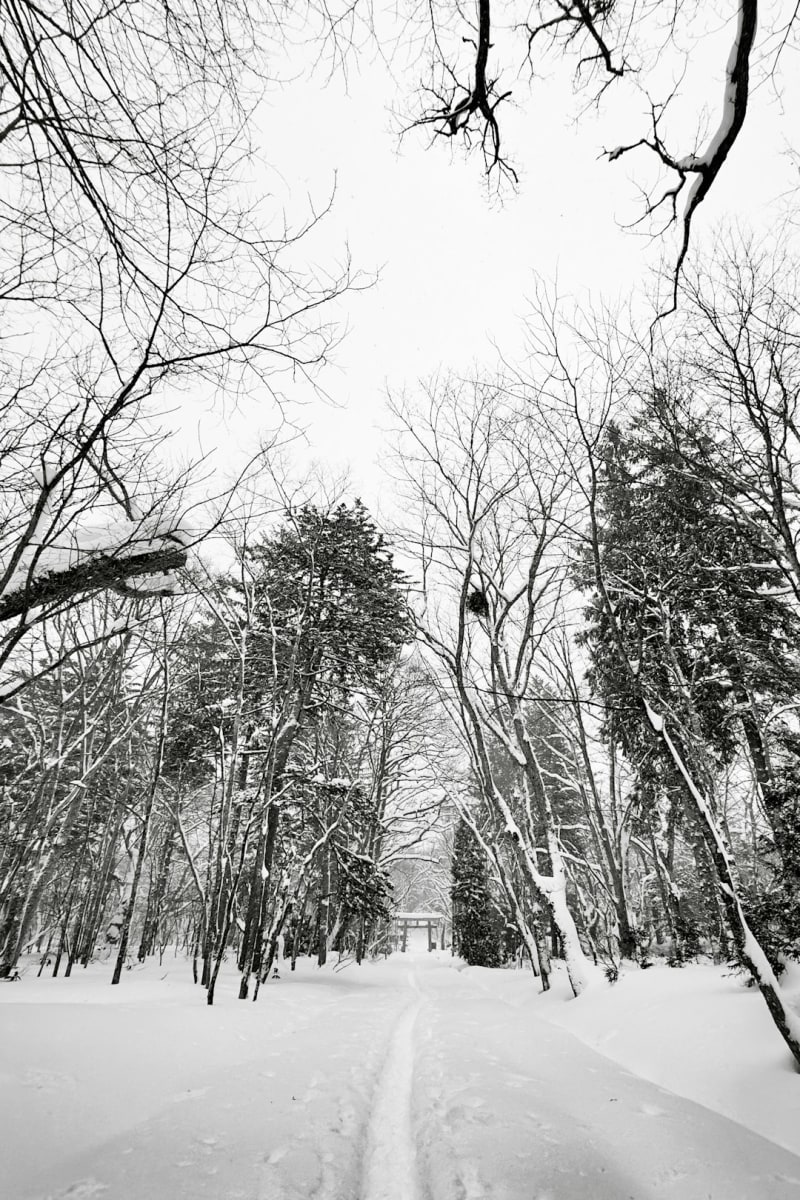 japan
japan Togakushi
A mountain village near Nagano that was the historical home of a famous ninjutsu school, its ninja village and cedar-lined shrine complex sitting side by side with dozens of soba restaurants.
Explore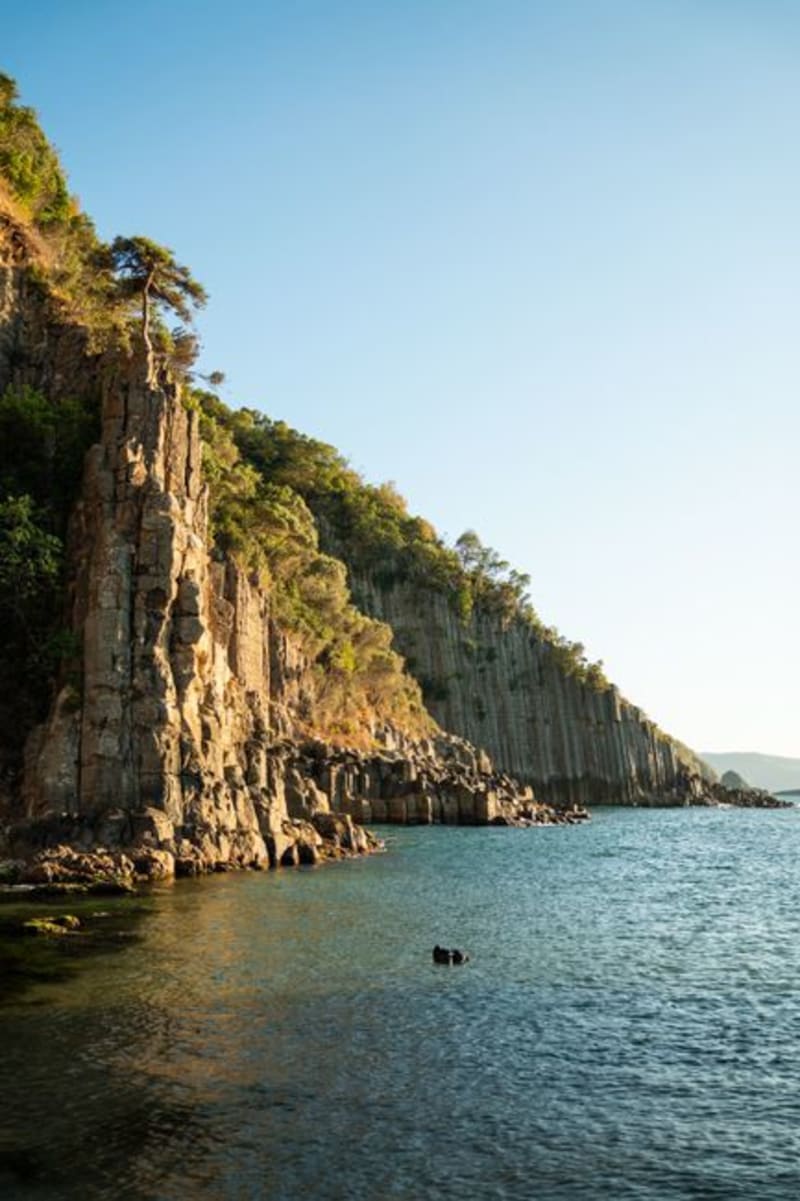 japan
japan Tojinbo
A mile of columnar basalt cliffs where the Sea of Japan hurls itself against pillars of stone so geometrically strange they look carved. The wind never really stops here, the surf booms in the hollows below, and the whole place carries a beauty that is not entirely comfortable.
Explore japan
japan Tokamachi
A snow-country city in Niigata that transforms every three years into the stage for the Echigo-Tsumari Art Triennale, its rice terraces and abandoned farmhouses becoming open-air galleries.
Explore japan
japan Toyama
A clean, quietly modern bay city on the Sea of Japan, backed by the towering wall of the Tateyama alps. Famed for translucent white shrimp and glowing firefly squid, a dazzling glass-art museum, and its role as the eastern gateway to the Alpine Route.
Explore