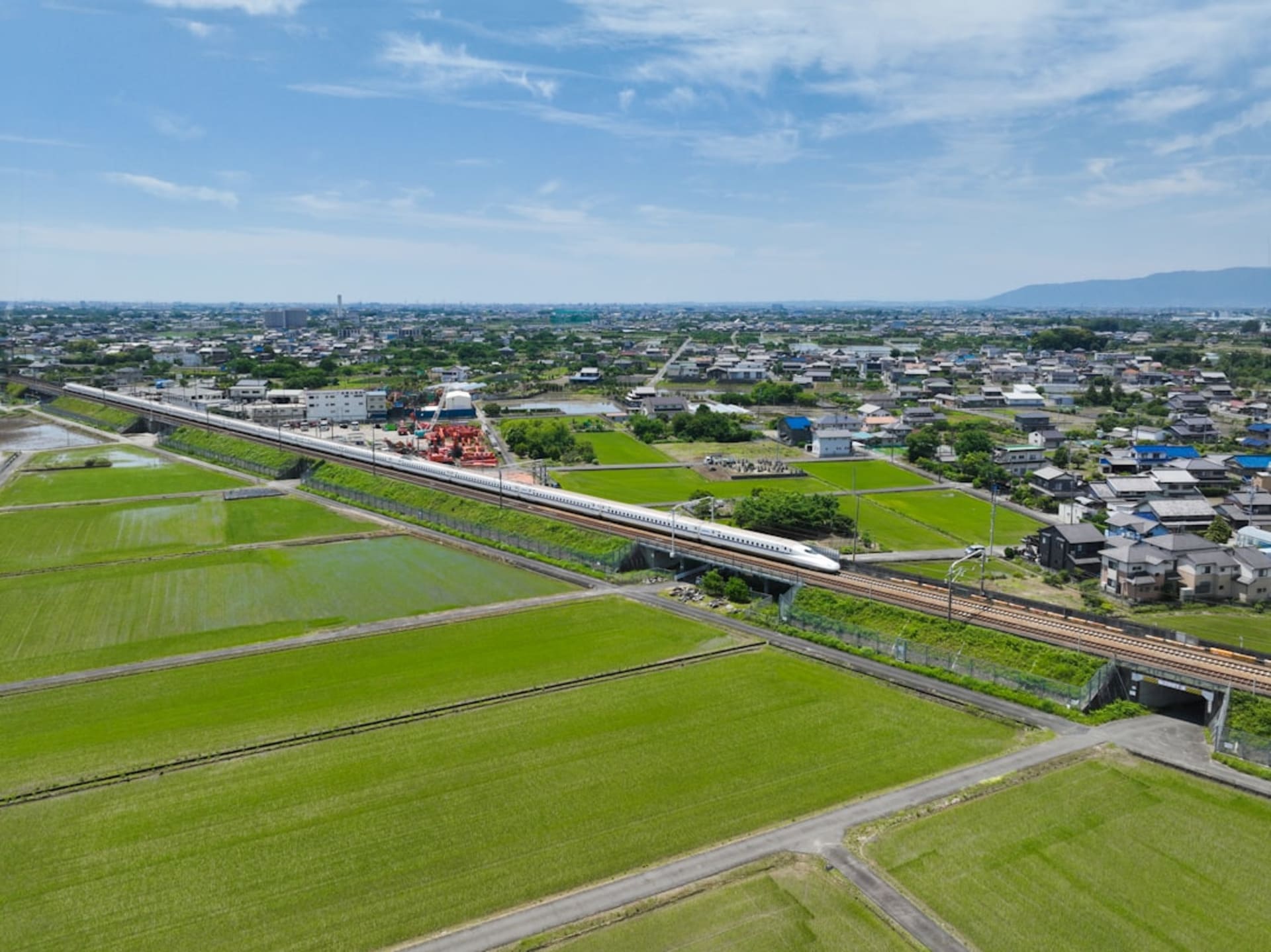
A small Aichi castle town on a bend of the Kiso river, crowned by one of Japan's oldest original keeps. We came for the castle and stayed for the quiet — the old street, the open-air museum of a vanished century, and cormorant fishing on the water at dusk.

We reached Inuyama on a grey Tuesday with low expectations and a half-charged phone, which turned out to be the right way to arrive. Nagoya was only half an hour behind us, all glass and traffic, and then suddenly we were walking up a narrow lane toward a small wooden castle on a hill, and the noise fell away. Lia spotted the keep first, dark timber against a flat sky, sitting on its bluff above the Kiso river. It’s often called the oldest surviving castle keep in Japan, and standing at the base of it, hand on the cool stone of the base wall, I believed it. There was no crowd, no ticket queue snaking down the hill — just an old town getting on with its afternoon while a four-hundred-year-old tower kept watch over the river.
The Castle on the River
Inuyama Castle is one of only twelve original keeps left in the country, its core dating to the mid-1500s, and it wears its age honestly. You take off your shoes at the entrance and climb steep, polished wooden staircases that feel closer to ladders, floor by floor, until you step out onto a narrow balcony that runs right around the top. From there the whole geography of the place opens up — the Kiso river curling below, the plain stretching toward the mountains, the roofs of the town packed tight at the foot of the hill. Lia gripped the railing, half nervous of the low guard-rail and the long drop, and we stood in the wind watching a single boat drift downstream. Small castle, enormous view.

The Old Street and Meiji-mura
Down from the castle, the old town runs along a single main street of dark-wood shopfronts and sake breweries, and we spent an hour drifting it with no plan. We ate dango grilled over charcoal and shared a bottle of local sake poured by a brewer who insisted we try three before choosing. A short bus ride away sits Meiji-mura, an open-air museum where dozens of genuine Meiji-era buildings, hauled here from across Japan and rebuilt, stand along lanes you can walk for hours — a whole vanished century preserved in brick and iron. We only had time for a piece of it, riding an old steam tram past a relocated church and a grand red-brick hotel lobby, but it left both of us wanting a second, longer day.

Cormorant Fishing at Dusk
We’d timed our visit for summer without quite realising what that meant on the Kiso, and in the evening we found out. Ukai, cormorant fishing, has been practised on this river for over a thousand years, and on summer nights the fishermen still take to the water in long wooden boats lit by iron baskets of fire. We watched from a viewing boat as the flames threw orange light across the black water and the fishermen worked the birds on their cords, the cormorants diving and surfacing in the glow. It’s a strange, beautiful, slightly uneasy thing to witness — ancient and unhurried, the fire hissing, the river carrying the smell of woodsmoke. Lia went completely quiet, which she only does when something has genuinely moved her.

Getting There
Inuyama is remarkably easy from Nagoya: the Meitetsu Inuyama line runs direct to Inuyama station in around thirty minutes, and Inuyama-yuen station sits closest to the castle and river. Meiji-mura is a twenty-minute bus ride from the town. The castle and old street make a comfortable half-day; add the museum and you have a full one. If you can, come in summer and stay for the cormorant boats after dark — book the evening viewing ahead, and bring a light layer, because the river turns cool once the sun is gone.
Keep exploring
More of Chūbu
Keep exploring
More from Chūbu
 japan
japan Seki
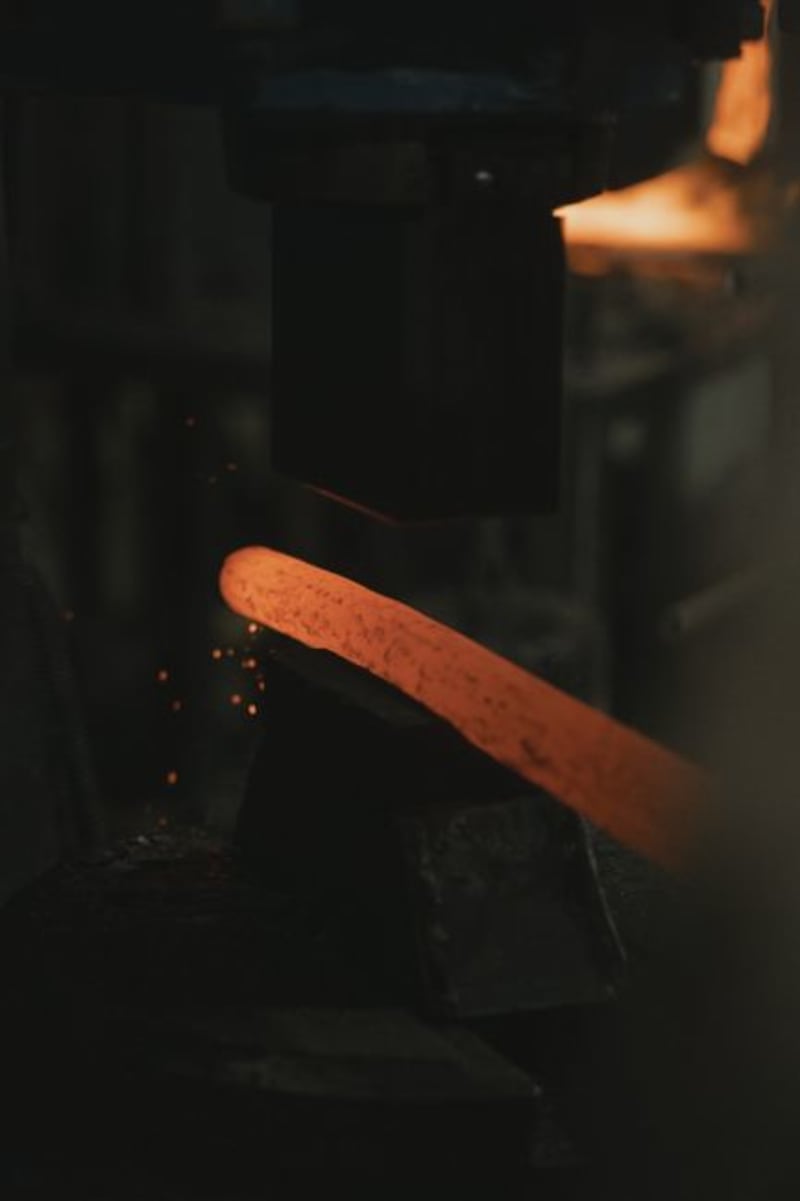
A Gifu town that has forged blades for seven hundred years, once the sword capital of Japan and still one of the world's great centres of cutlery. A place where you can watch a smith fold and hammer glowing steel, and where the whole town smells faintly of hot metal and cherry-charcoal.
Explore japan
japan Nagoya
Japan's industrious fourth city, too often skipped between Tokyo and Kyoto. A golden-finned castle, an ancient forest shrine, and some of the heartiest food in the country.
Explore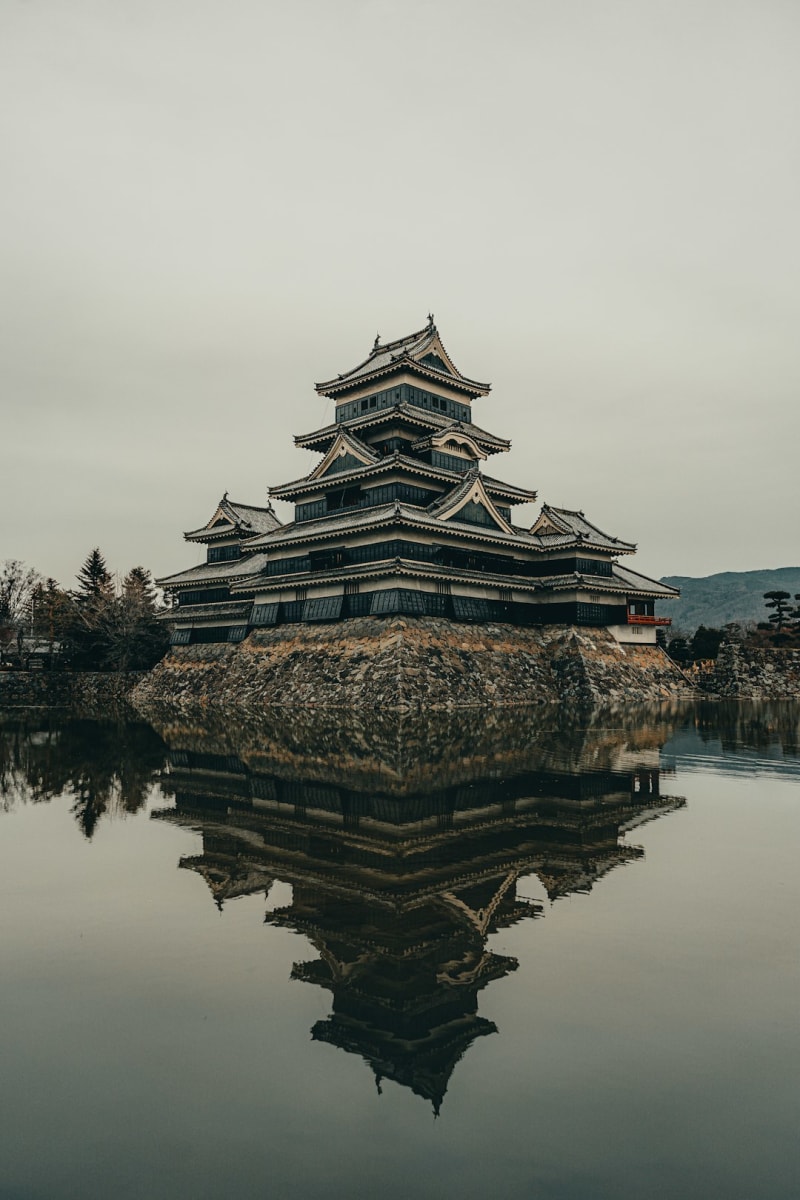 japan
japan Gujō-Hachiman
A Gifu 'water town' laced with clear canals and streams beneath a small hilltop castle. Famous for its all-night summer Bon dance and for the craft of making startlingly realistic plastic food samples.
Explore japan
japan Ena
A Gifu town where the Kiso River pools into the Enakyō gorge, a two-kilometre stretch of water walled by strange wind-and-water-sculpted cliffs and pinnacles. Old Nakasendō post-road country, of ceramic hills, chestnut sweets, and slow boats gliding beneath the crags.
Explore japan
japan Okazaki
An Aichi castle city where the shogun Tokugawa Ieyasu was born, its keep rebuilt above a river that fills with cherry blossom in spring. Beneath the samurai history runs a quieter, browner current: this is a town that has been brewing miso in the same wooden vats for centuries.
Explore japan
japan Gero Onsen
A steaming hot-spring town folded into the Gifu mountains, where the Hida river runs green below terraced ryokan and free foot baths sit open to the street. Counted among Japan's three greatest onsen, it is a place for slow soaking and slower walking. Autumn sets the whole valley on fire.
Explore