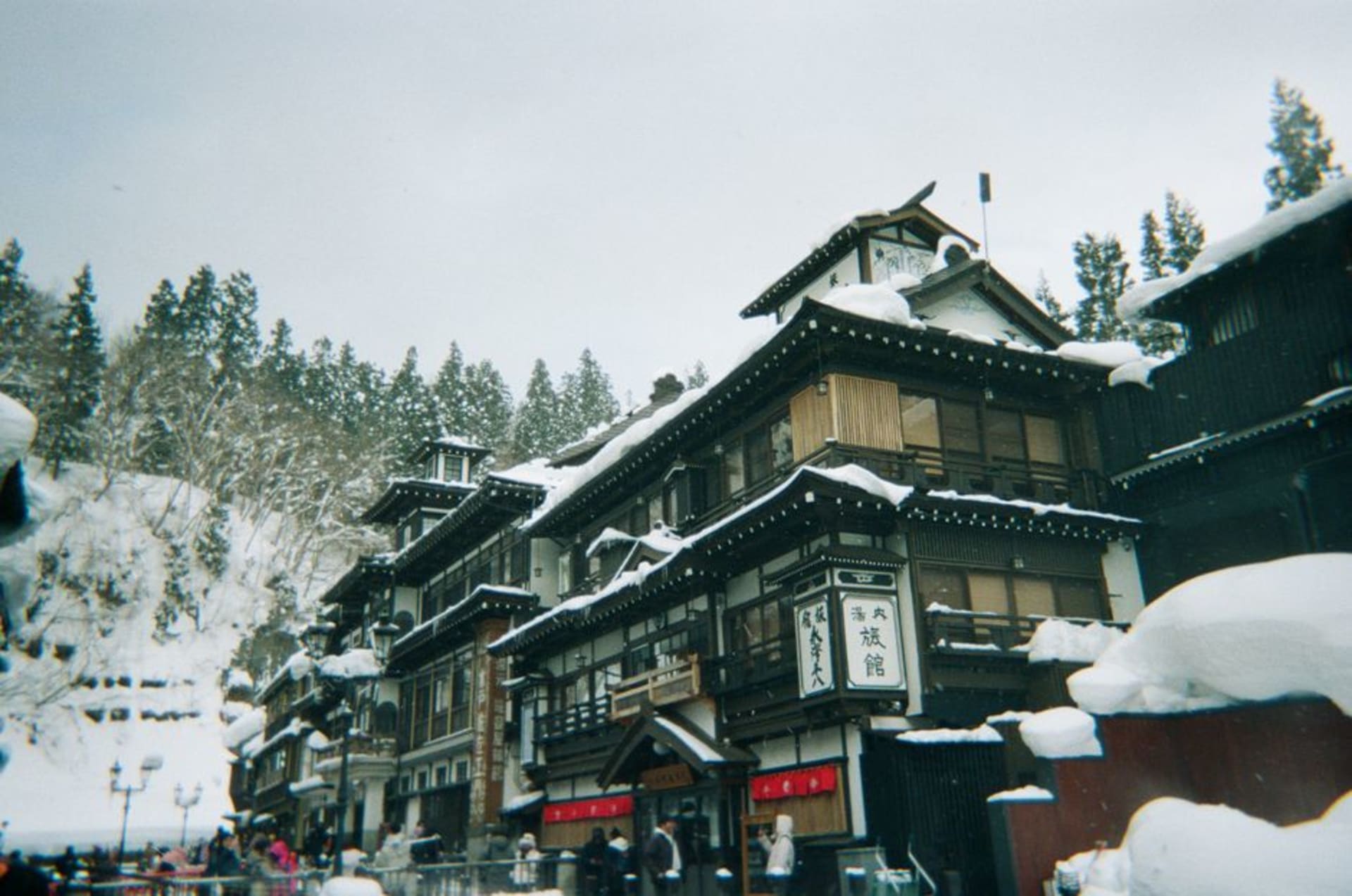
Wakura Onsen
"A heron led them to the water, or so the story goes, and the water's been coming up warm ever since."
A hot spring town on the Noto Peninsula whose waters are pumped up from the seabed itself, legend crediting the discovery to a wounded white heron that once guided villagers there.

We’d been driving the Noto Peninsula for two days by the time we reached Wakura Onsen, tired in the specific way that only cramped car seats and too many scenic overlooks can produce, and I’ll admit I was mostly thinking about a hot bath rather than any history. It was Lia, reading the ryokan’s welcome pamphlet while I unloaded the car, who pointed out that this wasn’t just any hot spring — it’s the only one in the whole Hokuriku region drawing its water up from beneath the sea. That detail changed the whole evening for me. Soaking that night, I kept thinking about the improbability of it: warm mineral water rising through cold seawater, somehow finding its way into a bath a few feet from the bay.
A Heron, a Legend, and a Long History
The story locals tell, and one our ryokan’s owner repeated to us over breakfast with clear affection, involves a wounded white heron that villagers followed to the spot where the hot water first surfaced, centuries ago. Whatever the literal truth, the town has built its identity gently around that legend rather than around any hard-sell tourist version of it, with small heron motifs turning up on everything from manhole covers to shop signs. What isn’t legend is that the water became prized enough that the lord of the Kaga domain, who ruled from Kanazawa Castle, reportedly had barrels of it shipped inland just to soak his aching legs. Sitting in a bath fed by the same source centuries later, I found that image hard to shake — a feudal lord waiting on deliveries of bathwater from this exact stretch of coast.
An Undersea Source, Still Working
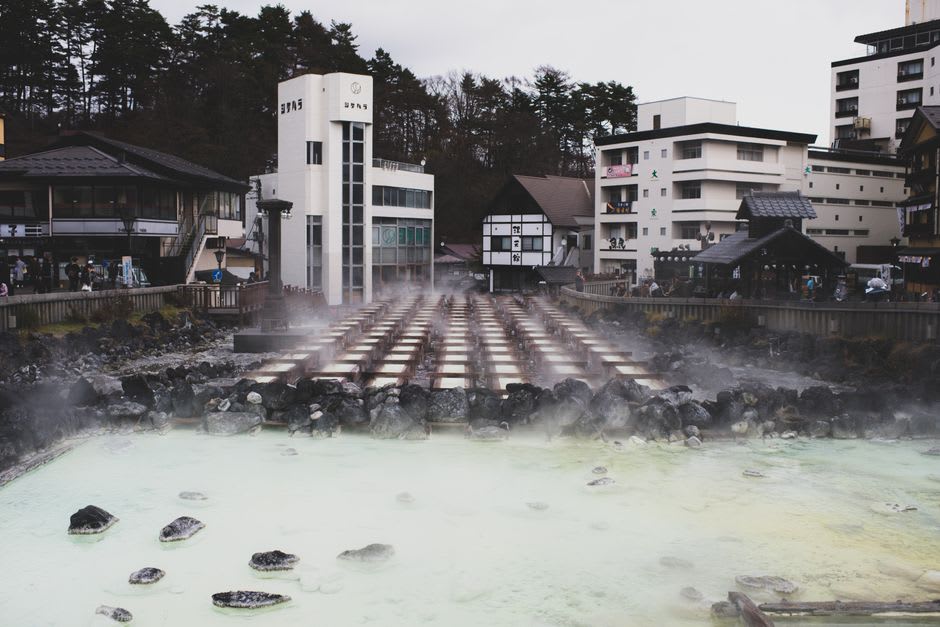
What makes Wakura genuinely unusual is how the springs work: rather than rising from underground rock the way most onsen do, the mineral-rich water here is drawn up from beneath the seabed of Nanao Bay itself, mixed in with the tide in a way researchers still study. Standing at the waterfront in the evening, watching the bay turn pink and grey with the sunset, it was strange to think of warm ancient water moving up through all that cold salt water just offshore. Lia, who’d been skeptical about the science until she read a small placard near the bayfront explaining the process, spent a good ten minutes staring at the water like she might see it happening.
Evenings by the Bay
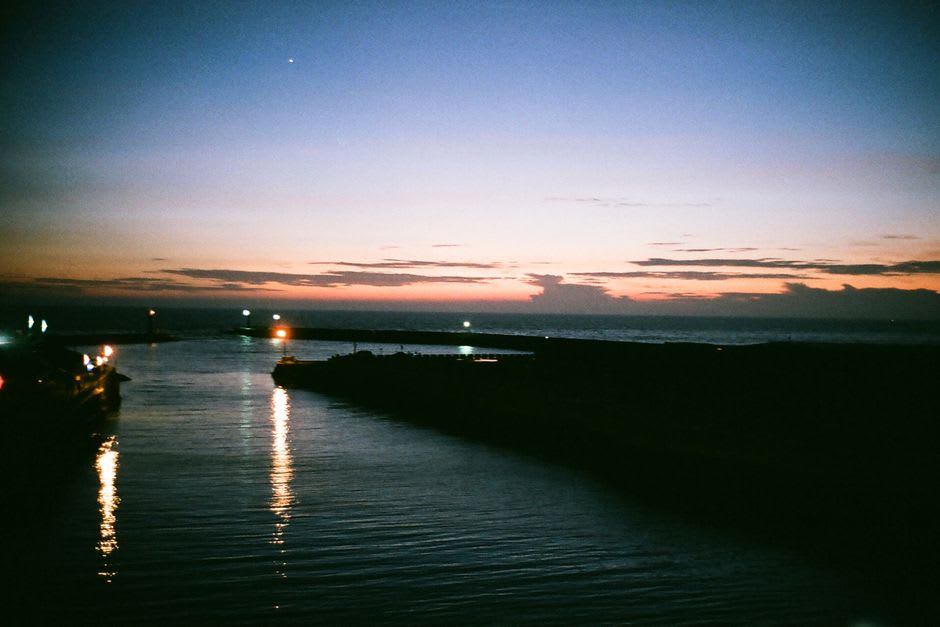
Wakura itself is a small, easy town to fall into a rhythm with — a cluster of ryokan and public bathhouses along the water, seafood restaurants serving whatever the Noto boats brought in that morning, and a walking path along the bay that’s lovely at dusk when the fishing boats are coming back in. We ate crab and grilled fish two nights running and never once regretted it, and spent one evening simply walking the length of the bayfront while the town lit up behind us. It felt like exactly the kind of place you build a slow Noto itinerary around rather than rush through, a good midpoint before continuing further out toward Kanazawa or deeper into the peninsula.
Getting There
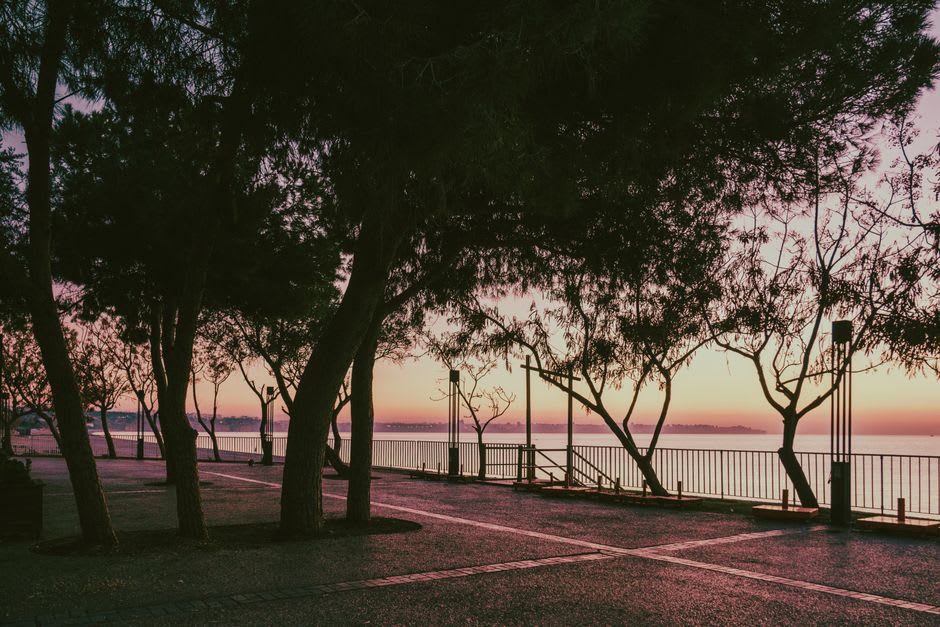
Wakura Onsen sits on the eastern side of the Noto Peninsula and is reached by the JR Nanao Line, with direct or connecting service from Kanazawa to Wakura Onsen Station in roughly ninety minutes. From the station, most ryokan are within an easy walk or a short taxi ride along the bay. If you’re touring the peninsula by car, which is the more common way to see Noto’s scattered sights, Wakura makes a natural overnight stop between Kanazawa and the further reaches of the coast around Suzu.
Keep exploring
More of Chūbu
Keep exploring
More from Chūbu
 japan
japan Yahiko
A small Niigata village built around one of Japan's oldest and most venerated shrines, its cedar-lined approach and summit ropeway making for an easy, atmospheric day away from the coast.
Explore japan
japan Yoro
A Gifu waterfall town built around the legend of a spring that once flowed with sake instead of water, paired incongruously with a disorienting modern art park nearby.
Explore japan
japan Atami
A retro seaside hot-spring resort on the Izu coast of Shizuoka, an easy hop from Tokyo, where hillside ryokan look down over the bay, summer fireworks burst above the water, and a nostalgic Shōwa-era holiday air is quietly coming back into fashion.
Explore japan
japan Bessho Onsen
A hot-spring hamlet folded into the hills above Ueda, so old and quiet that people call it the little Kamakura of the mountains. Ancient temples lean over narrow lanes, steam drifts from public bathhouses, and the whole valley smells faintly of sulphur and cedar.
Explore japan
japan Dogashima
West Izu's sculpted coast of tortured rock islets, a collapsed sea cave open to the sky, and sunsets that stop conversation. Lia and I timed our whole day to end here, on the rocks, facing the light. It was the right decision.
Explore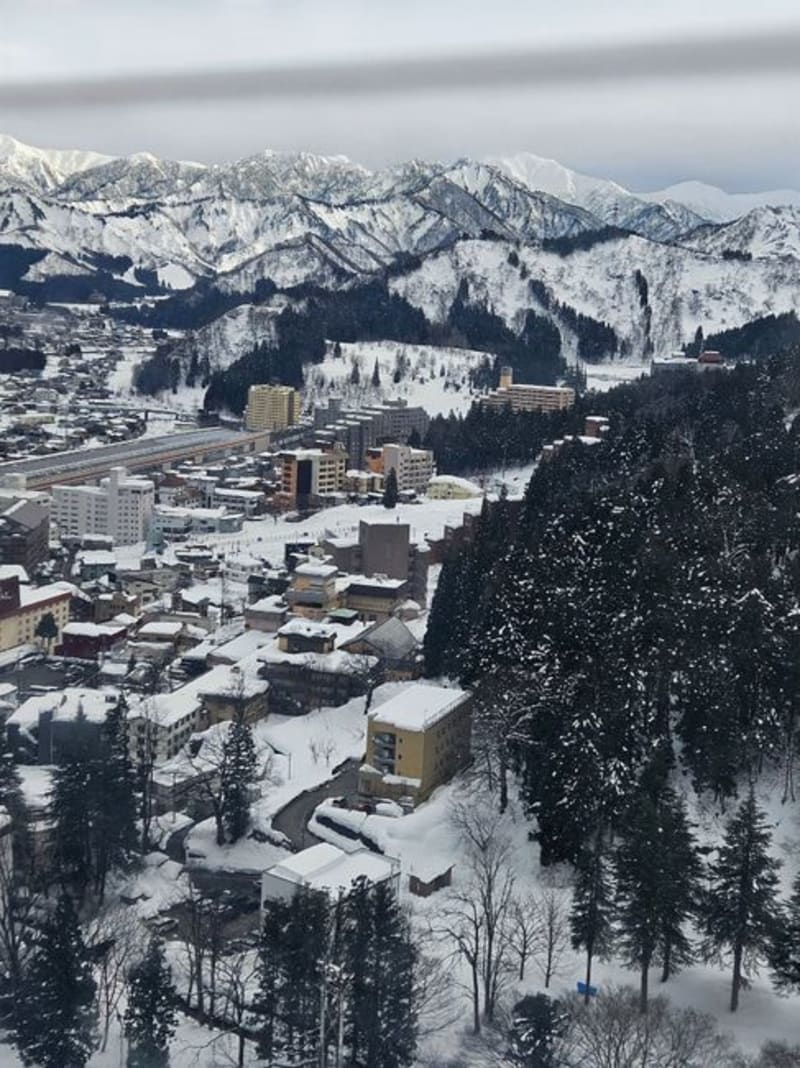 japan
japan Echigo-Yuzawa
A snow-country hot-spring town where the express train bursts out of a nine-kilometre tunnel into a white silence. Kawabata set his most famous novel here, and you understand why the moment the doors open. We came for one night and stayed three.
Explore