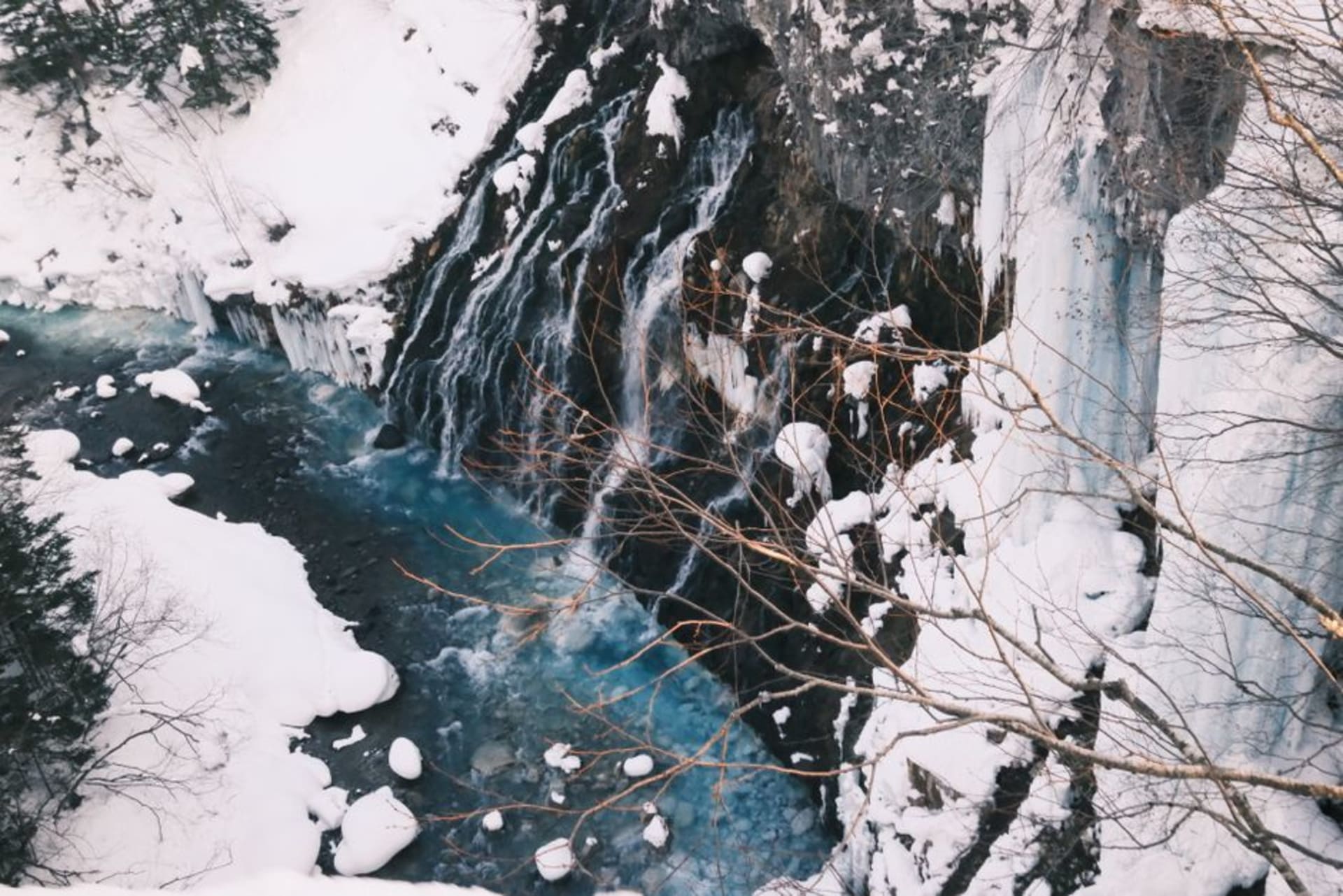
Nishizawa Gorge
"The water wasn't blue and it wasn't green, Lia said, it was somewhere in between that I don't have a word for."
A jade-colored gorge inside Chichibu-Tama-Kai National Park, its long looping trail crossing a suspension bridge past named waterfalls to a five-tiered cascade ranked among Japan's finest.

We hiked Nishizawa Gorge on Lia’s insistence after she found a single photograph online of water so improbably jade-colored she assumed it had been edited. It hadn’t been. We drove up from Kofu into the folds of Chichibu-Tama-Kai National Park on a clear October morning, the plan being a long loop trail rather than a quick photo stop, and by the time we reached the first real overlook of the stream I understood exactly what had stopped her scrolling. The color is genuinely strange, somewhere between turquoise and pale jade, and it holds that tone even in shadowed stretches of the gorge where you’d expect the water to just look dark.
Across the Suspension Bridge
Early in the trail, the path crosses a suspension bridge strung high over the gorge, swaying gently underfoot in a way that made Lia grip the cables a little tighter than she probably would have liked me pointing out. From the middle of it, the view opens up in both directions: smooth granite boulders below, worn into strange rounded shapes by centuries of that same jade water, and steep forested slopes rising on either side that were just beginning to turn red and gold. It’s the kind of crossing that forces you to stop and actually look rather than just walk through, and everyone on the bridge with us seemed to be doing exactly that, phones and hiking poles both briefly forgotten.

A String of Named Waterfalls
The trail beyond the bridge strings together a series of named waterfalls, each with its own small sign and its own slightly different character, some narrow and forceful, others broad and gentler over wide rock shelves. We stopped at nearly every one, and Lia developed strong, specific opinions about which was the best, an argument she was still making by the time we reached the last of them. The consistent jade color of the stream running beneath and between the falls gave the whole hike a coherence that a lot of waterfall trails lack, less a collection of separate sights than one long unfolding scene.

The Five-Tiered Finale
The trail’s high point, both literally and in terms of spectacle, is a five-tiered waterfall that the loop builds toward for its entire length, and it did not disappoint after everything leading up to it. Standing at the viewing area, watching all five tiers catch afternoon light at slightly different angles, it was easy to understand why this stretch is ranked among Japan’s best waterfalls. We’d timed our visit for late October specifically for the autumn color, and the surrounding slopes were deep red and gold exactly as promised, framing the white water and jade pools below in a way that felt almost deliberately composed. The full loop trail eventually returns you to the trailhead by a separate path, so you’re not retracing your steps the whole way back.

Getting There
Nishizawa Gorge is reached from Kofu Station, which connects to Tokyo via limited express trains in around ninety minutes, followed by a local bus to the gorge’s entrance near Nishizawa Keikoku, a ride of roughly an hour depending on the route and season. The full loop trail is a long day’s undertaking, several hours of hiking with real elevation change and river crossings, so sturdy footwear and an early start make a real difference, especially during the popular autumn color season when trails and buses both get busier.
Keep exploring
More of Chūbu
Keep exploring
More from Chūbu
 japan
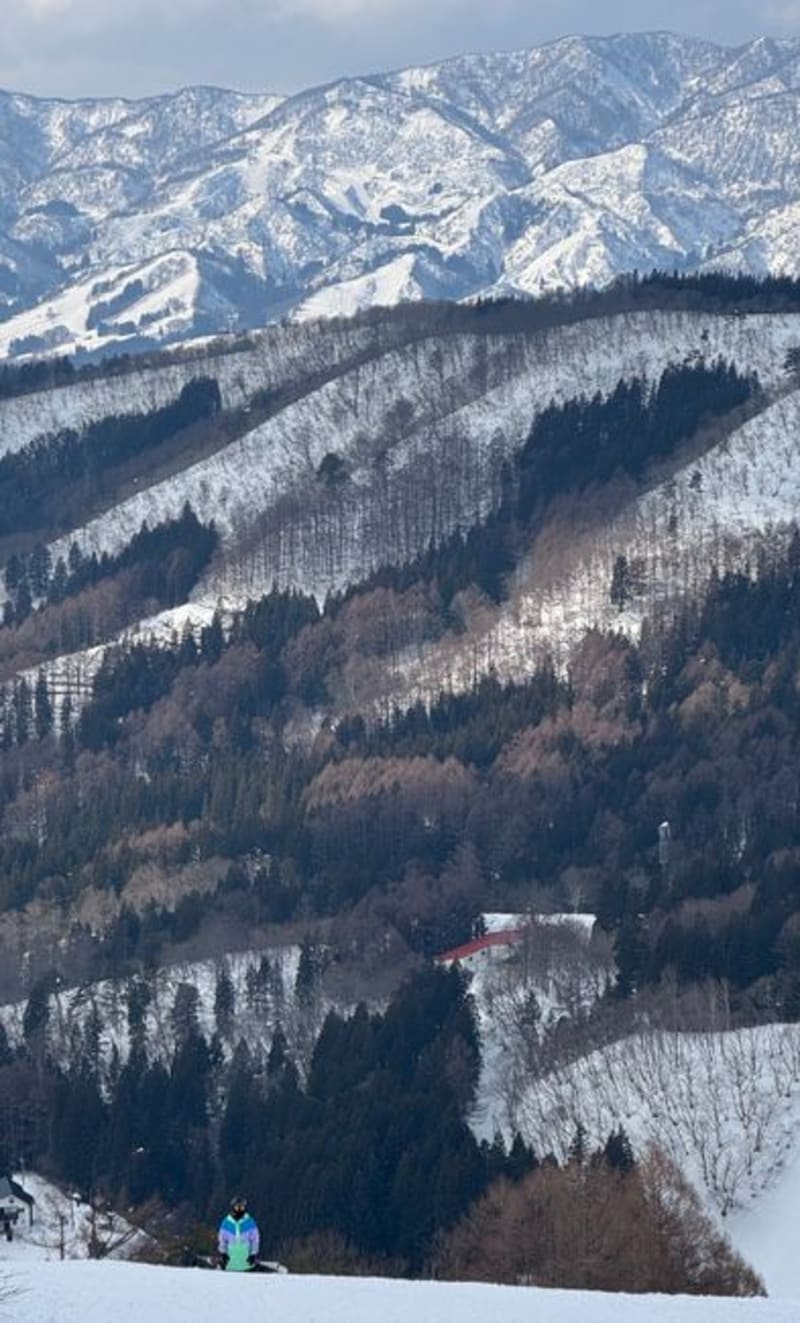
japan Nozawa Onsen
A steep, snow-buried village in northern Nagano where thirteen free public bathhouses steam at the ends of the lanes and skiers and grandmothers share the same scalding water. In winter it's one of Japan's great ski towns; in every season it smells of sulfur and woodsmoke. We came to ski and left converted to the baths.
Explore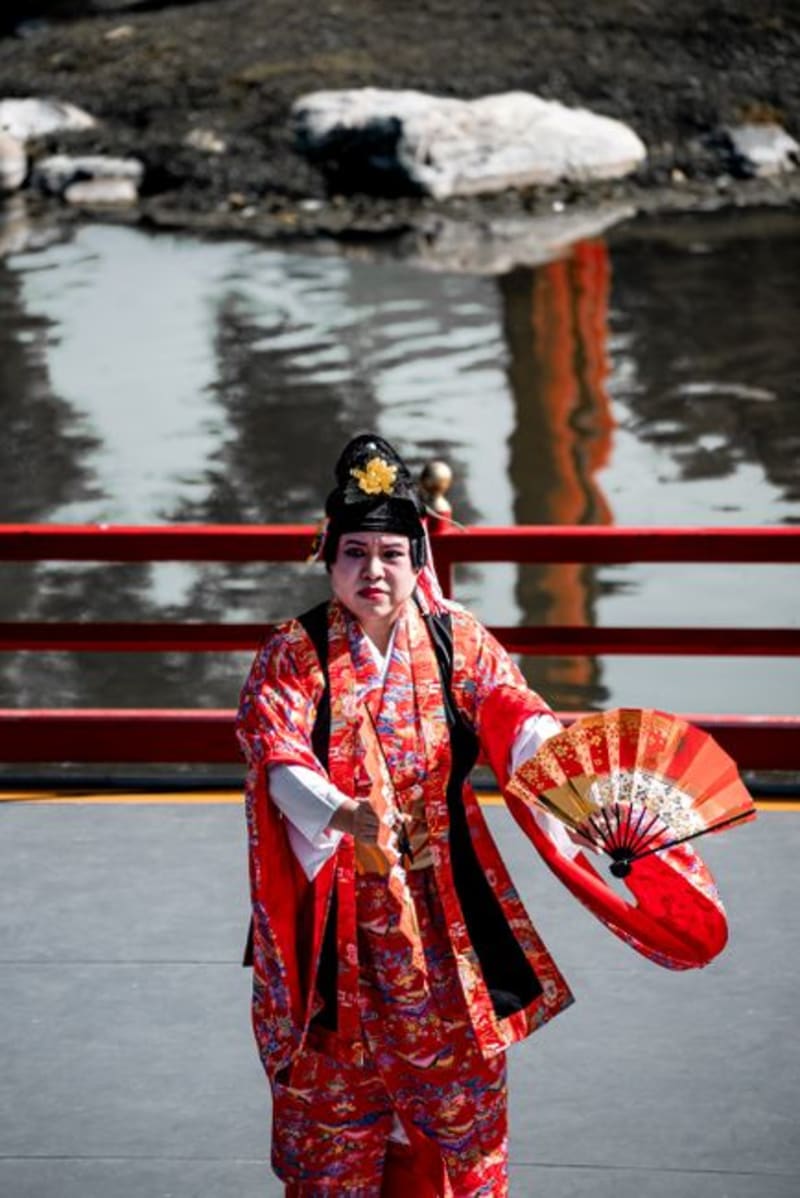 japan
japan Obama
A small bay town on the Fukui coast that once fed the imperial court, its old temple district full of secret Buddhas and its lacquered chopsticks flecked with mother-of-pearl. The mackerel roads to Kyoto started here, and the whole place still smells faintly of the sea and of cedar temple beams.
Explore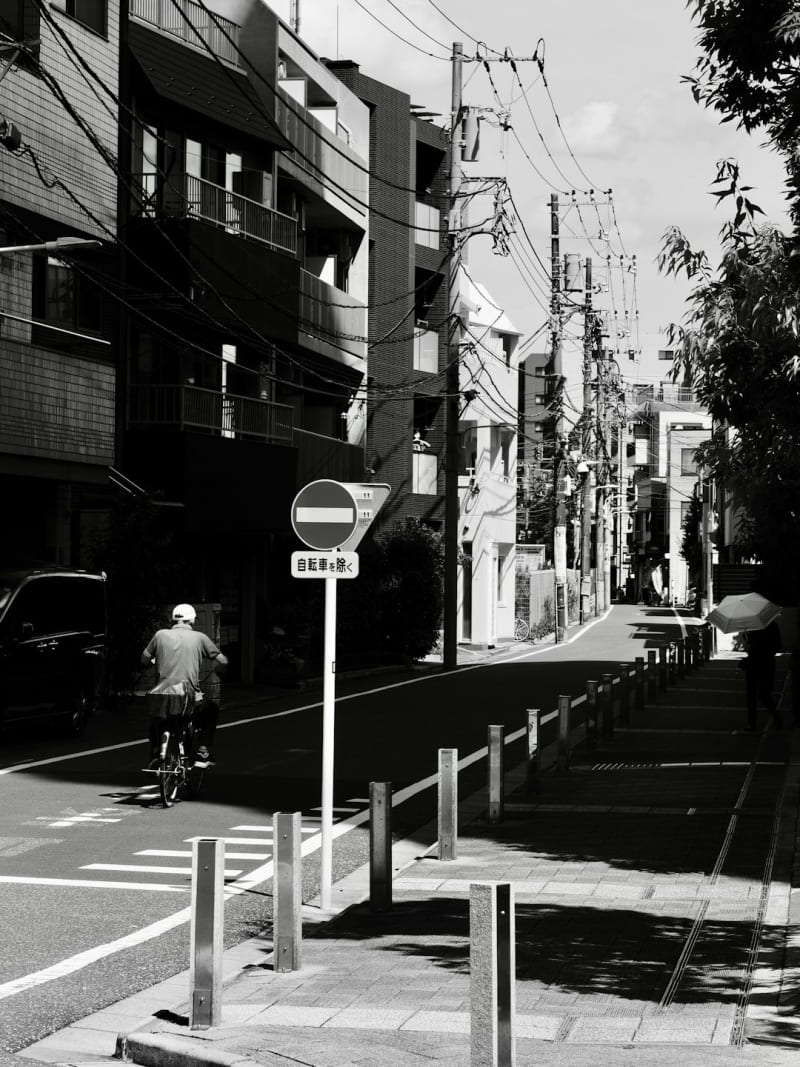 japan
japan Obuse
A small, immaculate chestnut town in the Nagano hills where Hokusai spent his final years painting. A fine museum, sweet-shop lanes scented with roasting chestnuts, and gardens kept with almost obsessive care. Cultured, quiet, and unhurried.
Explore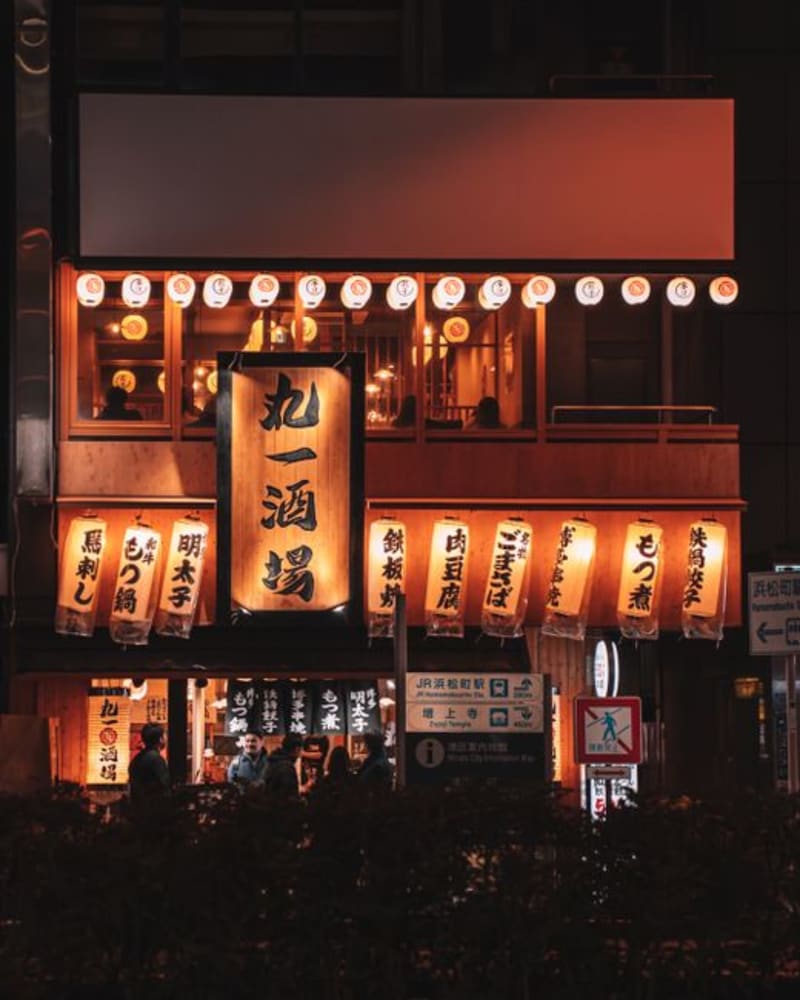 japan
japan Ojiya
A quiet Niigata city that turned mutant carp into a national obsession, breeding the ornamental koi now shipped to collectors worldwide from mud ponds tucked into its rice-terrace hills.
Explore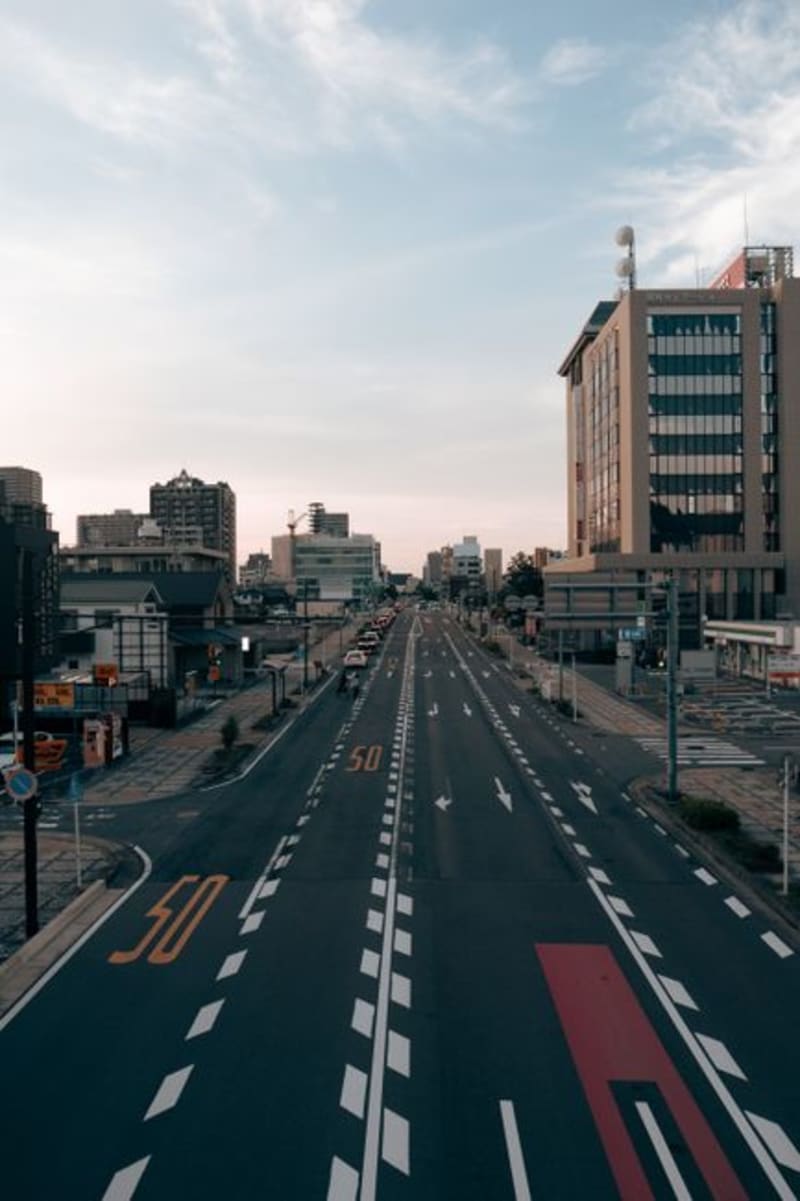 japan
japan Okazaki
An Aichi castle city where the shogun Tokugawa Ieyasu was born, its keep rebuilt above a river that fills with cherry blossom in spring. Beneath the samurai history runs a quieter, browner current: this is a town that has been brewing miso in the same wooden vats for centuries.
Explore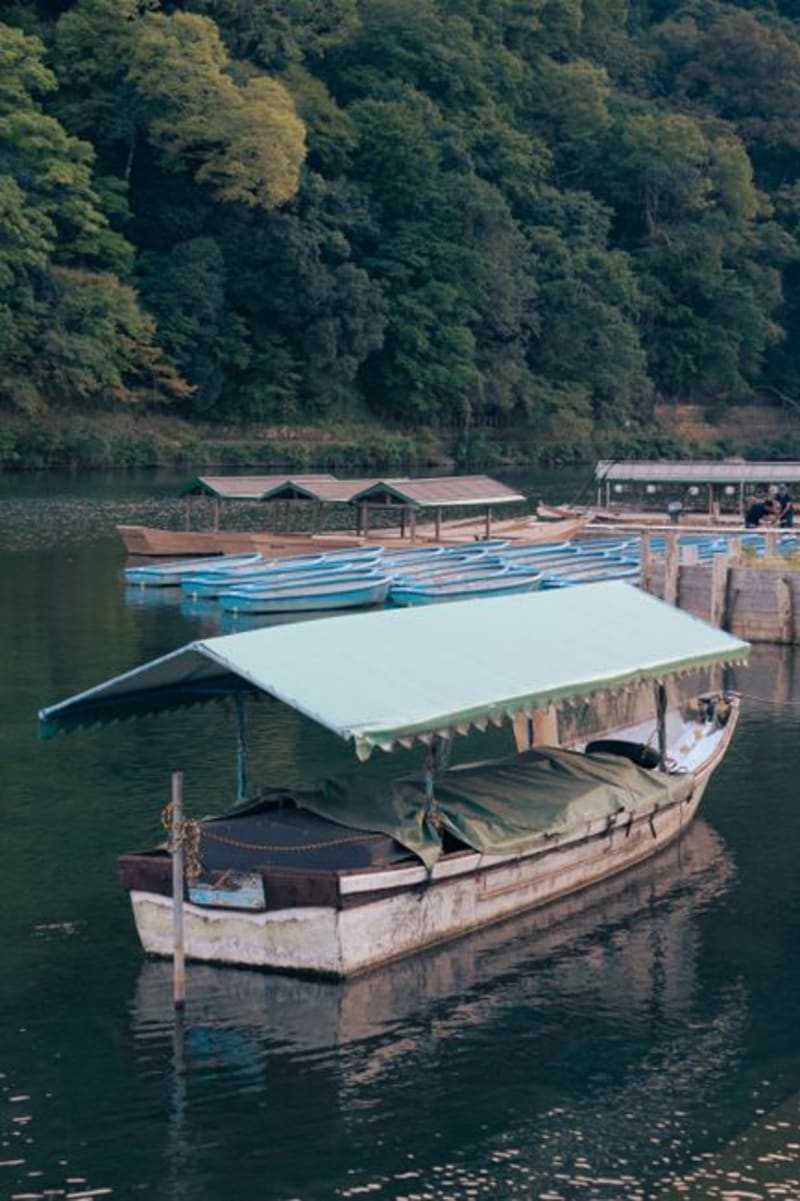 japan
japan Sado Island
A large, rugged island off the coast of Niigata, wilder and slower than the mainland it faces. It holds the ruins of a great gold mine, the thunder of Kodō taiko drumming, terraced rice fields above the sea, and old women who still fish from round wooden tub boats.
Explore