Yahiko
"Locals don't just say Yahiko Shrine, they say Oyahiko-sama, like they're talking about someone they know."
A small Niigata village built around one of Japan's oldest and most venerated shrines, its cedar-lined approach and summit ropeway making for an easy, atmospheric day away from the coast.

We came to Yahiko almost by accident, a detour Lia proposed after reading that its shrine gets a mention in the Manyoshu, Japan’s oldest poetry anthology, which meant people had been making pilgrimages here for longer than most of the countries we’d both grown up in have existed. We’d been island-hopping through Niigata’s coast for a few days and needed a quiet inland stop, and Yahiko delivered exactly that: a single unhurried village organized entirely around its shrine, without a trace of the souvenir-shop crush you sometimes find at famous religious sites. We arrived on a weekday morning with almost no one else on the approach, just birdsong and the smell of damp cedar bark.
The Cedar Approach to Oyahiko-sama
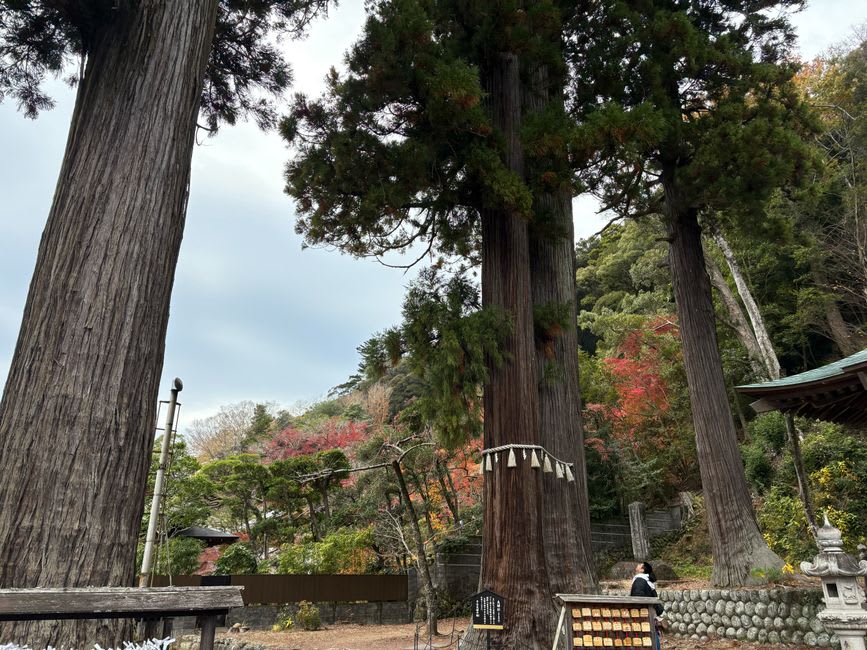
What struck me first wasn’t the shrine buildings themselves but the walk toward them, a long straight approach flanked by cedar and zelkova trees old enough that their trunks have gone soft and grey with age, roots buckling the stone path in places. Locals we passed didn’t refer to the shrine by its formal name so much as call it Oyahiko-sama, an affectionate honorific that made clear this wasn’t just a tourist stop for them but something closer to family. The shrine itself, rebuilt after a fire early last century, sits at the end of that approach with an understated dignity, wooden and unpainted in the older Shinto style rather than the vermilion you see elsewhere. Lia lit incense at a small side altar and stood there longer than I expected, taking in how old the quiet actually felt.
Up the Ropeway to the Summit Shrine
Behind the main shrine, Mount Yahiko rises sharply enough that walking it isn’t really a casual option, so we took the ropeway that climbs most of the way up in a few minutes, watching the coastal plain and the distant glint of the Sea of Japan open up below us. At the top there’s a smaller shrine, the okumiya, tucked among wind-bent trees, considerably less visited than the main complex below and all the better for it. We had the summit almost to ourselves, wind picking up as clouds moved fast overhead, and could see clear out toward Sado Island on the clearer stretches of horizon. It felt like the mountain equivalent of finding a second, quieter room behind a busy one.
A Village That Moves at Shrine Pace
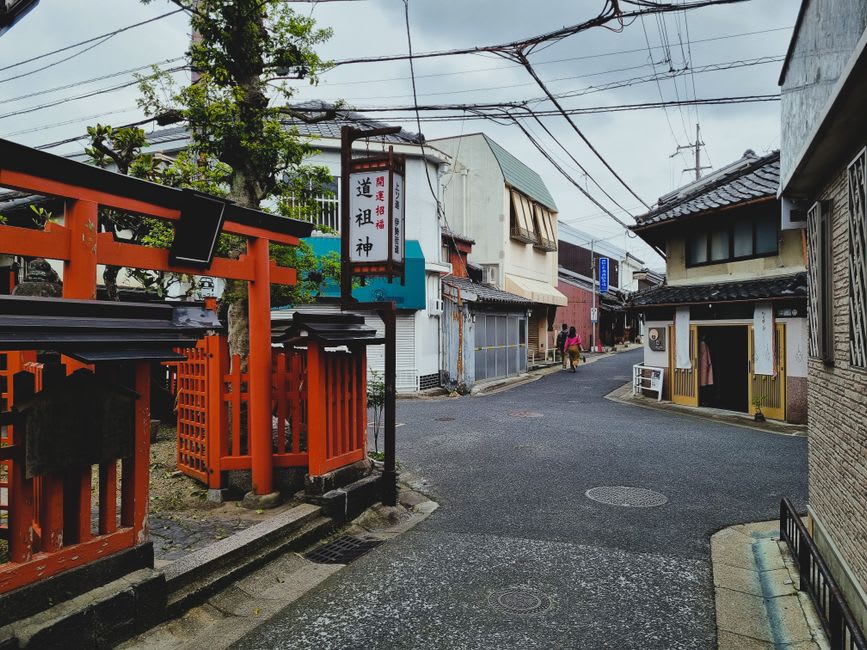
Back down in the village, we spent the rest of the afternoon doing very little, which felt entirely appropriate. Yahiko has a scattering of old inns and simple restaurants serving Niigata rice and river fish, and a small park near the shrine grounds where locals were walking dogs and feeding what looked like a small resident herd of deer kept near the shrine, a detail that charmed Lia more than almost anything else that day. There’s an unhurried, almost monastic rhythm to the place, everything oriented around the shrine’s calendar rather than any tourist schedule, and after the noise of the coast it was exactly the reset we needed before continuing on toward Kanazawa a few days later.
Getting There
Yahiko is reached via Tsubame-Sanjo Station on the Joetsu Shinkansen, from which a local train on the Yahiko Line runs directly into Yahiko Station in well under half an hour. The village itself is small enough to cover entirely on foot, with the shrine approach beginning just a short walk from the station. The ropeway to the summit shrine runs on a set schedule with occasional seasonal closures for maintenance or weather, so it’s worth checking ahead if the mountain view is your main reason for visiting. Most people manage Yahiko comfortably as a half-day trip from Niigata city or as a calm stop en route further along the coast.
Keep exploring
More of Chūbu
Keep exploring
More from Chūbu
 japan
japan Yoro
A Gifu waterfall town built around the legend of a spring that once flowed with sake instead of water, paired incongruously with a disorienting modern art park nearby.
Explore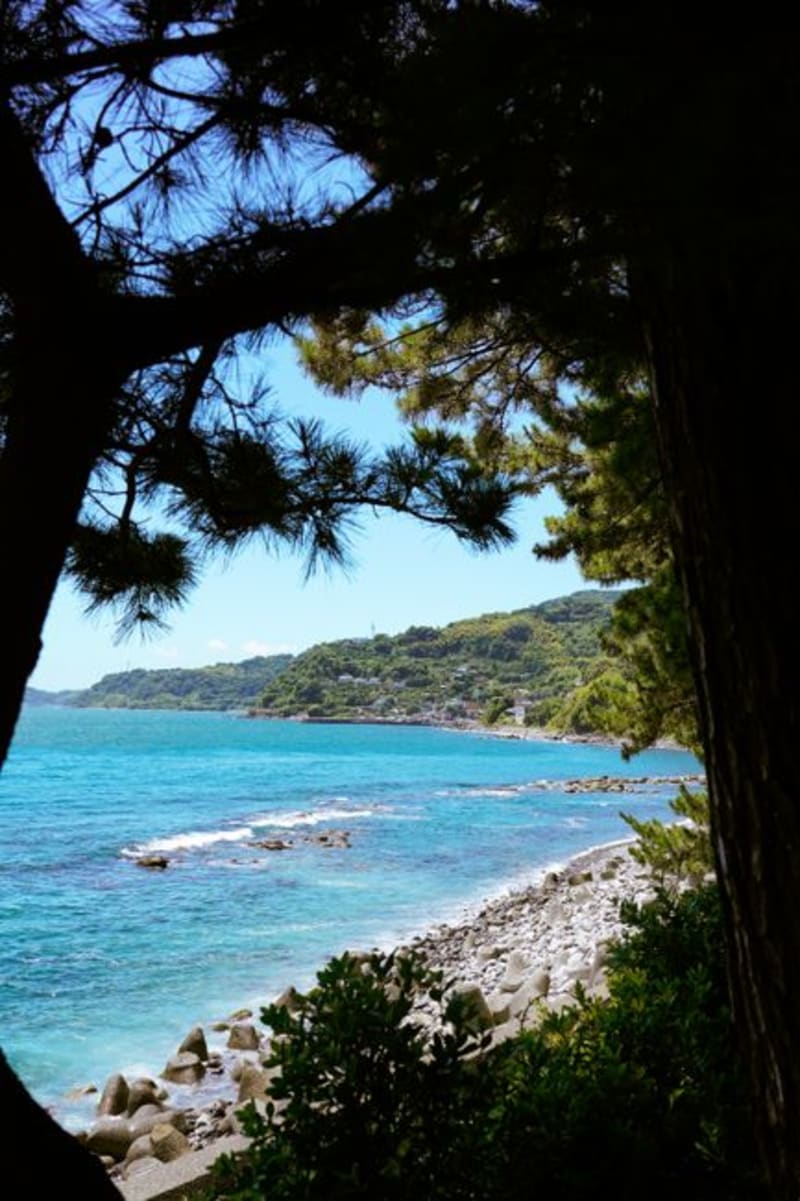 japan
japan Atami
A retro seaside hot-spring resort on the Izu coast of Shizuoka, an easy hop from Tokyo, where hillside ryokan look down over the bay, summer fireworks burst above the water, and a nostalgic Shōwa-era holiday air is quietly coming back into fashion.
Explore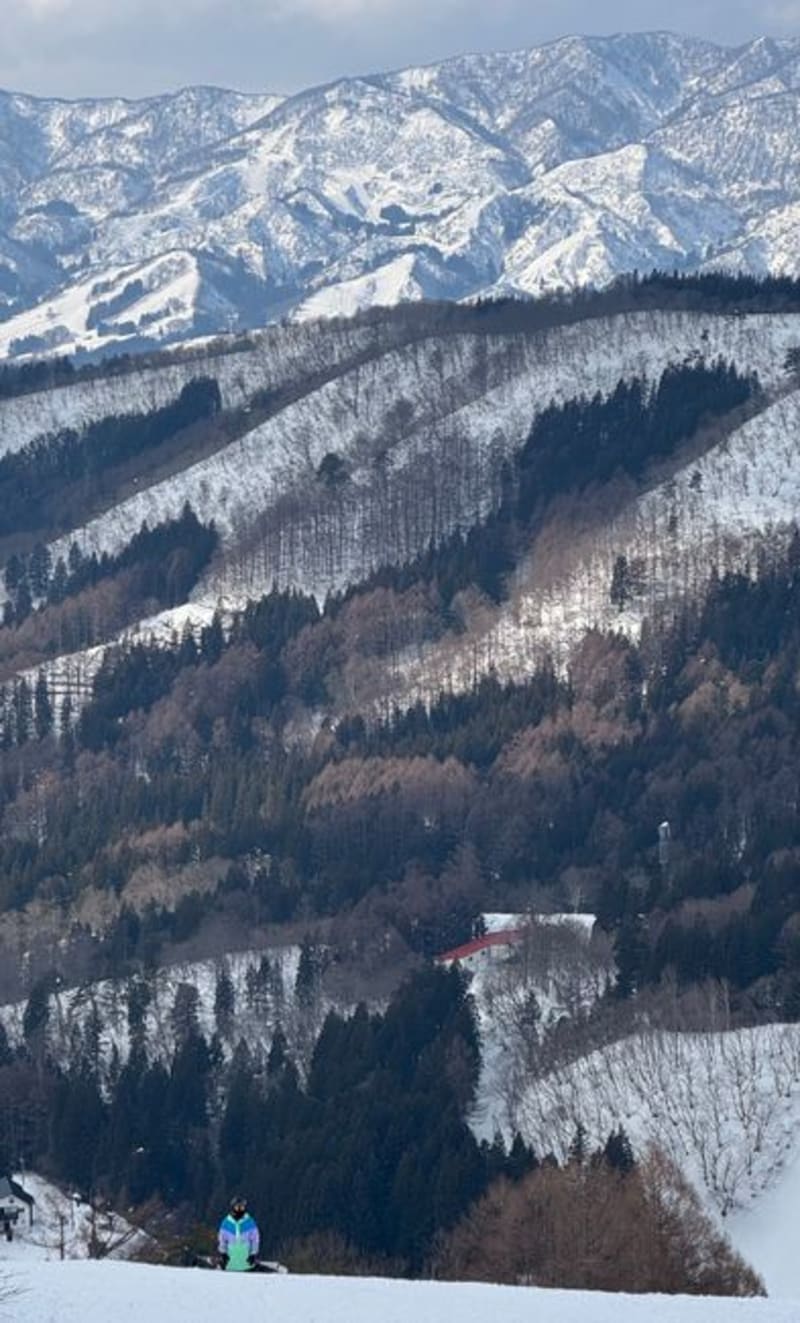 japan
japan Bessho Onsen
A hot-spring hamlet folded into the hills above Ueda, so old and quiet that people call it the little Kamakura of the mountains. Ancient temples lean over narrow lanes, steam drifts from public bathhouses, and the whole valley smells faintly of sulphur and cedar.
Explore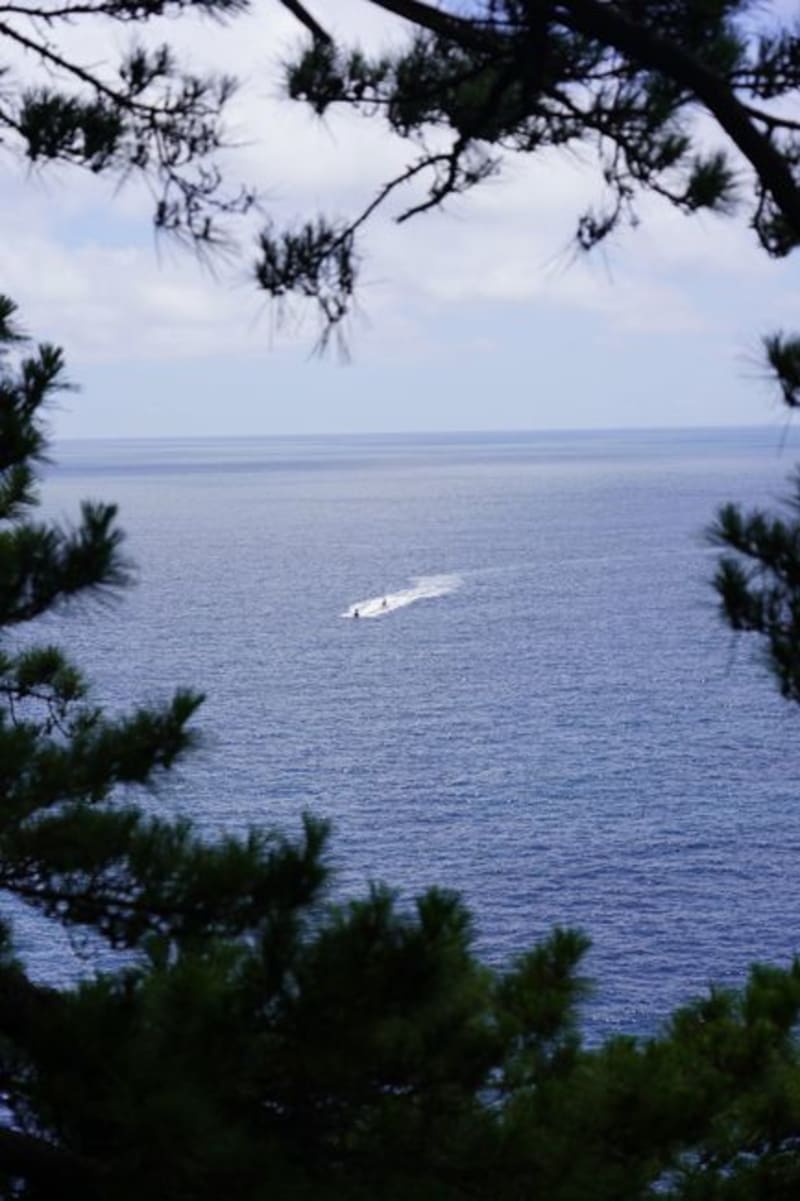 japan
japan Dogashima
West Izu's sculpted coast of tortured rock islets, a collapsed sea cave open to the sky, and sunsets that stop conversation. Lia and I timed our whole day to end here, on the rocks, facing the light. It was the right decision.
Explore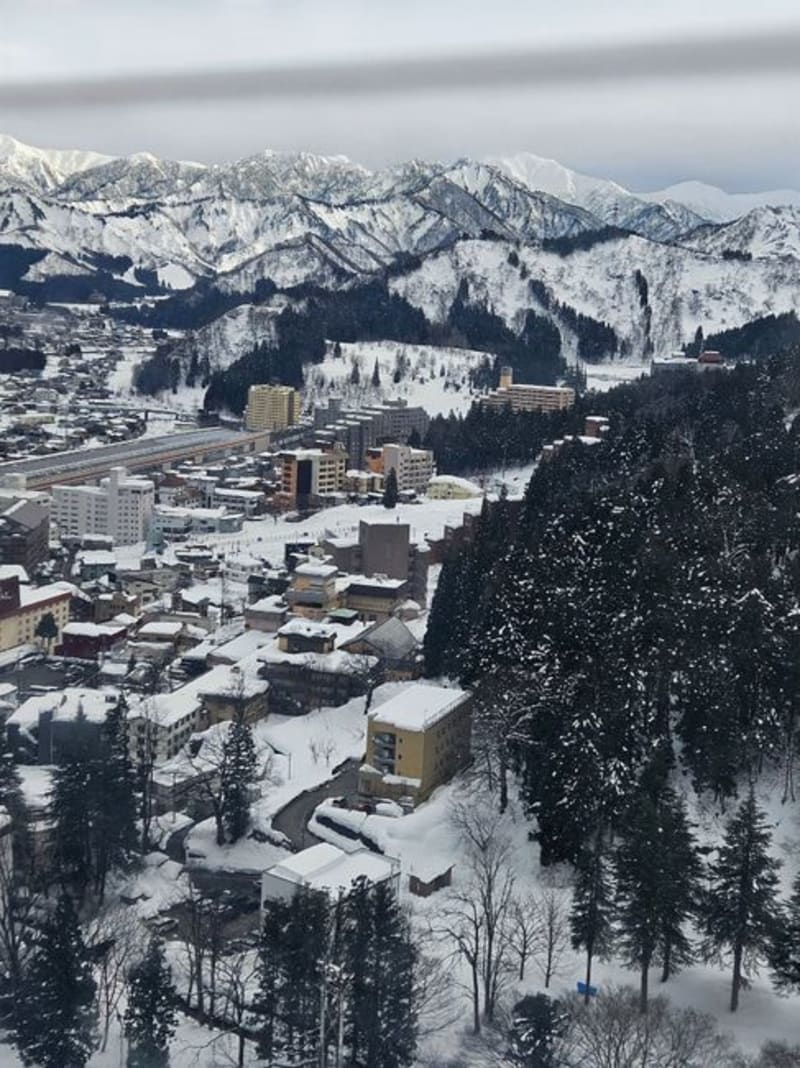 japan
japan Echigo-Yuzawa
A snow-country hot-spring town where the express train bursts out of a nine-kilometre tunnel into a white silence. Kawabata set his most famous novel here, and you understand why the moment the doors open. We came for one night and stayed three.
Explore japan
japan Eiheiji
A great working Sōtō Zen training monastery deep in the cedar forests of Fukui. Founded in the thirteenth century, its wooden halls climb a mossy hillside linked by covered stairways, and hundreds of monks still live and practise here in silence and rain.
Explore