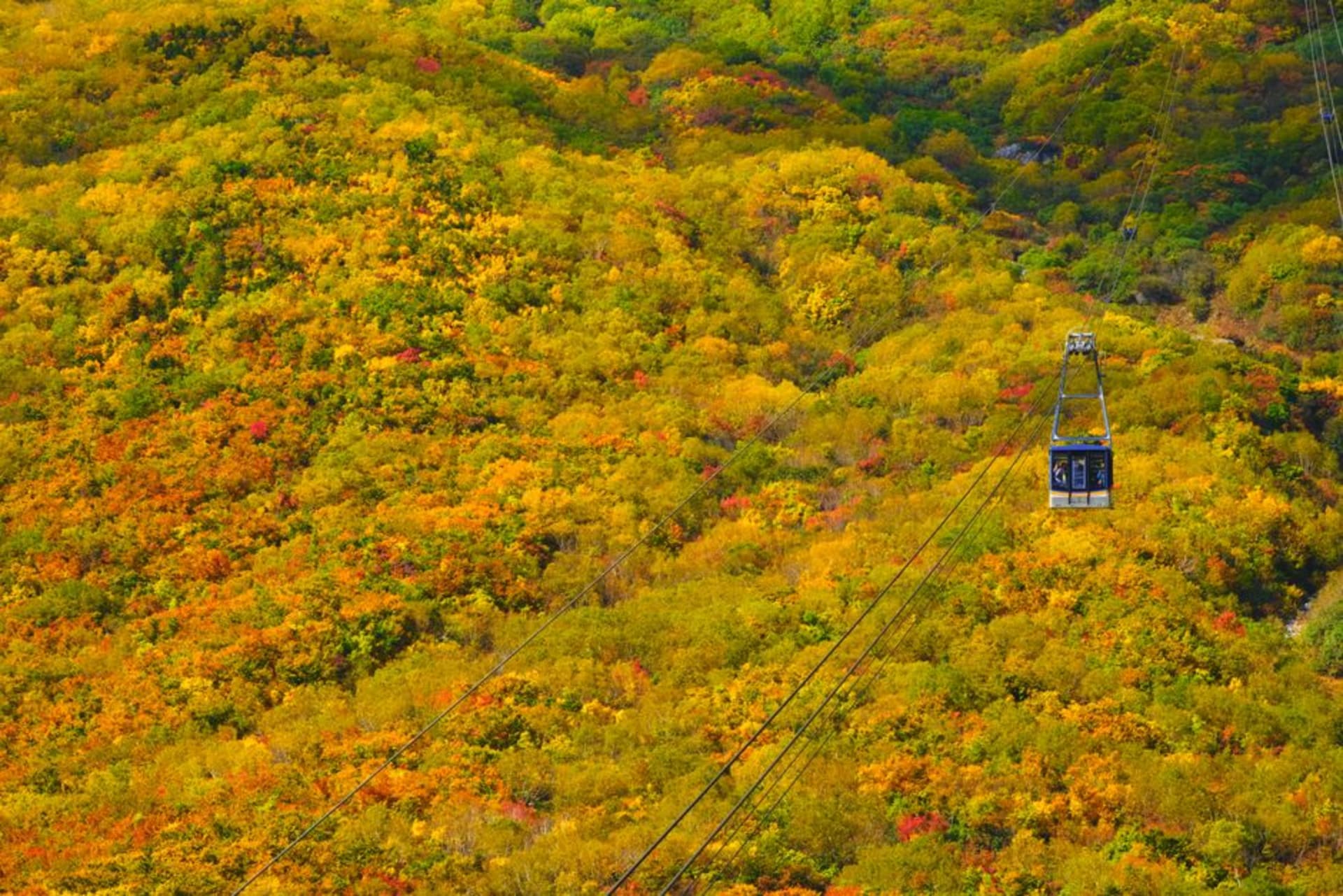
A small hot-spring town at the mouth of Toyama's Kurobe Gorge, where clear alkaline water is piped down from a source high in the mountains and a little red train rattles off into one of the deepest ravines in Japan. It is a place of steam and cedar and the long whistle of the sightseeing railway. You come for the gorge; you stay for the bath.

The first thing you notice in Unazuki is the water, and I don’t mean the hot springs. It’s the river — the Kurobe, running the color of melted glacier under the big red bridge, so vividly turquoise that Lia stopped in the middle of the crossing and simply stared until a cyclist rang his bell at her. We had come up on the local train from Toyama in the late morning, and the town rose out of the valley in a huddle of onsen inns and steam vents, the whole place smelling faintly of minerals and wet cedar. Our plan was to ride the gorge railway. Our first act was to sit on a wall and watch that river go by for twenty minutes, saying nothing.
The Little Red Train
The Kurobe Gorge Railway was never built for tourists. It was a work train for the dam and power-station crews, threading deeper into the mountains than roads could go, and it still feels like that — open-sided carriages, a slow honest clatter, no glass between you and the drop. We took it from Unazuki all the way to Keyakidaira at the end of the line, an hour and a bit of tunnels and trestle bridges and the gorge falling away below. Lia gripped the rail on the sheer sections and grinned the whole time. Every so often the train would emerge from a tunnel into a burst of green and river-roar, and everyone in the carriage would make the same involuntary sound. At the far end there were footbaths fed by the mountain and a hot-spring pool tucked into the rock, and we soaked our feet with the ravine dropping away in front of us.

The Bath at the End of the Day
Unazuki’s hot water comes down seven kilometers of pipe from a source called Kuronagi, high in the mountains, and it arrives clear and soft and almost odorless — none of the sulfur sting some onsen have. Our inn had an outdoor bath on the top floor facing the valley, and I went up after dark when the town lights were scattered below and the gorge was just a black absence full of the sound of water. The heat undid every knot the train had put in my shoulders. Lia came up later and we sat in the steam not talking, watching a single light move slowly up the far slope — the last cable car of the night, we decided, though we never confirmed it. There is a particular happiness in a hot bath after a cold day in the mountains that I have never found a way to explain to people who haven’t done it.

Steam and Slow Streets
By day the town is small and easily walked. There is a hot-spring fountain right outside the station where the water bubbles up at bathing temperature, and old men gather near it the way old men gather near warmth everywhere. We found a coffee shop run by a woman who roasted her own beans and had opinions about all of them, and a sweet-shop selling onsen manju steamed in the local water. In the afternoon we walked the short trail to a viewpoint over the dam and the bridge, where the turquoise river bends out of sight into the gorge. It is not a town with a great deal to do, and that is precisely the point. Unazuki is a place to arrive tired and leave loosened.
Getting There
Unazuki Onsen is the end of the Toyama Chiho Railway line — a scenic local train of about an hour and a half from Toyama city, which is itself a Shinkansen stop two hours from Tokyo. The onsen station and the gorge railway station sit a few minutes’ walk apart. The Kurobe Gorge Railway runs roughly late April through November and closes for winter snow, so check the season before you build a trip around it; the last stretch to Keyakidaira sometimes opens later than the rest. Book an inn with its own bath if you can — that, more than the train, is the thing you’ll remember.
Keep exploring
More of Chūbu
Keep exploring
More from Chūbu
 japan
japan Tateyama Kurobe Alpine Route
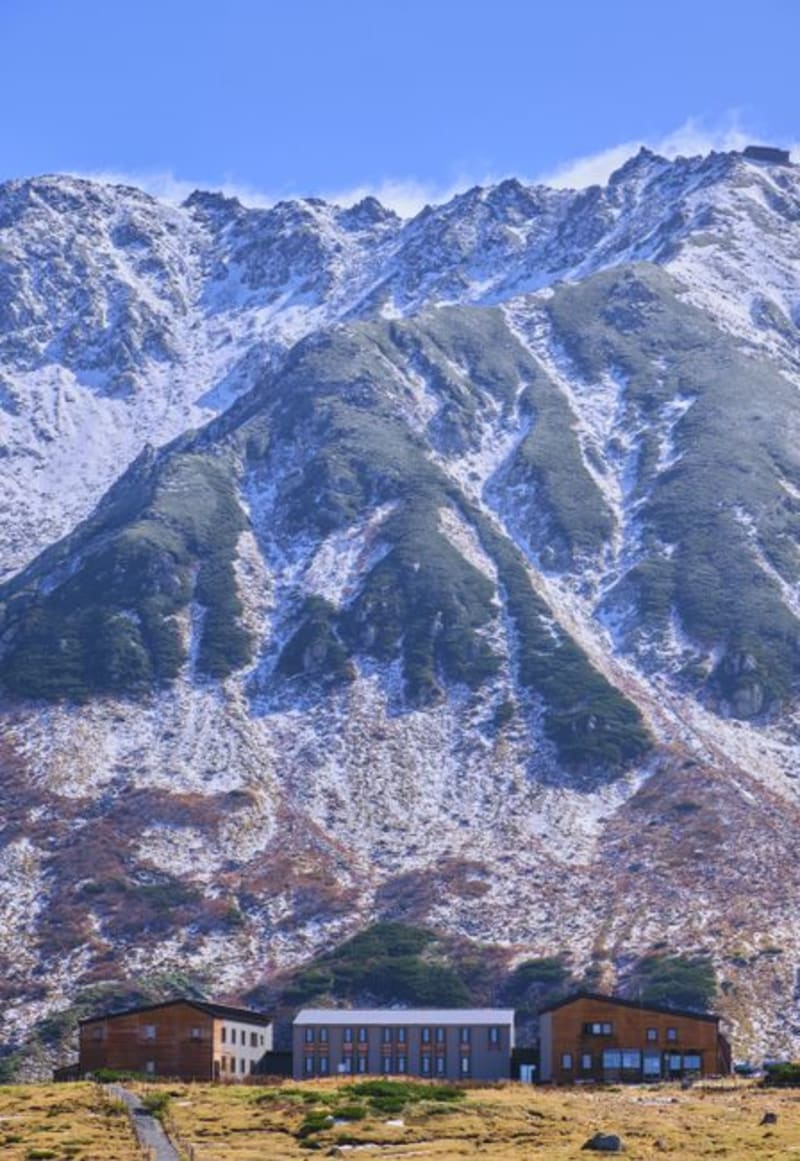
A spectacular high-mountain crossing linking Toyama and Nagano by cable car, bus and ropeway. Its wonders include the towering spring snow corridor, the great arc of the Kurobe Dam, and the wind-scoured Murodō plateau near the roof of Japan.
Explore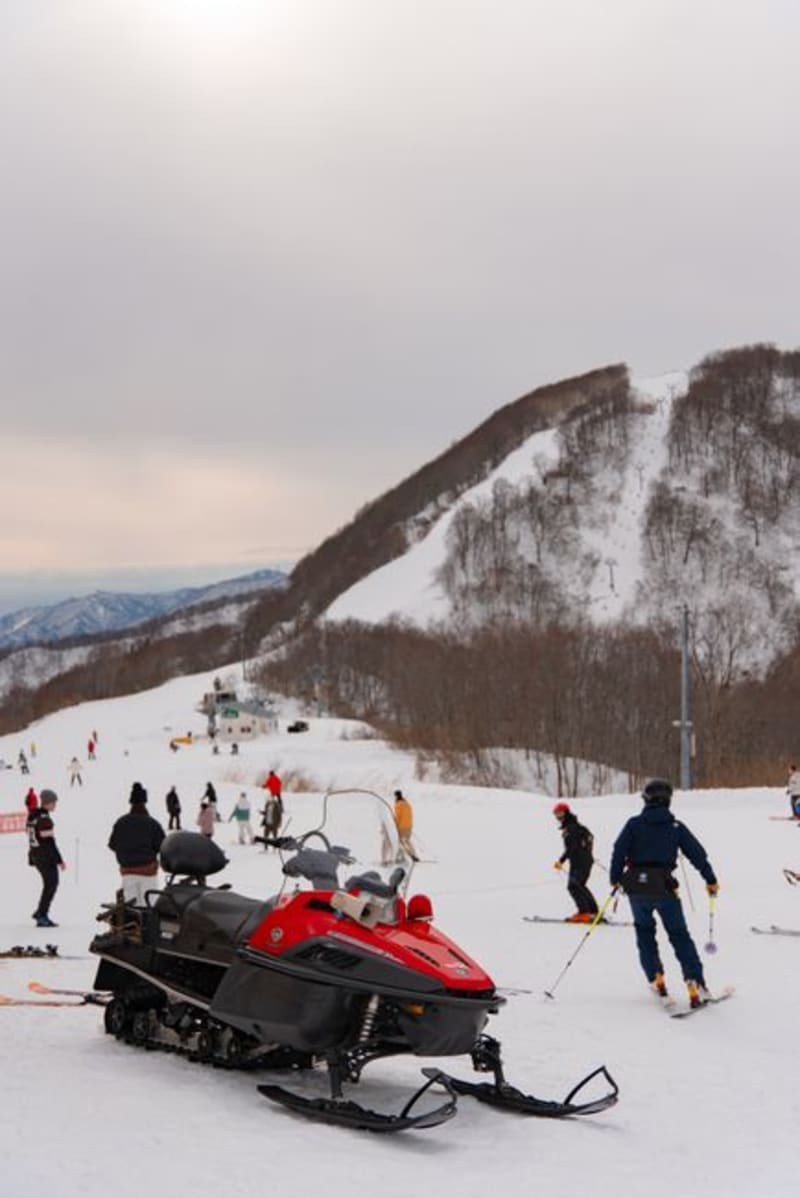 japan
japan Hakuba
A long alpine valley in Nagano beneath the great wall of the Northern Japan Alps. Home to the 1998 Winter Olympics ski jumps and some of the deepest powder in the country, it trades its snow for green meadows, gondola rides and high ridge walks in summer.
Explore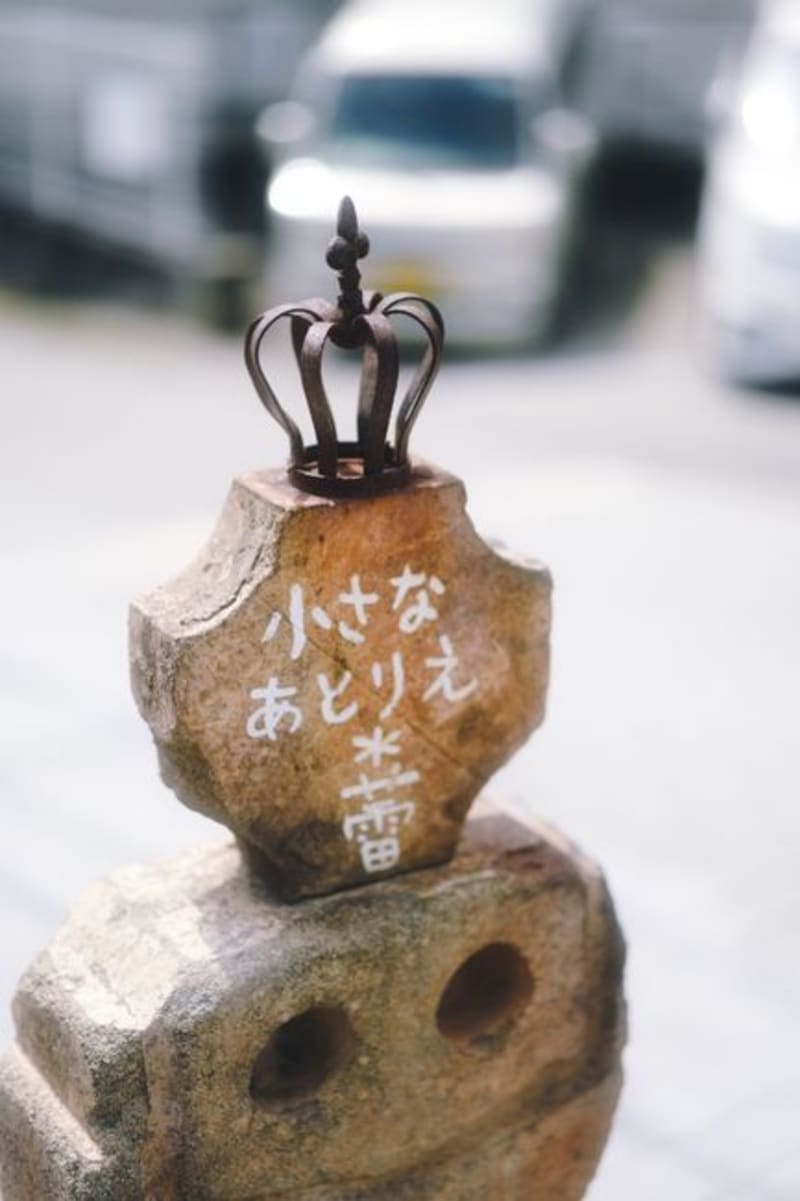 japan
japan Itoigawa
A stretch of Niigata coast where the mountains fall straight into the Sea of Japan and the beaches hide green jade among their pebbles. It is a UNESCO Global Geopark, though nobody here says that word out loud — they just hand you a stone and tell you to look closer. Alpine rivers, ancient rock, and a quiet that feels older than tourism.
Explore japan
japan Toyama
A clean, quietly modern bay city on the Sea of Japan, backed by the towering wall of the Tateyama alps. Famed for translucent white shrimp and glowing firefly squid, a dazzling glass-art museum, and its role as the eastern gateway to the Alpine Route.
Explore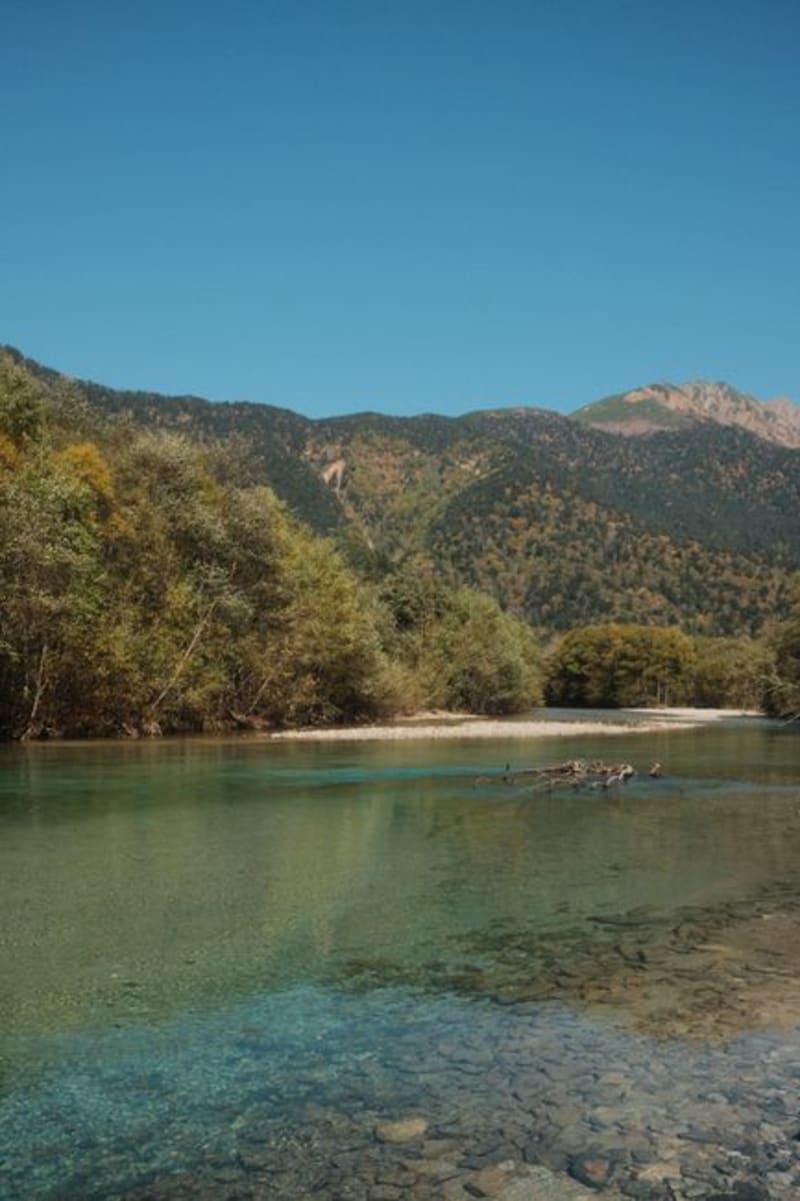 japan
japan Kamikōchi
A pristine highland valley in the Northern Japan Alps where the clear Azusa river runs beneath the Hotaka peaks. No private cars, boardwalk trails through wetland and larch, and an alpine stillness that closes with the snow each winter.
Explore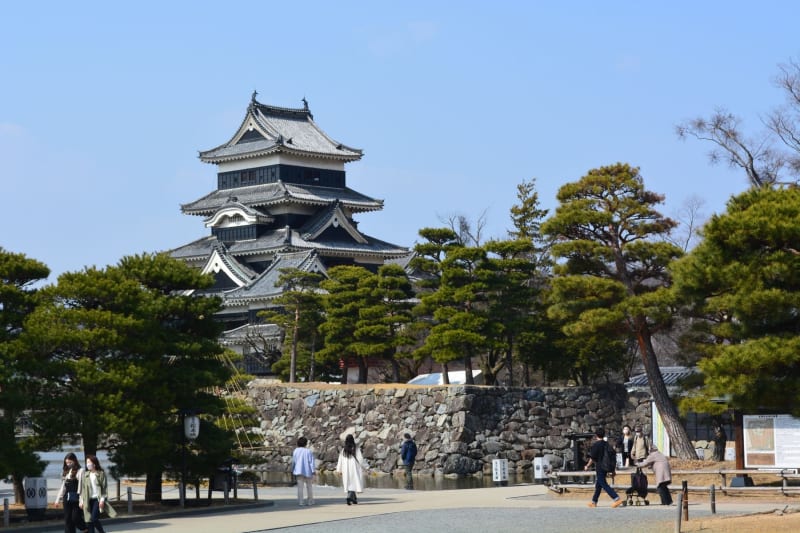 japan
japan Matsumoto
A feudal black castle reflected in still water, ringed by the Japanese Alps.
Explore