Katsuyama
"It's not a diorama, our guide kept saying, they're actually still digging back there."
A Fukui city that became Japan's dinosaur capital after a major fossil find, home to one of the largest dinosaur museums on earth and an active excavation site you can tour rather than a diorama.

Katsuyama was Lia’s idea entirely, and I went along assuming a “dinosaur museum” would mean the usual: a few well-lit skeletons behind glass and a gift shop full of plastic raptors. I was wrong on almost every count. Ever since a significant fossil discovery here decades ago, Katsuyama has rebuilt its identity around dinosaurs so thoroughly that the town’s manhole covers, vending machines, and train station all carry some reference to them, and none of it felt like kitsch by the time we arrived. What sold me completely, though, was learning that the museum’s excavation site out back isn’t a recreated exhibit at all. It’s an active dig.
Inside the Silver Dome
The Fukui Prefectural Dinosaur Museum itself is an object before you even get inside it, a huge silver dome designed by a noted architect that sits against the hillside like something that landed there rather than something built. Inside, the scale kept surprising me — full mounted skeletons three stories tall, a spiraling walkway that lets you view them from every angle, and enough specimens that it’s genuinely counted among the largest dinosaur museums anywhere in the world. Lia, who I’d expected to tire of it after an hour, spent most of a full day working through every floor, reading translated placards about species found specifically in this region of Japan rather than the usual imported American giants.

An Excavation Site That’s Still Working
The part that actually changed how I thought about the whole visit was the dig site behind the museum, where paleontologists continue to excavate the same fossil-bearing rock layer that produced the original find. You can walk out to view the active excavation, watching researchers working with brushes and picks in real rock rather than a staged reconstruction, which gave the whole museum experience a different weight. It’s easy to treat a dinosaur museum as pure spectacle for kids, and there were plenty of delighted children around us, but standing at the edge of an active dig made clear this is ongoing science, not finished history behind glass. Lia kept asking our guide questions faster than he could answer them.

A Town That Leans All the Way In
Once we left the museum grounds, the rest of Katsuyama kept the theme going in ways that were more charming than I expected from what could have easily been a one-note gimmick. Dinosaur statues turned up on street corners and outside the train station, a local shrine and the old castle town center sat comfortably alongside all of it, and we ate a simple lunch at a diner that had, inevitably, a dinosaur-shaped item on the menu. It’s a small city that decided to fully commit to an identity most places would have treated as a novelty, and there’s something likeable about that lack of half-measures, not unlike the quiet confidence you find in Takayama further into the mountains.

Getting There
Katsuyama is reached via the Echizen Railway, with direct service from Fukui Station taking roughly an hour through increasingly rural scenery. Fukui itself connects to the Hokuriku Shinkansen line, making Katsuyama a manageable day trip from Kanazawa or Tokyo with an early start. From Katsuyama Station, the dinosaur museum is a short bus or taxi ride away, and most visitors comfortably plan a half to full day around the museum and dig site alone.
Keep exploring
More of Chūbu
Keep exploring
More from Chūbu
 japan
japan Kawaguchiko
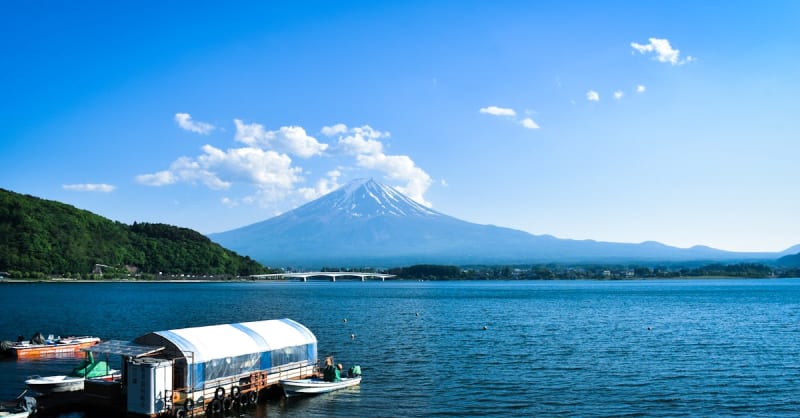
A lakeside onsen town at the foot of the volcano — hot springs, hoto noodles, and the kind of quiet that Tokyo makes you forget exists.
Explore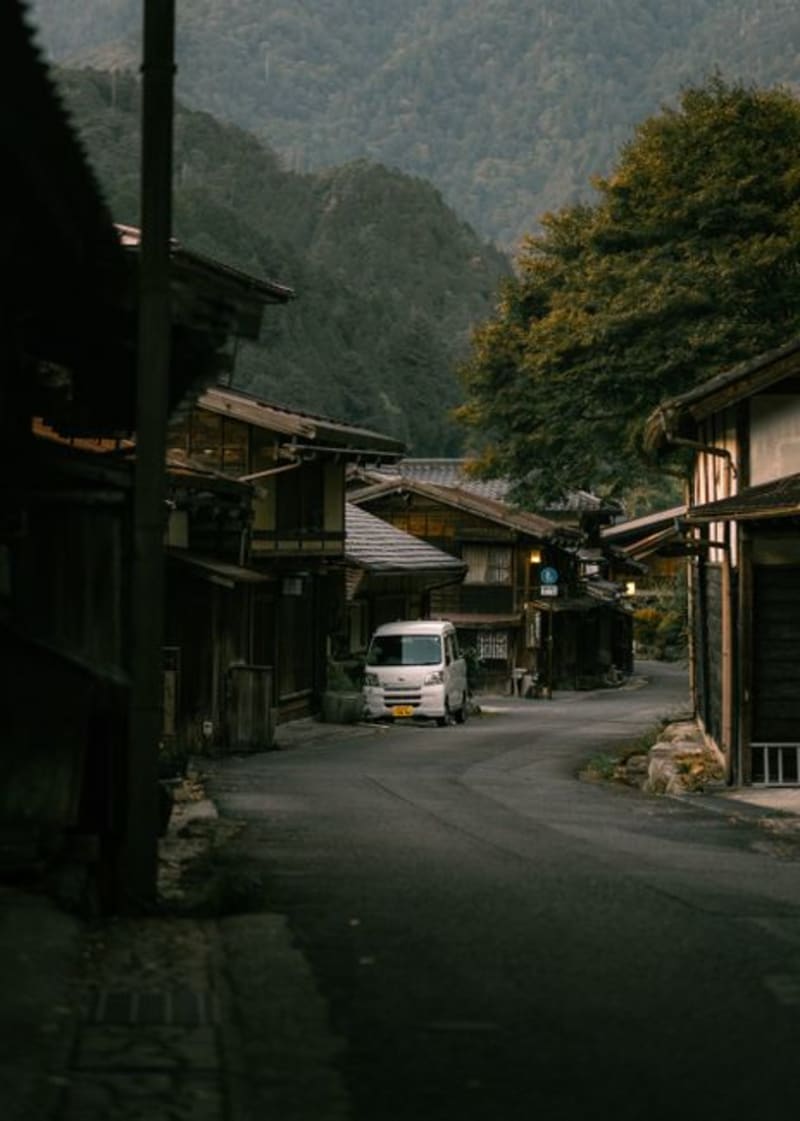 japan
japan Kiso-Fukushima
A mountain post town deep in the Kiso valley of Nagano, once a major checkpoint on the old Nakasendo highway. Steep riverside lanes, cypress-scented forests, and a working, unpolished feel far from the tour buses. A gateway to the old road and to sacred Mount Ontake.
Explore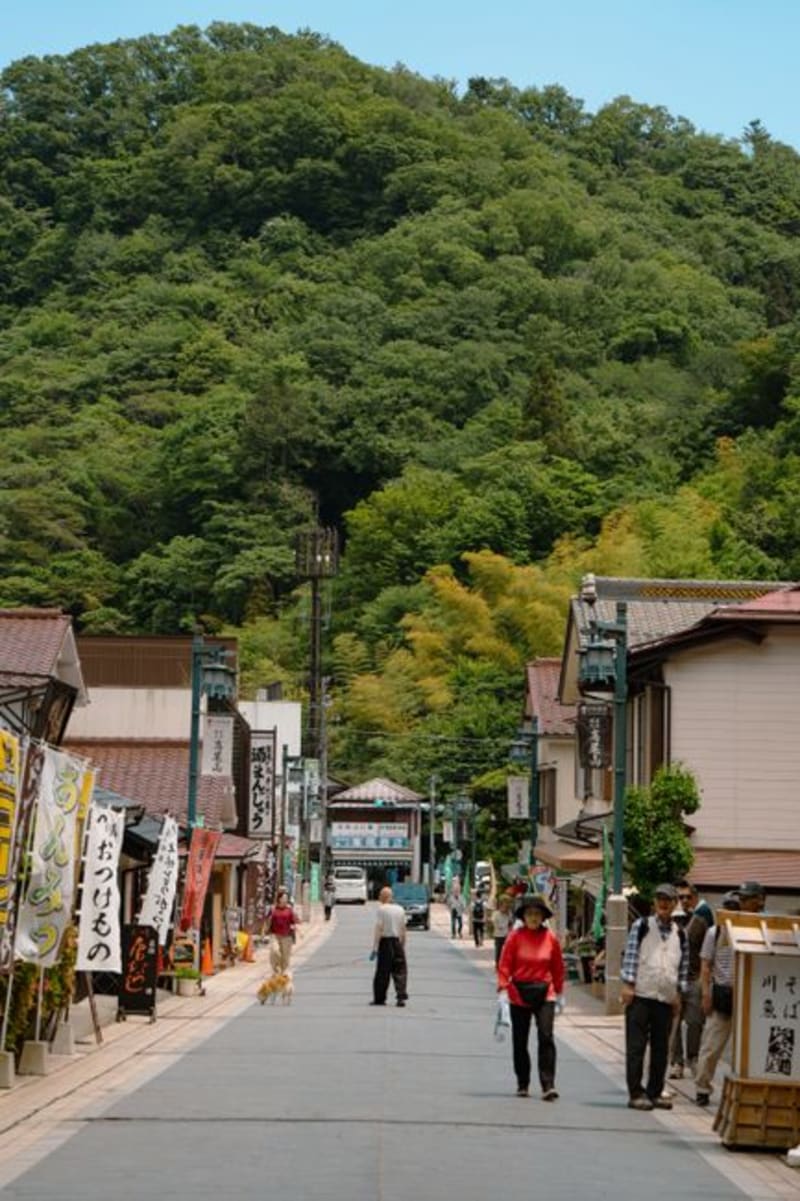 japan
japan Magome
A restored Edo-era post town climbing a steep hillside in the Kiso Valley, all wooden inns and turning water wheels, and the trailhead for the beautiful forest walk over the pass to Tsumago.
Explore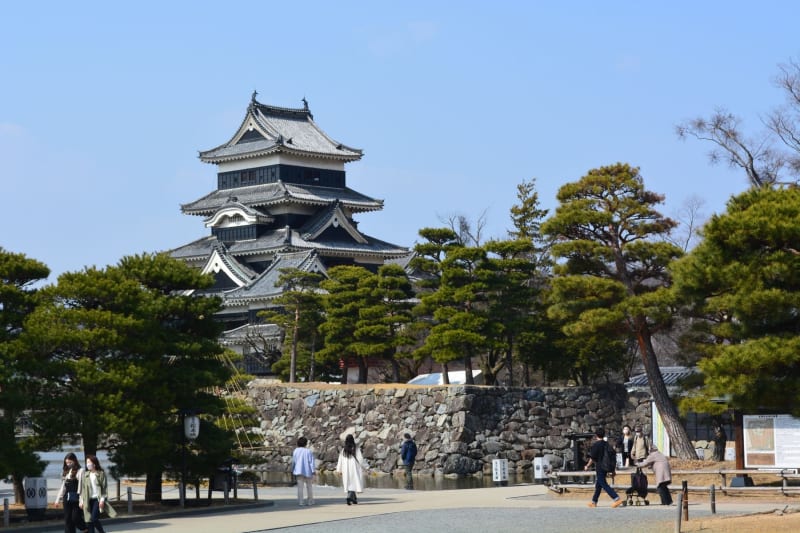 japan
japan Matsumoto
A feudal black castle reflected in still water, ringed by the Japanese Alps.
Explore japan
japan Mitsukejima
A small uninhabited rock island off the Noto Peninsula, nicknamed 'battleship island' for its silhouette, that you can walk out to at low tide and whose shape changed permanently after the 2024 earthquake.
Explore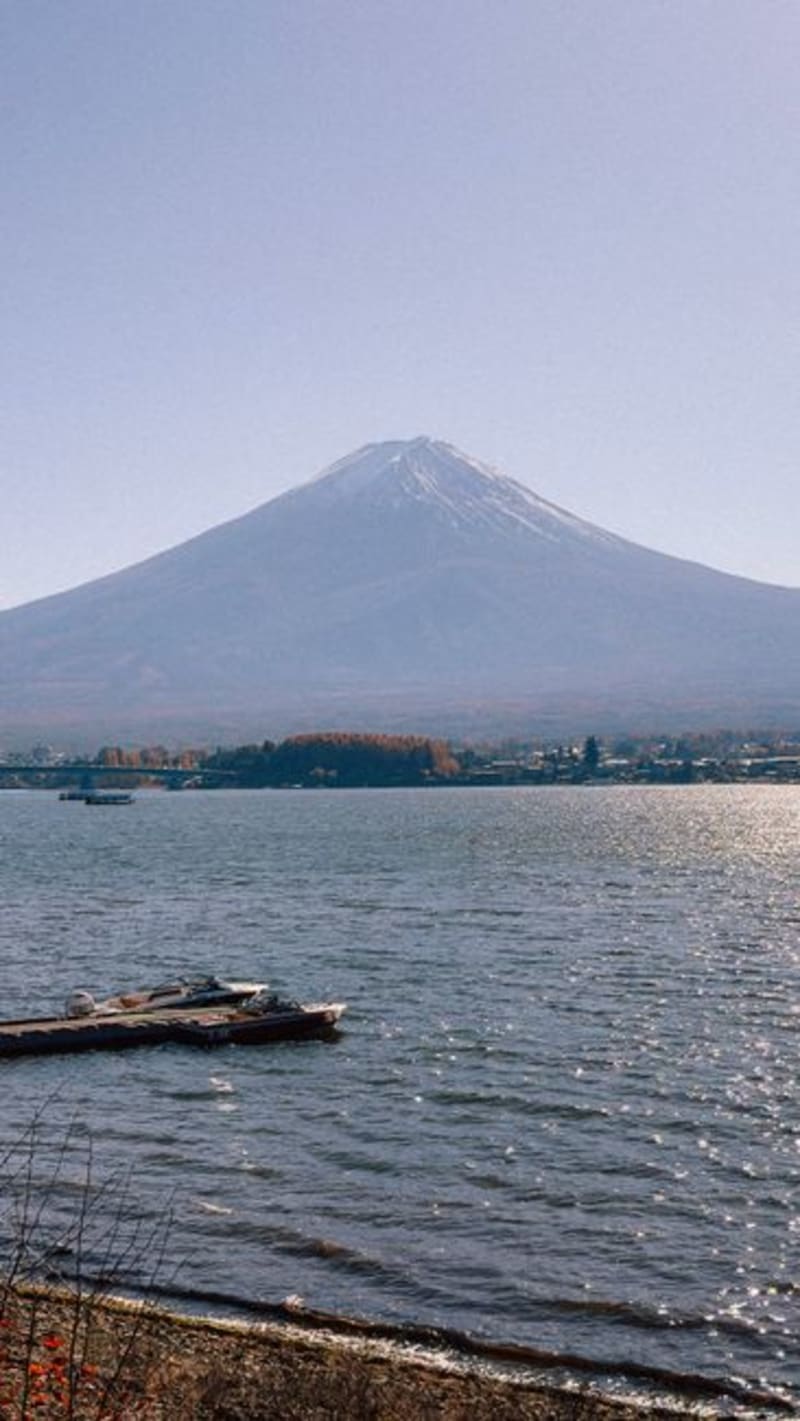 japan
japan Lake Motosu
The deepest of the Fuji Five Lakes, so clear and still that on a windless morning it holds a second Mount Fuji upside down in the water. This is the exact view engraved on the back of the 1000-yen note. We came for the reflection and stayed for the silence.
Explore