Togakushi
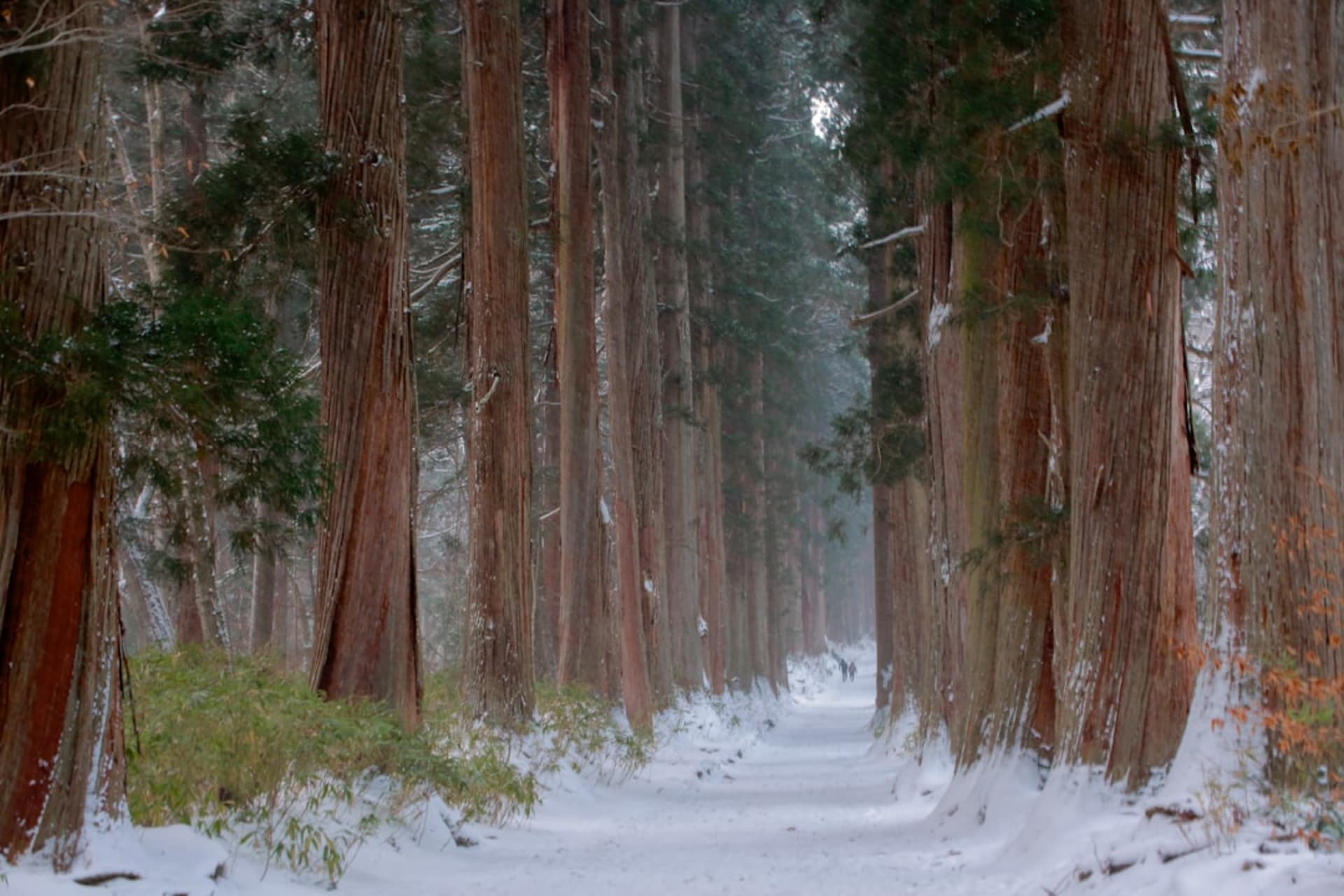
"One minute we were dodging trick doors, the next we were standing in total silence under thousand-year cedars."
A mountain village near Nagano that was the historical home of a famous ninjutsu school, its ninja village and cedar-lined shrine complex sitting side by side with dozens of soba restaurants.

Togakushi is one of those places that shouldn’t work as well as it does, combining a genuinely playful ninja village with one of the more serious shrine complexes we visited in Nagano prefecture, and somehow neither side undercuts the other. Lia had wanted to come mostly for the ninjutsu history — Togakushi was, historically, home to a well-known school of ninja techniques — and I’d assumed that meant a fairly gimmicky theme park. It’s not. It’s a strange, layered village where the trick doors and obstacle courses of its ninja village sit only a short walk from centuries-old cedar groves and a shrine that clearly isn’t performing for anyone.
Getting Lost in the Ninja Village
We spent a genuinely funny hour at the ninja village, working through a maze of trick sliding doors, tilted floors, and hidden passages designed to disorient rather than simply amuse, in the old tradition of ninjutsu misdirection. Lia got hopelessly turned around in one section and came out laughing at herself, and I wasn’t much better in the next room, banging my shin against a floor that wasn’t where it looked like it should be. It’s aimed partly at children, plenty of whom were shrieking happily around us, but the historical grounding kept it from feeling like pure novelty — placards throughout explained the actual techniques the tricks were based on, developed by the ninja who trained in these mountains.

The Cedar Path to Okusha
From there, the tone shifts completely. Togakushi Shrine is actually a complex of separate sanctuaries linked by trails, and the path to the innermost of them, Okusha, runs beneath cedar trees old enough that their trunks have gone silver-grey and their canopy blocks out most direct light even at midday. Walking that stretch after the noise of the ninja village felt like stepping into a different register entirely, quiet enough that our own footsteps on the gravel seemed loud. Lia went quiet for most of the walk, and when we reached Okusha itself, tucked against the base of the mountain, it had the kind of atmosphere that makes you understand instantly why people have been making this same walk for centuries.

Soba by the Same Cold Water
Togakushi is also, somewhat unexpectedly, a serious soba destination, with dozens of small restaurants clustered near Chusha shrine, all drawing on the same cold mountain water that feeds the shrines themselves. We ate a simple, excellent bowl at a family-run place with a handful of tables, the noodles firm and clean-tasting in a way that made clear the water really does matter. It felt like a fitting way to end the day, the same mountain that had given us ninja tricks and ancient cedars also feeding us lunch, and it made an easy, satisfying complement to time spent in Nagano or Matsumoto nearby.

Getting There
Togakushi is reached from Nagano Station by bus, a ride of roughly forty-five minutes to an hour depending on which part of the village you’re headed to, since the shrine complex, ninja village, and soba district are spread across a few kilometers along the mountain road. Buses run regularly from Nagano but less frequently outside peak seasons, so it’s worth checking current schedules before you go. Many visitors combine Togakushi with a broader Nagano-area itinerary, given how easily it pairs with a day trip from the city.
Keep exploring
More of Chūbu
Keep exploring
More from Chūbu
 japan
japan Tojinbo
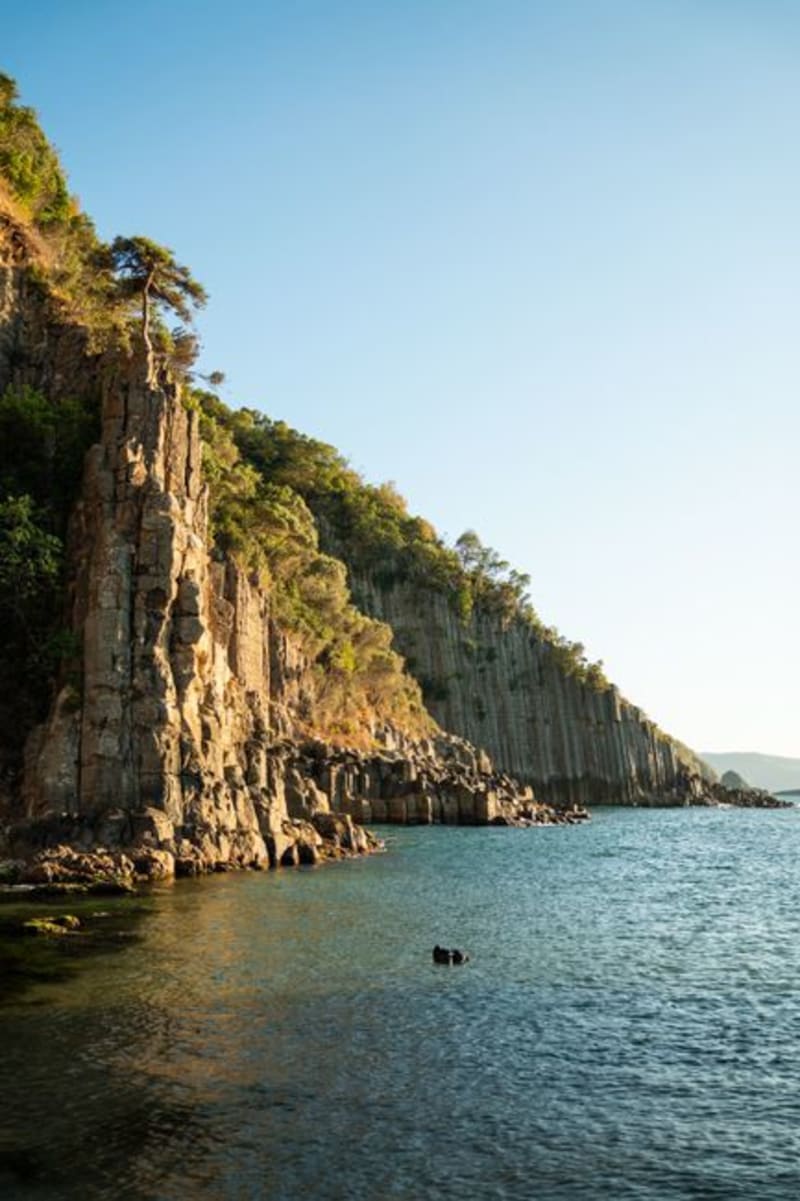
A mile of columnar basalt cliffs where the Sea of Japan hurls itself against pillars of stone so geometrically strange they look carved. The wind never really stops here, the surf booms in the hollows below, and the whole place carries a beauty that is not entirely comfortable.
Explore japan
japan Tokamachi
A snow-country city in Niigata that transforms every three years into the stage for the Echigo-Tsumari Art Triennale, its rice terraces and abandoned farmhouses becoming open-air galleries.
Explore japan
japan Toyama
A clean, quietly modern bay city on the Sea of Japan, backed by the towering wall of the Tateyama alps. Famed for translucent white shrimp and glowing firefly squid, a dazzling glass-art museum, and its role as the eastern gateway to the Alpine Route.
Explore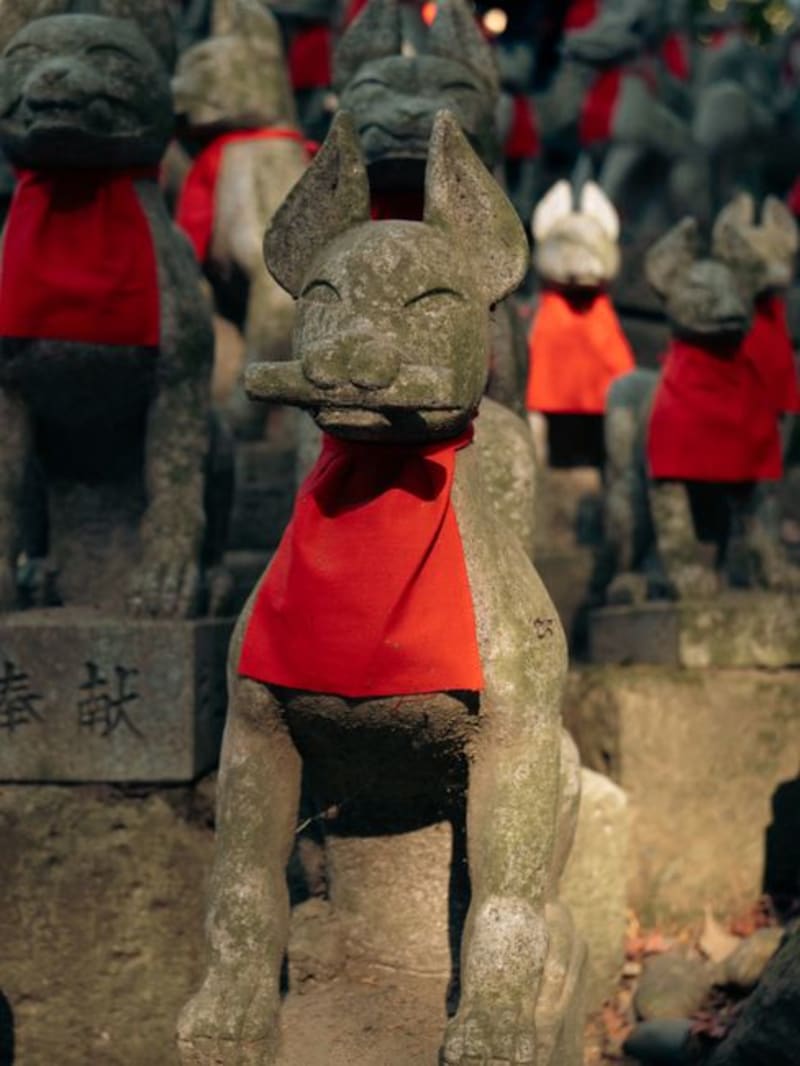 japan
japan Toyokawa Inari
A striking Zen Buddhist temple in Aichi that simultaneously worships the fox deity Inari, its hillside crowded with roughly a thousand red-bibbed stone fox statues each donated by a grateful believer.
Explore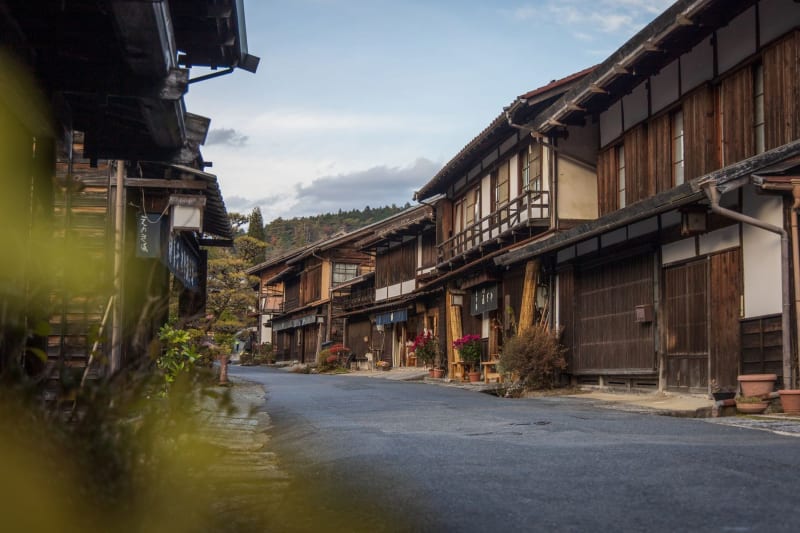 japan
japan Tsumago
A perfectly preserved Edo-period post town on the Nakasendo trail in the Kiso Valley, with cars banned from the main street.
Explore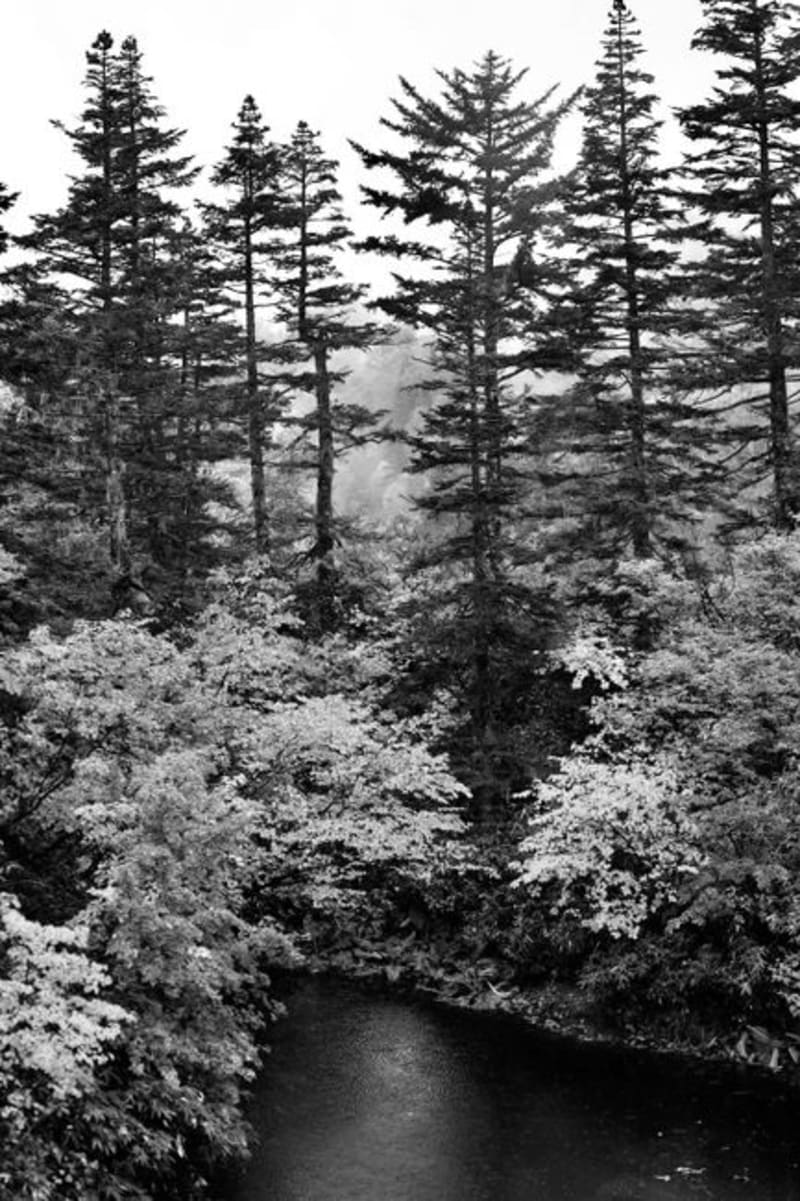 japan
japan Ueda
A Nagano castle town that once belonged to the Sanada, the samurai clan who twice humiliated far larger armies from behind these walls. Now it's a easygoing river town with a ruined keep, a temple-quiet hot spring called Bessho tucked in the hills, and a stubborn sense of its own history. We came for the castle and lingered for the baths.
Explore