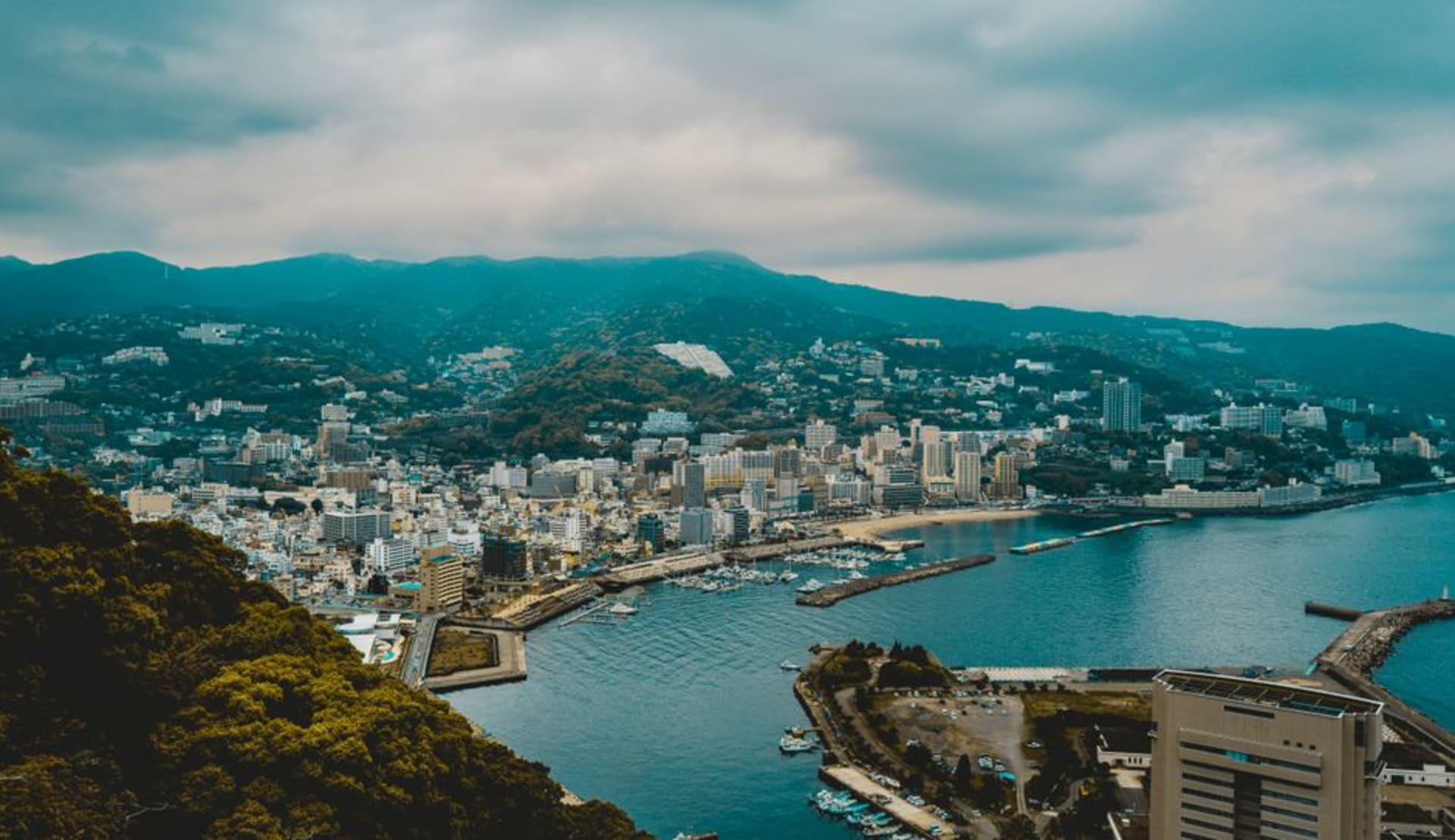
A retro seaside hot-spring resort on the Izu coast of Shizuoka, an easy hop from Tokyo, where hillside ryokan look down over the bay, summer fireworks burst above the water, and a nostalgic Shōwa-era holiday air is quietly coming back into fashion.

Atami is a town with a past, and it wears it beautifully. Lia and I went half out of curiosity — I’d read that this old hot-spring resort on the Izu coast had boomed in the postwar decades as the honeymoon capital of Japan, then faded as tastes changed, and was now filling up again with young Tokyoites hungry for exactly the retro seaside charm their grandparents had loved. That story turned out to be visible in the streets: neon signs and Shōwa-era coffee shops sitting alongside sleek new cafés, grand old cliffside hotels being lovingly refitted. The town climbs steeply up from a curved bay, hot-spring steam rising here and there between the buildings, and the whole place has the slightly faded, deeply comfortable feeling of a favourite seaside resort out of season.
Steam Above the Bay
The onsen is the reason Atami exists — the name itself means “hot sea”, and the springs have drawn bathers since long before the railway. We stayed in a hillside ryokan with a bath open to the air, and I will not soon forget lowering myself into hot mineral water at dusk with the whole bay laid out below, ferries crossing it, the lights of the town coming on in tiers up the slope. Lia stayed in until her fingers pruned. Down in town you can wander between public baths and free footbaths, and there’s a strong smell of sulphur and salt on the sea breeze that somehow becomes part of the pleasure. It is a town built around the simple, civilised act of getting into hot water and looking at the sea.

Fireworks Over the Water
Atami’s other great institution is its fireworks. Unusually, the town holds hanabi festivals many times a year rather than just once, launching the shells from a barge in the bay so the surrounding hills act as a natural amphitheatre and throw the sound back across the water. We happened to catch one, and it was among the best I’ve seen anywhere — not because the fireworks themselves were grander than elsewhere, but because of the setting, the whole crescent of the town watching from balconies and the seafront, the booms rolling around the bowl of hills. We found a spot on the promenade with a can of cold beer each, and Lia leaned into me and said this was the most Shōwa thing we’d done all trip, and she meant it as high praise.

The Old Seaside Charm
By day we mostly wandered, which is the right way to take Atami. We climbed the steep lanes to the MOA Museum of Art, high on the hillside with a famous escalator tunnel and a sweeping view over the coast, and its collection of Japanese art and its recreated tea house made a serene contrast to the neon below. We poked into a kissaten — an old-fashioned coffee house — with velvet chairs and a cream soda in a tall glass, exactly the sort of place the young crowd now comes seeking. And we walked the seafront and the little Propose Beach, and ate steamed local fish. Atami doesn’t dazzle; it soothes. It is a holiday town in the oldest sense, and after the intensity of Tokyo it was precisely what we needed.

Getting There
Atami is one of the easiest escapes from Tokyo: the Tōkaidō Shinkansen stops here, putting the town under fifty minutes from Tokyo Station, and slower local trains on the Tōkaidō Line run the same route for less. That closeness is exactly why it boomed as a resort and why the weekend crowds are returning. The town is steep, so buses help with the climb to the ryokan and the MOA Museum, though the seafront and station area are walkable. Atami is also the gateway to the wider Izu Peninsula, so it pairs well with a longer coastal trip south. Come for a summer fireworks night if you can time it, or in winter, when early plum blossoms open in the hillside gardens and the baths feel best of all.
Keep exploring
More of Chūbu
Keep exploring
More from Chūbu
 japan
japan Shuzenji
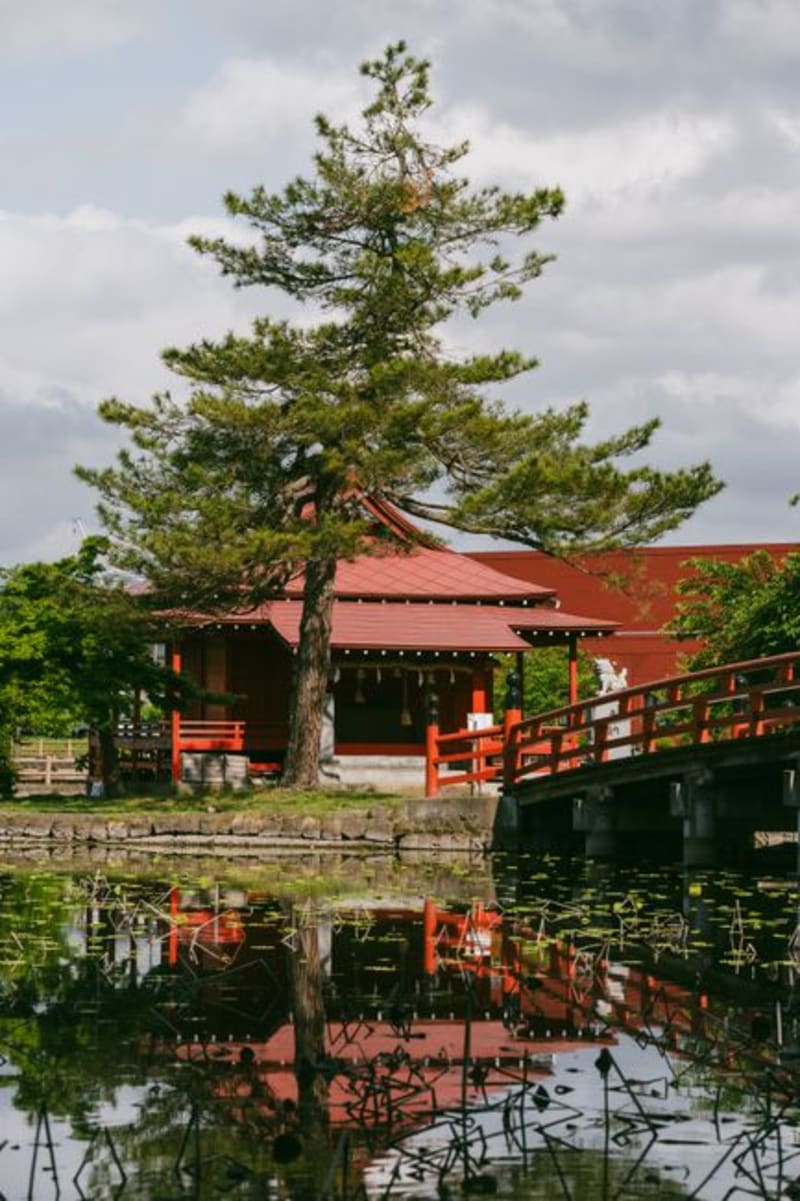
An old hot-spring town in the green heart of the Izu Peninsula, where a red bridge crosses the Katsura river, a bamboo path rustles above the water, and a temple keeps a literary, autumnal calm. The kind of onsen town writers came to and never quite left.
Explore japan
japan Gotemba
A working town at the eastern foot of Mount Fuji, where the mountain fills half the sky and feels close enough to touch. Famous for its sprawling outlet mall, but we came for the view from the fifth station and the pilgrim's trailhead where climbers still begin. Fuji is not a backdrop here; it's the whole horizon.
Explore japan
japan Mt. Fuji
The sacred volcano, the iconic pagoda, and a view that no photograph has ever fully captured. Fuji is Japan's spiritual anchor.
Explore japan
japan Shimoda
The Izu port where Commodore Perry's black ships pried Japan open to the world, now a town of white-sand beaches and salt light. Lia and I came for the beaches and stayed for the ghosts of 1854. History here smells of sea and camellia.
Explore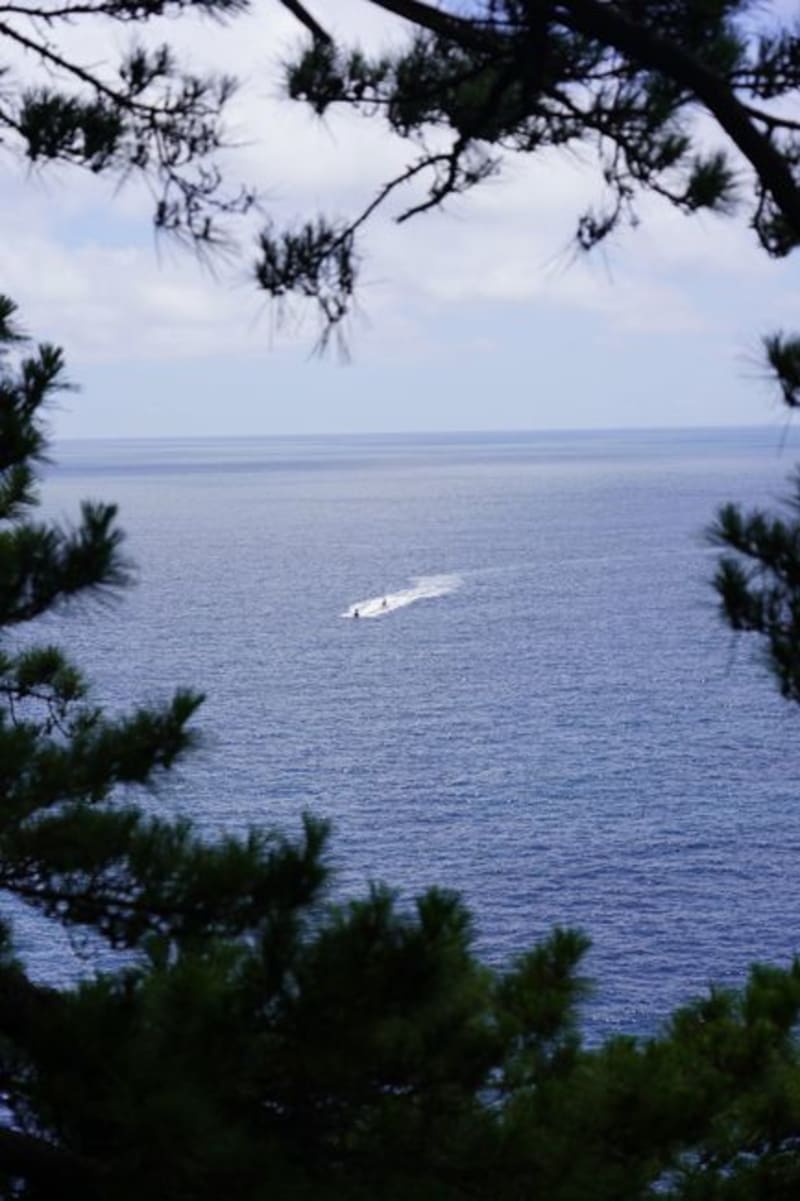 japan
japan Dogashima
West Izu's sculpted coast of tortured rock islets, a collapsed sea cave open to the sky, and sunsets that stop conversation. Lia and I timed our whole day to end here, on the rocks, facing the light. It was the right decision.
Explore japan
japan Fujinomiya
The town at Fuji's western foot, home to the mountain's head shrine and the wide silver curtain of Shiraito Falls. Lia and I came to stand at Fuji's feet instead of climbing its head, and found the mountain is best worshipped from below.
Explore