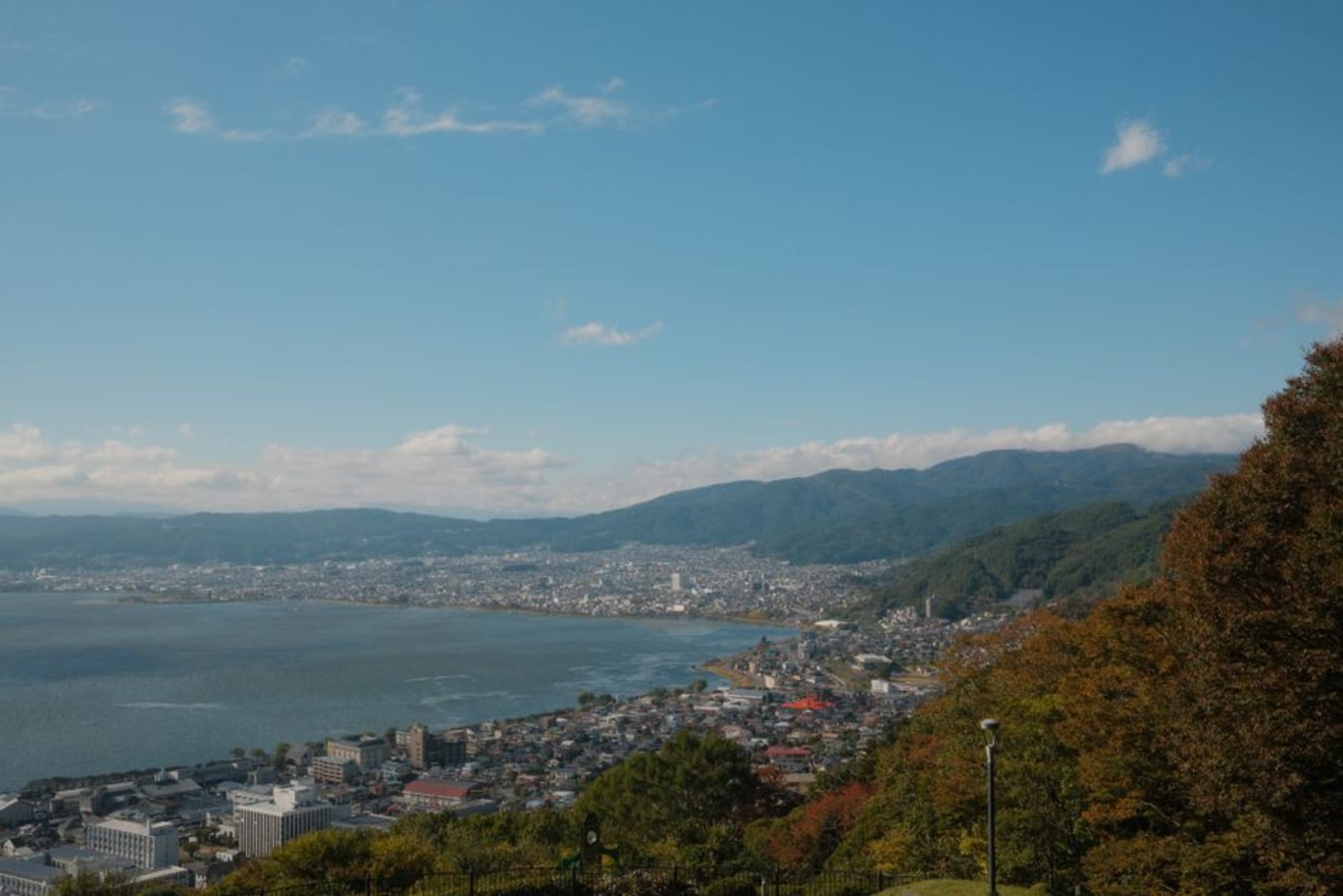
Obuse
"An old master came here to die well, and the whole town still seems to be finishing his sentence."
A small, immaculate chestnut town in the Nagano hills where Hokusai spent his final years painting. A fine museum, sweet-shop lanes scented with roasting chestnuts, and gardens kept with almost obsessive care. Cultured, quiet, and unhurried.

Lia and I nearly skipped Obuse. It is not on the way to anything, a small detour off the Nagano line that most people rush past on their way to the snow monkeys or the mountains, and we only stopped because a woman at our inn in Matsumoto pressed a chestnut sweet into my hand and said the name twice, softly, like a secret. So we went. And within an hour of walking its swept lanes — no litter, no noise, the gardens clipped to within a millimetre of perfection — I understood why she had bothered. Obuse is a town that has decided, quietly and completely, to be beautiful, and it does not make a fuss about it.
Hokusai’s Last Years
The reason Obuse matters out of all proportion to its size is Katsushika Hokusai, the man who painted The Great Wave, who came here in his eighties at the invitation of a wealthy local merchant and spent his final creative years working in this small town. The Hokusai-kan museum holds the work he made here, including two astonishing festival-float ceiling panels he painted in his late years — a phoenix, a dragon, waves and a wild churning masculine and feminine sea. Standing under them, Lia and I both went quiet. This is not the tidy woodblock Hokusai of the postcards; it is an old man still swinging for the fences, still convinced he had not yet learned to draw.

He famously wrote that if heaven granted him just five more years, he might have become a real painter. You feel that hunger in the room. We stayed far longer than we meant to.
Chestnuts and Sweet Shops
Obuse runs on chestnuts. The volcanic soil suits them, and the town has been growing them for six centuries, and in autumn the whole main street smells of them roasting. We ate our way slowly along it: kuri-kanoko, whole candied chestnuts; kuri-okowa, sticky rice steamed with chestnut; and, best of all, warm chestnut soft-serve eaten standing in the street like children. The old confectionery houses — some centuries old — take the nut with a seriousness that borders on the religious, and after a day of it I began to take it seriously too.

The pleasure is in how unhurried the eating is. There is nowhere to rush to. You buy a sweet, you sit, you watch the town keep its careful garden.
The Open Gardens
Obuse did something clever some decades ago: it asked its residents to open their private gardens and courtyards to passing strangers, blurring the line between public lane and private home. So you wander, and a wooden gate stands ajar, and you step through into someone’s mossy courtyard with a stone lantern and a single perfect maple, and no one minds. The Ganshō-in temple, just up the hill, has one of Hokusai’s ceiling paintings and a garden looking out over the apple orchards of the valley, with the Alps beyond.

We spent our last hour there, on a bench in a stranger’s courtyard, saying nothing. Lia said it was the most restful place we had been in Japan. I think she was right.
Getting There
Obuse sits in northern Nagano and is reached by the private Nagano Dentetsu line from Nagano city, a pleasant local train of about half an hour. From the small station it is a five-minute walk into the old centre, and the whole town is comfortably covered on foot — indeed it is designed for it, with cars kept to the edges. Come as a half-day trip from Nagano, or better, pair it with the snow monkeys of Jigokudani, which lie a little further up the same rail line. Autumn, when the chestnuts roast and the maples turn, is the town at its finest.
Keep exploring
More of Chūbu
Keep exploring
More from Chūbu
 japan
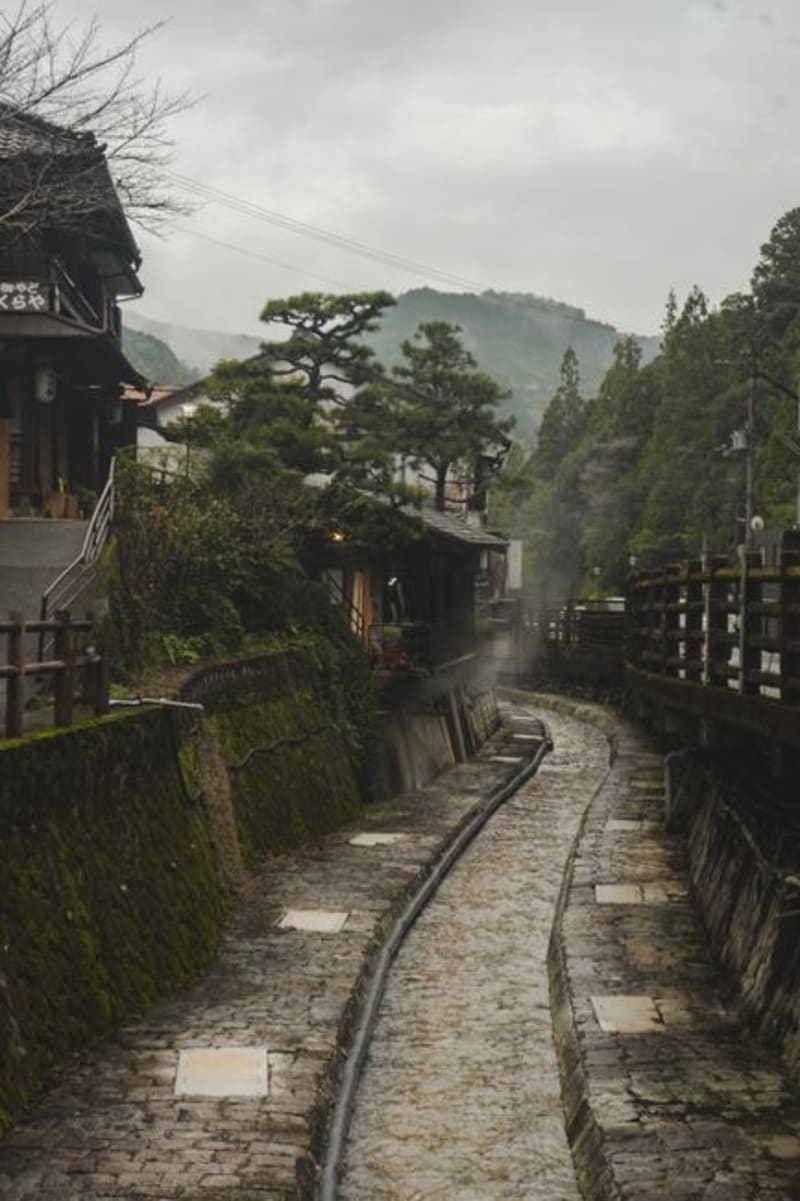
japan Shibu Onsen
A single cobbled lane of wooden inns and steam in the Nagano hills, where guests pad between nine public bathhouses in wooden clogs and cotton robes. Just up the valley the famous snow monkeys bathe in their own hot spring. We came for the monkeys and found the village itself was the reason to stay.
Explore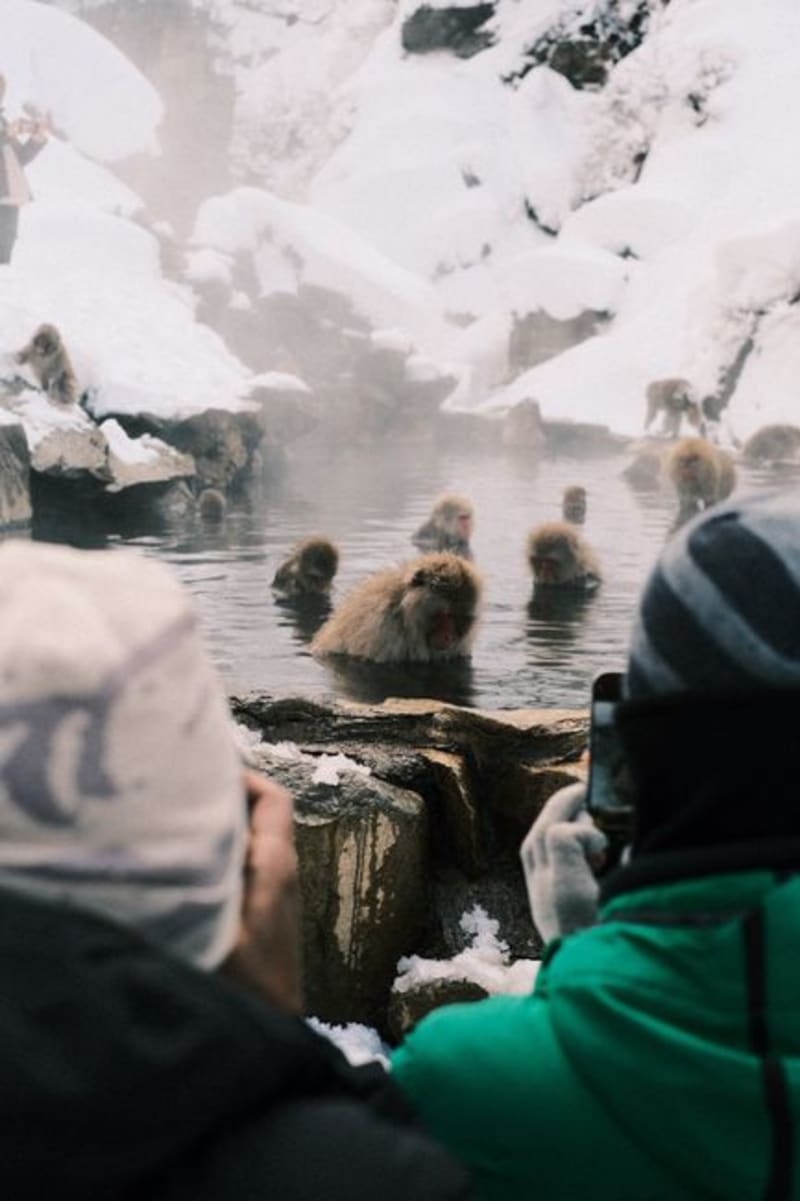 japan
japan Jigokudani (Snow Monkey Park)
The 'Hell Valley' in the Nagano mountains, where wild Japanese macaques climb down through the snow to bathe in a steaming hot spring. A forest walk through the cold to reach them, and then the strange, unforgettable sight of monkeys soaking with their eyes closed. Wild and humbling.
Explore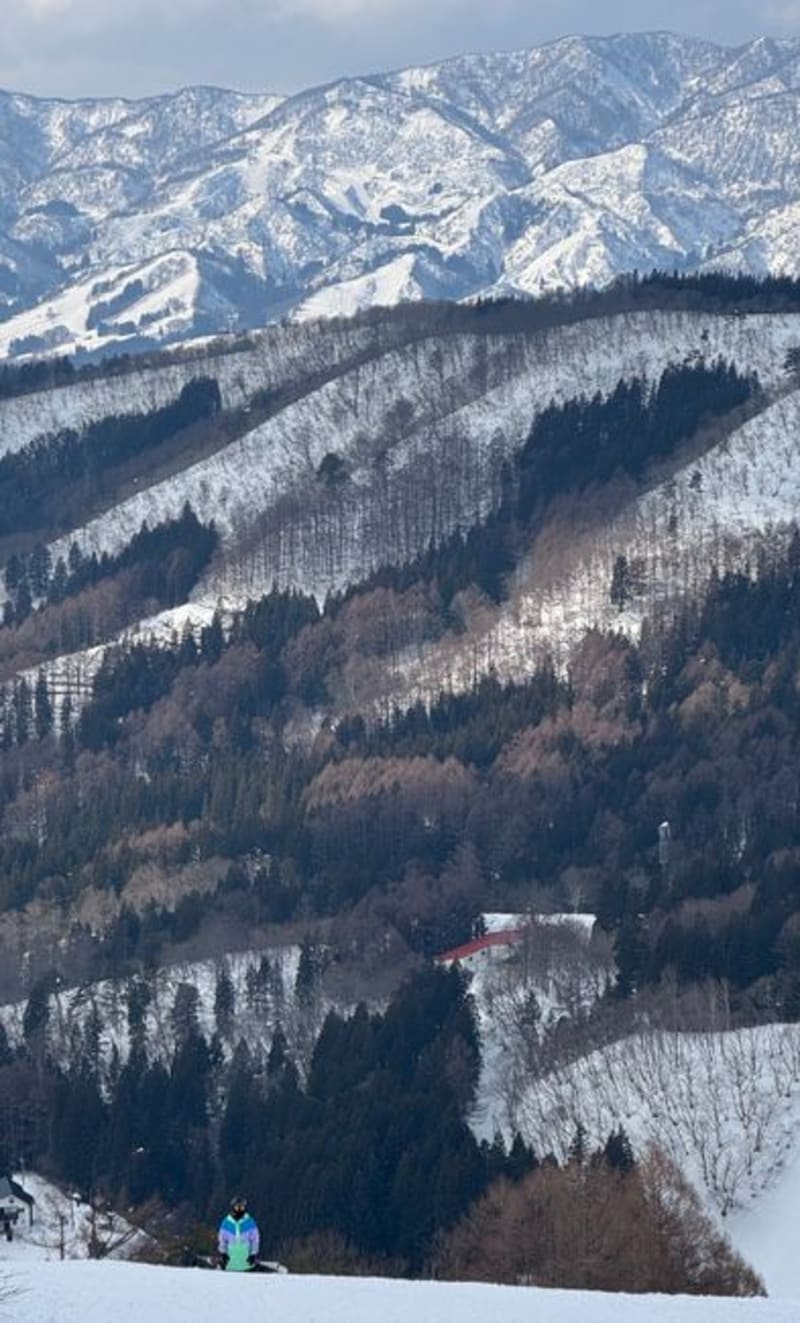 japan
japan Nozawa Onsen
A steep, snow-buried village in northern Nagano where thirteen free public bathhouses steam at the ends of the lanes and skiers and grandmothers share the same scalding water. In winter it's one of Japan's great ski towns; in every season it smells of sulfur and woodsmoke. We came to ski and left converted to the baths.
Explore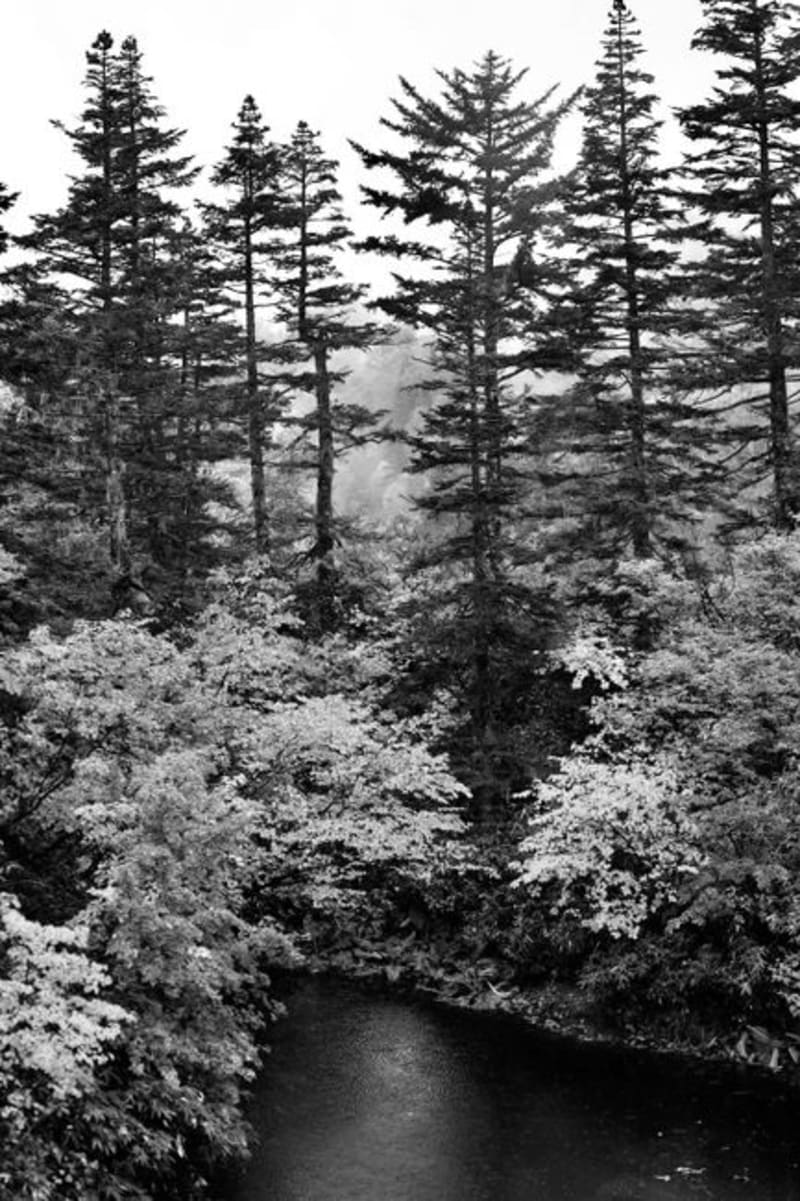 japan
japan Ueda
A Nagano castle town that once belonged to the Sanada, the samurai clan who twice humiliated far larger armies from behind these walls. Now it's a easygoing river town with a ruined keep, a temple-quiet hot spring called Bessho tucked in the hills, and a stubborn sense of its own history. We came for the castle and lingered for the baths.
Explore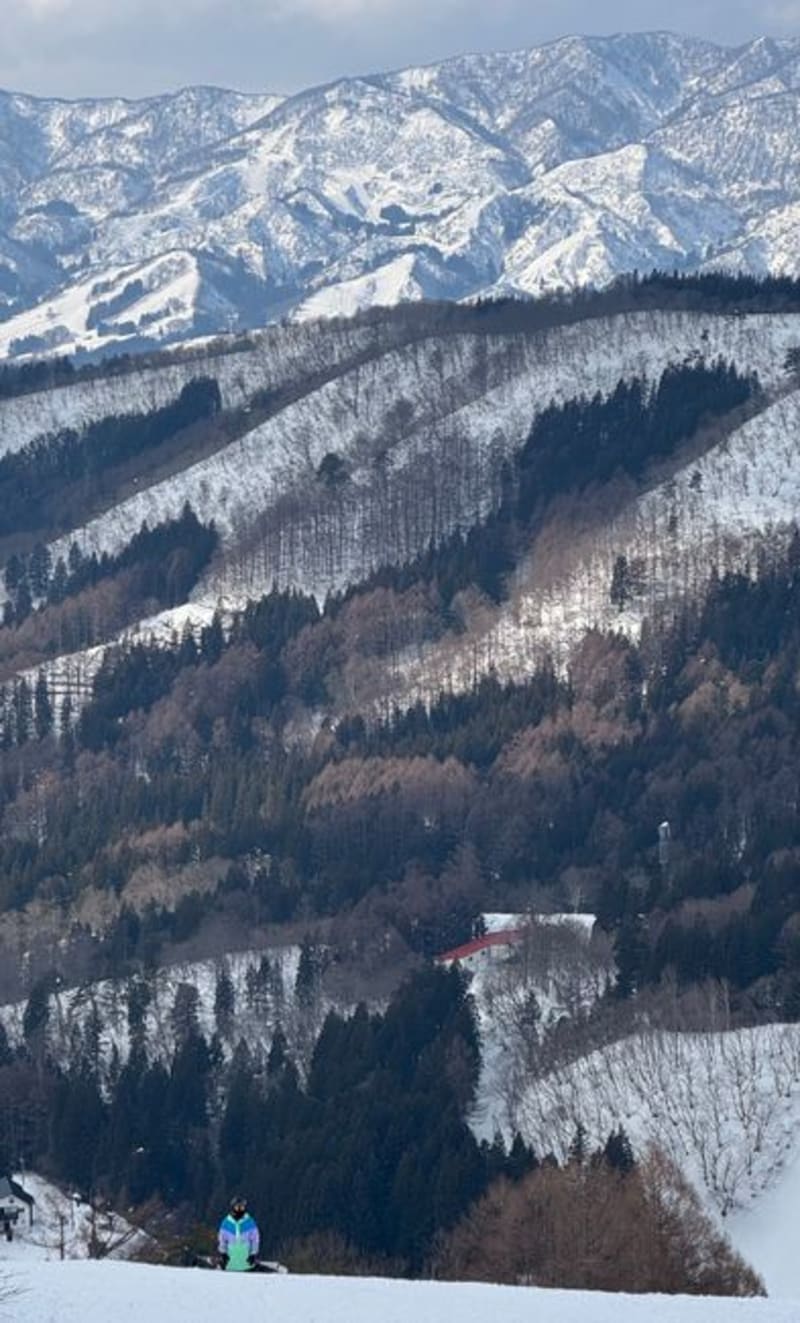 japan
japan Bessho Onsen
A hot-spring hamlet folded into the hills above Ueda, so old and quiet that people call it the little Kamakura of the mountains. Ancient temples lean over narrow lanes, steam drifts from public bathhouses, and the whole valley smells faintly of sulphur and cedar.
Explore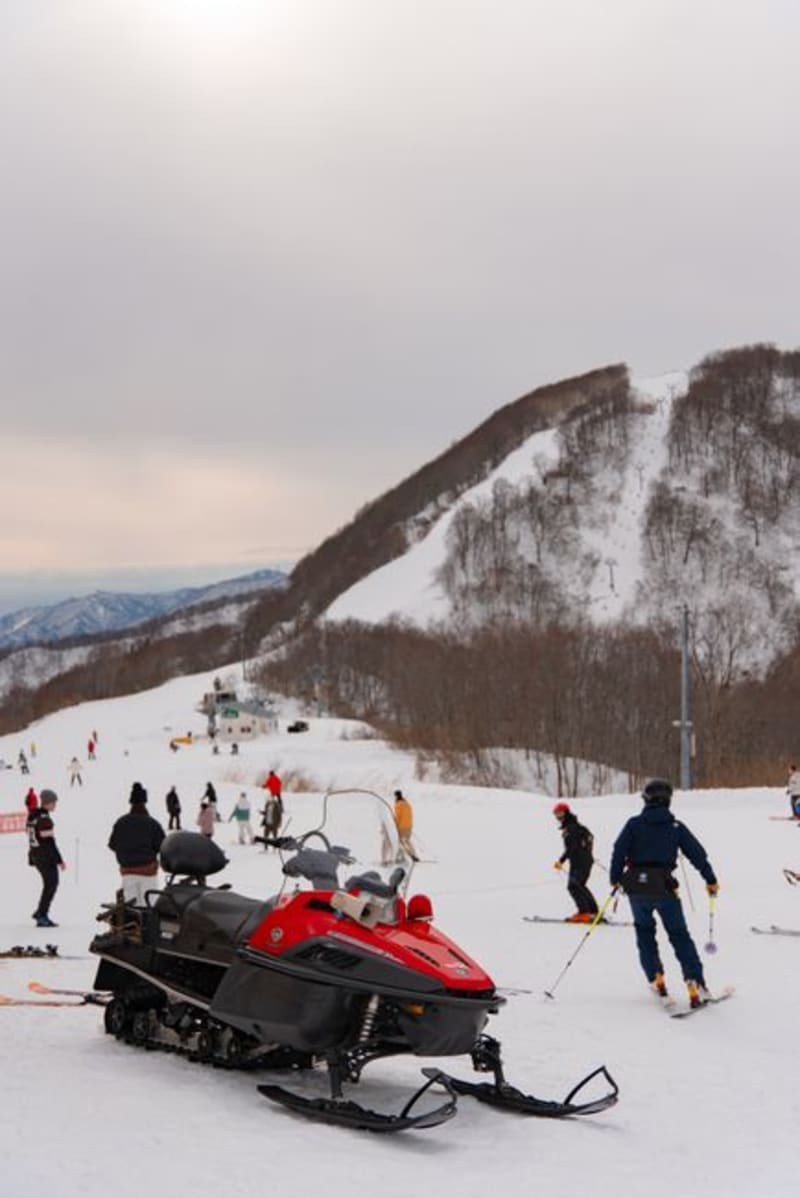 japan
japan Hakuba
A long alpine valley in Nagano beneath the great wall of the Northern Japan Alps. Home to the 1998 Winter Olympics ski jumps and some of the deepest powder in the country, it trades its snow for green meadows, gondola rides and high ridge walks in summer.
Explore