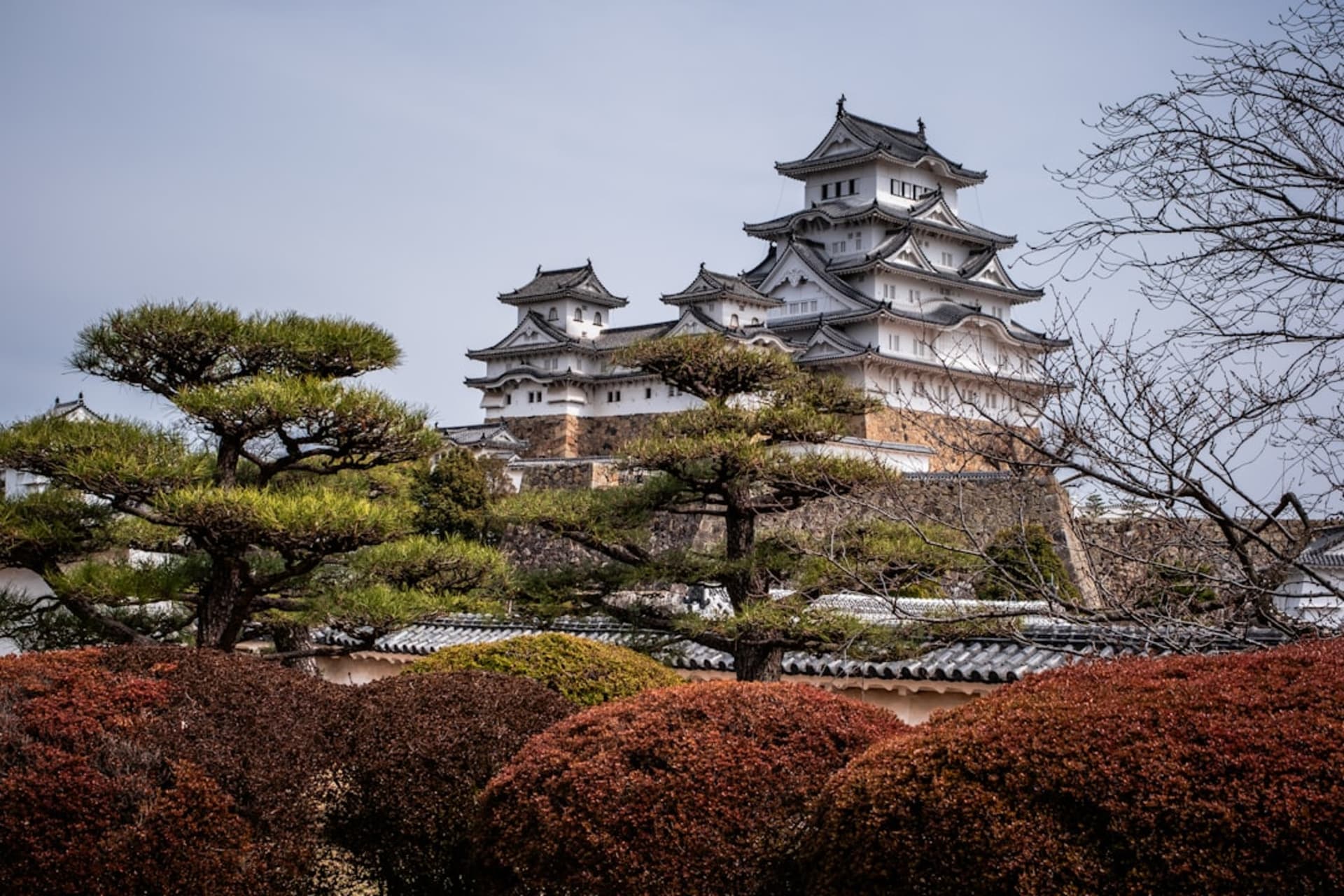
The cultural heartland of Japan, home to its old imperial capitals and their thousand temples and shrines. This is the region of Kyoto and Osaka, of pilgrimage trails and hilltop castles, of tea, food, and tradition kept vividly alive.

Kansai is where Japan keeps its memory. For more than a thousand years the imperial court sat here, and the region remains the country’s cultural heartland — dense with temples and shrines, palaces and gardens, and the living traditions of tea, craft, and cuisine that grew up around the old courts. It is also gloriously varied: within a compact area you can move from serene temple towns to raucous food streets, from bamboo groves to sacred mountains, all knitted together by fast and frequent trains.
At its center is Kyoto, the former capital and perhaps the single richest concentration of culture in Japan, with its wooden geisha districts, Zen gardens, golden pavilions, and endless torii gates. On its western edge, Arashiyama offers a famous bamboo forest, a river gorge, and hillside temples, while just south the tea town of Uji is home to one of the country’s oldest and most beautiful temple halls. For a change of tempo, brash and generous Osaka lives for its food and its nightlife, a city that laughs a little louder — and its Universal Studios Osaka draws thrill-seekers and families from across Asia. Nearby Nara, Japan’s very first permanent capital, keeps a great bronze Buddha and a deer park where the animals wander freely among ancient halls.
The region reaches well beyond its cities. To the south, the temple complex of Kōya-san sits high in the cedar forests, a working center of esoteric Buddhism where you can stay overnight in a monastery, while the wider Kii Peninsula is threaded with the Kumano pilgrimage trails and their mountain shrines. West lies Himeji, crowned by the most magnificent original castle in Japan, its white keep floating above the town, and beyond it the port city of Kobe, framed by mountains and known for its beef and its cosmopolitan air. Along the coast, the willow-lined hot-spring town of Kinosaki Onsen invites a night of bath-hopping in yukata, the sandbar of Amanohashidate is counted among Japan’s three great views, and at Ise stands the country’s holiest Shintō shrine.
Kansai rewards both the pilgrim and the pleasure-seeker. You can spend your mornings among moss gardens and your evenings in a neon alley of street food, one day at a mountain monastery and the next beneath a castle keep. Compact, deep, and endlessly layered, it is the region where visitors come to understand what Japan holds most dear — and to eat, and pray, and wander their way through it.
How I’d Plan Kansai
Give it five days minimum, and more if you can. Kansai is the one region where I would argue against a base-and-day-trip approach, because Kyoto and Osaka reward being slept in rather than visited — they are different cities at seven in the morning and eleven at night, and you only get those hours if you are staying there. We split five days in Kyoto and six in Osaka and still left things undone.
Base yourself in Kyoto first. The temples that matter most are the ones you reach before the buses do, and staying in the city is what makes an eight o’clock start possible rather than theoretical. Fushimi Inari at eight is a different mountain from Fushimi Inari at eleven. So is Arashiyama. This is the single most useful thing I learned in Japan and it applies to almost every famous site in this region.
Then move, do not day-trip, to Osaka. Thirty minutes on the JR Special Rapid, and the entire tone of the trip changes — Kyoto is restrained and ceremonial, Osaka is loud and generous and organised around eating. Treating Osaka as an afternoon out of Kyoto is the most common mistake I see, and it wastes the better food city of the two.
Nara genuinely is a day trip, and works from either base. Kōya-san is not — the temple lodging is the whole point, so stay the night. If you have a spare day and want to understand why people fall for this region, take the Eizan Railway north to Kurama and walk over the mountain to Kibune. It was my favourite day in Japan and it is ninety minutes from central Kyoto.
When to go: Mid-November for maples, early April for blossom if you accept the crowds. June is wet, atmospheric and underrated. Avoid Golden Week and Obon.
Explore
Places in Kansai
 japan
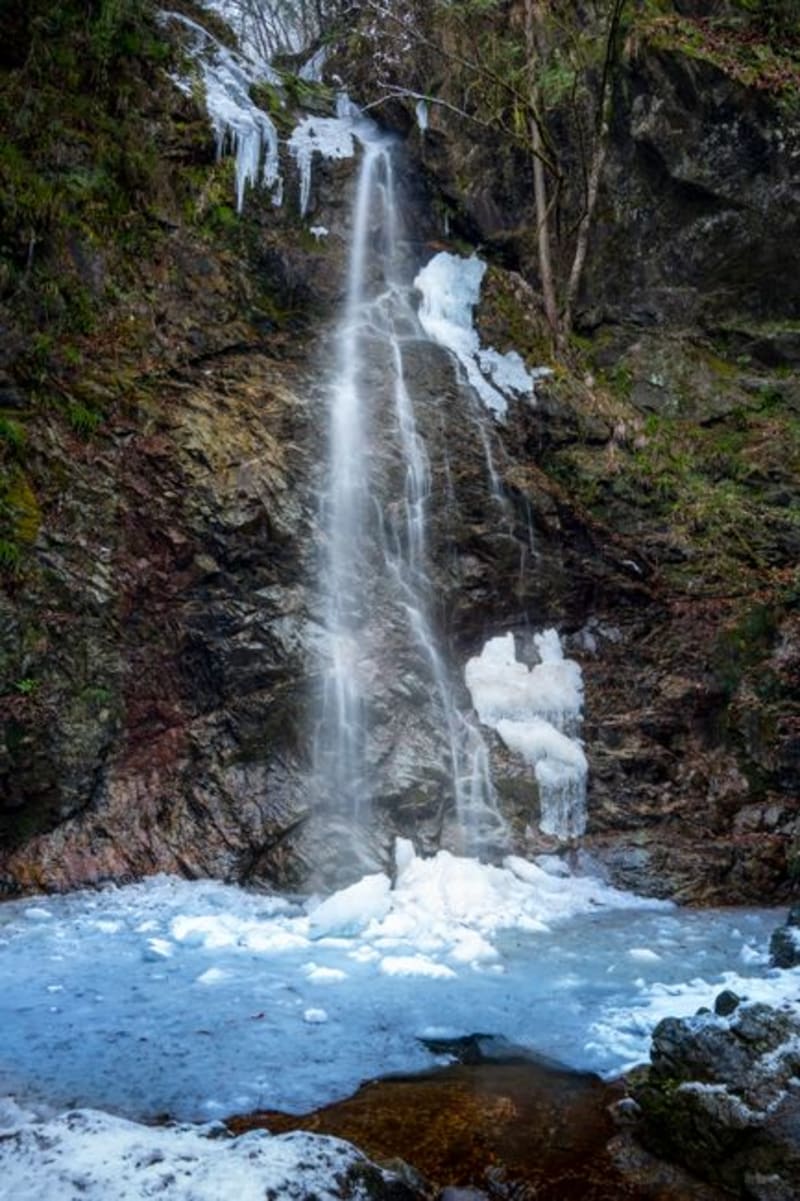
Akame 48 Falls
A forested gorge in Mie that once trained Iga-style ninja, its name meaning 'countless' waterfalls rather than a literal count, still home to protected giant salamanders and an actual ninja obstacle course through the trees.
Explore japan
Ako
A quiet coastal castle town in Hyōgo that is the real-life setting of the 47 Ronin story, with a star-shaped fortress whose keep was never finished and a history of patient, terrible revenge.
Explore japan
Amanohashidate
A three-kilometre sandbar covered in ancient pines that stretches across a bay on the Sea of Japan coast, counted for centuries as one of Japan's three great views. From the hillside you bend down and look at it upside-down between your legs, and the pine bridge appears to float in the sky. Poetic, unhurried, and utterly strange.
Explore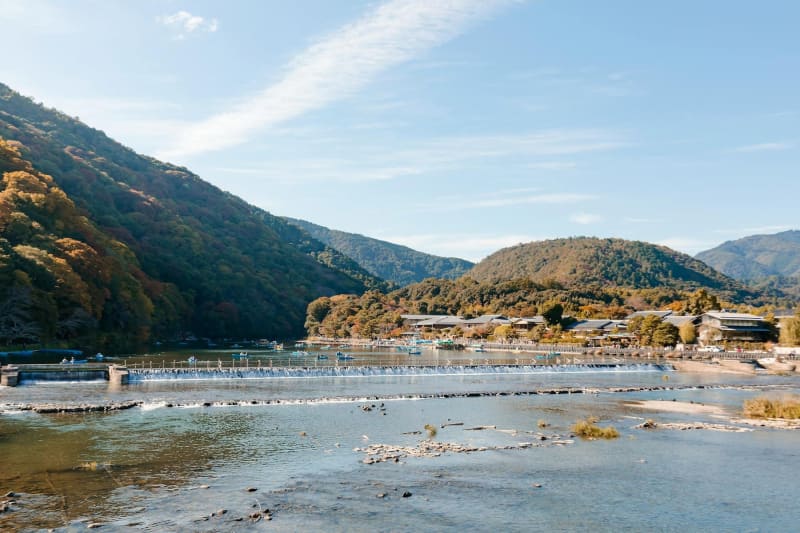 japan
Kyoto Arashiyama
The towering bamboo grove and monkey mountain above the Hozu River at Kyoto's elegant western edge.
Explore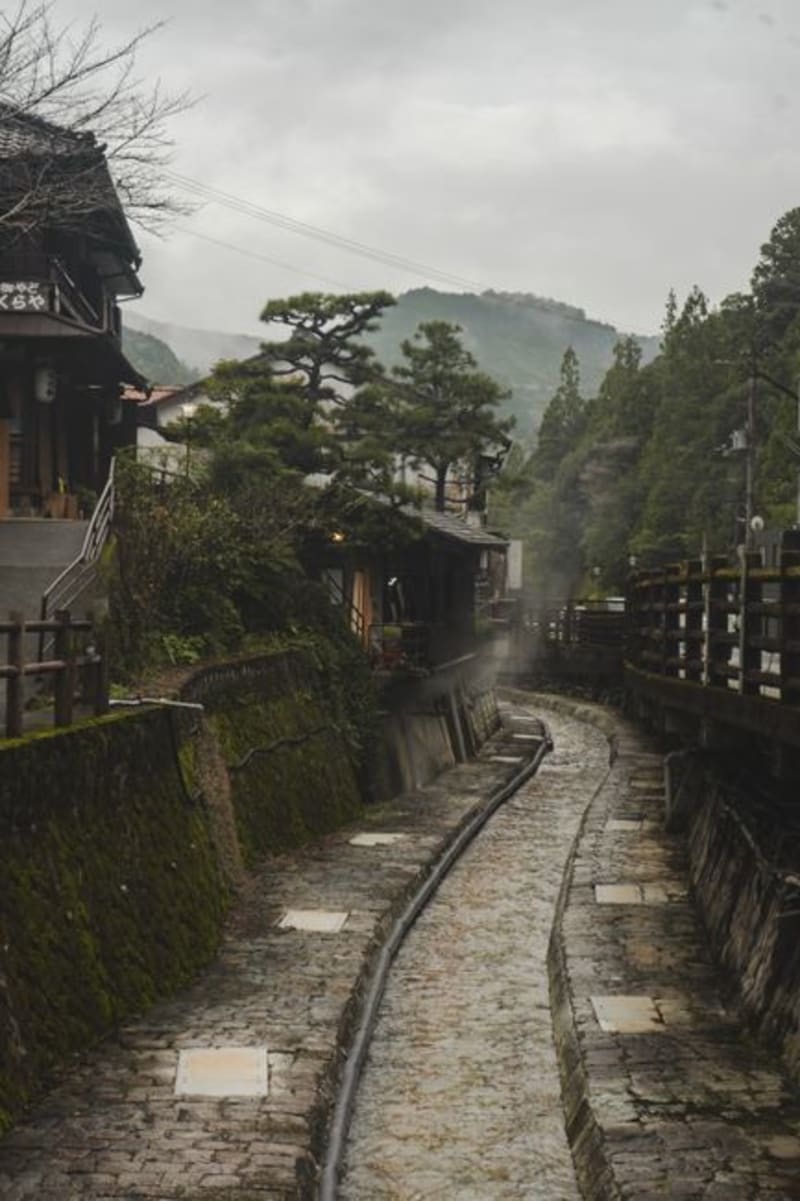 japan
Arima Onsen
An ancient hot-spring town folded into the hills behind Kobe, where the water runs iron-red 'gold' and clear 'silver' from springs written about for over a thousand years. We came stiff from too much walking and left loose as cats. Narrow lanes, steam, and the smell of iron.
Explore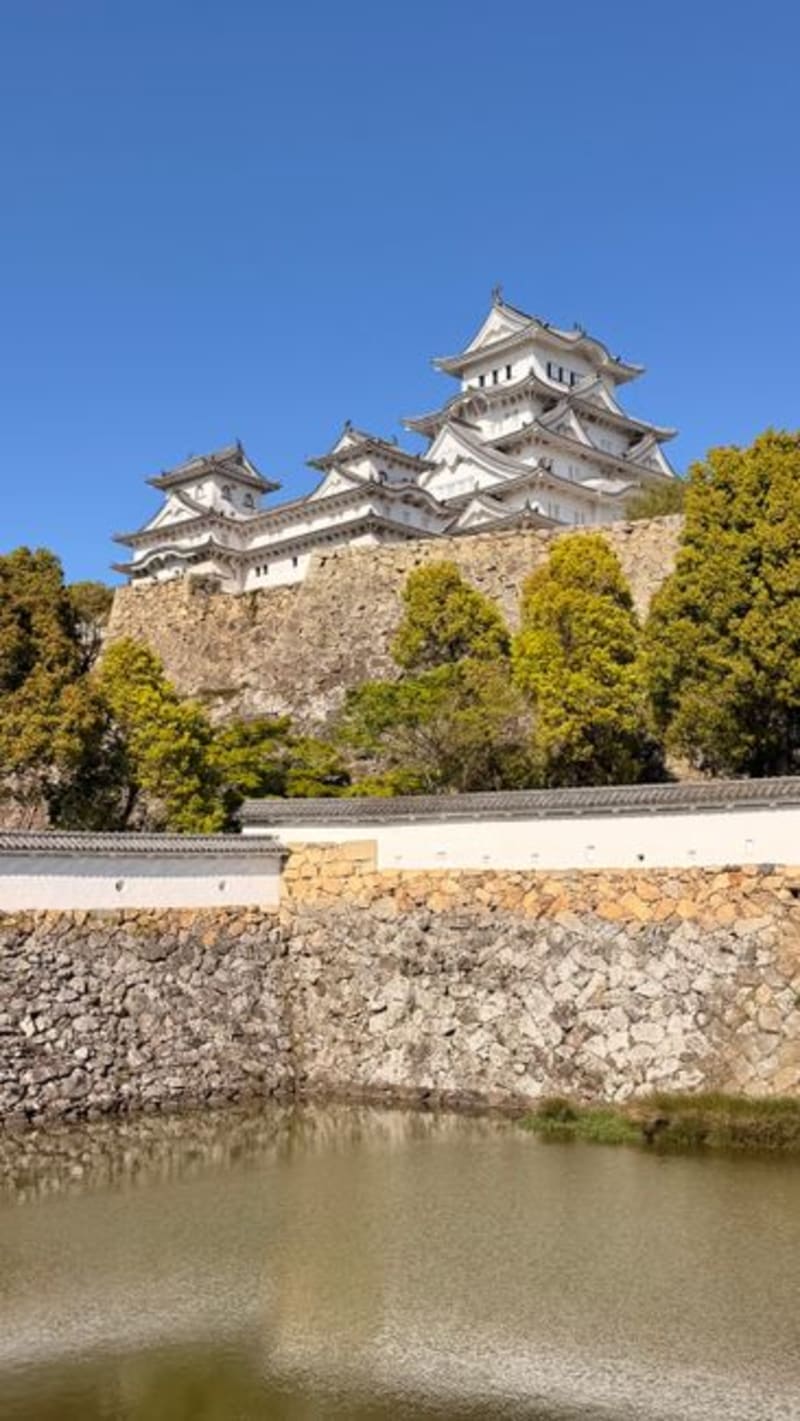 japan
Asuka
A rural Nara village that was, improbably, the cradle of the Japanese state — an ancient capital now dissolved back into rice terraces, burial mounds, and enigmatic carved stones. We rented bicycles and spent a day pedalling through fifteen centuries. Nothing here shouts; you have to slow down to hear it.
Explore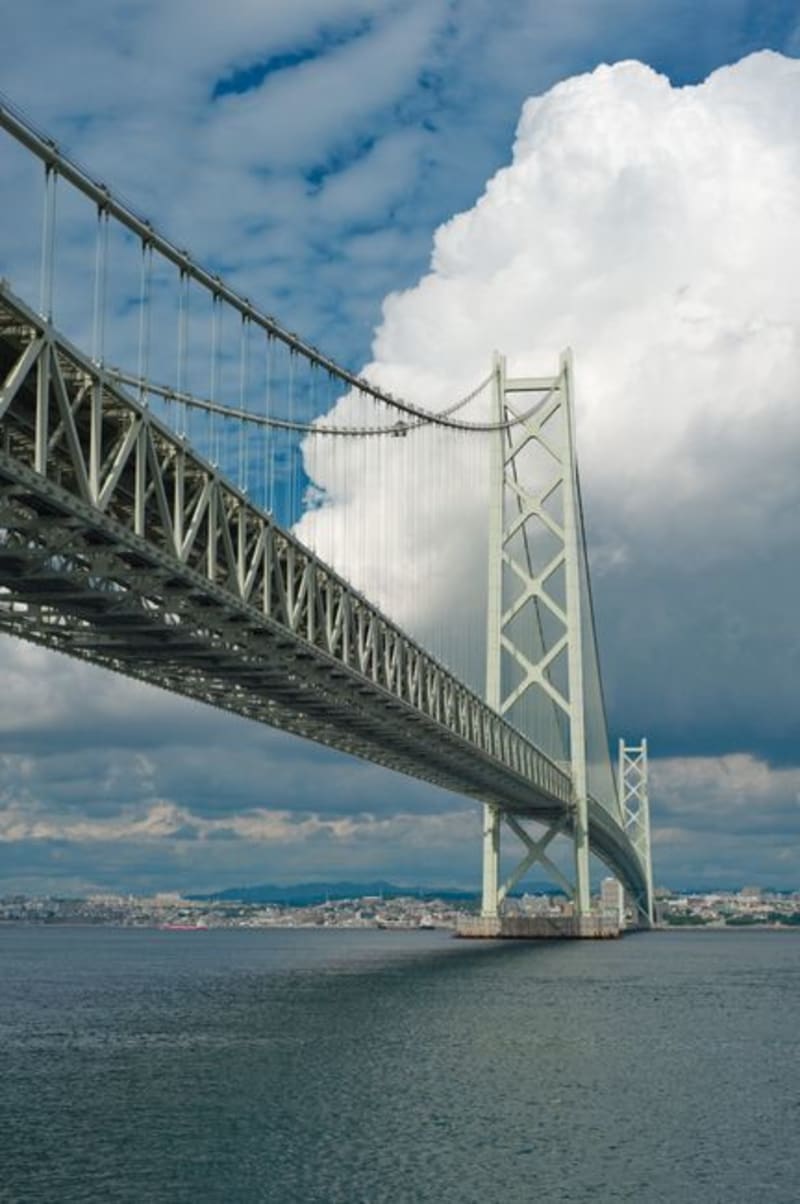 japan
Awaji Island
The large, pastoral island that bridges Kobe and Shikoku across the Inland Sea. We came for the roaring whirlpools at its southern tip and stayed for the flower parks, the onsen, the creation-myth shrines, and more onions than either of us thought possible to love.
Explore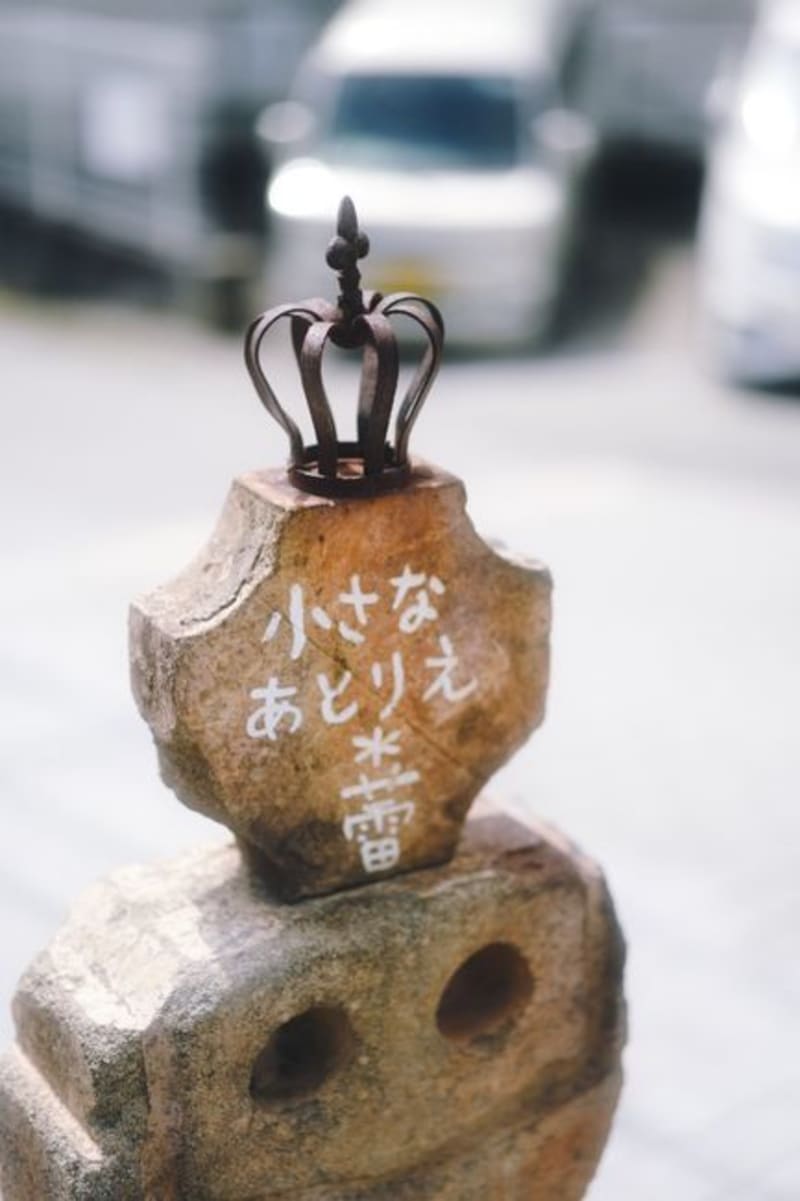 japan
Chihaya-Akasaka
Osaka's only remaining village, perched on the slopes of Mount Kongō, where a 14th-century warlord built a castle designed entirely around traps, movable bridges, and grinding down besieging armies rather than looming grandly.
Explore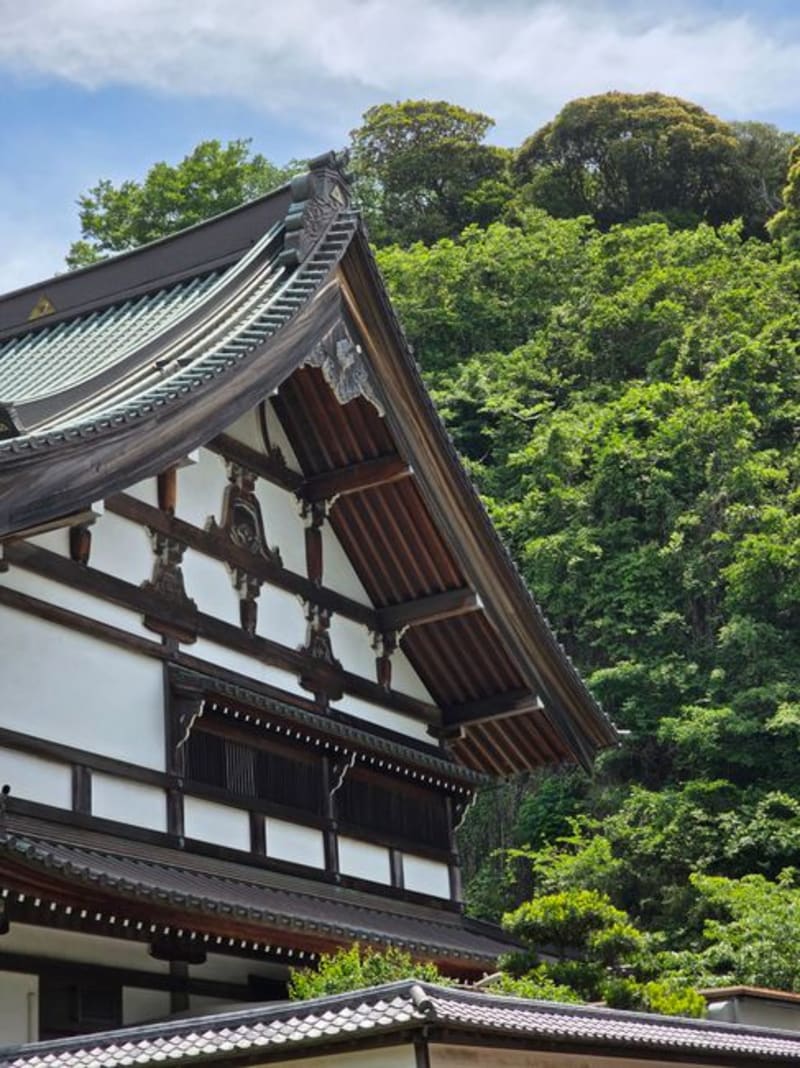 japan
Chikubushima
A tiny sacred island in the middle of Lake Biwa, reachable only by boat, where a steep staircase of prayers leads up to a National Treasure gate and centuries of pilgrims asking Benzaiten for luck.
Explore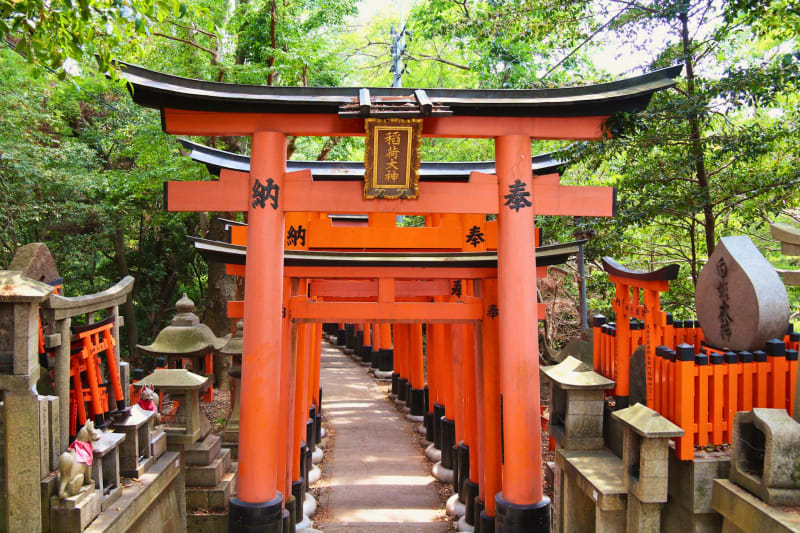 japan
Fushimi Inari Taisha
The mountain of ten thousand vermillion torii gates south of Kyoto — and the two-hour climb above them that almost nobody bothers to finish.
Explore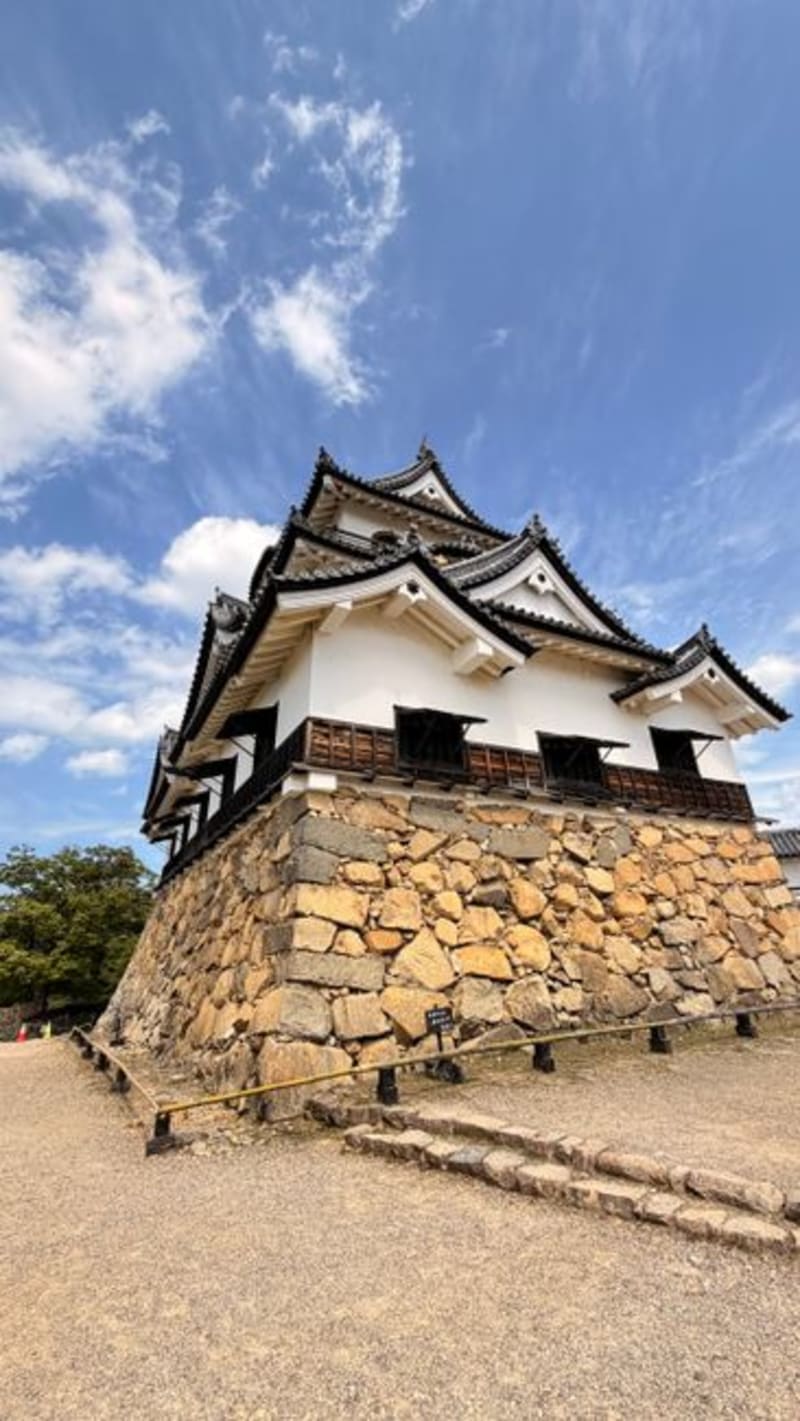 japan
Hikone
One of only a handful of original castles left standing in Japan, perched above Lake Biwa with a garden made for moon-viewing. We came expecting a quick stop and gave it a whole slow day. Sometimes the smaller places hold you longest.
Explore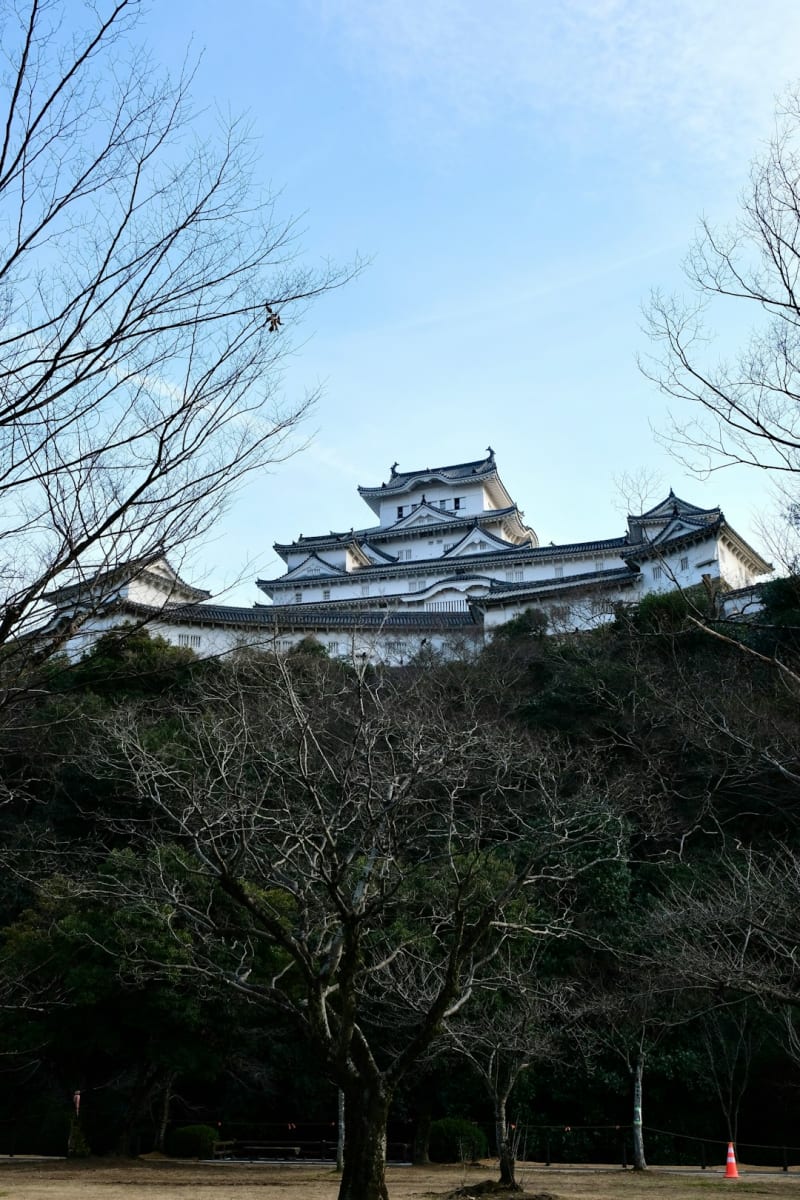 japan
Himeji
A Hyōgo city built around the finest surviving feudal castle in Japan — the 'White Heron,' its brilliant white walls rising over the plain. Cherry blossoms in spring, steep dark staircases within, and a fortress that never fell. The great day-trip icon of western Japan.
Explore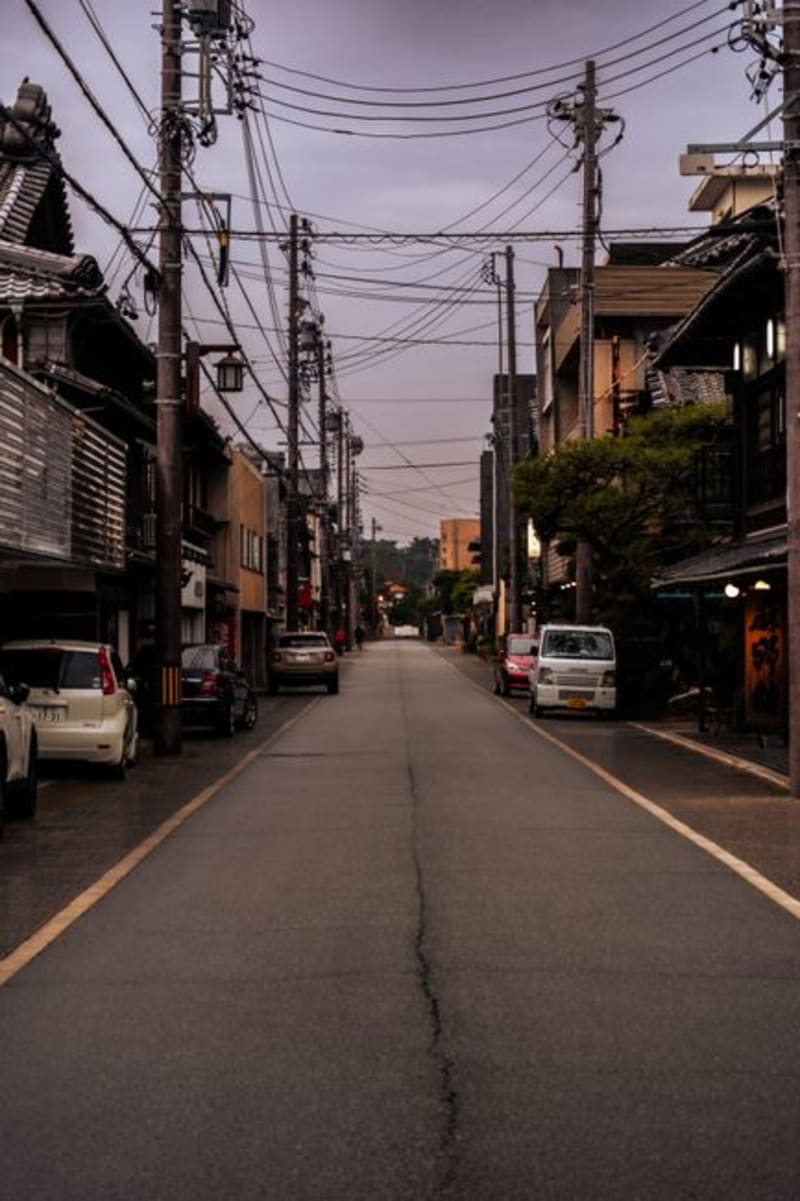 japan
Iga-Ueno
A quiet castle town in the mountains of Mie, birthplace of the Iga school of ninja, crowned by one of Japan's most beautifully proportioned white keeps. It wears its shadowy history lightly now — trick doors, a museum full of hidden blades, children in ninja costume — but the old spy-craft is real, and the town is prettier and slower than its reputation suggests.
Explore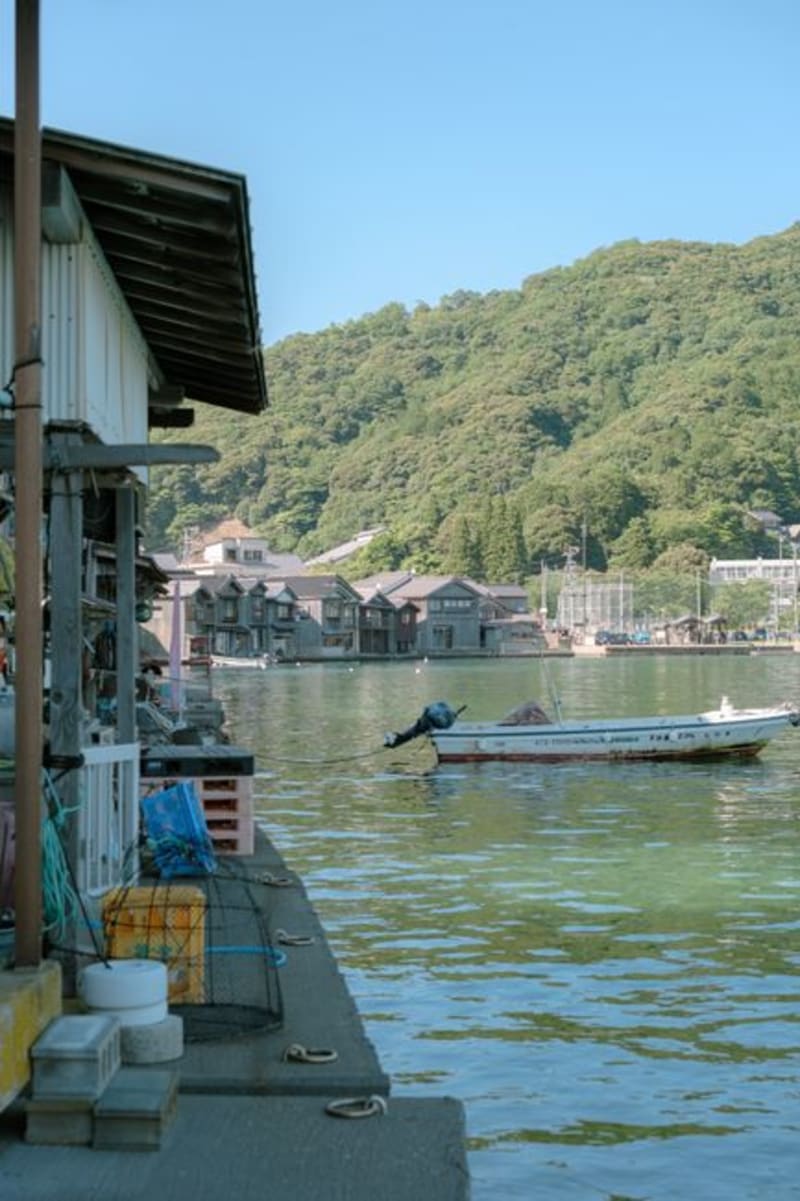 japan
Ine
A crescent bay on the far north Kyoto coast where two hundred wooden funaya boat houses stand with their feet in the sea, garage below, home above. We took a boat out onto the still water and understood why nobody here seems in any hurry to leave.
Explore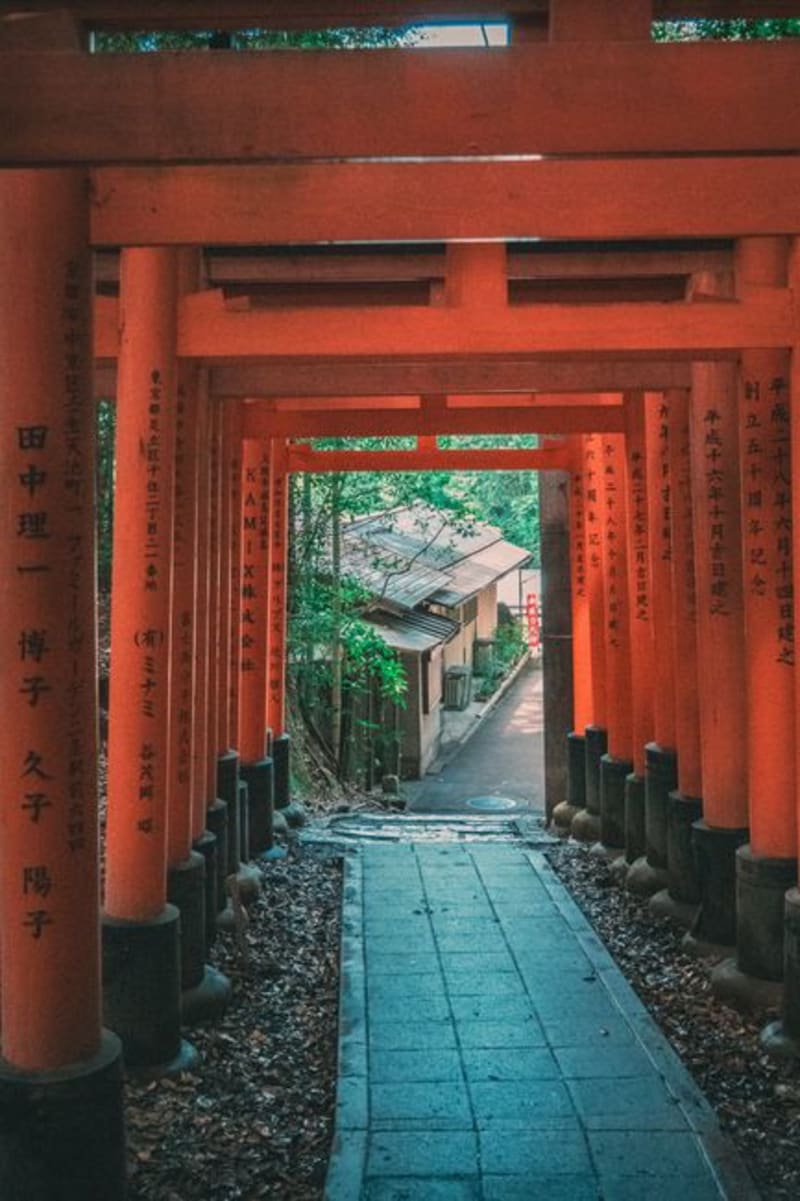 japan
Ise
The home of Ise Jingū, the most sacred shrine in Shintō, hidden in a vast forest of ancient cedars and rebuilt from scratch every twenty years. A nostalgic approach street, a pair of wedded rocks in the sea, and a stillness that feels older than anything else in Japan.
Explore japan
Izushi
A small castle town folded into the hills of northern Hyogo, where a wooden clock tower keeps watch over lanes that smell of buckwheat and dashi. Izushi serves its soba in little dishes stacked like coins, and eats them at the pace of an afternoon. It is the kind of place you plan to leave by lunch and end up staying until the light goes amber.
Explore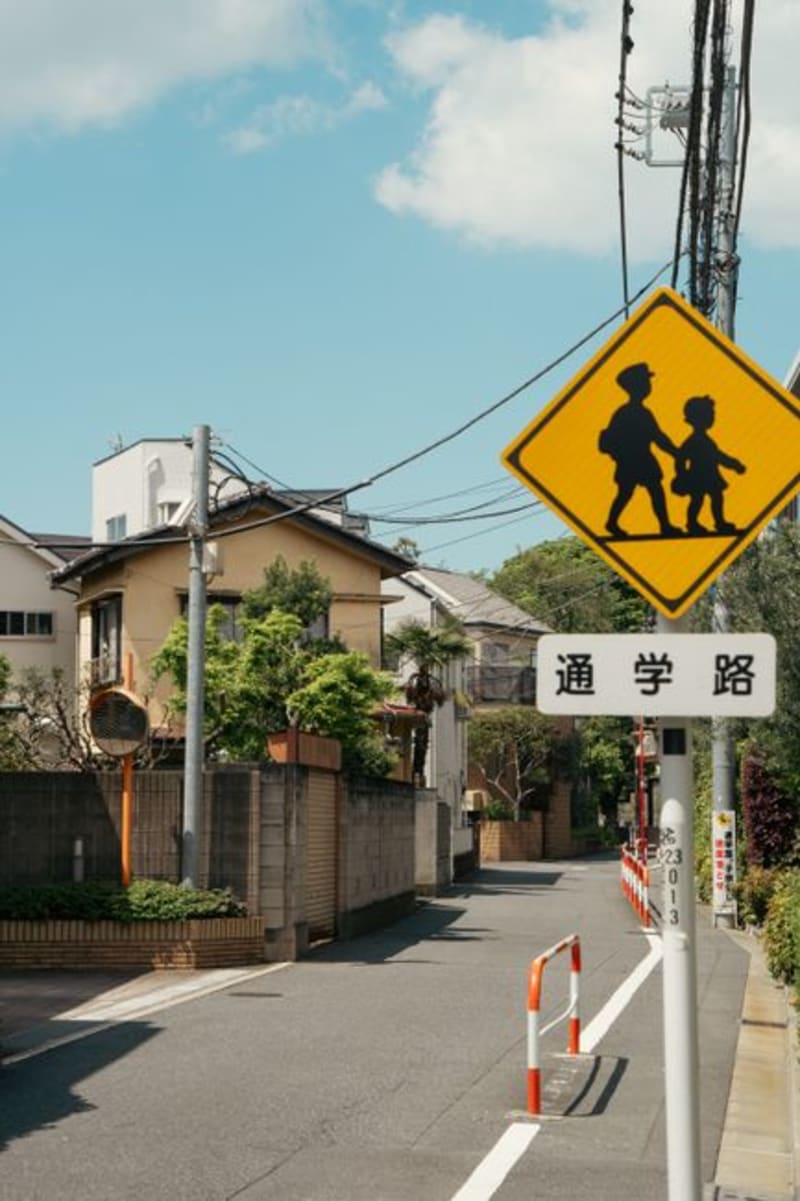 japan
Kashikojima
The largest island in Ago Bay's ria coastline, birthplace of the cultured pearl industry, where rafts of Akoya oysters are still visible from the train platform and the water shifts color with every inlet.
Explore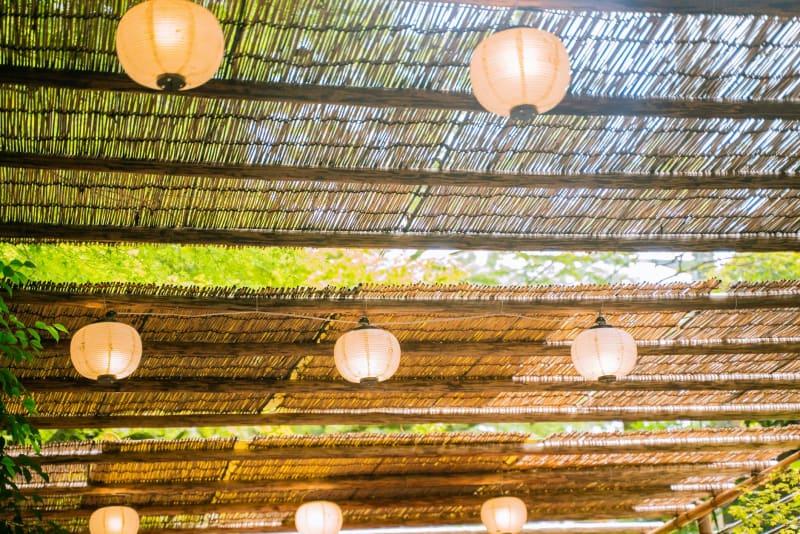 japan
Kibune
A one-lane river valley north of Kyoto where the restaurants build their floors out over the water and lunch takes three hours.
Explore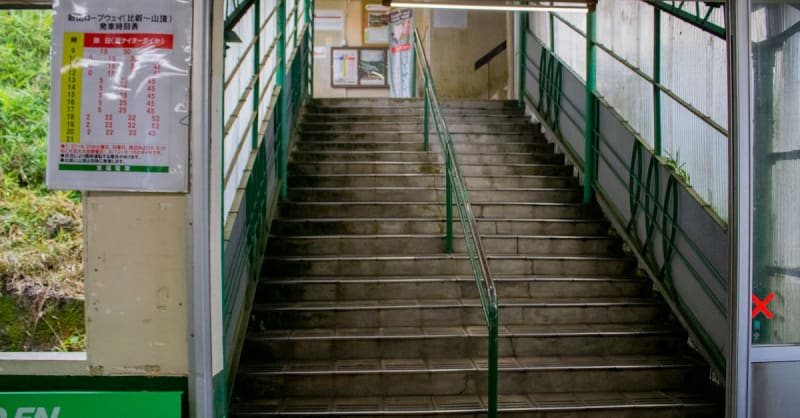 japan
Kii Peninsula
Ancient pilgrimage trails through cedar forests, mountain onsen, and the Japan that existed long before the tourists arrived.
Explore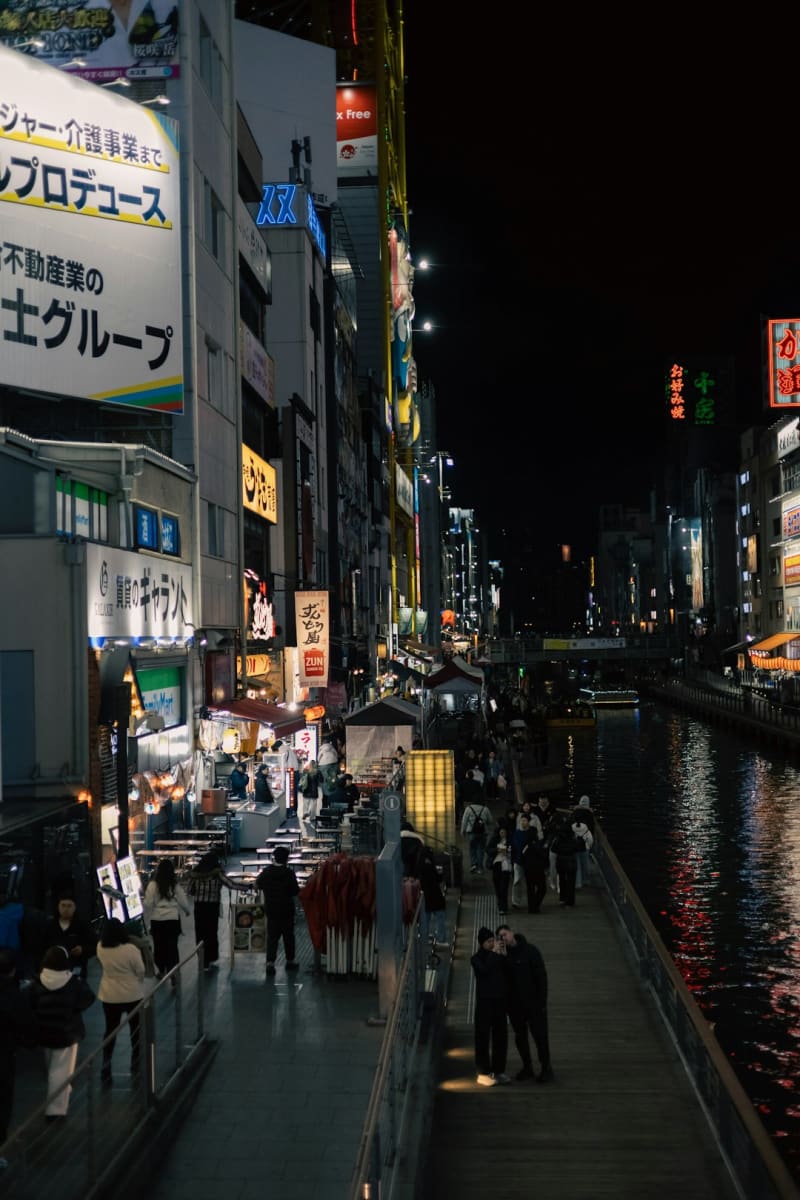 japan
Kinosaki Onsen
A willow-lined canal town on the Hyōgo coast where guests drift between seven public bathhouses in cotton yukata and wooden geta. Lantern-lit evenings, the clack of sandals on stone, crab in winter. The onsen-town ritual in its purest form.
Explore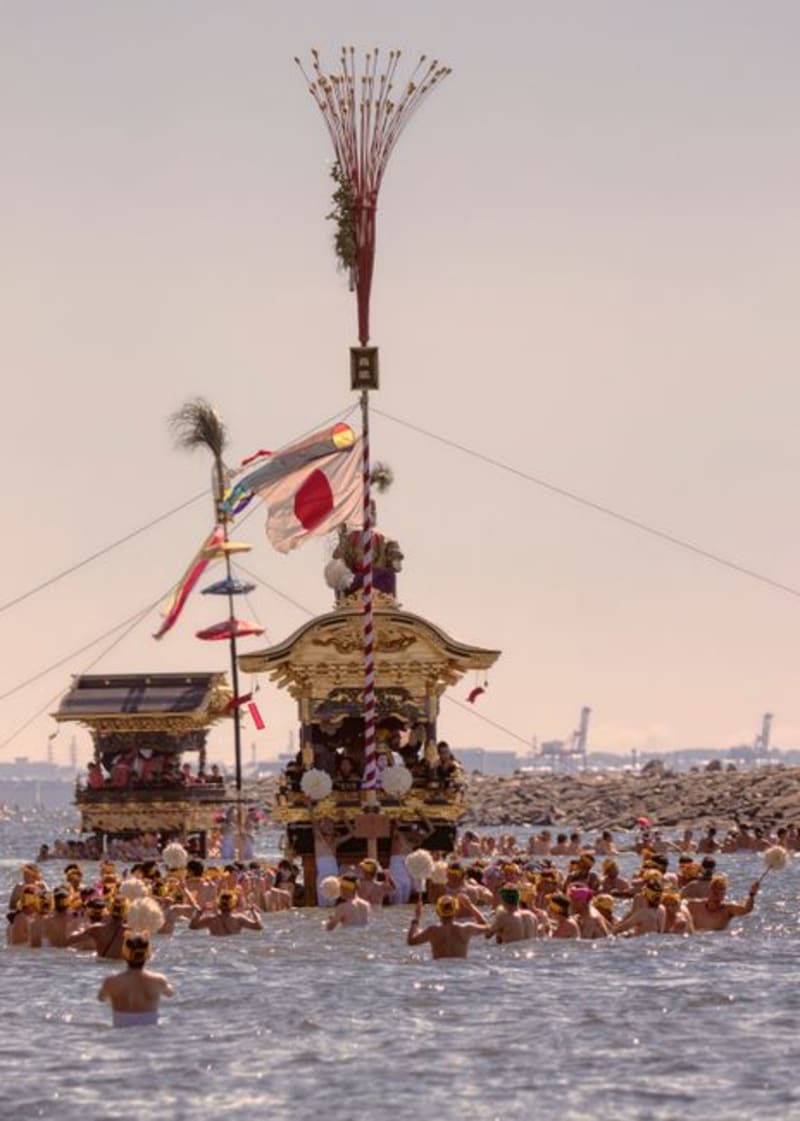 japan
Kishiwada
An Osaka-bay castle town that spends all year building toward two days of glorious danjiri chaos, when carved wooden carts weighing four tonnes are hauled at a sprint around blind corners. The rest of the year it is a gentle place of sea air and a small white castle. We came for the calm and got swept, briefly, into the storm.
Explore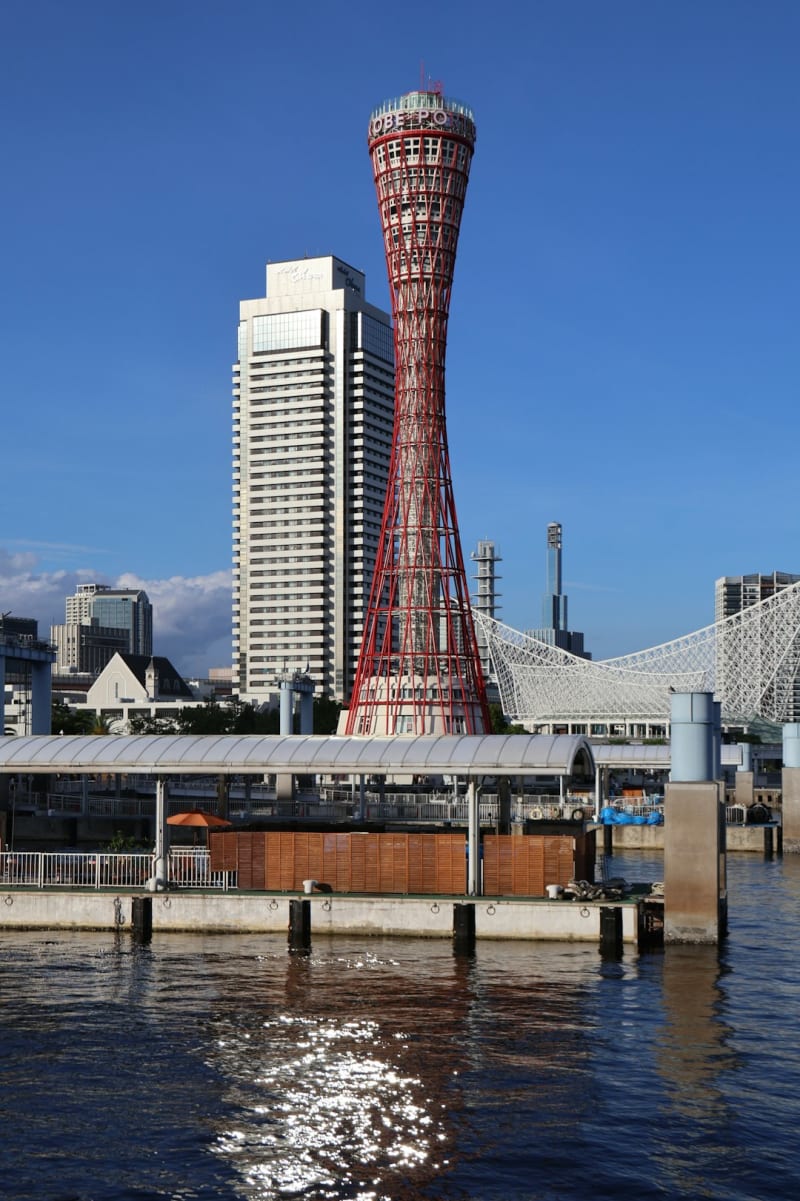 japan
Kobe
A cosmopolitan port city wedged between the Rokko mountains and the Inland Sea. Foreign-merchant houses, a sparkling harbor, and beef that ruins you for all other beef.
Explore japan
Koka
The quiet Shiga cradle of the Kōga ninja, where thatched farmhouses hide false floors and revolving walls. Forested hills fold over a landscape that looks too ordinary to have hidden anything at all. That, of course, was always the point.
Explore japan
Koya-san
A mountaintop monastery town where you sleep in a temple, eat shojin ryori, and walk a cedar-shrouded cemetery.
Explore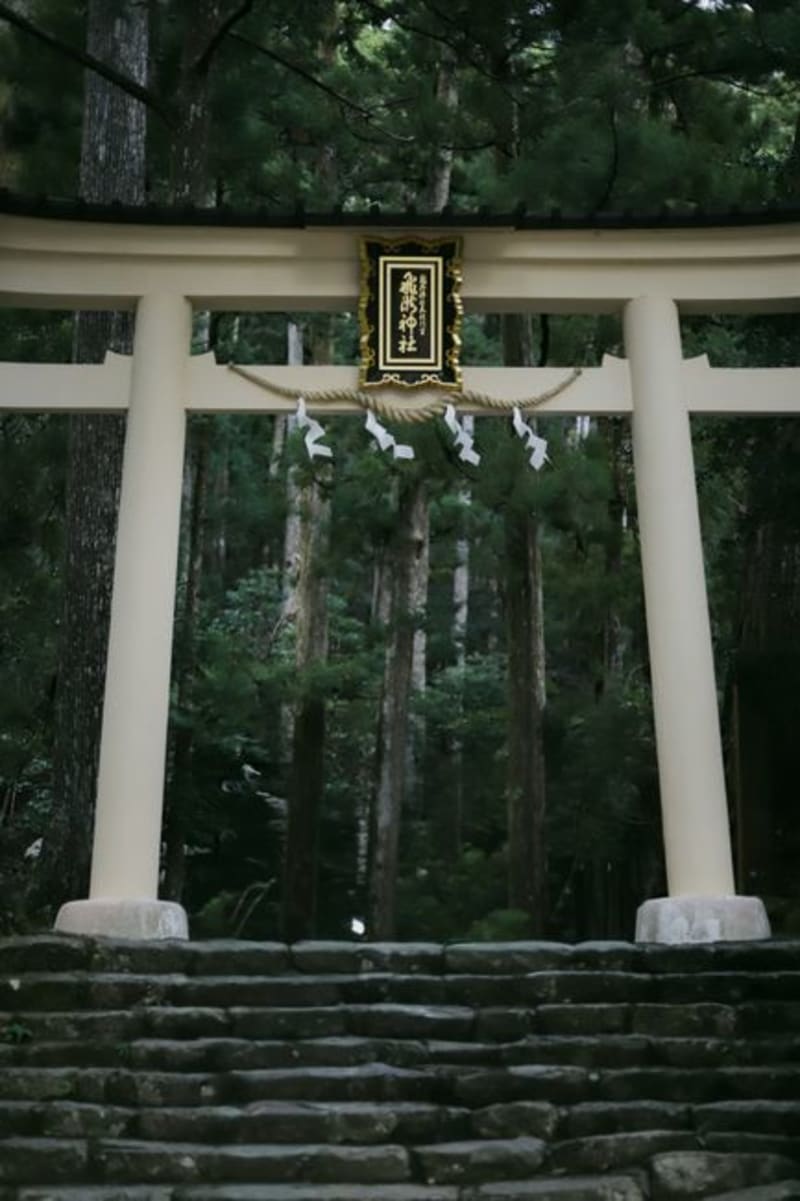 japan
Kumano Kodō
A thousand-year-old pilgrimage stitched through the Kii mountains in cedar, moss, and worn stone. We walked it slowly, one shrine at a time, and let the forest set the pace. Rain, incense, and the quiet company of everyone who'd come before.
Explore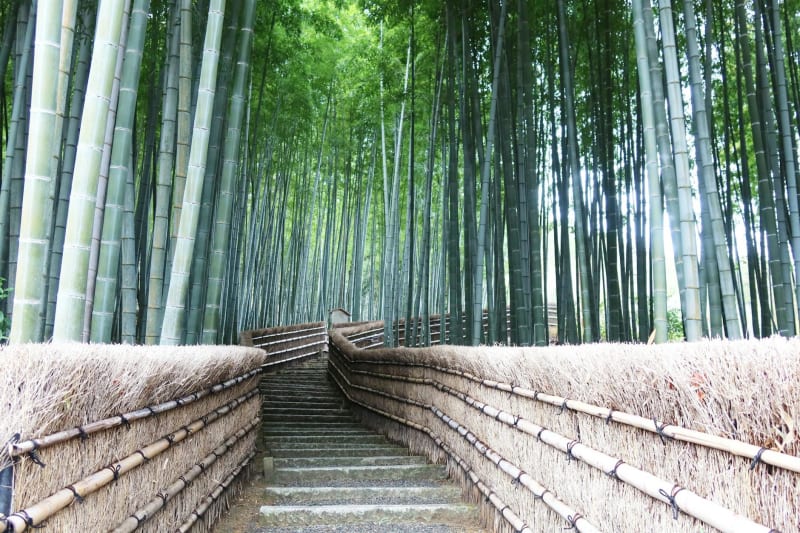 japan
Kurama
A temple built into a cedar mountainside an hour north of Kyoto, and the trailhead for the best half-day walk in Kansai.
Explore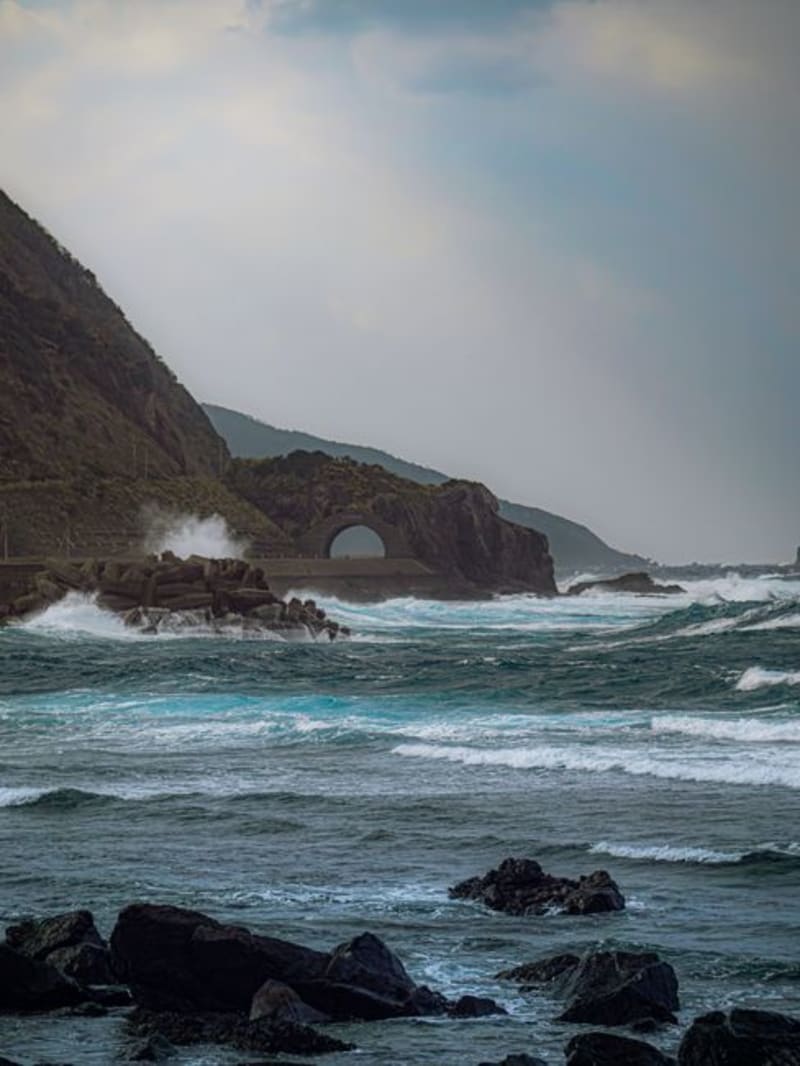 japan
Kushimoto (Cape Shionomisaki)
A fishing town at Honshū's southernmost point, home to Cape Shionomisaki and a Turkish memorial commemorating the 1890 wreck of an Ottoman frigate, still cited as the founding moment of modern Japan-Turkey friendship.
Explore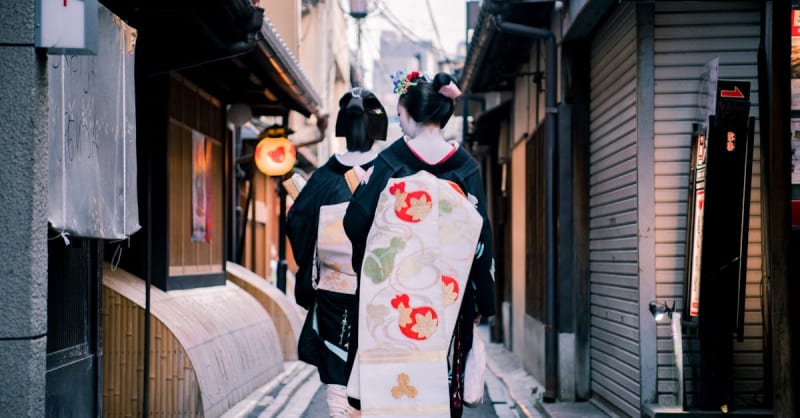 japan
Kyoto
Thousand-gate shrines, bamboo forests, and a city that hides its best moments behind early mornings and quiet side streets.
Explore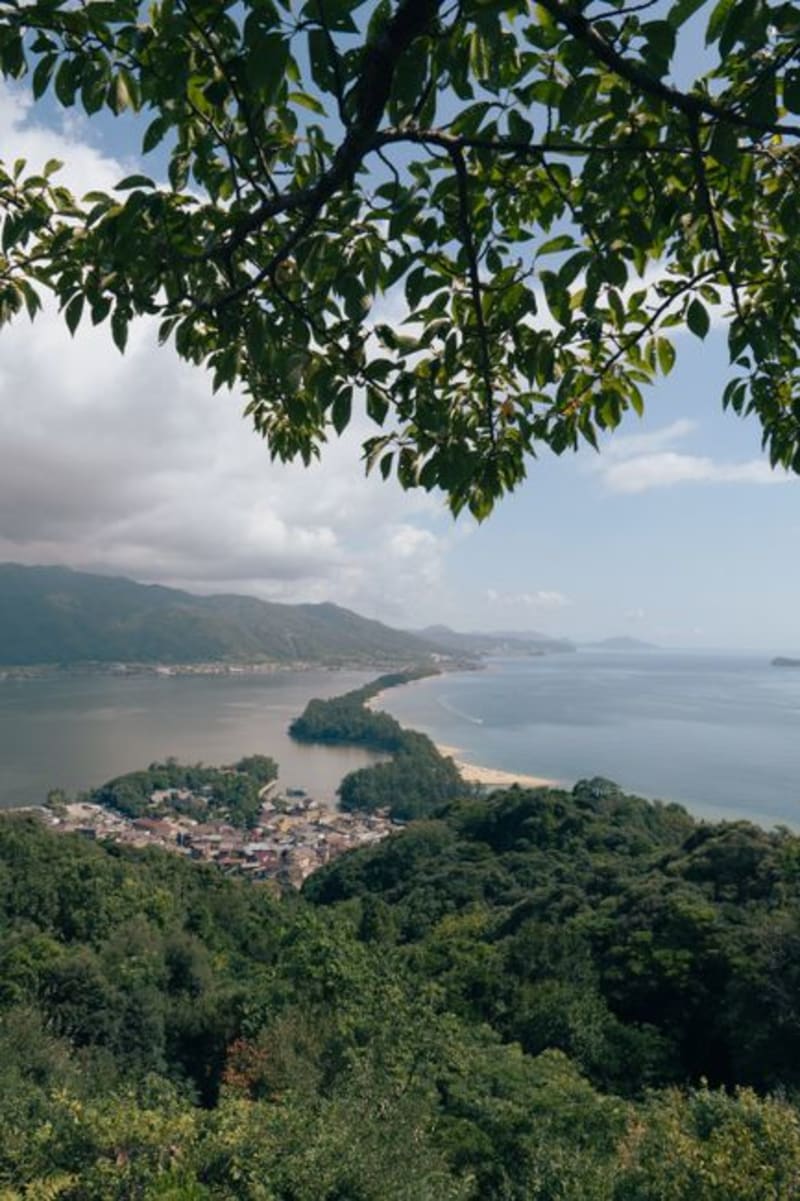 japan
Maizuru
A naval port on the north Kyoto coast where rows of Meiji-era red-brick warehouses face a deep, finger-like ria bay still busy with grey warships. We came for the brick and stayed for the strange, moving history of the men who sailed home to this harbor.
Explore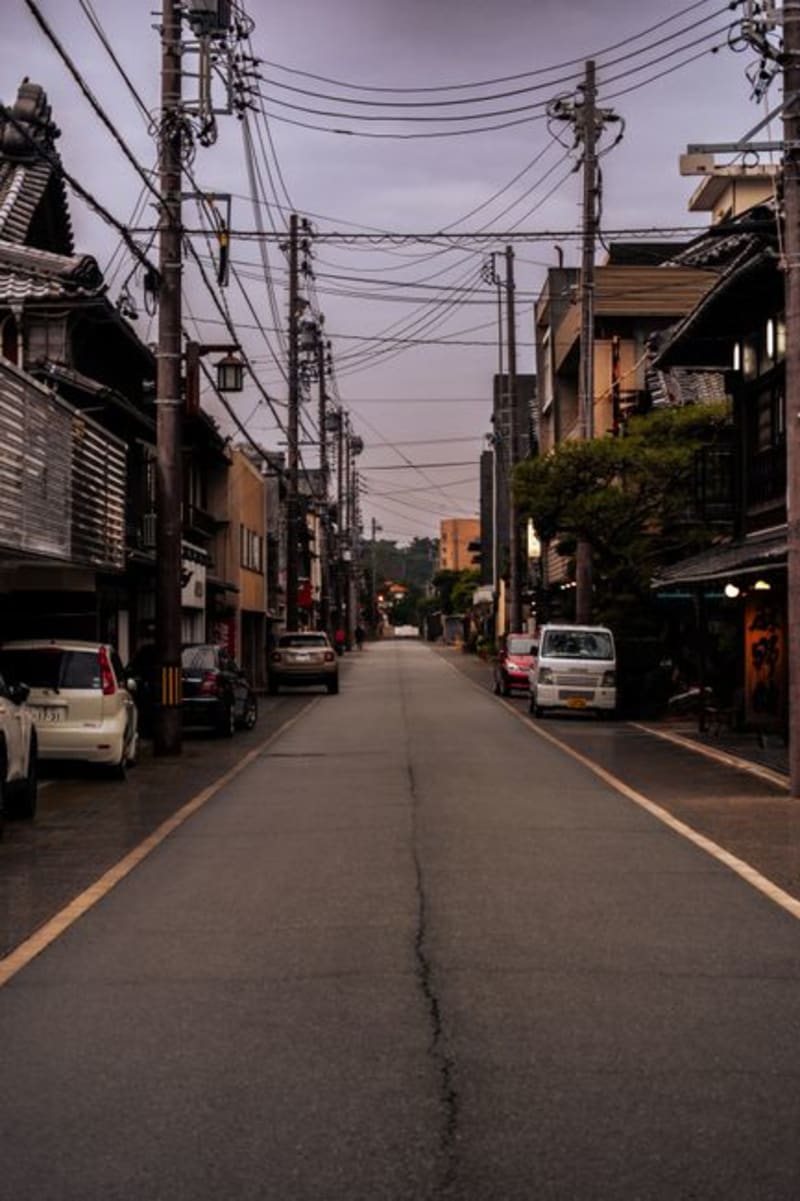 japan
Matsusaka
A merchant town in Mie whose name is spoken in reverent tones by anyone serious about beef — Matsusaka wagyu, raised slow and famous even beyond Kobe's. But the town beneath the steak is quieter and richer than expected: old cotton-merchant streets, a castle ruin gone green, and the walled lane where the town's samurai still seem to live just out of sight.
Explore japan
Minoh
A forested gorge on the northern edge of Osaka, half an hour from the city and a world away from it — a green river valley leading to a tall, graceful waterfall, walked by locals in every season. In autumn the maples burn red and someone, wonderfully, batters and fries the fallen leaves into a sweet, crisp snack you eat as you climb.
Explore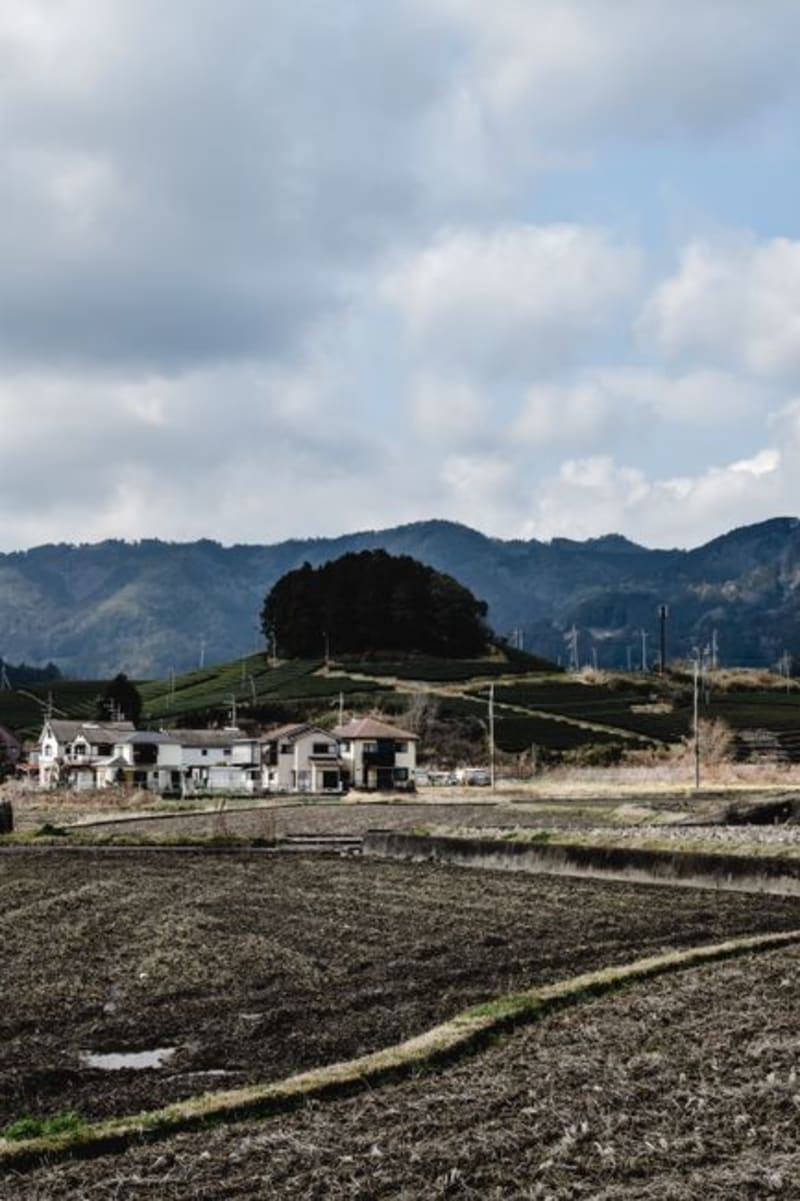 japan
Miyama
A hamlet of steep-thatched kayabuki farmhouses scattered across a green fold of the Kyoto hills, where the roofs are as tall as the houses beneath them. We arrived thinking it would be a photo stop and stayed until the light went gold and the frogs started up.
Explore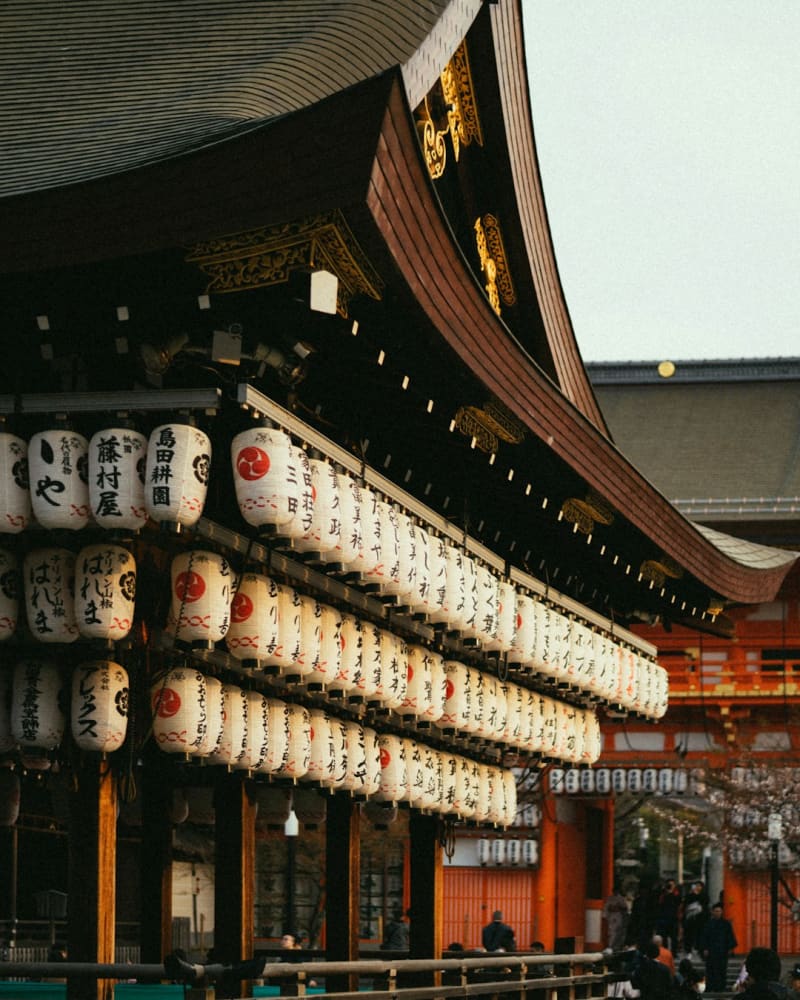 japan
Muroji
A mountain temple near Uda once known as Nyonin Koya, the women's Koyasan, home to Japan's smallest outdoor five-story pagoda and a quiet, moss-soaked approach through cedar forest.
Explore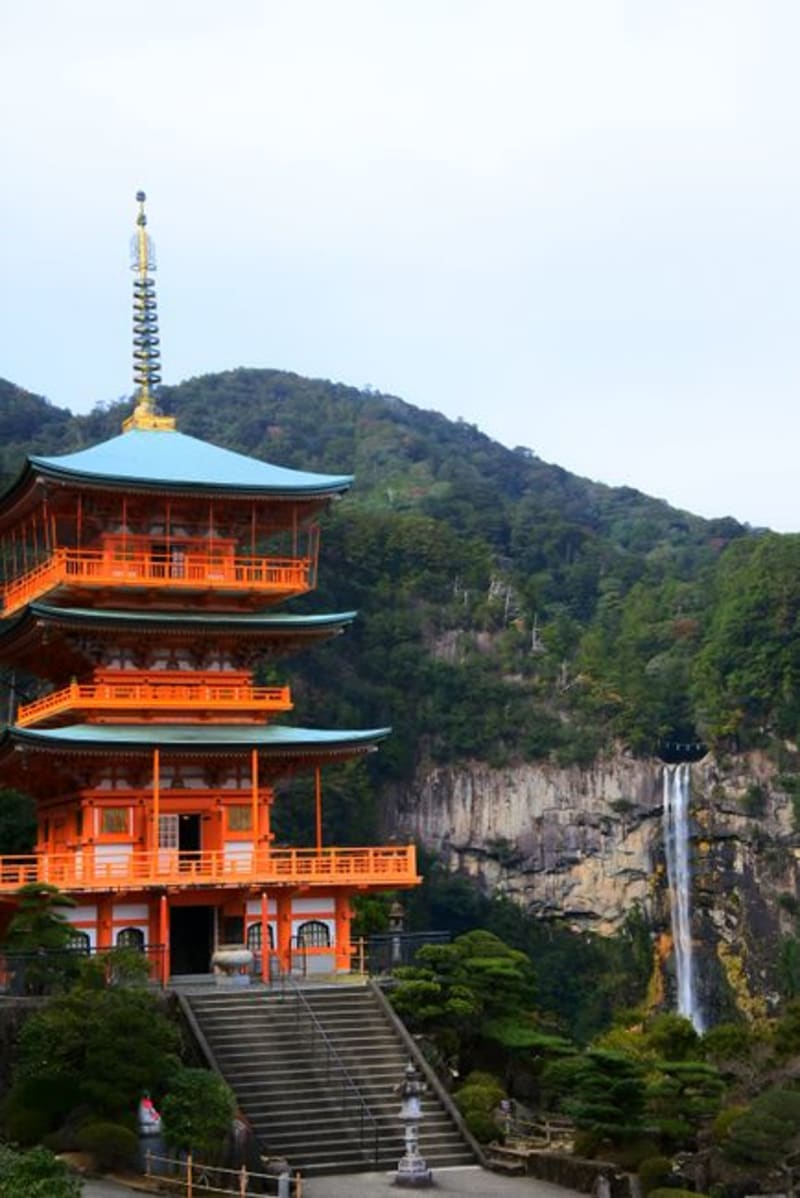 japan
Nachi-Katsuura
A vermilion pagoda, a waterfall taller than any in Japan, and a tuna port where the boats come in at dawn. This is where the mountains of Kumano finally meet the sea. We came for the famous view and stayed for the smell of the harbor.
Explore japan
Nagahama
A lakeside castle town on the northern shore of Lake Biwa, where a district of black-walled merchant houses has been reborn as a glass-craft quarter. We wandered in on a slow afternoon and found a town that had quietly reinvented itself without losing its bones. The lake sits at the end of every street like a held breath.
Explore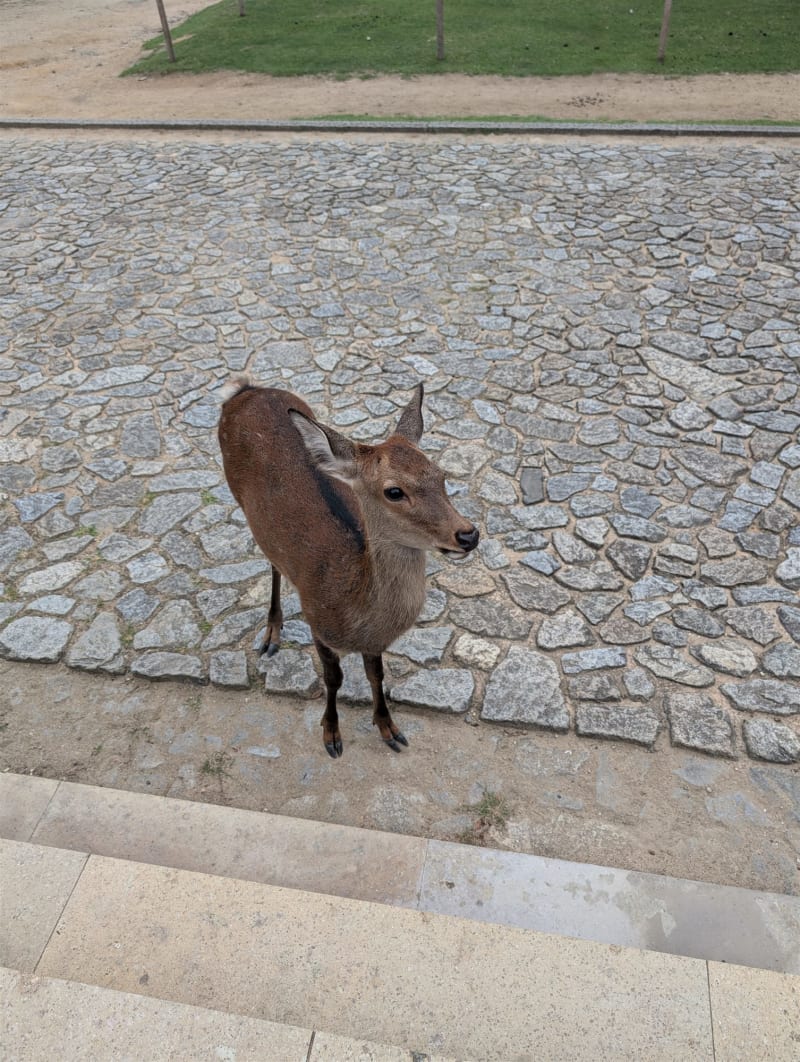 japan
Nara
Ancient capital where free-roaming deer share the streets with towering bronze Buddhas and cedar forests.
Explore japan
Nishiwaki (Nihon-heso Park)
An unassuming inland Hyōgo city built entirely around one geographic quirk: sitting exactly where Japan's standard time meridian crosses the 35th parallel, its literal navel, marked by a park where you can stand in two coordinates at once.
Explore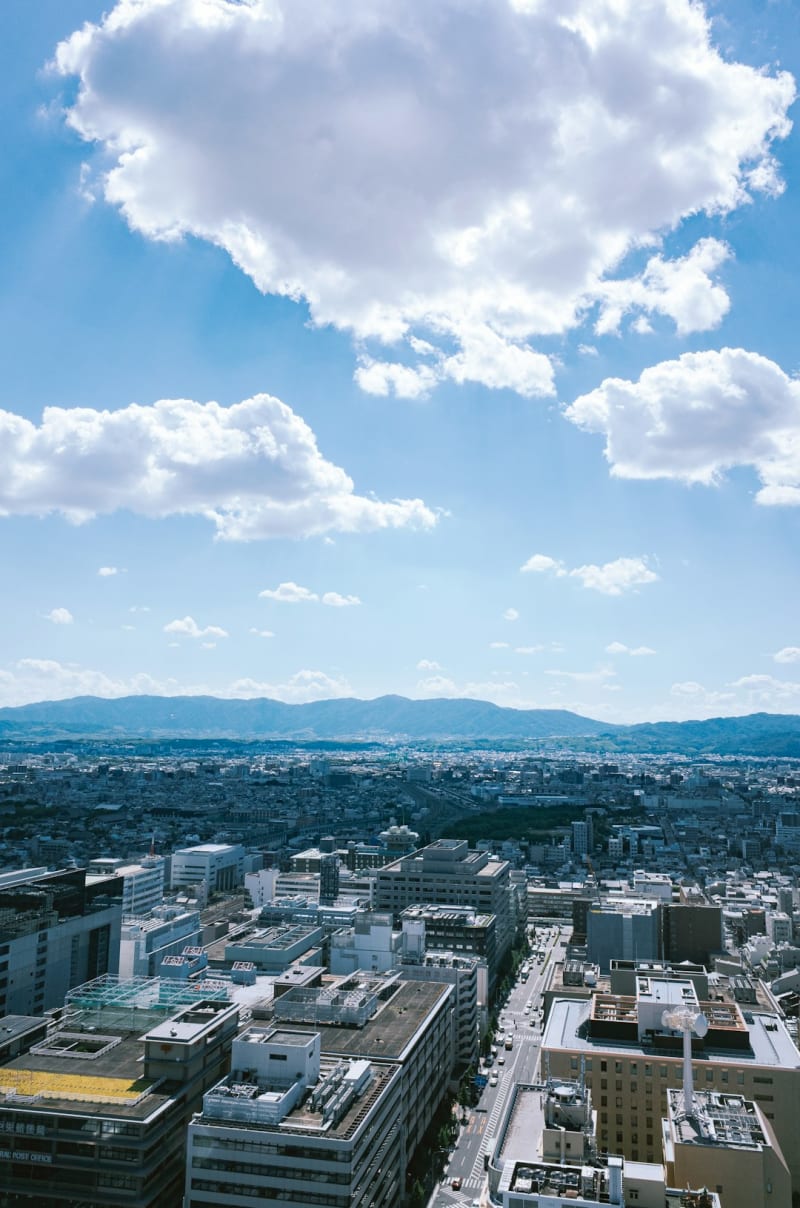 japan
Ohara
A rustic temple valley folded into the hills north of Kyoto, where moss swallows the stone paths and the maples turn the whole basin to embers each November. We came for a single afternoon and left having lost the entire day to gardens and silence.
Explore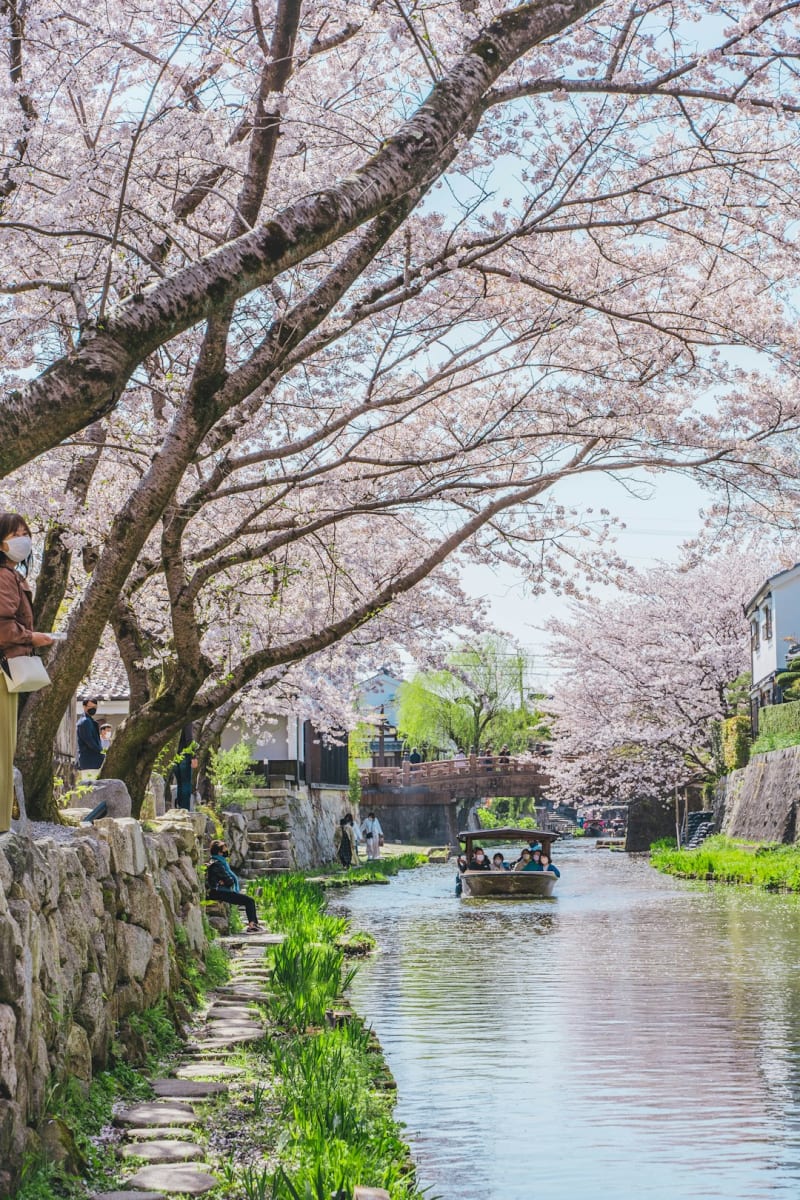 japan
Ōmihachiman
A merchant town near Lake Biwa where willow-lined canals still carry flat-bottomed boats past the whitewashed storehouses of the old Ōmi traders. We came for an afternoon and stayed until the water turned copper. Some places just refuse to be rushed.
Explore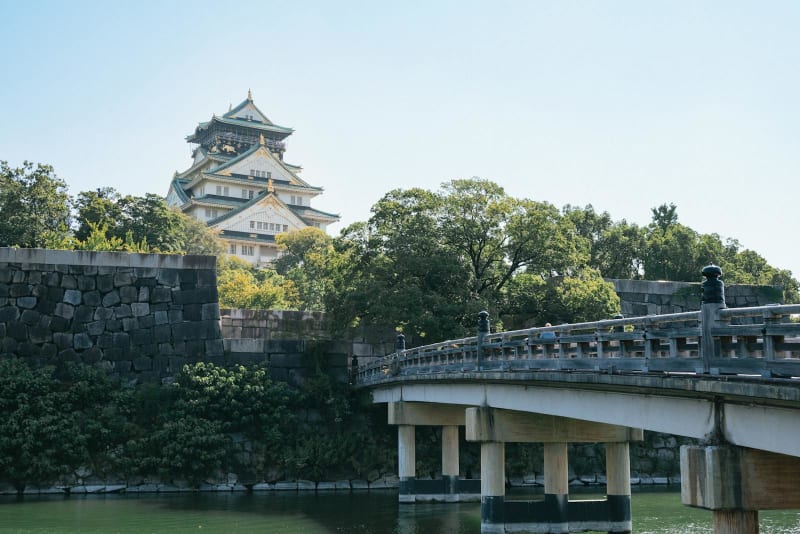 japan
Osaka
Japan's kitchen, Japan's comedian, Japan's night out. Osaka is the city that eats first and asks questions never.
Explore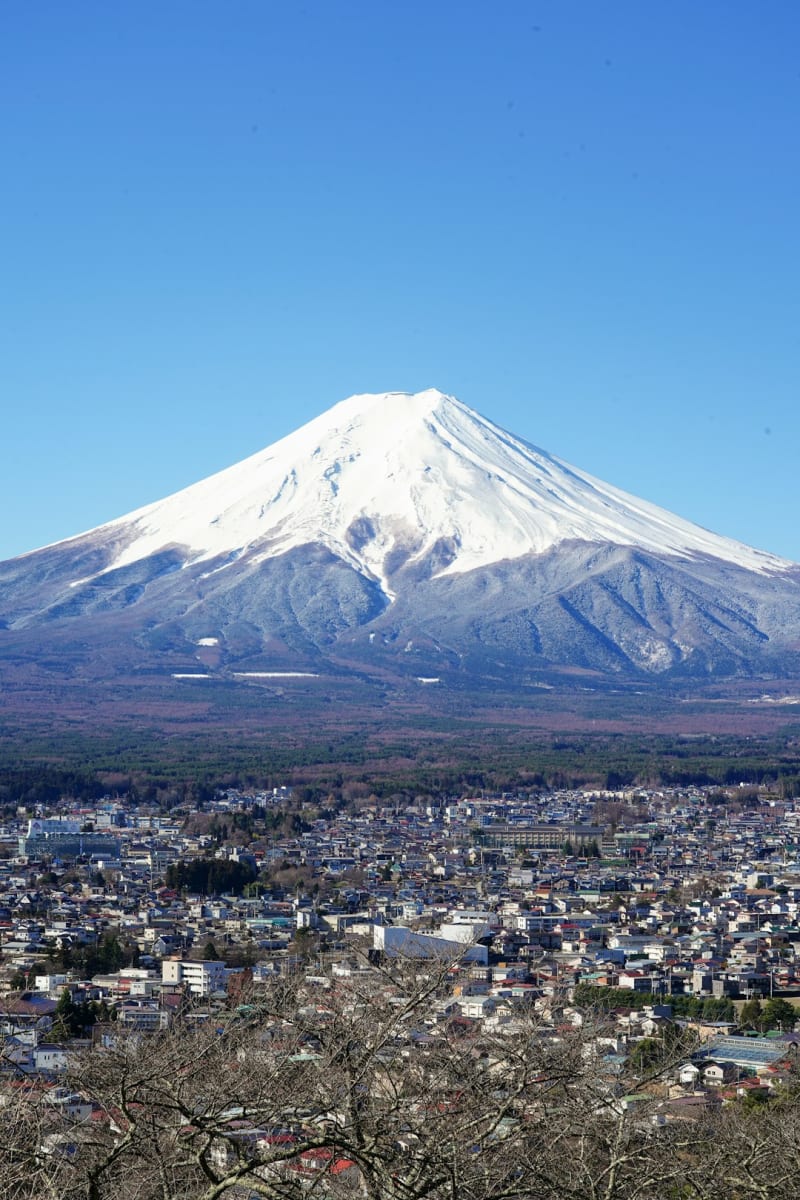 japan
Otsu
A lakeside city in Shiga where Japan's largest lake, Biwa, lies flat and enormous below the wooded shoulder of Mount Hiei — and on that mountain sits Enryaku-ji, the vast monastery that shaped Japanese Buddhism for a thousand years. Otsu is Kyoto's quieter neighbor, a place of lake light and temple bells that most travelers rush straight past. We didn't, and we were glad.
Explore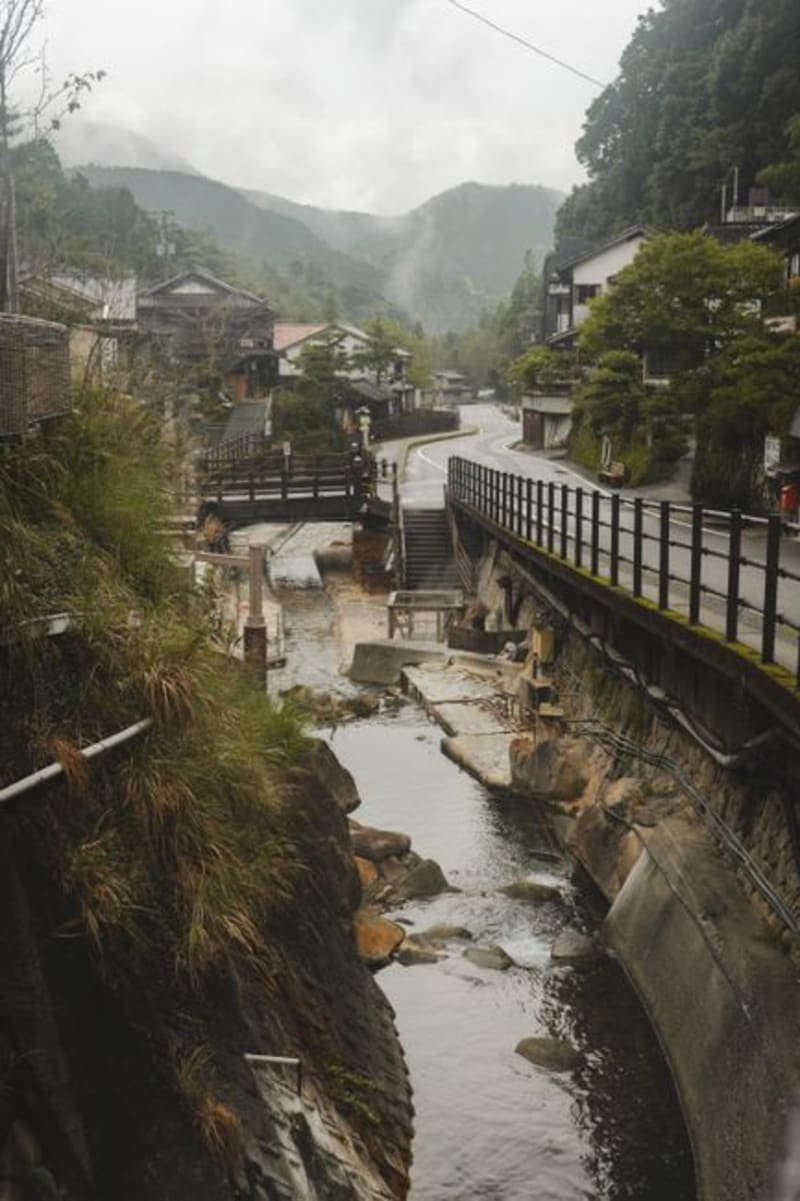 japan
Ryujin Onsen
A remote hot spring folded deep into Wakayama's Kii mountains, where the water runs so soft it feels like liquid silk on the skin. The kind of place you reach only after the last convenience store has vanished from the map, and are glad of it.
Explore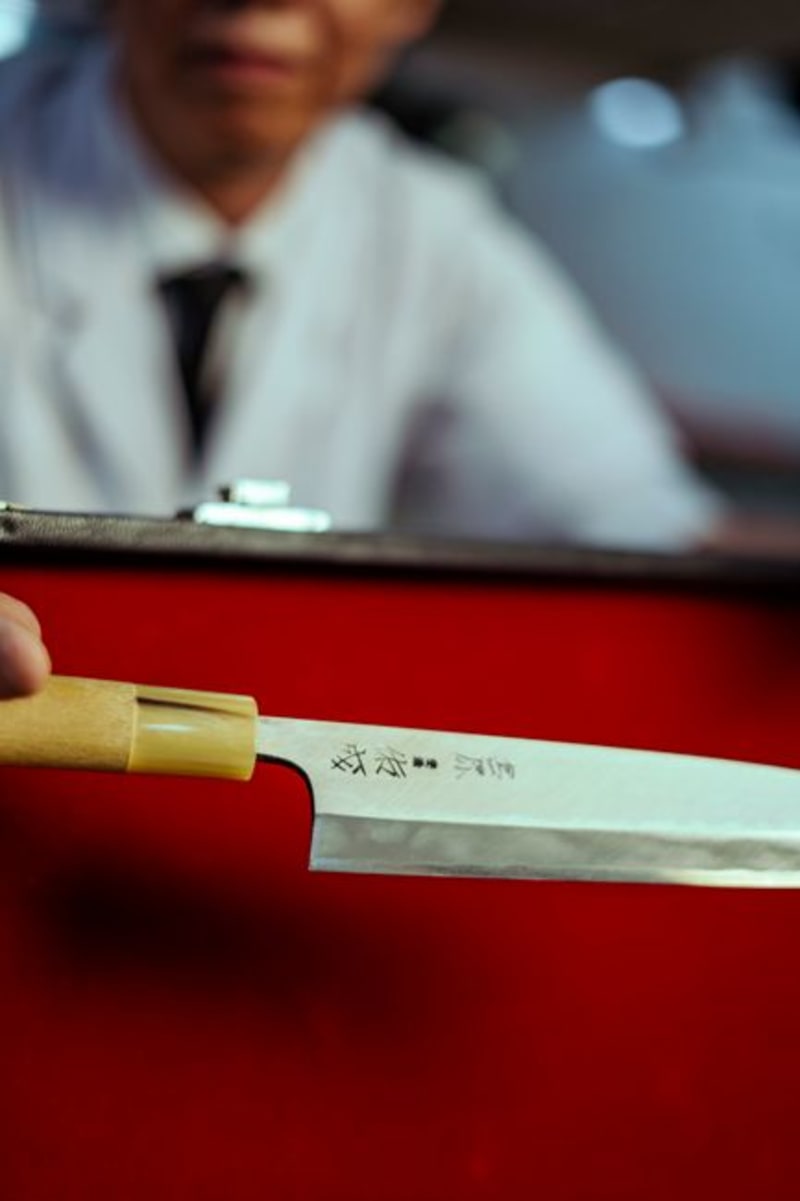 japan
Sakai
An old Osaka port city sitting on colossal keyhole tombs older than most of recorded Japanese history, where knife-makers still hammer steel the way tea masters once folded silence into a bowl. We went for the blades and left thinking about mounds we could not see. Sakai works on you slowly.
Explore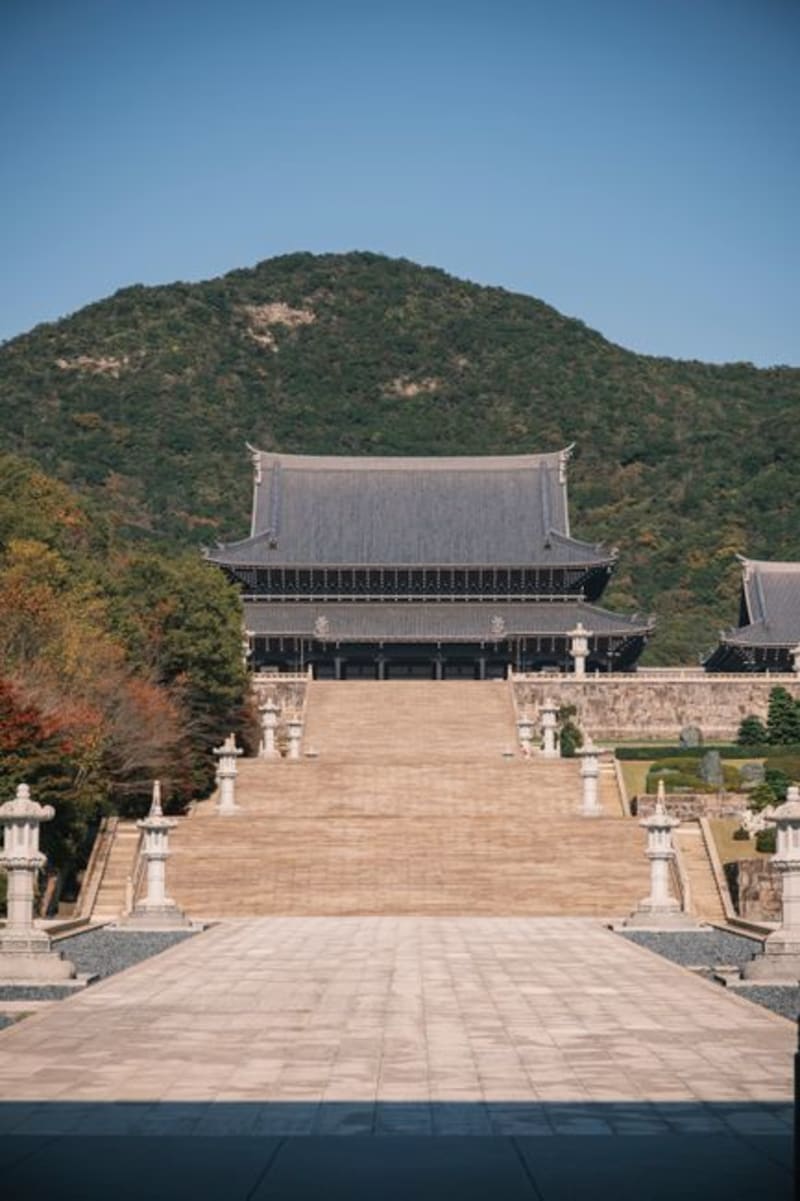 japan
Tamba-Sasayama
A castle town in the Hyogo hills where black-bean fields ring an old samurai quarter, wild boar simmers in winter hotpots, and unglazed Tamba pottery has been fired for eight centuries. We came for one night and let the slow rhythm of the place talk us into staying two.
Explore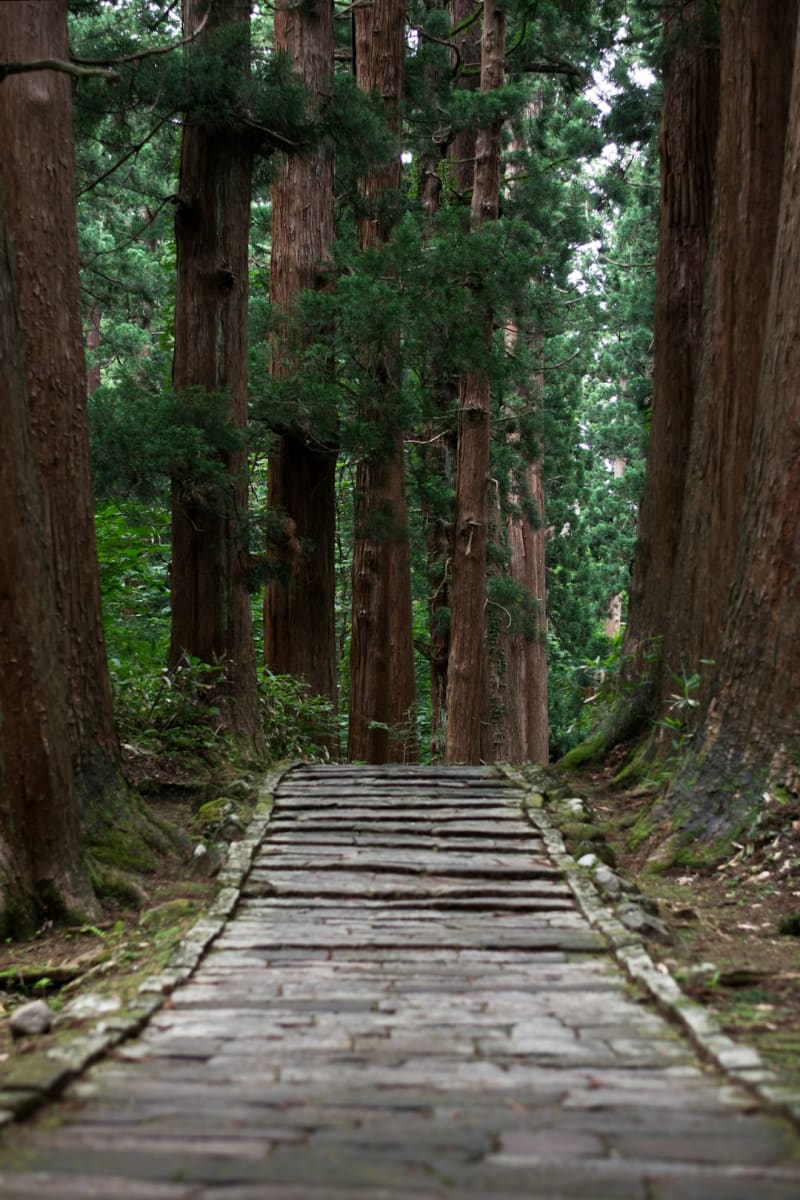 japan
Shigaraki
A pottery town in the Shiga hills where kilns have burned for eight centuries and cheerful clay raccoon-dogs stand guard outside nearly every door. Up a mountain road nearby hides the MIHO Museum, an I.M. Pei building reached through a cherry tunnel and a bridge, half-buried in the forest. Clay underfoot and architecture in the trees — Shigaraki is stranger and lovelier than it has any right to be.
Explore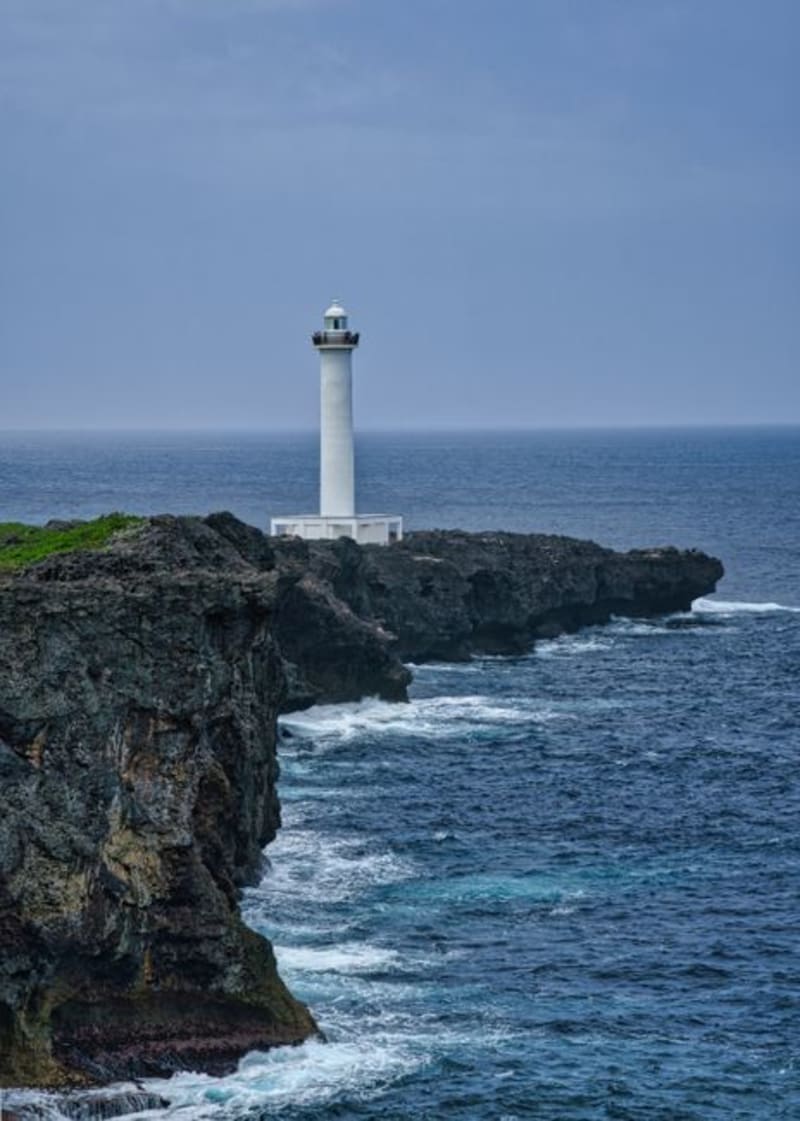 japan
Shirahama
A sunny beach-and-onsen resort on the Wakayama coast, with white sand, hot springs older than the written record, and sea cliffs that catch fire at sunset. We came for a rare thing in Japan — an actual beach holiday — and got the mountains and the onsen thrown in for free.
Explore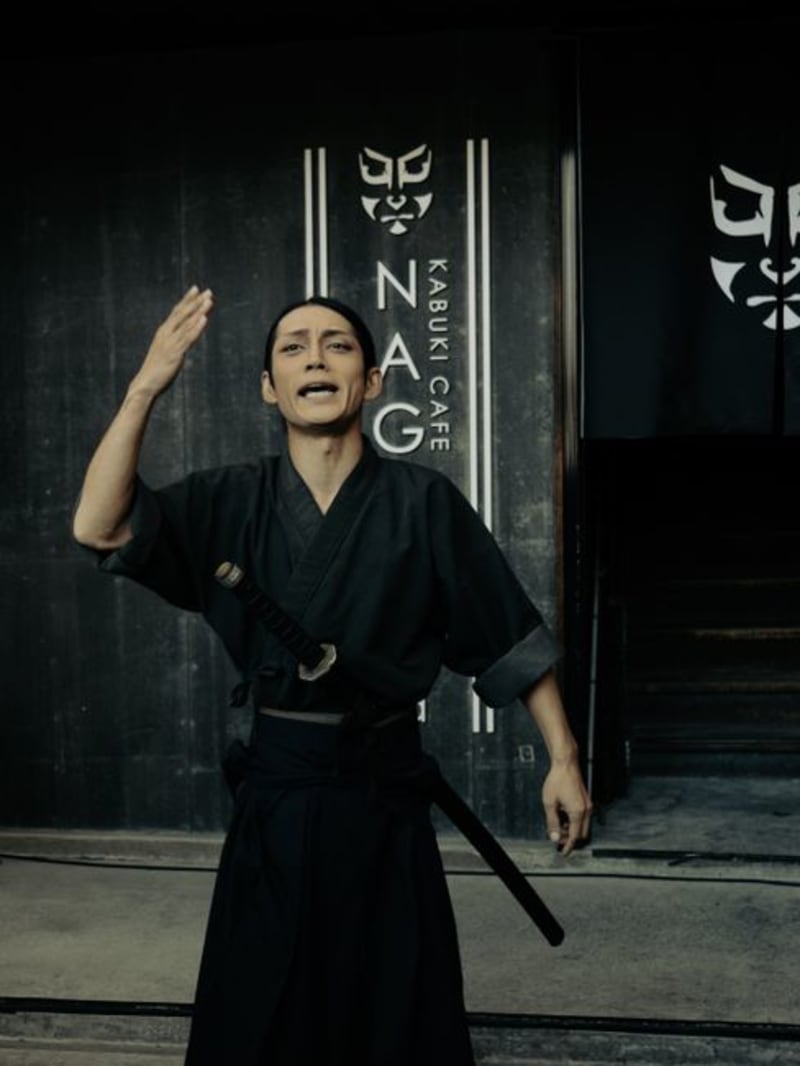 japan
Takarazuka
A hot-spring town on the Muko river that turned itself into a stage, home of the dazzling all-female Takarazuka Revue and the museum of the man who drew Astro Boy. It is bright, theatrical, and unashamedly joyful. We arrived skeptical and left humming show tunes we didn't know.
Explore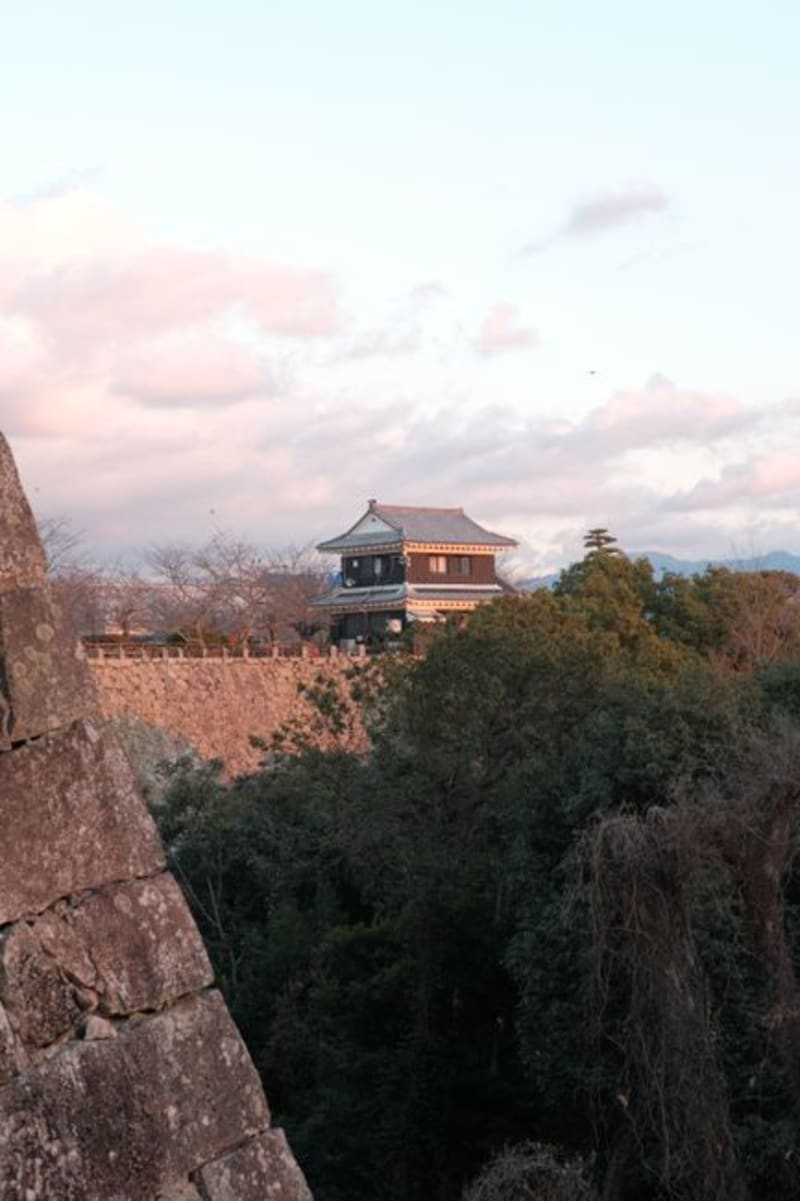 japan
Takeda Castle
A ruined mountaintop fortress in northern Hyogo that, on the right autumn morning, appears to float on a sea of cloud — the reason locals call it the Castle in the Sky. There is nothing left but stone ramparts and grass, and somehow that is exactly enough. You climb in the dark to earn a view that lasts about an hour.
Explore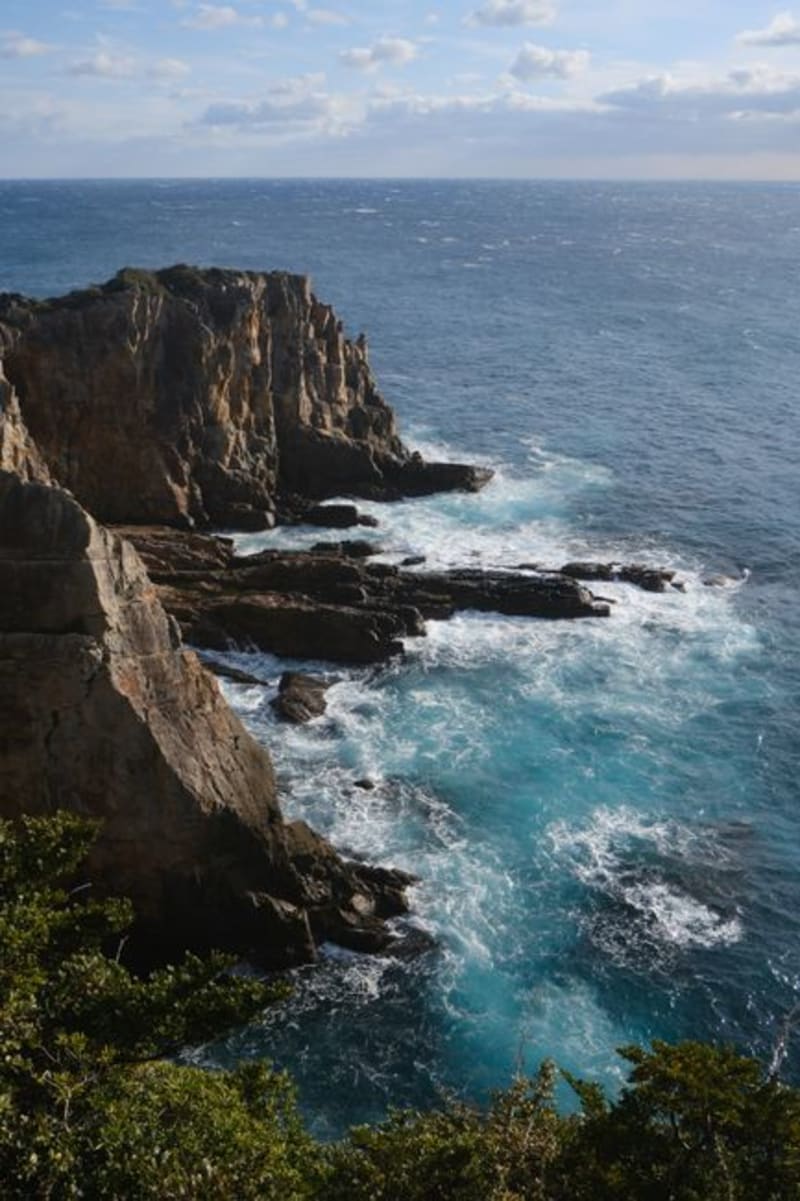 japan
Tanabe
A working Wakayama port that most pilgrims treat as a doorway to the Kumano Kodo and hurry through. Linger a night, and you find a town of narrow drinking alleys, fresh-off-the-boat fish, and a warmth that has nothing to do with performing for visitors.
Explore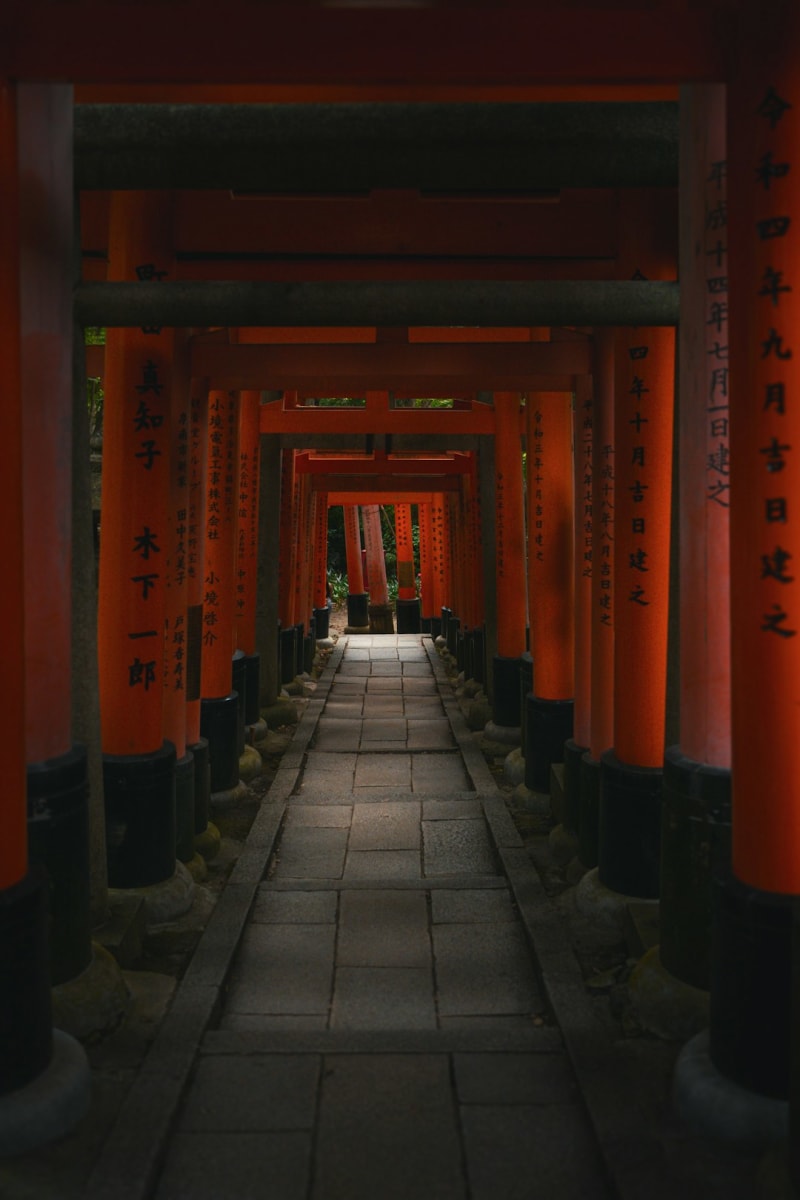 japan
Tenri
A Nara city built around faith itself, laid out along a kilometre of black-roofed church buildings where pilgrims in dark happi coats move at all hours. It is Japan's only true religious city, and it feels unlike anywhere else in the country. We arrived expecting a curiosity and left oddly moved.
Explore japan
Toba
A working bay town on the Ise-Shima coast where cultured pearls were first coaxed into being and where women still dive for shellfish the old way, without tanks. We came for the aquarium and stayed for the quiet drama of the sea. It smells of salt and diesel and grilled scallops.
Explore japan
Totsukawa (Tanize Suspension Bridge)
Japan's largest village by area, a scatter of remote hamlets deep in the Kumano mountains, reachable only by hours of switchbacking bus roads, and home to one of the country's longest steel suspension bridges still used in daily life.
Explore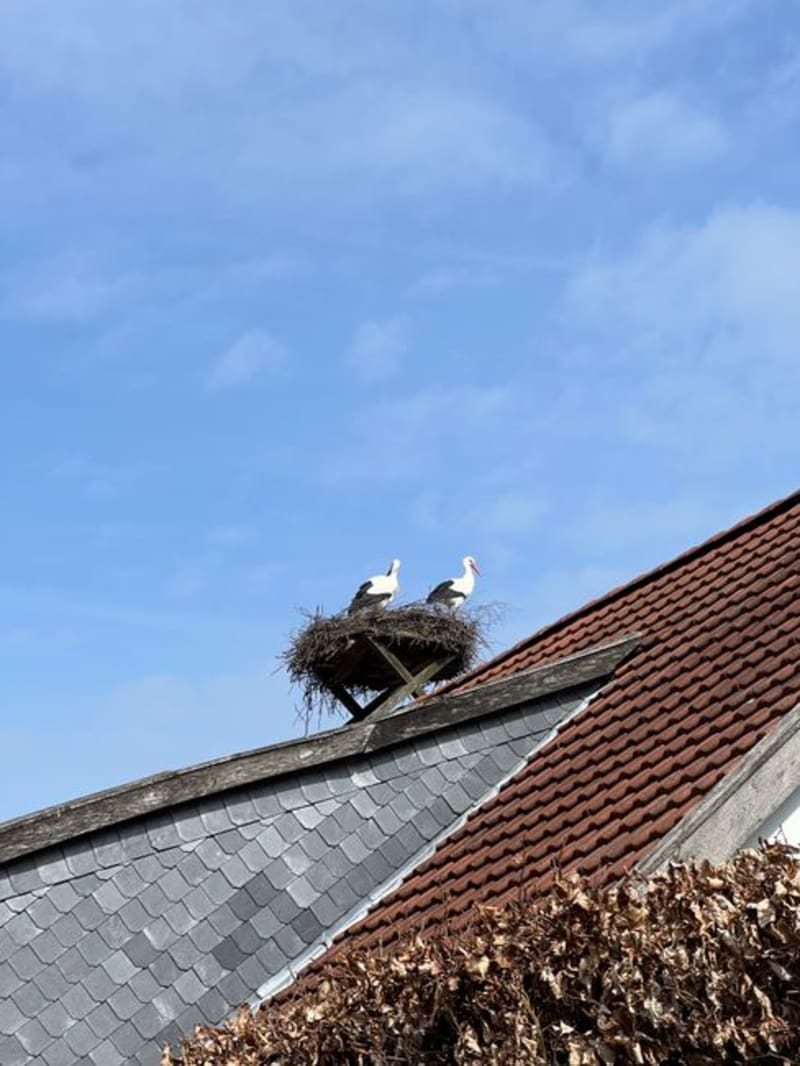 japan
Toyooka (Konotori Stork Villages)
A rural Hyōgo city that brought the Oriental white stork back from local extinction through decades of captive breeding, and now watches wild storks nest again over the same satoyama rice paddies where they once vanished.
Explore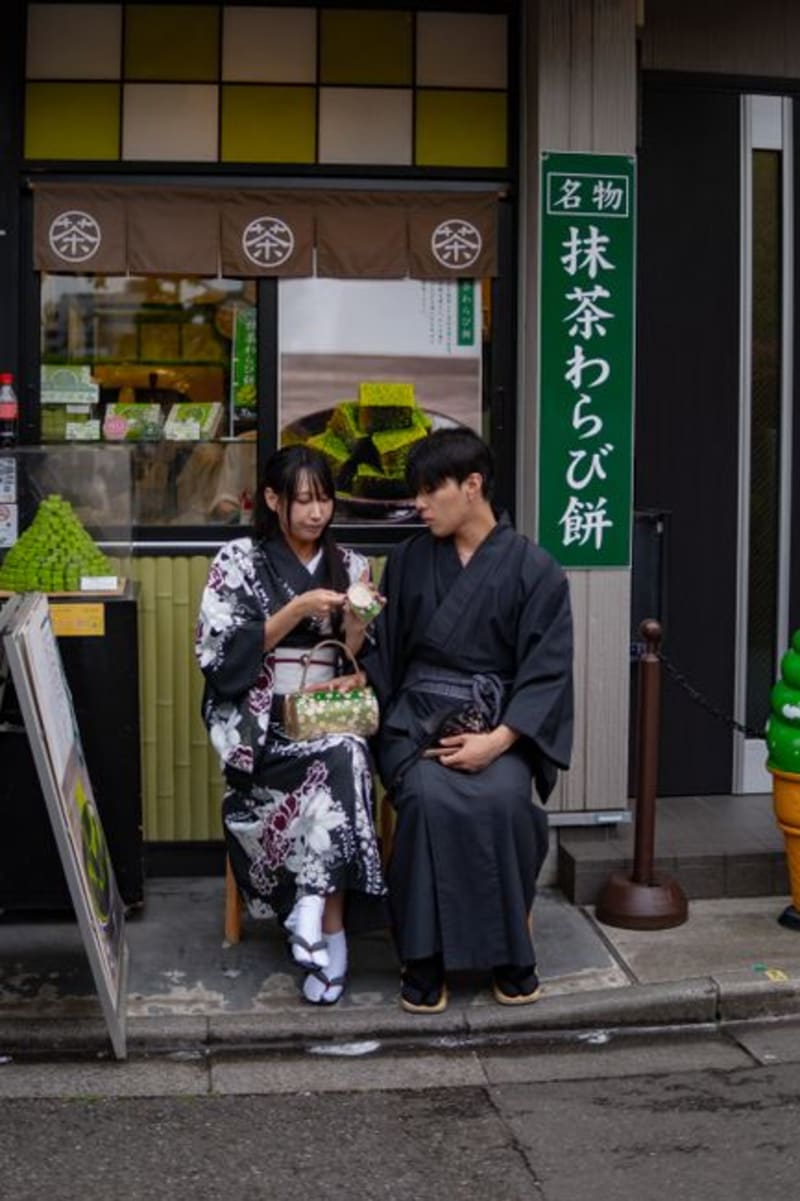 japan
Uji
A small riverside town between Kyoto and Nara that is the spiritual home of Japanese green tea, and home to the impossibly graceful Byōdō-in Phoenix Hall. Old tea houses line the streets, the river runs cold and fast, and the final chapters of The Tale of Genji are set here. Refined, green, and quietly ancient.
Explore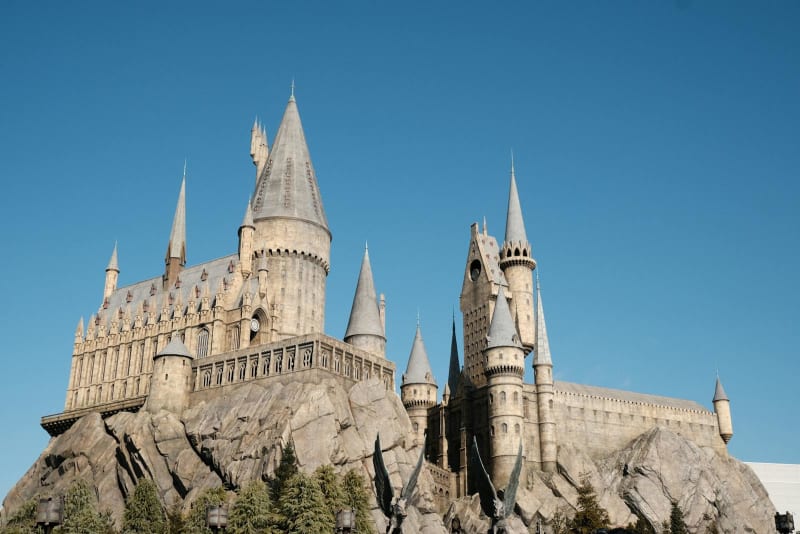 japan
Universal Studios Osaka
Harry Potter's Wizarding World, Nintendo's Mushroom Kingdom, and a level of Japanese theme-park craft that makes the original look like a rough draft.
Explore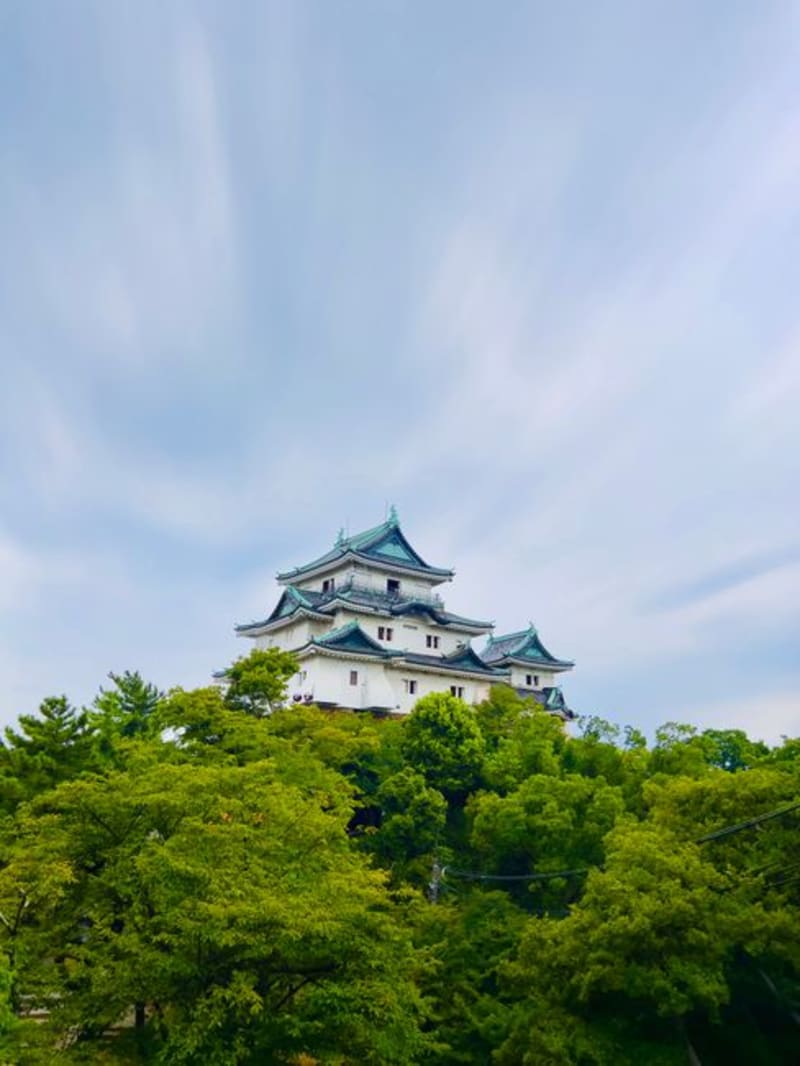 japan
Wakayama
The easygoing capital of Wakayama on the Kii coast, with a white castle on a hill and a ramen worth crossing a prefecture for. We used it as a gateway south toward Kōya-san and the Kumano coast, and found a city in no hurry to impress us — which is exactly why we liked it.
Explore japan
Wazuka
A steep-terraced tea valley in southern Kyoto Prefecture that grows nearly half of the region's tea leaves by hand, most of which is sold onward under the prestige label of a neighboring town it isn't actually from.
Explore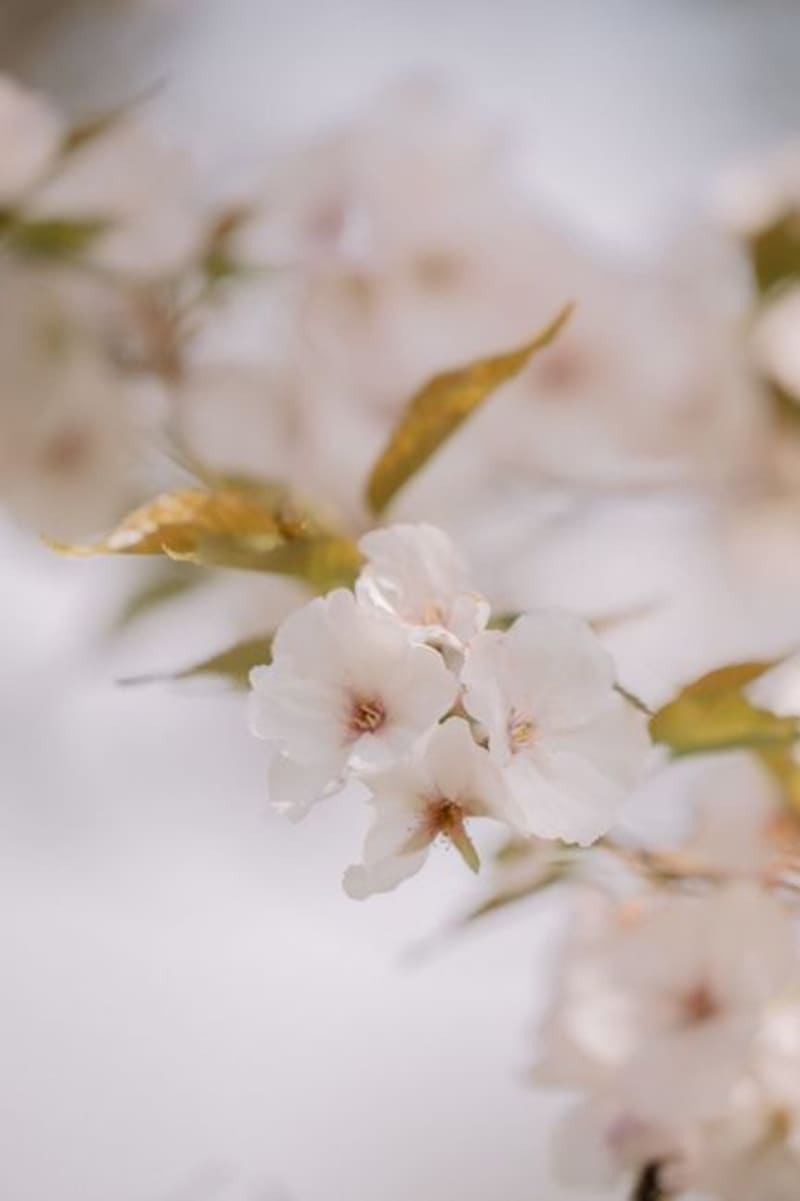 japan
Yoshino
A whole mountainside that turns to cherry blossom in waves each spring, climbing from valley to summit over weeks. Beneath the flowers lie ancient temples and centuries of mountain-ascetic faith. We came for the sakura and found the older thing underneath.
Explore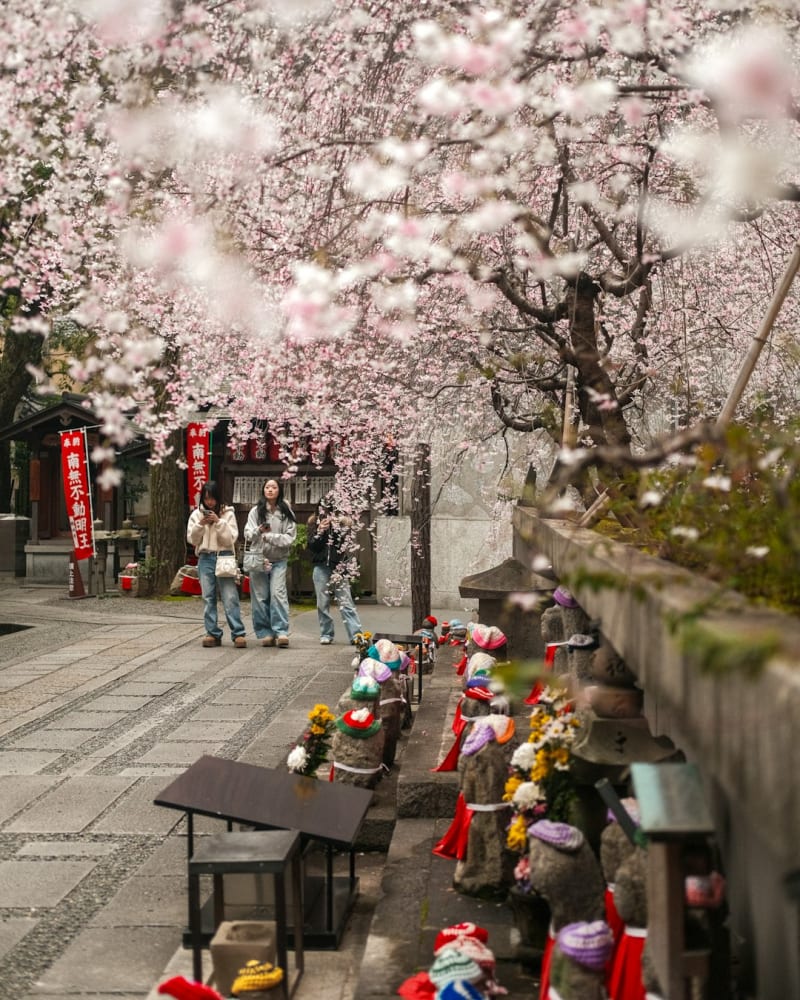 japan
Yumura Onsen
A San'in hot spring town where a scalding spring runs right into a channel beside the Haruki River, and the local ritual is to boil your own eggs and vegetables in baskets while koi drift past just downstream.
ExploreKeep exploring
More from Japan
 japan
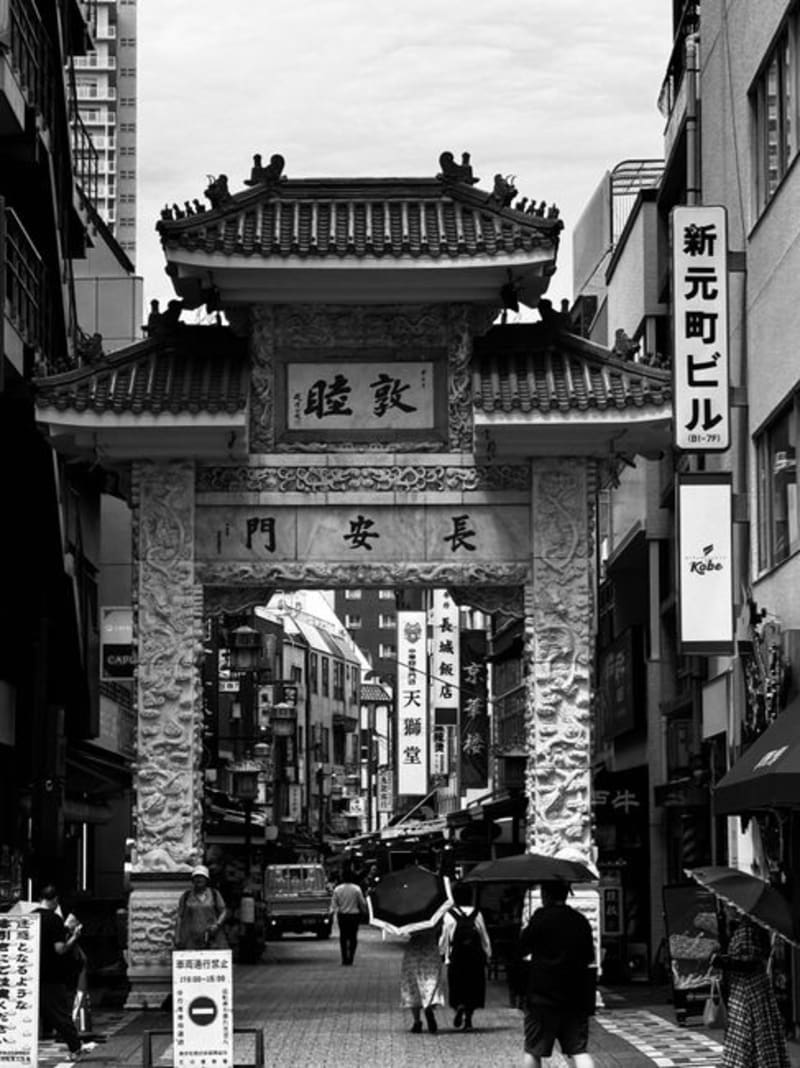
Kantō
The great Tokyo plain — the beating heart of modern Japan and everything within easy reach of it. Around the endless capital lie ancient shrines, a historic coast, and hot-spring valleys, all close enough for a day's escape and back.
Explore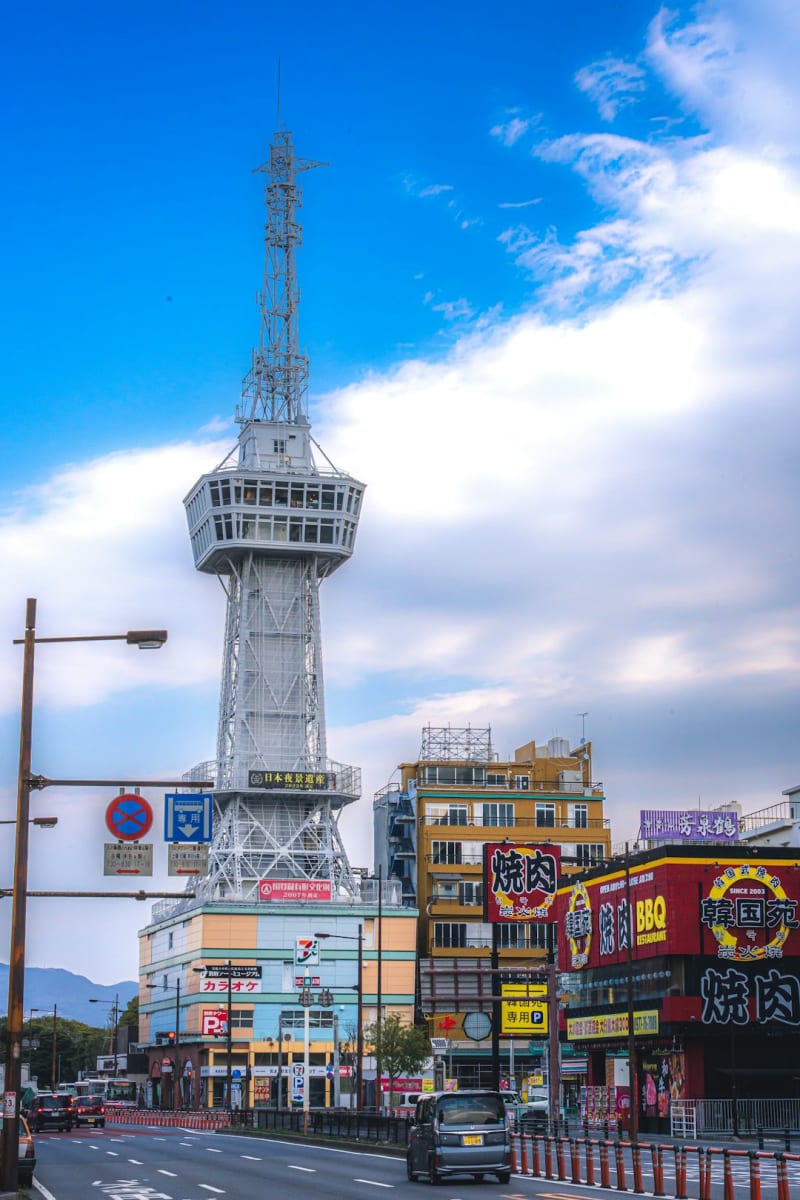 japan
Kyūshū & Okinawa
Japan's volcanic, subtropical south — a land of steaming hot springs, smoking craters, and deep history, trailing off into the far turquoise islands of Okinawa. Warm, elemental, and distinct, this is the country at its most southern and most sensory.
Explore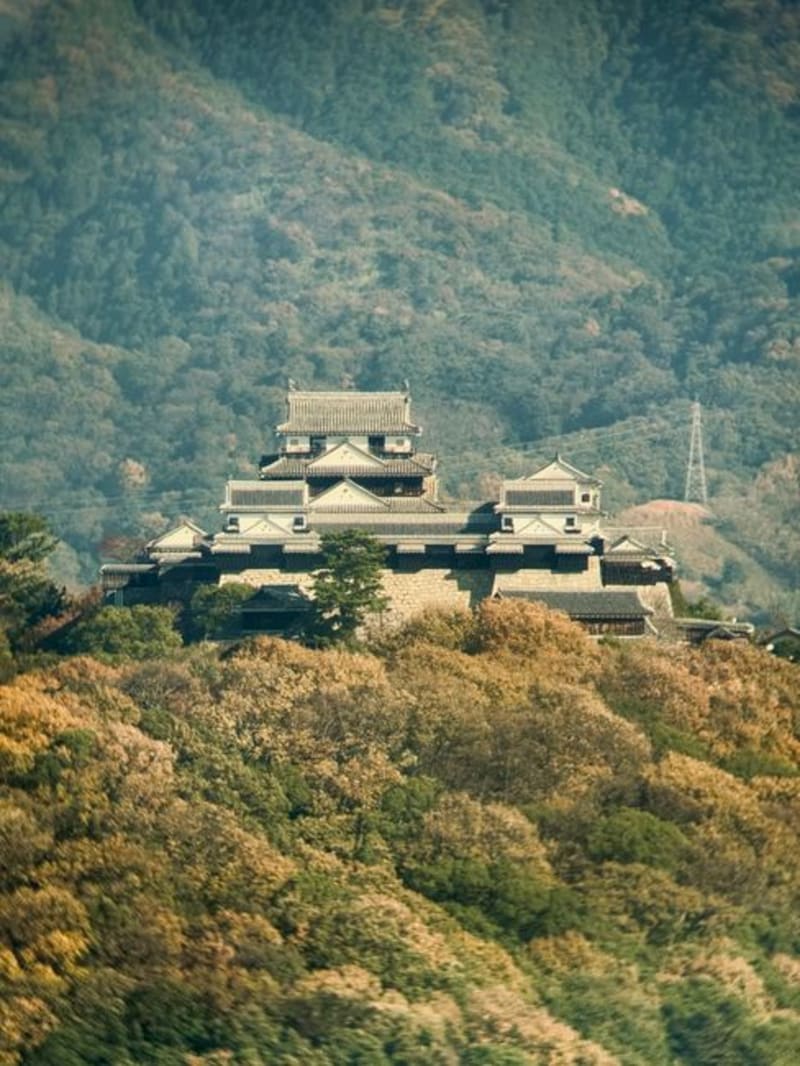 japan
Shikoku
The smallest and least-visited of Japan's main islands, a place of pilgrimage, ancient hot springs, and a quiet inland sea now studded with world-class contemporary art. Shikoku moves at its own unhurried pace, and rewards those who seek it out.
Explore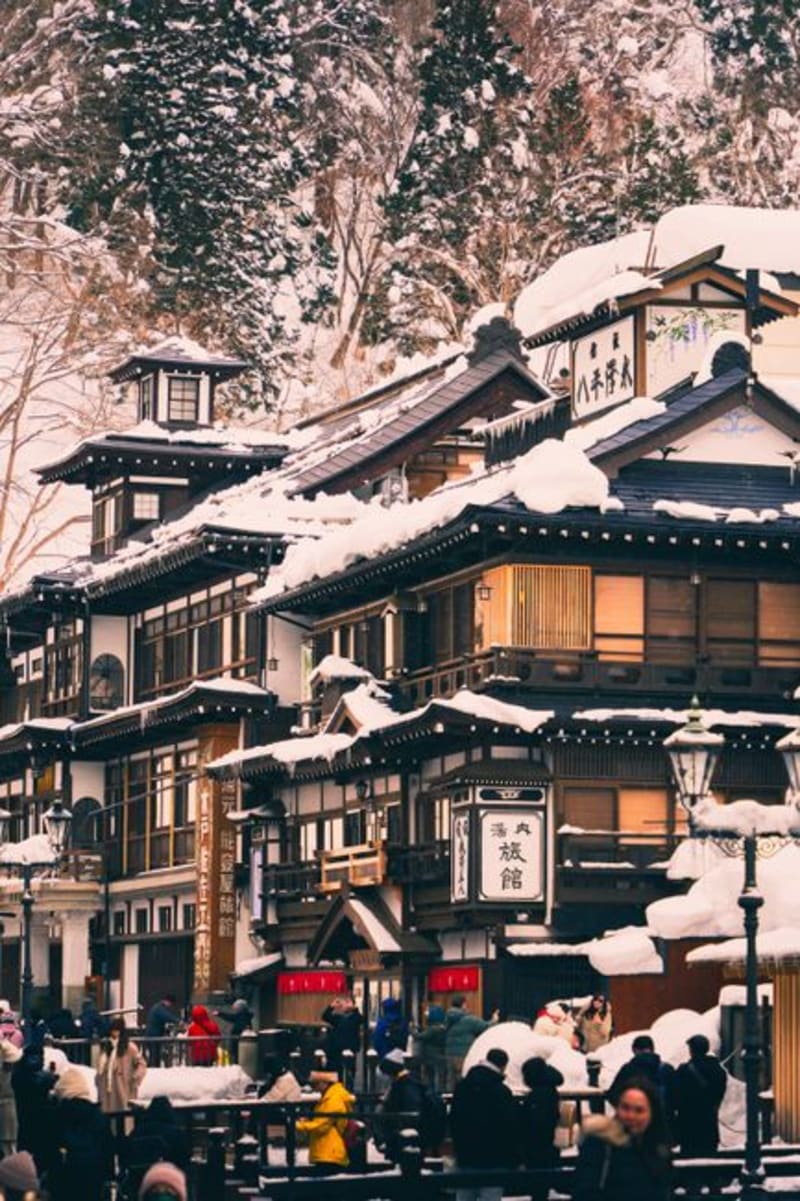 japan
Tōhoku
The deep, rural north-east of Honshū, a region of samurai towns, hidden hot springs, and mountain temples where old Japan lingers largely undisturbed. Snowbound and traditional, it is Bashō country — a landscape made for slow travel and quiet discovery.
Explore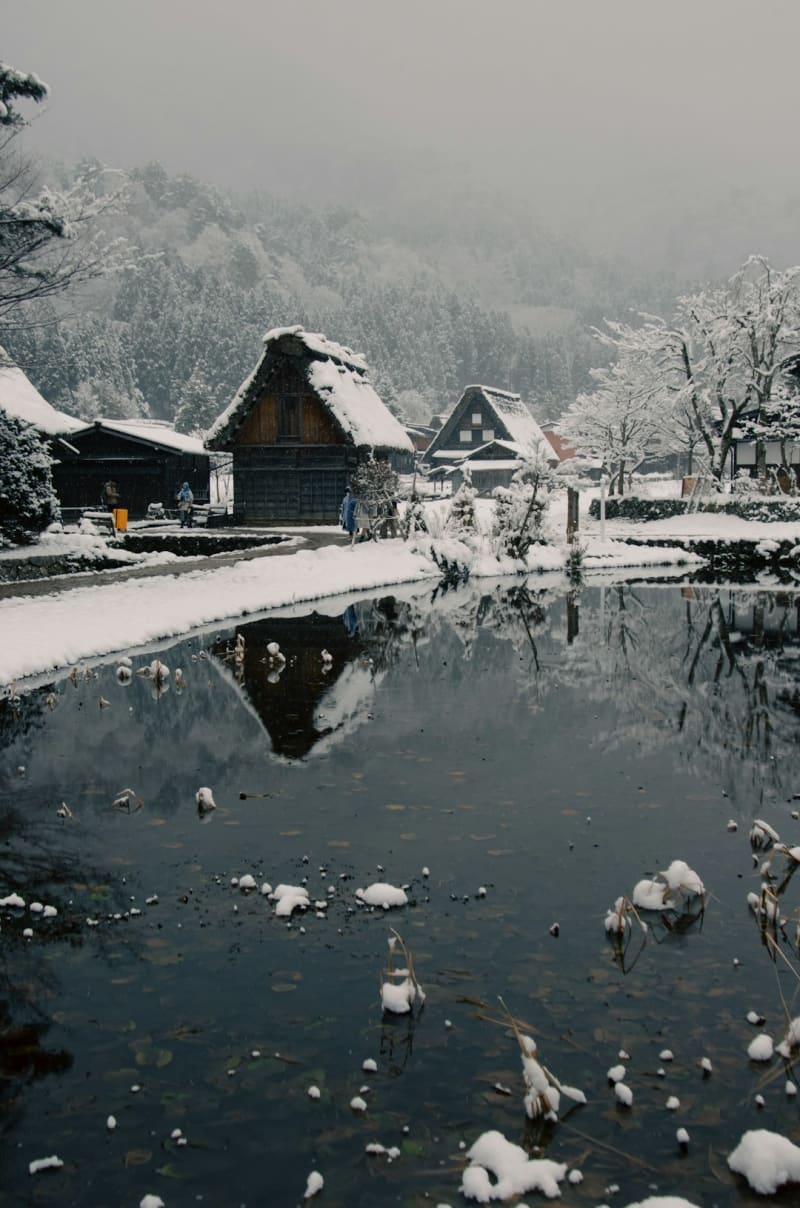 japan
Chūbu
Central Japan, where the land buckles upward into the soaring Japan Alps and Mount Fuji stands over everything. This is a region of old post towns and castle towns, thatched mountain villages, snow monkeys and hot springs — the country at its most scenic and most storied.
Explore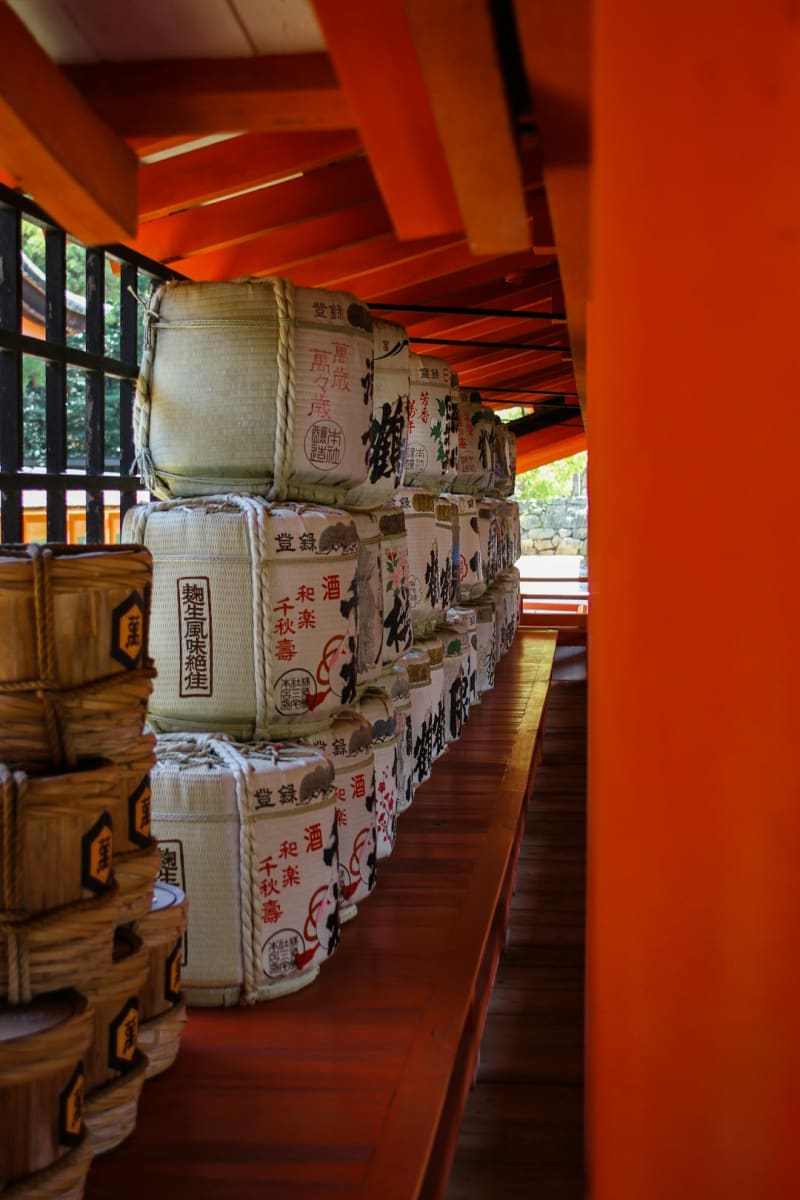 japan
Chūgoku
The western tip of Honshū, a region shaped by memory, resilience, and quiet beauty. Here Hiroshima tells its story of loss and renewal, a great torii floats on the tide at Miyajima, canal towns preserve an older grace, and coastal dunes ripple down to the sea.
Explore