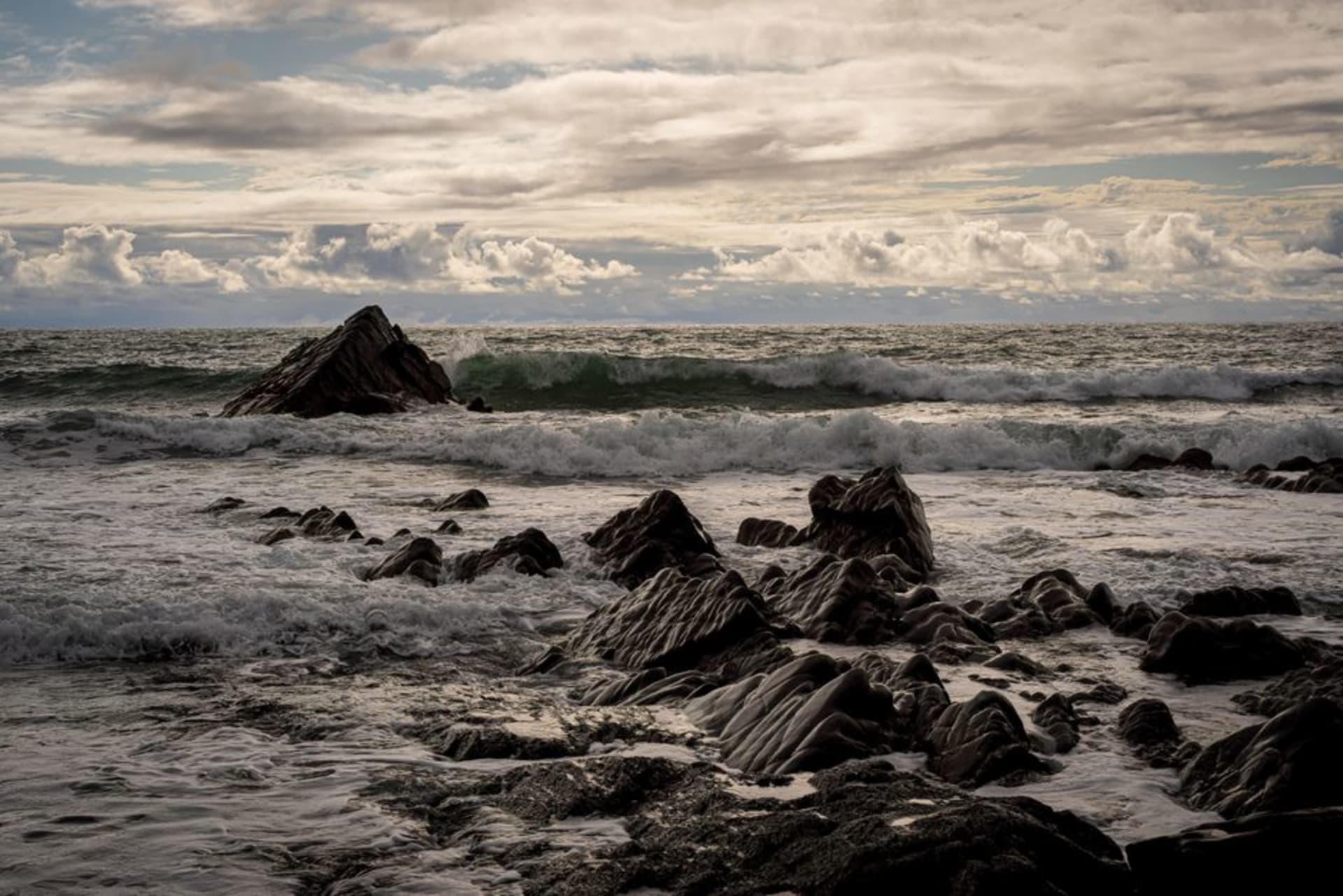
A stretch of Niigata coast where the mountains fall straight into the Sea of Japan and the beaches hide green jade among their pebbles. It is a UNESCO Global Geopark, though nobody here says that word out loud — they just hand you a stone and tell you to look closer. Alpine rivers, ancient rock, and a quiet that feels older than tourism.

We almost skipped Itoigawa. It was a name on the map between Toyama and Niigata, a place the train slows for and most people sleep through. But Lia had read one line about people finding jade on the beach after storms, and she has never in her life walked past a good excuse to look at the ground. So we got off. The wind coming off the Sea of Japan hit us the moment we stepped out of the station, cold and clean and smelling of salt, and I knew within a minute that we’d stay the night whether we’d planned to or not.
The Jade Coast
The beach at Oyashirazu is not gentle. It is a wall of grey and green pebbles that clatter under your feet, backed by cliffs so steep the old coastal road used to be one of the most feared passages in Japan — the name means, roughly, “where parents lose sight of their children,” because you had to time your steps between the waves. We walked it in the late afternoon with the light going gold, and Lia crouched every few meters turning stones over. She found the jade before I did, of course. A small waxy green piece, cool and heavier than it looked, translucent at the edge when she held it to the sun. I found three ordinary rocks I was very proud of.

Where the Alps Meet the Sea
What makes this place strange and wonderful is the geology, and I say that as someone who once found rocks boring. Itoigawa sits on a great fault line where two halves of Japan grind together, and you can stand in one spot and see, in a single glance, the alpine river coming down cold and pale-blue from the mountains, the ancient dark cliffs, and the sea taking all of it in. We drove up along the Hime River the next morning and the water was that impossible glacial turquoise, milky with rock flour. A local man fishing near the bridge told us the jade forms up in those mountains and the rivers carry it down over thousands of years. “You’re not really finding it on the beach,” he said. “You’re finding it at the end of a very long trip.”

A Town That Isn’t Trying
Itoigawa doesn’t perform for visitors, and that is its whole charm. We ate at a small counter place near the harbor where the owner grilled nodoguro — the fatty local blackthroat sea perch — and served it with almost no ceremony and a bowl of miso that tasted of the sea it came from. There is a little geopark museum where a patient woman showed Lia how to tell real jade from the hundred hopeful greenish stones in her pockets (two were real; she was thrilled). In the evening the streets emptied early, the way they do in towns that work for a living. We walked back to our inn along the water with the mountains going black behind us, and neither of us said much. Some places you talk about. Itoigawa you just breathe in.
Getting There
Itoigawa is a stop on the Hokuriku Shinkansen, roughly two hours from Tokyo and well under an hour from Toyama or Kanazawa — genuinely easy, which surprises people. From the station the jade beaches and the geopark museum are a short taxi or a rented-bicycle ride. To reach the Hime River gorges and the alpine side you’ll want a car; buses run but sparingly, and the good spots reward wandering. Go after a spell of rough weather if you want any hope of finding jade — the storms are what turn the beach over. And bring a windproof layer even in summer. That Sea of Japan wind does not negotiate.
Keep exploring
More of Chūbu
Keep exploring
More from Chūbu
 japan
japan Hakuba
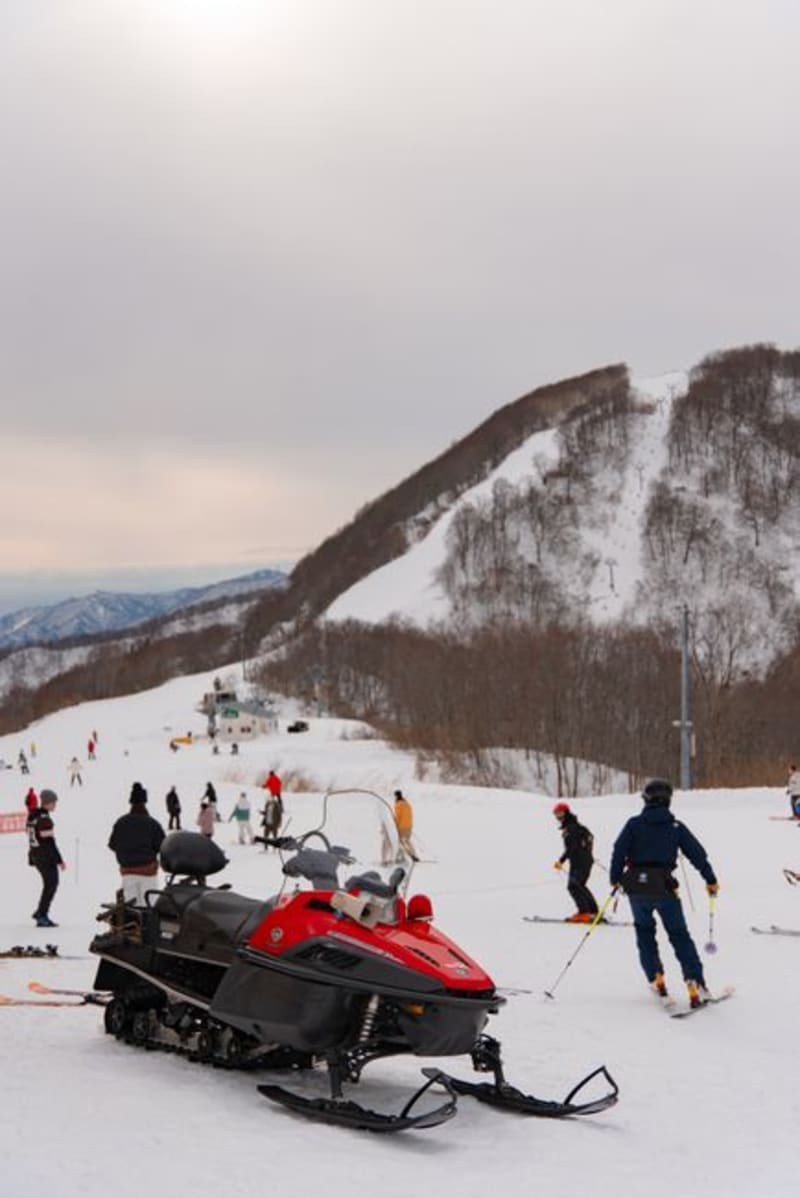
A long alpine valley in Nagano beneath the great wall of the Northern Japan Alps. Home to the 1998 Winter Olympics ski jumps and some of the deepest powder in the country, it trades its snow for green meadows, gondola rides and high ridge walks in summer.
Explore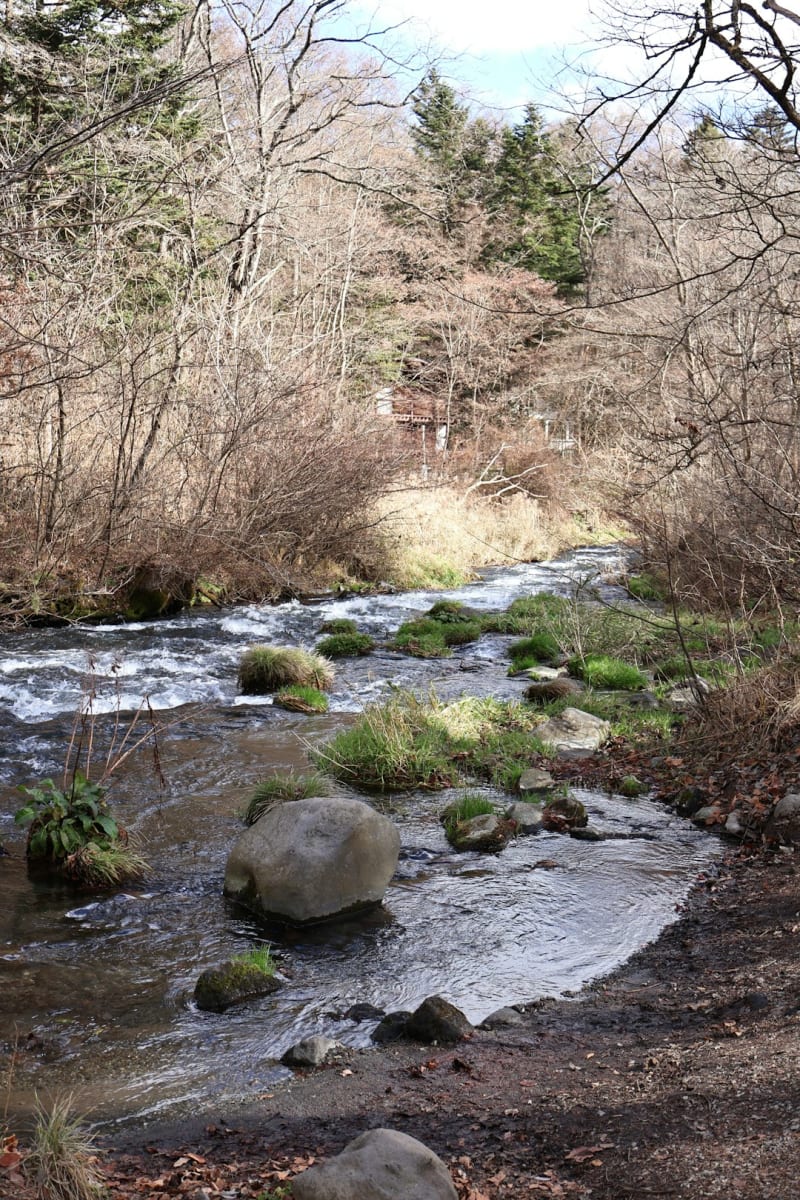 japan
japan Unazuki Onsen
A small hot-spring town at the mouth of Toyama's Kurobe Gorge, where clear alkaline water is piped down from a source high in the mountains and a little red train rattles off into one of the deepest ravines in Japan. It is a place of steam and cedar and the long whistle of the sightseeing railway. You come for the gorge; you stay for the bath.
Explore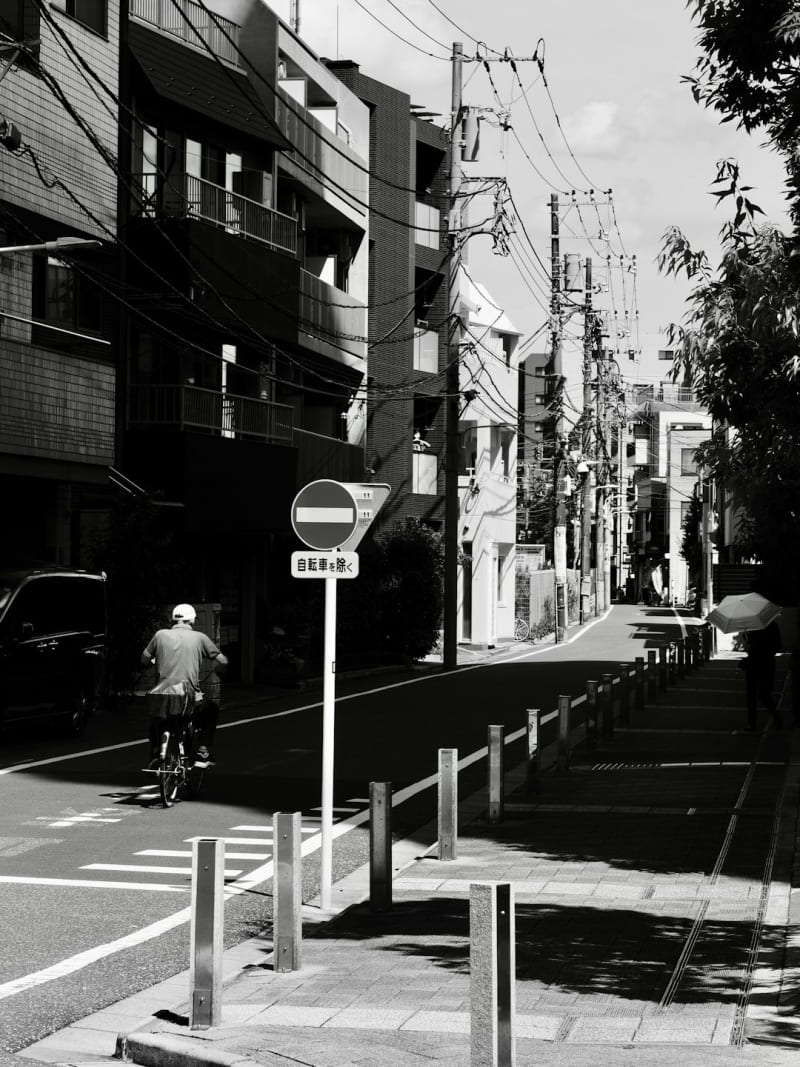 japan
japan Obuse
A small, immaculate chestnut town in the Nagano hills where Hokusai spent his final years painting. A fine museum, sweet-shop lanes scented with roasting chestnuts, and gardens kept with almost obsessive care. Cultured, quiet, and unhurried.
Explore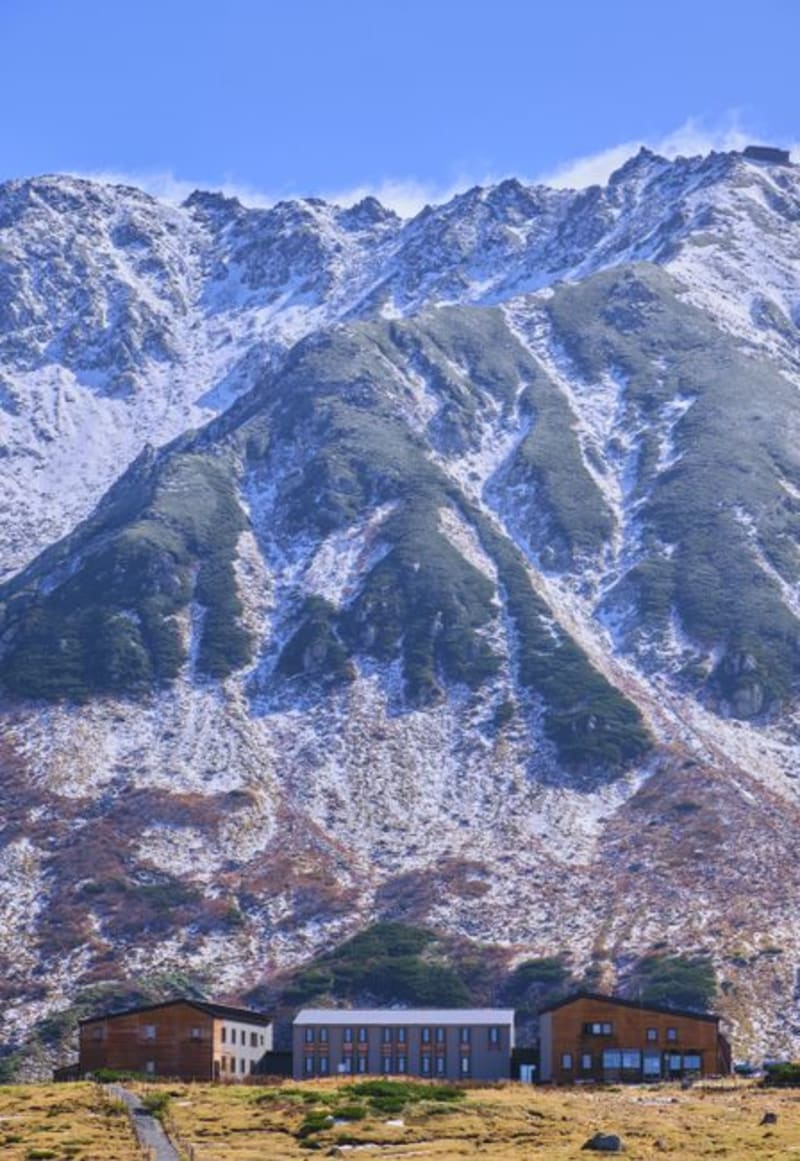 japan
japan Tateyama Kurobe Alpine Route
A spectacular high-mountain crossing linking Toyama and Nagano by cable car, bus and ropeway. Its wonders include the towering spring snow corridor, the great arc of the Kurobe Dam, and the wind-scoured Murodō plateau near the roof of Japan.
Explore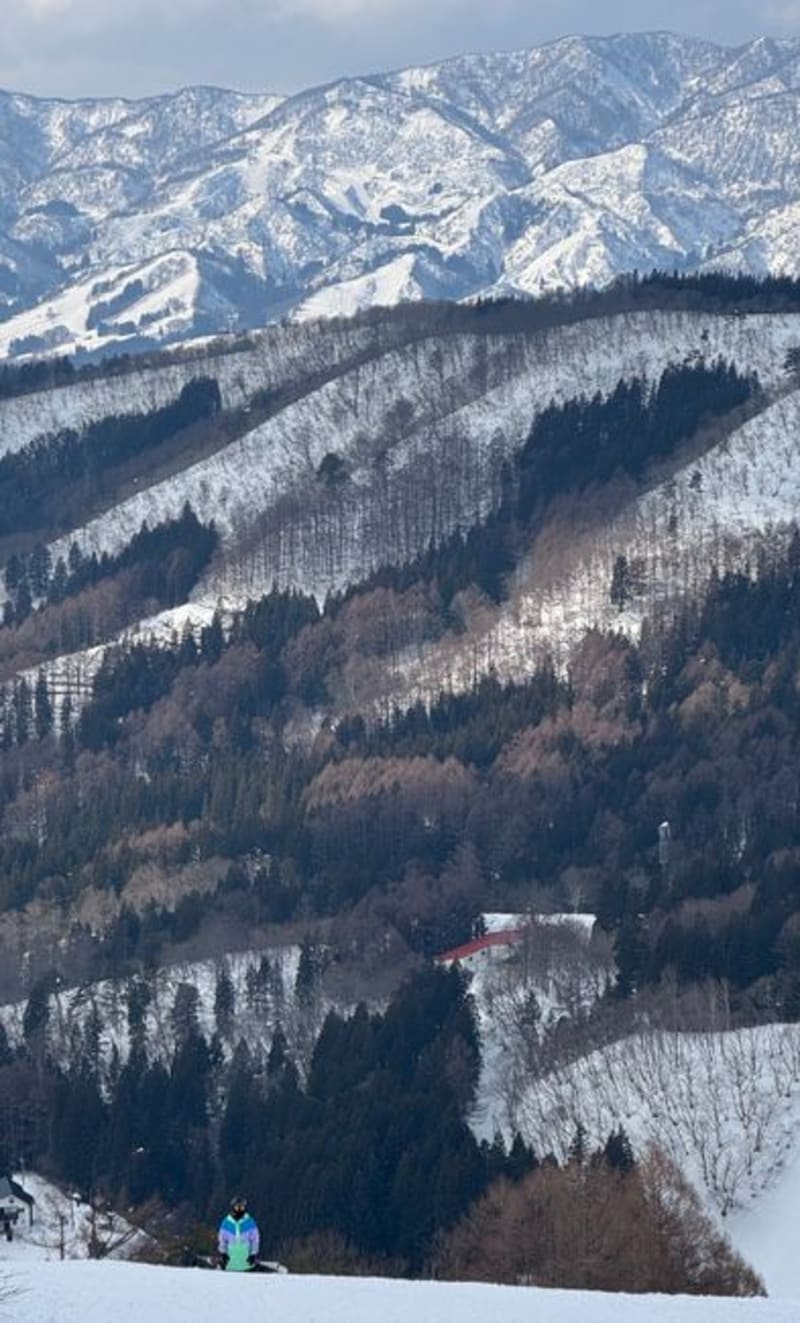 japan
japan Nozawa Onsen
A steep, snow-buried village in northern Nagano where thirteen free public bathhouses steam at the ends of the lanes and skiers and grandmothers share the same scalding water. In winter it's one of Japan's great ski towns; in every season it smells of sulfur and woodsmoke. We came to ski and left converted to the baths.
Explore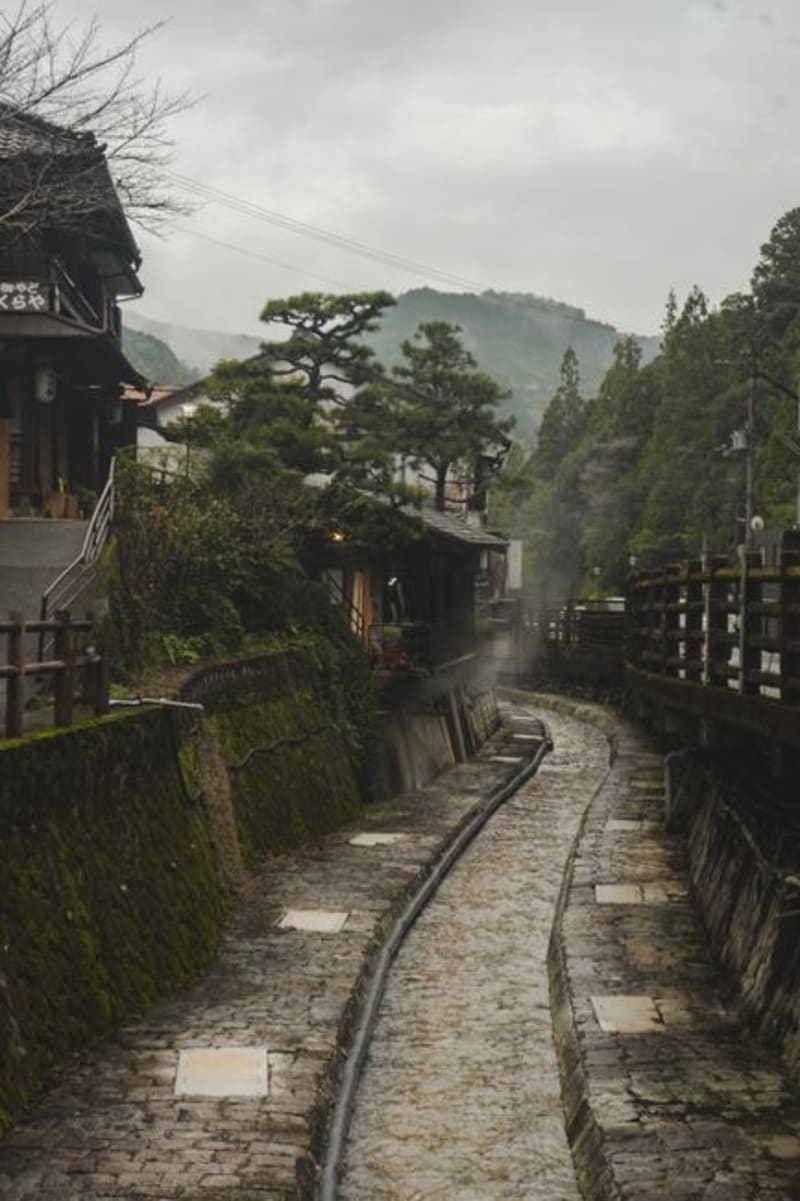 japan
japan Shibu Onsen
A single cobbled lane of wooden inns and steam in the Nagano hills, where guests pad between nine public bathhouses in wooden clogs and cotton robes. Just up the valley the famous snow monkeys bathe in their own hot spring. We came for the monkeys and found the village itself was the reason to stay.
Explore