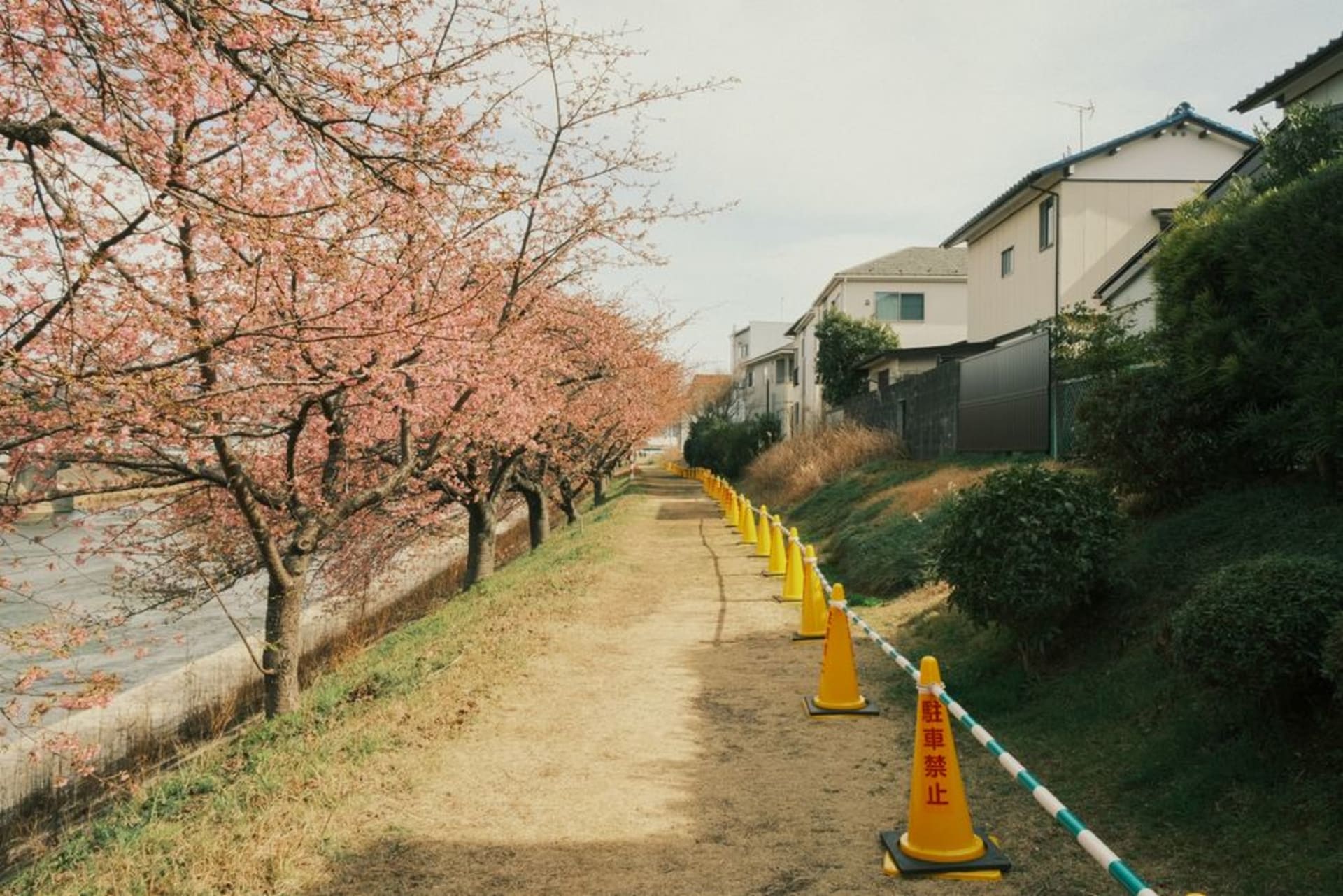
Okazaki
"A shogun was born here, but it was the smell of fermenting miso that I couldn't get out of my clothes."
An Aichi castle city where the shogun Tokugawa Ieyasu was born, its keep rebuilt above a river that fills with cherry blossom in spring. Beneath the samurai history runs a quieter, browner current: this is a town that has been brewing miso in the same wooden vats for centuries.

Everyone told us Okazaki was a stop between things, a name you pass on the way from Nagoya to somewhere prettier. So of course we got off the train. It was Lia’s idea, made on the strength of a single sentence in a guidebook about eight-hundred-year-old miso, and I have learned to trust her when she gets that particular look. We walked out of the station into a bright, unremarkable Japanese city, the kind with pachinko parlours and phone shops, and I’ll admit I doubted her for about twenty minutes. Then we reached the river, and the castle, and the doubt quietly folded itself away.
The birthplace of a shogun
Okazaki Castle is a reconstruction, and I usually shrug at reconstructions, but the story underneath it is real enough to give you goosebumps. Tokugawa Ieyasu, the man who ended a century of civil war and locked Japan into two and a half centuries of peace, was born inside these walls in 1543. Standing in the park, I tried to feel the weight of that and mostly felt the sun and the crows. What did land was small: a well they say was drawn from at his birth, a statue of him as a fat, serene baby, and Lia reading the placards aloud in a deliberately grave voice until we both cracked up. History is easier to love when you’re allowed to laugh at it.

Down the Hatcho miso road
The real pilgrimage was five hundred metres west, in the old district called Hatcho, where two rival houses have been making the near-black, ferociously savoury Hatcho miso for centuries. We took the tour at Kakukyu, ducking into a cavern of a warehouse where wooden vats taller than me stood crowned with pyramids of river stones, thousands of them, stacked by hand to weight the fermenting paste. The air was thick and sour-sweet and got into everything. Lia bought a tub of miso and a miso-flavoured soft-serve ice cream, ate the second while carrying the first, and declared it the strangest and best dessert of the trip. She wasn’t entirely wrong.

The river at the blue hour
We’d meant to catch an evening train, but the Otogawa river stopped us. Along its banks Okazaki has strung the promise of one of Japan’s great cherry-blossom seasons, and even out of bloom the avenue of bare trees framed the water beautifully as the light went soft and violet. Families were out walking dogs. A boy practised trumpet badly and bravely under a bridge. The castle lit up gold across the river, and Lia leaned on the railing and said this was the sort of place people live in without ever thinking to brag about it, which felt exactly right. We missed the train we’d planned on and caught a later one, still smelling of miso.

Getting There
Okazaki sits on the main line between Nagoya and Toyohashi in Aichi Prefecture. The fastest approach is the Meitetsu Nagoya line to Higashi Okazaki Station, about thirty minutes from Nagoya and a short walk from the castle park and the Hatcho miso district. JR’s Okazaki Station is a little further from the sights, so the Meitetsu route is the one to choose. It makes an easy half-day from Nagoya, but give it longer if you can, especially in early April when the riverbanks turn to cloud.
Keep exploring
More of Chūbu
Keep exploring
More from Chūbu
 japan
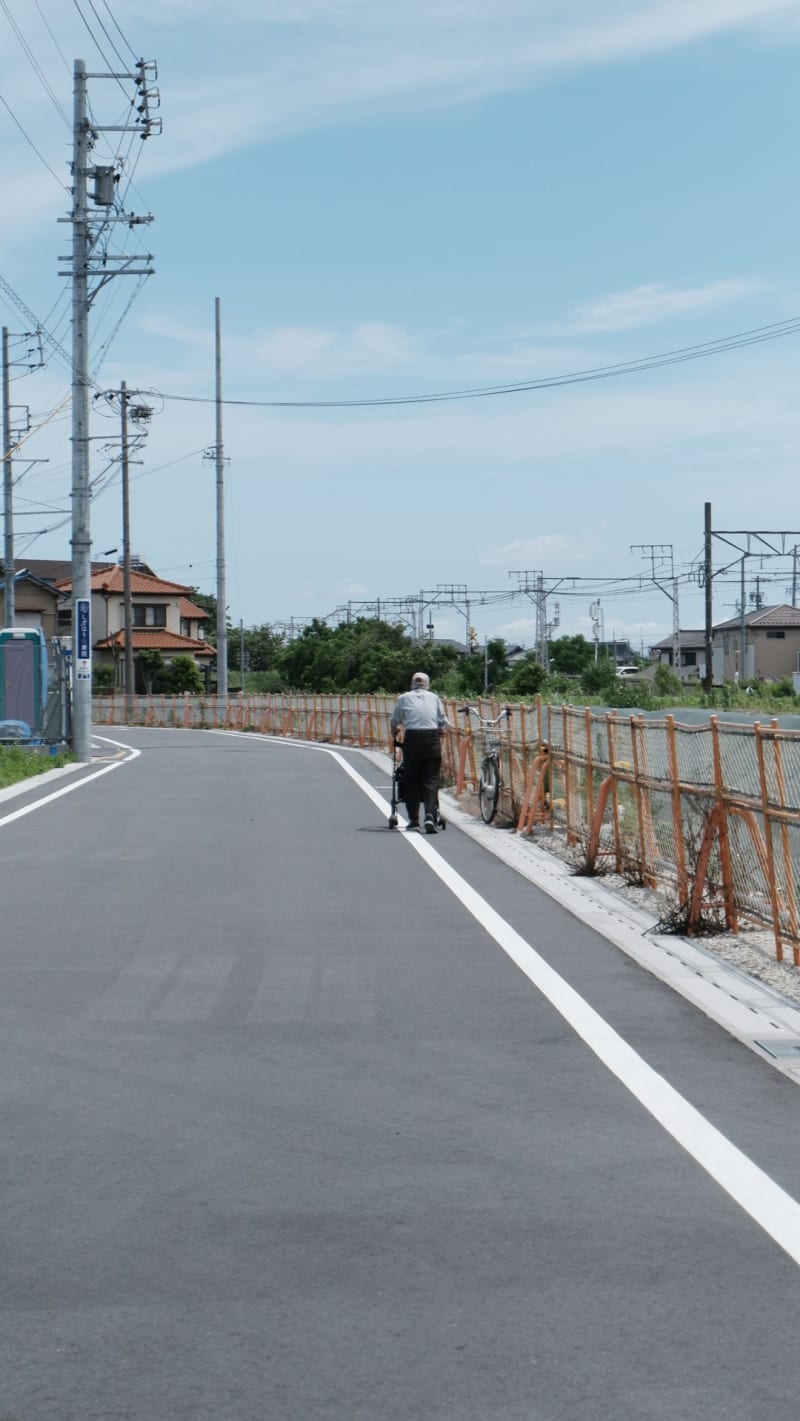
japan Nagoya
Japan's industrious fourth city, too often skipped between Tokyo and Kyoto. A golden-finned castle, an ancient forest shrine, and some of the heartiest food in the country.
Explore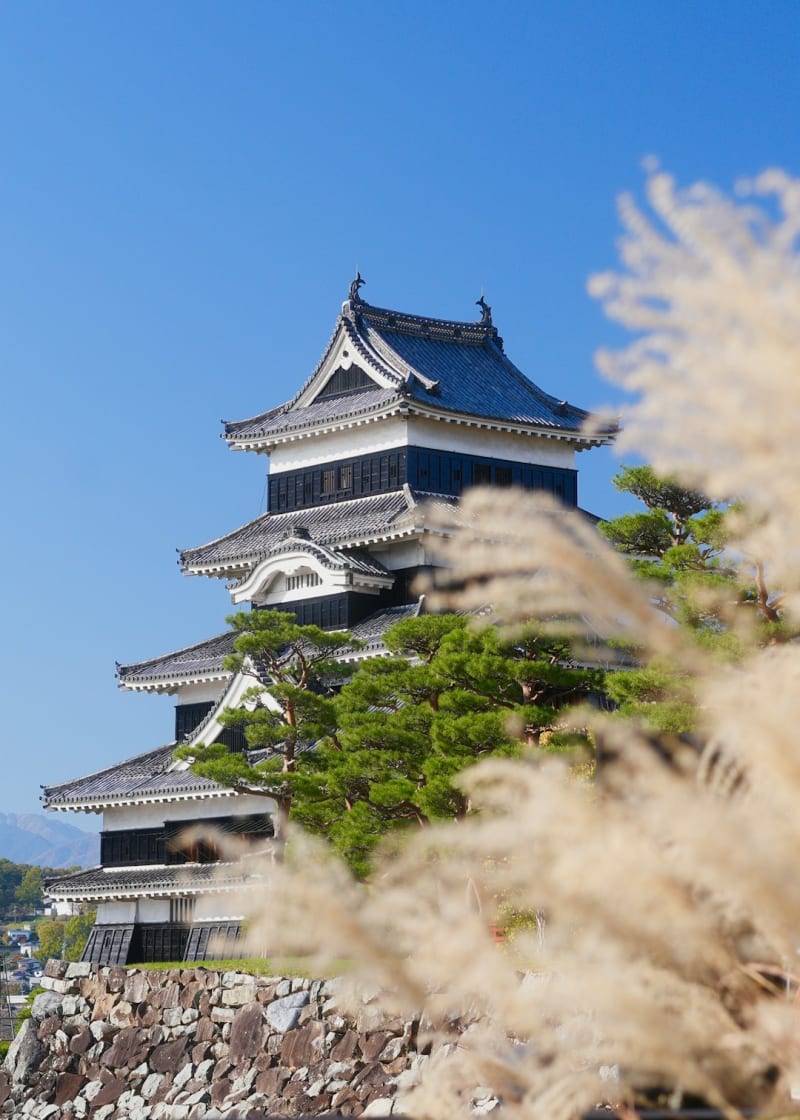 japan
japan Inuyama
A small Aichi castle town on a bend of the Kiso river, crowned by one of Japan's oldest original keeps. We came for the castle and stayed for the quiet — the old street, the open-air museum of a vanished century, and cormorant fishing on the water at dusk.
Explore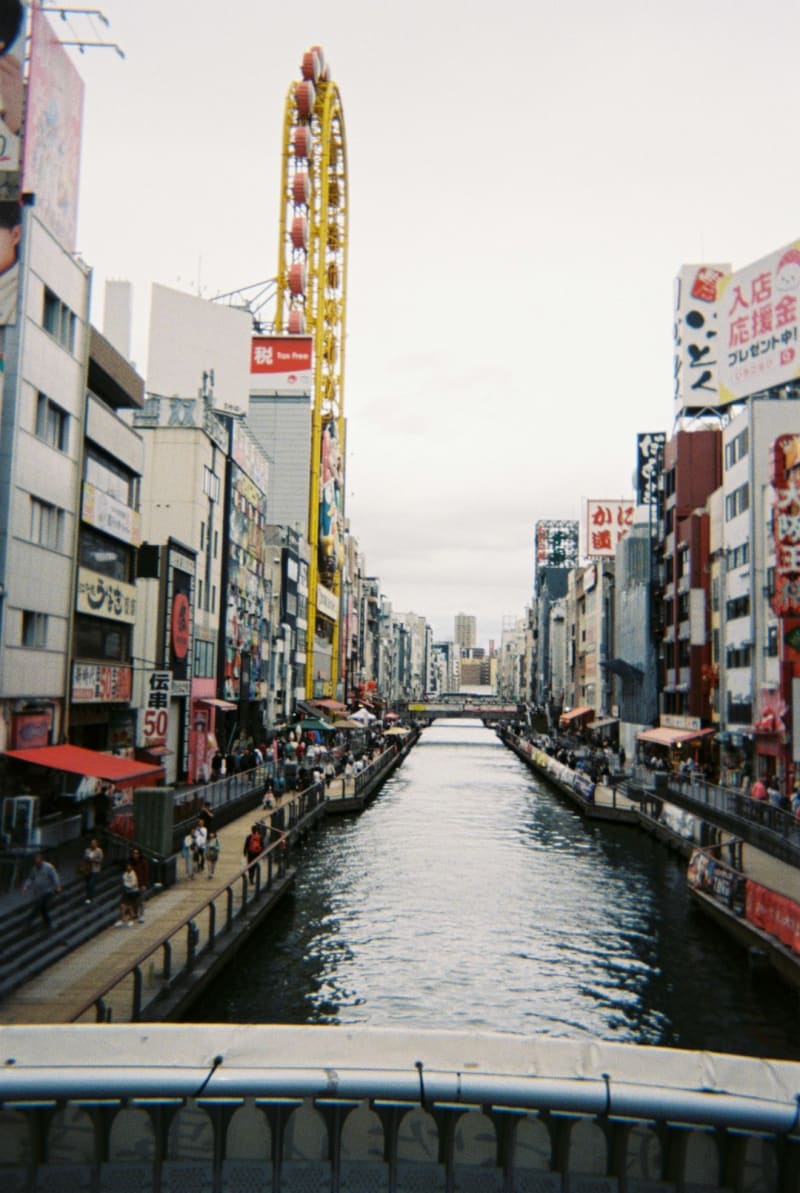 japan
japan Ena
A Gifu town where the Kiso River pools into the Enakyō gorge, a two-kilometre stretch of water walled by strange wind-and-water-sculpted cliffs and pinnacles. Old Nakasendō post-road country, of ceramic hills, chestnut sweets, and slow boats gliding beneath the crags.
Explore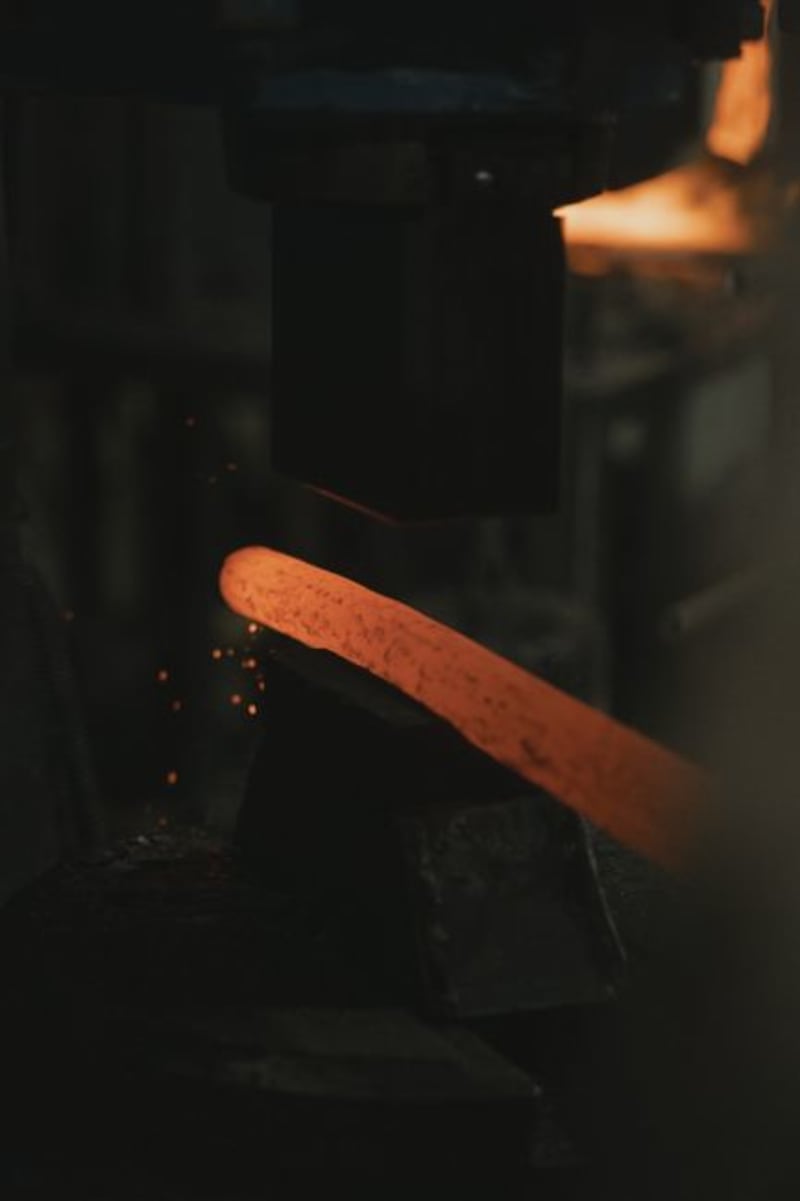 japan
japan Seki
A Gifu town that has forged blades for seven hundred years, once the sword capital of Japan and still one of the world's great centres of cutlery. A place where you can watch a smith fold and hammer glowing steel, and where the whole town smells faintly of hot metal and cherry-charcoal.
Explore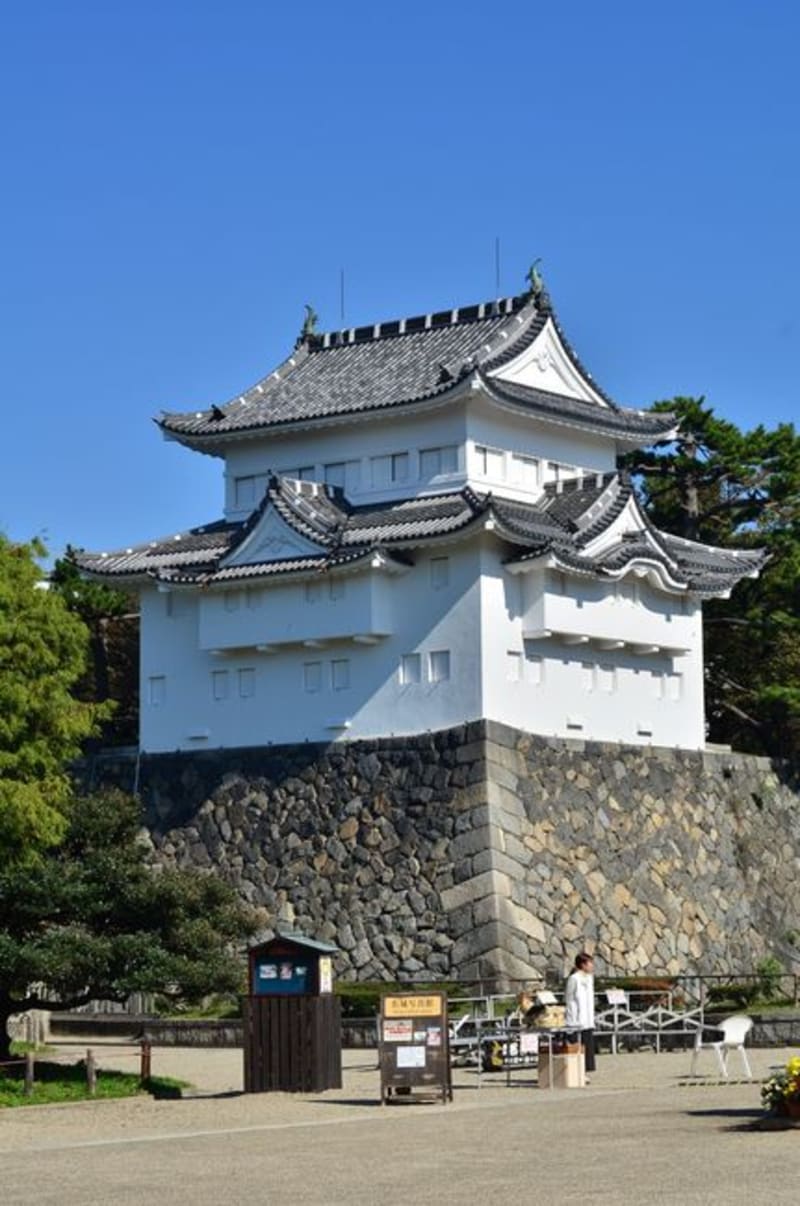 japan
japan Hamamatsu
A workmanlike city on the shore of a brackish lake, quietly famous for three things: grilled eel served with real ceremony, a heritage of building the world's pianos and motorcycles, and a spring festival where enormous kites do battle in the sky above the dunes.
Explore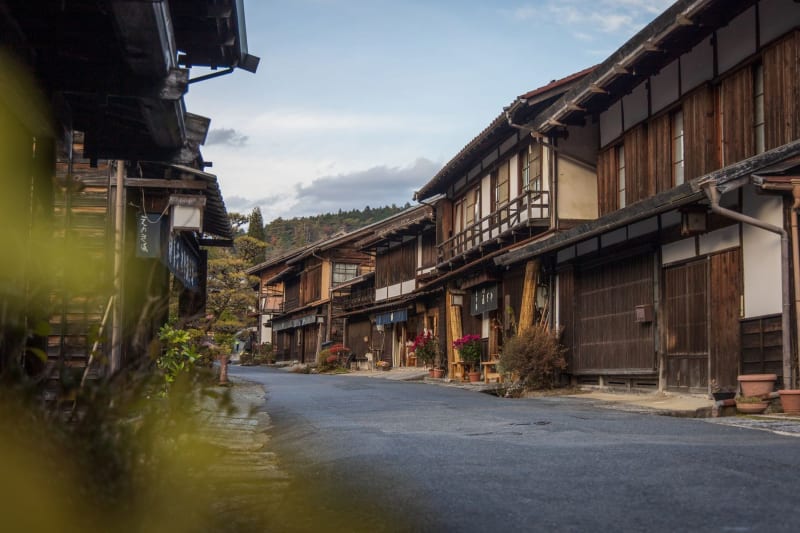 japan
japan Tsumago
A perfectly preserved Edo-period post town on the Nakasendo trail in the Kiso Valley, with cars banned from the main street.
Explore