Kantō is the flat, populous plain that spreads out from the head of Tokyo Bay, and it is the gravitational center of contemporary Japan. Nowhere else concentrates so much energy, and yet the region’s great appeal for a traveler is how quickly that intensity gives way to shrines, forests, coastlines, and hot springs — all reachable on a short train ride and back before dinner. This is the part of the country most visitors see first, and its combination of a world-capital and a ring of gentler escapes makes it an ideal introduction to everything Japan can be.
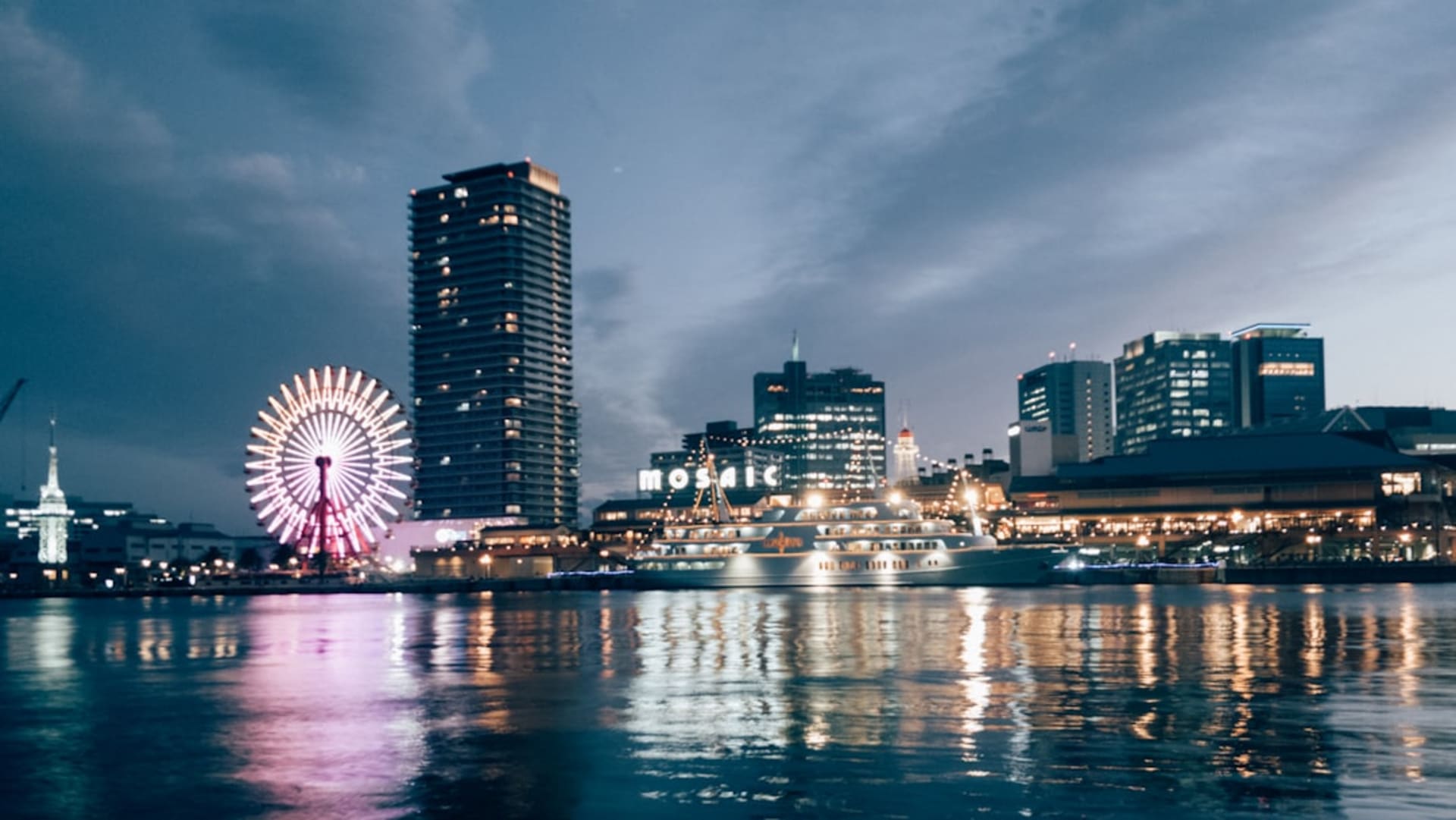
At the center, of course, is Tokyo — less a single city than a constellation of districts, each with its own character, from neon-washed crossings and glass towers to wooden temples, backstreet izakaya, and quiet residential lanes. It rewards endless exploration and never quite resolves into one thing. On its eastern edge, Tokyo Disney Resort draws families in their millions to two of the most polished theme parks in the world, an easy and joyful counterpoint to the city’s grown-up pleasures. Just south, the port city of Yokohama offers a breezier, more open waterfront, a lively Chinatown, and a skyline that glows over the bay at night.
The day trips are where Kantō really earns its keep. Kamakura, an hour from the city, was once Japan’s medieval capital, and it keeps that legacy in a giant bronze Buddha seated in the open air, wooded temple valleys, and a laid-back surf coast. Northward, Nikkō hides an astonishing complex of gilded, intricately carved shrines and mausoleums deep in a cedar forest, set amid waterfalls and mountain lakes. And to the west, the hot-spring valley of Hakone pairs its steaming baths and mountain railways with views of Mount Fuji rising across a lake — a classic first taste of onsen country.
Travel in Kantō is almost effortless, laced together by one of the densest and most reliable rail networks on earth. You can base yourself in the capital and fan out day by day — to the coast, to the mountains, to the shrines — or use it as the launchpad for the rest of the country. Either way, this is the plain where modern Japan is made, and where its ancient and futuristic faces sit closest together.
Explore
Places in Kantō
 japan
japan Ashikaga
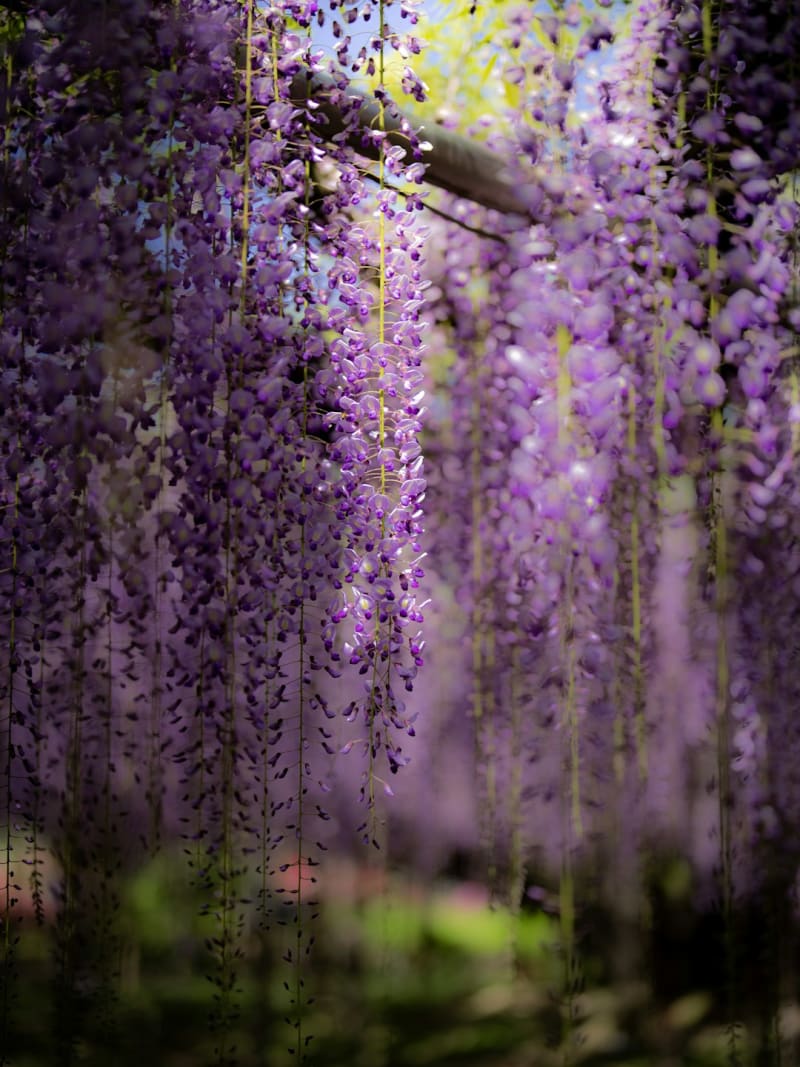
A quiet Tochigi town where a single wisteria tree the age of a great-grandmother spills violet across an acre of sky. Beyond the flowers there is Japan's oldest school and a river valley that no tour bus ever seems to reach.
Explore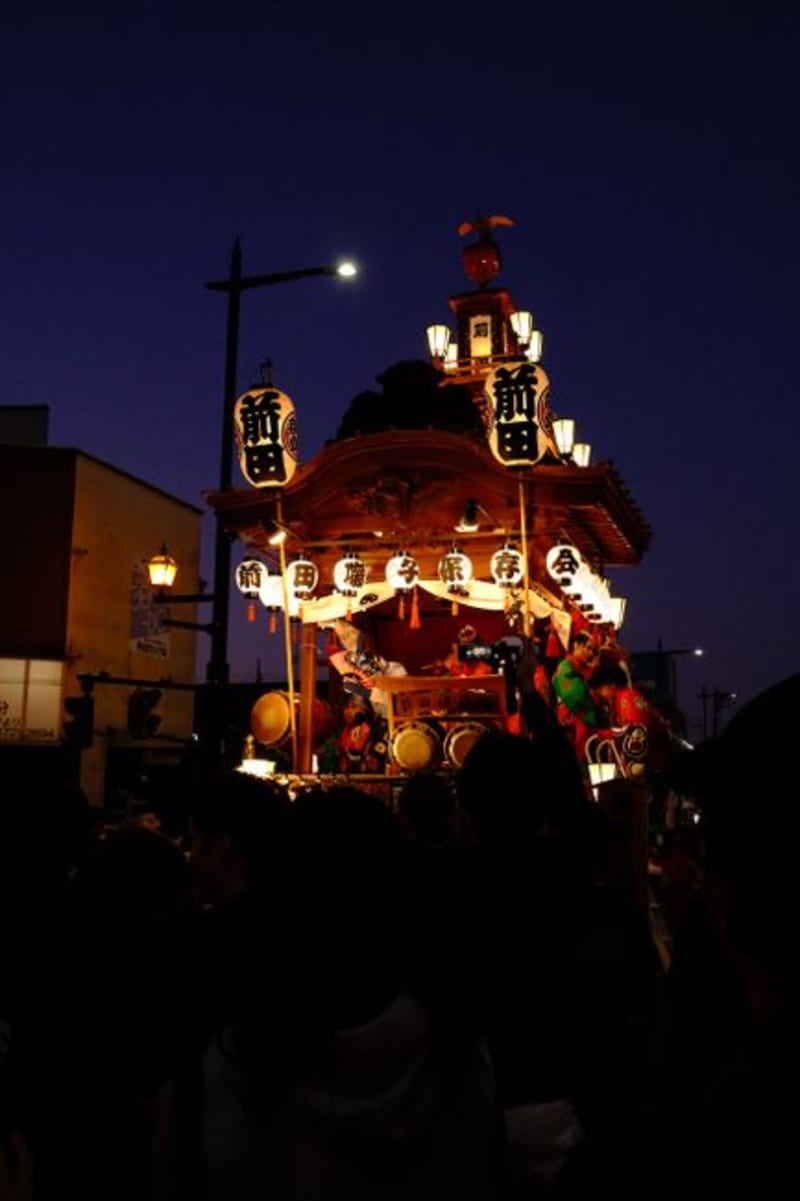 japan
japan Chichibu
A mountain-ringed basin in western Saitama, close to Tokyo and yet somehow overlooked — a district of old shrines and river valleys, of pilgrim temples and pink hills of moss phlox, and of one December night when floats hung with lanterns are hauled up a hill under fireworks.
Explore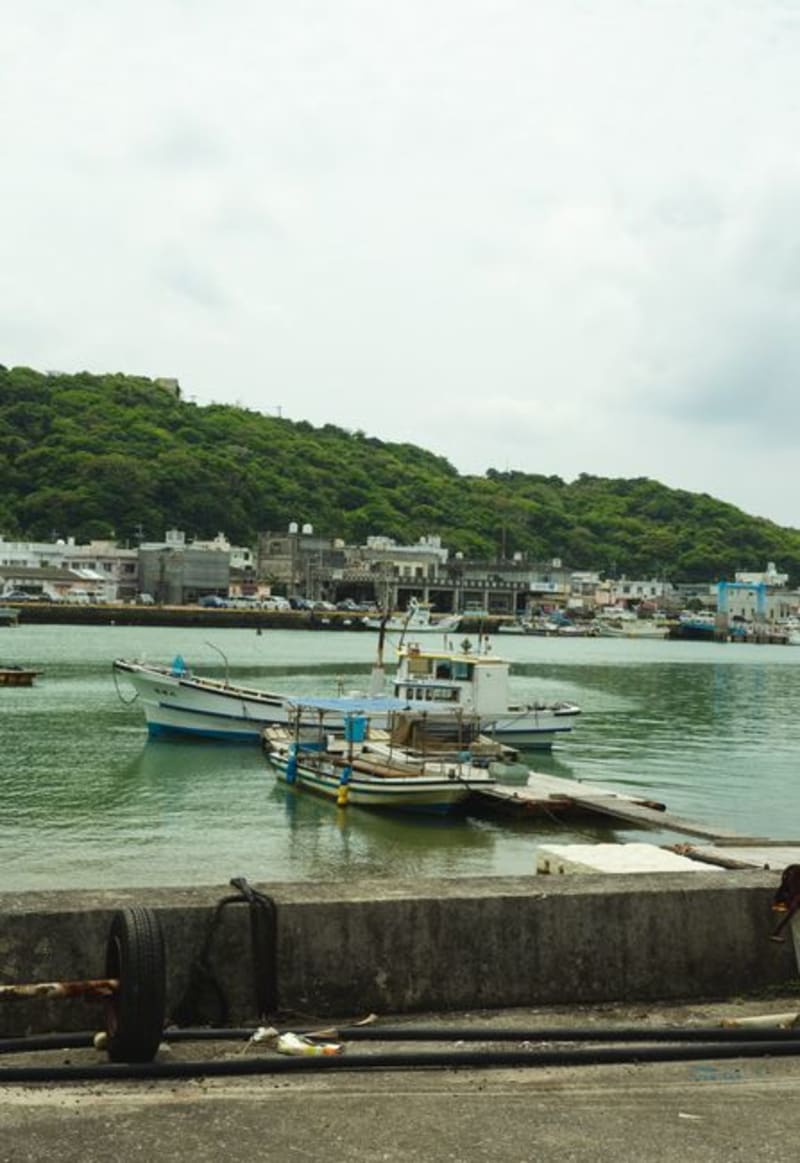 japan
japan Choshi
A blustery cape at the far eastern edge of Chiba, where the Pacific arrives first each morning and a white lighthouse leans into the wind. Fishing boats, soy-sauce breweries, and a little clifftop train that rattles out to the sea. The kind of place that smells of brine and fermenting beans at once.
Explore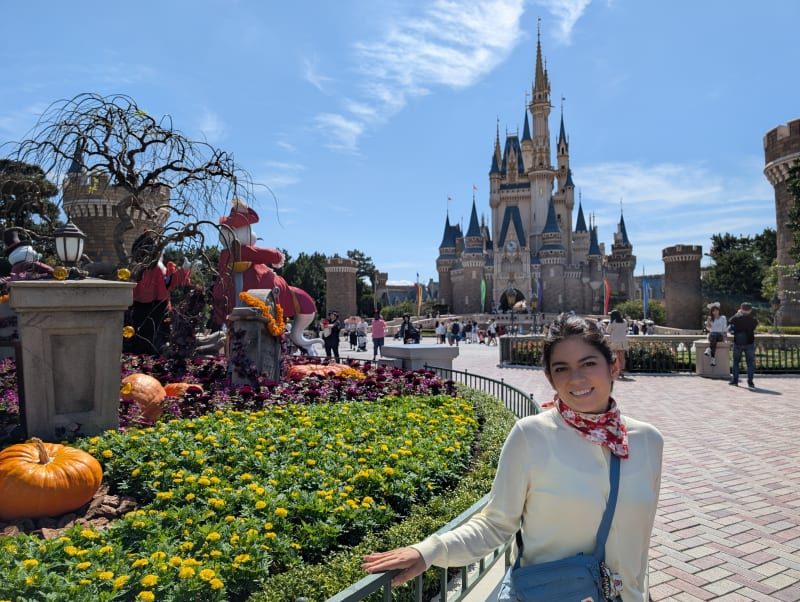 japan
japan Disney Tokyo
Disneyland and DisneySea — theme parks elevated to art by Japanese precision, obsessive detail, and a sincerity that makes cynicism impossible.
Explore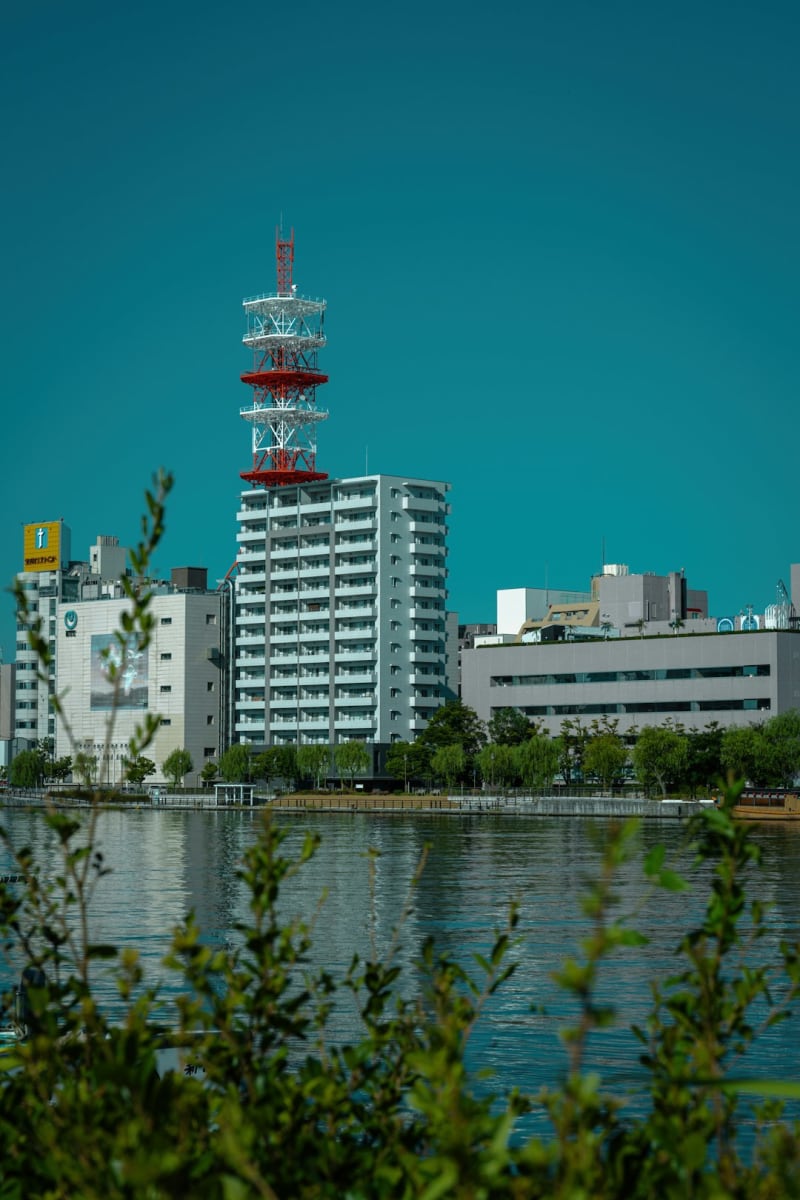 japan
japan Enoshima
A small shrine-crowned island off the Shōnan coast near Kamakura, reached by a long low bridge over the sea. Sea caves at its far tip, Mount Fuji across the water on a clear evening, and the salt-and-grilled-squid smell of a Japanese seaside afternoon.
Explore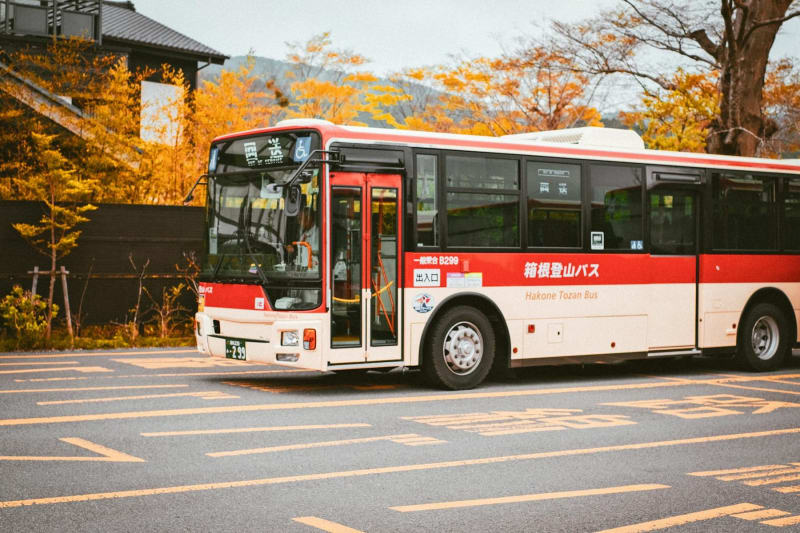 japan
japan Hakone
Volcanic hot-spring town offering the clearest views of Fuji across the caldera lake.
Explore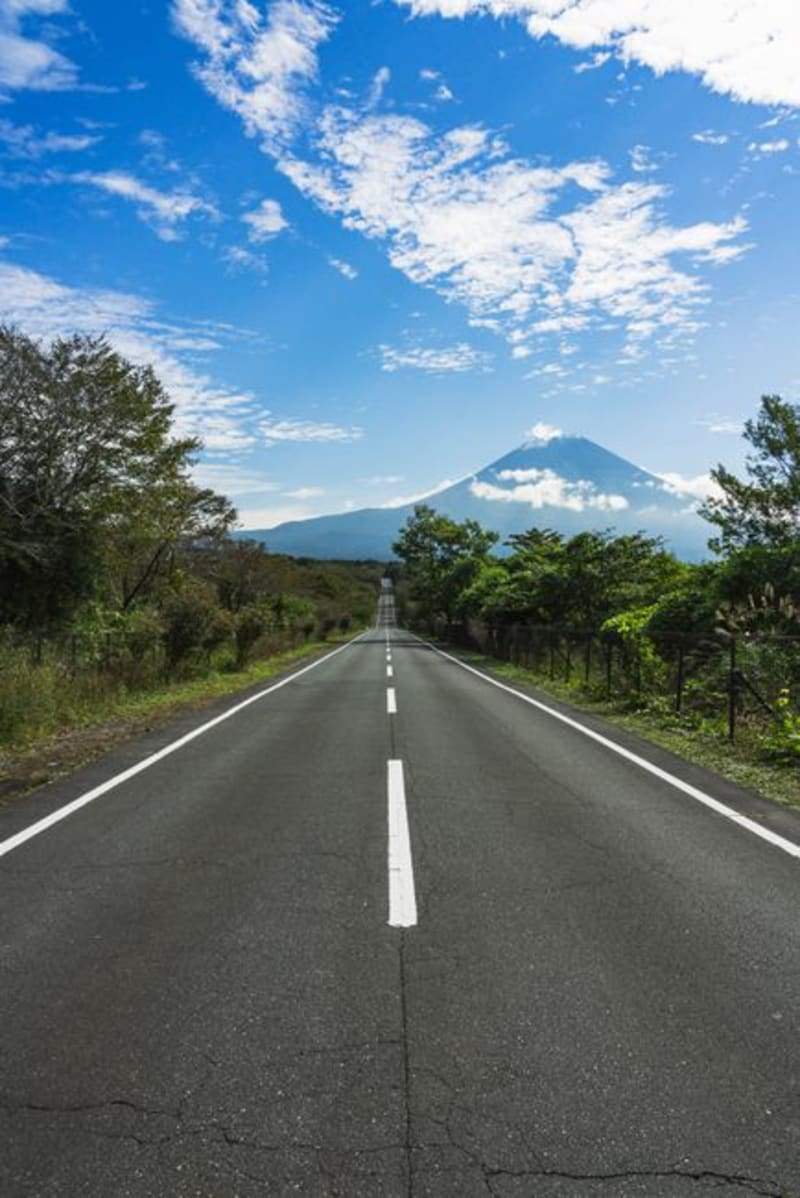 japan
japan Mount Haruna
A collapsed Gunma volcano cradling a still crater lake and a shrine older than most nations. Lia and I climbed here for the quiet and found something stranger — a place where the mountain itself seems to be watching. The kind of stillness that makes you lower your voice.
Explore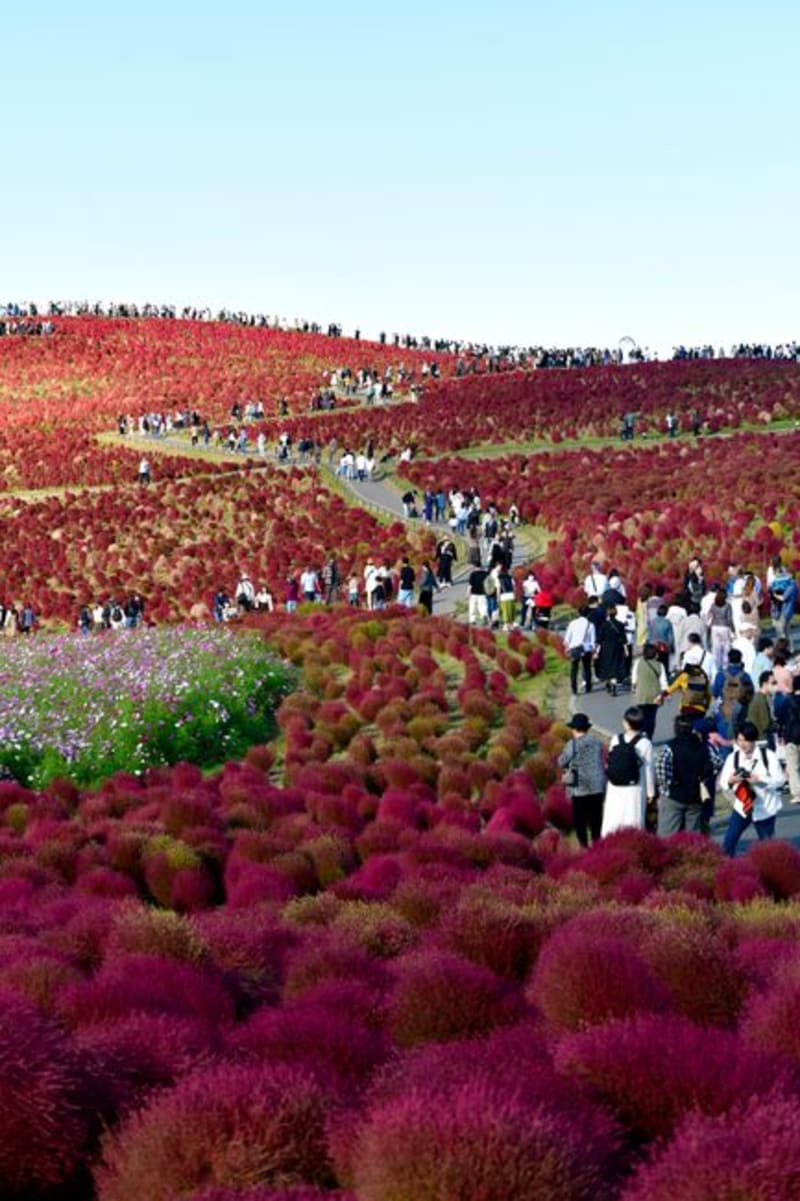 japan
japan Hitachi Seaside Park
A vast coastal park on the Ibaraki shore where, for a few weeks each spring, a whole hill turns sky-blue with millions of nemophila — and in autumn the same slope burns crimson with round bushes of kochia. One of the most photographed places in Japan, and for once the photographs undersell it.
Explore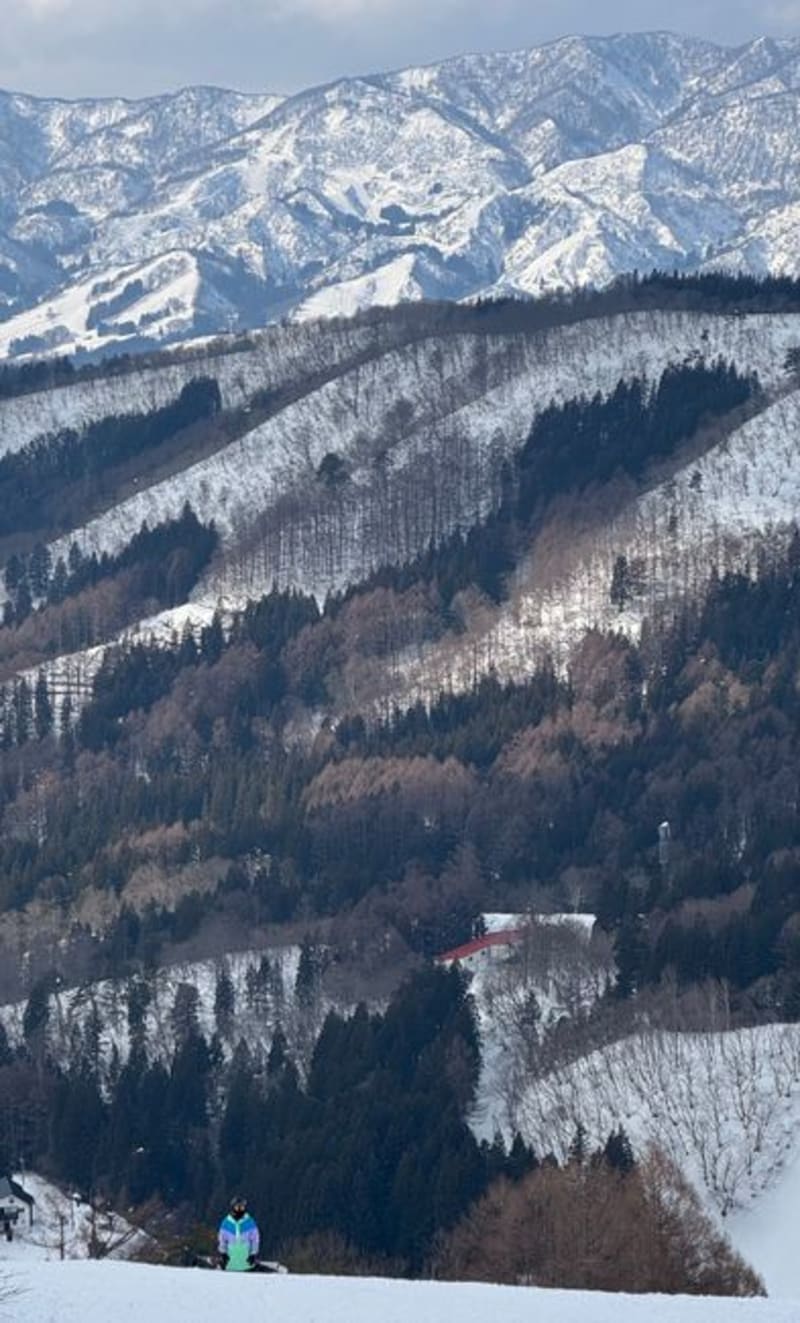 japan
japan Ikaho Onsen
A hot-spring town built up the side of a Gunma mountain around a single, famous stone stairway of 365 steps, lined with bathhouses, game halls, and steam rising into the cedar dusk. Ikaho is old-fashioned onsen Japan at its most atmospheric.
Explore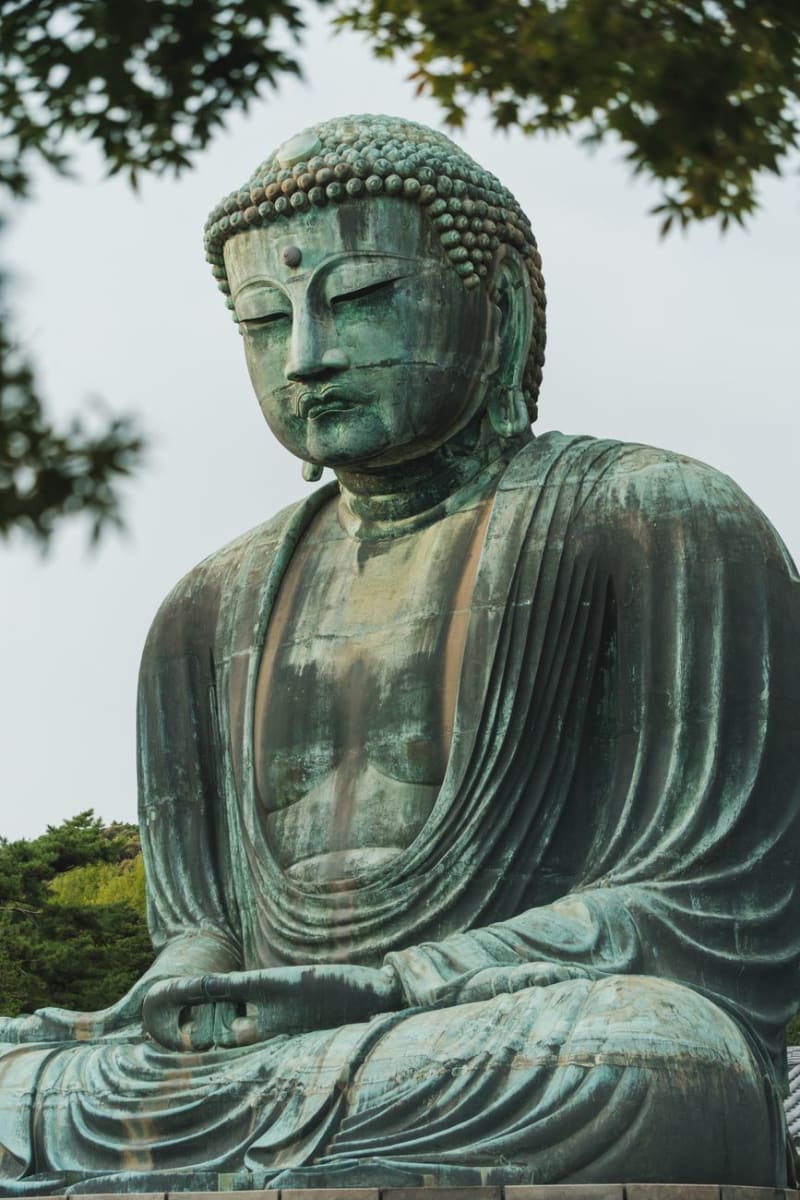 japan
japan Kamakura
A seaside temple town an hour from Tokyo, where a giant bronze Buddha sits open to the sky and the hills behind hide some of Japan's quietest shrines.
Explore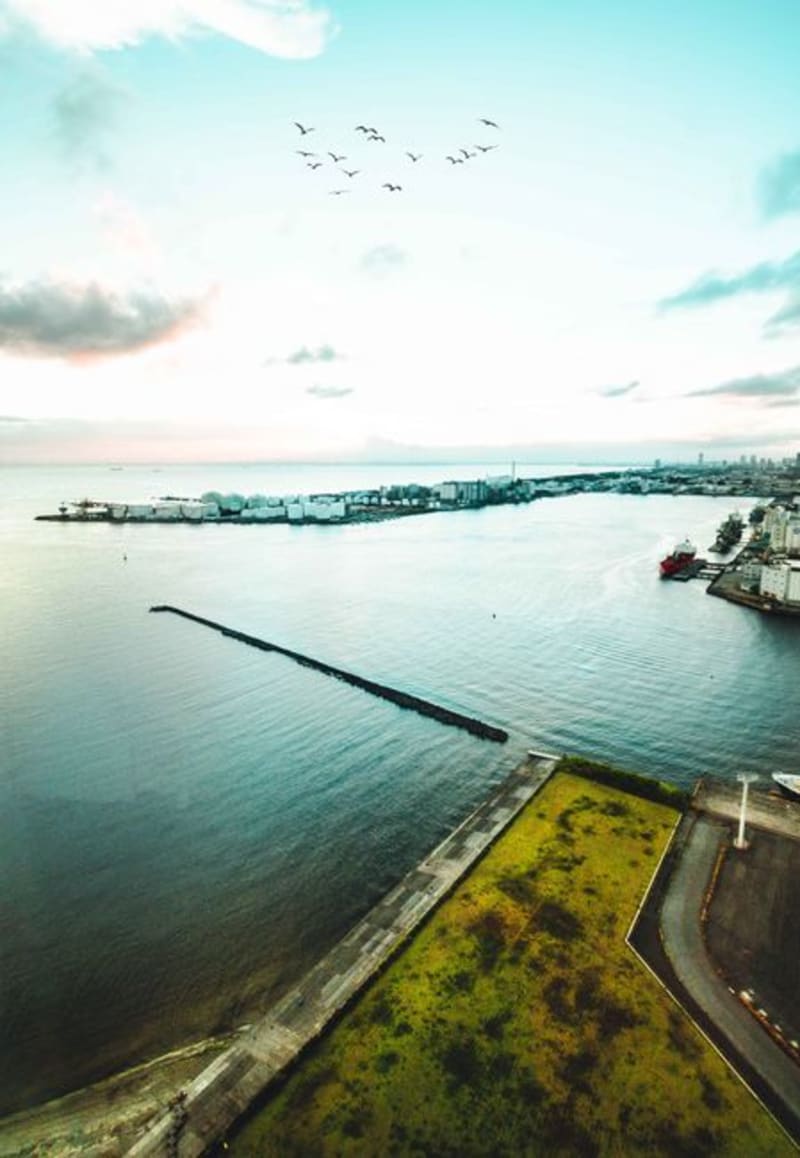 japan
japan Katsuura
A weather-softened fishing town on the Pacific side of Chiba, home to one of Japan's three oldest morning markets, going strong for more than four centuries. Grandmothers selling seaweed off blue tarps, a coastline of tide pools, and tuna hauled in fresh enough to shame the city. Slow, salt-stained, and utterly unbothered by trends.
Explore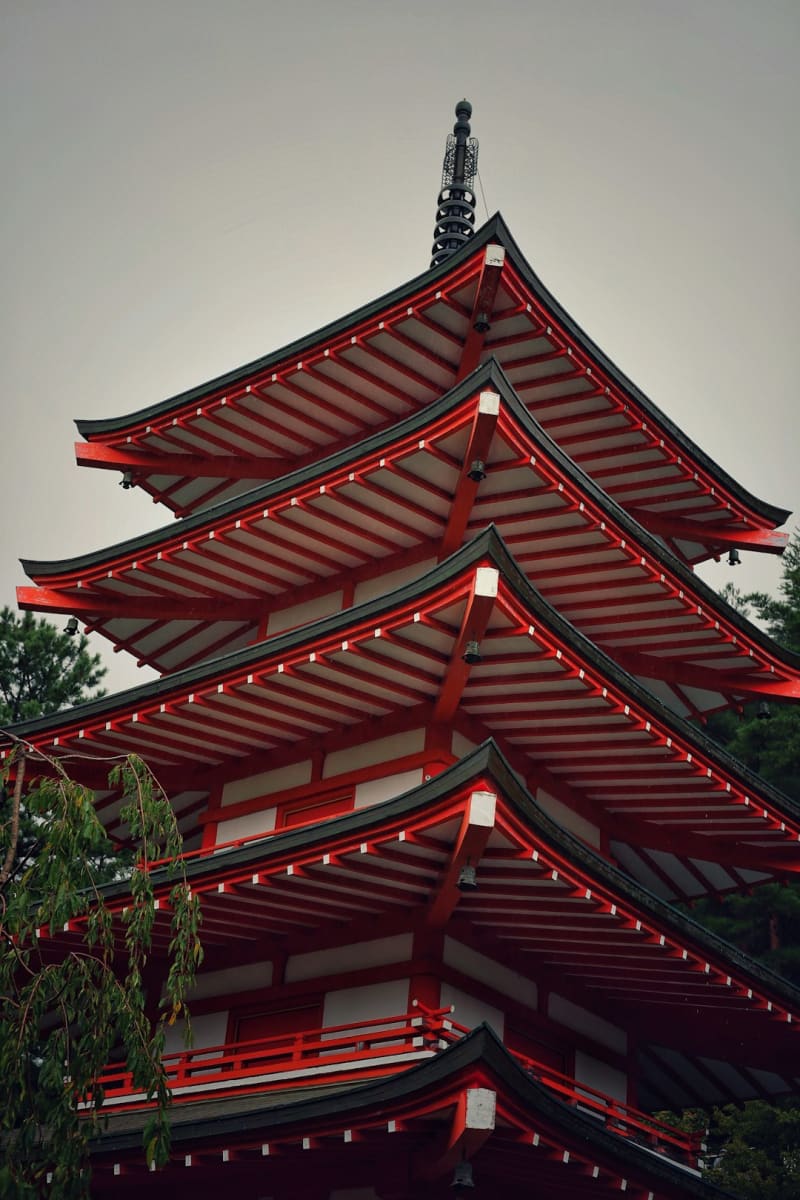 japan
japan Kawagoe
A Saitama town that kept its Edo-era face when Tokyo lost its own — a street of black clay-walled warehouses, a wooden bell tower that still marks the hours, and an alley that smells of burnt sugar. The easiest half-day escape from the capital I know.
Explore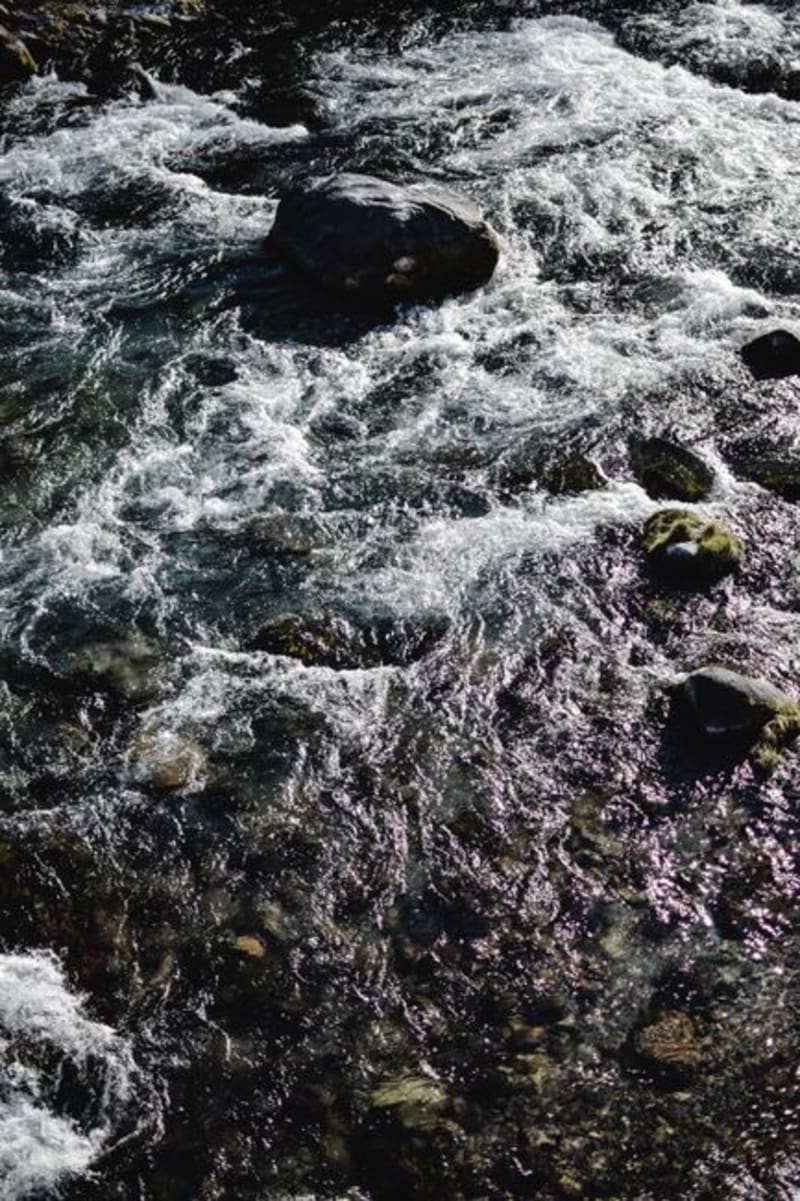 japan
japan Kinugawa Onsen
A Tochigi gorge hot-spring resort strung along a jade-green river, an easy detour from the temples of Nikko. Kinugawa is a place of grand riverside bathhouses, a wooden pleasure-boat drifting between cliffs, and — endearingly — a faint air of faded bubble-era glory. We came to soak, and found the melancholy oddly beautiful.
Explore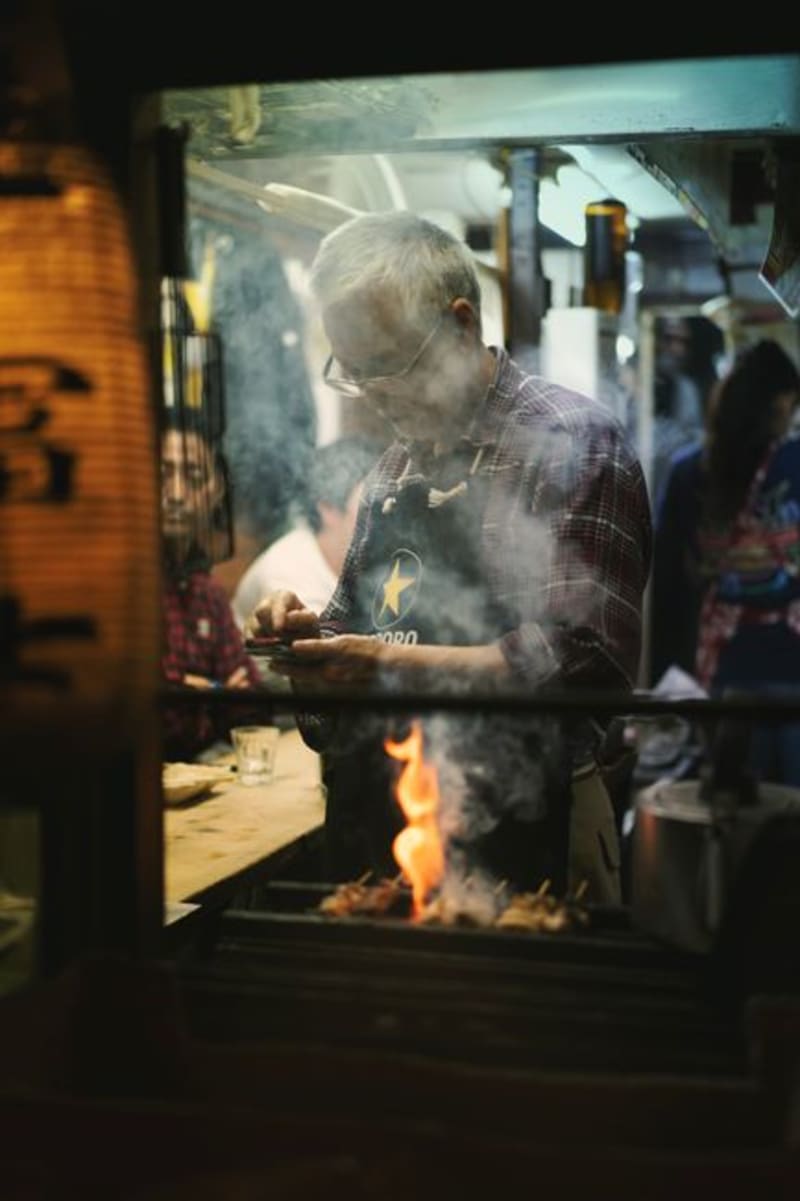 japan
japan Kusatsu Onsen
A hot-spring town high in the Gunma mountains, built around a steaming field of scalding water that pours through the middle of the streets. Sulphur in the air, snow on the roofs, and women singing as they cool the water by hand with wooden paddles.
Explore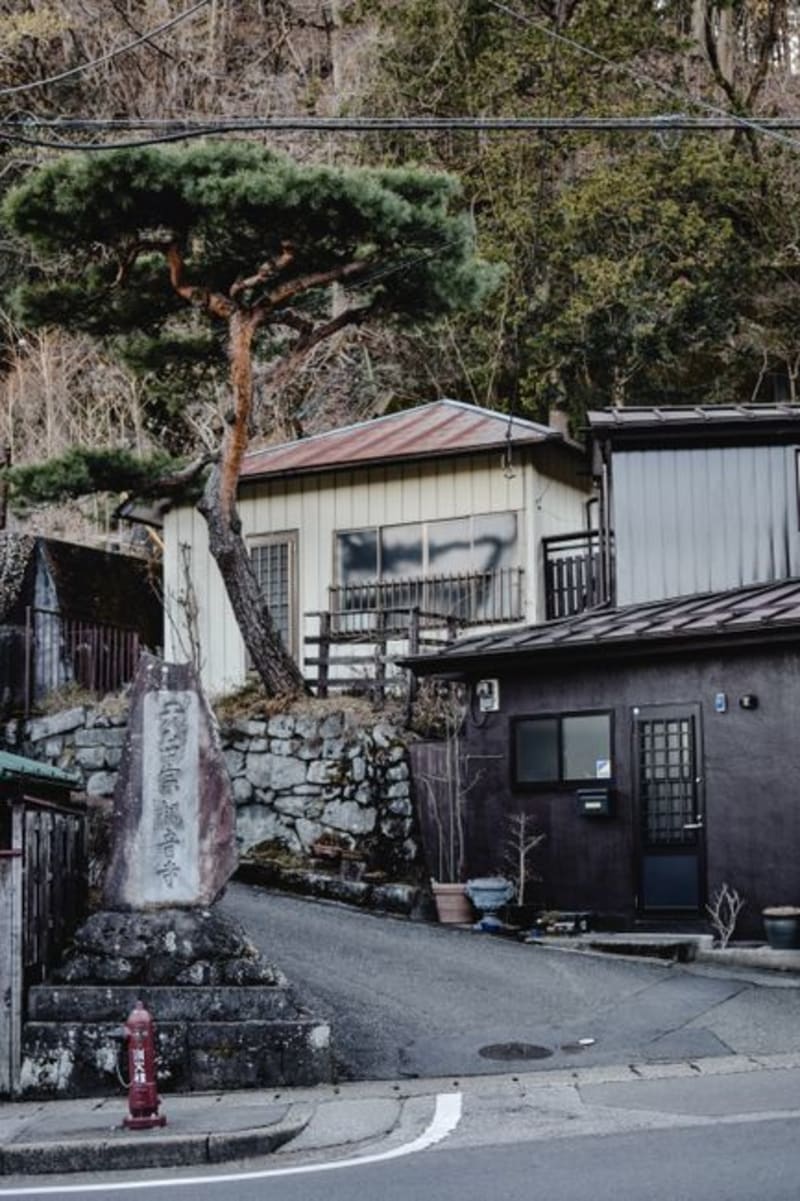 japan
japan Mashiko
A Tochigi pottery town where the clay is coarse, the glazes are earthy, and beauty is supposed to come from use. Home of the mingei folk-craft movement and Shoji Hamada's kilns, Mashiko fills twice a year with a sprawling pottery fair. It taught us to buy the cup with the thumbprint still in it.
Explore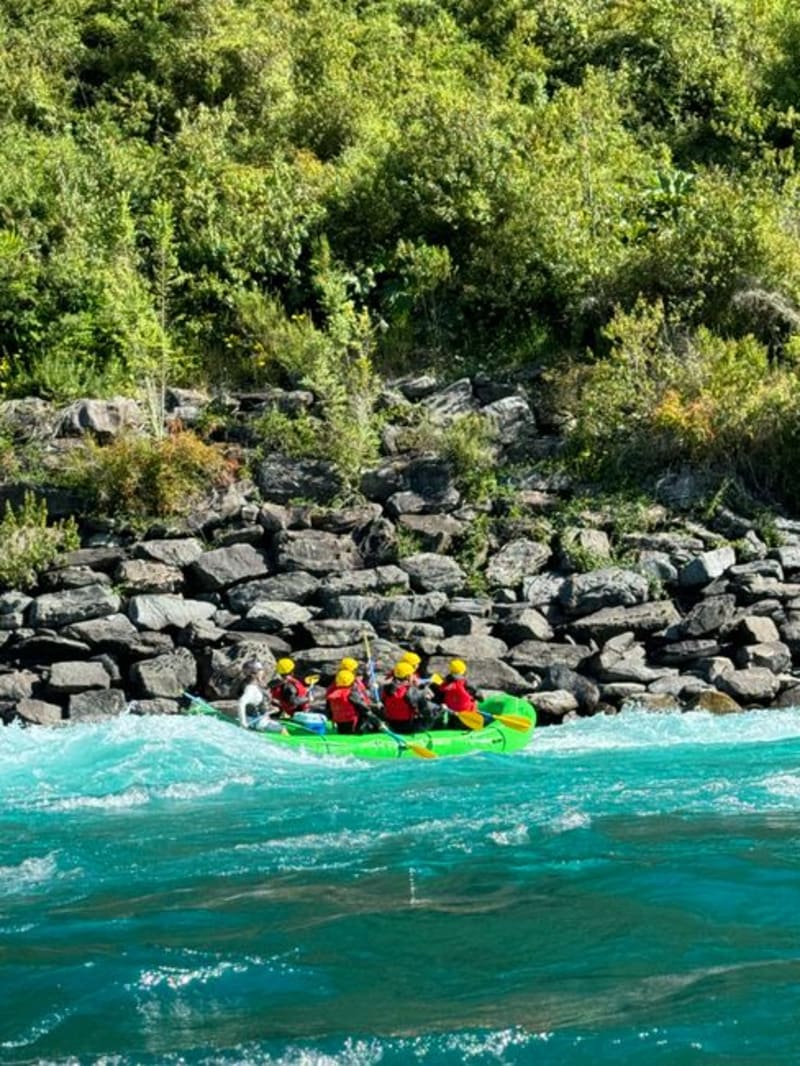 japan
japan Minakami
A mountain hot-spring town in northern Gunma where the upper Tone river tears out of the peaks and adventure outfitters share the valley with old wooden onsen. In summer you raft; in winter the snow falls in metres and you sink into steaming water with white all around.
Explore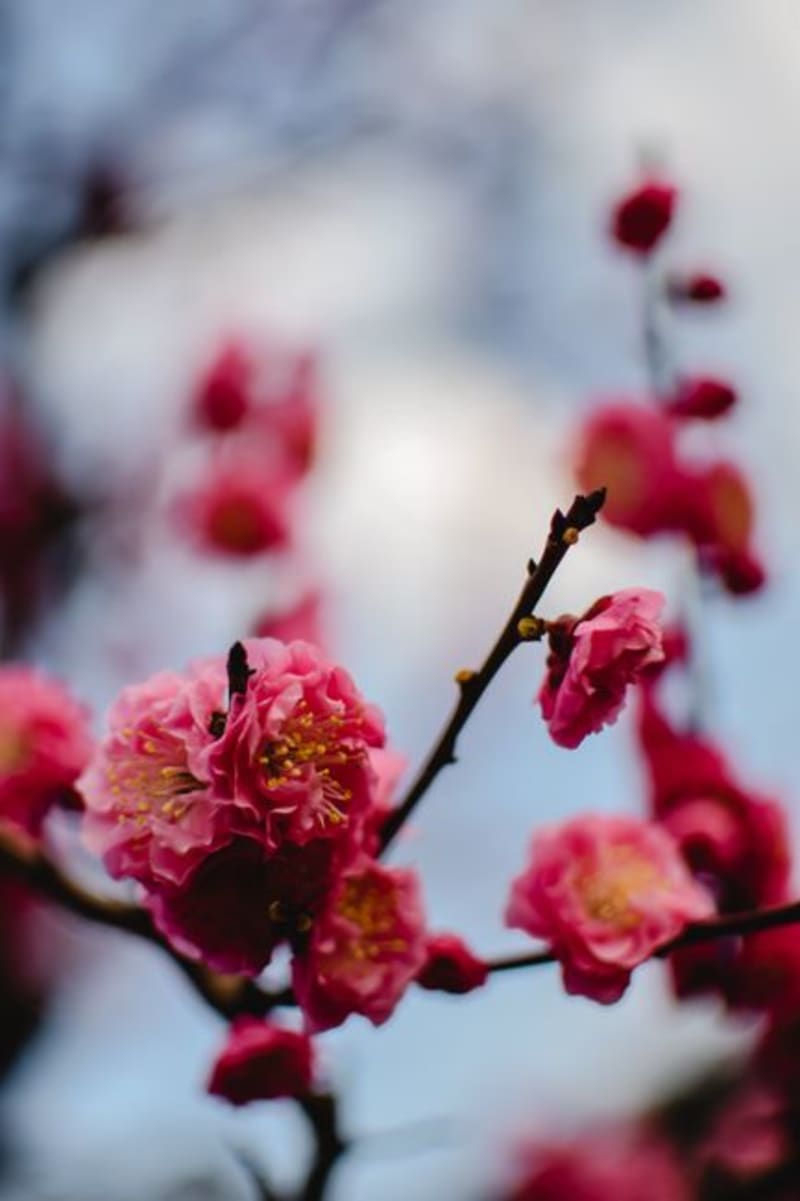 japan
japan Mito
The capital of Ibaraki, built around one of Japan's three great landscape gardens. In late winter three thousand plum trees turn Kairakuen pink and white and fill the cold air with scent, while an elegant wooden pavilion looks out over it all — and the town quietly insists you try its famous fermented beans.
Explore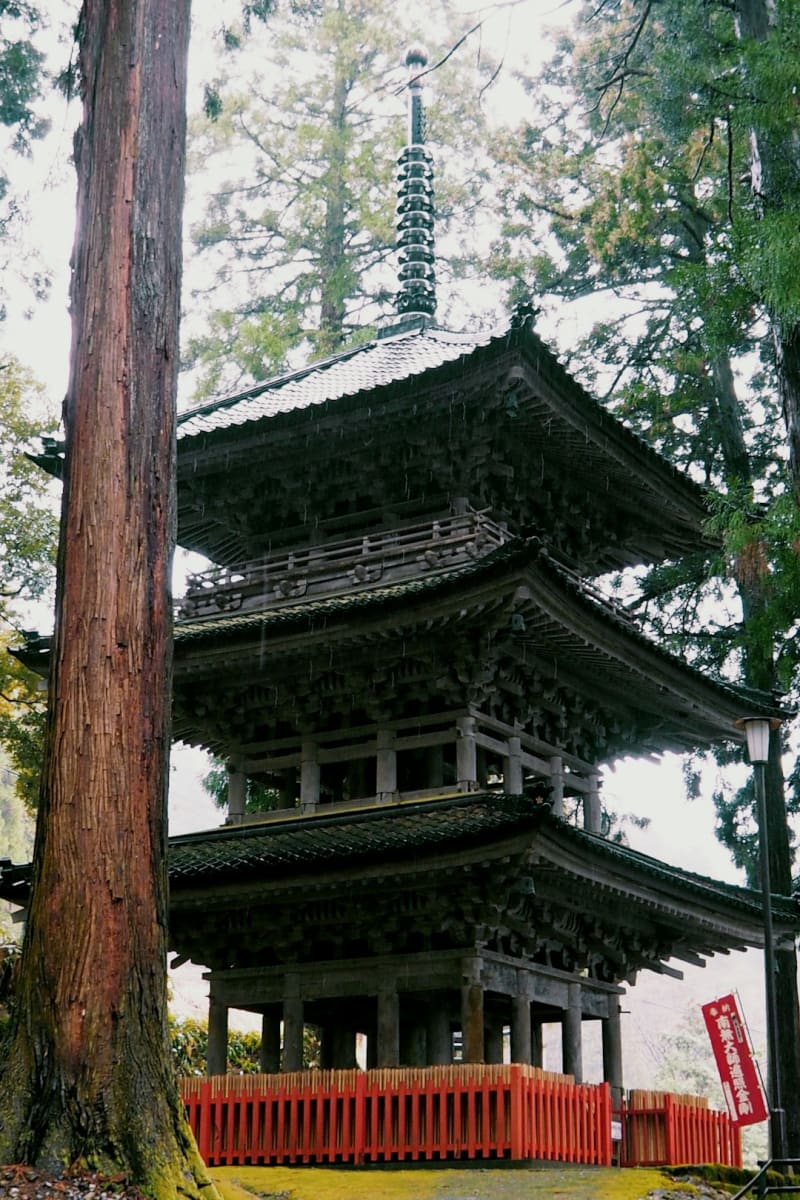 japan
japan Mount Takao
Tokyo's beloved forested mountain at the western edge of the city, where cedar trails climb to a clifftop temple, tengu goblins watch from the shadows, and Mount Fuji floats on the horizon on a clear day. The capital's easiest true escape into nature.
Explore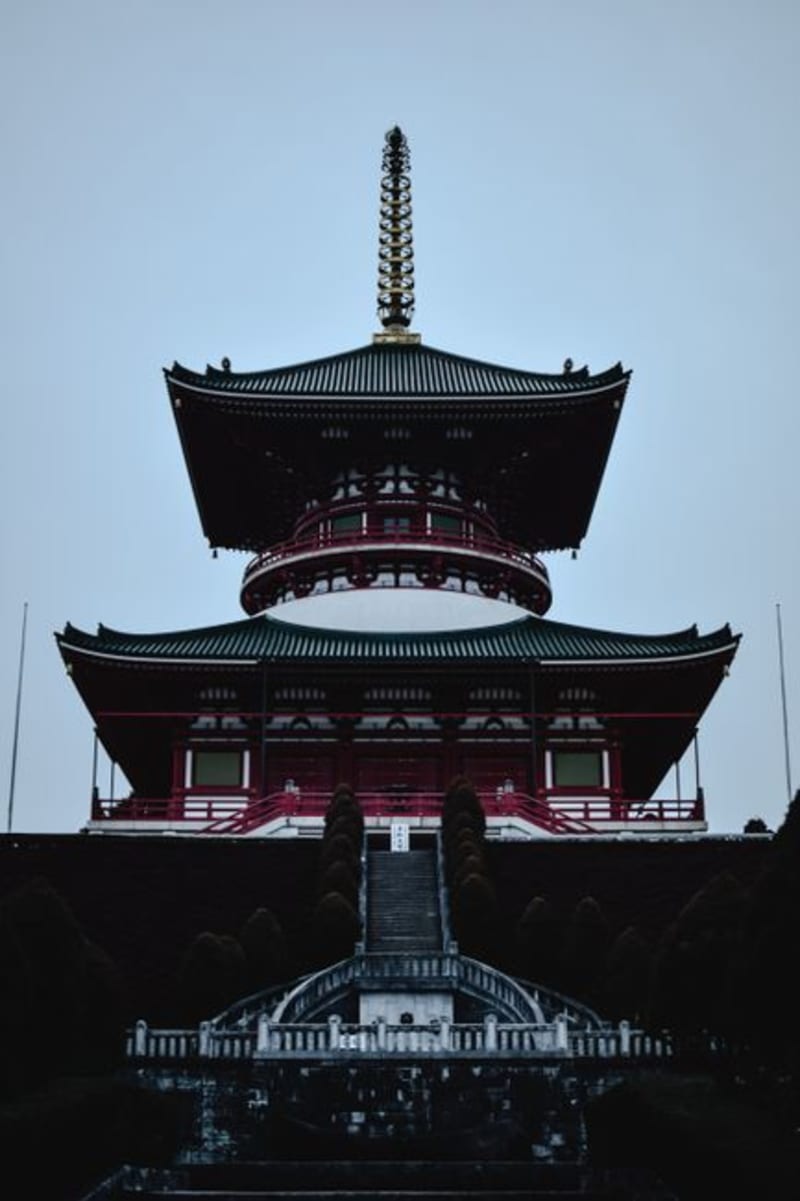 japan
japan Narita
A Chiba temple town in the shadow of the international airport, where a grand thousand-year temple sits at the end of an old pilgrim street famous for grilled eel. A surprising first or last taste of Japan, far richer than its runway-side reputation suggests.
Explore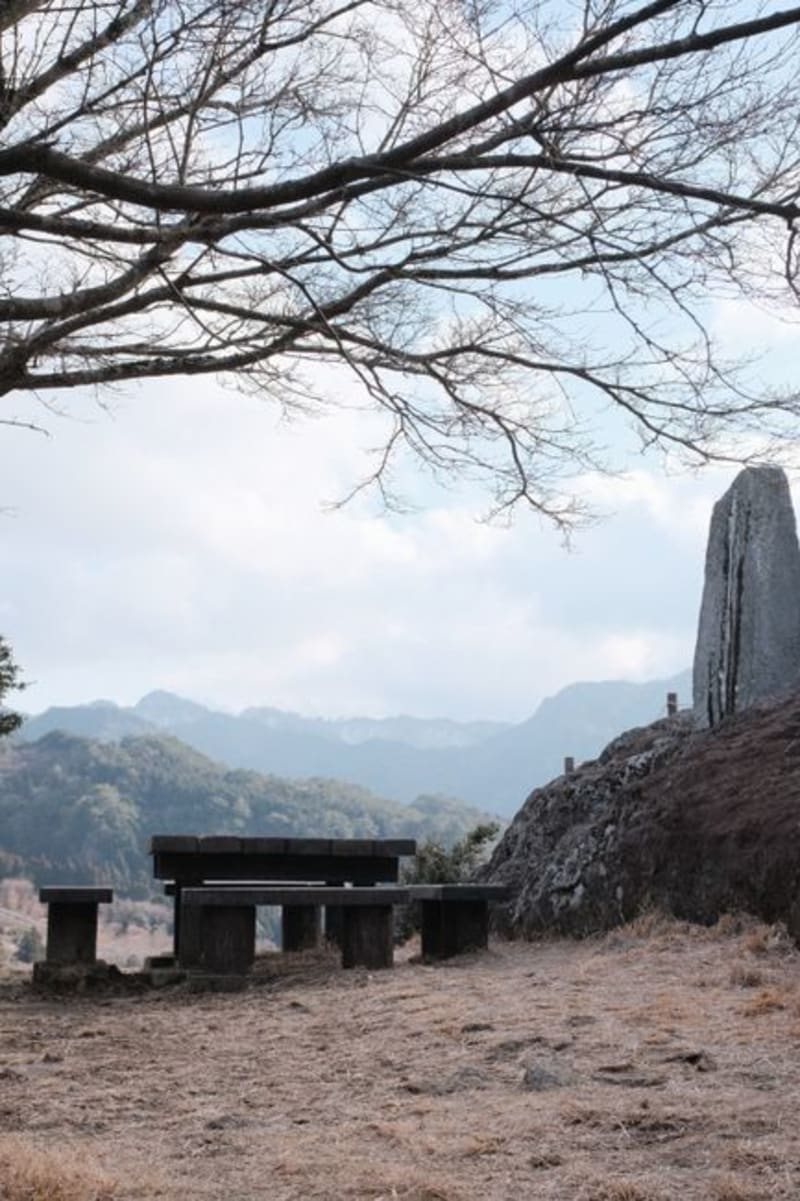 japan
japan Nasu
A breezy Tochigi highland of hot springs, dairy ranches, and volcanic slopes, long favoured by the imperial family as a summer escape. Nasu is where Tokyo goes to breathe — pine air, soft-serve ice cream, and steaming baths under an active mountain. We came for a night and stretched it to three.
Explore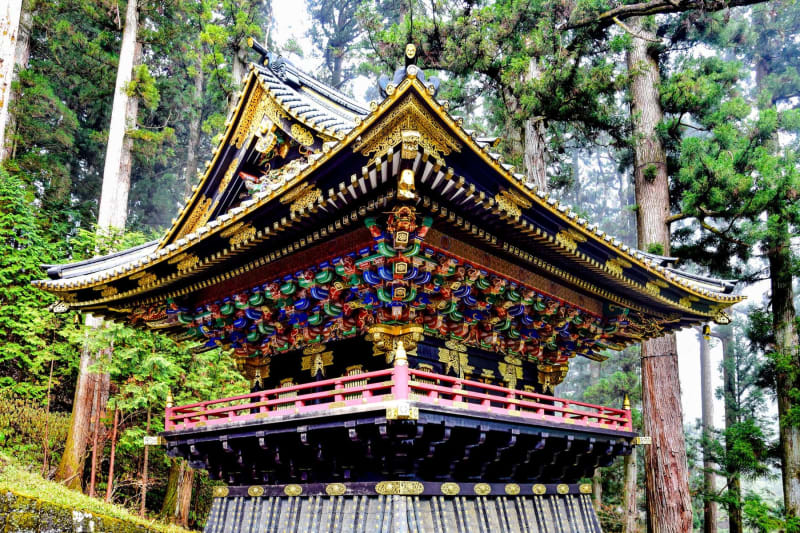 japan
japan Nikko
Extravagant Edo-era shrines buried in cedar forest, a deliberate overstatement of devotion.
Explore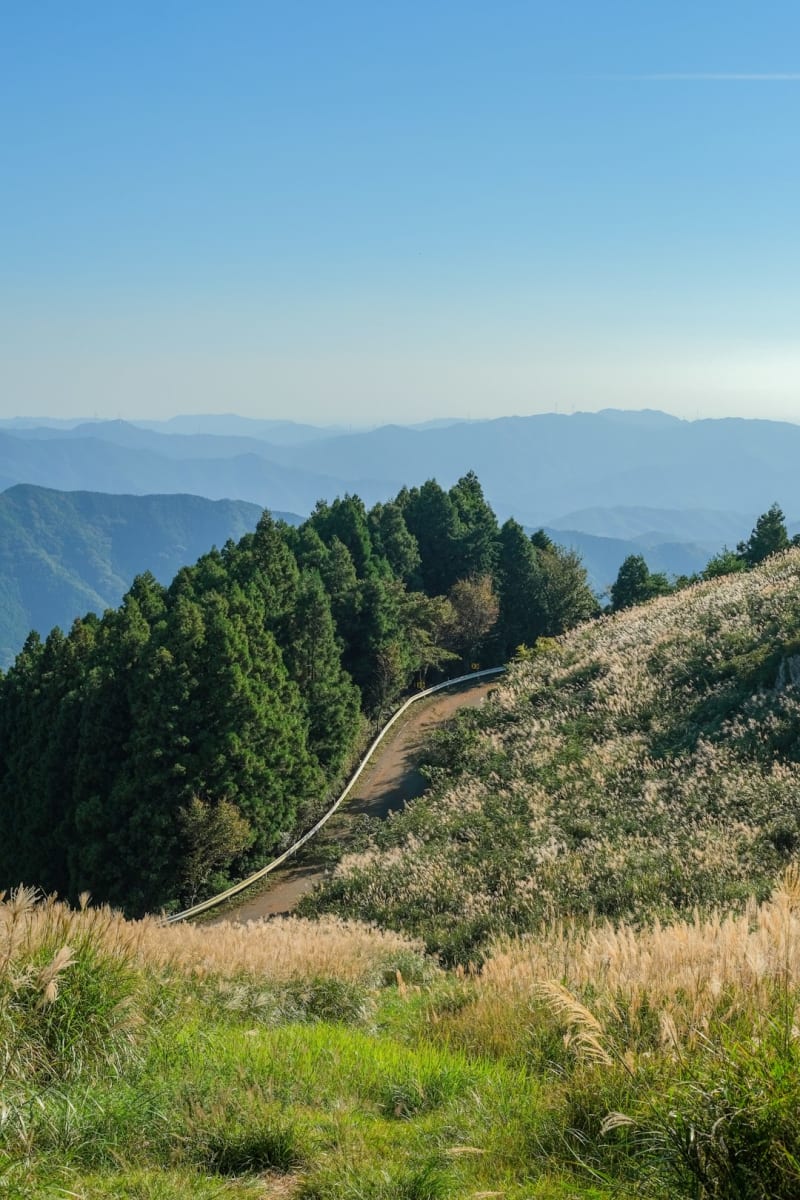 japan
japan Nokogiriyama
A jagged former quarry mountain across Tokyo Bay in Chiba, where a vertiginous clifftop lookout offers a 'peek into hell', a giant stone Buddha sits carved into the rock, and hundreds of weathered arhats watch from the hillside. Raw stone, sweeping bay views, and an easy escape by ferry.
Explore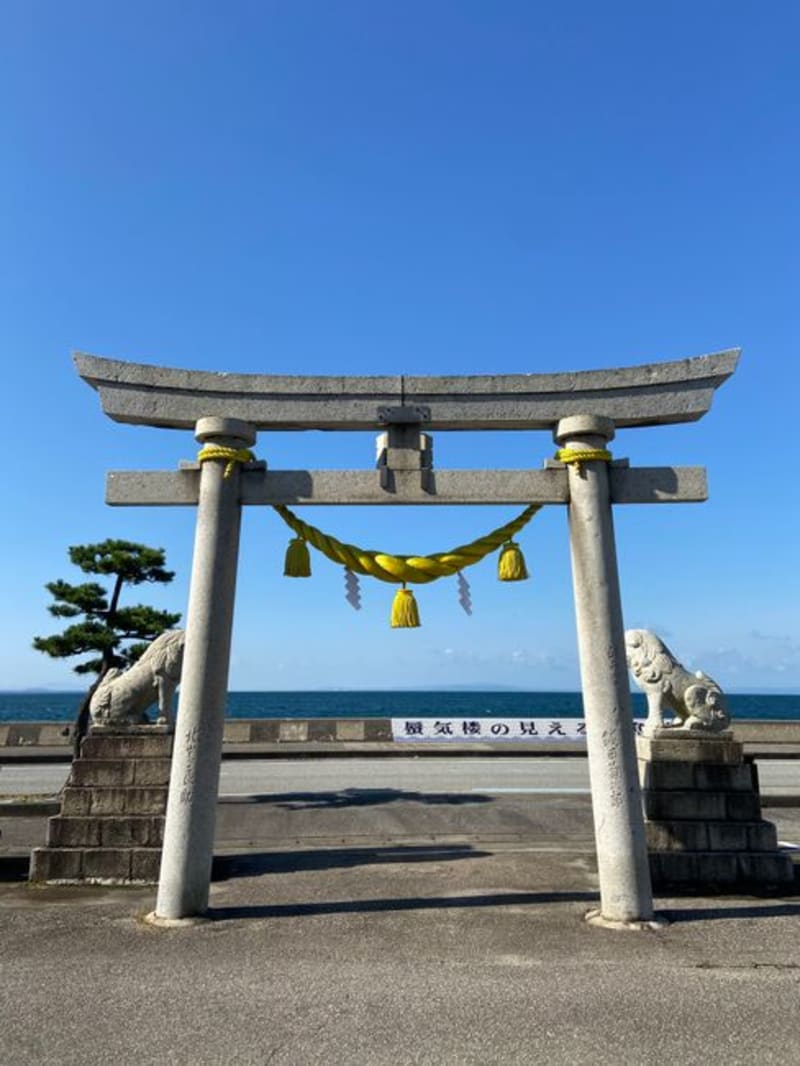 japan
japan Ōarai
A working seaside town on the Ibaraki coast where a lone shrine gate stands out on the wave-battered rocks, catching fire with the sunrise. Add a great aquarium, ferries bound for Hokkaidō, and a devoted following of anime pilgrims, and you have a place that rewards early risers.
Explore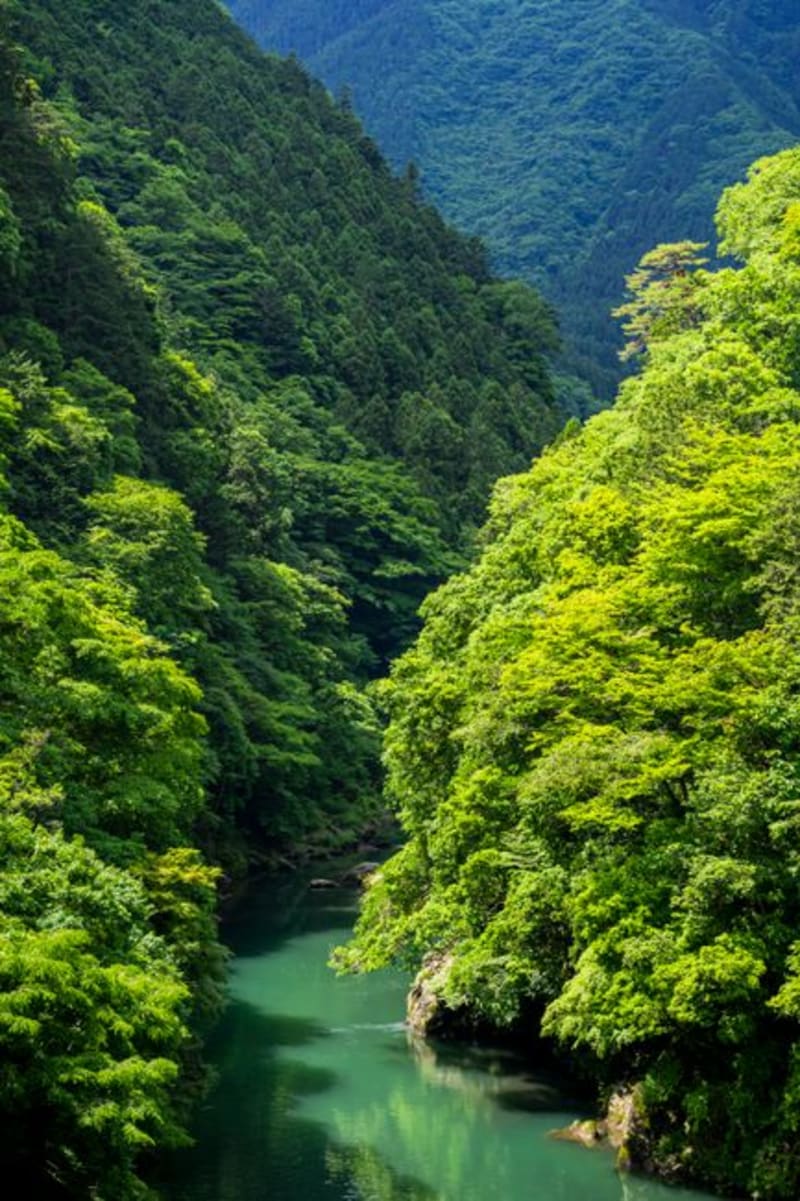 japan
japan Okutama
Tokyo's forgotten western edge, where the metropolis dissolves into cedar mountains and a jade-green reservoir. Lia and I came here to remember that the world's largest city keeps a wilderness in its back pocket. Two hours from Shinjuku and suddenly we could hear the river.
Explore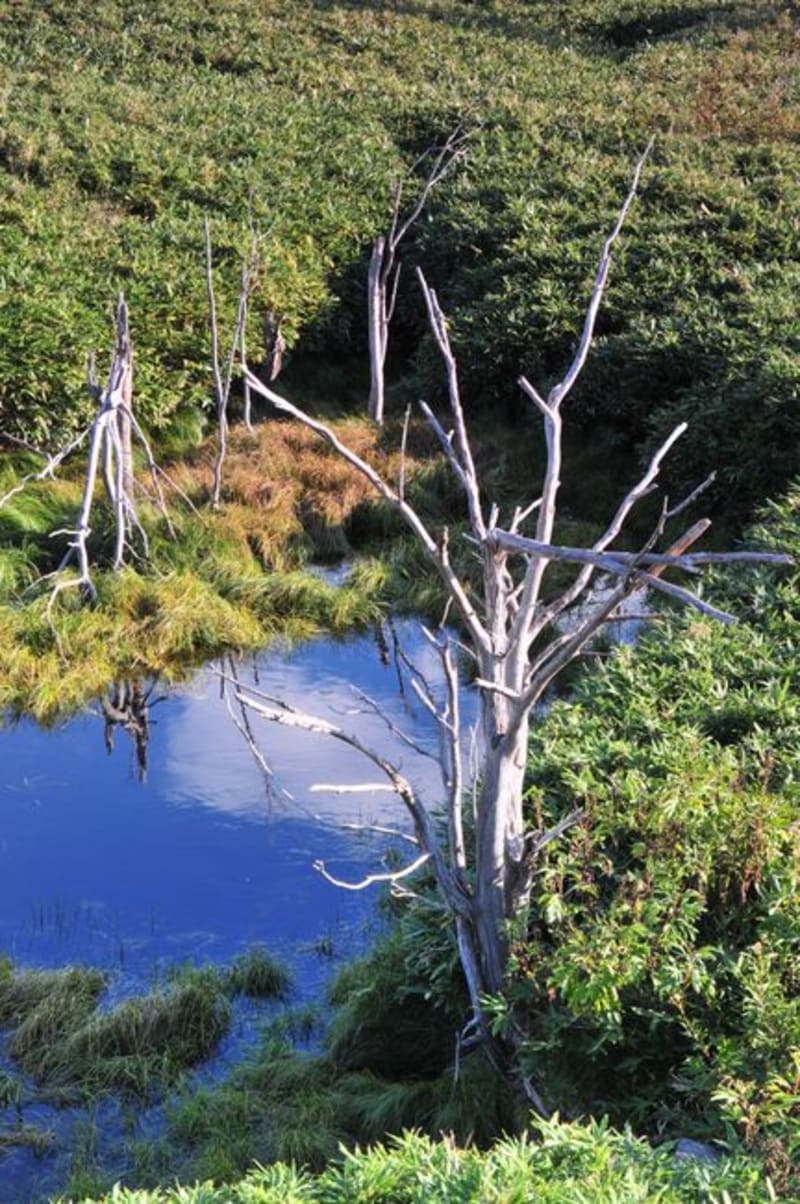 japan
japan Oze
A vast high marshland straddling four prefectures, laced with wooden boardwalks that float across the wet moor. In late spring the skunk cabbage blooms in white drifts; in summer the tiny nikkokisuge lilies turn the plain gold. A rare, tender wilderness reached only on foot, hushed and huge under a wide mountain sky.
Explore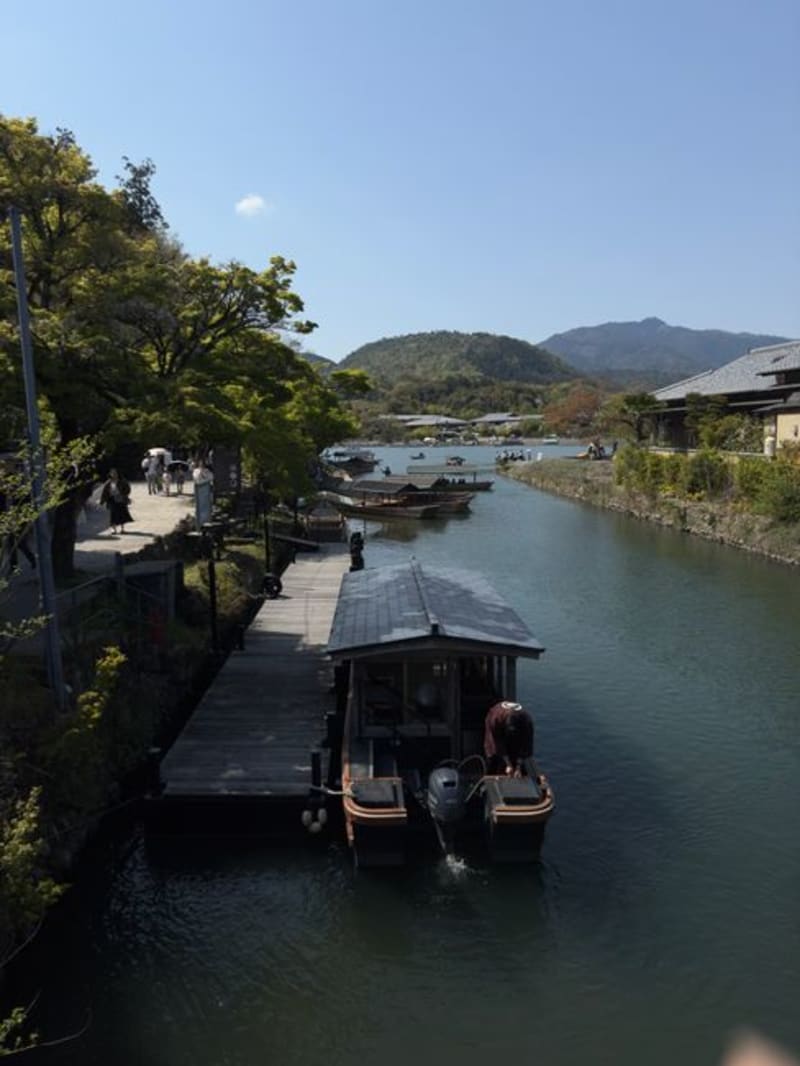 japan
japan Sawara
A Chiba 'Little Edo' where black-walled merchant houses lean over a willow-shaded canal still plied by wooden boats. Home to the great mapmaker Inō Tadataka and a thunderous float festival. Quietly nostalgic, and closer to Tokyo than its stillness suggests.
Explore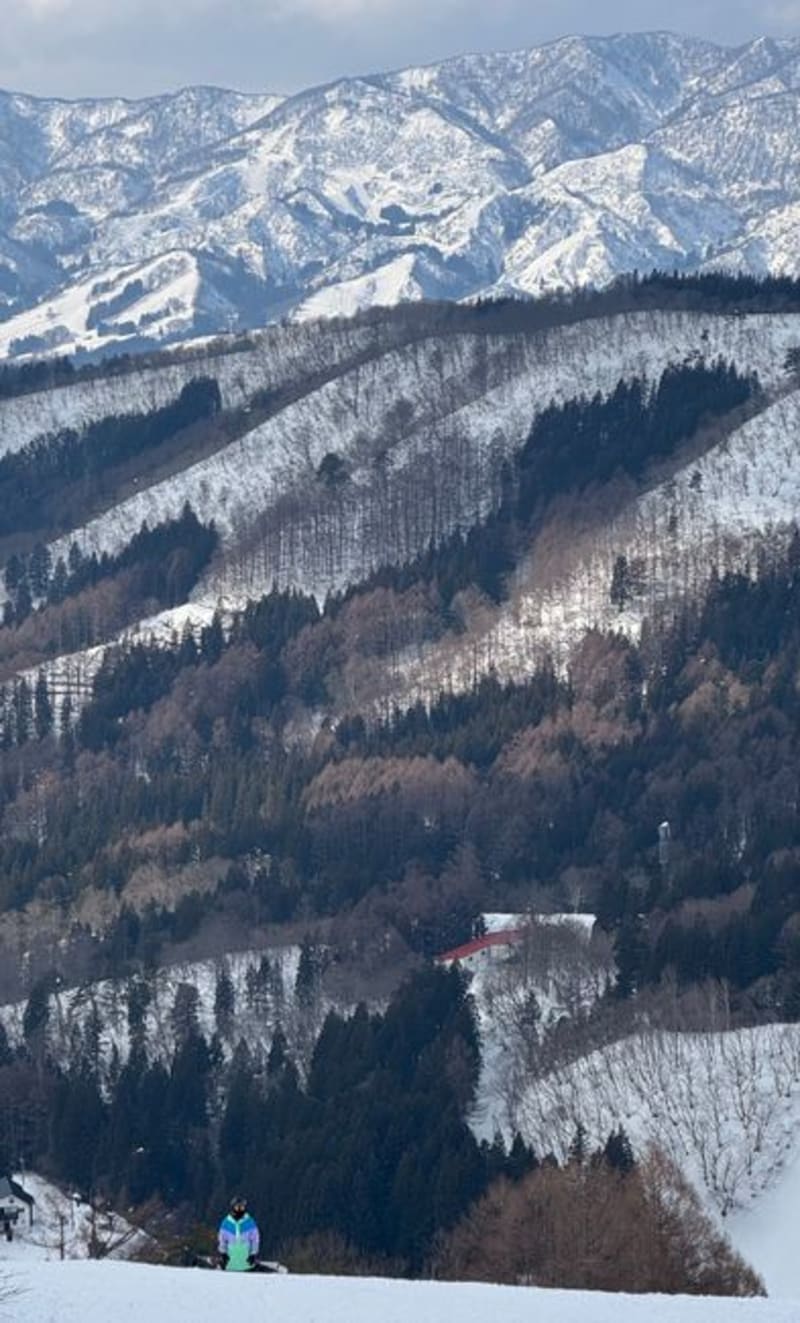 japan
japan Shima Onsen
A hushed hot-spring village strung along a river gorge deep in the Gunma mountains, where the water runs an unearthly blue-green and legend says it cures forty thousand ailments. Shima is the onsen you go to when you want to hear the river and nothing else.
Explore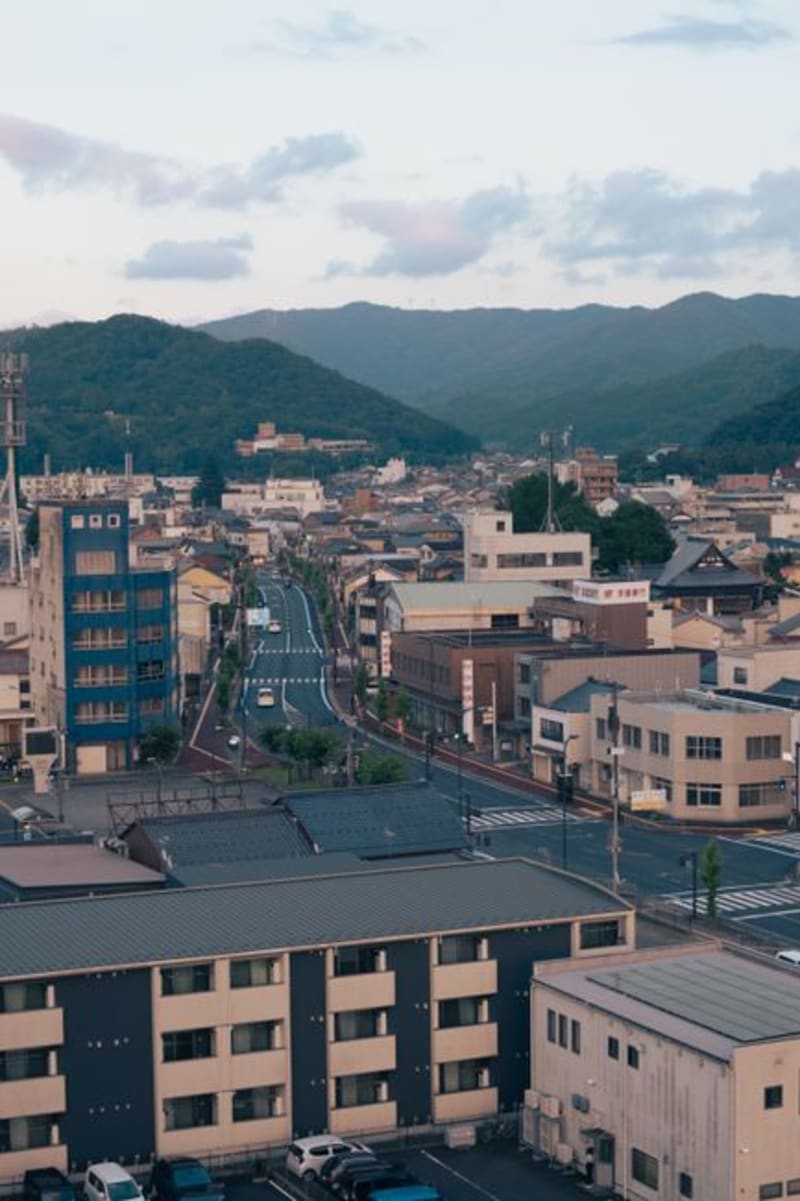 japan
japan Takasaki
A working Gunma city where most of Japan's red daruma dolls are born, one painted eye at a time. Beneath its unglamorous surface lies a quiet devotion to luck, patience, and the long game. Come for the daruma, stay for the ramen and the giant white Kannon watching over the hills.
Explore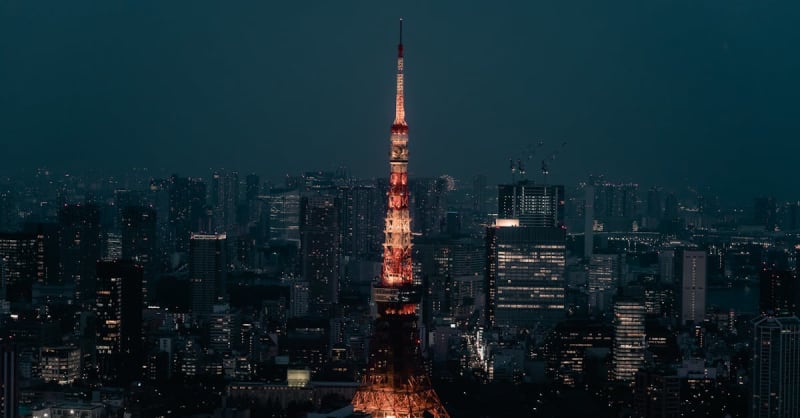 japan
japan Tokyo
A city that runs on precision, kindness, and the best street food on earth. Tokyo overwhelmed me — and then it made perfect sense.
Explore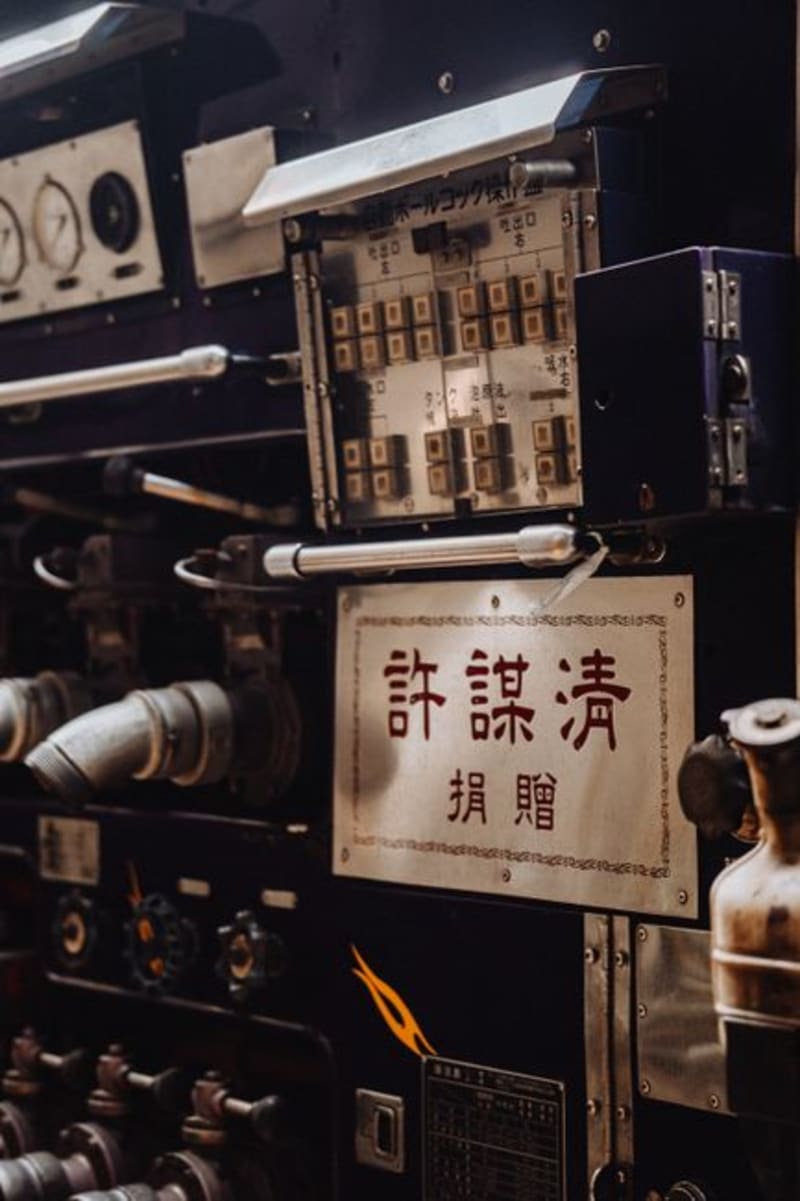 japan
japan Tomioka
A quiet Gunma town built around a red-brick silk mill that once dressed half the world. The Tomioka Silk Mill is a UNESCO monument to the moment Japan chose to modernise, and to the young women whose fingers made it happen. It's a place about thread, and about everything thread can pull along behind it.
Explore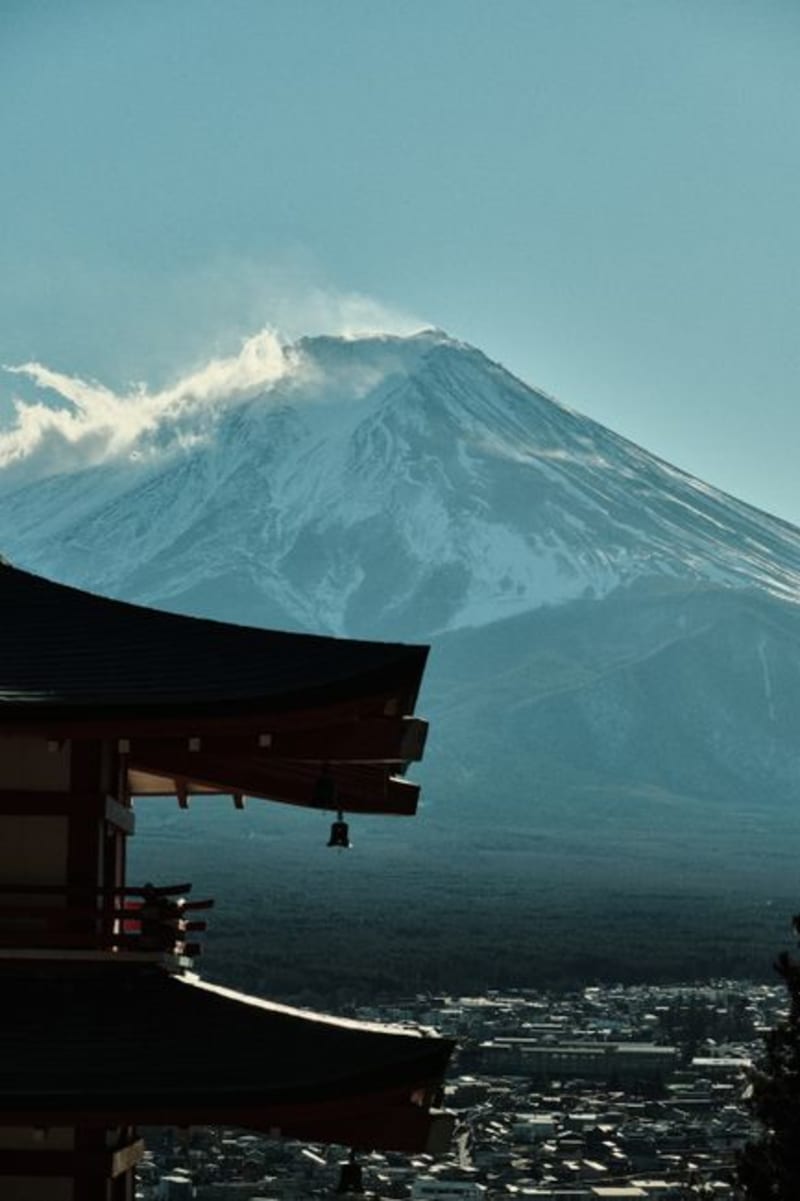 japan
japan Mount Tsukuba
A shapely twin-peaked mountain rising alone from the flat Kanto plain, revered since antiquity and paired in old sayings with Mount Fuji. At its foot sprawls Tsukuba Science City, a planned town of laboratories and researchers. Ancient shrine above, particle physics below, and a cable car strung between the two worlds.
Explore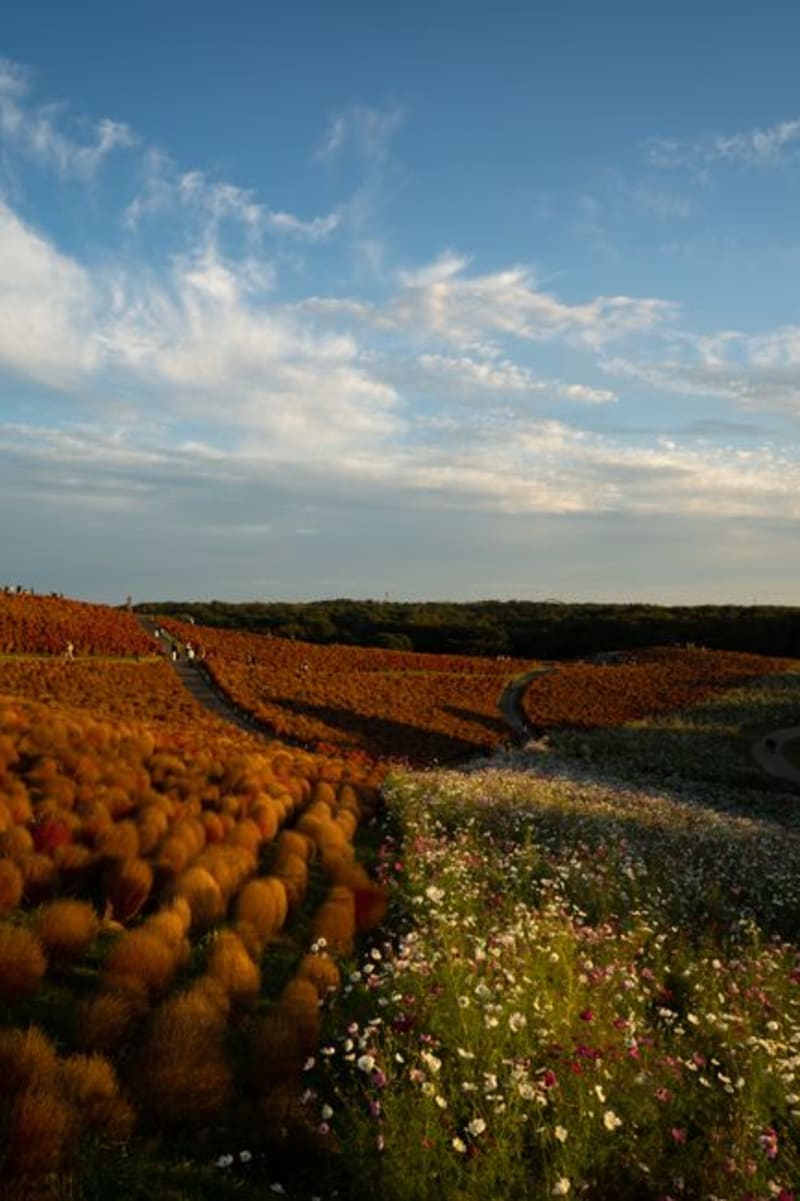 japan
japan Ushiku
A quiet Ibaraki town on the Kanto plain whose flatness is broken by one staggering thing: the Ushiku Daibutsu, a bronze Buddha so tall it dwarfs the Statue of Liberty. Around its feet lie flower gardens, a small zoo, and a lotus pond, all in the shadow of a figure you can see from the highway miles away.
Explore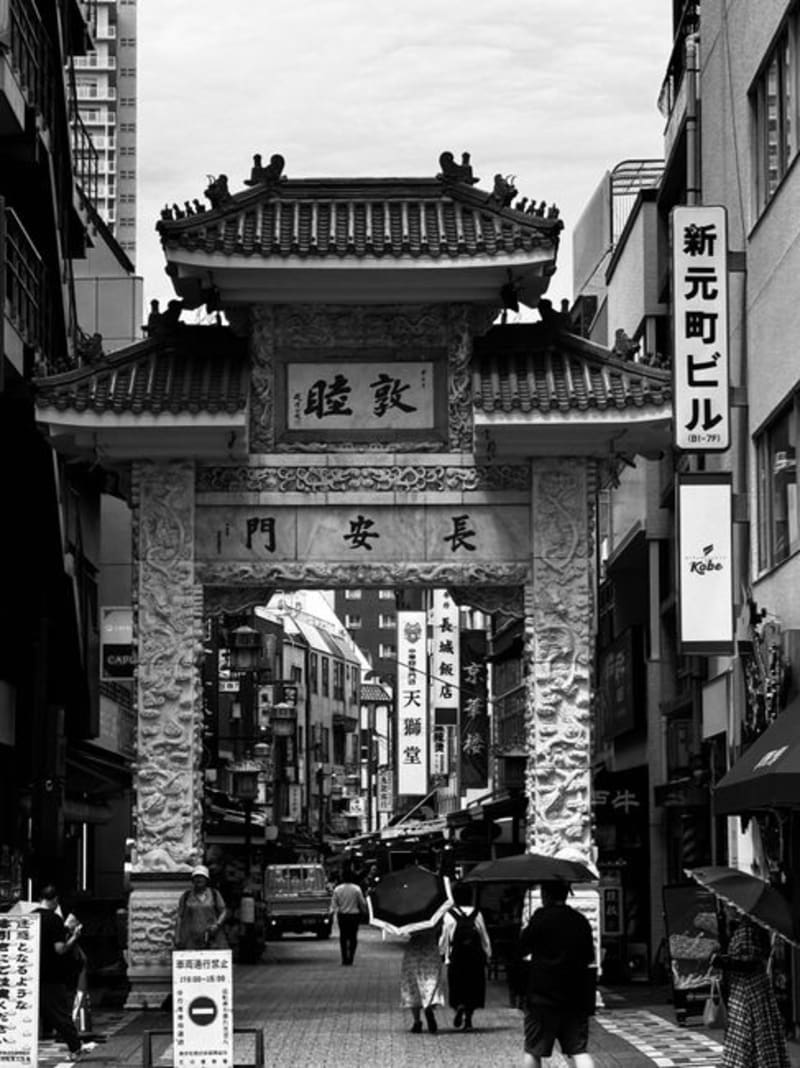 japan
japan Yokohama
Japan's great cosmopolitan port, a half-hour from Tokyo yet entirely its own. A futuristic waterfront, the country's largest Chinatown, red-brick warehouses, and an easy sea breeze.
Explore