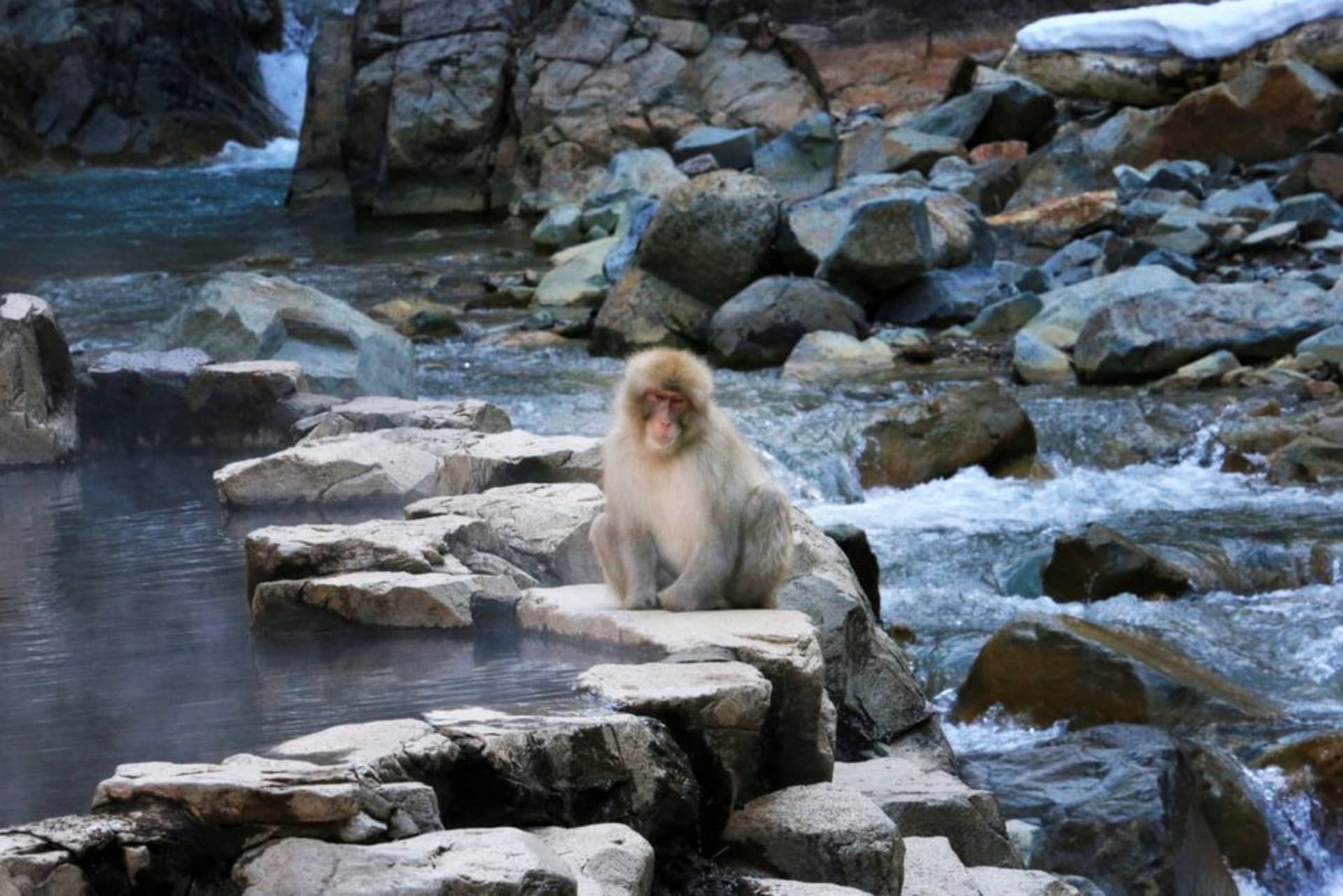
Kinugawa Onsen
"The river ran a green I had no name for, and the old hotels leaned over it like they were listening."
A Tochigi gorge hot-spring resort strung along a jade-green river, an easy detour from the temples of Nikko. Kinugawa is a place of grand riverside bathhouses, a wooden pleasure-boat drifting between cliffs, and — endearingly — a faint air of faded bubble-era glory. We came to soak, and found the melancholy oddly beautiful.
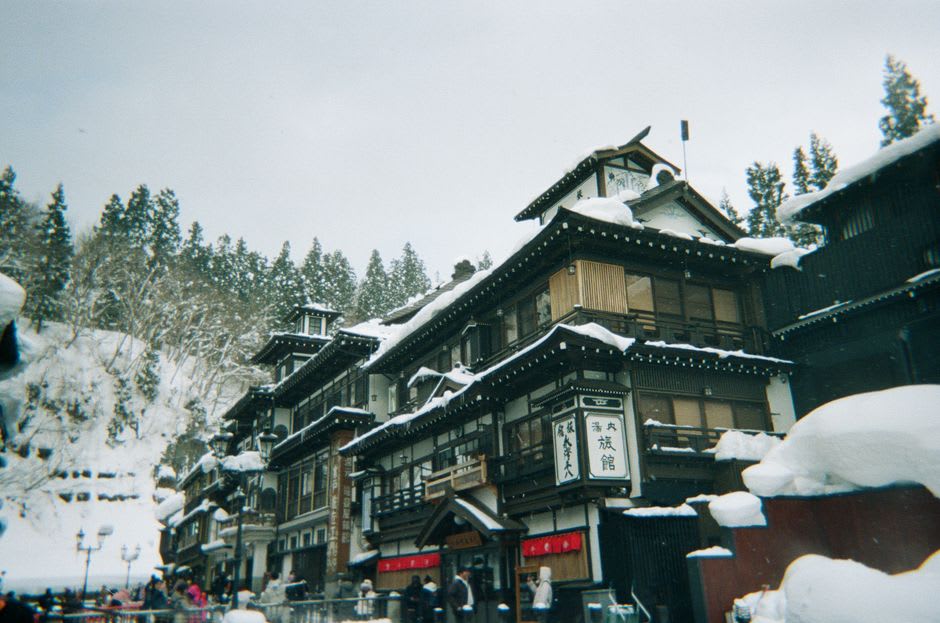
Kinugawa took me by surprise, and not entirely in the way the brochures intend. We’d come down from Nikko, temple-weary and craving hot water, and the resort that met us was part gorgeous and part gently ruined — tall concrete hotels from Japan’s boom years lining the ravine, some shining, a few shuttered and empty, their windows dark. There’s a bittersweetness to the place that the tourist board would rather you didn’t notice. But the river below ran a green I had no name for, and the baths were everything we’d hoped, and by the second morning I’d fallen for the whole imperfect thing.
The Gorge and the Green River
The Kinugawa — the name means, alarmingly, “angry demon river,” though it’s since been written with kinder characters — cuts a deep gorge through the mountains, and the water really is that improbable jade, milky with mineral silt. The best way to meet it is the Kinugawa Line Kudari, a long wooden boat poled and steered down the rapids by boatmen who keep up a running patter of jokes most of which we couldn’t follow but laughed at anyway. You drift beneath cliffs streaked with rock the guides have nicknamed for their shapes, through gentle white water that soaks the front row, past maples that must be extraordinary in autumn. We went in early summer with the green at its fullest, and it was worth every wet sleeve.
Soaking Above the Water
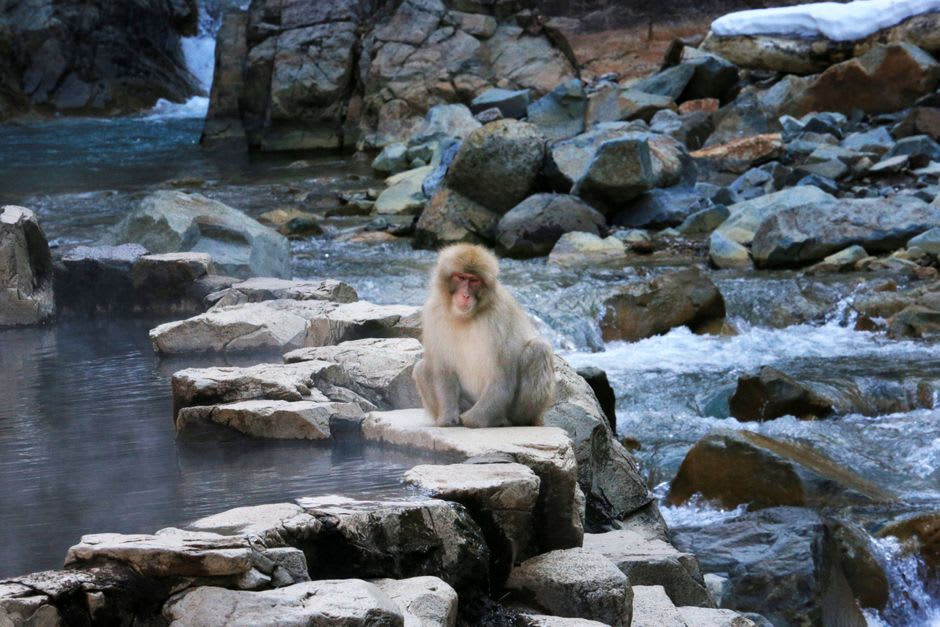
The whole reason the town exists is the water rising hot from the ground, and the great pleasure of Kinugawa is a rotenburo — an open-air bath — perched over the gorge. Our inn had one cut into the terrace, and I spent an embarrassing amount of that first evening in it, chin-deep in mineral water at exactly the wrong temperature to ever want to leave, watching the light drain out of the ravine and the river go from green to black. Lia joined me and we said almost nothing, which is its own kind of conversation after weeks of navigating a foreign country together. The onsen here is gentle, faintly alkaline, the sort they say is good for the skin. What it was good for, that night, was the soul.
The Melancholy and the Charm
I want to be honest about Kinugawa, because its slight faded quality is part of what made it stick with me. This was a titan of a resort in the 1980s, when Japanese company outings and honeymooners filled every one of those riverside towers. The economy turned, tastes changed, and some of the grand hotels never recovered — you walk past hulks with trees growing from the gutters. It could read as sad, and it is a little. But it also means the crowds are thin, the surviving inns try harder, and there’s a strange, dignified beauty in a pleasure town growing old gracefully. We ate that night in a near-empty dining room where the chef sent out an extra course “for coming all this way,” and I understood the place had a heart, even if its glory days were behind it.
Getting There
Kinugawa is easiest as an extension of Nikko, and the two pair beautifully — temples one day, hot water the next. From Tokyo’s Asakusa station, the Tobu line runs limited-express trains most of the way, with a change (or a direct service) onto the Tobu Kinugawa line to Kinugawa-Onsen station; reckon around two to two-and-a-half hours. From Nikko itself it’s a short local hop. The station sits right in the resort, and most inns will collect you or lie within a walk. Book the boat trip ahead in autumn, when the maples make it the busiest thing for miles. Come for the water. Stay for the quiet.
Keep exploring
More of Kantō