Mito
"We had come for cherry blossoms all our lives; nobody warned us the plum would ruin us for them."
The capital of Ibaraki, built around one of Japan's three great landscape gardens. In late winter three thousand plum trees turn Kairakuen pink and white and fill the cold air with scent, while an elegant wooden pavilion looks out over it all — and the town quietly insists you try its famous fermented beans.
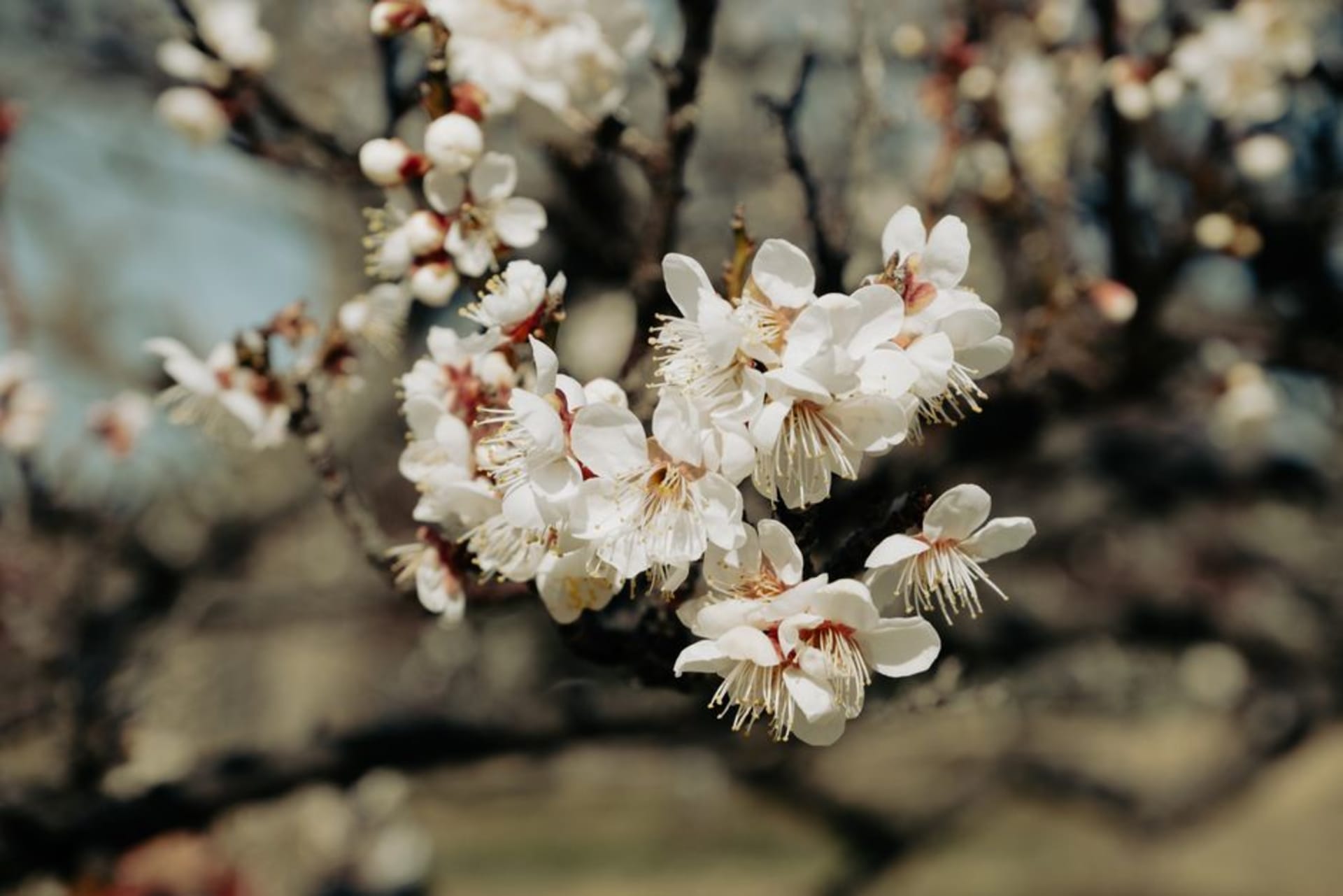
We nearly skipped Mito. It sits just far enough north of Tokyo to feel like a detour, and February is not the month most people plan a garden visit. But Lia had read that Kairakuen’s plum trees bloom while the rest of Japan is still waiting for cherry season, and the idea of a garden at its peak in the dead of winter was too strange to pass up. So we went, on a bright cold morning with frost still in the shadows, and walked into three thousand plum trees in full flower. We had come for cherry blossoms all our lives; nobody warned us the plum would ruin us for them. The scent reached us before the color did — sweet and almost spiced, drifting on air cold enough to see our breath.
Kairakuen and the Plum Blossoms
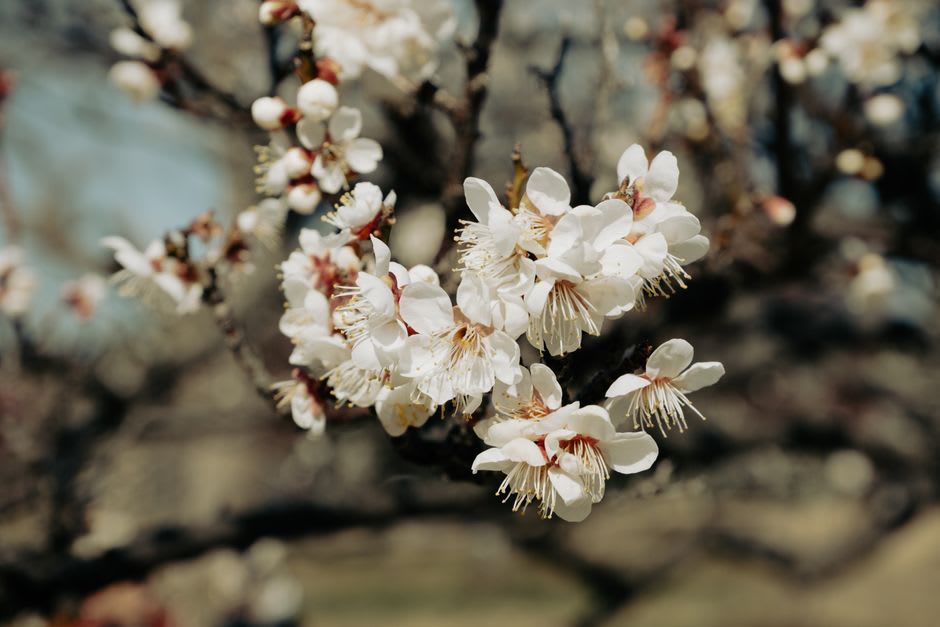
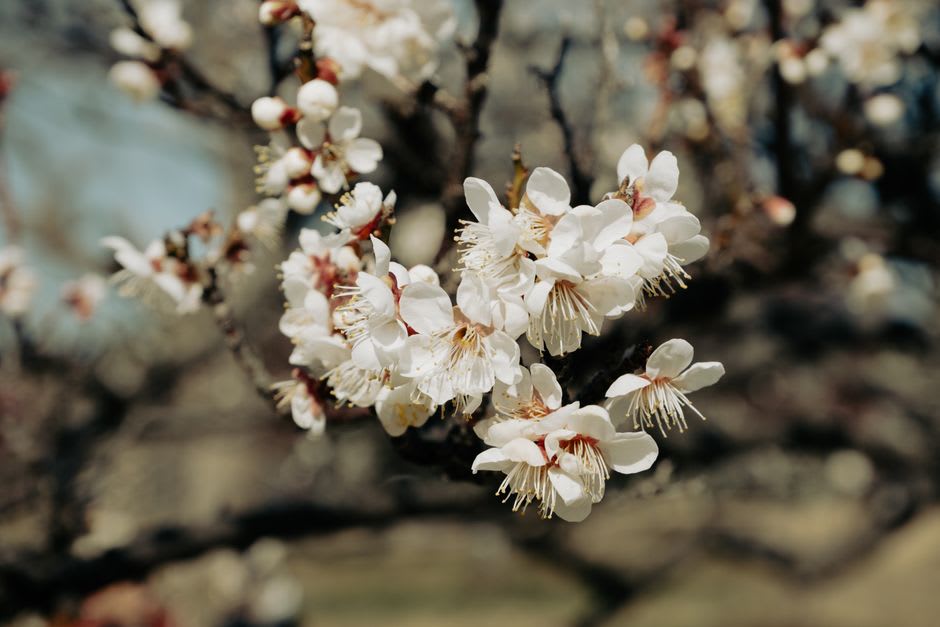
Kairakuen is one of the three great landscape gardens of Japan, and unlike the other two it was built to be shared — the name means “garden to enjoy with people,” and it was opened to commoners by the local lord in the 1840s, which was radical for its time. In late winter its western groves fill with plum blossom, hundreds of varieties flowering at slightly different moments so the display rolls on for weeks. We wandered the gravel paths slowly, coats buttoned, among trees so heavy with flower their branches bowed. Old couples were doing the same, and schoolchildren, and photographers lying flat to shoot the blossom against the sky. The plum blossom festival was on, with tea stalls and the occasional koto player, but the garden absorbed the crowd easily. It was the first time I understood why the Japanese give the plum precedence over the cherry — it blooms in the cold, when nothing else dares.
The Kōbuntei Pavilion
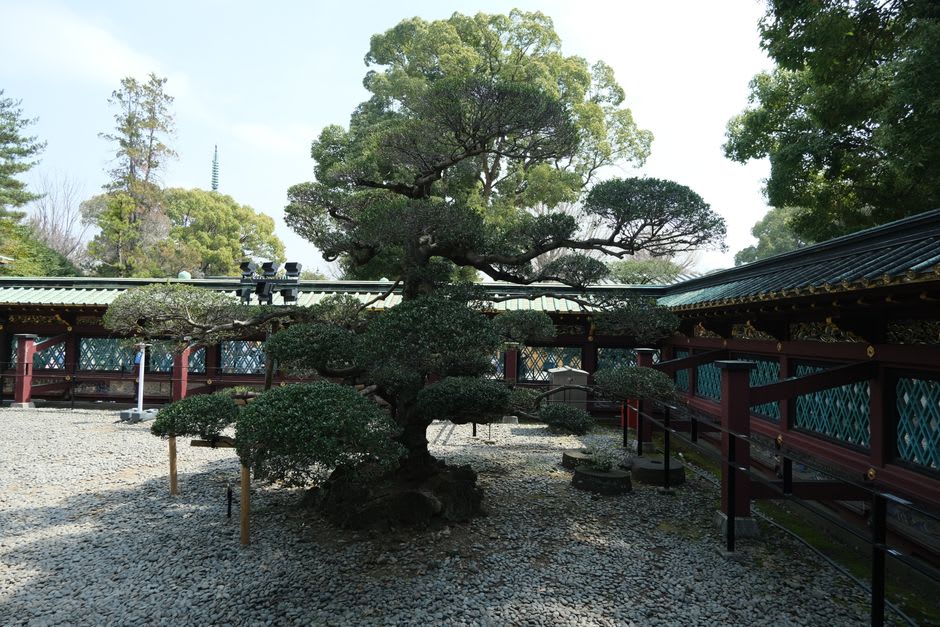
At the garden’s edge stands Kōbuntei, a three-storey wooden villa built by the same lord as a retreat, and climbing it was the quiet highlight of our day. Inside, the rooms are austere and beautiful — paper screens painted with different flowers for each chamber, tatami warm underfoot, the wood dark and worn smooth. We climbed the steep stairs to the top floor, and there the whole garden opened beneath the windows: the plum groves, the dark pines, the distant sheen of the lake below. Lia sat on the floor by the window a long time, and I understood the appeal — the pavilion is built precisely to slow you down, to make you look. The building was destroyed in the war and again by an earthquake and has been faithfully rebuilt each time, which somehow made the calm of it more moving, not less.
Natto and the Taste of Mito
You cannot spend a day in Mito without meeting its other, more divisive fame: natto, the sticky fermented soybeans that the city has produced for over a century and treats as a point of genuine pride. I had eaten natto before and made the face everyone makes. Lia, more open-minded, insisted we do it properly, so we found a small restaurant near the station serving it a dozen ways — over rice, in tempura, folded into an omelette, even, alarmingly, as ice cream, which we did not order. Eaten fresh and local, stirred until it foams and threaded with mustard and soy, it was better than the vacuum-packed version that had scarred me. I won’t pretend I converted, but I ate the whole bowl, and the shopkeeper’s delight at a Frenchman finishing his natto was worth the effort on its own.
Getting There
Mito is easy from Tokyo: limited express trains on the Joban Line run from Ueno to Mito in about ninety minutes, and local trains take a little longer for less. Kairakuen has its own seasonal station a few minutes further on, open during the plum blossom festival, or you can reach the garden by a short bus ride from Mito station year-round. Come in late February or early March for the plum blossoms — check the bloom reports, as the peak shifts with the weather — and go on a weekday morning if you can, before the tour buses arrive. Give yourself time for both the garden and the Kōbuntei pavilion, and don’t leave town without at least trying the natto, however the face turns out.
Keep exploring
More of Kantō