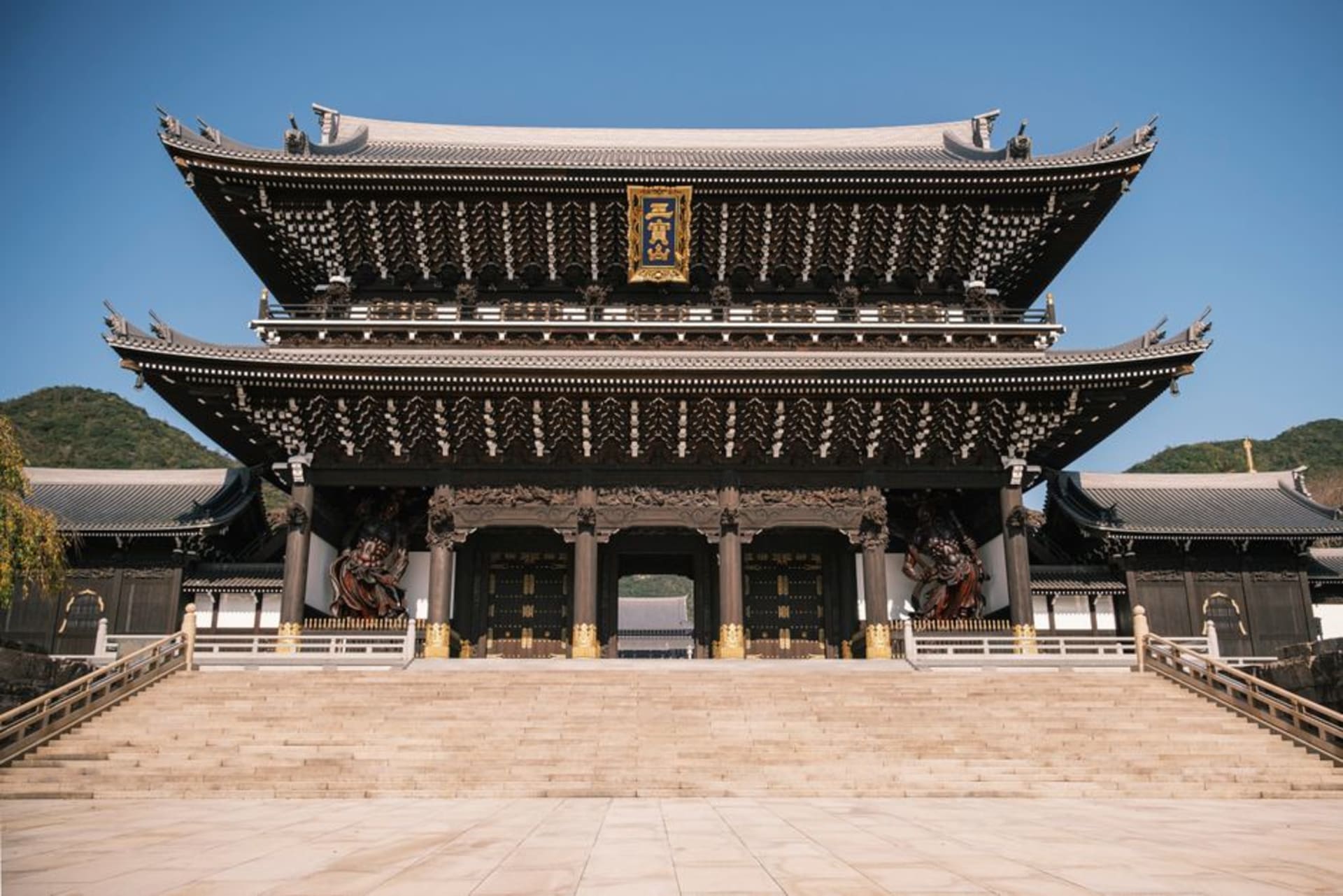
A Chiba temple town in the shadow of the international airport, where a grand thousand-year temple sits at the end of an old pilgrim street famous for grilled eel. A surprising first or last taste of Japan, far richer than its runway-side reputation suggests.
Narita is the town you fly into and never see. We had done it ourselves, twice, the name meaning nothing to us but a terminal and a long train ride onward. But on our last trip our flight left at an ugly hour of the morning, and rather than fight the trains at dawn we came the afternoon before and gave the town a night — and discovered, with the particular guilt of the repeat offender, that we had been rushing past somewhere genuinely lovely for years. Ten minutes from the runways, the roar of jets gives way to a temple older than most of Europe’s cathedrals and a sloping street that smells, gloriously, of grilling eel.
Naritasan Shinshō-ji
The heart of it is Naritasan Shinshō-ji, a Buddhist temple founded more than a thousand years ago and one of the busiest in Japan — at New Year, millions come. We arrived on an ordinary weekday and had the vast complex nearly to ourselves: the great main hall, the vivid vermilion three-storied pagoda, the halls climbing the hillside behind. A monk was chanting the goma fire ritual as we came in, the deep drum carrying across the courtyard, and Lia gripped my arm to make me stop and listen. We had not expected solemnity this close to an airport. We got it anyway.
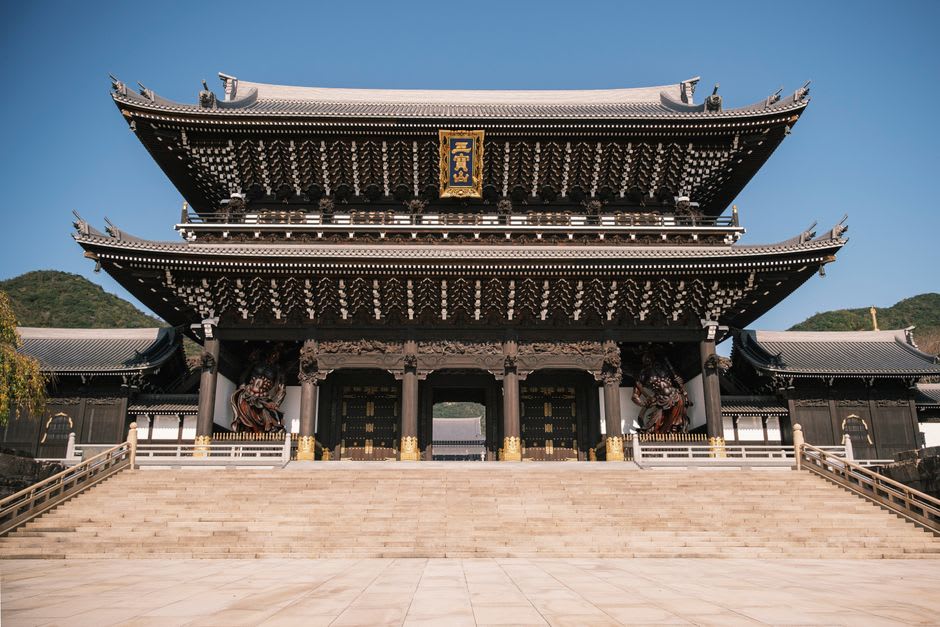
Behind the halls the ground opens into a large park of ponds and wooded paths, calm and green, where we walked off the last of our travel nerves. It is a proper temple, not a curiosity, and it deserves better than the layover it usually gets.
The Approach Street
Leading down from the temple gate is Omotesandō, the old approach street, a gentle curving slope of wooden shopfronts, pickle sellers, sweet shops and, above all, unagi — grilled freshwater eel, the town’s obsession. The street’s eel restaurants prepare it in the open: you walk past men filleting live eels with a speed that is half craft and half violence, then glazing and grilling them over charcoal until the whole lane hangs blue with fragrant smoke. We could not not eat. We sat at a counter at one of the old houses and had unaju — eel over rice in a lacquered box — and it was, without exaggeration, one of the best meals of the trip.
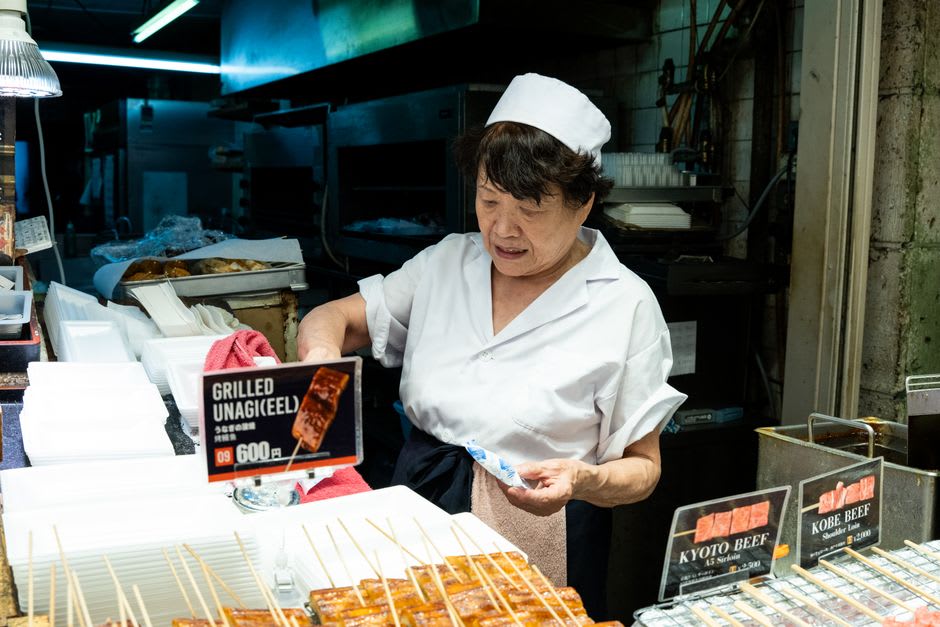
Afterward we drifted down the rest of the slope buying nothing much — a bag of rice crackers, a small pickle — just for the pleasure of a street built for slow walking.
An Unexpected Old Town
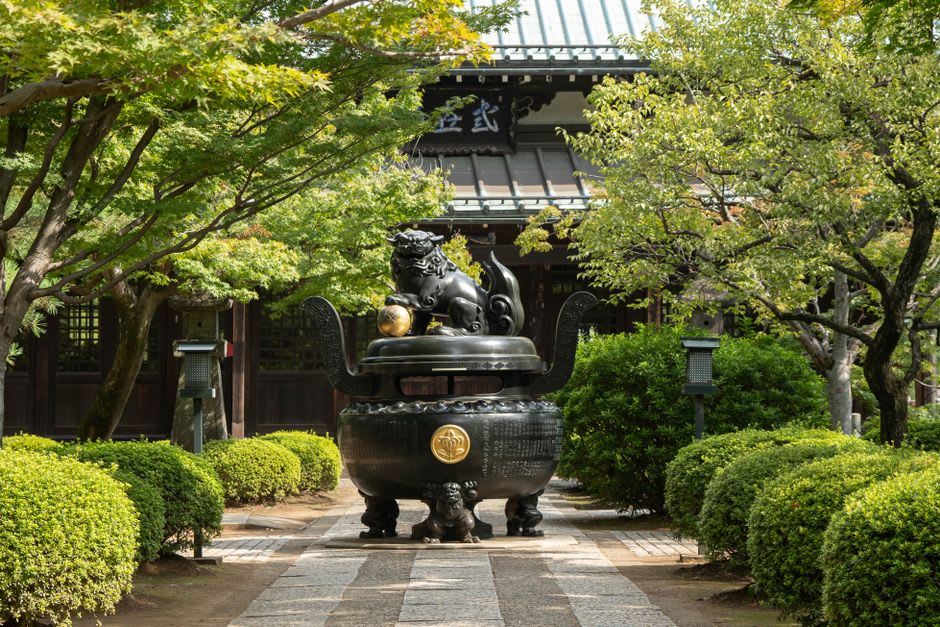
What surprised us most was how lived-in Narita felt. This is not a preserved museum-town; people work here, the shops are real shops, and the connection between the temple and the street — pilgrims and merchants, a thousand years of one feeding the other — is still visibly alive. We found a tiny sake shop where the owner poured us a taste of the local brew, and a shrine to the water gods tucked behind the main street where an old woman was arranging flowers. In an hour of aimless wandering we saw more genuine everyday Japan than in some far more famous places.
We slept well that night, close to the airport and yet a world from it, and I have never again treated Narita as merely a place to change trains.
Getting There
Narita could not be easier to reach, which is the whole irony of how overlooked it is: it sits beside Narita International Airport, a few minutes by train or a short taxi from the terminals. Narita Station (JR) and Keisei Narita Station both sit at the top of the town, a ten-minute walk from the temple gate along the approach street. From central Tokyo it is under an hour by the Keisei or JR lines. Treat it not as an airport errand but as a real half-day — best of all as a calm first or last night in Japan, when the temple and the eel make a far gentler bookend than a rush through the terminal.
Keep exploring
More of Kantō