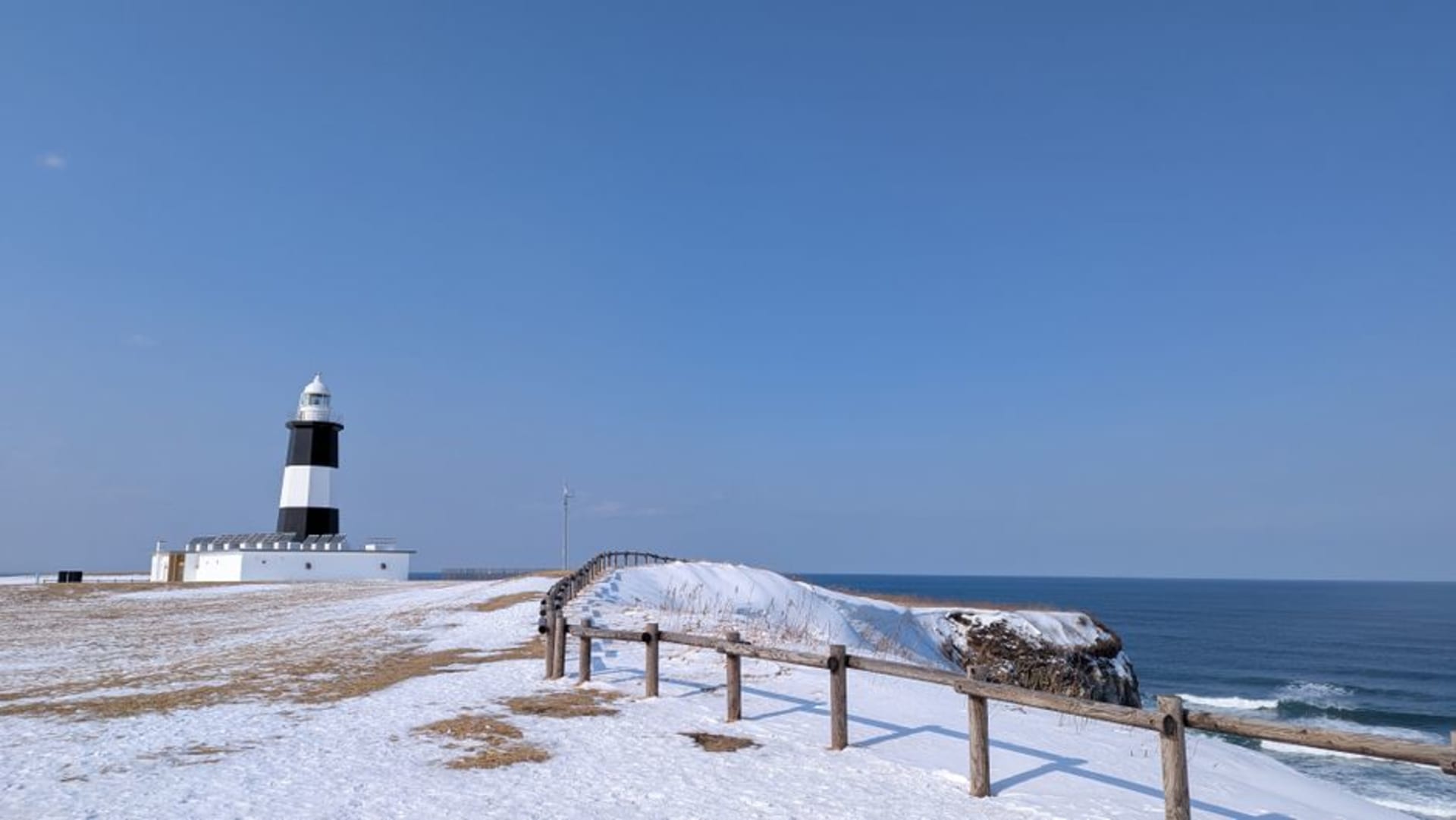
A blustery cape at the far eastern edge of Chiba, where the Pacific arrives first each morning and a white lighthouse leans into the wind. Fishing boats, soy-sauce breweries, and a little clifftop train that rattles out to the sea. The kind of place that smells of brine and fermenting beans at once.
Lia woke me at half past four with her coat already zipped to the chin. We had taken the last train down the night before, a decision that made sense in Tokyo and much less sense in a dark inn where the wind rattled the window frames like someone testing the locks. But she was right, of course. By the time we reached the base of Cape Inubo the sky had gone the colour of a bruise slowly healing, and there were maybe a dozen of us standing on the rocks, hands in pockets, saying nothing. When the sun finally broke the horizon it did so all at once, an unreasonable orange, and Lia grabbed my sleeve without looking at me. Choshi gets the first mainland sunrise of the year, and I understood suddenly why people bother.
The Lighthouse at the End of the Wind
Inubosaki Lighthouse is white and stubborn and has been standing since 1874, which in a country that rebuilds so much feels almost defiant. We paid our few hundred yen and climbed the ninety-nine steps inside, the wind moaning through the gaps, until we came out onto the gallery and the whole grey Pacific opened beneath us. Lia said it looked like the edge of the map, and it does. There is nothing east of here until America. The keeper’s old post office sold postcards, and I bought one I never sent, which is somehow the most honest kind of souvenir.
Riding the Little Electric Railway
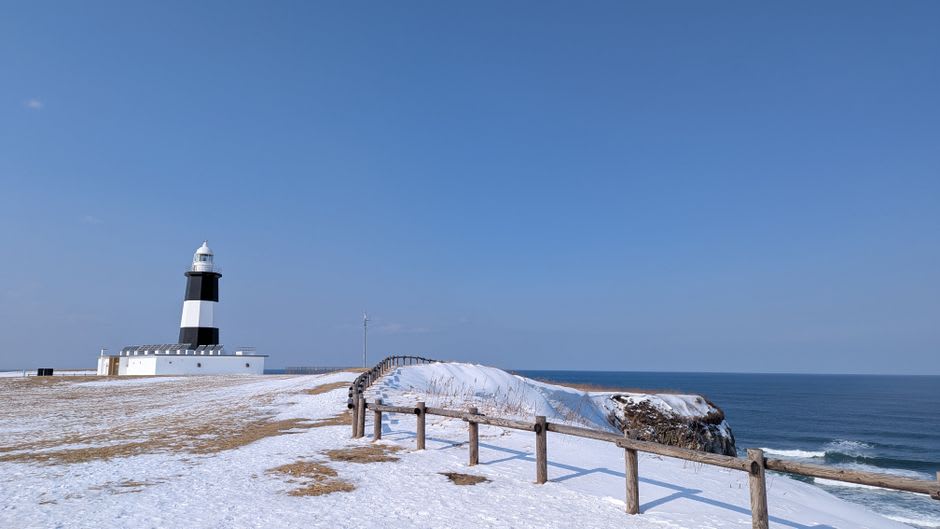
The Choshi Electric Railway is barely six kilometres of track and it is losing money in the most charming way possible. The company famously stays afloat by selling wet senbei crackers, and the ticket lady told us this with the weary pride of someone who has explained it a thousand times. We rode the whole line, a single carriage the colour of an old toy, past cabbage fields and salt-bleached houses to Tokawa where the fishing fleet sleeps. Lia pressed her forehead to the glass the entire way. At Kannon Station we bought the damp crackers, ate them on the platform, and agreed they tasted better for the story.
The Town That Smells of Soy Sauce
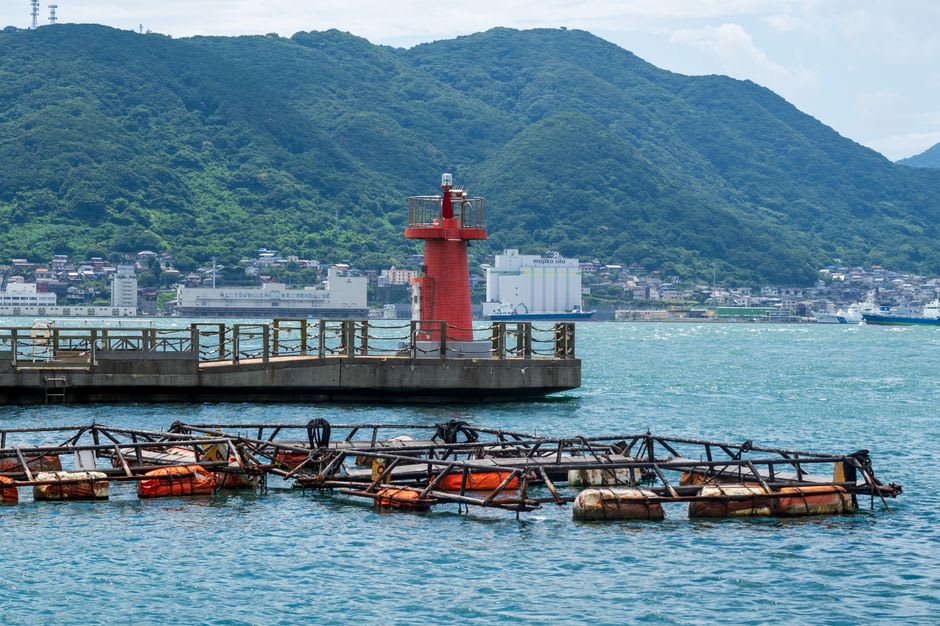
Choshi has been brewing soy sauce for four centuries, the humid sea air apparently suiting the fermentation, and you notice it before you see it. We toured the old Yamasa works, walking past cedar vats taller than a house, the air thick and dark and sweet. At the end they gave us soft-serve ice cream flavoured with soy sauce, which sounds wrong and tastes like salted caramel’s more interesting cousin. Down at the port we watched the tuna auction wind down and ate a bowl of rice topped with raw catch so fresh it was still faintly cold from the sea. Lia declared it the best meal of the trip, then said that about three more places before we flew home.
Getting There
Choshi sits at the far tip of the Boso Peninsula, about two hours from Tokyo. The easiest way is the JR Sobu Line limited express Shiosai from Tokyo Station straight to Choshi Station, though we took a slower local and didn’t regret the extra fields. From Choshi, transfer to the Choshi Electric Railway for the cape and the lighthouse. If you are chasing the sunrise, as we were, stay the night in town, since no morning train arrives early enough. Bring a windproof layer no matter the season. The wind here is not a mood but a permanent resident.
Keep exploring
More of Kantō