Tenri
"Everyone was walking toward the same place, and for once I didn't mind not knowing why."
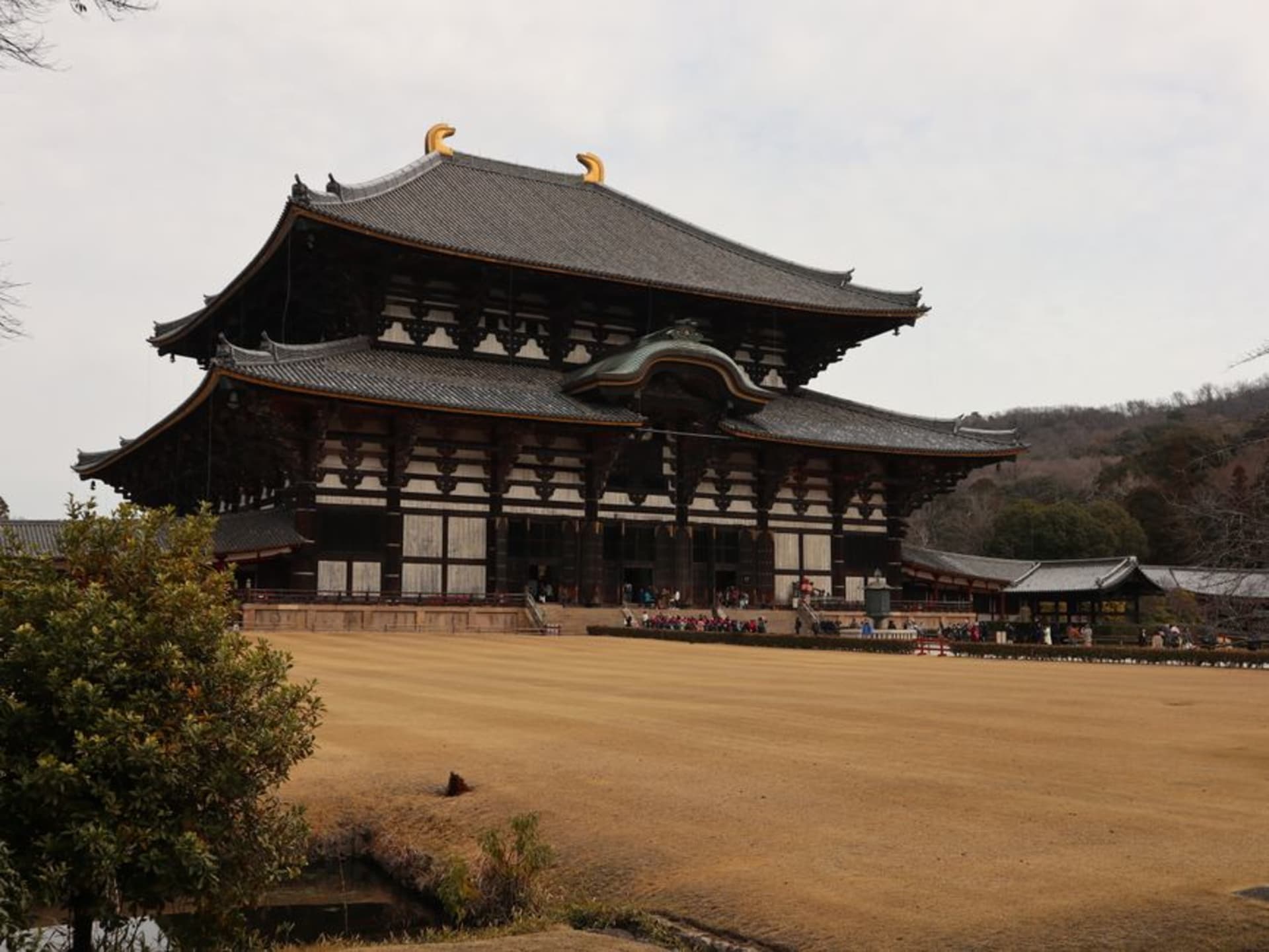
A Nara city built around faith itself, laid out along a kilometre of black-roofed church buildings where pilgrims in dark happi coats move at all hours. It is Japan's only true religious city, and it feels unlike anywhere else in the country. We arrived expecting a curiosity and left oddly moved.

I have been in cities built for kings and cities built for commerce, but Tenri was the first I’d seen built for a belief. We got off the train at dusk and stepped into a covered shopping arcade that ran arrow-straight for nearly a kilometre, and everywhere, threading through the ordinary shops, were people in identical black coats stitched with a red character on the back. They weren’t tourists. They were going somewhere. Lia took my arm and said, quietly, “I think we’re the only two people here who aren’t.” She was probably right.
The Arcade to the Sanctuary
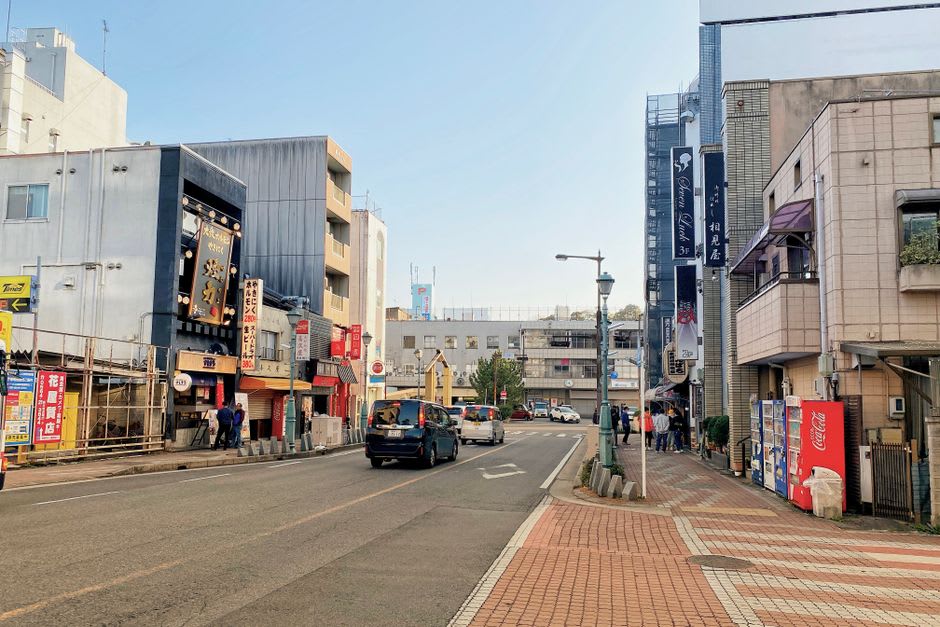
The Honmichi arcade is the spine of Tenri, and walking it is the way to understand the place. Between the noodle shops and the stationers there are dormitories, halls, and shops selling white ceremonial robes folded in cellophane. The crowd thickened as we went, all of it flowing in one direction, and there was no shoving, no hurry — just a broad, calm current of people. Everyone was walking toward the same place, and for once I didn’t mind not knowing why. We simply let the current carry us.
Inside the Oyasato-yakata
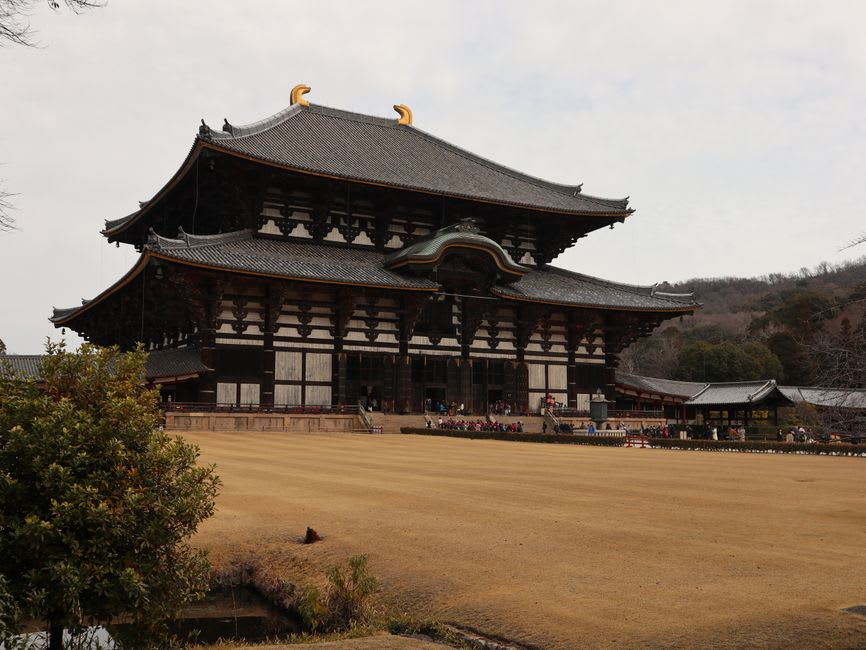
At the end stands the main sanctuary of Tenrikyō, ringed by the immense Oyasato-yakata complex — great black-tiled buildings so long they seem to bend with the earth. We left our shoes and stepped onto polished wood that stretched away like a frozen lake. In the central hall, worshippers knelt around a pillar that marks, they believe, the spot where humankind was created. Nobody minded us watching. An older man showed Lia the hand gestures of the sacred dance, patiently, three times, until she could follow, and his kindness stayed with me longer than any temple I’ve photographed.
Isonokami and the Old Road
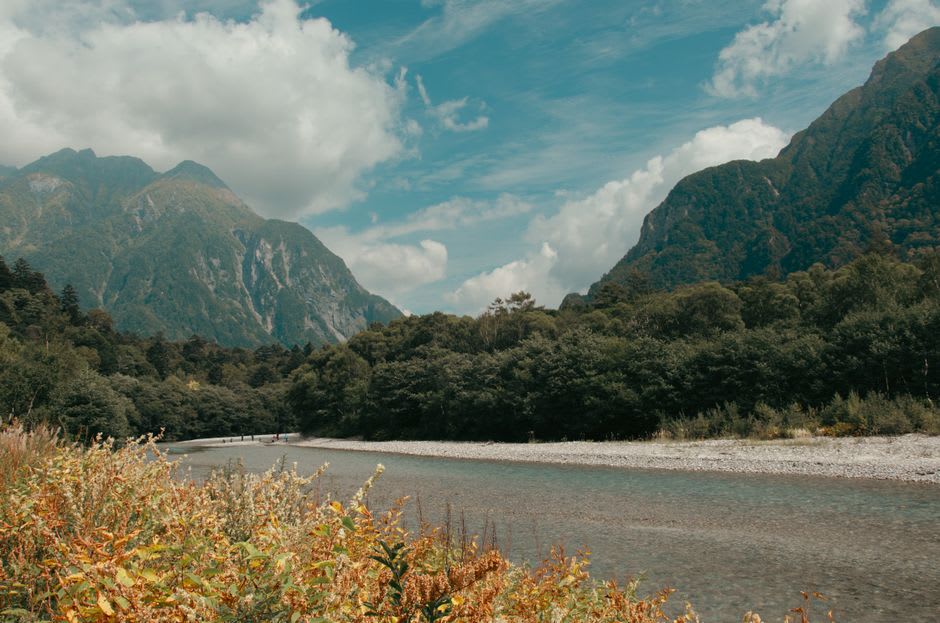
Tenri isn’t only the new faith. On the town’s edge begins the Yamanobe-no-michi, said to be Japan’s oldest road, and a short walk up it brought us to Isonokami Shrine — ancient, cedar-shaded, where sacred chickens strut across the gravel as if they own it. After the vast geometry of the sanctuary, the shrine felt human-sized and wonderfully strange. We ate rice balls on a stone wall while a rooster eyed Lia’s lunch, and the two Japans — the very old and the barely-a-century-old — sat side by side without any apparent trouble.
Getting There
Tenri is remarkably easy to reach. The Kintetsu Tenri Line and the JR Sakurai Line both terminate at Tenri Station, about 25 minutes from Nara and under an hour from Osaka’s Uehonmachi. The arcade begins right outside the station, so leave the map in your pocket and simply follow the black coats east — they’ll deliver you to the sanctuary. For the Yamanobe-no-michi, pick up a walking sketch-map at the small tourist desk in the station; the old road runs north from town toward Nara over gentle, orchard-covered hills.
Keep exploring
More of Kansai
Keep exploring
More from Kansai
 japan
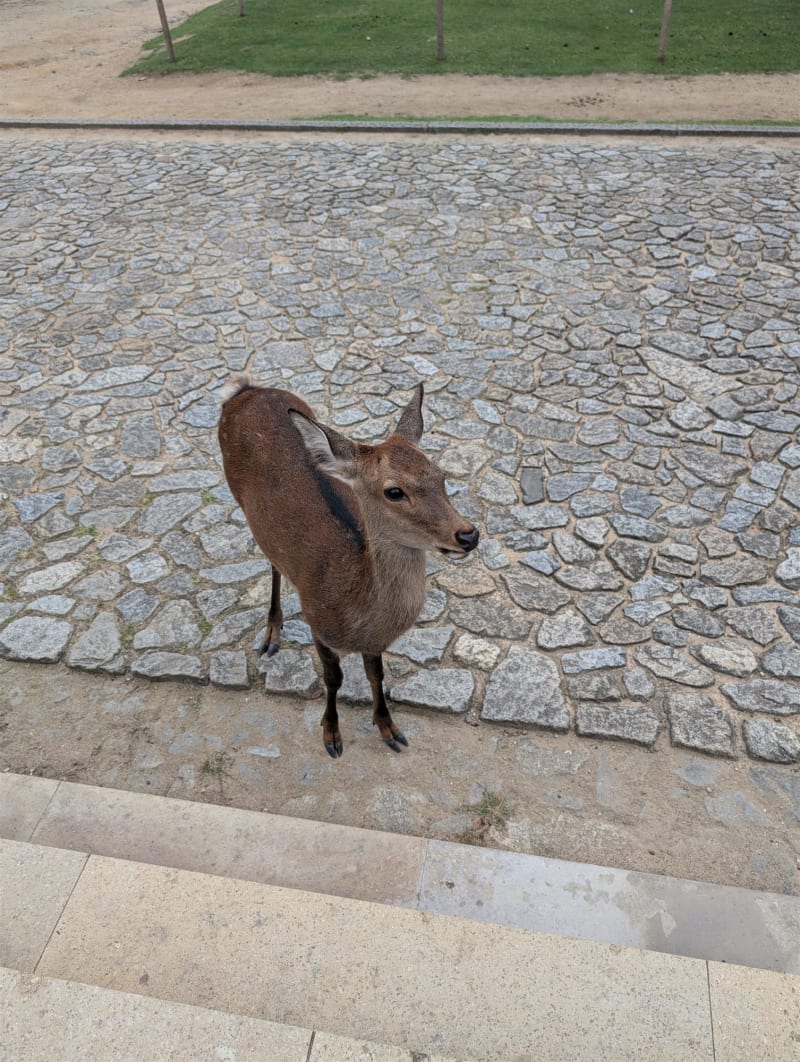
japan Nara
Ancient capital where free-roaming deer share the streets with towering bronze Buddhas and cedar forests.
Explore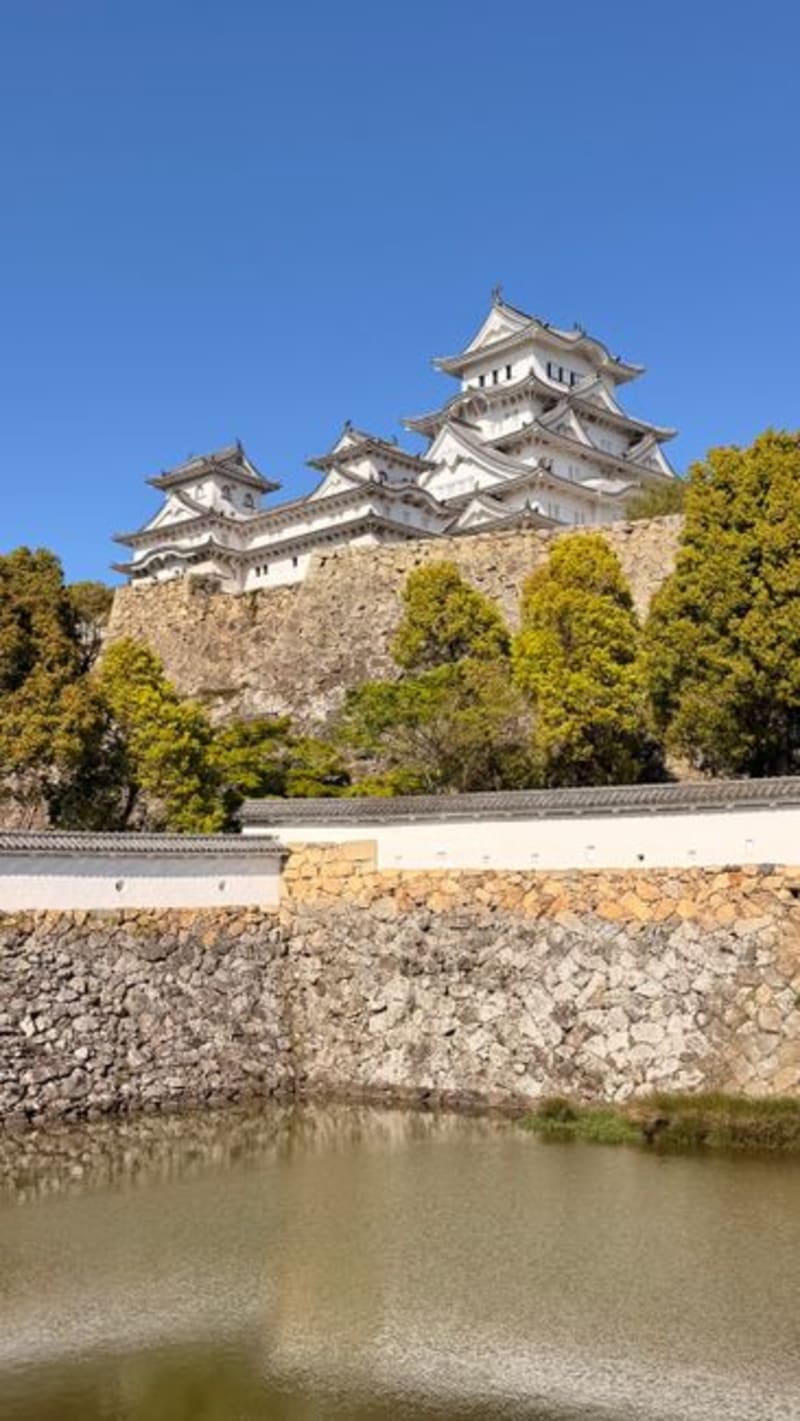 japan
japan Asuka
A rural Nara village that was, improbably, the cradle of the Japanese state — an ancient capital now dissolved back into rice terraces, burial mounds, and enigmatic carved stones. We rented bicycles and spent a day pedalling through fifteen centuries. Nothing here shouts; you have to slow down to hear it.
Explore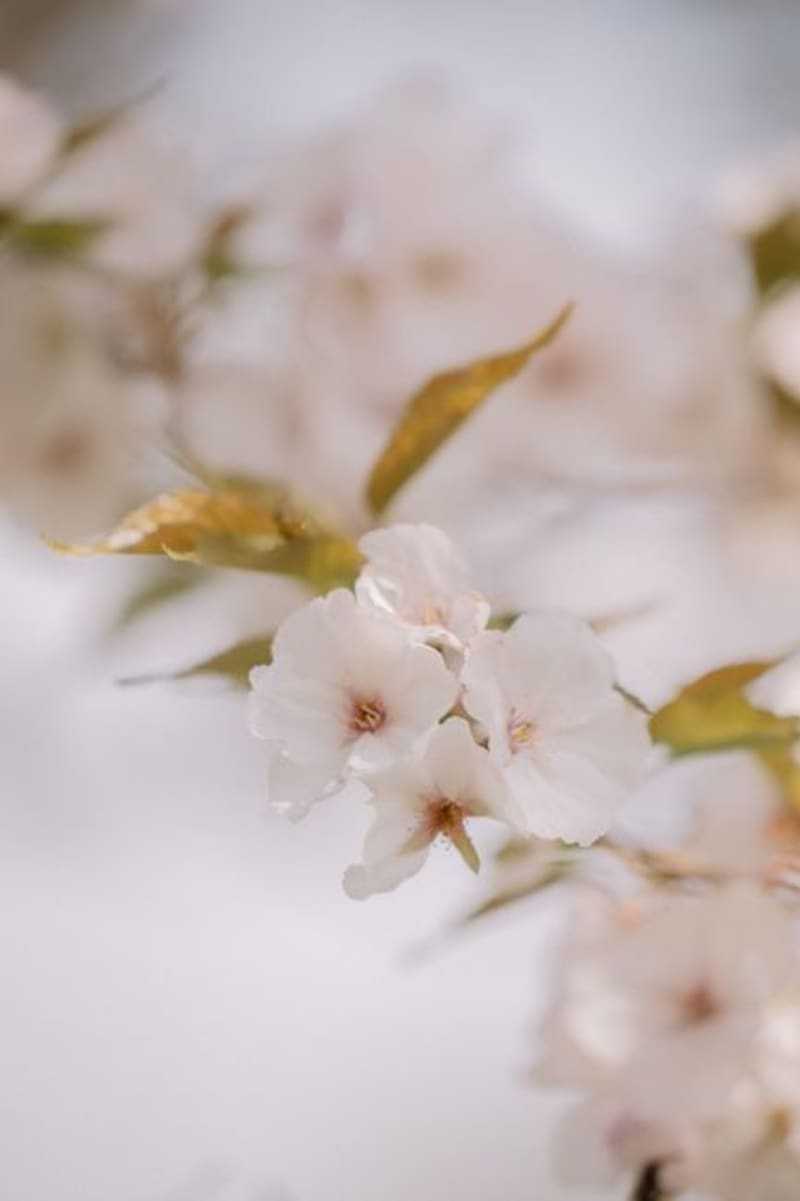 japan
japan Yoshino
A whole mountainside that turns to cherry blossom in waves each spring, climbing from valley to summit over weeks. Beneath the flowers lie ancient temples and centuries of mountain-ascetic faith. We came for the sakura and found the older thing underneath.
Explore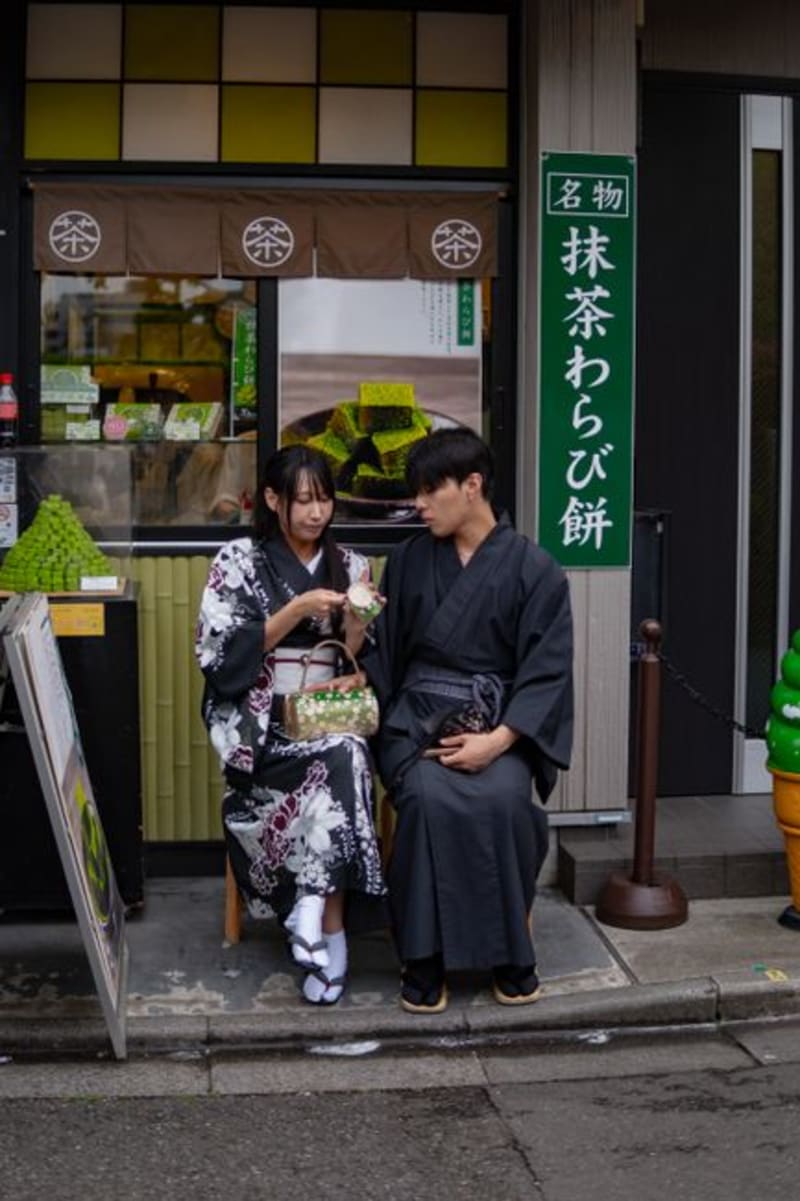 japan
japan Uji
A small riverside town between Kyoto and Nara that is the spiritual home of Japanese green tea, and home to the impossibly graceful Byōdō-in Phoenix Hall. Old tea houses line the streets, the river runs cold and fast, and the final chapters of The Tale of Genji are set here. Refined, green, and quietly ancient.
Explore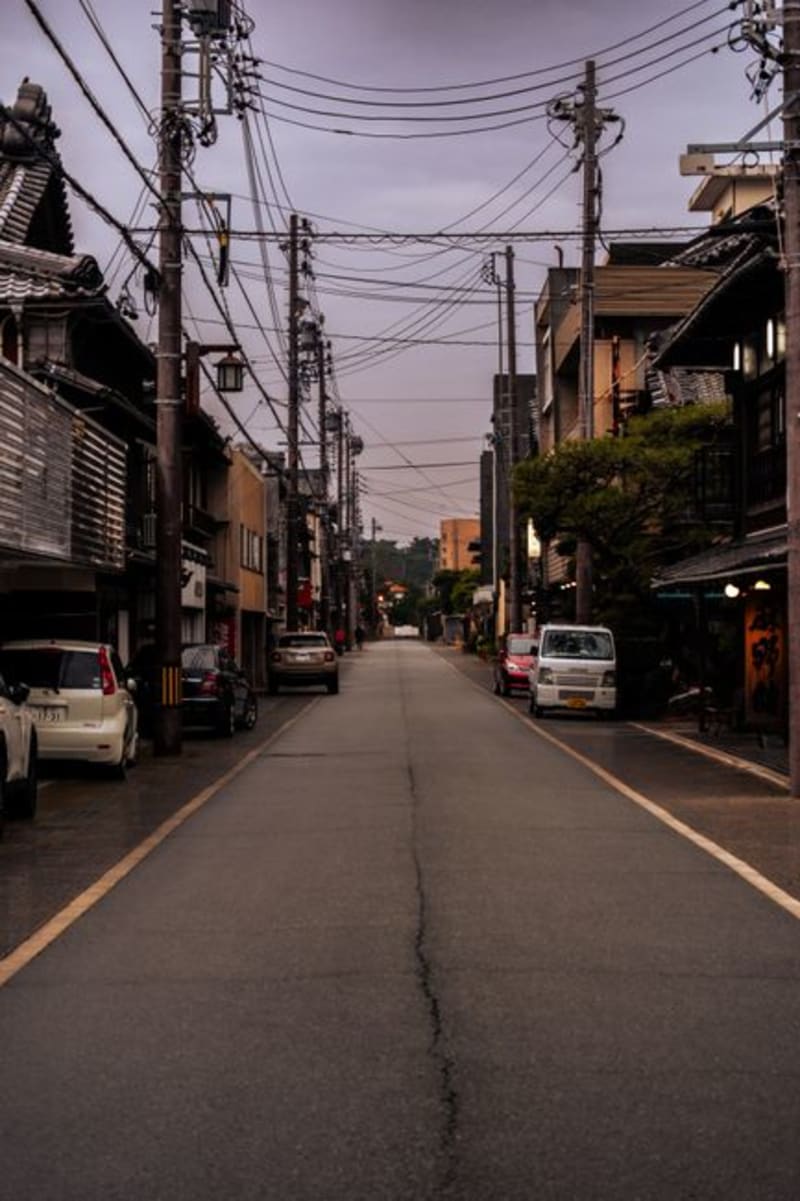 japan
japan Iga-Ueno
A quiet castle town in the mountains of Mie, birthplace of the Iga school of ninja, crowned by one of Japan's most beautifully proportioned white keeps. It wears its shadowy history lightly now — trick doors, a museum full of hidden blades, children in ninja costume — but the old spy-craft is real, and the town is prettier and slower than its reputation suggests.
Explore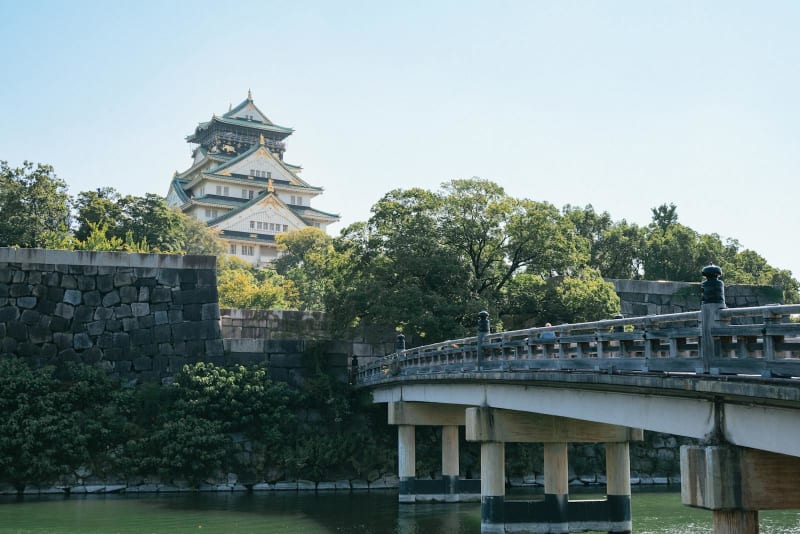 japan
japan Osaka
Japan's kitchen, Japan's comedian, Japan's night out. Osaka is the city that eats first and asks questions never.
Explore