Osaka's only remaining village, perched on the slopes of Mount Kongō, where a 14th-century warlord built a castle designed entirely around traps, movable bridges, and grinding down besieging armies rather than looming grandly.

It surprised us both to learn that Osaka Prefecture, a name synonymous with dense urban sprawl, still technically has exactly one village left, and that it sits up on the slopes of the prefecture’s highest peak. Lia found that fact almost too good to pass up, and so on a clear morning we left the city behind and took a long bus ride up into Chihaya-Akasaka, watching the concrete give way to terraced farmland and then to forest as the road climbed Mount Kongō. What waited at the top wasn’t just scenery — it was the ruins of a castle built less to look impressive than to make attacking it as miserable as possible, which felt like a fittingly stubborn way for Osaka’s last village to have made its name.
A Castle Built to Grind You Down
Chihaya Castle, built in the 14th century by a warlord who understood he’d never win a straight fight against the shogunate’s much larger forces, wasn’t designed as a conventional fortress at all. Instead it was a maze — earthworks, movable bridges that could be pulled away mid-siege, and deliberately engineered rockslide traps meant to bury advancing troops rather than simply block them. Walking the site today, most of it reclaimed by forest and quiet trails, it took real imagination to picture the chaos it was built for, but the terrain still gives hints: steep drops where a bridge clearly once stood, oddly angled slopes that would have funneled attackers exactly where defenders wanted them. Lia, who reads more military history than I do, kept stopping to point out features that would have been lethal centuries ago and now just look like pleasant, uneven forest paths.

A Shrine Where the Keep Once Stood
At the summit, where the castle’s keep would have stood, there’s now a shrine dedicated to the warlord who built it, and standing there looking out over the valley below, it struck me how completely the site’s function had inverted — from a place engineered to kill people trying to reach it, to a place people now climb for a peaceful view and a quiet prayer. A handful of local visitors were up there when we arrived, some clearly on a regular hike rather than a tourist visit, nodding to us in that easy way people do when a place belongs more to them than to you. The wind up there was strong and cold even on an otherwise warm day, and Lia joked that maybe the mountain itself had never quite stopped being defensive.

The Last Village in Osaka
Coming back down into the village proper, it was hard to square the quiet, terraced, distinctly rural feel of Chihaya-Akasaka with the fact that it sits within the same prefecture as Osaka’s neon core. Rice paddies stepped down the hillsides, a handful of small shops sold local vegetables and mountain vegetables we didn’t recognize, and an elderly shopkeeper told us, with clear pride, that theirs really was the prefecture’s last officially designated village, everywhere else long since reclassified as town or city. It felt less like a curiosity and more like a small act of quiet resistance — a community that has simply kept doing things its own way while the rest of the prefecture urbanized around it.

Getting There
Chihaya-Akasaka is reached via Kawachi-Nagano Station, served by both the Kintetsu and Nankai lines from central Osaka, followed by a local bus that climbs into the village and onward toward the Mount Kongō trailheads. The bus ride takes a while and the schedule thins out later in the day, so it’s worth planning your return before you set out, particularly if you’re hiking further up the mountain. This makes for a solid half-day or full-day trip from Osaka, easily combined with a broader loop through the southern reaches of the prefecture if you have more time. Sturdy shoes are worth packing, since the old castle ruins and summit shrine both involve uneven, unpaved trails rather than maintained tourist paths.
Keep exploring
More of Kansai
Keep exploring
More from Kansai
 japan
Chikubushima
A tiny sacred island in the middle of Lake Biwa, reachable only by boat, where a steep staircase of prayers leads up to a National Treasure gate and centuries of pilgrims asking Benzaiten for luck.
Explore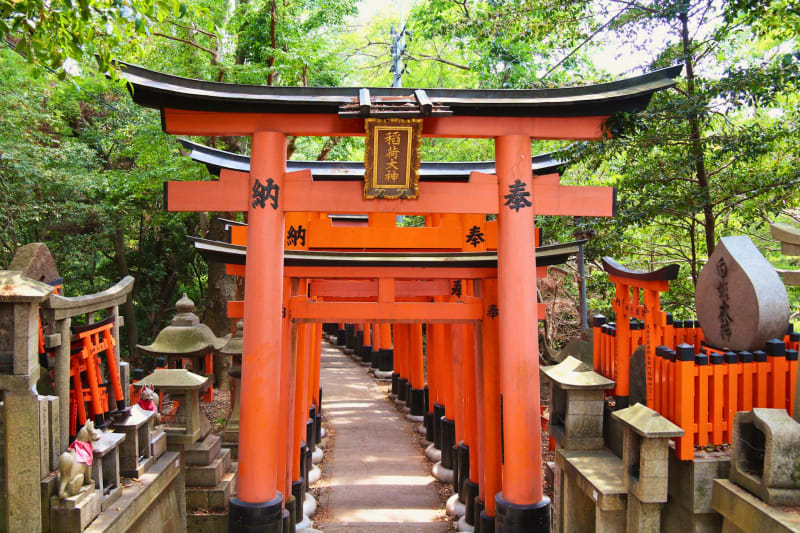 japan
Fushimi Inari Taisha
The mountain of ten thousand vermillion torii gates south of Kyoto — and the two-hour climb above them that almost nobody bothers to finish.
Explore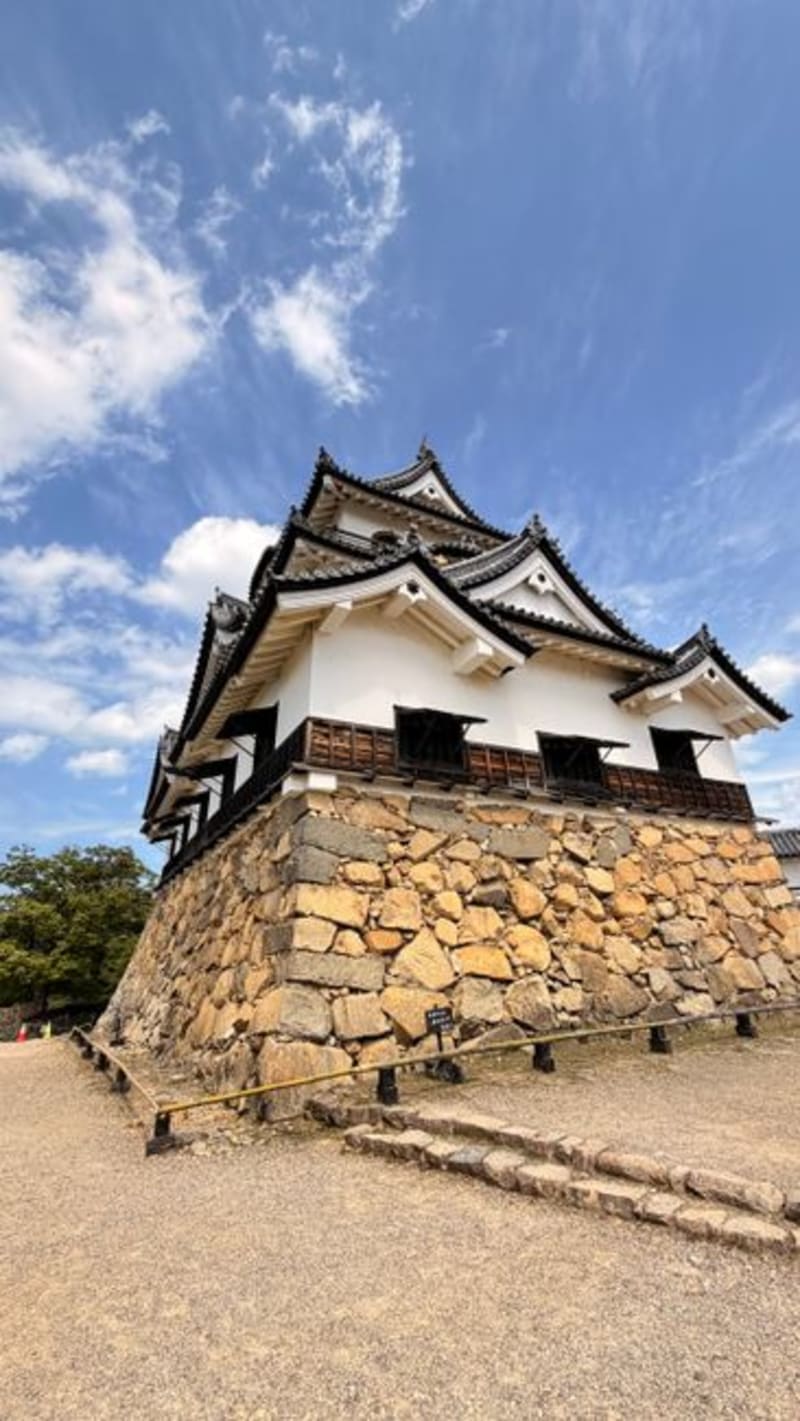 japan
Hikone
One of only a handful of original castles left standing in Japan, perched above Lake Biwa with a garden made for moon-viewing. We came expecting a quick stop and gave it a whole slow day. Sometimes the smaller places hold you longest.
Explore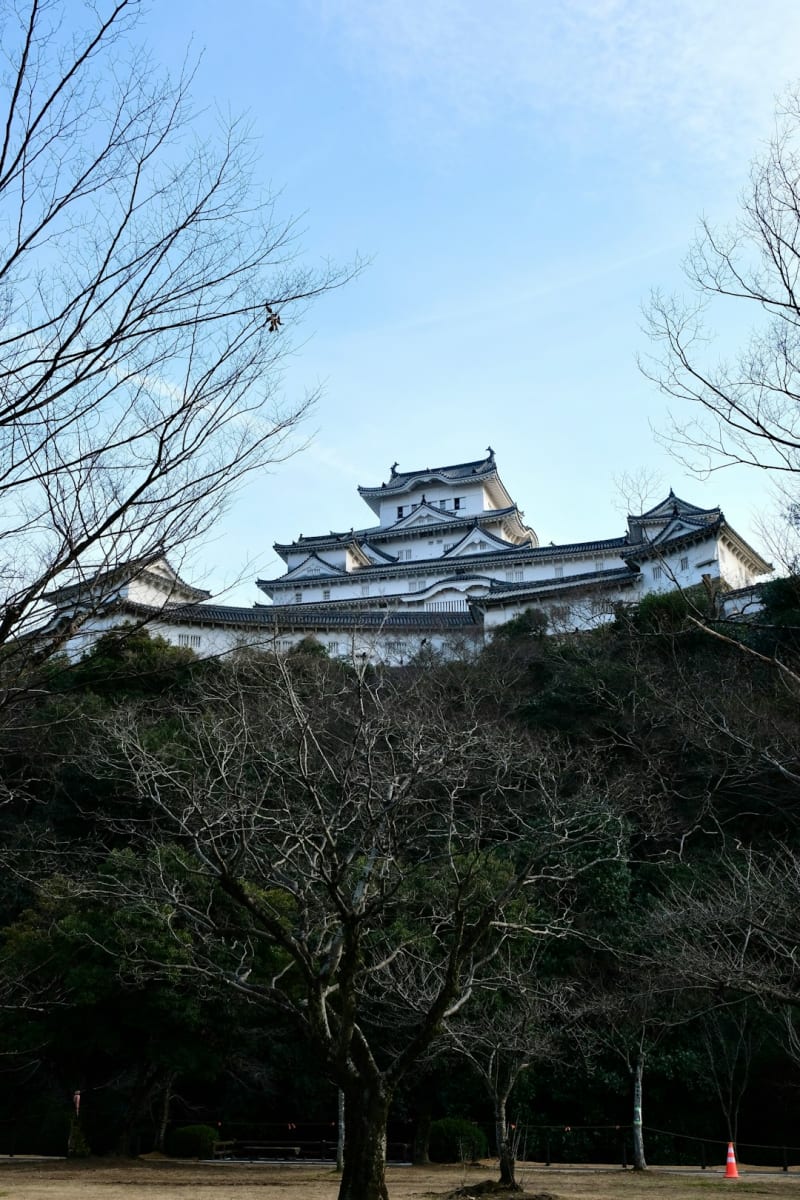 japan
Himeji
A Hyōgo city built around the finest surviving feudal castle in Japan — the 'White Heron,' its brilliant white walls rising over the plain. Cherry blossoms in spring, steep dark staircases within, and a fortress that never fell. The great day-trip icon of western Japan.
Explore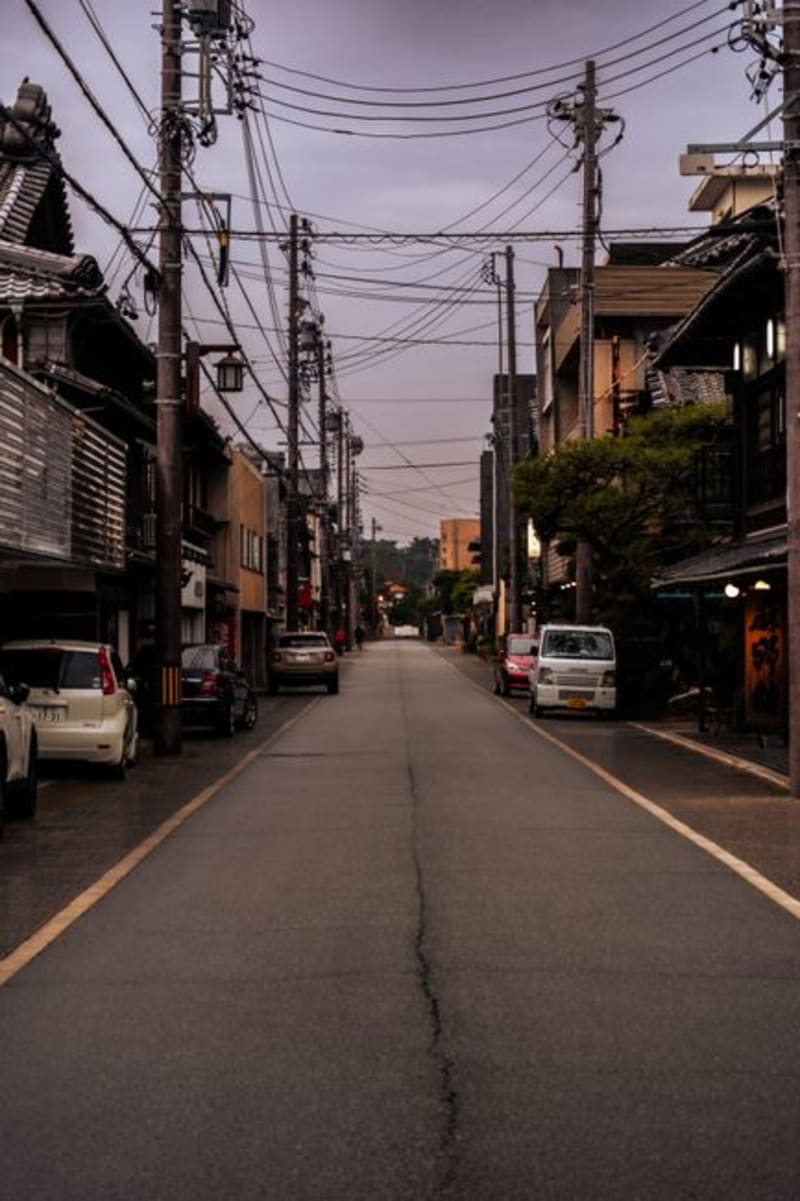 japan
Iga-Ueno
A quiet castle town in the mountains of Mie, birthplace of the Iga school of ninja, crowned by one of Japan's most beautifully proportioned white keeps. It wears its shadowy history lightly now — trick doors, a museum full of hidden blades, children in ninja costume — but the old spy-craft is real, and the town is prettier and slower than its reputation suggests.
Explore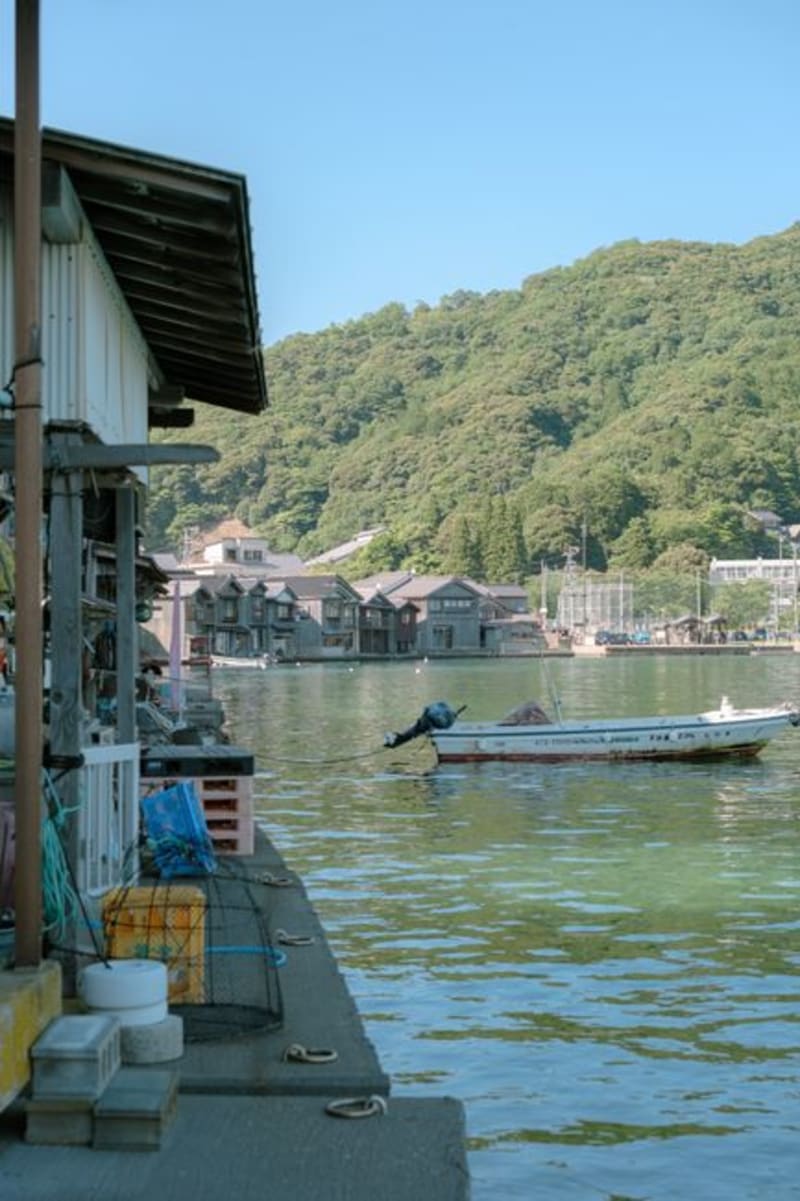 japan
Ine
A crescent bay on the far north Kyoto coast where two hundred wooden funaya boat houses stand with their feet in the sea, garage below, home above. We took a boat out onto the still water and understood why nobody here seems in any hurry to leave.
Explore