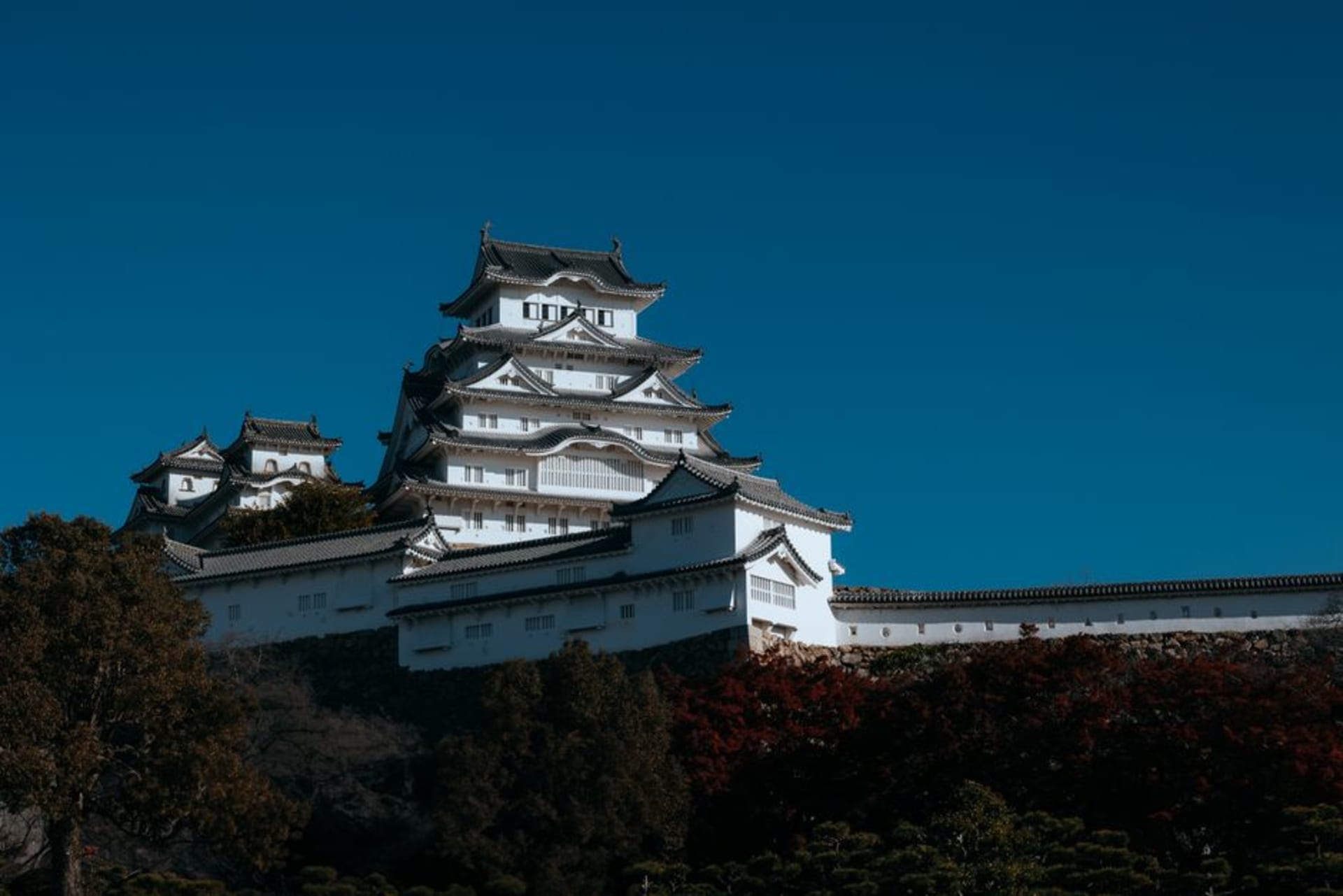
A quiet castle town in the mountains of Mie, birthplace of the Iga school of ninja, crowned by one of Japan's most beautifully proportioned white keeps. It wears its shadowy history lightly now — trick doors, a museum full of hidden blades, children in ninja costume — but the old spy-craft is real, and the town is prettier and slower than its reputation suggests.

I’ll admit we came to Iga-Ueno half as a joke. Ninja town — how serious could it be? Lia had a mental image of theme-park nonsense, and so did I, and we boarded the little single-carriage train from Iga-Kambe half-expecting kitsch. What we got instead was a hill town wrapped in mountains, almost empty on a Tuesday, with a white castle keep so cleanly proportioned it stopped us on the path. The kitsch is there if you want it. But the town underneath it is real, old, and unexpectedly graceful.
The White Keep on the High Wall
Iga-Ueno Castle sits on some of the tallest stone ramparts in Japan — the base walls drop nearly thirty metres, sheer and slightly curved, and standing at the foot of them you understand why nobody wanted to storm this place. The keep itself is a reconstruction from the 1930s, but a loving one, built in timber by a local politician who paid for much of it himself. Inside it smells of old wood and cold air. Lia climbed to the top floor ahead of me and I found her at a window looking out over the whole valley, the mountains stacked blue behind the tiled roofs. “Okay,” she said, without turning around. “I take back what I said about this place.” High praise, from Lia.

Inside the Ninja House
The Iga-ryu Ninja Museum is built around a genuine old farmhouse fitted with the real tricks — and this is where my scepticism died. A woman in dark red demonstrated it all with brisk, deadpan expertise: a wall panel that spins you into a hidden room, a floorboard that flips to reveal a sword, a sliding door that looks solid until it isn’t. It happened faster than my eyes could follow. Downstairs, cases of actual tools — climbing claws, folding grapnels, writing hidden in innocuous objects — reframed the ninja from cartoon assassin into something closer to a spy, a saboteur, an intelligence agency in an age before intelligence agencies. Lia bought a set of throwing-star coasters at the end. We are not immune to gift shops.

Basho’s Town, Too
What almost nobody tells you is that Iga-Ueno is also the birthplace of Matsuo Basho, the greatest of Japan’s haiku poets, and the town honours him as tenderly as it markets its ninja. We found a small museum near his old home and a strange, beautiful little building shaped like a traveller’s hat and cape — the Haiseiden — raised in his memory. After the theatrics of the ninja house, it was a shift of gears I didn’t expect and badly needed. Lia and I sat in the garden reading translated fragments of his walking poems, the ones written on the road with no home to return to, and the town’s two identities — the spy and the poet, secrecy and openness — suddenly didn’t feel so far apart.

Getting There
Iga-Ueno sits in the hills of western Mie, reached on the private Iga Railway — a charming ninja-painted local line — from Iga-Kambe Station, which connects to the JR Kansai main line. From Osaka it’s around ninety minutes, from Nagoya about the same, both with one easy change. Get off at Ueno-shi Station, not the JR one; the castle, ninja museum, and Basho sites are all within a fifteen-minute walk of each other, making this a very walkable half-day. The town is at its best midweek when the school groups thin out. If you’re chaining Kansai castle towns, it pairs well with Matsusaka to the south.
Keep exploring
More of Kansai
Keep exploring
More from Kansai
 japan
japan Shigaraki
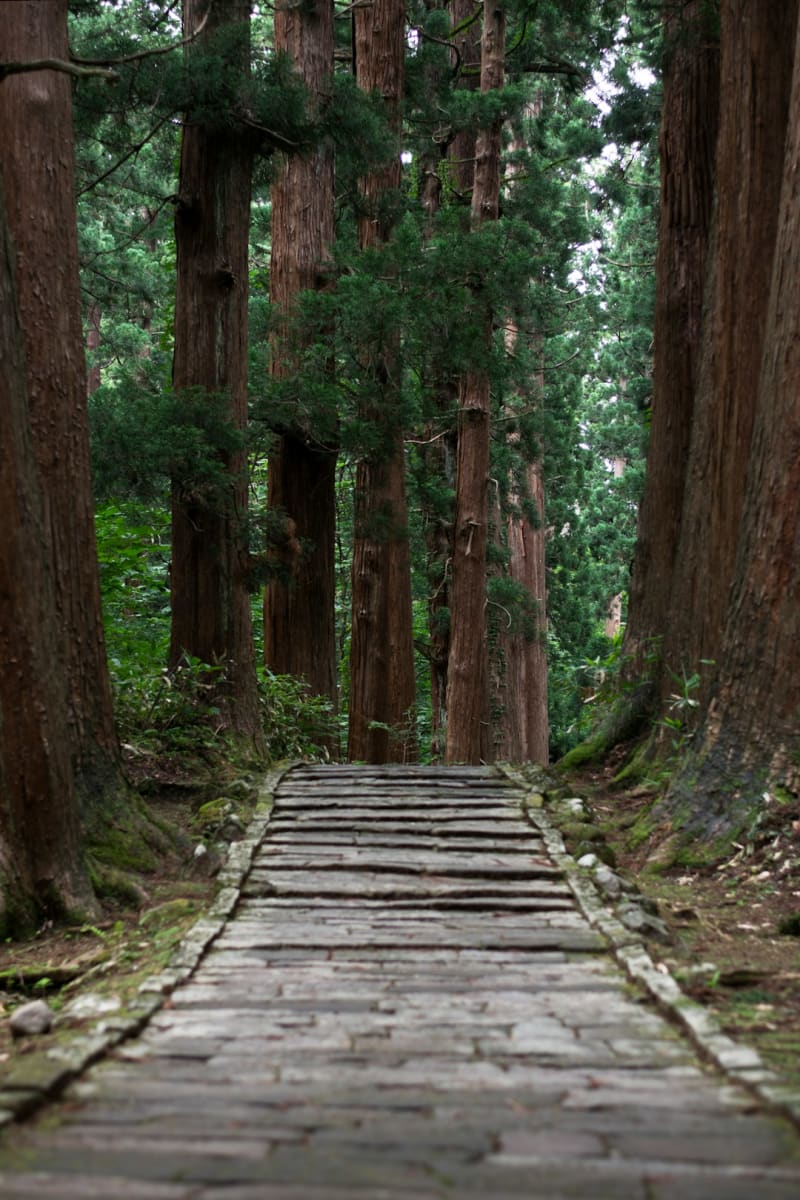
A pottery town in the Shiga hills where kilns have burned for eight centuries and cheerful clay raccoon-dogs stand guard outside nearly every door. Up a mountain road nearby hides the MIHO Museum, an I.M. Pei building reached through a cherry tunnel and a bridge, half-buried in the forest. Clay underfoot and architecture in the trees — Shigaraki is stranger and lovelier than it has any right to be.
Explore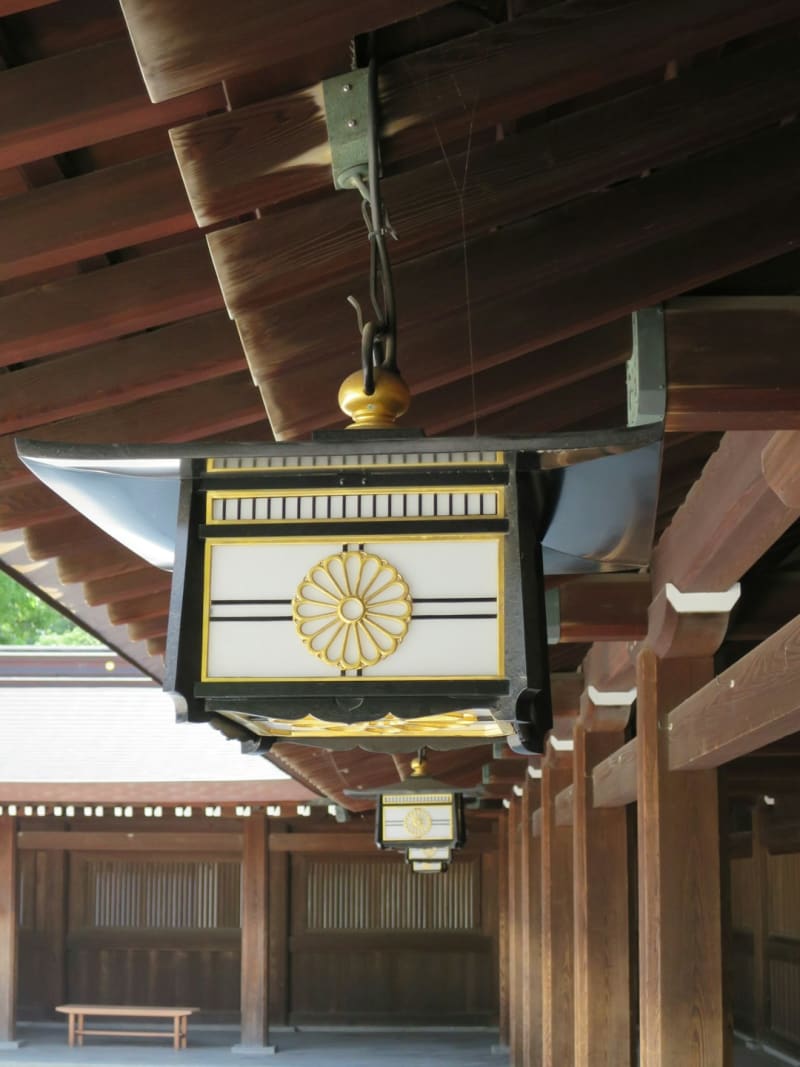 japan
japan Koka
The quiet Shiga cradle of the Kōga ninja, where thatched farmhouses hide false floors and revolving walls. Forested hills fold over a landscape that looks too ordinary to have hidden anything at all. That, of course, was always the point.
Explore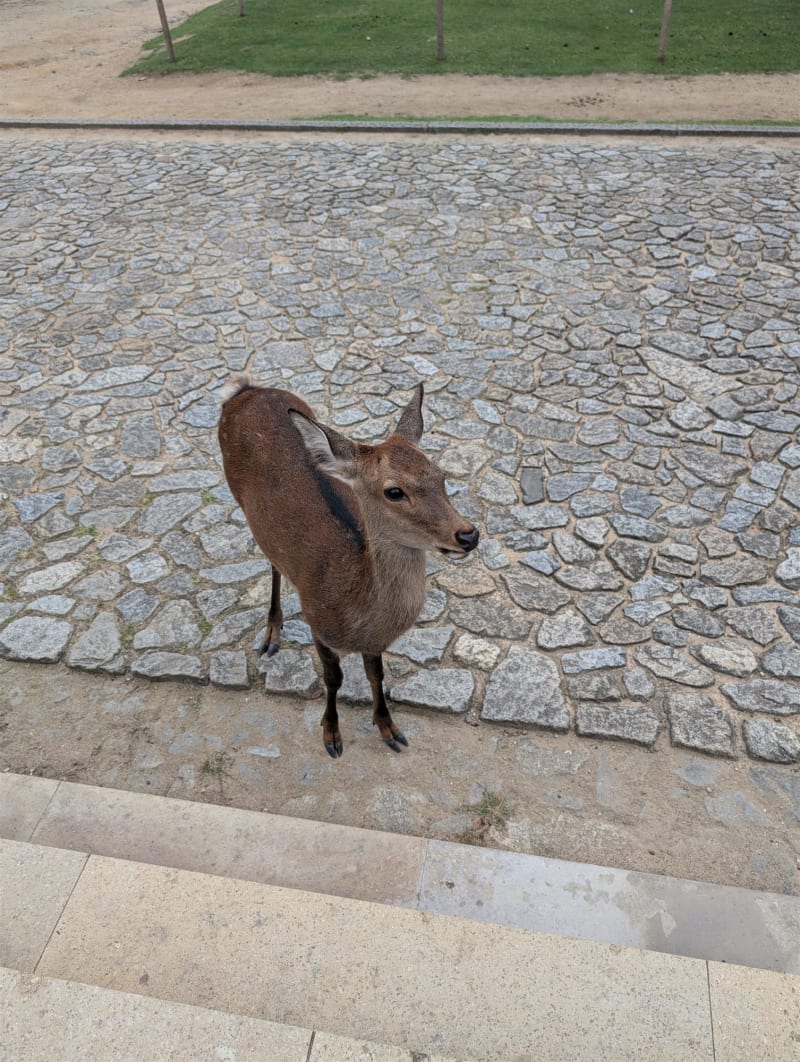 japan
japan Nara
Ancient capital where free-roaming deer share the streets with towering bronze Buddhas and cedar forests.
Explore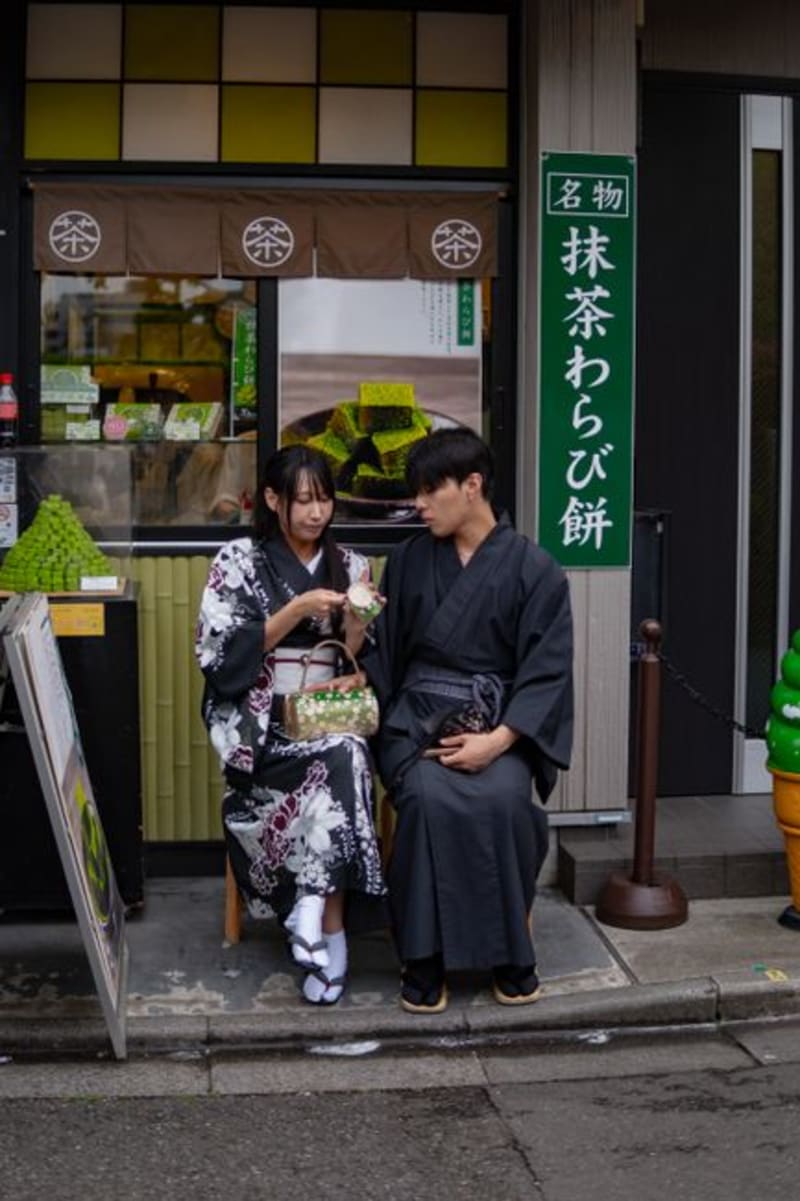 japan
japan Uji
A small riverside town between Kyoto and Nara that is the spiritual home of Japanese green tea, and home to the impossibly graceful Byōdō-in Phoenix Hall. Old tea houses line the streets, the river runs cold and fast, and the final chapters of The Tale of Genji are set here. Refined, green, and quietly ancient.
Explore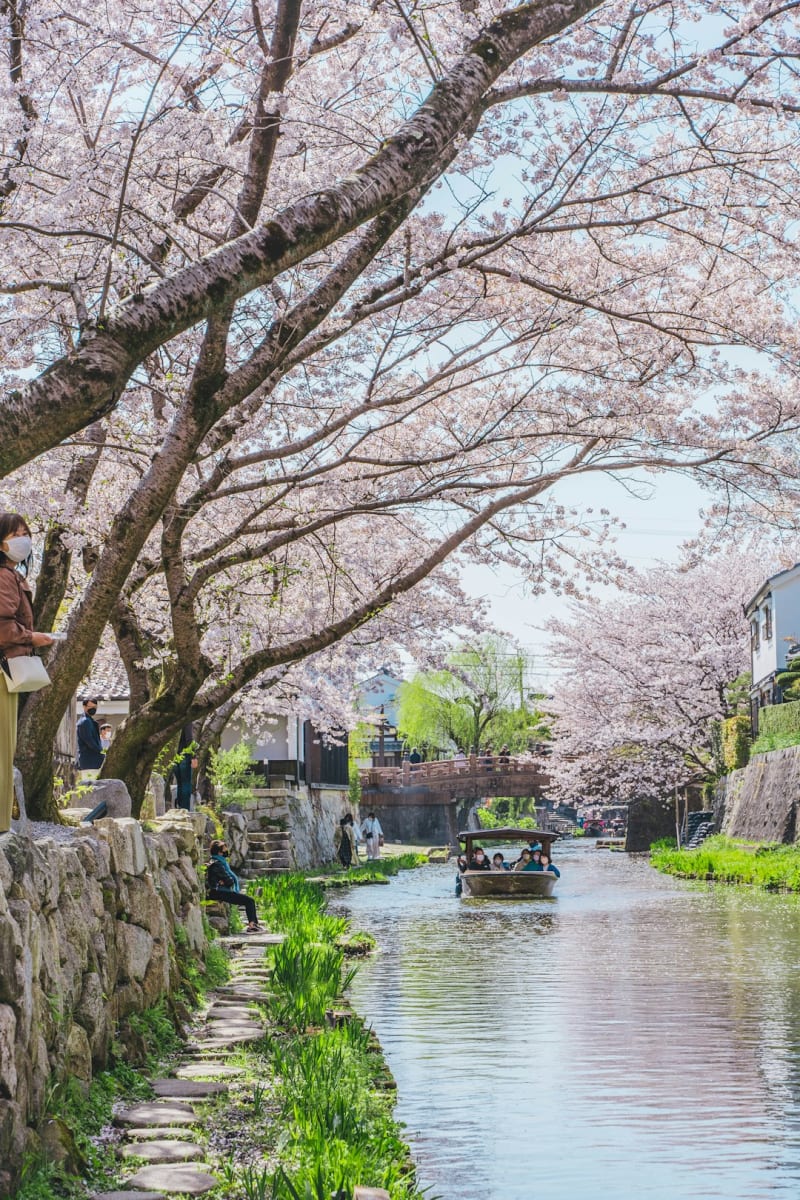 japan
japan Ōmihachiman
A merchant town near Lake Biwa where willow-lined canals still carry flat-bottomed boats past the whitewashed storehouses of the old Ōmi traders. We came for an afternoon and stayed until the water turned copper. Some places just refuse to be rushed.
Explore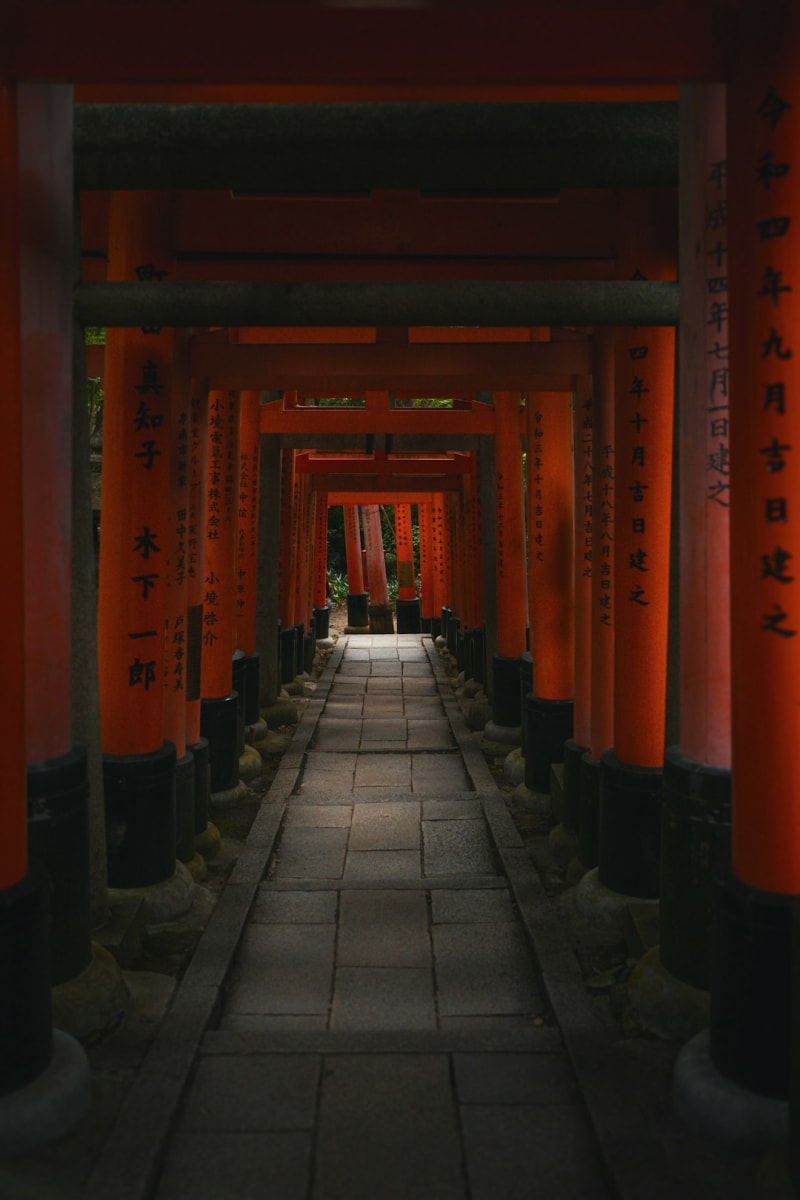 japan
japan Tenri
A Nara city built around faith itself, laid out along a kilometre of black-roofed church buildings where pilgrims in dark happi coats move at all hours. It is Japan's only true religious city, and it feels unlike anywhere else in the country. We arrived expecting a curiosity and left oddly moved.
Explore