Nachi-Katsuura
"Everyone photographs the pagoda. Fewer stand still long enough to hear the water."
A vermilion pagoda, a waterfall taller than any in Japan, and a tuna port where the boats come in at dawn. This is where the mountains of Kumano finally meet the sea. We came for the famous view and stayed for the smell of the harbor.

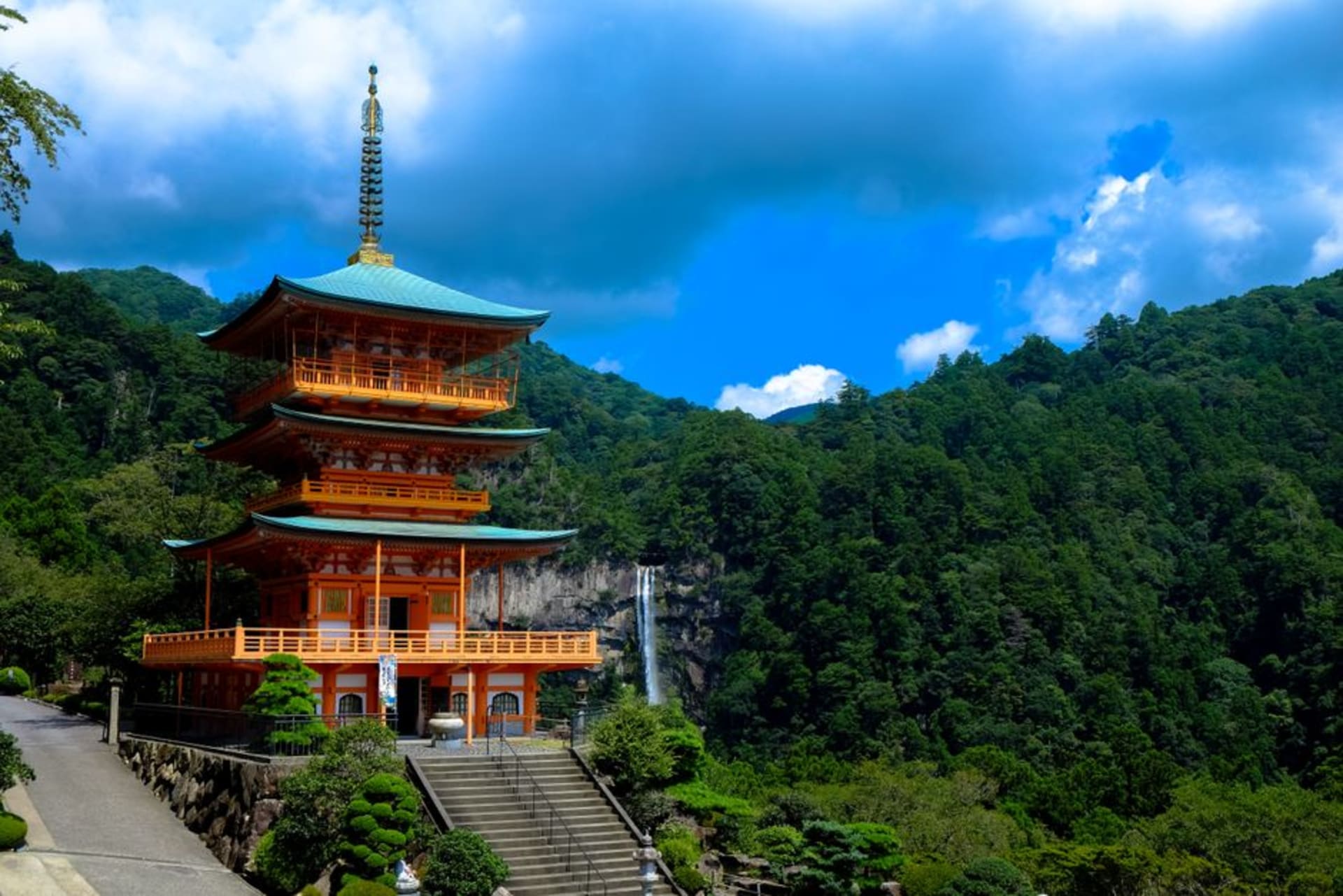
You already know the picture before you get there — the red pagoda, the white ribbon of the waterfall behind it, the green mountainside holding both. It’s on every poster for this part of Japan. So I braced myself for disappointment, the way you do when a place has been photographed to death. Then we climbed the last steps to Seiganto-ji, turned, and there it was, and the photographs had lied by making it small. Nachi Falls drops 133 metres in a single unbroken plunge, and standing there you feel the sound of it in your chest before you’ve really taken in the sight. Lia just laughed, that involuntary laugh you make when something is bigger than you expected.
The Pagoda and the Falls
The three-story pagoda of Seiganto-ji is the most famous vantage point, and rightly — it frames the waterfall so perfectly it feels staged, though it’s stood there in some form for centuries. We paid the small fee to climb it and looked out from the top balcony, the falls filling the whole window. Later we walked down to the base of the cascade itself, into the grounds of Hiryū-jinja, where the water is worshipped as a deity in its own right. Up close the wind off the plunge pool throws a fine mist over everything, and there’s a viewing platform where you stand and get quietly, happily soaked. I filled a little cup from the sacred spring and drank it, cold enough to hurt my teeth.

Climbing to Kumano Nachi Taisha
Above the falls sits Kumano Nachi Taisha, one of the three grand shrines of Kumano, reached by a long flight of stone steps flanked by cedars and small shops selling grilled rice cakes. We climbed slowly, stopping to buy a skewer of mochi charred over coals, and reached the vermilion shrine buildings just as a group of pilgrims in white were completing their own long walk down from the mountains. There’s an ancient camphor tree there, hundreds of years old and hollow at the base, and you can pay to walk through the gap inside its trunk. Lia did it and came out grinning. From the terrace the whole valley falls away toward the sea, and you understand why people have been climbing up here to give thanks for well over a thousand years.

Katsuura’s Tuna Harbor
Down at sea level, Katsuura is a working tuna port, and if you can drag yourself out of bed the morning fish auction is worth every yawn. We watched rows of enormous frozen tuna laid out on the wet concrete of the market floor while buyers moved between them with hooks and flashlights, inspecting the tail-cuts. Afterward we ate a maguro breakfast at a counter by the harbor — raw, seared, and simmered, three ways on one tray — while the boats that had caught it rocked at the dock outside. The town itself is small and unglamorous in the best way, steam rising from hot-spring hotels along the shore, cats sleeping on upturned crates. It smells of salt and diesel and grilled fish, and I loved it.
Getting There
Nachi-Katsuura sits on the Kii Peninsula’s southern coast. Limited express trains (the Kuroshio) run from Shin-Osaka to Kii-Katsuura station in roughly four hours, hugging a beautiful stretch of coastline for the final leg. From the station, local buses climb up to the Nachi Falls and shrine area in about twenty-five minutes. If you’re walking the Kumano Kodō, the Nachi area is the traditional coastal endpoint. Stay a night by the harbor to catch the early tuna market, and pack a light rain layer — the mist off the falls finds everyone.
Keep exploring
More of Kansai
Keep exploring
More from Kansai
 japan
japan Kumano Kodō
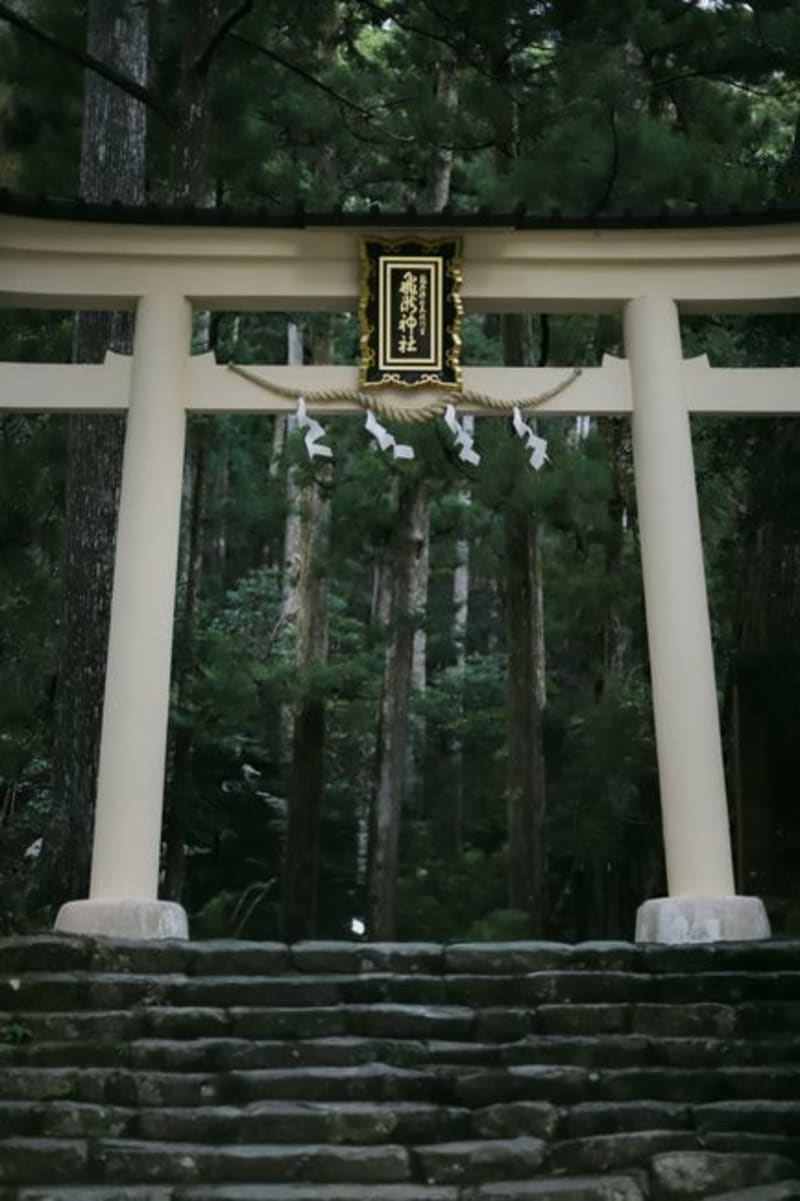
A thousand-year-old pilgrimage stitched through the Kii mountains in cedar, moss, and worn stone. We walked it slowly, one shrine at a time, and let the forest set the pace. Rain, incense, and the quiet company of everyone who'd come before.
Explore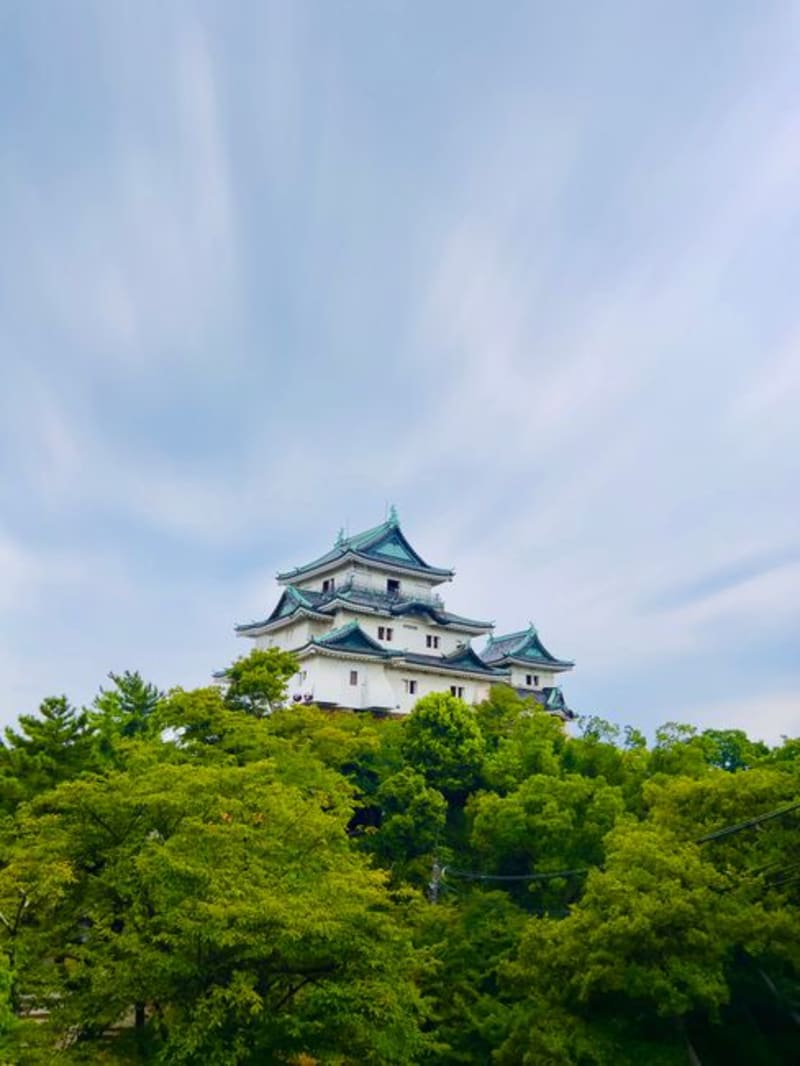 japan
japan Wakayama
The easygoing capital of Wakayama on the Kii coast, with a white castle on a hill and a ramen worth crossing a prefecture for. We used it as a gateway south toward Kōya-san and the Kumano coast, and found a city in no hurry to impress us — which is exactly why we liked it.
Explore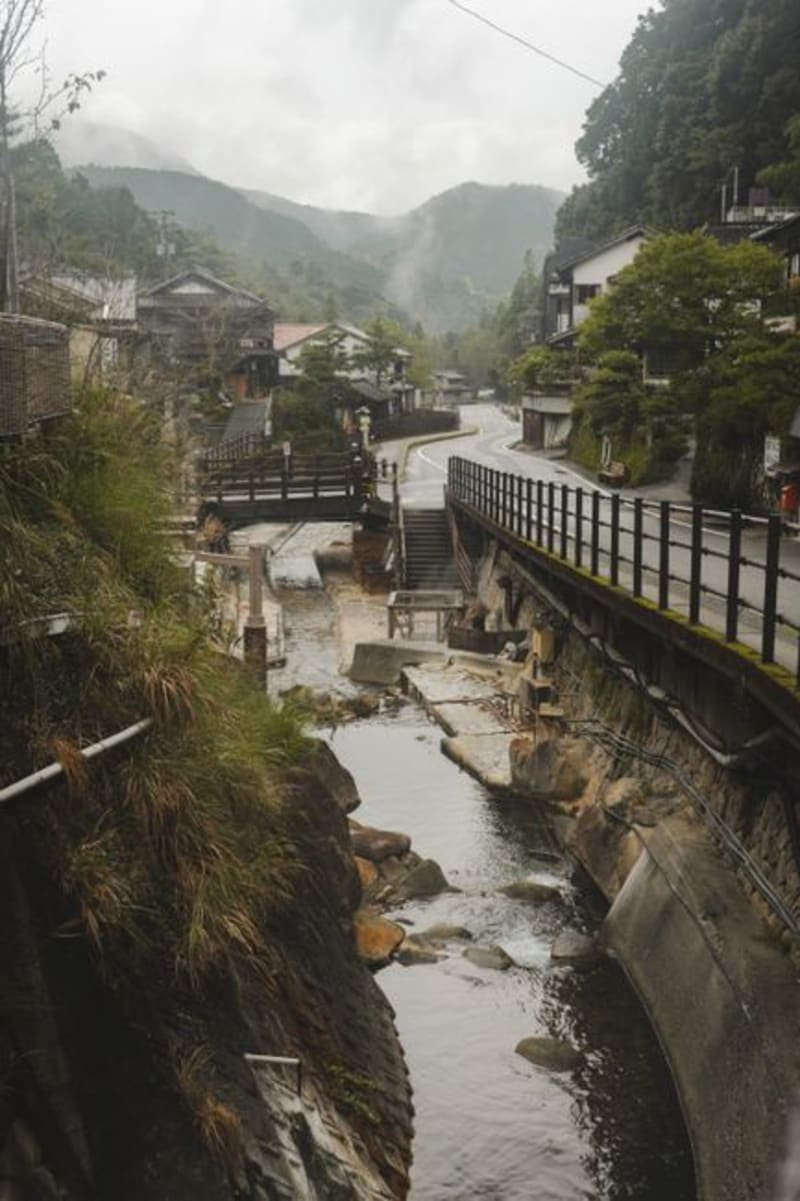 japan
japan Ryujin Onsen
A remote hot spring folded deep into Wakayama's Kii mountains, where the water runs so soft it feels like liquid silk on the skin. The kind of place you reach only after the last convenience store has vanished from the map, and are glad of it.
Explore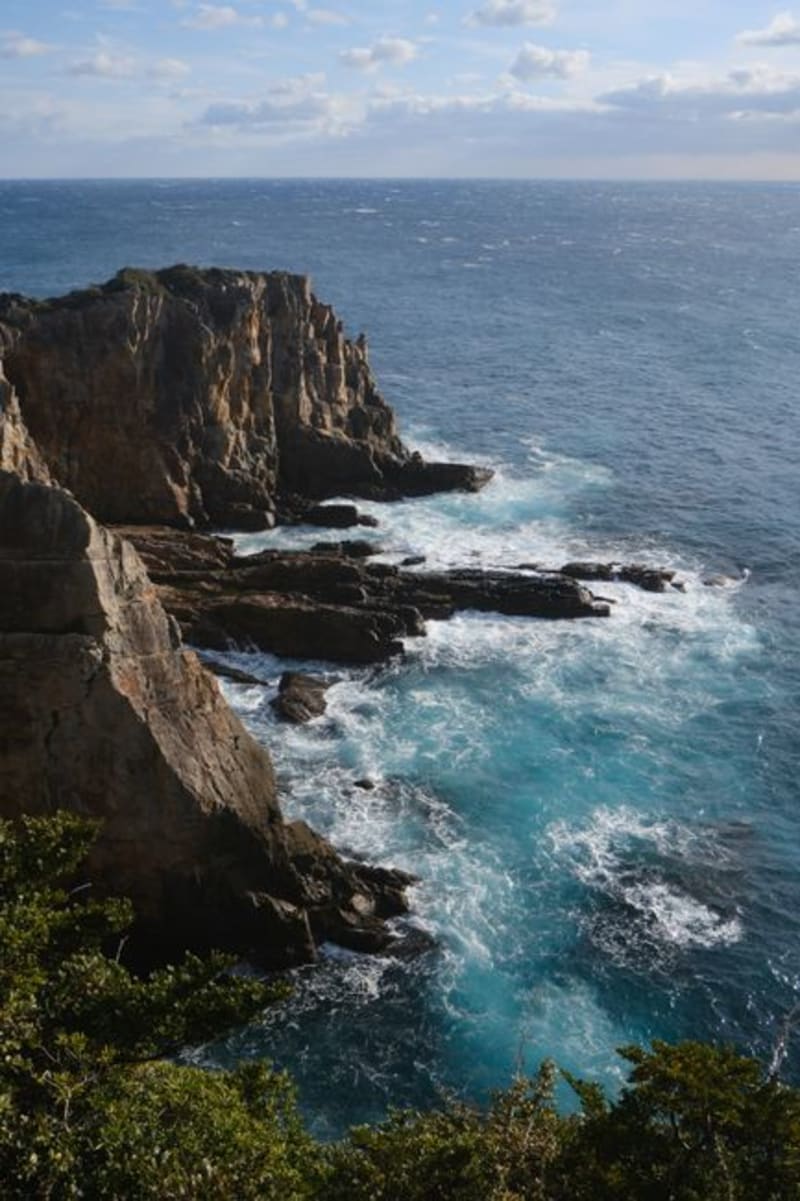 japan
japan Tanabe
A working Wakayama port that most pilgrims treat as a doorway to the Kumano Kodo and hurry through. Linger a night, and you find a town of narrow drinking alleys, fresh-off-the-boat fish, and a warmth that has nothing to do with performing for visitors.
Explore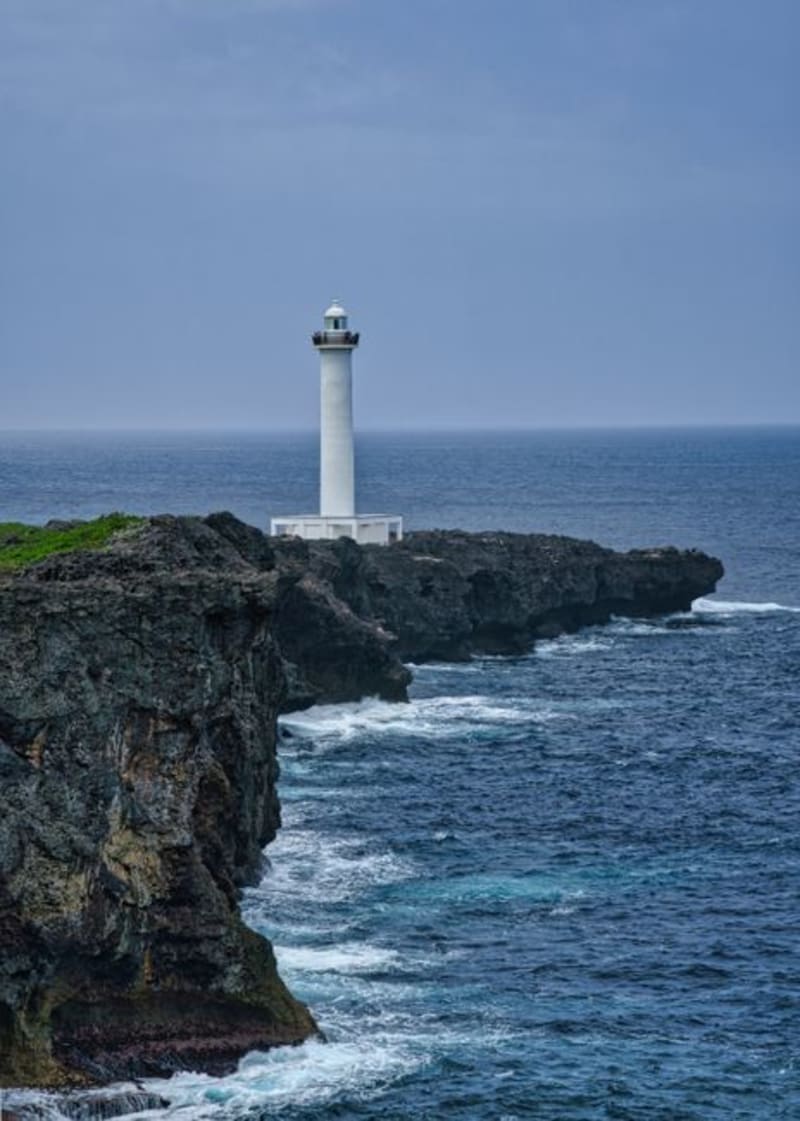 japan
japan Shirahama
A sunny beach-and-onsen resort on the Wakayama coast, with white sand, hot springs older than the written record, and sea cliffs that catch fire at sunset. We came for a rare thing in Japan — an actual beach holiday — and got the mountains and the onsen thrown in for free.
Explore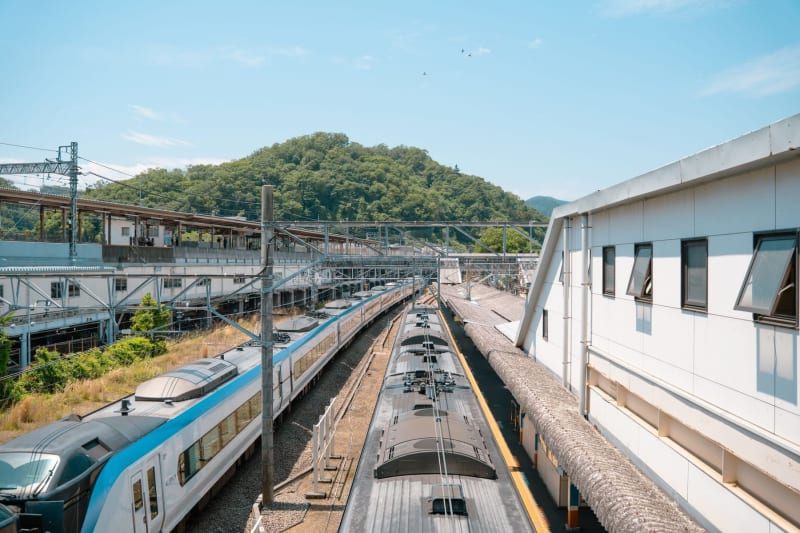 japan
japan Koya-san
A mountaintop monastery town where you sleep in a temple, eat shojin ryori, and walk a cedar-shrouded cemetery.
Explore