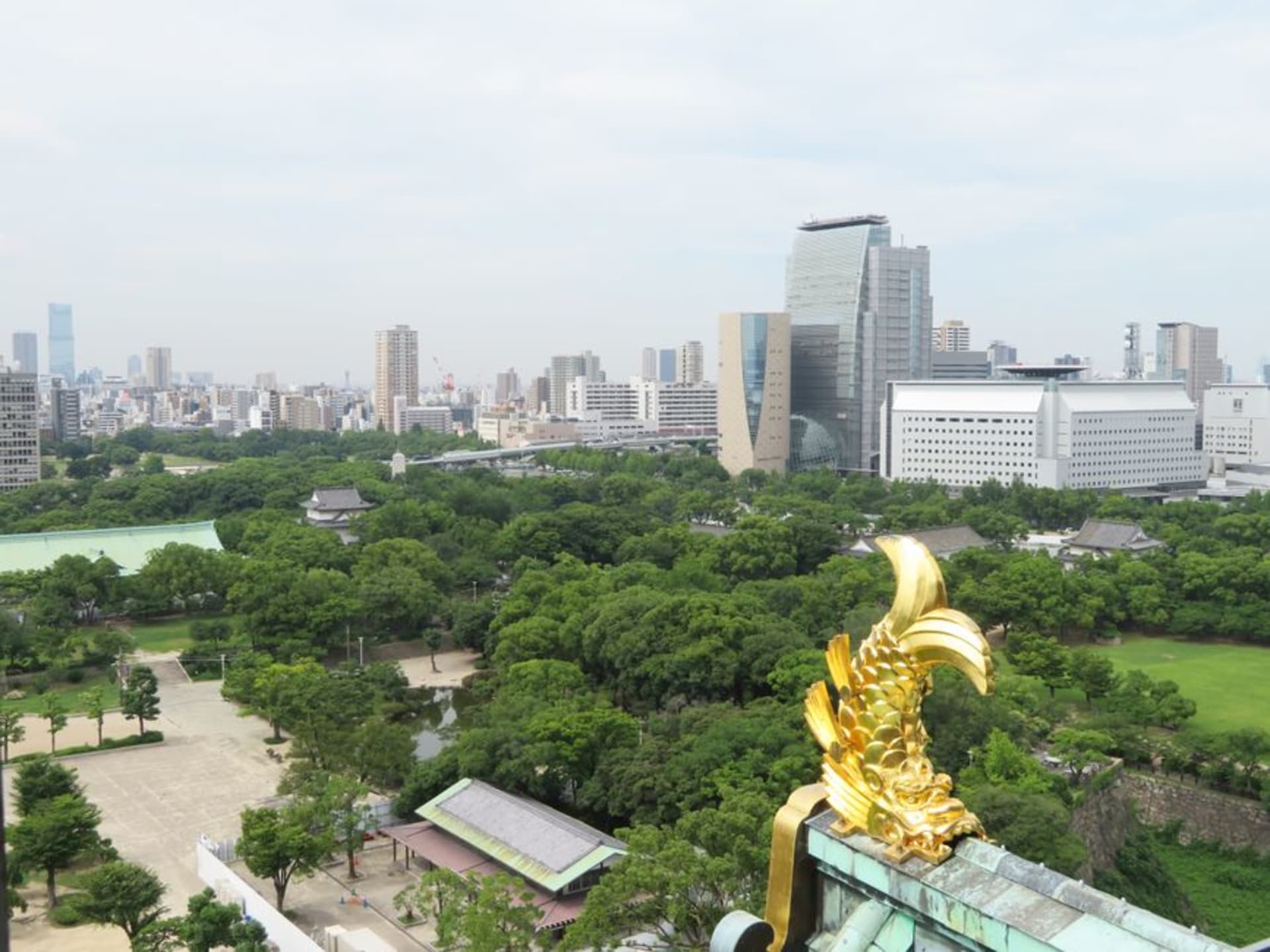
Nishiwaki (Nihon-heso Park)
"Stand here and you're in two coordinates at once — Nishiwaki's whole identity is built on that one small fact."
An unassuming inland Hyōgo city built entirely around one geographic quirk: sitting exactly where Japan's standard time meridian crosses the 35th parallel, its literal navel, marked by a park where you can stand in two coordinates at once.

Some places earn their fame through beauty, others through history, and then there’s Nishiwaki, which has built its entire civic identity around a coordinate. Lia found it while looking at a map of Hyōgo Prefecture and noticed a town proudly calling itself Japan’s “navel,” on the grounds that it sits precisely where the country’s standard time meridian crosses the 35th parallel north. That was, frankly, too odd not to visit. We took a slow regional train inland from the coast, half joking the whole way about what a park dedicated to a line of longitude could possibly look like, and arrived to find a small, quiet city that has committed to the bit with real sincerity.
Standing in Two Places at Once
Nihon-heso Park sits right on the intersection itself, marked by a monument you can physically straddle, one foot in one set of coordinates, one in the other, which is exactly as silly and satisfying as it sounds. We took the obligatory photos standing astride the line, laughing at how seriously the whole thing is presented — informational plaques, a carefully engineered walkway following the meridian, everything built with the same civic pride you’d expect around a famous shrine rather than an invisible geographic line. There’s something charming about a city deciding that its identity didn’t need a castle or a legendary battle, just a coordinate nobody else happened to claim first, and building a genuinely pleasant public park around it.

A Science Center for the Navel
Attached to the park is a small science center and observatory that leans hard into the astronomical angle of the whole navel concept, with exhibits on timekeeping, the meridian’s role in Japan Standard Time, and a rooftop observatory for stargazing after dark. We spent a happy hour wandering exhibits explaining concepts I vaguely remembered from school, presented with a level of enthusiasm that made even basic astronomy feel fresh again. Lia, who studied a bit of physics years ago, kept translating the more technical panels for me, visibly delighted at how earnestly the whole science center treated its slightly absurd premise. It’s the kind of small, well-funded local museum that only exists because a city decided its geographic quirk deserved serious infrastructure.

Pop Art in an Unlikely Place
The last thing we expected to find in a park about longitude was an art museum, but Nishiwaki also houses a collection of works by a locally born pop artist, displayed in a bright, modern gallery just off the main park grounds. Wandering through after the science exhibits felt like a tonal whiplash in the best way — bold colors and playful compositions after a morning of meridians and time zones. A docent told us, clearly used to visitors asking, that the artist’s connection to the town had become another point of local pride, folded neatly into the navel concept as if Nishiwaki collects unlikely claims to fame the way other towns collect festivals. By the time we left, the city’s whole earnest, slightly eccentric self-branding had genuinely won us over.

Getting There
Nishiwaki is served by Nishiwaki-shi Station and the more specifically named Nihon-heso-koen Station, both reachable via the JR Kakogawa and Bantan lines with connections from the wider Kansai rail network, typically requiring a transfer from a larger hub like Himeji or Kakogawa. The park itself sits an easy walk from Nihon-heso-koen Station, making the whole visit simple once you’ve made your way inland. It’s a manageable day trip from Kyoto or Osaka, though the regional transfers mean it works best as a relaxed, unhurried outing rather than a quick stop bolted onto a busier itinerary. Check local train schedules ahead of time, since services on these regional lines run less frequently than the main Kansai trunk lines.
Keep exploring
More of Kansai
Keep exploring
More from Kansai
 japan
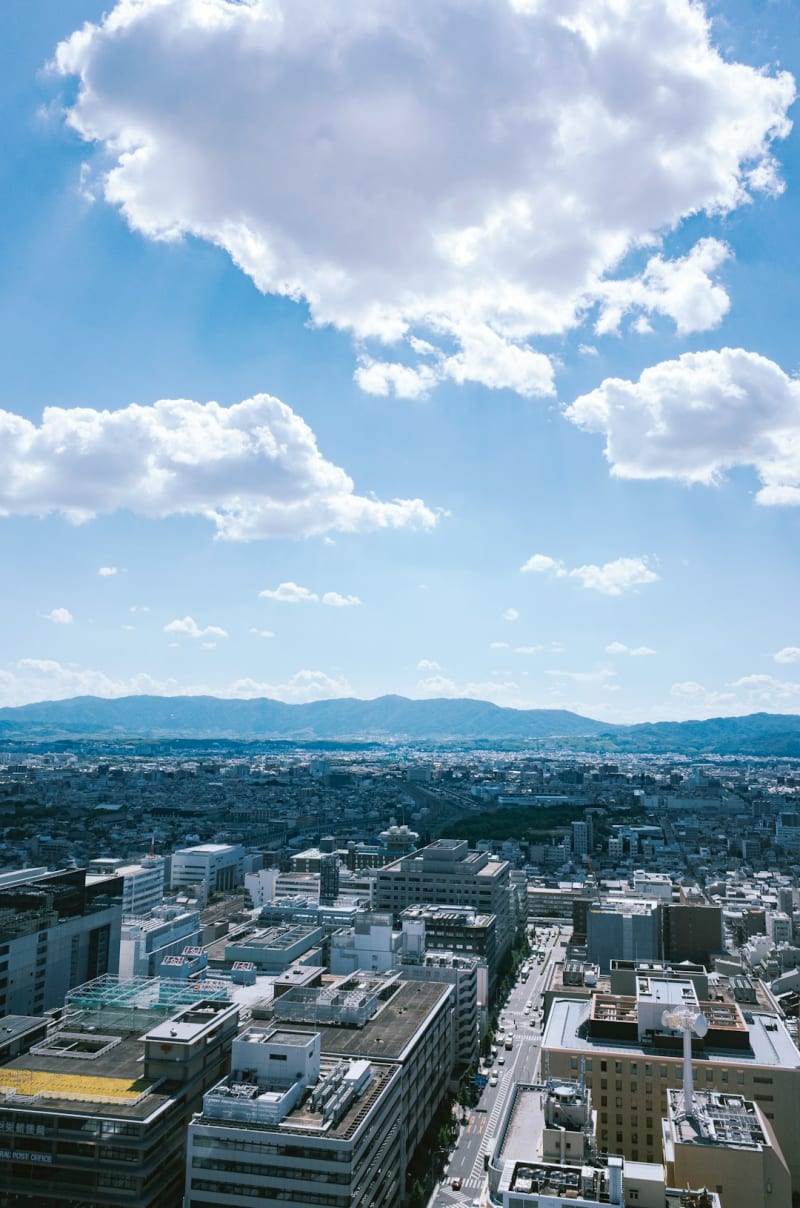
japan Ohara
A rustic temple valley folded into the hills north of Kyoto, where moss swallows the stone paths and the maples turn the whole basin to embers each November. We came for a single afternoon and left having lost the entire day to gardens and silence.
Explore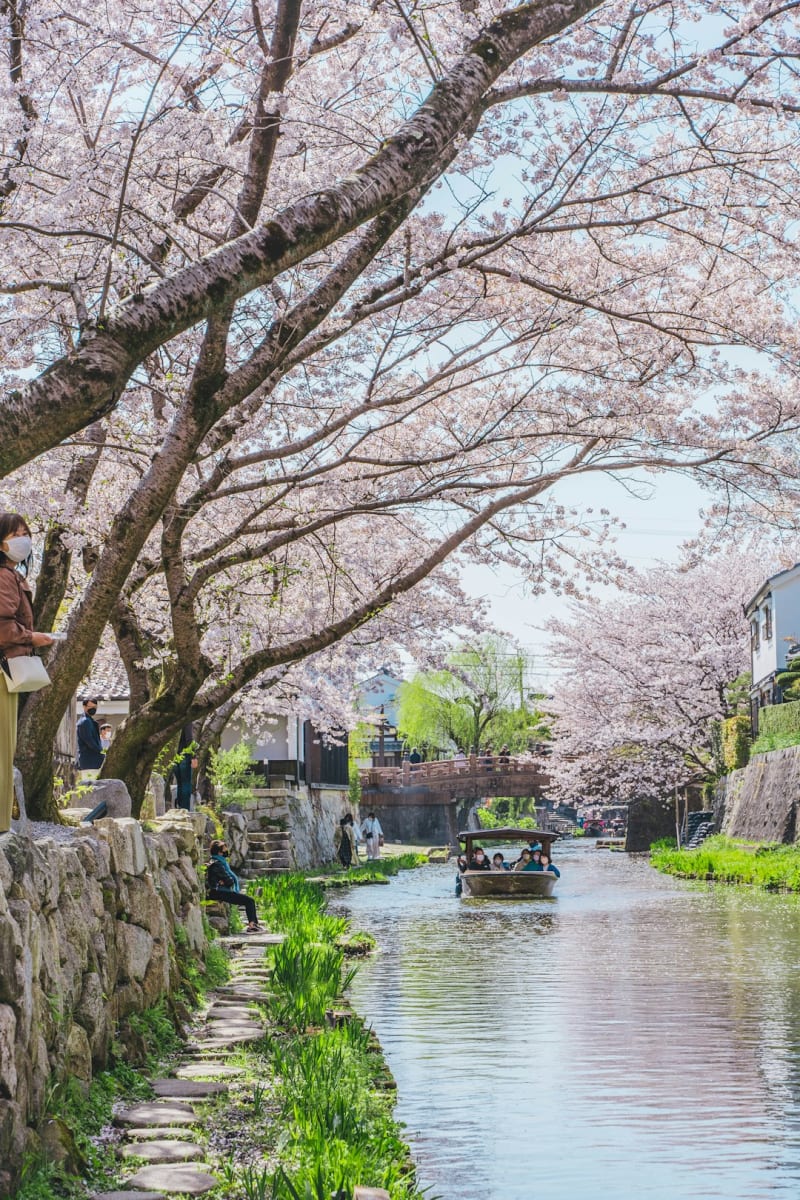 japan
japan Ōmihachiman
A merchant town near Lake Biwa where willow-lined canals still carry flat-bottomed boats past the whitewashed storehouses of the old Ōmi traders. We came for an afternoon and stayed until the water turned copper. Some places just refuse to be rushed.
Explore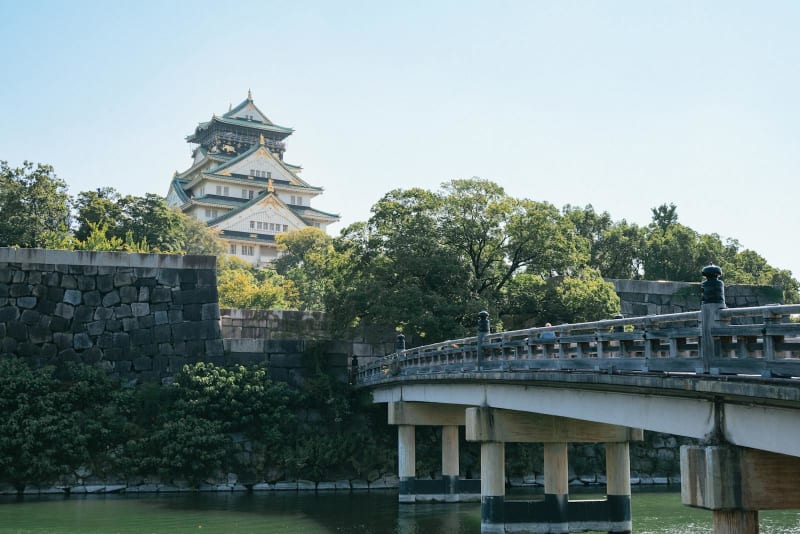 japan
japan Osaka
Japan's kitchen, Japan's comedian, Japan's night out. Osaka is the city that eats first and asks questions never.
Explore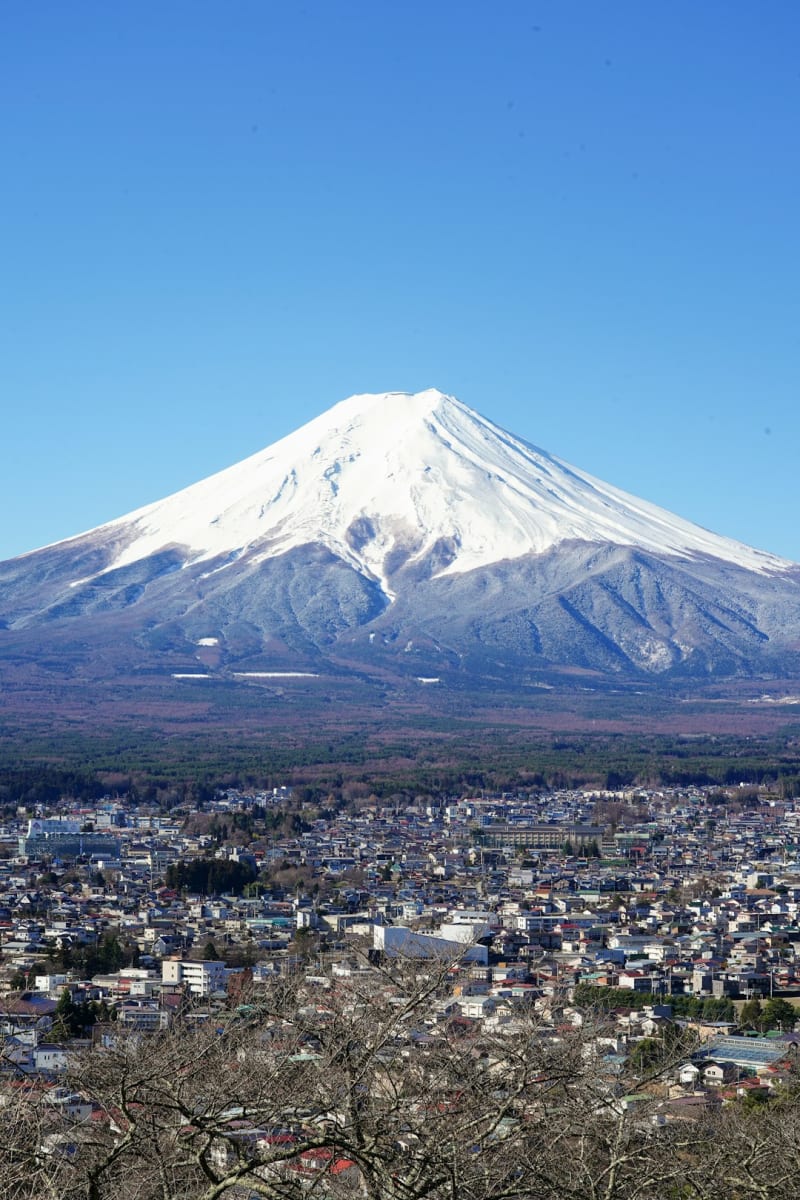 japan
japan Otsu
A lakeside city in Shiga where Japan's largest lake, Biwa, lies flat and enormous below the wooded shoulder of Mount Hiei — and on that mountain sits Enryaku-ji, the vast monastery that shaped Japanese Buddhism for a thousand years. Otsu is Kyoto's quieter neighbor, a place of lake light and temple bells that most travelers rush straight past. We didn't, and we were glad.
Explore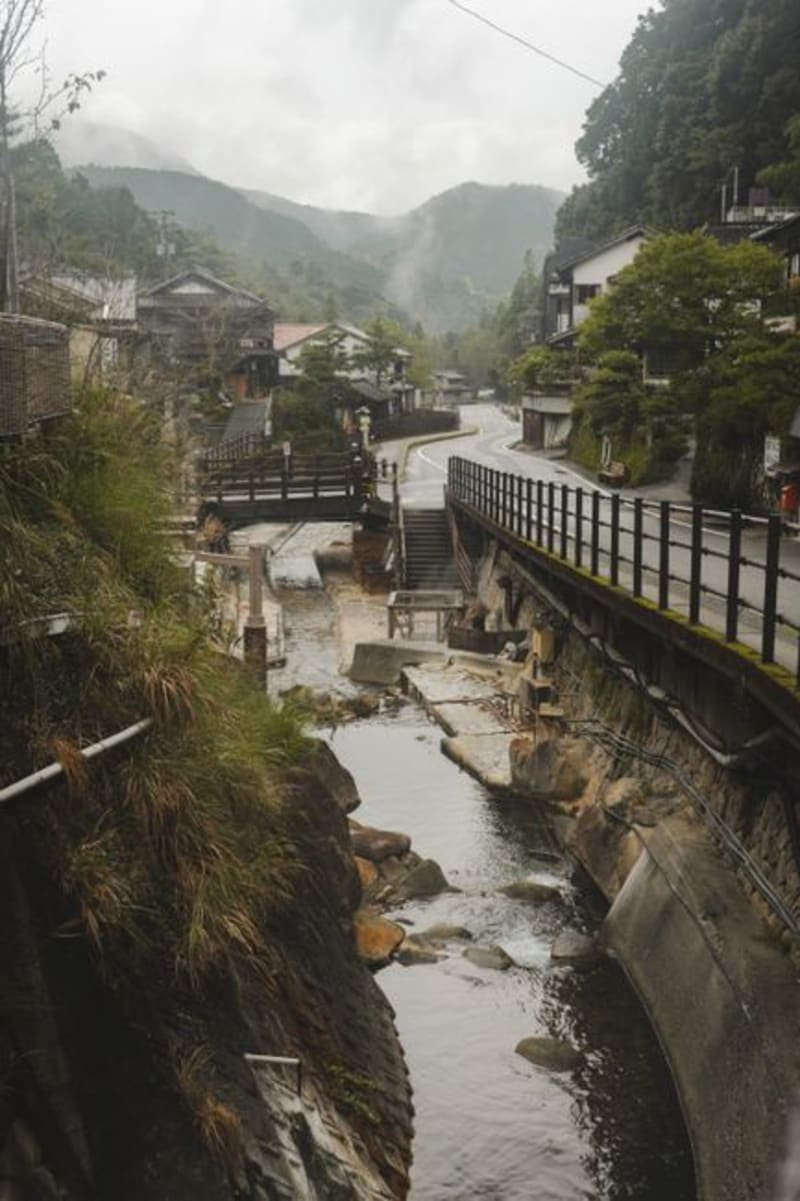 japan
japan Ryujin Onsen
A remote hot spring folded deep into Wakayama's Kii mountains, where the water runs so soft it feels like liquid silk on the skin. The kind of place you reach only after the last convenience store has vanished from the map, and are glad of it.
Explore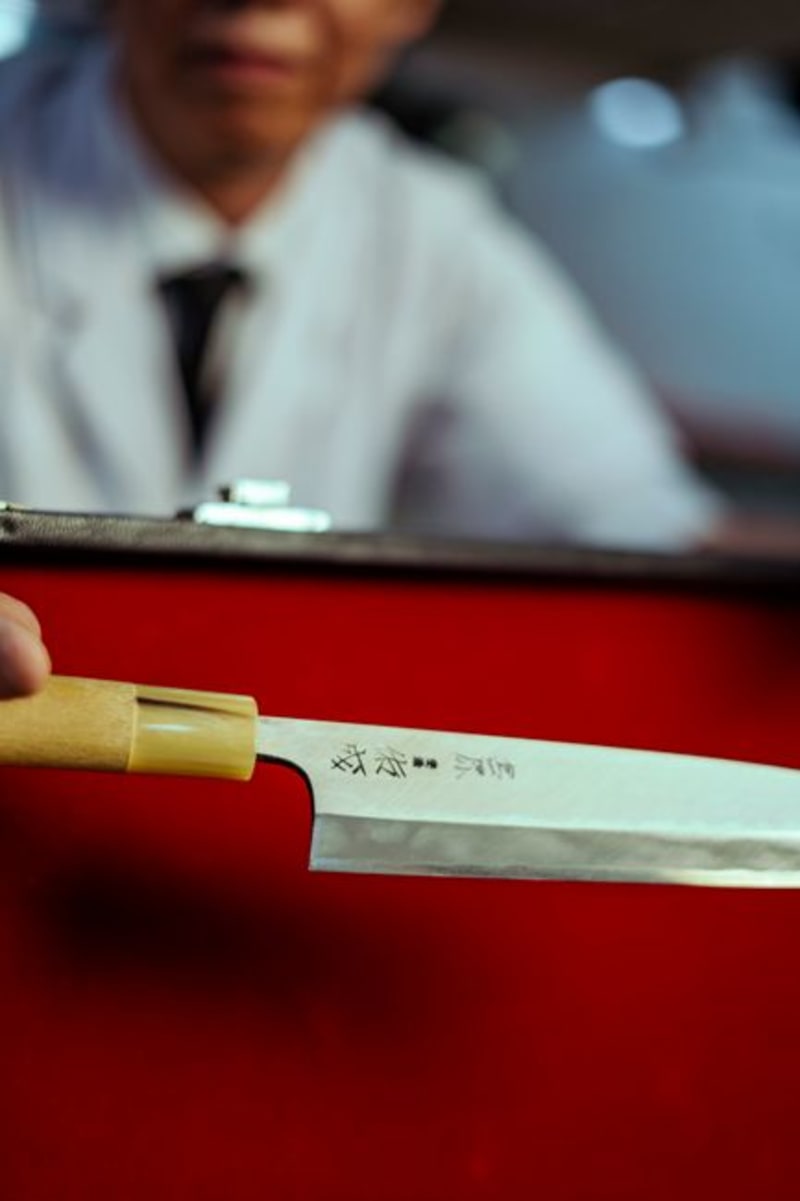 japan
japan Sakai
An old Osaka port city sitting on colossal keyhole tombs older than most of recorded Japanese history, where knife-makers still hammer steel the way tea masters once folded silence into a bowl. We went for the blades and left thinking about mounds we could not see. Sakai works on you slowly.
Explore