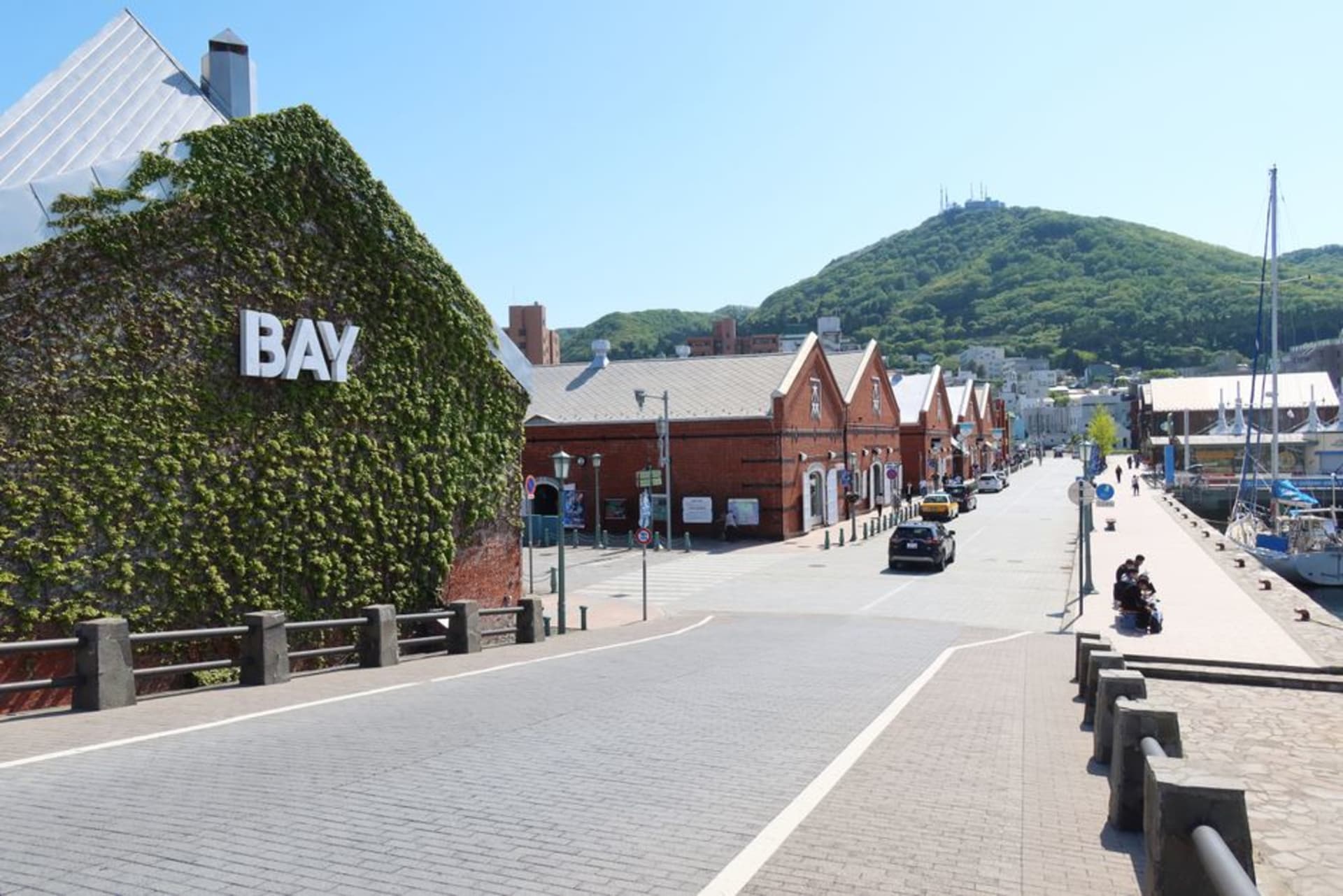
A naval port on the north Kyoto coast where rows of Meiji-era red-brick warehouses face a deep, finger-like ria bay still busy with grey warships. We came for the brick and stayed for the strange, moving history of the men who sailed home to this harbor.

Maizuru surprised me by being two towns at once. We’d come chasing the red-brick warehouses I’d seen in a photo, but the taxi driver, hearing our plan, insisted on first driving us up to a hill above the harbor. From there the whole ria bay unspooled — a long, deep, branching inlet, mountains dropping straight into it, and grey silhouettes of Japan Maritime Self-Defense Force ships moored along the far shore. “East Maizuru is the navy,” he said, “West Maizuru is the merchants.” Lia and I spent two days ricocheting between the two, and I left thinking it might be the most underrated town we saw in Japan.
The Red Brick Park
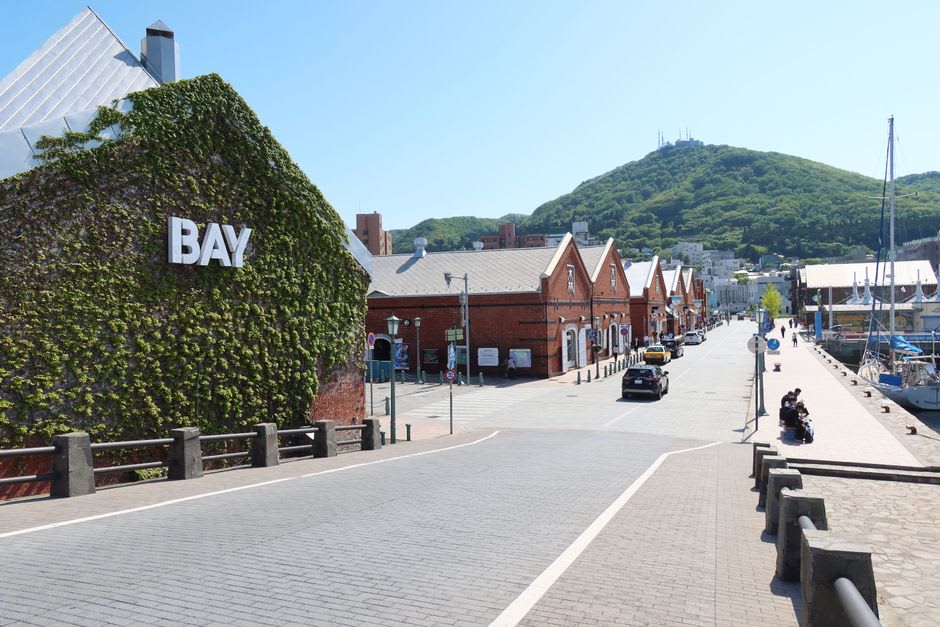
The Maizuru Brick Park is a cluster of a dozen enormous warehouses the Imperial Japanese Navy built around 1900 to store torpedoes, munitions, and gear — solid red-brick monoliths, some of the oldest reinforced-brick buildings in Japan, and now beautifully repurposed. We wandered between them running our hands along walls that had gone soft-edged with age. Inside, some hold cafes and a small museum; others sit gloriously empty, echoing, the afternoon light falling in slabs through high windows. Lia, who studied architecture for two years before switching to something sensible, went quietly berserk over the brickwork bonds. We took a harbor cruise from the pier that runs right past the moored destroyers — close enough to see sailors on deck — which was oddly thrilling for two committed pacifists.
The Repatriation Pier
The thing I didn’t expect to move me was the Repatriation Memorial Museum, up on a green rise overlooking the bay. After the Second World War, Maizuru was the main port where Japanese soldiers and civilians returned home — over six hundred thousand of them, many after years in Siberian labor camps. For thirteen years the ships kept coming, and mothers stood on the pier day after day scanning faces. There’s a famous story, taught in Japanese schools, of one mother who came to meet every single ship for years, waiting for a son who is thought never to have returned. The museum’s letters, threadbare uniforms, and diary scraps whittled from birch bark gutted me. Lia and I walked down afterward to the reconstructed pier and stood where those women stood, looking out at the same water, and didn’t need to say anything.

Fish Market and the West Town
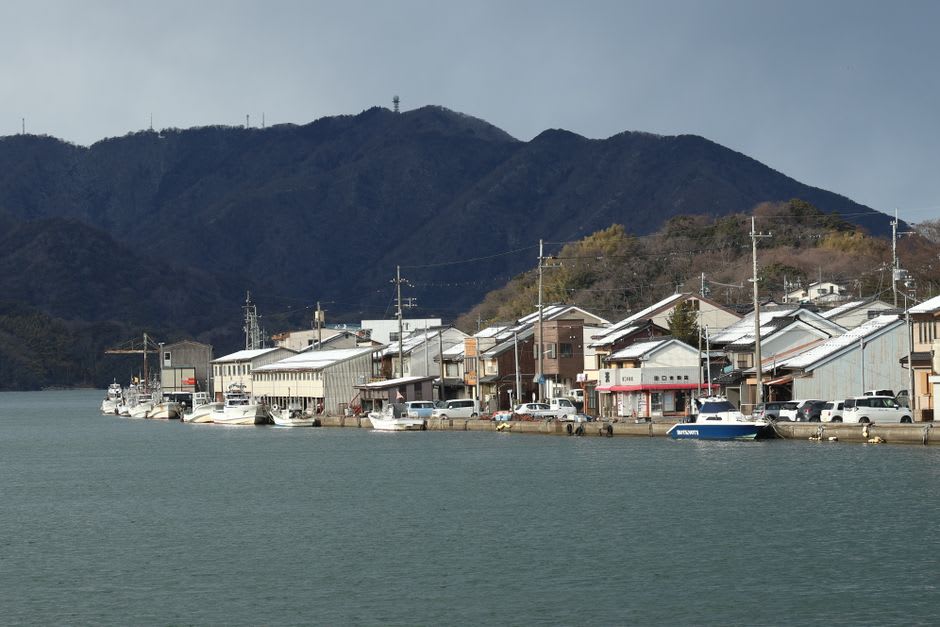
West Maizuru is the older, merchant half, and its heart is the Maizuru Port Toretore Center, a cavernous seafood market on the water. We arrived hungry and left overfed — you buy sashimi, crab, and grilled fish straight from the stalls and eat it at communal tables, and in winter this coast is famous for its snow crab. We shared a bowl of kaisendon heaped with raw fish over rice for the price of a Kyoto coffee. Afterward we drifted through the quiet grid of West Maizuru’s streets, past old shopfronts and a canal, the pace utterly unhurried. A shopkeeper gave Lia a tangerine for no reason. Between the brick, the bay, the history, and that fish, Maizuru had quietly become one of those places I keep meaning to tell people about and then hoarding for myself.
Getting There
Maizuru sits on the north coast of Kyoto Prefecture and is reachable from Kyoto in about ninety minutes to two hours by limited express train (the Maizuru line, often changing at Ayabe) to Higashi-Maizuru or Nishi-Maizuru — note there are two stations, East for the brick park and navy, West for the seafood market, a short bus or taxi apart. A car makes linking the two halves and continuing along the coast to Amanohashidate or Ine far easier. The Brick Park and harbor cruises are walkable from Higashi-Maizuru Station. Give it a full day at least; winter brings the snow crab and a stark beauty to the bay, but the red brick glows in any season’s late-afternoon sun.
Keep exploring
More of Kansai
Keep exploring
More from Kansai
 japan
japan Amanohashidate
A three-kilometre sandbar covered in ancient pines that stretches across a bay on the Sea of Japan coast, counted for centuries as one of Japan's three great views. From the hillside you bend down and look at it upside-down between your legs, and the pine bridge appears to float in the sky. Poetic, unhurried, and utterly strange.
Explore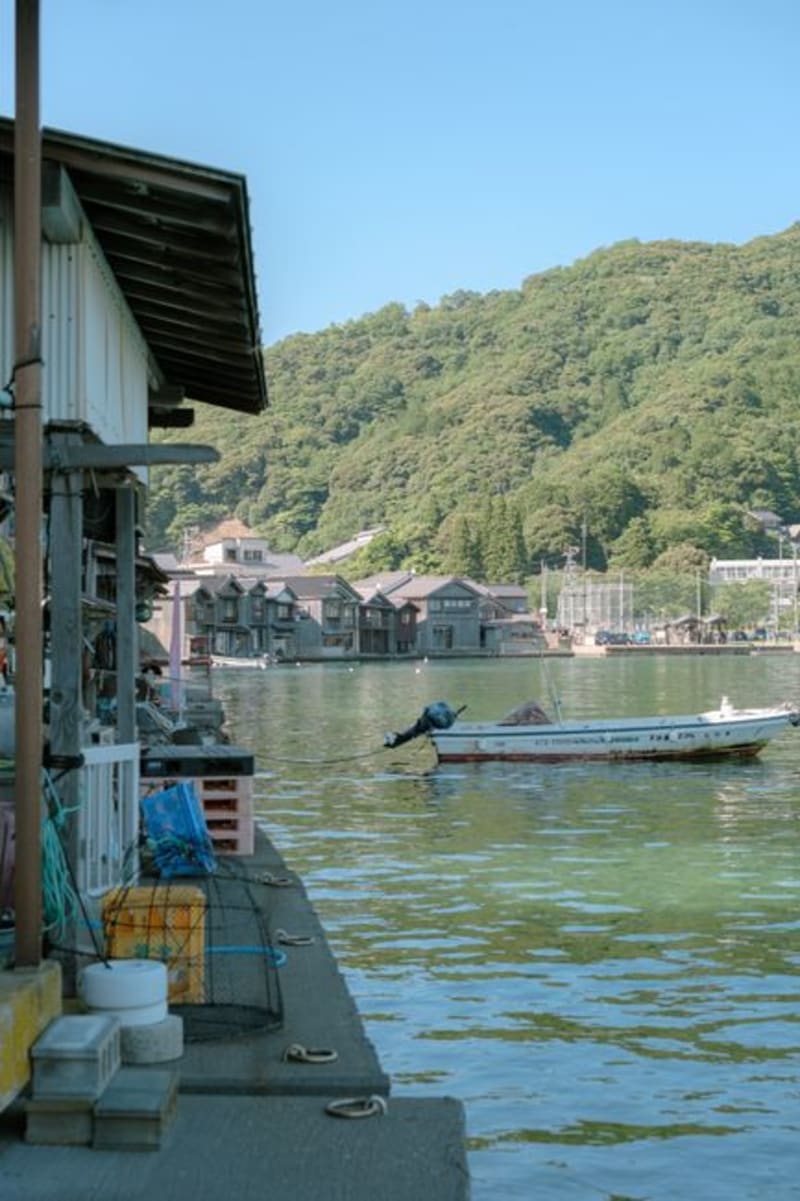 japan
japan Ine
A crescent bay on the far north Kyoto coast where two hundred wooden funaya boat houses stand with their feet in the sea, garage below, home above. We took a boat out onto the still water and understood why nobody here seems in any hurry to leave.
Explore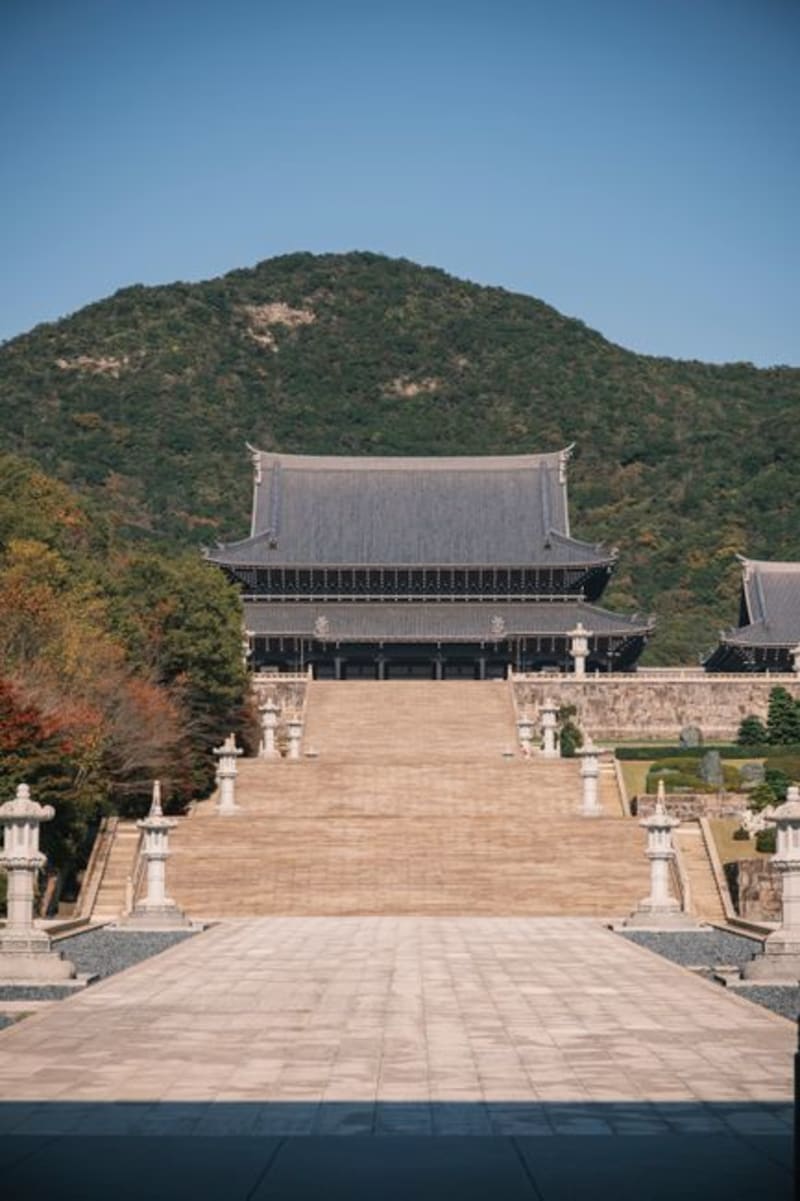 japan
japan Tamba-Sasayama
A castle town in the Hyogo hills where black-bean fields ring an old samurai quarter, wild boar simmers in winter hotpots, and unglazed Tamba pottery has been fired for eight centuries. We came for one night and let the slow rhythm of the place talk us into staying two.
Explore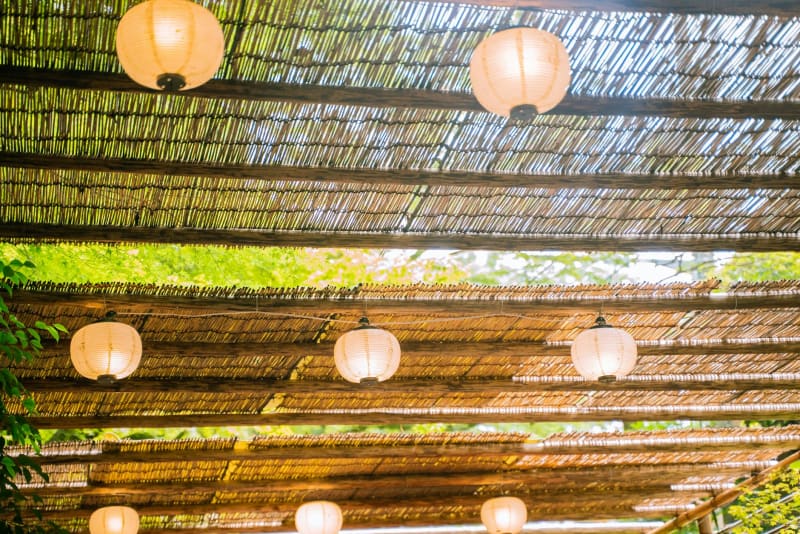 japan
japan Kibune
A one-lane river valley north of Kyoto where the restaurants build their floors out over the water and lunch takes three hours.
Explore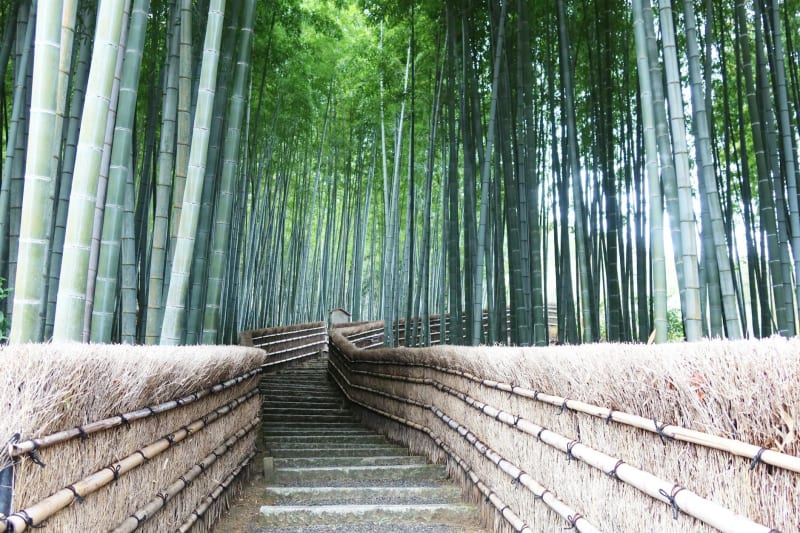 japan
japan Kurama
A temple built into a cedar mountainside an hour north of Kyoto, and the trailhead for the best half-day walk in Kansai.
Explore japan
japan Takeda Castle
A ruined mountaintop fortress in northern Hyogo that, on the right autumn morning, appears to float on a sea of cloud — the reason locals call it the Castle in the Sky. There is nothing left but stone ramparts and grass, and somehow that is exactly enough. You climb in the dark to earn a view that lasts about an hour.
Explore