Yumura Onsen
"You lower your eggs into water hot enough to hurt, right next to a river full of fish that don't seem to mind at all."
A San'in hot spring town where a scalding spring runs right into a channel beside the Haruki River, and the local ritual is to boil your own eggs and vegetables in baskets while koi drift past just downstream.

We found Yumura Onsen almost by accident, on the way between Kinosaki and a mountain we’d wanted to see, and stopped mostly because Lia read that there was a spot where you boil your own eggs in the actual hot spring water. I pictured something touristy and roped-off. What we got instead was a narrow, quiet channel of near-boiling water running right alongside a cold, clear river, wooden baskets on strings dangling from a railing, and a handful of locals in slippers chatting while their lunch cooked a few feet from schools of koi swimming by in the river just next to it. It’s a strange, wonderful juxtaposition — scalding mineral water and a placid trout stream separated by a few feet of stone — and it set the tone for the whole unhurried afternoon that followed.
Boiling Eggs Beside the River
The spring at the center of town, called Arakiyu, discharges directly into a channel that runs parallel to the Haruki River, hot enough that you genuinely cannot put your hand in for more than a second. Locals and visitors buy raw eggs and bags of vegetables from a nearby shop, tie them into little mesh baskets, and lower them into the steaming channel to cook while they wait on benches nearby, chatting or reading. We did the same, timing our eggs with a borrowed sense of patience neither of us usually has, and when we finally pulled them out and cracked them open, the yolks had gone that deep amber onsen-tamago color, soft and faintly sulfurous and better than they had any right to be eaten standing up on a public street. Meanwhile, on the other side of a low stone wall, the Haruki River ran cold and clean, and koi nosed along its surface entirely unfazed by the steam rising just beside them.

A Monk’s Spring, Still Running
Local legend credits a wandering monk with discovering this spring generations ago, and whether or not every detail of that story holds up, the town has clearly organized its entire identity around the spring’s continuous use ever since. Small shrines and old stone markers dot the streets near the source, and there’s a settled, unhurried civic pride to the place that comes from centuries of the same water doing the same job. We wandered the short main street past traditional ryokan with steam curling from their own private baths, and an elderly woman sweeping outside her shop told Lia, in a mix of gestures and slow Japanese, that her family had been running the same small inn for generations. Yumura doesn’t try to be a big destination. It’s a town that has simply kept a good thing going for a very long time, and that steadiness is its whole appeal.

Foot Baths and a Slow Evening
After the eggs, we found one of the free public foot baths along the river path and sat there far longer than we meant to, feet in hot water, watching the light go gold and then grey over the hills. A couple of other travelers drifted in and out, someone’s dog dozed on the stones, and a light mist started rising off the river as the temperature dropped. Lia said it reminded her of the smaller thermal towns back in Europe, minus the crowds and the ticket booths — just a public spring, free to anyone willing to take their shoes off. We ended up staying for dinner at a tiny local place that served river fish and mountain vegetables, and left Yumura feeling like we’d stumbled into somewhere most visitors to this part of Japan simply drive past.

Getting There
Yumura Onsen sits in the hills of Mikata-gun in Hyōgo Prefecture, and the easiest approach is by train to Kinosaki Onsen or Toyooka Station on the JR San’in Main Line, followed by a local bus into the mountains. Direct trains connect Kinosaki and Toyooka to Kyoto and Osaka via limited express services, making Yumura a plausible day trip if you’re already based in Kinosaki, though an overnight in one of its small ryokan is a nicer way to experience the slower pace. Buses from the coastal stations run on a modest schedule, so check timings before you go, especially if you’re returning the same day. Bring a towel and don’t be shy about the egg-boiling ritual — it’s cheap, a little absurd, and genuinely one of the most memorable small things we did anywhere in the San’in region.
Keep exploring
More of Kansai
Keep exploring
More from Kansai
 japan
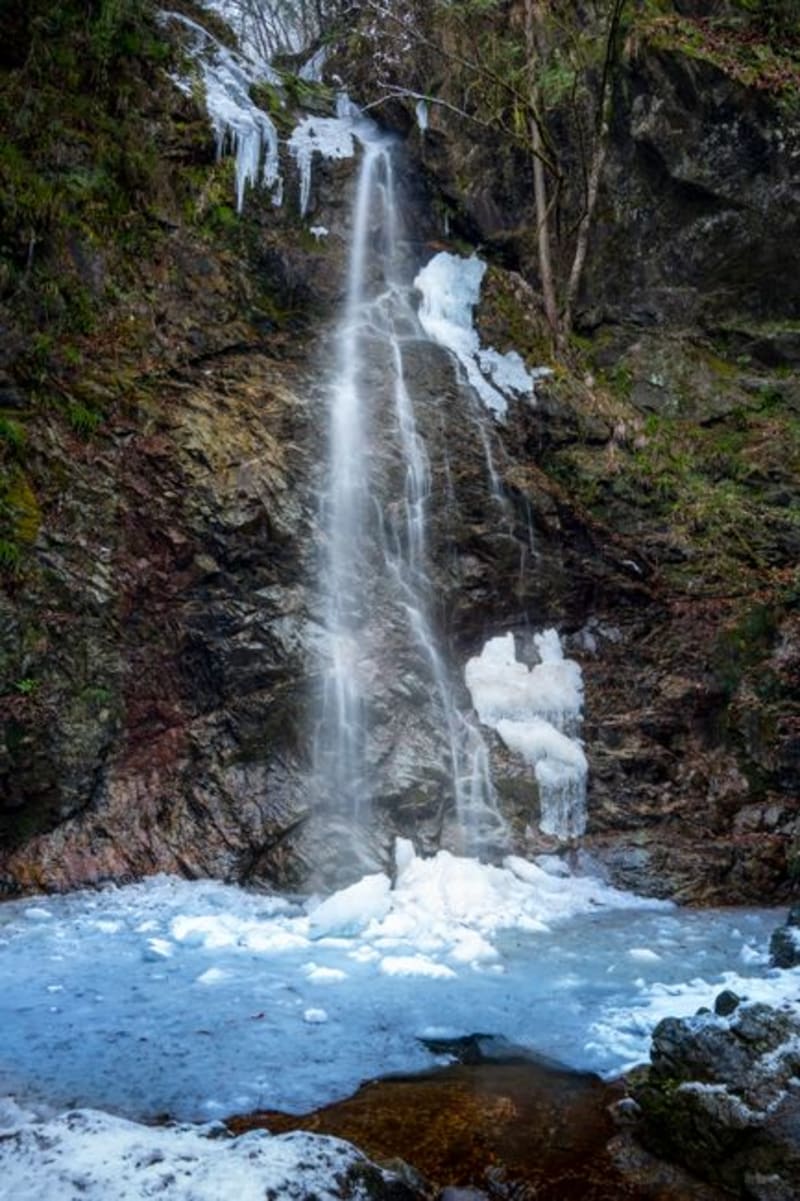
Akame 48 Falls
A forested gorge in Mie that once trained Iga-style ninja, its name meaning 'countless' waterfalls rather than a literal count, still home to protected giant salamanders and an actual ninja obstacle course through the trees.
Explore japan
Ako
A quiet coastal castle town in Hyōgo that is the real-life setting of the 47 Ronin story, with a star-shaped fortress whose keep was never finished and a history of patient, terrible revenge.
Explore japan
Amanohashidate
A three-kilometre sandbar covered in ancient pines that stretches across a bay on the Sea of Japan coast, counted for centuries as one of Japan's three great views. From the hillside you bend down and look at it upside-down between your legs, and the pine bridge appears to float in the sky. Poetic, unhurried, and utterly strange.
Explore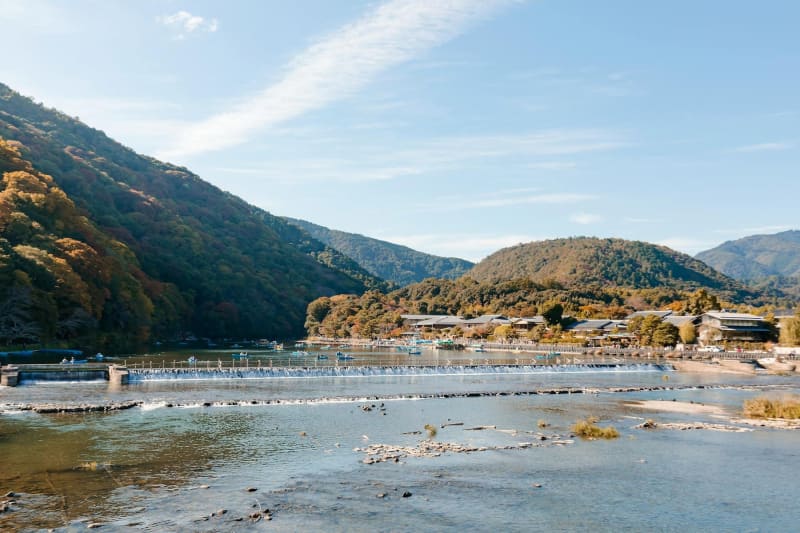 japan
Kyoto Arashiyama
The towering bamboo grove and monkey mountain above the Hozu River at Kyoto's elegant western edge.
Explore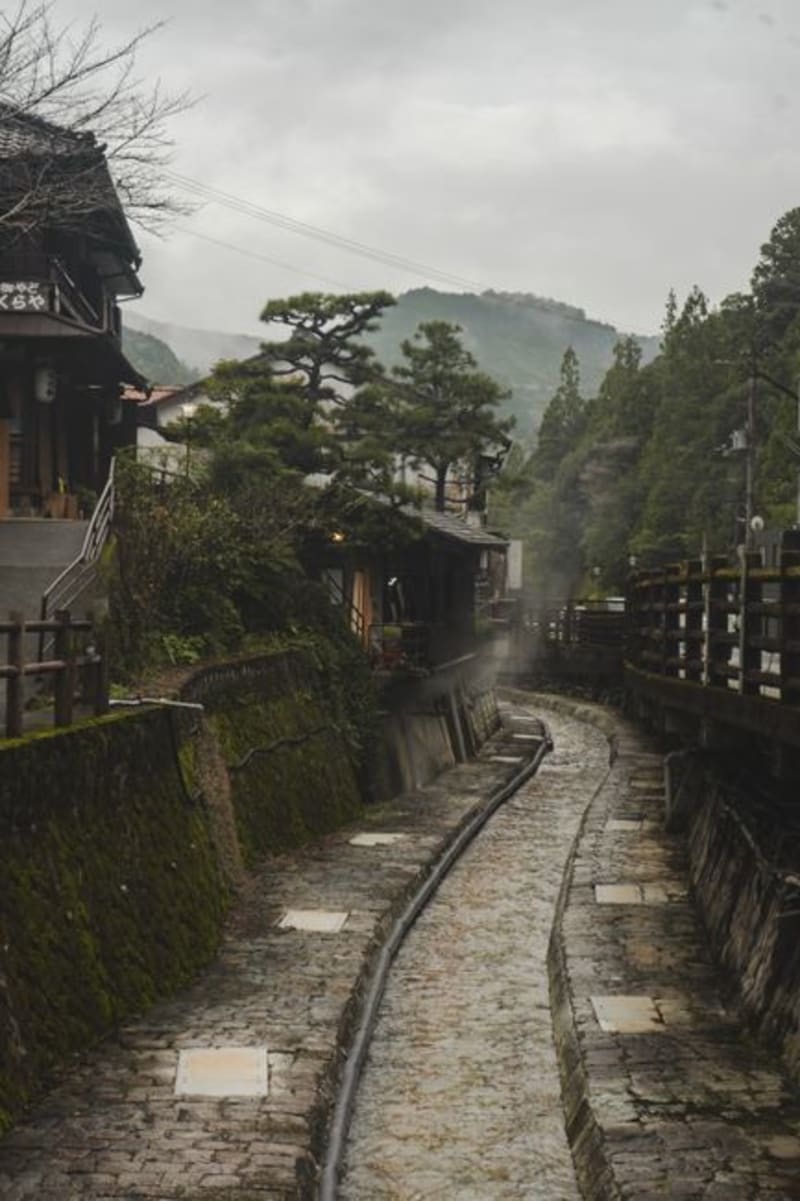 japan
Arima Onsen
An ancient hot-spring town folded into the hills behind Kobe, where the water runs iron-red 'gold' and clear 'silver' from springs written about for over a thousand years. We came stiff from too much walking and left loose as cats. Narrow lanes, steam, and the smell of iron.
Explore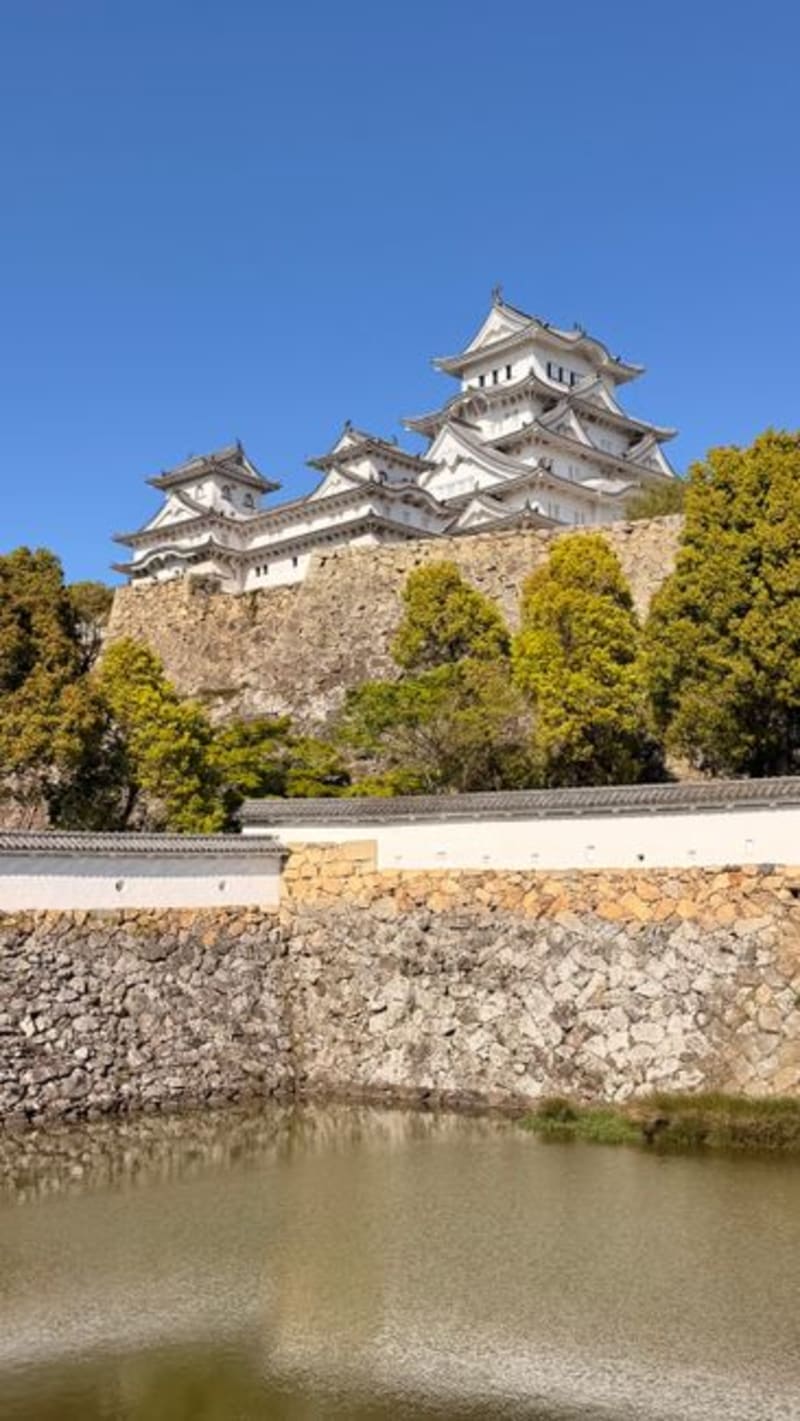 japan
Asuka
A rural Nara village that was, improbably, the cradle of the Japanese state — an ancient capital now dissolved back into rice terraces, burial mounds, and enigmatic carved stones. We rented bicycles and spent a day pedalling through fifteen centuries. Nothing here shouts; you have to slow down to hear it.
Explore