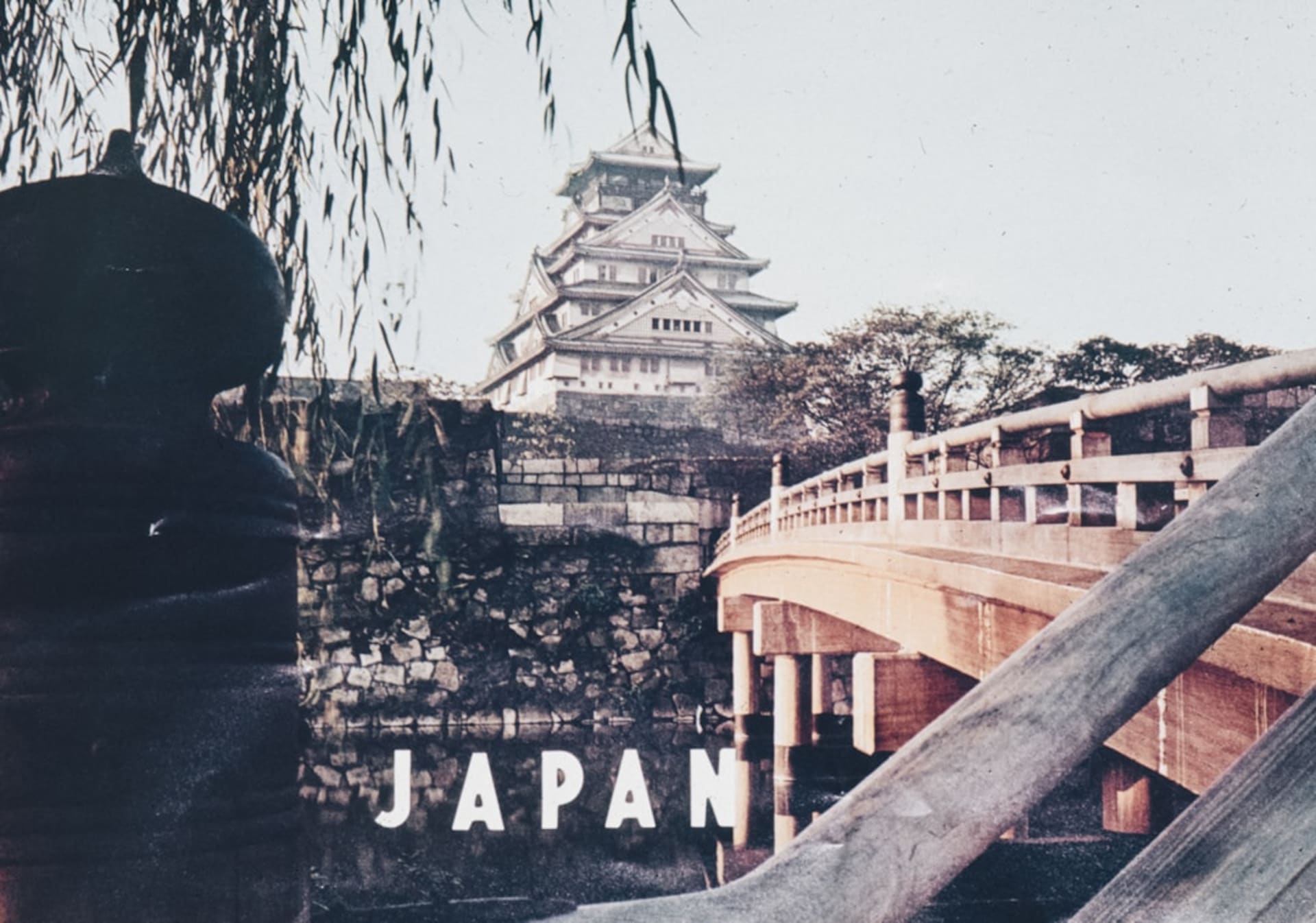
Ako
"Nearly two years of waiting, and the story is still the first thing anyone here wants to tell you."
A quiet coastal castle town in Hyōgo that is the real-life setting of the 47 Ronin story, with a star-shaped fortress whose keep was never finished and a history of patient, terrible revenge.

I knew the 47 Ronin story vaguely before we went to Ako, the way you know a legend secondhand, from a movie or a half-remembered book. What I didn’t expect was how differently it lands when you’re standing in the actual town where it happened, where the shops sell ronin-themed sweets and the shrine to the samurai still gets fresh flowers every day. Lia had wanted to see the castle ruins, and I’d wanted to understand the story properly, so we took a slow train down the coast from Himeji into a town that felt sleepy and salt-scented and completely unbothered by its own extraordinary history. It was one of those days that started as a minor detour and ended up being the thing we talked about for the rest of the trip.
The Castle That Was Never Finished
Ako Castle isn’t a tall, photogenic keep like the ones on postcards — it’s something stranger and, once you understand it, more interesting: a star fort, built with concentric rings of walls and moats in a style unusual for Japan, designed for artillery-era defense rather than looming grandeur. We walked the reconstructed gates and stone foundations on a warm afternoon with almost no other visitors around, and it took a while to realize why the central keep felt oddly absent. It was never actually built. The shogunate withheld permission for its construction, apparently wary of a fortress that capable, and so the domain’s lords ruled from a castle that was, on paper, incomplete for its entire working life. Walking those empty foundations where a keep should have stood but never did gave the whole place a haunted, unfinished-business kind of feeling that turned out to suit the story perfectly.

Oishi Shrine and the Long Wait
Near the castle grounds stands Oishi Shrine, dedicated to the 47 ronin and their leader, and it’s here that the human scale of the story really hit me. After their lord Asano was forced to commit seppuku for drawing his sword inside Edo Castle, his retainers didn’t storm anyone’s gate in a fit of rage. They waited. Nearly two years of quiet, deliberate patience, some scattering to avoid suspicion, before finally regrouping to storm the mansion of the man they blamed. Lia and I stood in front of the rows of statues depicting each ronin by name, and what struck her most was how young some of their faces looked. It’s easy to romanticize the revenge; standing there, it felt more like grief stretched out almost unbearably long, dressed up as duty.

Salt Fields by the Sea
Ako’s other, quieter identity is as an old salt-producing town, and after the heaviness of the castle grounds we wandered down toward the coast where reconstructed salt fields and a small museum explain how the domain’s economy actually ran on evaporating seawater in shallow flooded pans. The tide was out, the light was doing that flat golden thing it does late in the afternoon, and a couple of local men were tending the fields with an unhurried, practiced rhythm that had nothing to do with samurai drama at all. It was a nice reminder that Ako’s whole identity isn’t just one bloody story — it’s also just a small, working seaside town that happens to carry an extraordinary legend quietly in its back pocket, alongside centuries of much more ordinary, salt-crusted labor.

Getting There
Ako is served by Banshu-Ako Station, reachable via a combination of JR and Sanyo Electric Railway lines from the Kansai region, most easily as a stop when traveling along the coast between Osaka and Okayama. From Himeji, a regional train gets you there in well under an hour, making it a manageable half-day or full-day trip if you’re already exploring western Hyōgo. The castle ruins, Oishi Shrine, and the old town’s samurai-era streets are all within easy walking distance of the station, so you don’t need a car or bus once you arrive. Give yourself unhurried time here — Ako rewards slow walking and a willingness to read every plaque, since so much of what makes it remarkable is quiet historical detail rather than anything visually dramatic.
Keep exploring
More of Kansai
Keep exploring
More from Kansai
 japan
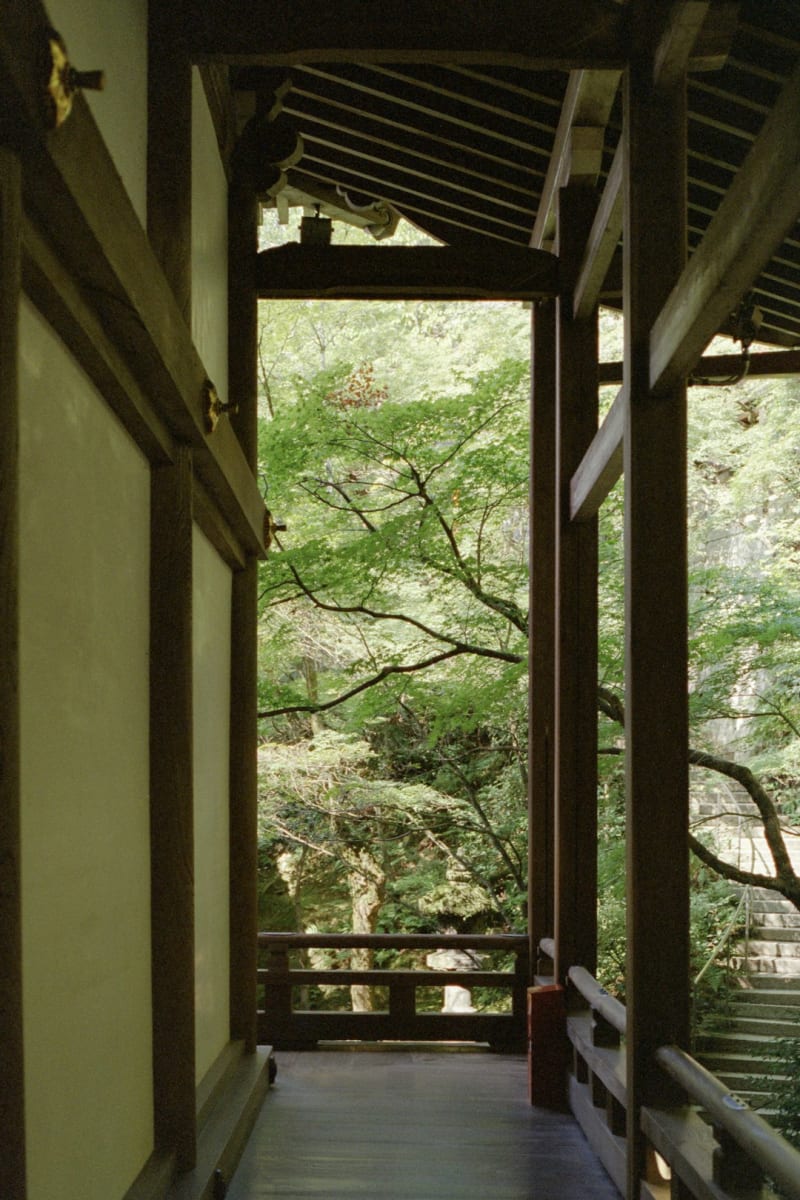
japan Amanohashidate
A three-kilometre sandbar covered in ancient pines that stretches across a bay on the Sea of Japan coast, counted for centuries as one of Japan's three great views. From the hillside you bend down and look at it upside-down between your legs, and the pine bridge appears to float in the sky. Poetic, unhurried, and utterly strange.
Explore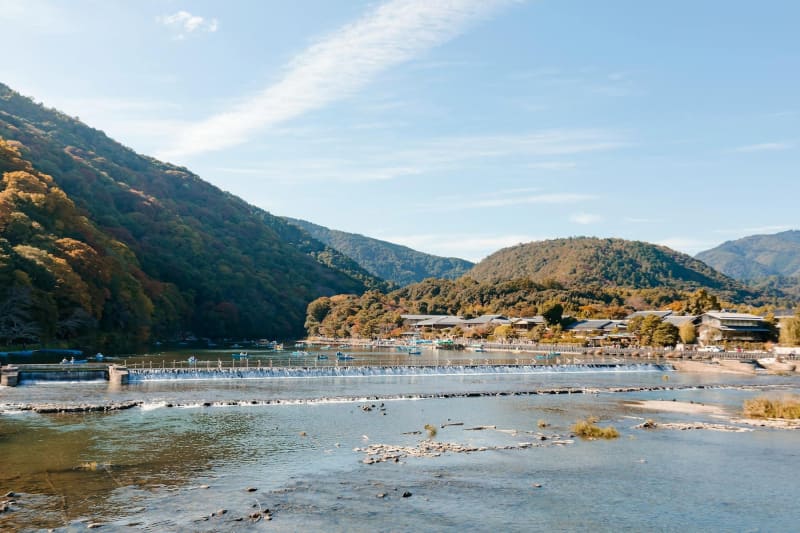 japan
japan Kyoto Arashiyama
The towering bamboo grove and monkey mountain above the Hozu River at Kyoto's elegant western edge.
Explore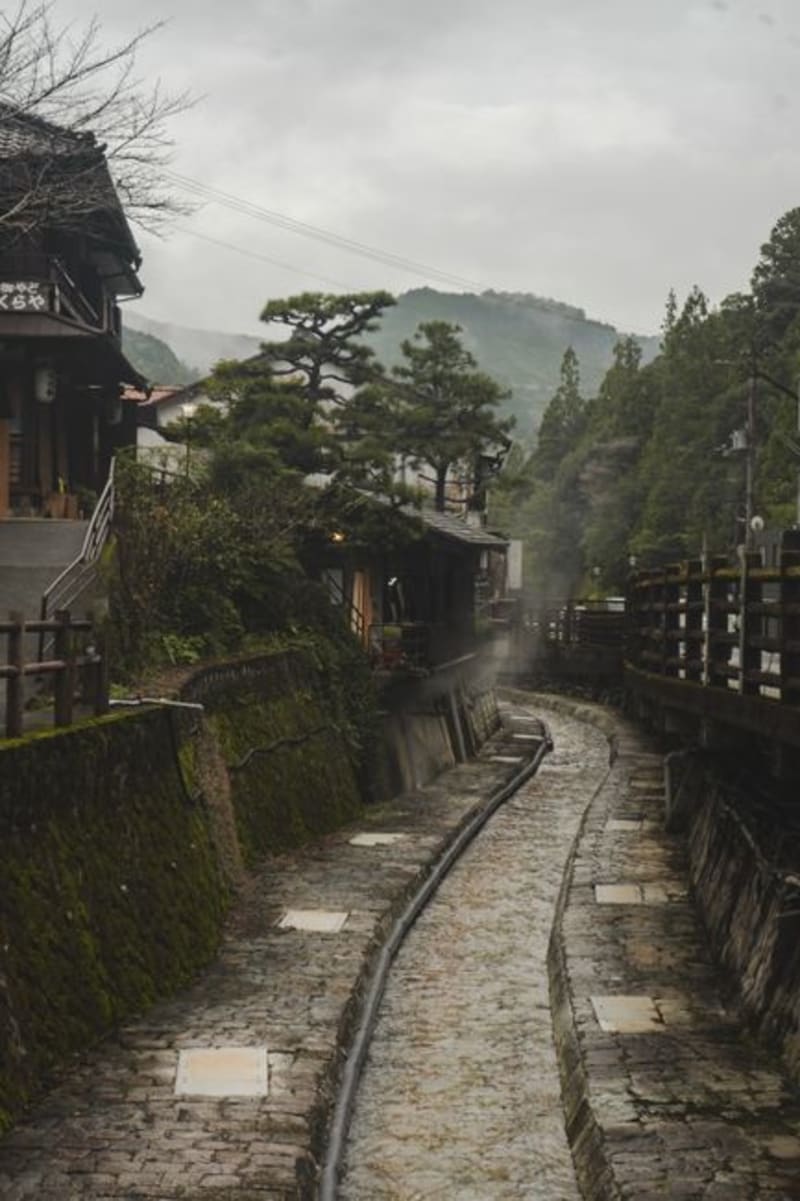 japan
japan Arima Onsen
An ancient hot-spring town folded into the hills behind Kobe, where the water runs iron-red 'gold' and clear 'silver' from springs written about for over a thousand years. We came stiff from too much walking and left loose as cats. Narrow lanes, steam, and the smell of iron.
Explore japan
japan Asuka
A rural Nara village that was, improbably, the cradle of the Japanese state — an ancient capital now dissolved back into rice terraces, burial mounds, and enigmatic carved stones. We rented bicycles and spent a day pedalling through fifteen centuries. Nothing here shouts; you have to slow down to hear it.
Explore japan
japan Awaji Island
The large, pastoral island that bridges Kobe and Shikoku across the Inland Sea. We came for the roaring whirlpools at its southern tip and stayed for the flower parks, the onsen, the creation-myth shrines, and more onions than either of us thought possible to love.
Explore japan
japan Chihaya-Akasaka
Osaka's only remaining village, perched on the slopes of Mount Kongō, where a 14th-century warlord built a castle designed entirely around traps, movable bridges, and grinding down besieging armies rather than looming grandly.
Explore