Kashikojima
"You can see the pearl rafts from the train window before you've even left the platform."
The largest island in Ago Bay's ria coastline, birthplace of the cultured pearl industry, where rafts of Akoya oysters are still visible from the train platform and the water shifts color with every inlet.

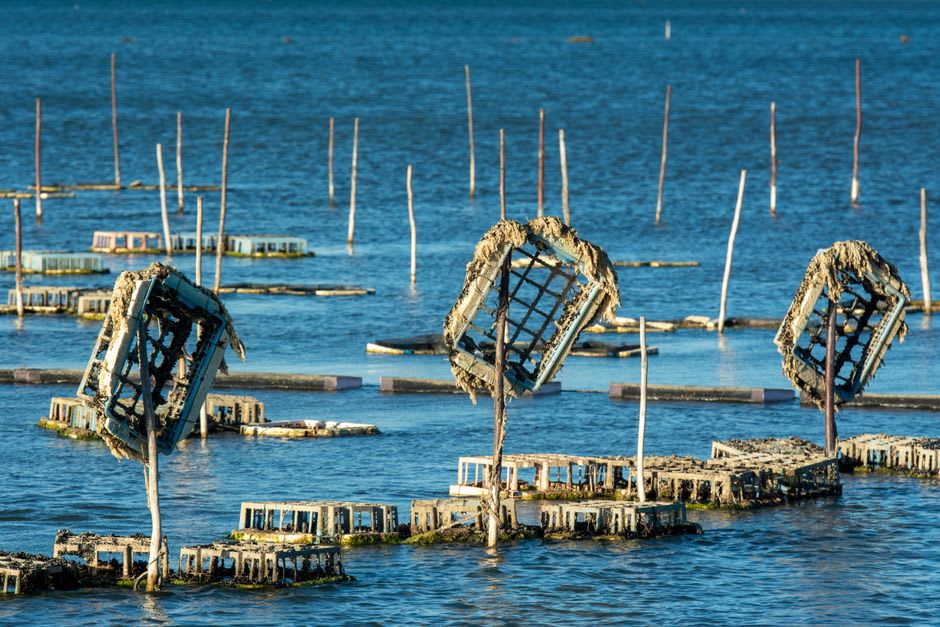
Neither Lia nor I had thought much about where cultured pearls actually come from until we ended up on the Shima Peninsula chasing a slower stretch of coastline after some busier days in Kansai. Kashikojima turned out to be the answer, sitting at the heart of Ago Bay’s jagged ria coastline, where a local entrepreneur spent years failing before finally producing the world’s first cultured pearls back in the 1890s. Stepping off the train, the first thing we both noticed, before we’d even properly arrived, was the bay itself through the station windows — a maze of green-black water and forested inlets, dotted everywhere with small dark rafts. It felt less like arriving somewhere and more like being handed the whole story before we’d asked a single question.
A Bay Shaped Like Its Industry
Ago Bay’s coastline is genuinely strange to look at, a deeply serrated ria shoreline of drowned valleys and narrow inlets that gives the water an oddly calm, sheltered quality even close to open sea. It’s exactly the kind of geography that made pearl cultivation possible here in the first place, since the inlets provide the still, nutrient-rich conditions Akoya oysters need. We took a short boat tour out among the rafts, each one a floating grid holding hundreds of submerged oyster cages, and our guide explained the basic process — a tiny bead inserted into each oyster, years of patient waiting, most producing nothing usable at all. Lia found the sheer volume of failure behind every good pearl oddly moving, a whole industry built on repeated disappointment eventually paying off.
The Museum on Mikimoto’s Island
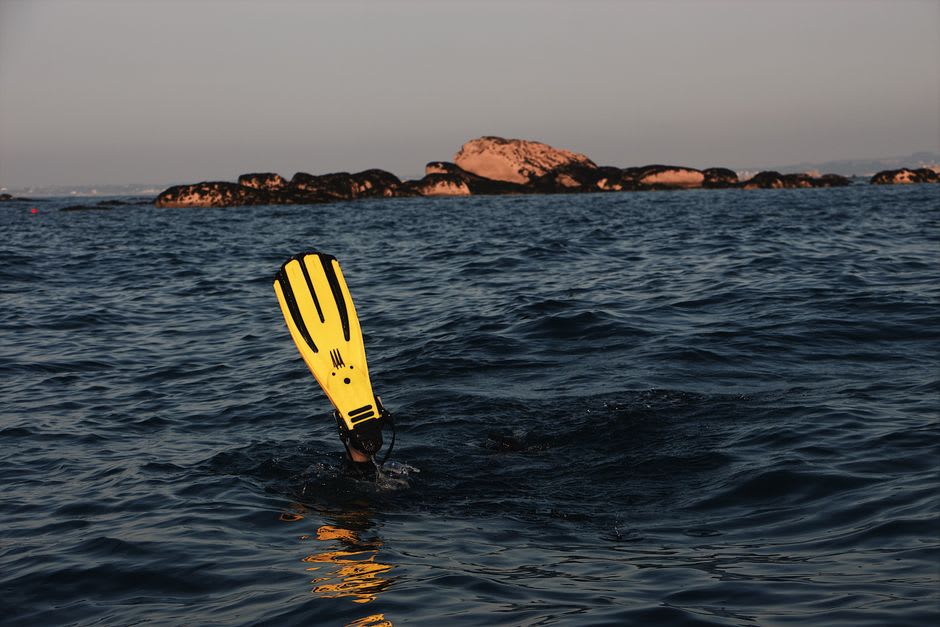
A short boat ride from Kashikojima sits the small island where the original pearl experiments took place, now preserved as a museum telling the story of decades of trial and error before success finally came. We wandered through displays of antique diving equipment and early cultivation tools, and watched a demonstration by one of the ama, the traditional women free-divers who once harvested oysters by hand in nothing but simple diving suits, a tradition that predates the pearl industry itself and has mostly faded elsewhere. Watching her surface after a long dive, breath controlled and unhurried, gave the whole pearl story a very different, more physical dimension than the polished necklaces in the gift shop suggested.
Slow Evenings on the Water
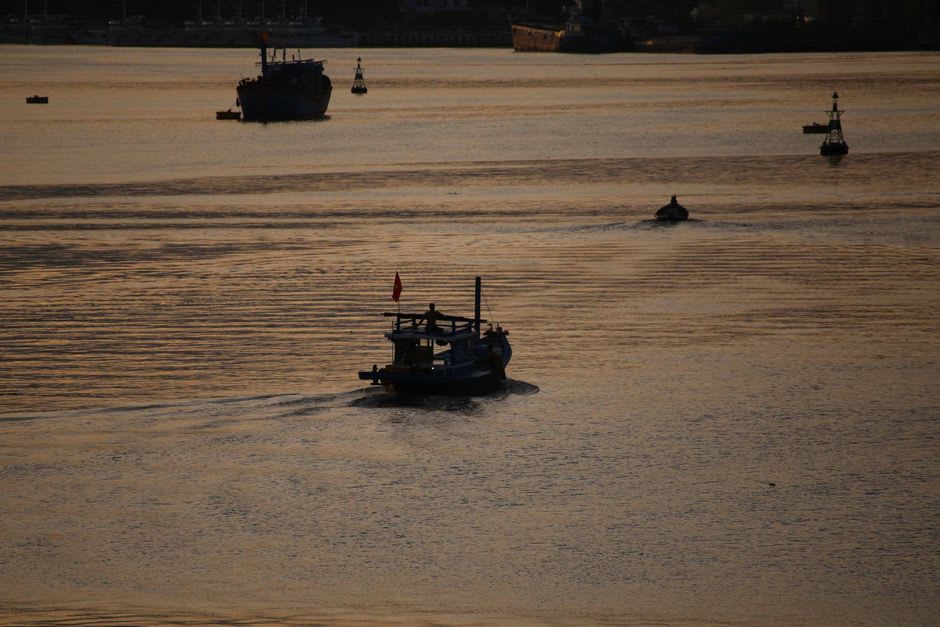
Back on Kashikojima proper, we spent our last evening just walking the quiet waterfront, past small ryokan with views straight out over the rafts, the light doing something soft and coppery over the water as fishing boats came back in. There’s a stillness to this part of the Shima Peninsula that felt different from the more famous coastal stops further north — fewer crowds, more working boats than tour boats, locals going about ordinary business among an industry that happens to produce something genuinely precious. We ate dinner at a small place serving grilled seafood pulled straight from the bay, and Lia kept looking back out at the rafts every time the light shifted, as if she expected the water itself to change color again.
Getting There
Kashikojima is the terminus of the Kintetsu Line on the Shima Peninsula, making it a straightforward, if longish, direct train ride from Osaka or Kyoto via limited express services that run right to the station platform overlooking the bay. Boat tours of Ago Bay and the pearl museum island depart from piers close to the station, so you can arrive by train and be out on the water within the hour without needing a car. It’s a comfortable day trip from within the Kansai region, though the slower pace and coastal views make an overnight stay in one of the local ryokan worth considering if your schedule allows it. Bring a light jacket even in warmer months, since the bay’s breeze tends to be cooler than the mainland just behind it.
Keep exploring
More of Kansai
Keep exploring
More from Kansai
 japan
japan Kibune
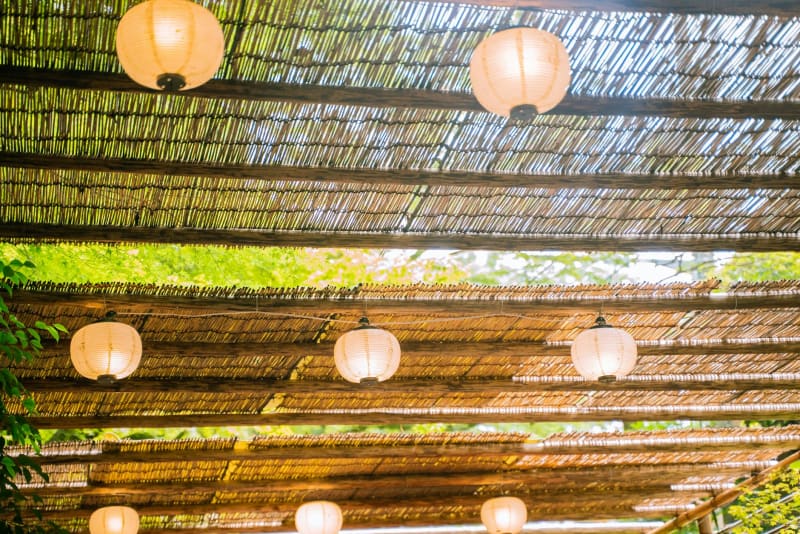
A one-lane river valley north of Kyoto where the restaurants build their floors out over the water and lunch takes three hours.
Explore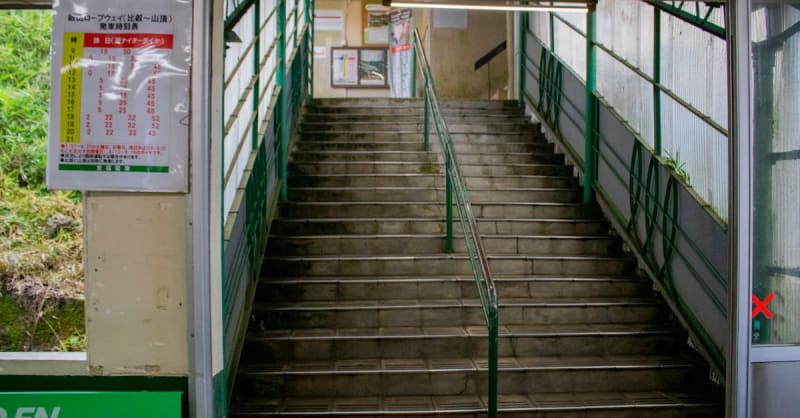 japan
japan Kii Peninsula
Ancient pilgrimage trails through cedar forests, mountain onsen, and the Japan that existed long before the tourists arrived.
Explore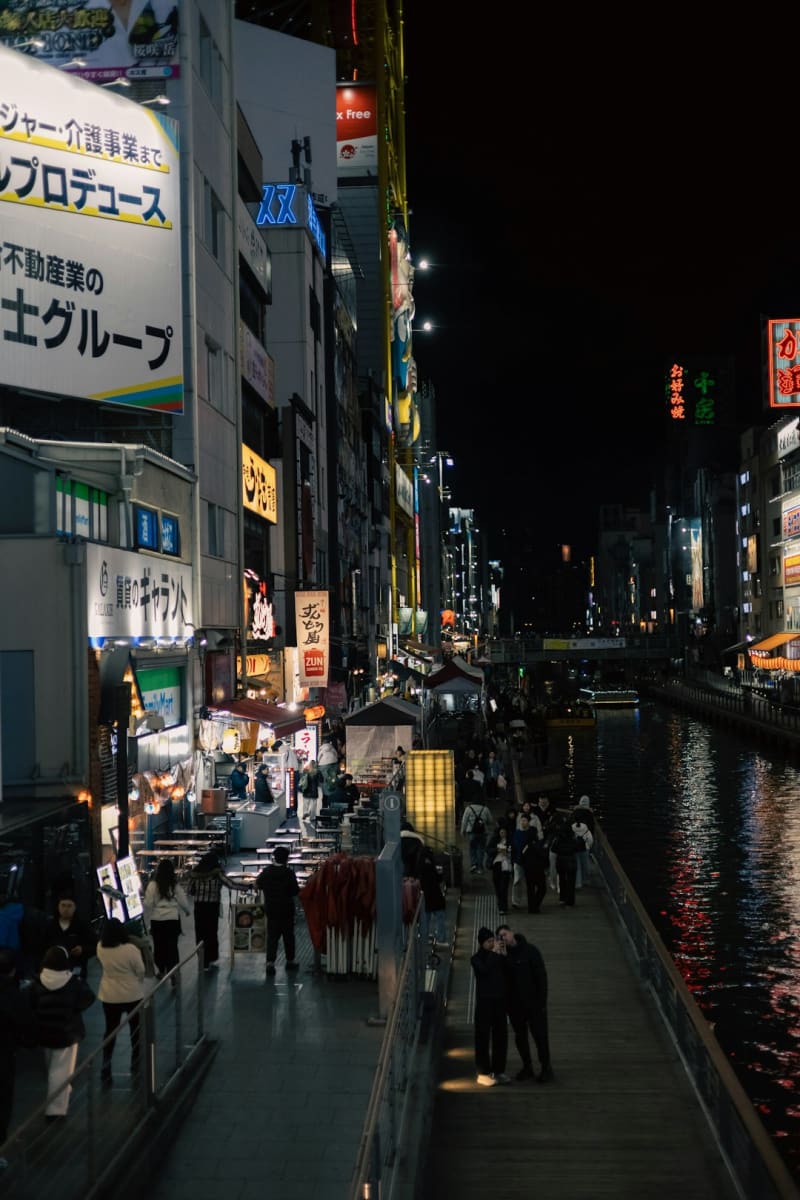 japan
japan Kinosaki Onsen
A willow-lined canal town on the Hyōgo coast where guests drift between seven public bathhouses in cotton yukata and wooden geta. Lantern-lit evenings, the clack of sandals on stone, crab in winter. The onsen-town ritual in its purest form.
Explore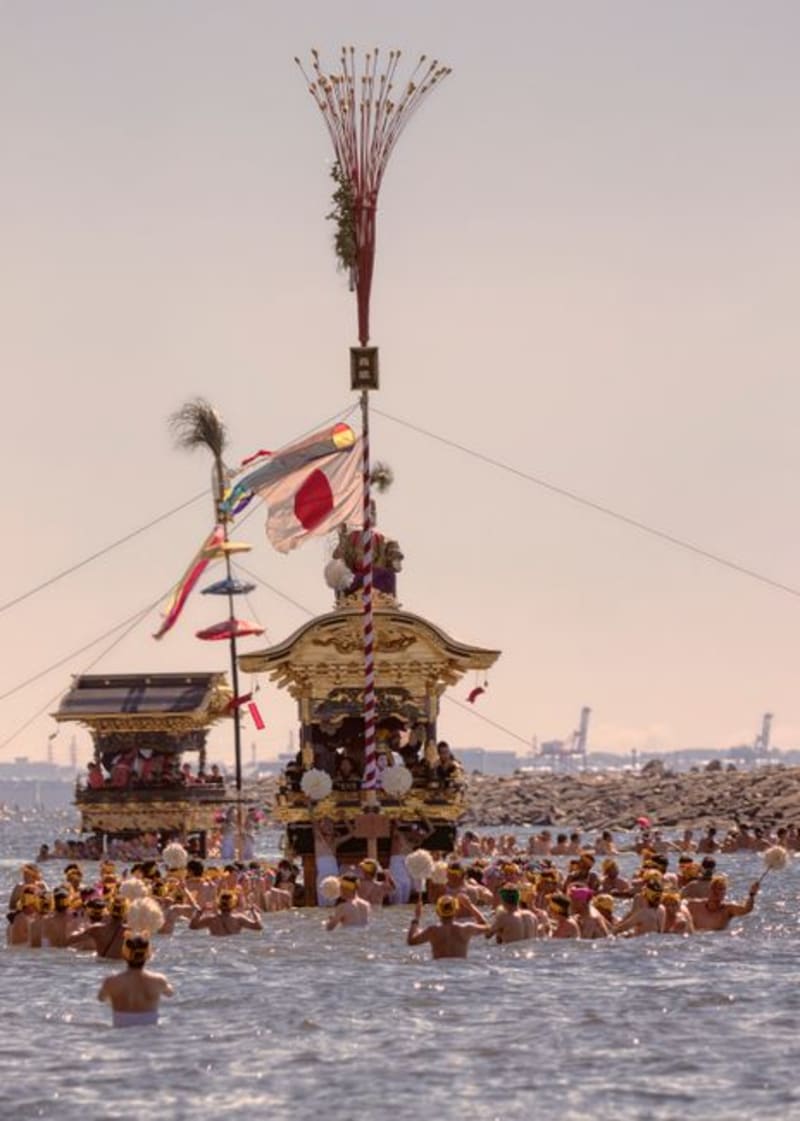 japan
japan Kishiwada
An Osaka-bay castle town that spends all year building toward two days of glorious danjiri chaos, when carved wooden carts weighing four tonnes are hauled at a sprint around blind corners. The rest of the year it is a gentle place of sea air and a small white castle. We came for the calm and got swept, briefly, into the storm.
Explore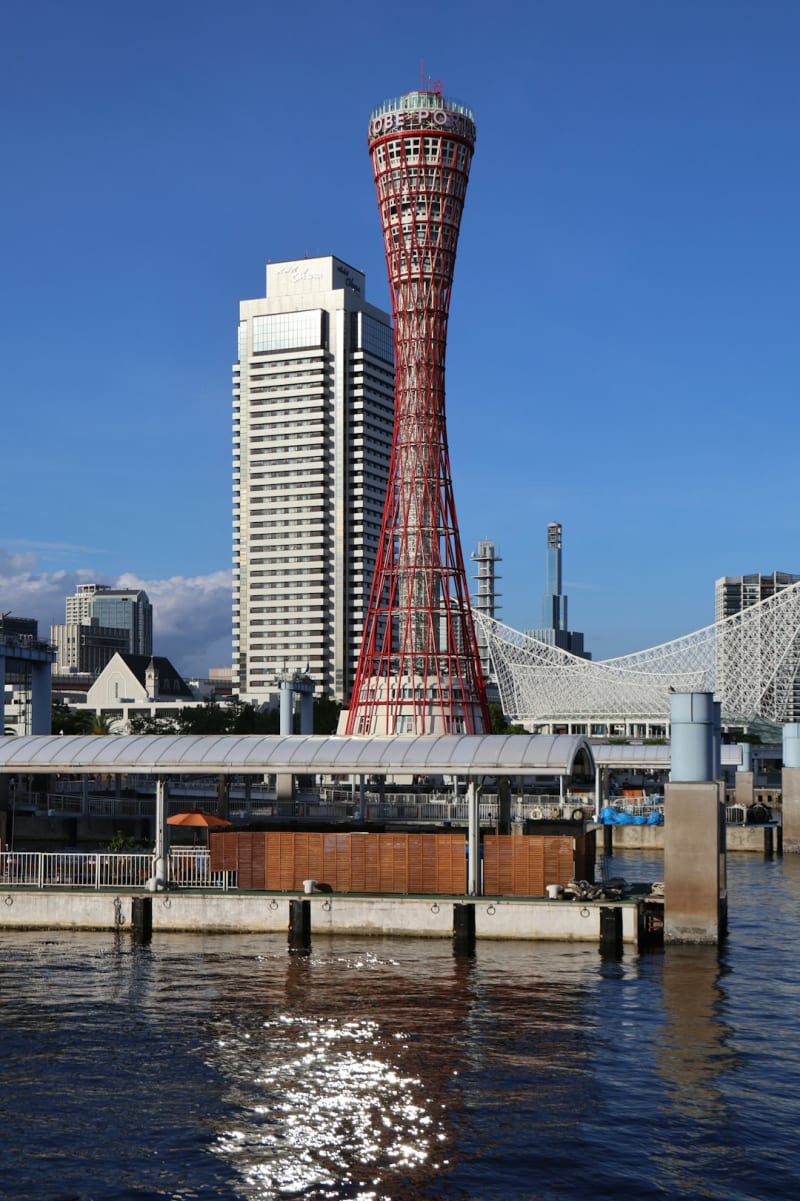 japan
japan Kobe
A cosmopolitan port city wedged between the Rokko mountains and the Inland Sea. Foreign-merchant houses, a sparkling harbor, and beef that ruins you for all other beef.
Explore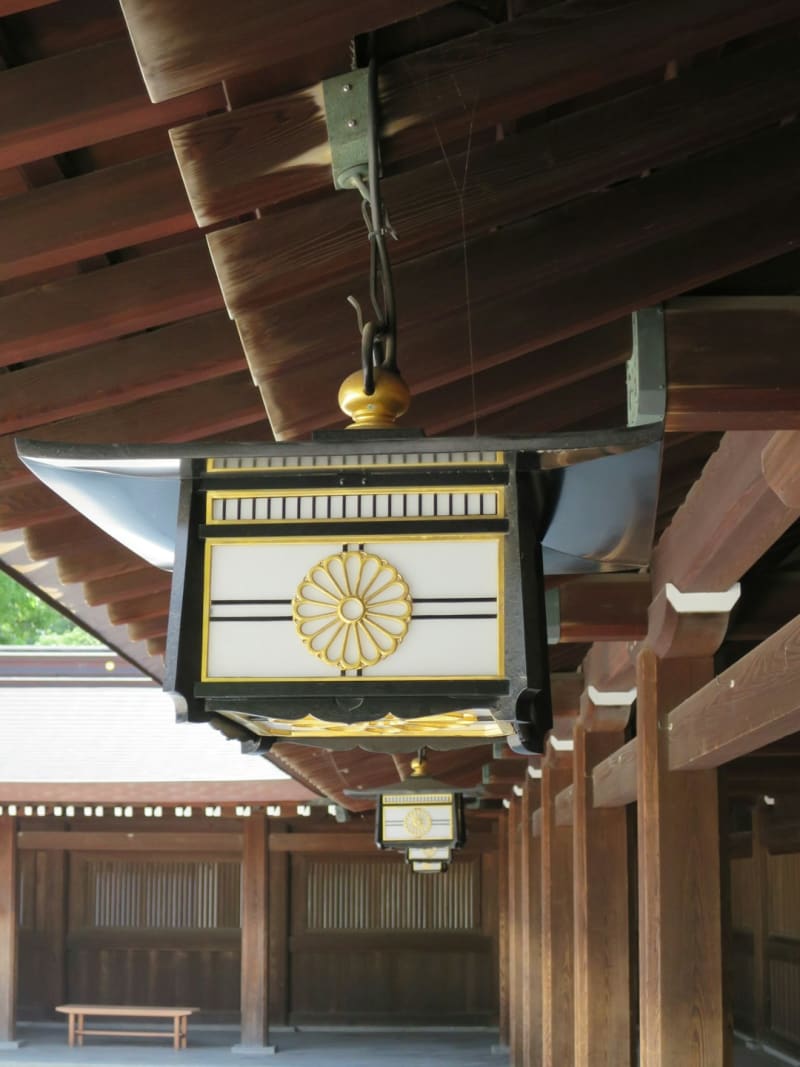 japan
japan Koka
The quiet Shiga cradle of the Kōga ninja, where thatched farmhouses hide false floors and revolving walls. Forested hills fold over a landscape that looks too ordinary to have hidden anything at all. That, of course, was always the point.
Explore