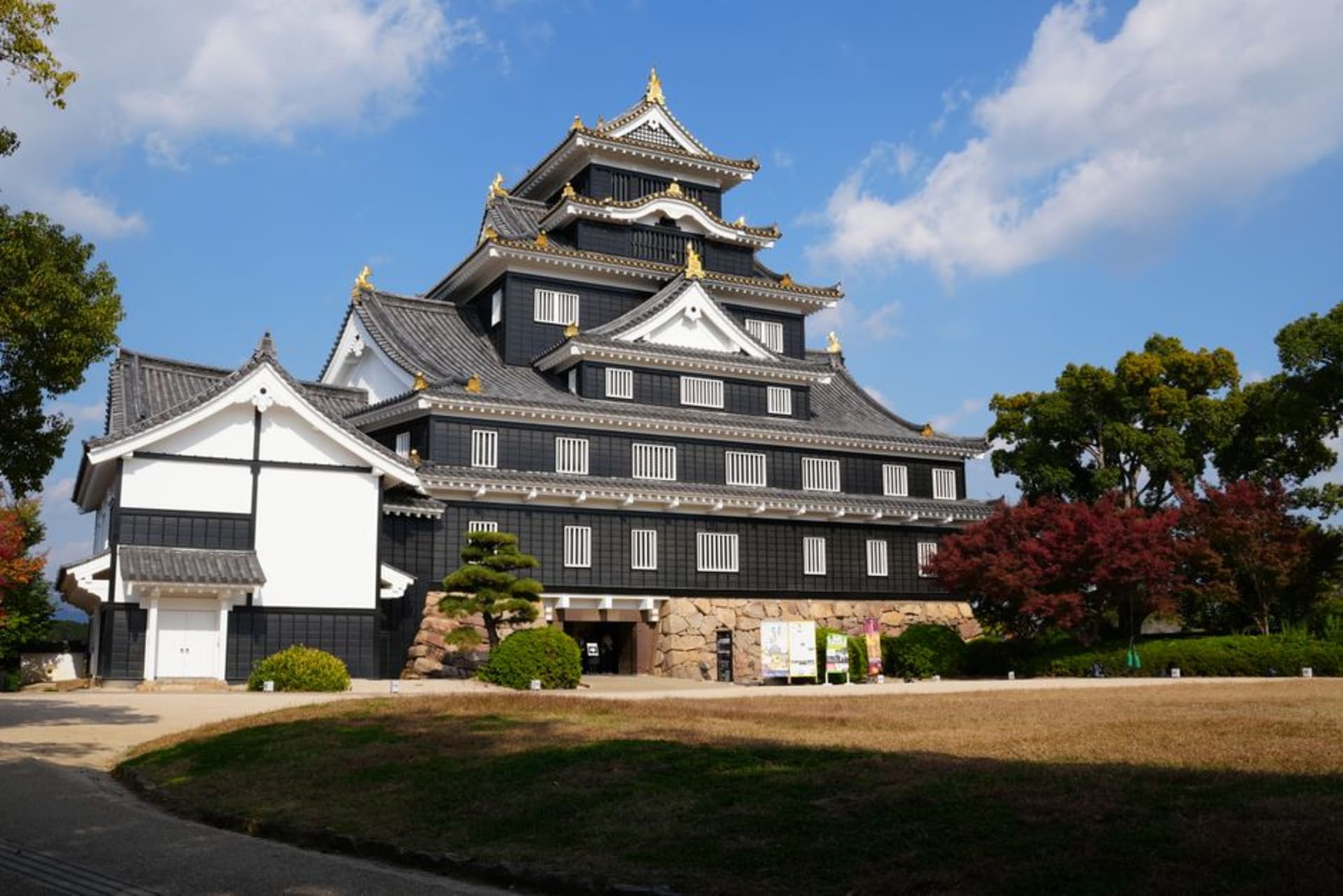
The easygoing capital of Wakayama on the Kii coast, with a white castle on a hill and a ramen worth crossing a prefecture for. We used it as a gateway south toward Kōya-san and the Kumano coast, and found a city in no hurry to impress us — which is exactly why we liked it.

Wakayama is not a city anyone tells you to visit, and that’s more or less how we ended up loving it. We arrived tired, off a slow train down the coast, meaning only to sleep there before pushing on to Kōya-san the next morning. Instead we dropped our bags, walked out into a warm evening, and found a place with no crowds, no queues, and a castle glowing white on a green hill in the middle of everything. Lia said it felt like a city that had quietly decided not to compete with Kyoto and Osaka, and was happier for it. We ate ramen that night that I still think about, and by morning we’d rearranged our plans to give the place a proper day.
The White Castle on the Hill
Wakayama Castle sits on a low hill right at the heart of the city, and unlike some, it invites you to just wander up. The keep is a postwar reconstruction — the original was lost in the war — but the stone base walls are original and magnificent, great fitted blocks that have held their line for four centuries. We climbed the winding paths under the trees, passed a beautifully restored covered bridge that once let the lord cross unseen, and reached the top as the light was going soft. From the keep you look out over the whole spread of the city to the sea beyond. It belonged to one of the three senior branches of the Tokugawa family, and there’s a quiet grandeur to the grounds that the modest crowds never quite fill.

Wakayama Ramen
I will be honest: the ramen is half the reason to come. Wakayama has its own style — a tonkotsu-shoyu broth, pork bone and soy blended into something rich but not heavy, poured over thin straight noodles. We found a small counter shop with a queue of locals and no English menu, sat elbow to elbow, and had the whole ritual: bowls of dark broth, a plate of hayazushi (pressed mackerel sushi) to nibble while you wait, and boiled eggs you help yourself to and settle up for at the end on the honour system. Lia, not usually a broth-drinker, tipped her bowl back and finished all of it. We came back the next day to a different shop just to compare, which tells you everything about how good the first one was.

Gateway to the Kii Coast
What makes Wakayama more than a pleasant stopover is where it points you. This is the top of the Kii Peninsula, and the city is the natural jumping-off point for everything wilder to the south — the temple town of Kōya-san up in its cedar-forested mountains, the pilgrimage trails of the Kumano Kodō, and the long coast that runs down toward Shirahama and Nachi. We stood on the harbour front one morning working out our route south, watching fishing boats come in, and felt the whole peninsula pulling us onward. There’s also Kishū Tōshō-gū and the seaside Kada area for those who linger, but for us Wakayama was the hinge — a real, lived-in city that sends you south with a full stomach.

Getting There
Wakayama is easy to reach: JR limited express trains run from Osaka (Tennōji) in around an hour, and the Nankai line connects from Namba to Wakayamashi station in a similar time. The castle is a short bus ride or a pleasant twenty-minute walk from JR Wakayama station. From here, the Nankai Kōya line climbs to Kōya-san, and JR lines run south down the coast toward Shirahama and the Kumano region. Give it a night and a slow morning — enough for the castle, two bowls of ramen, and a look at the sea before you head south.
Keep exploring
More of Kansai
Keep exploring
More from Kansai
 japan
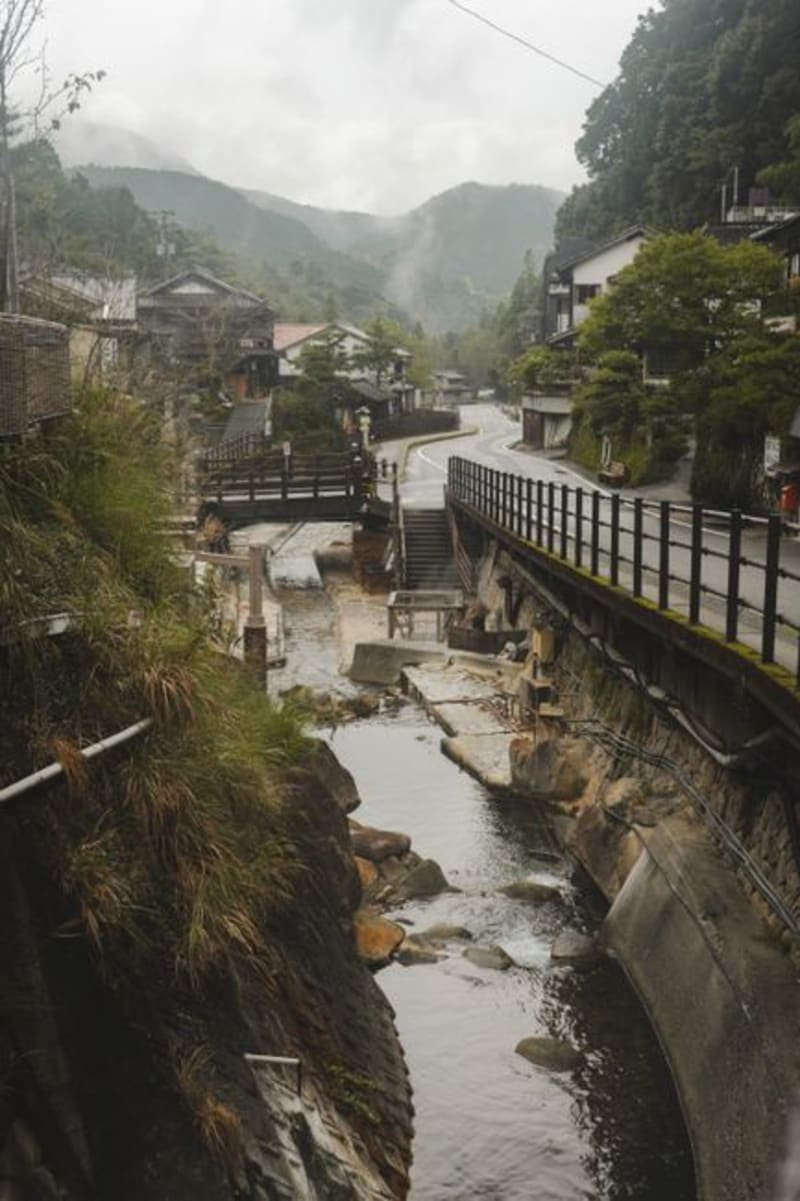
japan Ryujin Onsen
A remote hot spring folded deep into Wakayama's Kii mountains, where the water runs so soft it feels like liquid silk on the skin. The kind of place you reach only after the last convenience store has vanished from the map, and are glad of it.
Explore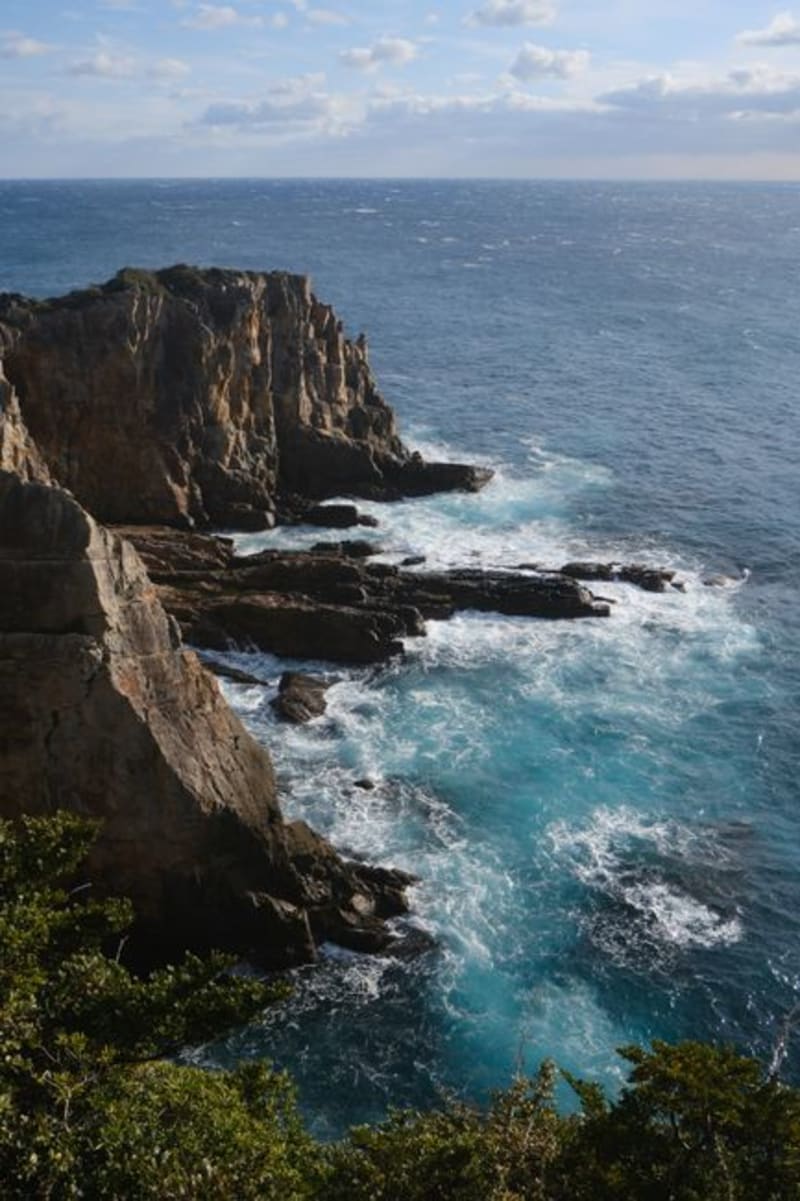 japan
japan Tanabe
A working Wakayama port that most pilgrims treat as a doorway to the Kumano Kodo and hurry through. Linger a night, and you find a town of narrow drinking alleys, fresh-off-the-boat fish, and a warmth that has nothing to do with performing for visitors.
Explore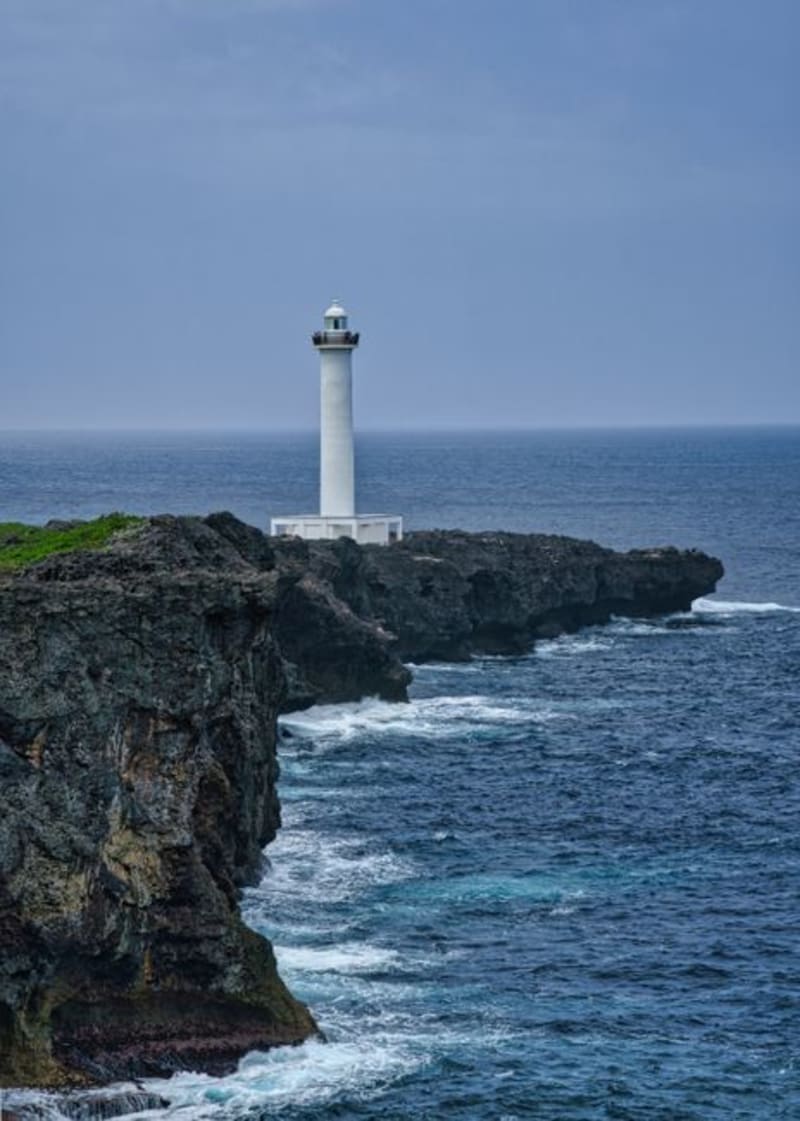 japan
japan Shirahama
A sunny beach-and-onsen resort on the Wakayama coast, with white sand, hot springs older than the written record, and sea cliffs that catch fire at sunset. We came for a rare thing in Japan — an actual beach holiday — and got the mountains and the onsen thrown in for free.
Explore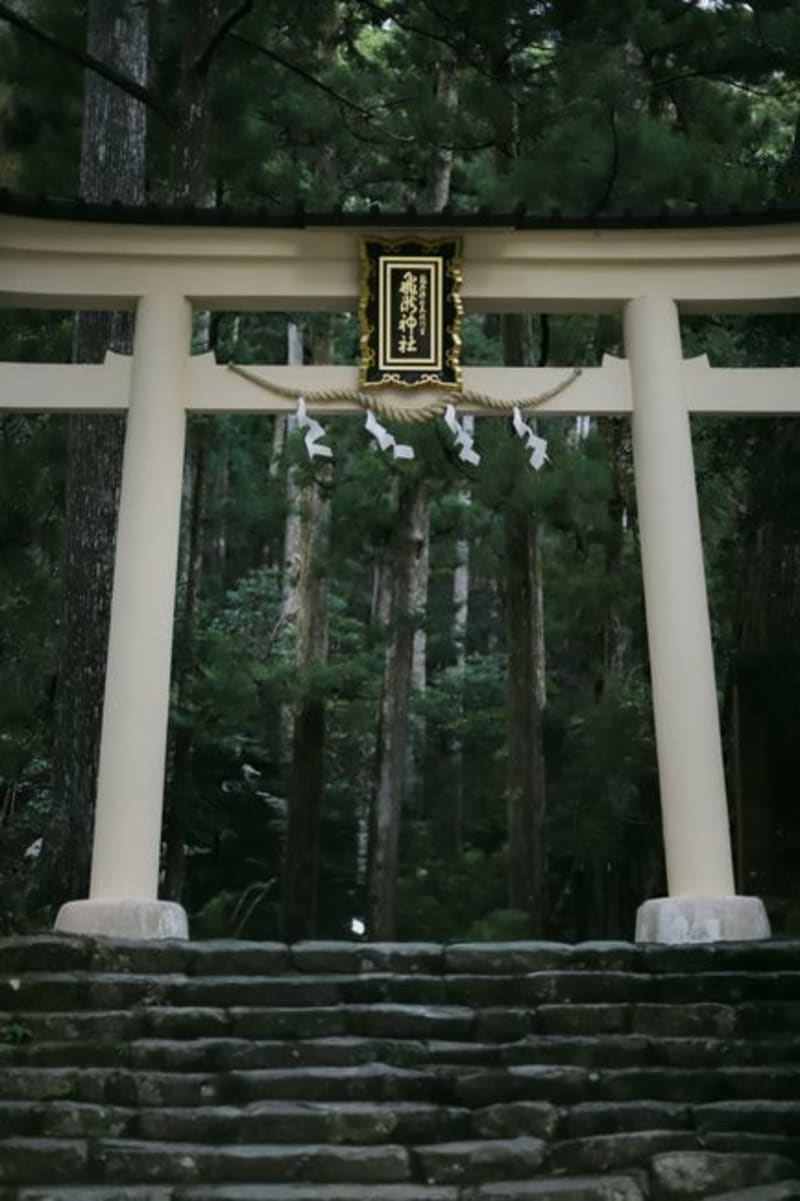 japan
japan Kumano Kodō
A thousand-year-old pilgrimage stitched through the Kii mountains in cedar, moss, and worn stone. We walked it slowly, one shrine at a time, and let the forest set the pace. Rain, incense, and the quiet company of everyone who'd come before.
Explore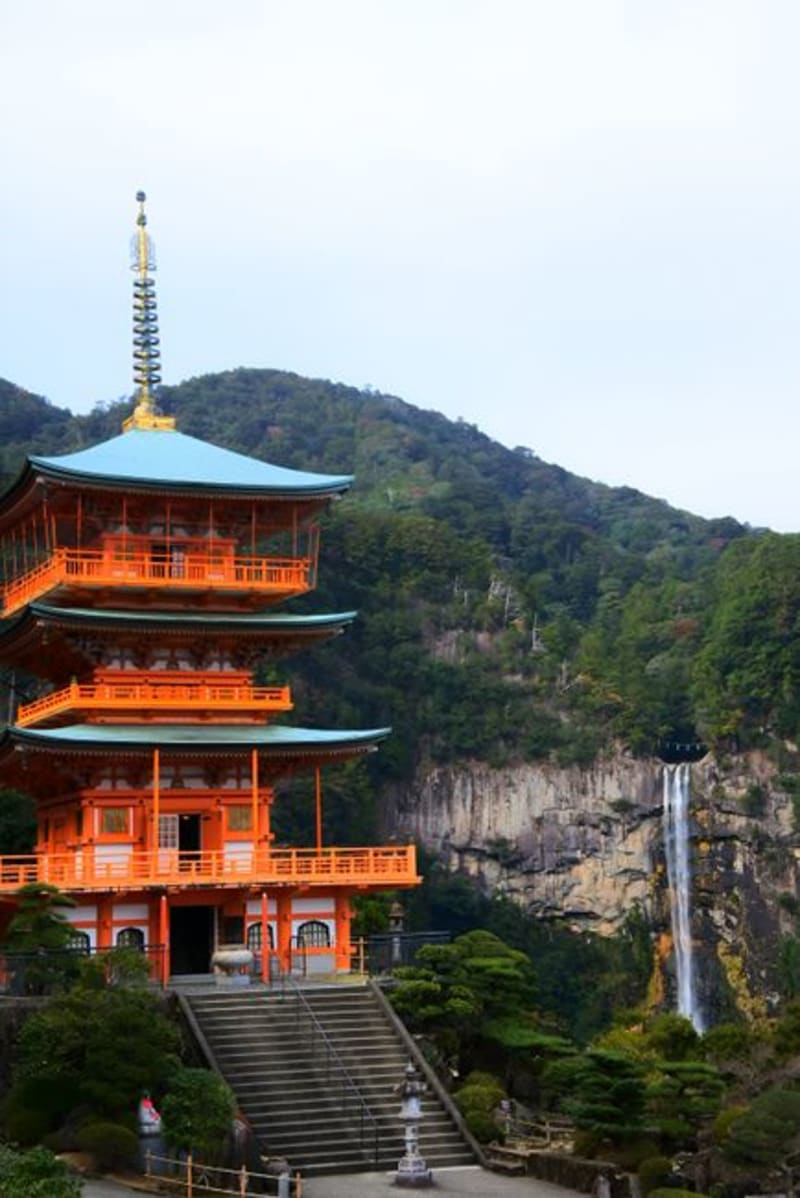 japan
japan Nachi-Katsuura
A vermilion pagoda, a waterfall taller than any in Japan, and a tuna port where the boats come in at dawn. This is where the mountains of Kumano finally meet the sea. We came for the famous view and stayed for the smell of the harbor.
Explore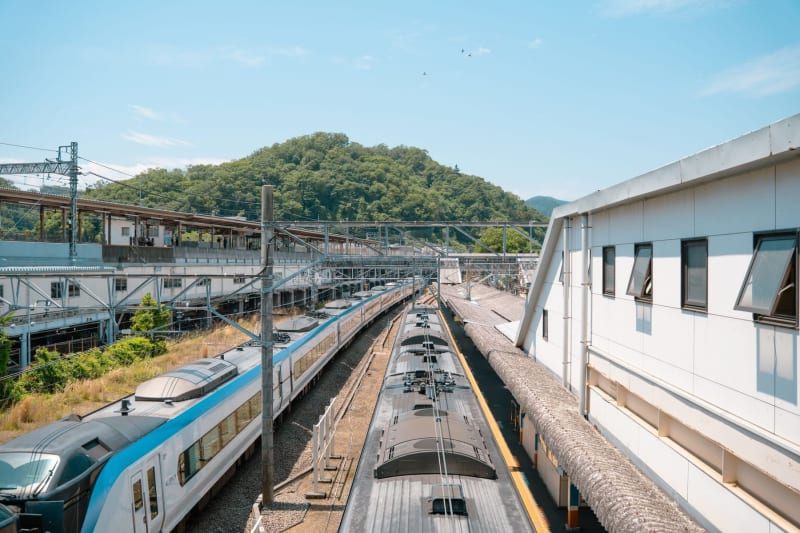 japan
japan Koya-san
A mountaintop monastery town where you sleep in a temple, eat shojin ryori, and walk a cedar-shrouded cemetery.
Explore