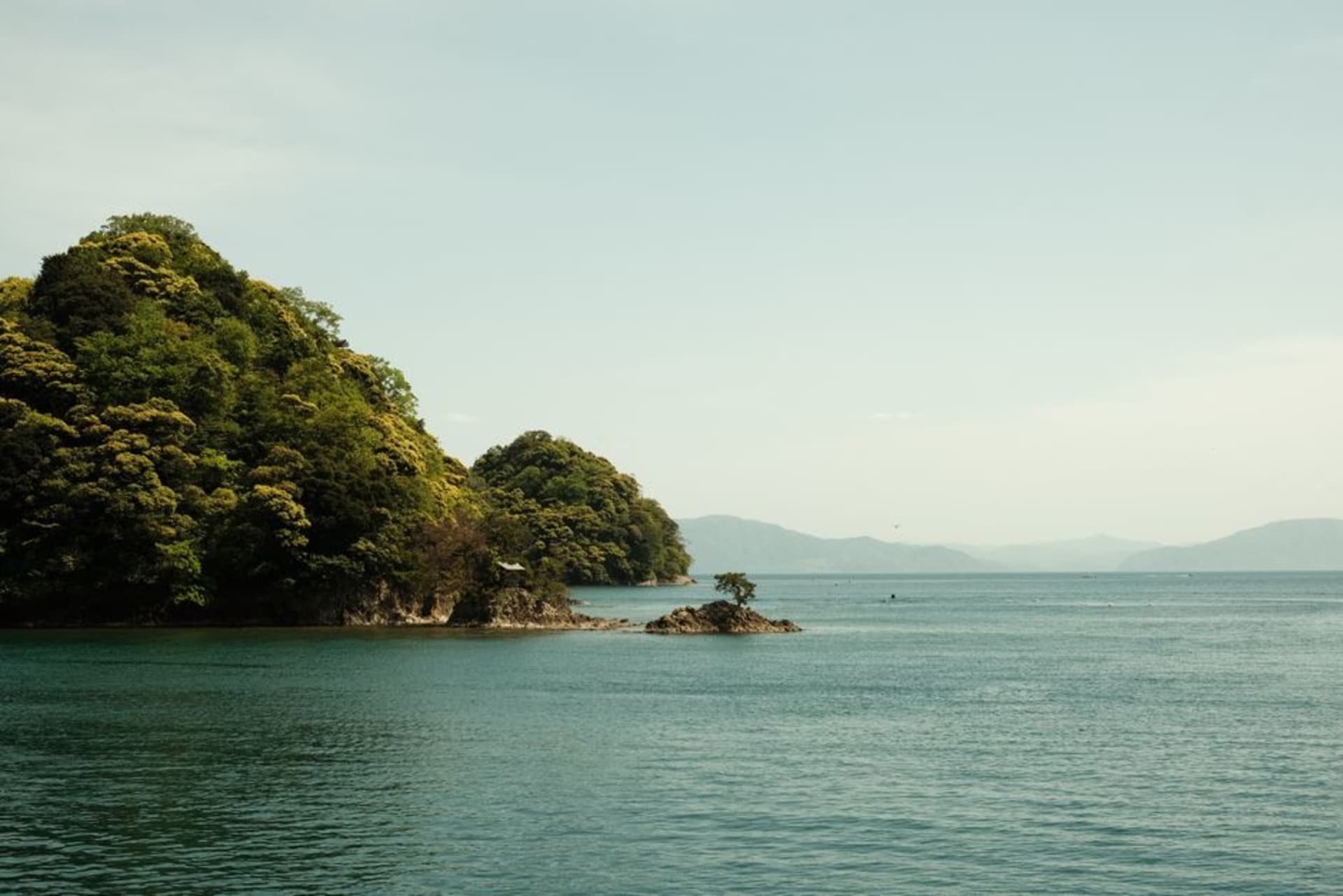
A working bay town on the Ise-Shima coast where cultured pearls were first coaxed into being and where women still dive for shellfish the old way, without tanks. We came for the aquarium and stayed for the quiet drama of the sea. It smells of salt and diesel and grilled scallops.

We arrived in Toba on a grey morning that made the bay look like brushed pewter, the wooded islets sitting on the water like stepping stones for something enormous. Lia had wanted to come here since she’d read, years earlier, about the ama — the free-diving women of this coast who go down without air, holding their breath for shellfish and seaweed, a tradition older than anyone can properly date. We didn’t have a plan beyond that. We walked out of the station toward the harbour, past a man hosing down the deck of a fishing boat, and I remember thinking that this was one of those places that hadn’t rearranged itself for visitors. It just carried on, and let us watch.
The Island Where Pearls Began
Mikimoto Pearl Island sits just off the waterfront, joined to the town by a short bridge, and it’s where Kokichi Mikimoto succeeded in culturing the world’s first pearl in 1893 — a genuine hinge-point in history that happened right here in this unremarkable-looking bay. The museum walks you through how a grain of irritation becomes something people cross oceans for, and it’s more moving than I expected, all that patience and failure behind the shine. But the real reason to come is the ama demonstration. Women in traditional white diving costume push off from the rocks and go under in the cold water, surfacing with that long, mournful whistle — the isobue — they use to catch their breath. Lia went very quiet watching it, and so did I.
The Aquarium and the Bay
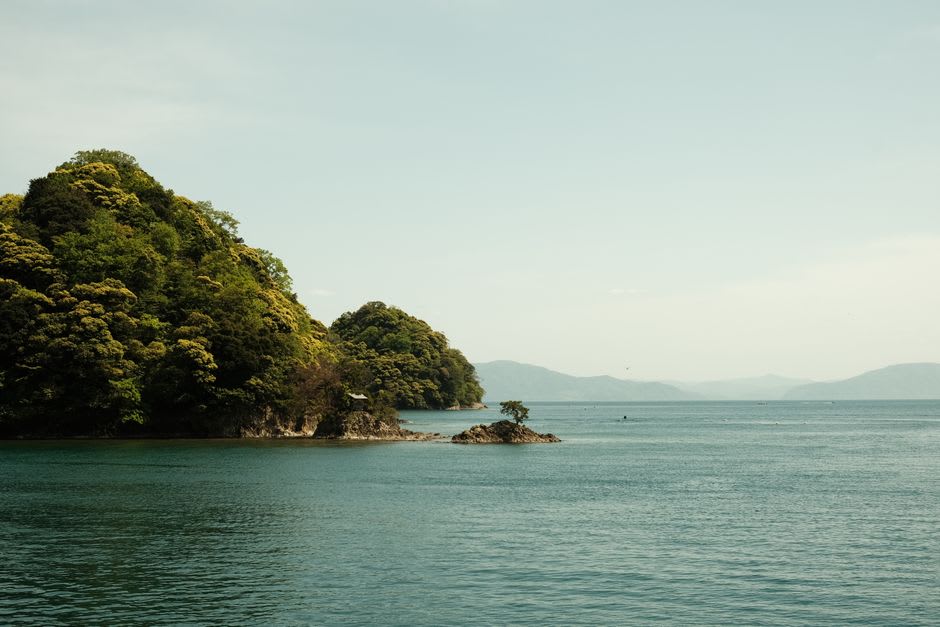
Toba Aquarium is one of the largest in Japan and, refreshingly, unpretentious about it — a rambling place where we spent far longer than we meant to. It’s the only aquarium in the country that keeps a dugong, that strange gentle sea-cow, and watching it drift past the glass felt like meeting a creature from a slower world. There are otters, finless porpoises native to these waters, and a walk-through that loosely follows the local marine environment. Afterwards we bought grilled scallops and a paper cup of something hot from a stall near the water and ate standing up, watching the ferries come and go. The bay itself is the real exhibit: those islets, the pearl rafts sitting in neat lines, the working boats threading between them.
Out Among the Islets
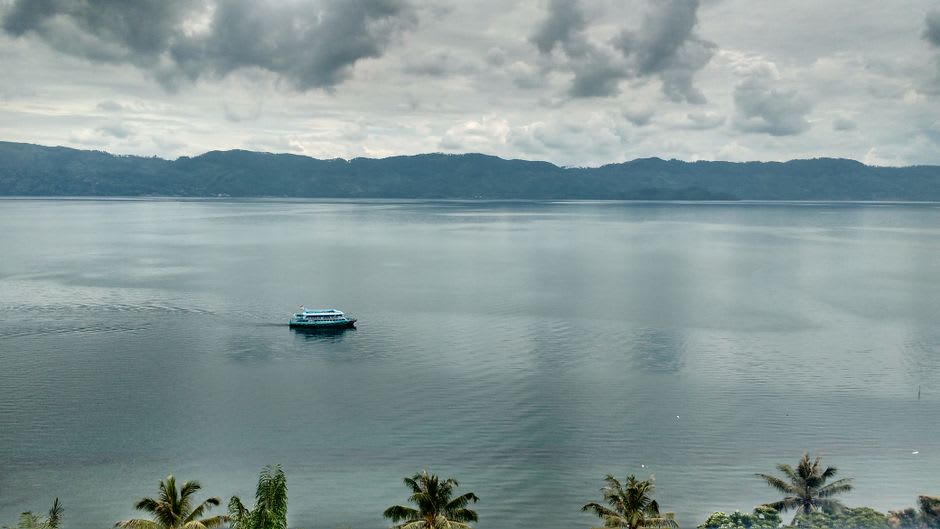
In the afternoon we took a bay cruise, one of the small boats that loops among the wooded islands of Toba Bay, and it’s the best way to understand the geography of the place — how sheltered it is, how the pearl farms make use of the calm water between the islets. Gulls followed us for the bread the deckhand sold in little bags. We passed rafts hung with baskets of oysters, each one holding its slow secret, and I thought about how much of what makes this coast famous happens underwater, out of sight, on the say-so of women and shellfish. Back on shore we walked the harbour road as the grey lifted, ate a bowl of local seafood at a counter run by an elderly couple, and felt the particular contentment of a day spent beside a working sea.
Getting There
Toba is on the Kintetsu and JR lines, and the easiest approach is the Kintetsu limited express from Osaka (around two hours) or Nagoya (about an hour and forty), usually changing or continuing from Ise. Toba station puts you a few minutes’ walk from both Mikimoto Pearl Island and the aquarium, which sit almost side by side on the waterfront. Bay cruises leave from the harbour nearby. It pairs naturally with Ise and its grand shrine — most people do the two together — and if you can, stay a night to catch the bay in the early light, when the islets float and the boats are just heading out.
Keep exploring
More of Kansai
Keep exploring
More from Kansai
 japan
japan Ise
The home of Ise Jingū, the most sacred shrine in Shintō, hidden in a vast forest of ancient cedars and rebuilt from scratch every twenty years. A nostalgic approach street, a pair of wedded rocks in the sea, and a stillness that feels older than anything else in Japan.
Explore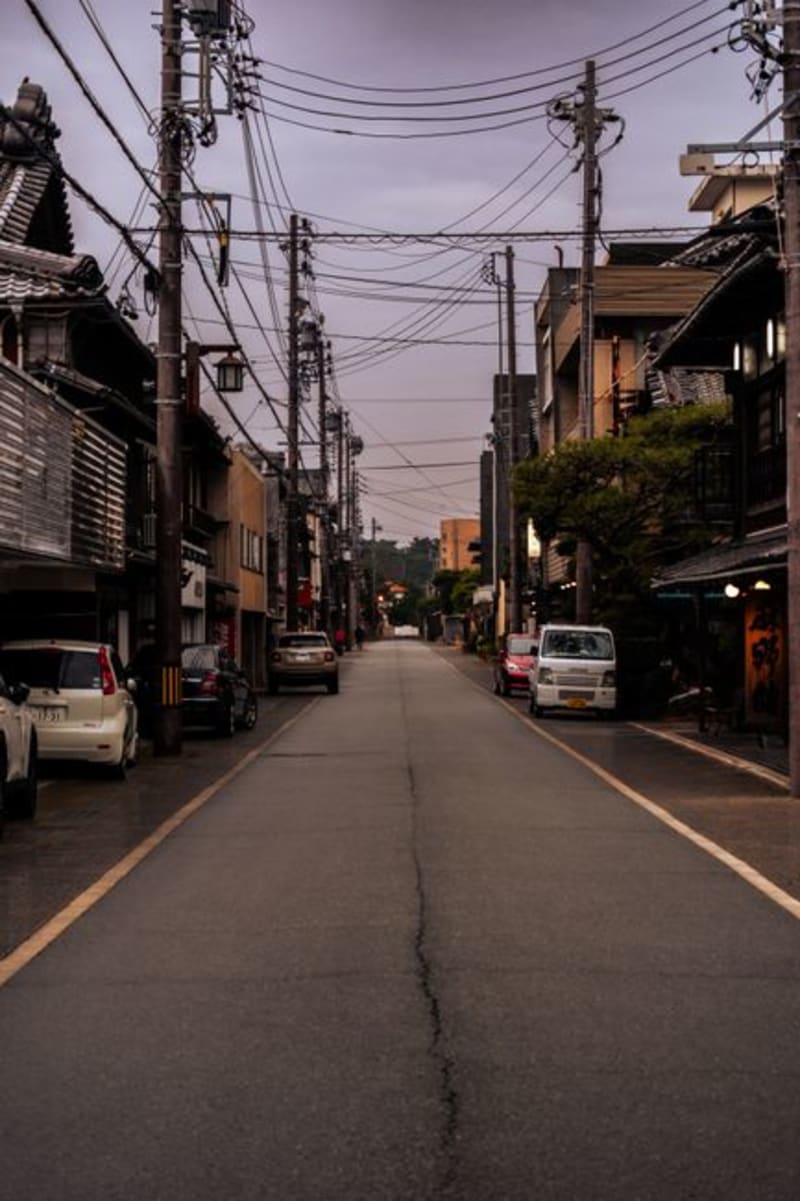 japan
japan Matsusaka
A merchant town in Mie whose name is spoken in reverent tones by anyone serious about beef — Matsusaka wagyu, raised slow and famous even beyond Kobe's. But the town beneath the steak is quieter and richer than expected: old cotton-merchant streets, a castle ruin gone green, and the walled lane where the town's samurai still seem to live just out of sight.
Explore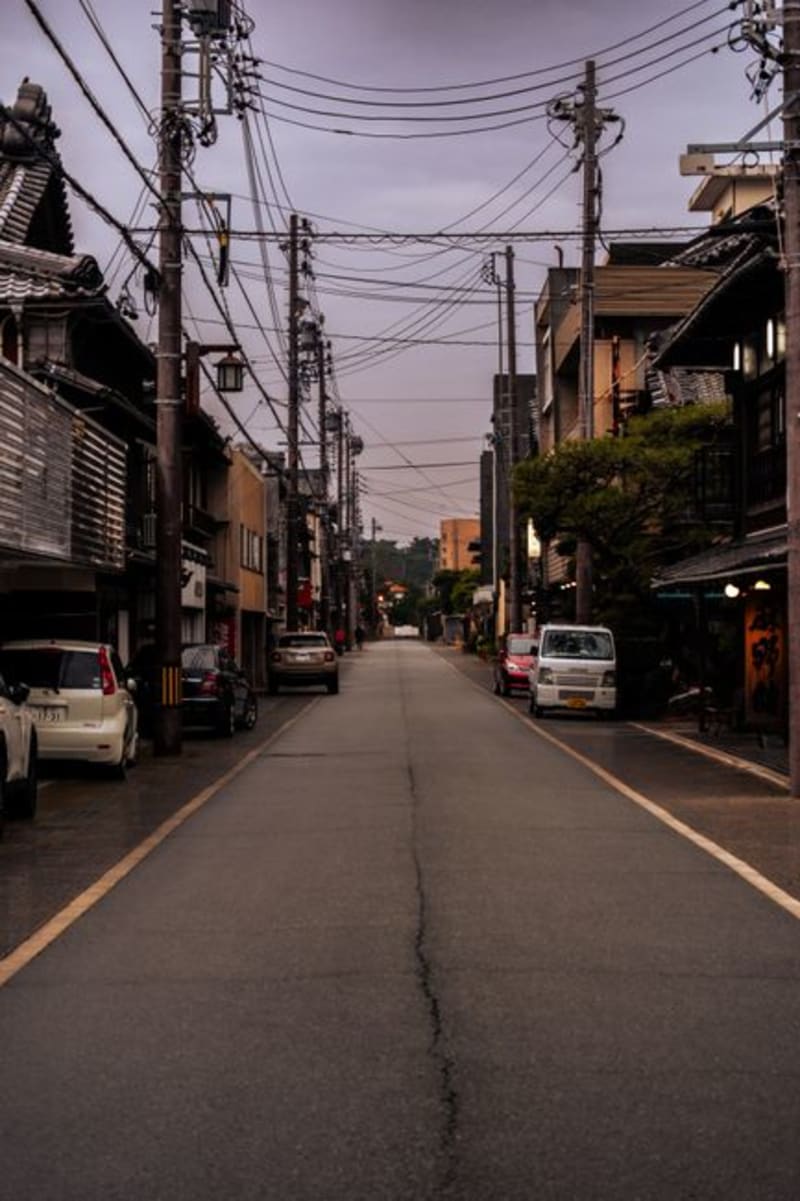 japan
japan Iga-Ueno
A quiet castle town in the mountains of Mie, birthplace of the Iga school of ninja, crowned by one of Japan's most beautifully proportioned white keeps. It wears its shadowy history lightly now — trick doors, a museum full of hidden blades, children in ninja costume — but the old spy-craft is real, and the town is prettier and slower than its reputation suggests.
Explore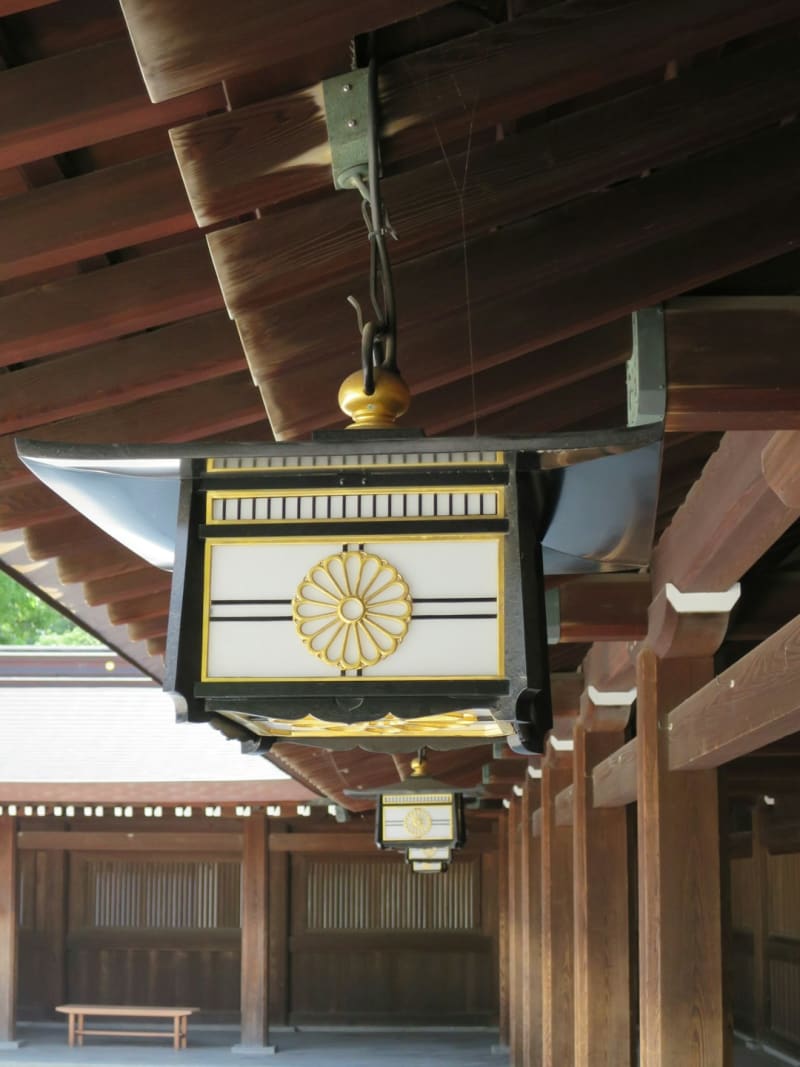 japan
japan Koka
The quiet Shiga cradle of the Kōga ninja, where thatched farmhouses hide false floors and revolving walls. Forested hills fold over a landscape that looks too ordinary to have hidden anything at all. That, of course, was always the point.
Explore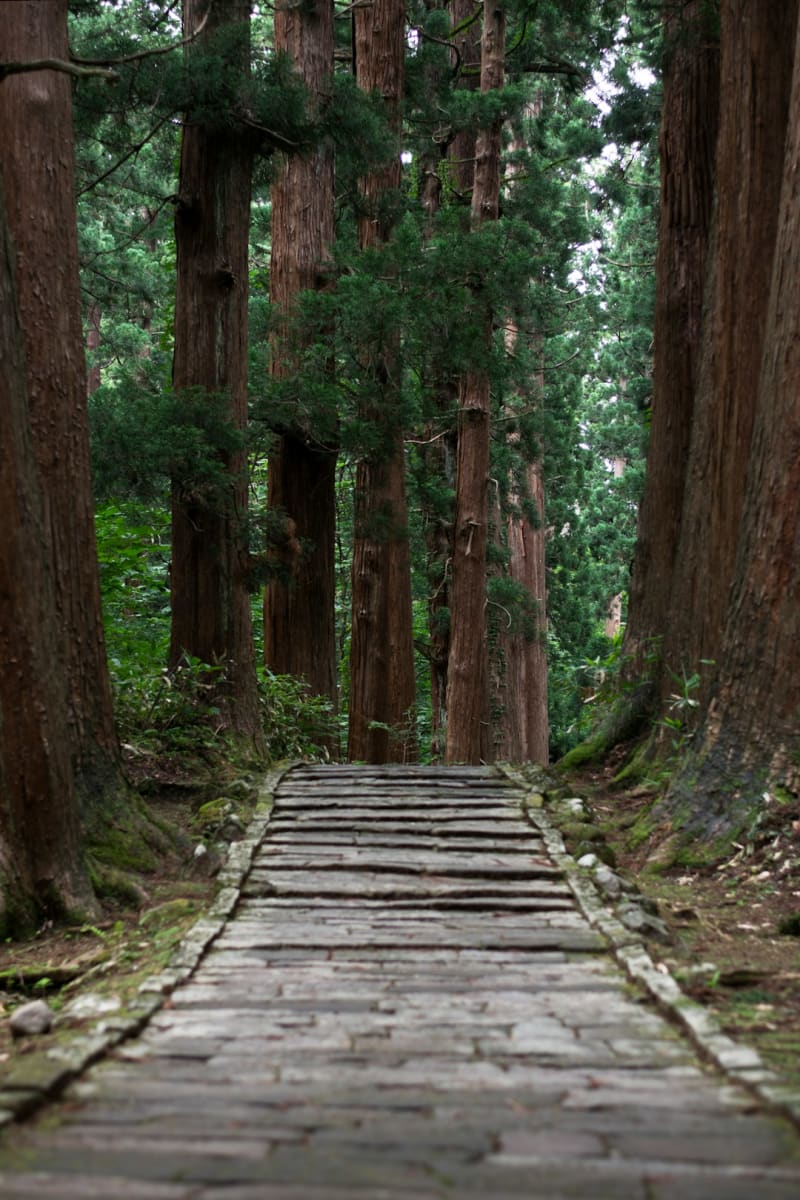 japan
japan Shigaraki
A pottery town in the Shiga hills where kilns have burned for eight centuries and cheerful clay raccoon-dogs stand guard outside nearly every door. Up a mountain road nearby hides the MIHO Museum, an I.M. Pei building reached through a cherry tunnel and a bridge, half-buried in the forest. Clay underfoot and architecture in the trees — Shigaraki is stranger and lovelier than it has any right to be.
Explore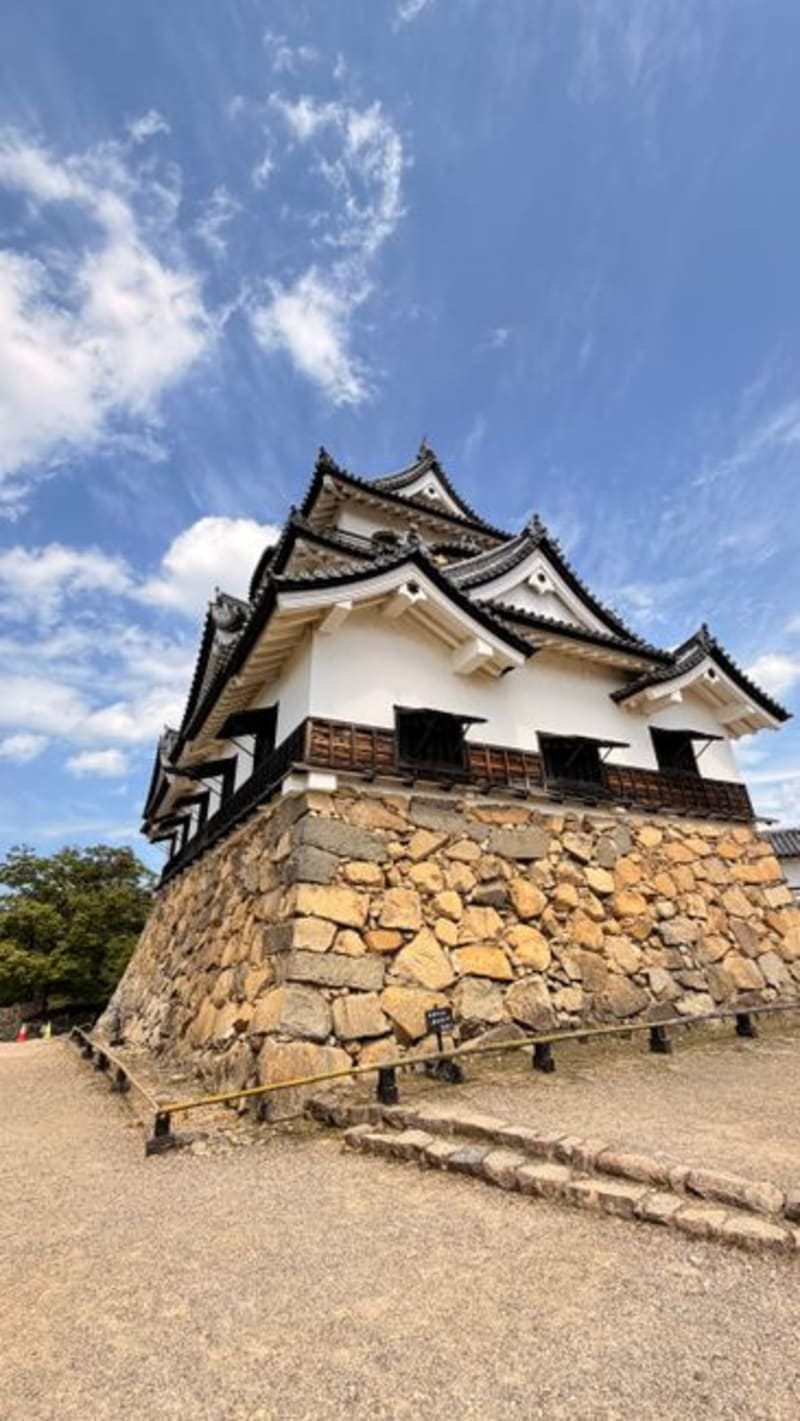 japan
japan Hikone
One of only a handful of original castles left standing in Japan, perched above Lake Biwa with a garden made for moon-viewing. We came expecting a quick stop and gave it a whole slow day. Sometimes the smaller places hold you longest.
Explore