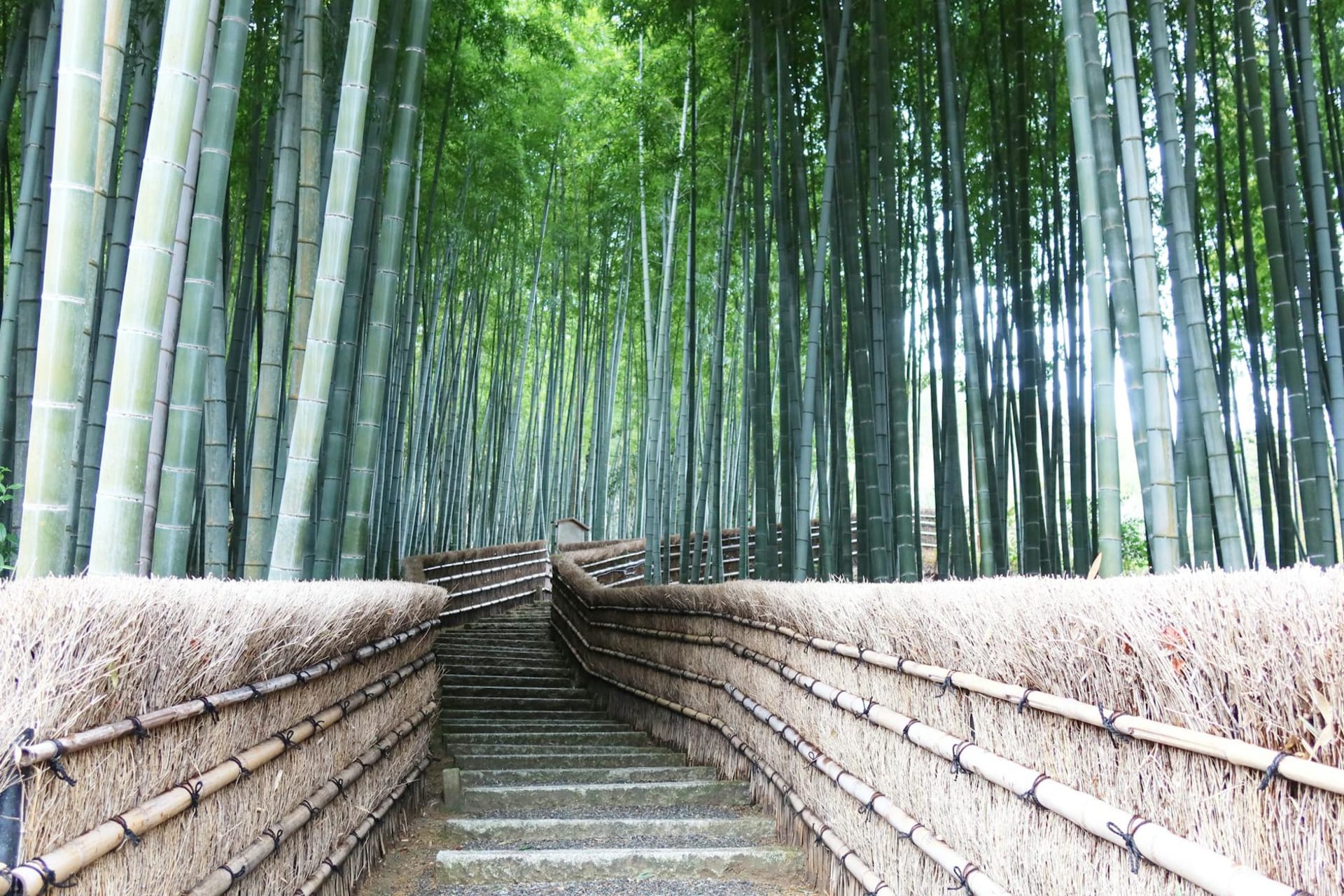
Kurama
"Twenty minutes out of Kyoto the city stops existing, which I did not think was possible."
A temple built into a cedar mountainside an hour north of Kyoto, and the trailhead for the best half-day walk in Kansai.
My favourite day in Japan started at Demachiyanagi Station on the Eizan Railway, which is a small two-car train that looks like it belongs to a different and gentler country than the shinkansen network. It climbs north out of Kyoto through back gardens and retaining walls, and then somewhere around Ichihara the buildings simply stop and the line runs into a corridor of maples. The city does not fade out. It ends.
Up Through the Cedars
Kurama village is one street of wooden shopfronts along a slope, and the entrance to Kurama-dera is at the top of it. The temple complex is not a single building but a series of halls carved into the mountainside at different levels, connected by stone stairways and switchbacked paths, and the climb is real — you can take the little cable car for part of it, and I understand entirely why people do, but the walk is the point.
The air changed within five minutes. Cooler, dimmer, green. The cedars here are enormous and very old, and some of them have their roots exposed across the path in ridged webs you have to step over, polished smooth by however many centuries of pilgrims doing exactly that. There is a particular quality to the sound: no traffic, no crowd noise, just birds and the creak of wood and water somewhere below.
The Main Hall
At the main hall the trees open and you get the valley — ridge after ridge, the canopy dropping away below the terrace. Kurama has a reputation as a place of unusual spiritual energy, and the temple leans into it; there is a spot on the stone terrace where visitors stand with their arms out, and I watched several people do this with complete sincerity while I stood off to the side being French about it.
Then I stopped being French about it. I have felt genuine stillness in very few places — the Alentejo coast, a couple of cenotes in the Yucatán, and here. Some places do not merely look sacred. Standing on that terrace with the wind moving through several hundred years of cedar, I understood why someone decided to build a temple on this particular mountainside rather than an easier one.
Onward Over the Ridge
Most people come up from Kurama, look at the main hall, and go back down to the train. The better plan is to keep walking. The trail continues over the ridge and down the far side to Kibune, about ninety minutes through the deepest and oldest part of the forest, and it turns a temple visit into one of the best walks in Kansai. You end at a river valley full of restaurants built over the water, which is a strong argument for any hike.
Bring proper shoes. The trail is well maintained but it is a mountain path with roots and steps and a fair amount of descent, not a garden stroll, and I saw more than one person attempting it in the kind of footwear designed for a temple courtyard.
When to go: Mid-November for maples — the Eizan line runs through a stretch of trees that is genuinely worth the fare on its own, and they illuminate part of it in season. Early summer is deep green and almost empty. Winter closes some of the upper paths after snow, so check before committing to the through-walk.
Questions people ask
- How do you get to Kurama from Kyoto?
- Take the Eizan Railway from Demachiyanagi Station. It is a small two-car line that climbs north out of the city, and the buildings give way to forest within about twenty minutes.
- Is the walk from Kurama to Kibune difficult?
- It takes about ninety minutes and it is a genuine mountain path — exposed roots, stone steps and a fair amount of descent — rather than a garden stroll. Wear proper shoes; temple-courtyard footwear is not enough.
- Do I have to walk up to Kurama-dera?
- No, there is a small cable car covering part of the ascent. The walk through the cedars is the better experience if you are able to do it.
Keep exploring
More of Kansai
Keep exploring
More from Kansai
 japan
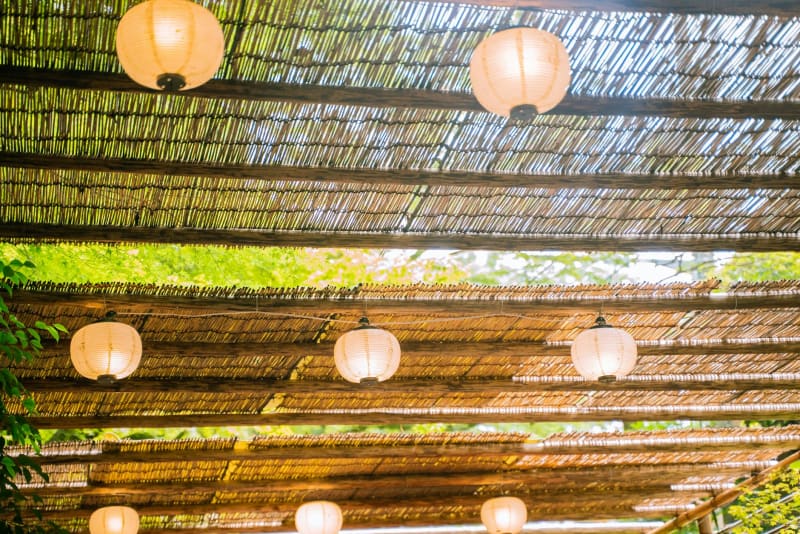
japan Kibune
A one-lane river valley north of Kyoto where the restaurants build their floors out over the water and lunch takes three hours.
Explore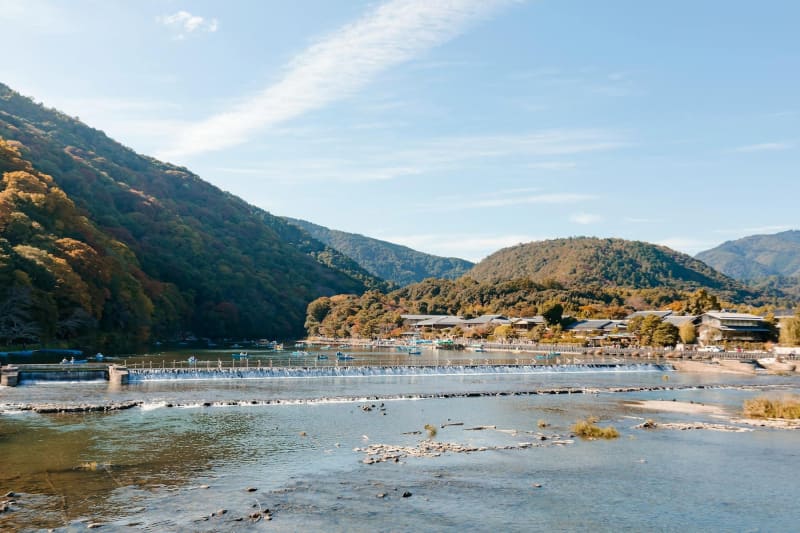 japan
japan Kyoto Arashiyama
The towering bamboo grove and monkey mountain above the Hozu River at Kyoto's elegant western edge.
Explore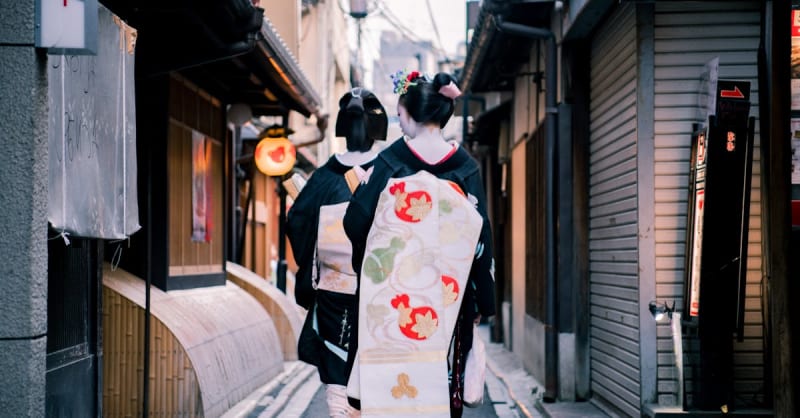 japan
japan Kyoto
Thousand-gate shrines, bamboo forests, and a city that hides its best moments behind early mornings and quiet side streets.
Explore japan
japan Otsu
A lakeside city in Shiga where Japan's largest lake, Biwa, lies flat and enormous below the wooded shoulder of Mount Hiei — and on that mountain sits Enryaku-ji, the vast monastery that shaped Japanese Buddhism for a thousand years. Otsu is Kyoto's quieter neighbor, a place of lake light and temple bells that most travelers rush straight past. We didn't, and we were glad.
Explore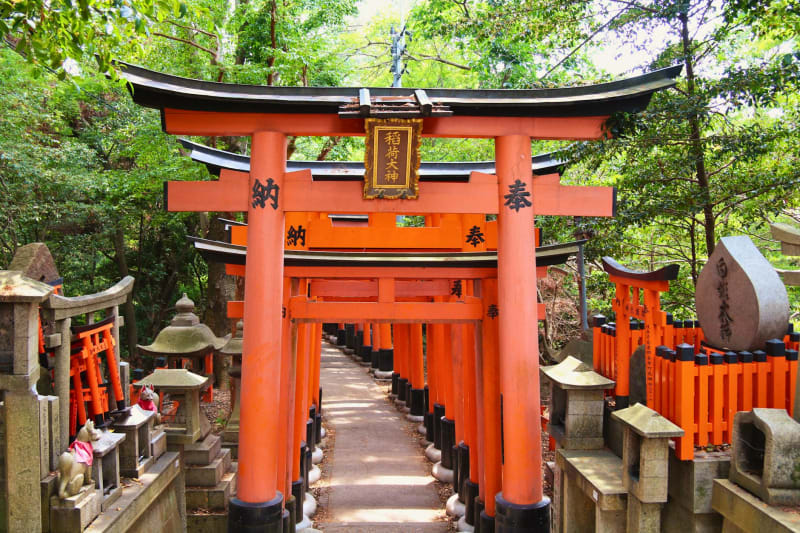 japan
japan Fushimi Inari Taisha
The mountain of ten thousand vermillion torii gates south of Kyoto — and the two-hour climb above them that almost nobody bothers to finish.
Explore japan
japan Uji
A small riverside town between Kyoto and Nara that is the spiritual home of Japanese green tea, and home to the impossibly graceful Byōdō-in Phoenix Hall. Old tea houses line the streets, the river runs cold and fast, and the final chapters of The Tale of Genji are set here. Refined, green, and quietly ancient.
Explore