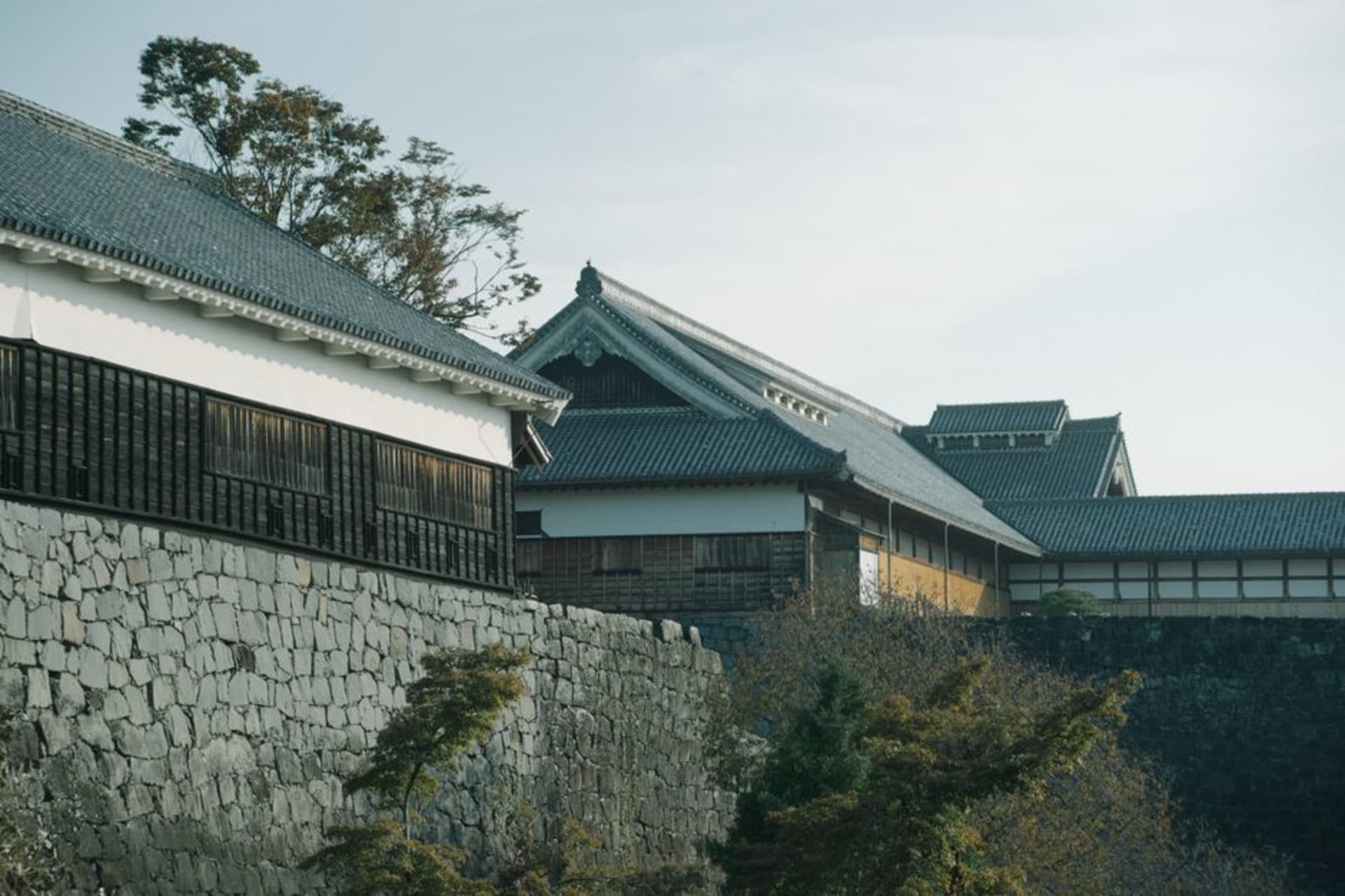
A small castle town folded into the hills of northern Hyogo, where a wooden clock tower keeps watch over lanes that smell of buckwheat and dashi. Izushi serves its soba in little dishes stacked like coins, and eats them at the pace of an afternoon. It is the kind of place you plan to leave by lunch and end up staying until the light goes amber.

We nearly missed it. The bus from Toyooka had emptied out by the time Lia and I stepped off in Izushi, and for a moment we stood in a square that seemed to belong to no one — a wooden tower on stilts throwing a long shadow, a stray cat crossing the road with the confidence of a landlord. Then the smell reached us: buckwheat, hot dashi, something faintly sweet. We followed it the way you follow a memory you can’t quite place, and that was the whole afternoon decided.
The Clock That Sets the Pace
The Shinkoro tower is Izushi’s landmark, though “tower” oversells it a little — it’s a modest wooden structure raised on a frame, more town mascot than monument. Built in the Meiji years to replace an older drum tower, it has kept the town’s time, loosely, ever since. I liked that “loosely.” Nobody in Izushi seemed to be watching it closely. Lia and I sat on a low wall beneath it and watched an old man sweep the same three metres of pavement with enormous care, pausing to talk to everyone who passed. The clock ticked. Nobody hurried. After three weeks of Japanese train stations timed to the second, the town’s refusal to rush felt like a held breath finally let out.

Soba by the Dish
Izushi soba arrives in a way I’d never seen: five small white dishes, each holding a single mouthful’s worth of cold buckwheat noodles, stacked in front of you like poker chips. You work through them with a rotating cast of toppings — raw egg, grated yam, wasabi, spring onion — and the stacked empty dishes become your score. Lia, who is competitive about things she pretends not to be, ordered a second round before I’d finished my first. The soba here has a story: potters and noodle-makers came from Shinshu in the 1700s when the local lord swapped domains, and they brought both the buckwheat and the white Izushi-yaki porcelain the dishes are made from. Eating it, you’re holding two crafts at once.

The Castle Town Behind the Main Street
Most day-trippers never leave the soba lane, which is exactly why you should. Behind the shops, Izushi thins into its castle-town bones: the ruined stone terraces of Izushi Castle climbing a wooded slope, a corridor of red torii threading up to the Inari shrine above the ramparts. We climbed slowly. From the top the town lay out flat and grey-tiled below us, the clock tower a toy, the rice fields beyond it already turning. A groundskeeper raking gravel at the shrine nodded at Lia and said something we didn’t understand, then mimed drinking tea and pointed at a bench. We sat. He was right — it was a bench for exactly that.

Getting There
Izushi has no train station of its own, which is half its charm and half the reason it stays quiet. From Kyoto or Osaka, take the limited express toward Toyooka on the San’in line — around two and a half to three hours — then a local bus from Toyooka Station to Izushi, roughly thirty minutes through rice country. If you’re driving the northern Hyogo coast, it’s an easy detour inland from Kinosaki Onsen, about twenty-five minutes by car, and pairs naturally with a night in the hot-spring town. Come on a weekday if you can; the soba lanes fill on weekends. Aim to arrive by late morning, eat slowly, and let the afternoon do the rest.
Keep exploring
More of Kansai
Keep exploring
More from Kansai
 japan
japan Miyama
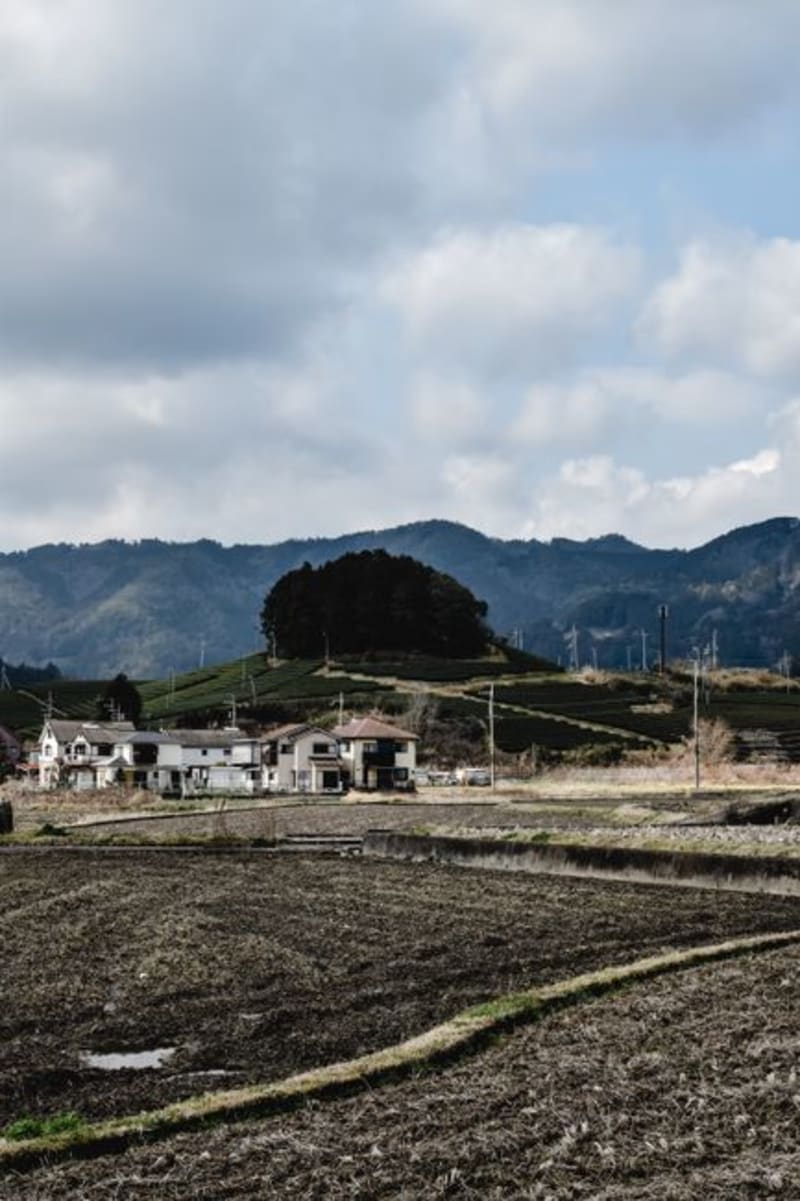
A hamlet of steep-thatched kayabuki farmhouses scattered across a green fold of the Kyoto hills, where the roofs are as tall as the houses beneath them. We arrived thinking it would be a photo stop and stayed until the light went gold and the frogs started up.
Explore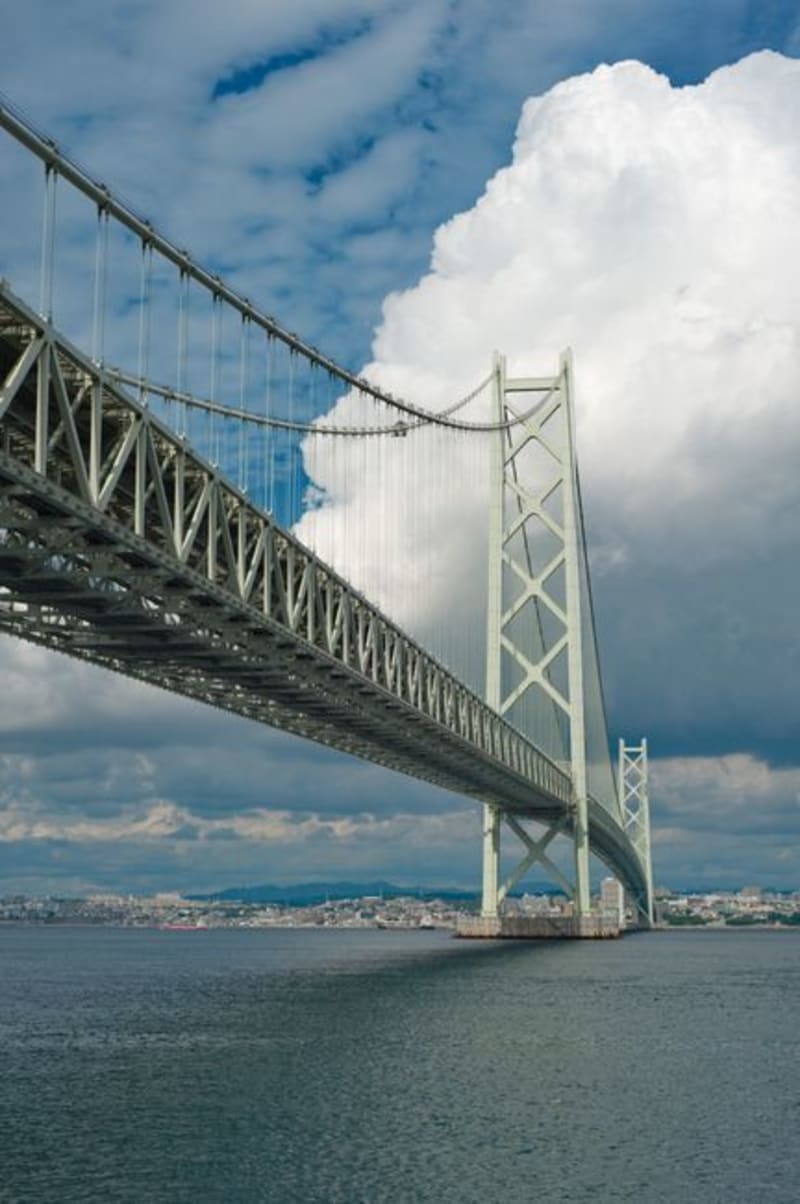 japan
japan Awaji Island
The large, pastoral island that bridges Kobe and Shikoku across the Inland Sea. We came for the roaring whirlpools at its southern tip and stayed for the flower parks, the onsen, the creation-myth shrines, and more onions than either of us thought possible to love.
Explore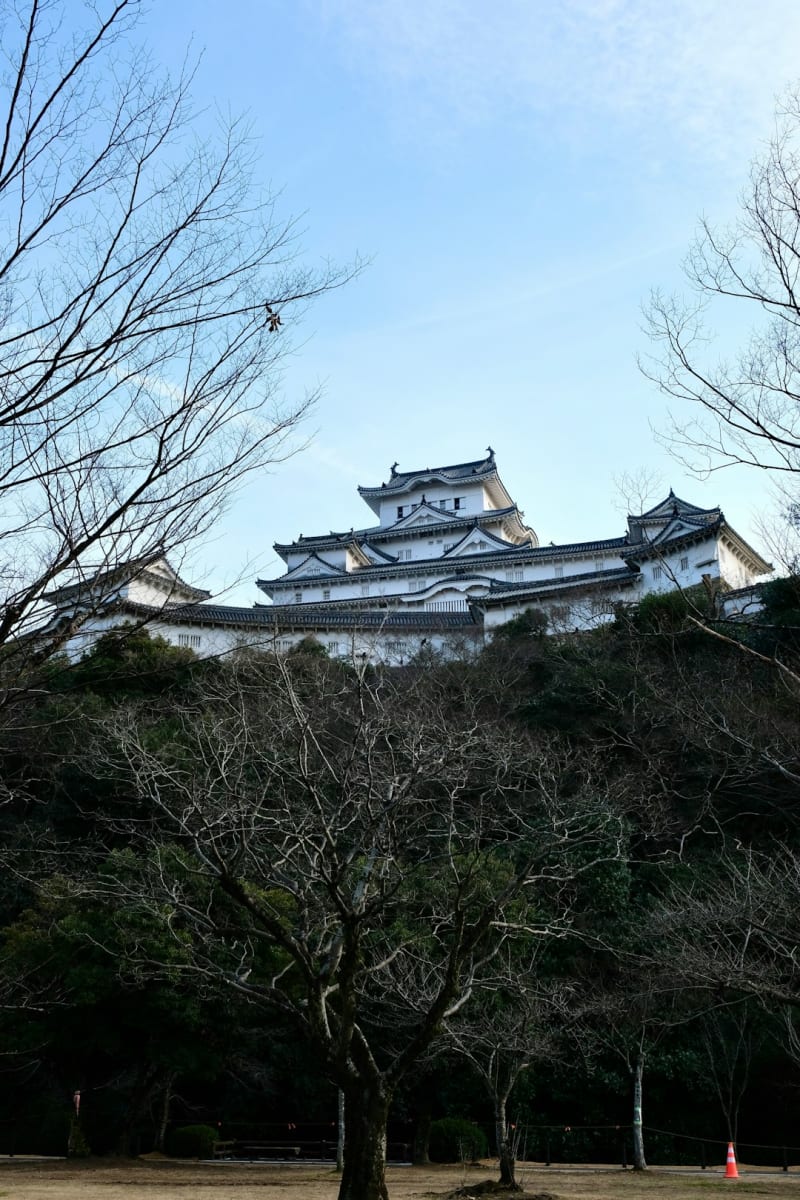 japan
japan Himeji
A Hyōgo city built around the finest surviving feudal castle in Japan — the 'White Heron,' its brilliant white walls rising over the plain. Cherry blossoms in spring, steep dark staircases within, and a fortress that never fell. The great day-trip icon of western Japan.
Explore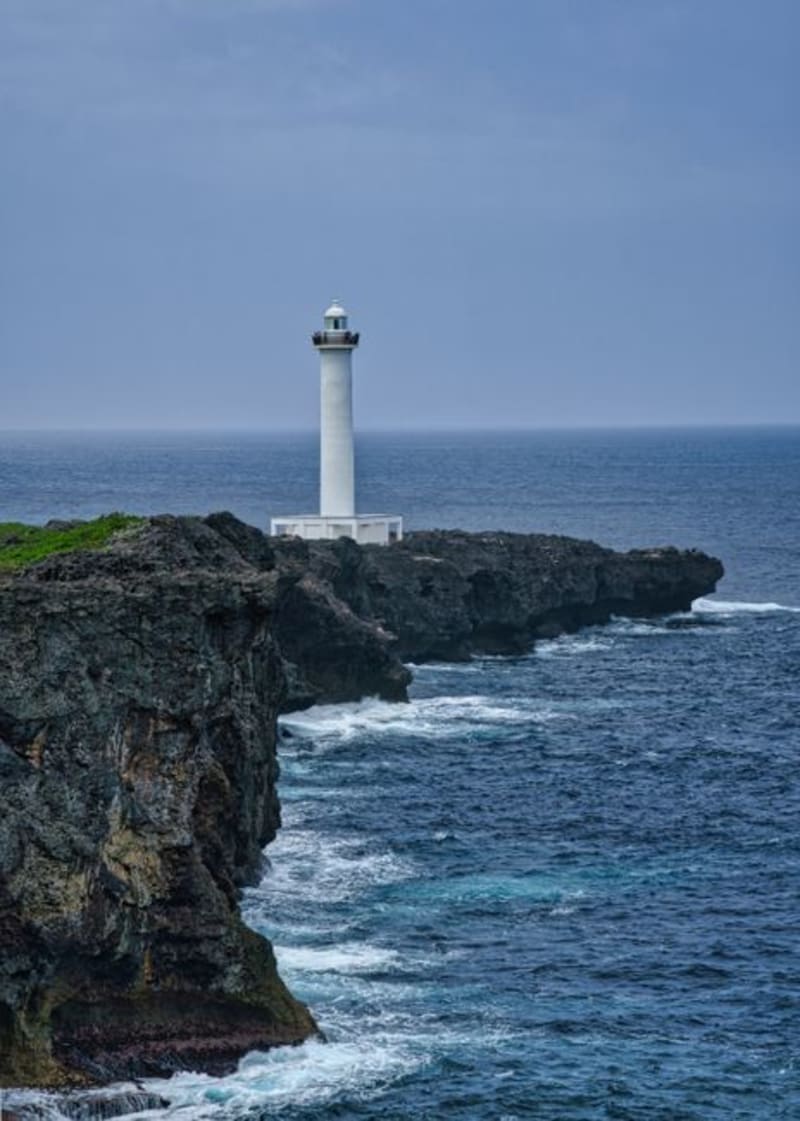 japan
japan Shirahama
A sunny beach-and-onsen resort on the Wakayama coast, with white sand, hot springs older than the written record, and sea cliffs that catch fire at sunset. We came for a rare thing in Japan — an actual beach holiday — and got the mountains and the onsen thrown in for free.
Explore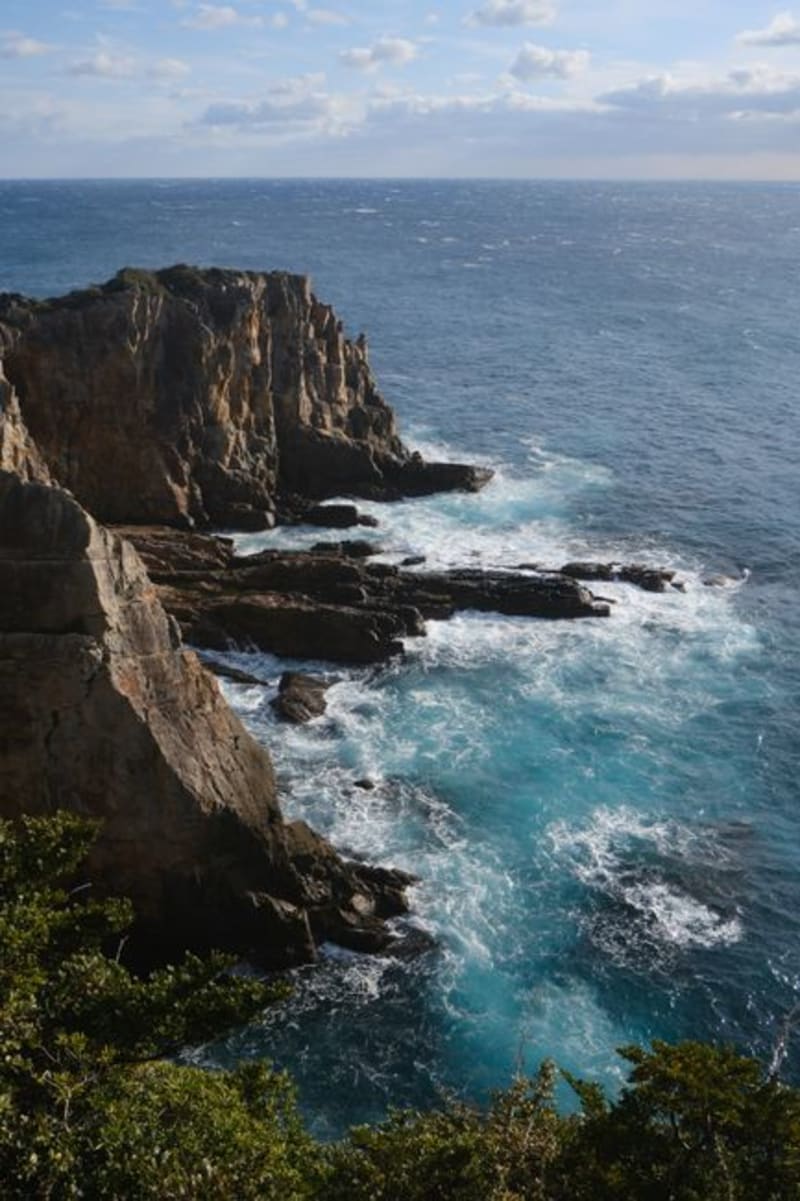 japan
japan Tanabe
A working Wakayama port that most pilgrims treat as a doorway to the Kumano Kodo and hurry through. Linger a night, and you find a town of narrow drinking alleys, fresh-off-the-boat fish, and a warmth that has nothing to do with performing for visitors.
Explore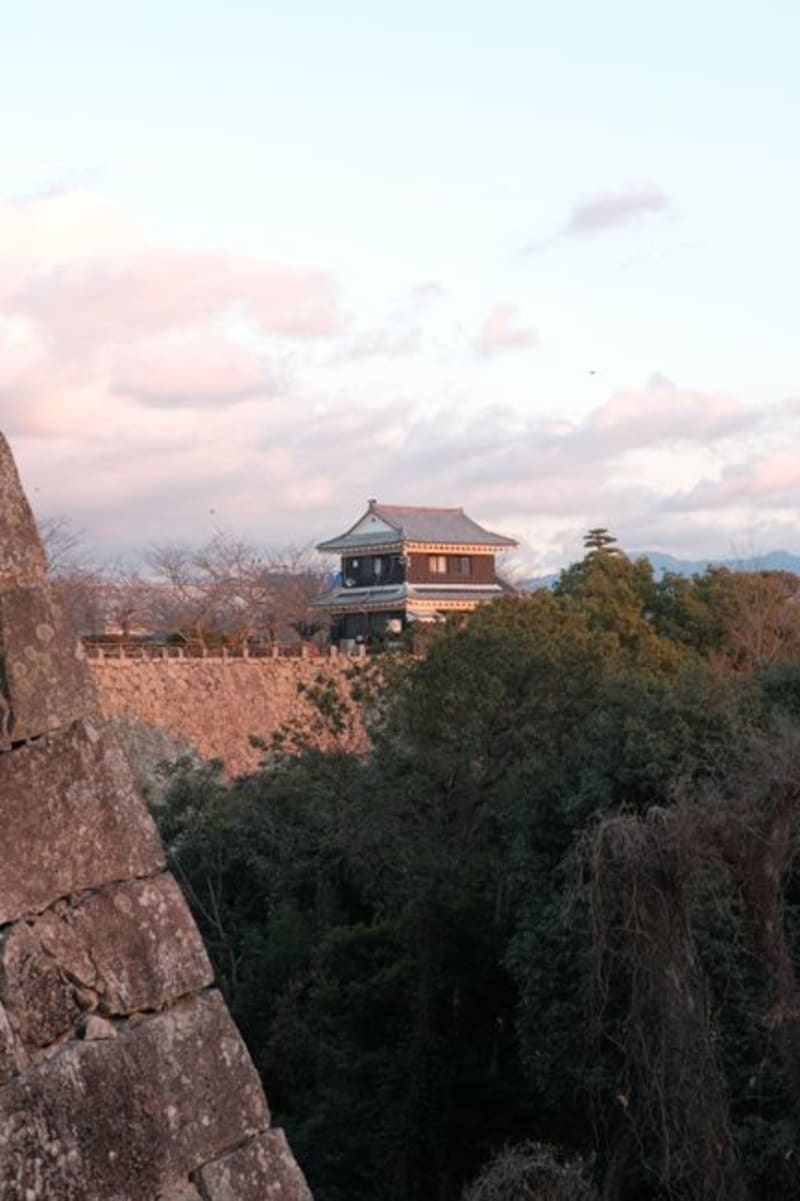 japan
japan Takeda Castle
A ruined mountaintop fortress in northern Hyogo that, on the right autumn morning, appears to float on a sea of cloud — the reason locals call it the Castle in the Sky. There is nothing left but stone ramparts and grass, and somehow that is exactly enough. You climb in the dark to earn a view that lasts about an hour.
Explore