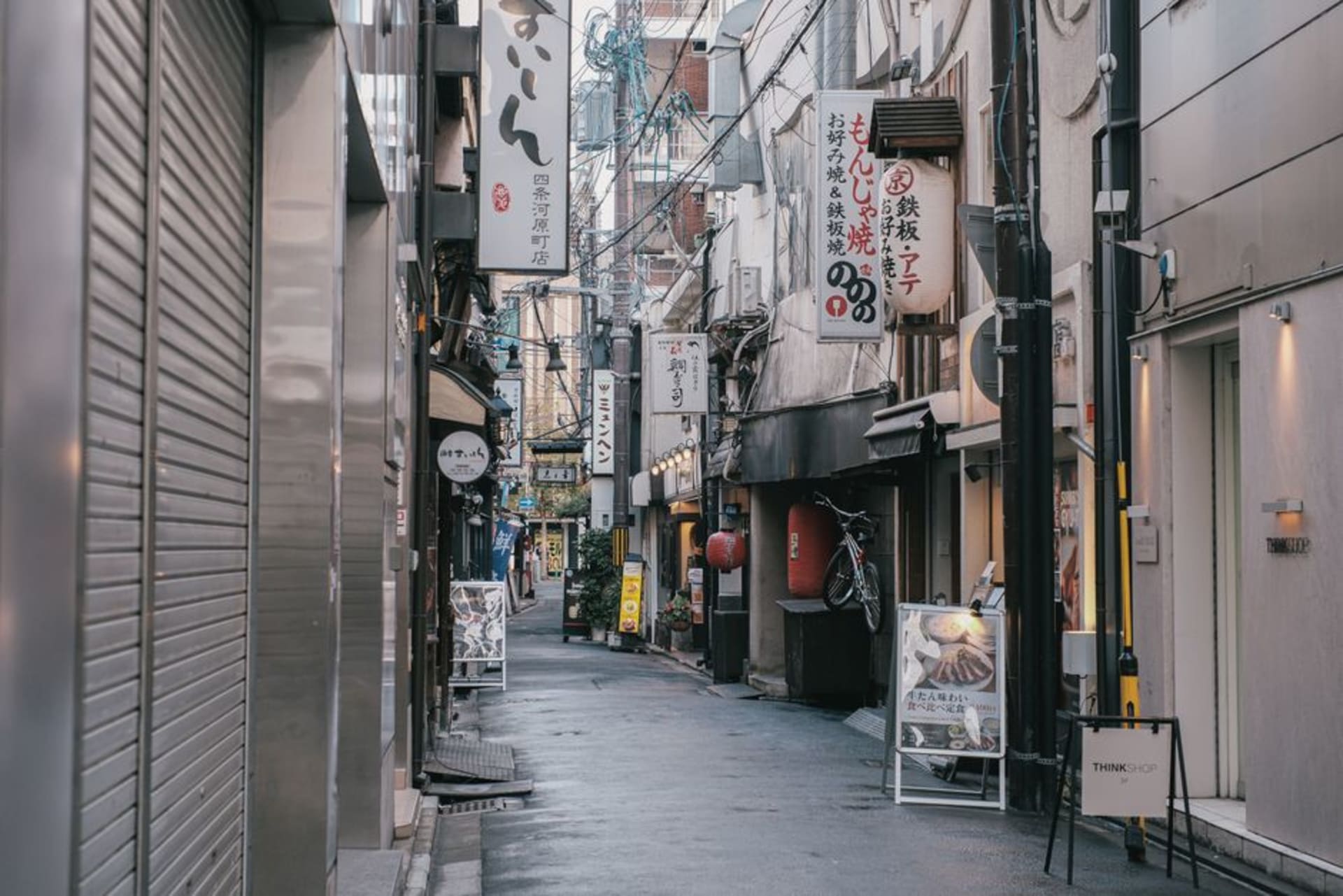
Kamikatsu
"Lia read every one of the forty-five labels out loud, and I still don't think she believes we sort trash this badly at home."
A mountain hamlet in inland Tokushima where every household hand-sorts its trash into dozens of categories at a single drop-off station, because in the early 2000s this became Japan's first town to declare itself zero waste. A quiet, unglamorous lesson in what it actually takes to mean it.

I’ll admit we went to Kamikatsu half out of genuine interest and half because Lia wanted to make me feel guilty about the state of our recycling in Mexico. The town sits up a winding mountain road inland from Tokushima, a scatter of a few hundred households in steep terraced valleys, and it doesn’t look like anything in particular until you understand what happens there. There’s no door-to-door garbage truck. There never was, really — the roads are too narrow and scattered for it to make sense — so instead everyone drives their own waste to one building and sorts it themselves, by hand, into categories most towns wouldn’t bother naming. We arrived not really believing a village this small could be famous for its trash, and left thinking about it for days afterward.
The building with forty-five categories
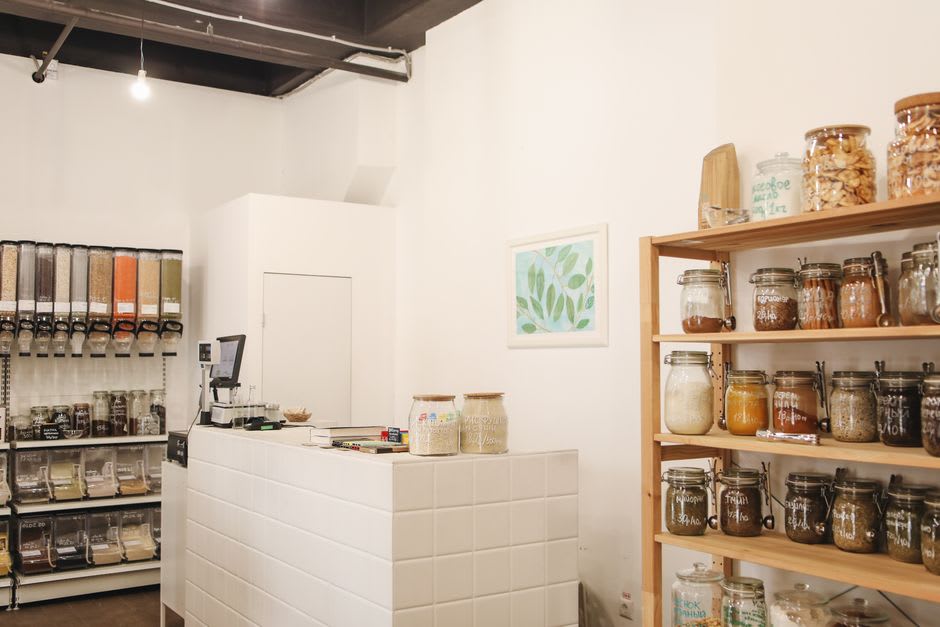
The Zero Waste Center is the reason people like us drive up here at all, a striking wooden building shaped like a question mark from above, built so residents walk past every category on their way in. Cardboard here, aluminum there, three different kinds of paper, PET bottles separated from their caps and labels, batteries in one bin, fluorescent tubes in another. A woman in her seventies pulled up while we were there, unloaded a car trunk with the calm efficiency of someone doing the crossword, and was gone in under ten minutes. Nobody supervises her. Nobody needs to. Lia and I stood by the chart for a long time doing the math on how bad we are at this at home, and neither of us came out of it looking good.

The free shop and the kuru-kuru spirit
Attached to the sorting center is a small shop that isn’t really a shop, because nothing in it costs anything. Residents drop off clothes, dishware, toys, and furniture that still have life in them, and anyone else can simply take what they want home. Lia found a chipped indigo teacup she still uses, and I nearly walked off with a wool sweater before deciding my suitcase disagreed. There’s a name for this culture of quiet reuse — mottainai, roughly “too good to waste” — and it’s stitched through the whole town rather than performed for visitors. Nothing about the shop is curated or precious. It’s just a room where things wait for somebody else’s use, which felt more genuinely sustainable than any slogan I’ve read on a tote bag.
Cedar valleys and a slower rhythm
Beyond the sorting center, Kamikatsu is simply a beautiful, steep, half-forgotten mountain town, its terraces of tea and citrus stacked up hillsides between dense cedar forest. We drove up past a shrine wedged into a fold of the mountain, stopped for absolutely no reason at a bend in the road because the light through the trees had gone that particular green-gold color, and didn’t see another car for twenty minutes. There’s a well-known local restaurant using leaf-shaped garnishes gathered from the surrounding forest by elderly foragers, an entire small economy built around picking pretty leaves for city restaurants, which sounded absurd until we saw how seriously and skillfully it’s done. Kamikatsu rewards exactly this kind of aimless poking around.
Getting There
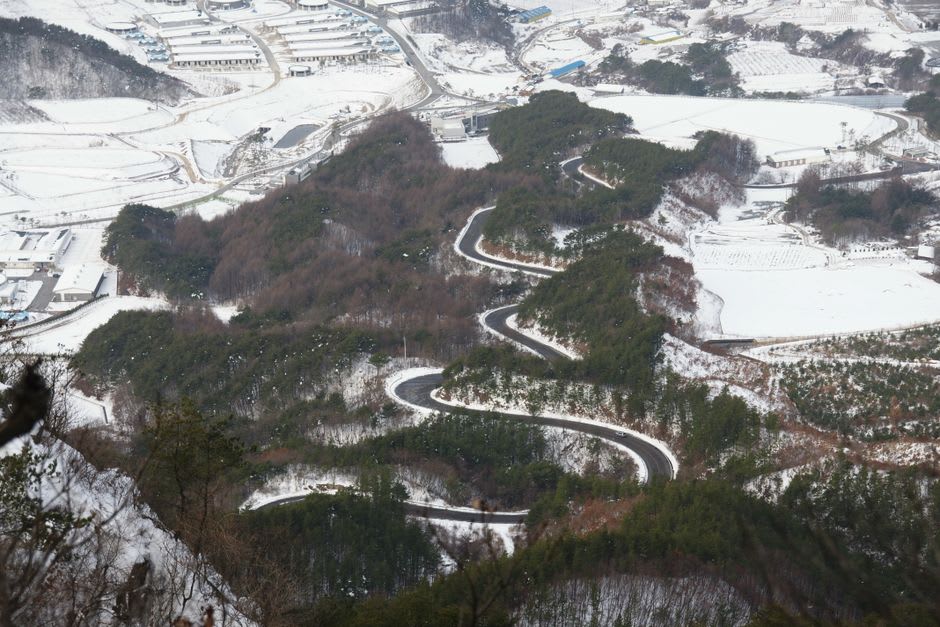
Kamikatsu is about a forty-minute drive inland and uphill from Tokushima City, and a car is genuinely the easiest way to see it since the sorting center and surrounding valleys are spread along a winding mountain road with limited bus service. If you don’t want to drive, local buses run from Tokushima Station toward Kamikatsu a handful of times a day, though schedules thin out quickly, so check timings before you commit to a return trip. Give yourself a half day: enough time to walk the sorting center slowly, poke through the free shop, and drive a little further up into the terraces before heading back down to the coast.
Keep exploring
More of Shikoku
Keep exploring
More from Shikoku
 japan
japan Kanonji
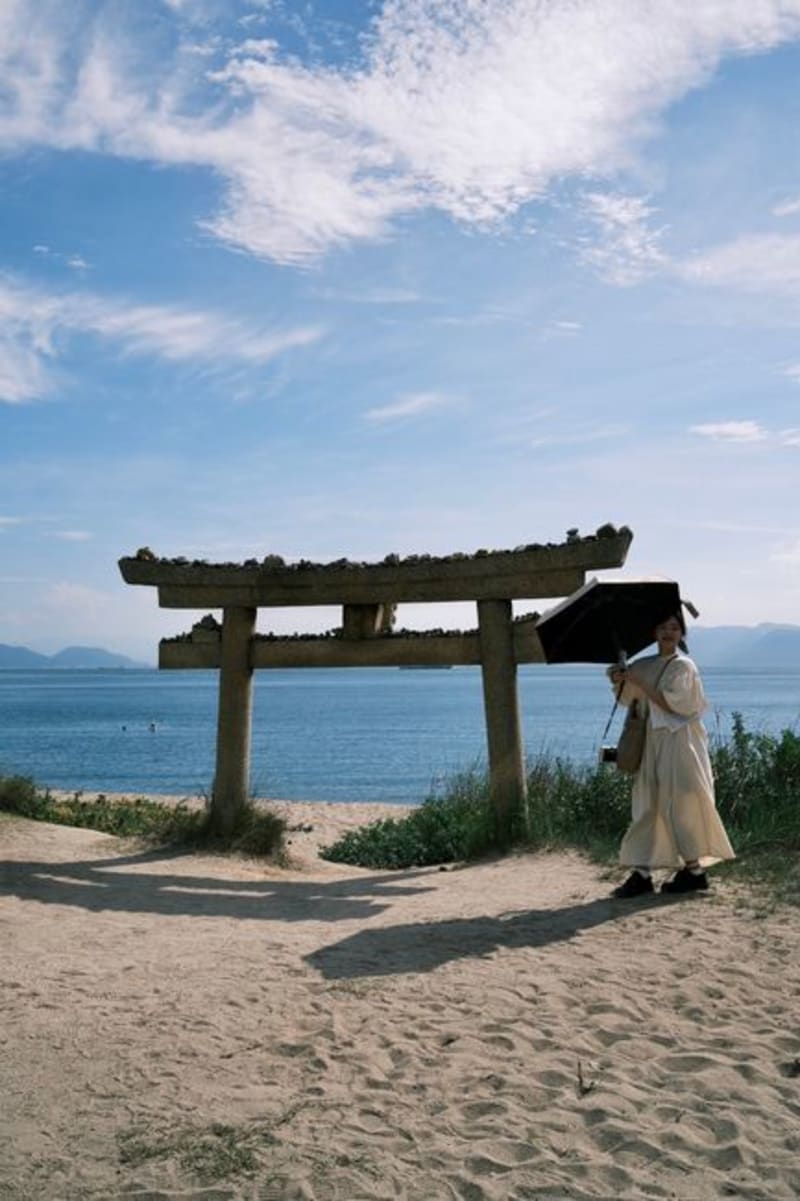
A breezy Kagawa town on the Inland Sea where a giant coin lies raked into the beach sand, said to bless whoever looks upon it. Above it a pine-shaded hilltop shrine, and inland a mountaintop temple reached by ropeway over the whole silver sea.
Explore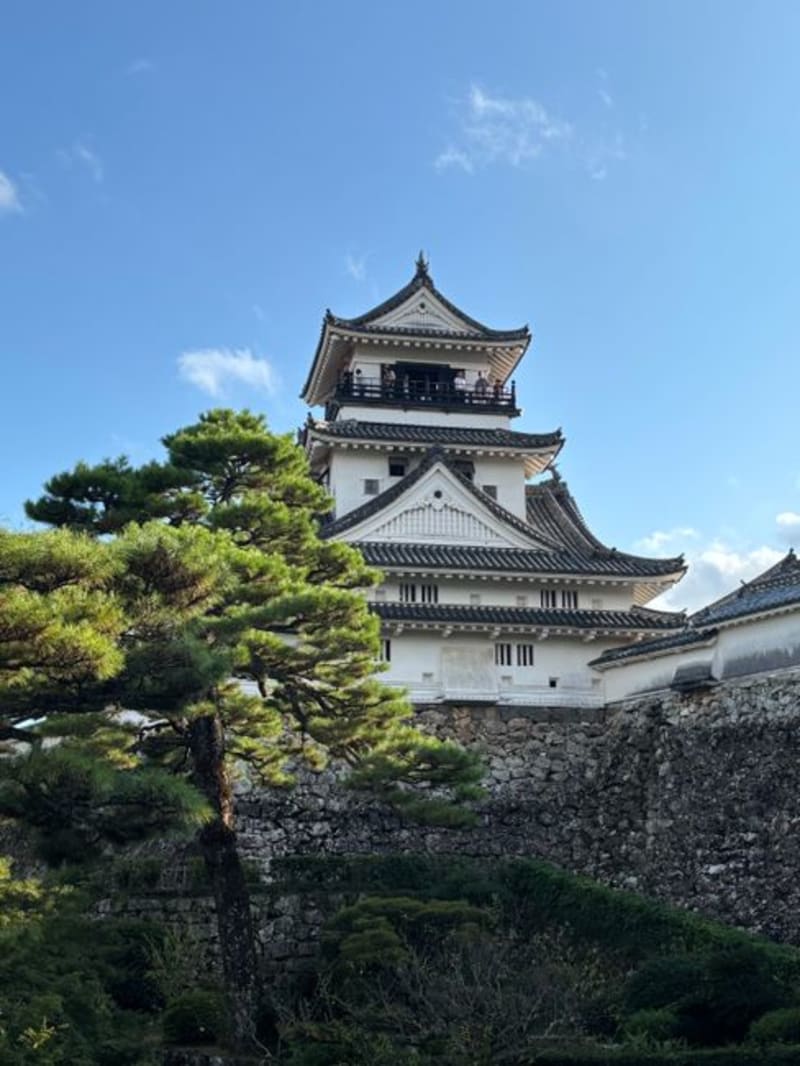 japan
japan Kōchi
South-coast Shikoku, warm and open-hearted, with one of Japan's few surviving original castles and a fish grilled over burning straw. Kōchi felt like the country exhaling — slower, sunnier, and unafraid of a drink.
Explore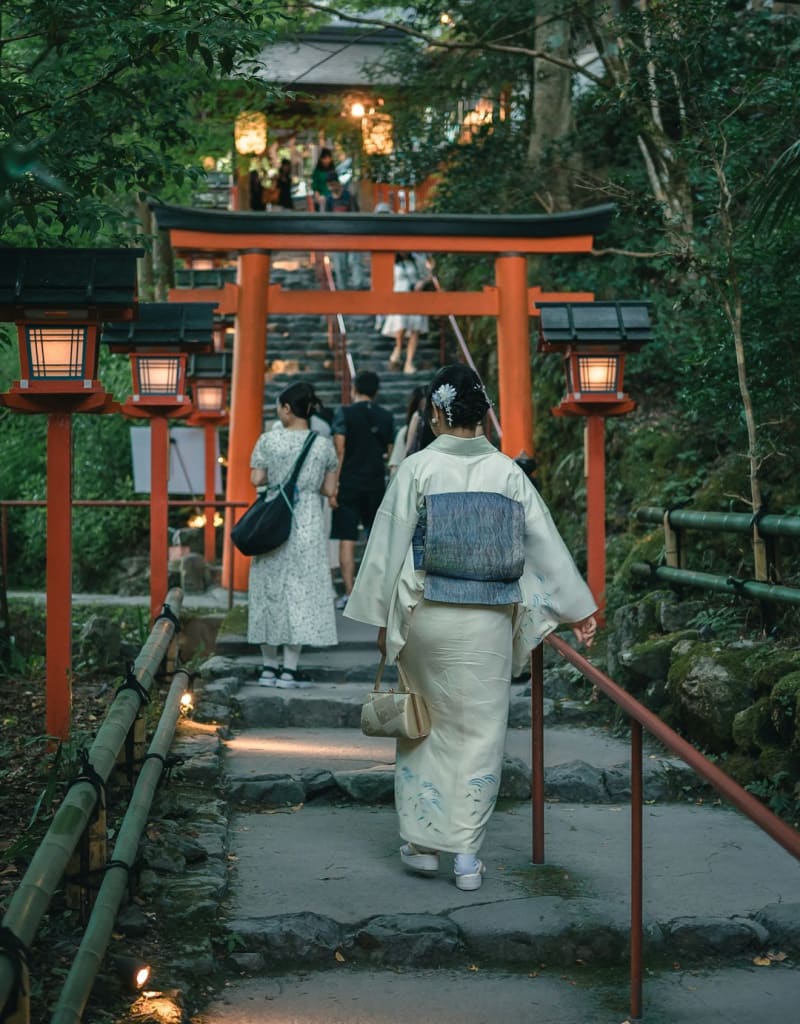 japan
japan Kotohira
A temple town in Kagawa on the island of Shikoku, built around Konpira-san — a mountainside shrine reached by more than 785 stone steps lined with old shops. It is a pilgrimage and a climb and a bowl of Sanuki udon at the top of it all. Earnest, a little breathless, and richly rewarded by the view.
Explore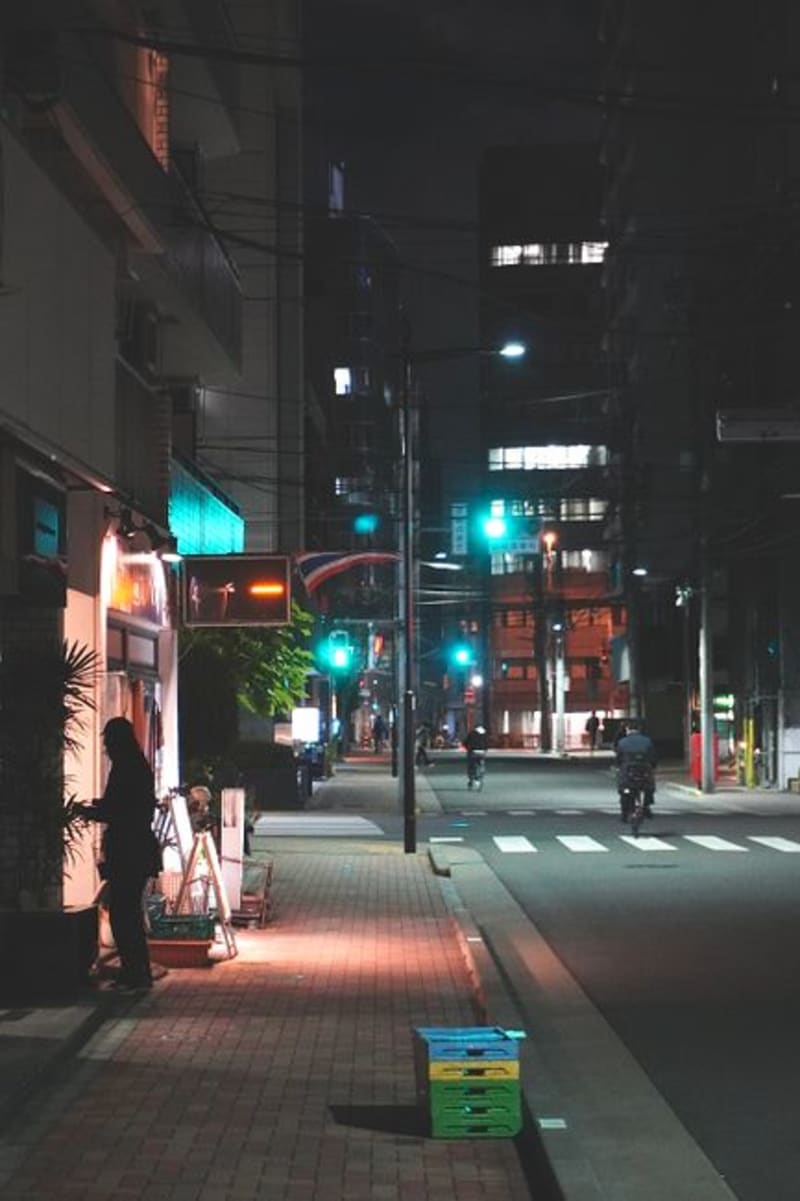 japan
japan Marugame
A Kagawa castle town whose original Edo-period wooden keep still stands atop what are officially the tallest stone castle walls in all of Japan, a dizzying stack of curved ishigaki you only truly feel by walking the full loop up. It's also a serious rival to Takamatsu for the title of Sanuki udon's true birthplace.
Explore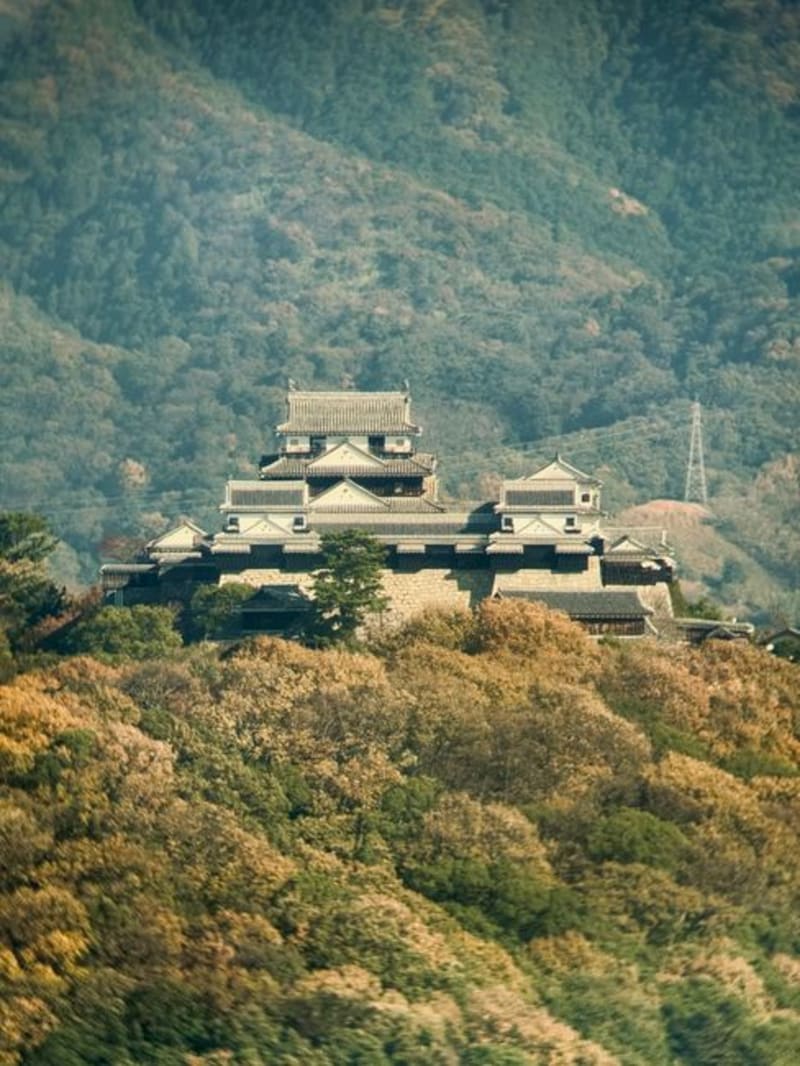 japan
japan Matsuyama
The largest city on Shikoku, built around Dōgo Onsen — one of the oldest hot springs in Japan and its grand wooden bathhouse. A hilltop castle, rattling streetcars, and a warm, literary, unhurried spirit all its own.
Explore japan
japan Mima
A river town in Tokushima where a single Edo street survives almost whole — the white-plastered homes of the old indigo merchants, crowned with ornate fireproof udatsu gables that were once a quiet boast of wealth. It is history you can walk down slowly, with the Yoshino River at its back.
Explore