Aki
"Lia stood in the low thatched doorway and said, 'this is where Mitsubishi actually started.'"
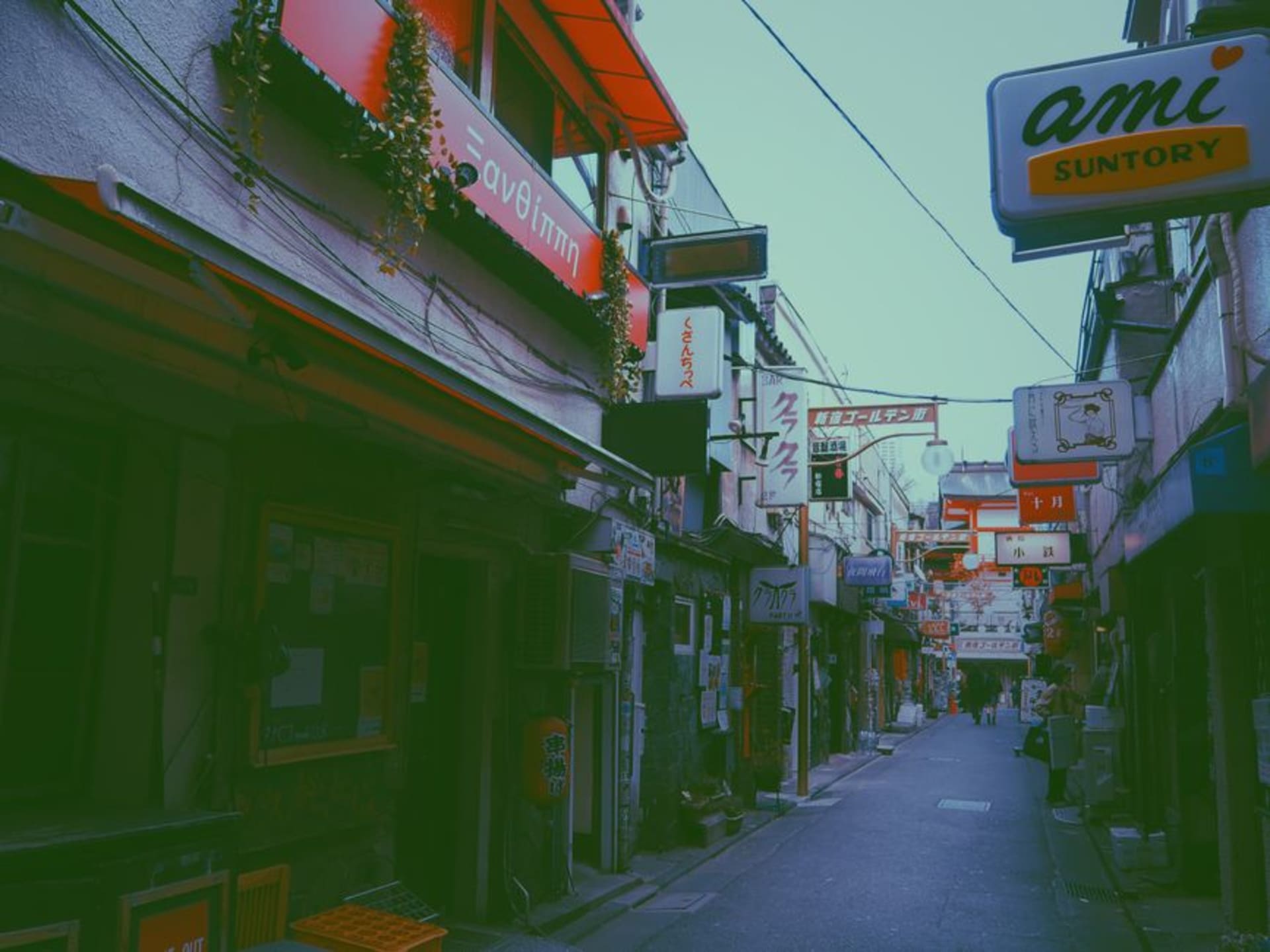
A quiet former castle town in Kochi and the birthplace of Iwasaki Yataro, the low-ranking samurai's son who went on to found Mitsubishi. His family's thatched-roof house still stands in the Inokuchi neighborhood, across the valley from a well-preserved samurai district and the old castle mound.

We came to Aki almost as an afterthought on our way along Kochi’s coast, drawn by a single line in a guidebook mentioning that the founder of Mitsubishi had been born here to a family with almost nothing. That kind of contrast — a global industrial empire tracing back to a modest thatched house in a quiet castle town — was enough to get us off the train early. Aki turned out to be exactly the sort of place we like best in Shikoku: unhurried, largely untouched by tour buses, with real history sitting quietly in ordinary neighborhoods rather than roped off behind ticket booths. We spent the whole afternoon walking between its two distinct old quarters, neither of which seemed to expect visitors at all.
The house where an empire began
Iwasaki Yataro was born the son of a low-ranking, cash-poor samurai family in the Inokuchi neighborhood, and their preserved thatched-roof house is a startlingly humble place to trace the origins of one of Japan’s largest corporate names. The low ceilings, the dirt-floored entryway, the small dark rooms — nothing about it hints at the fortune its most famous son would eventually build. Lia stood in the doorway for a long moment, ducking under the thatch, clearly turning over how far that particular life traveled from these few small rooms. We walked the surrounding lanes afterward, quiet residential streets where nothing marks the neighborhood as historically significant beyond a small sign, which somehow made the house feel more honest than a grander memorial would have.

A samurai quarter still standing
Across the valley, Aki’s old samurai district survives in a state of quiet preservation, hedgerows of clipped hiragi and stone walls fronting houses that mid-ranking retainers once occupied under the local Yamauchi domain. We walked the shaded lane slowly, past one house open to visitors where tatami rooms and a small garden gave a real sense of a modest samurai household rather than the grand castle-lord version most tourist sites show. It felt lived-in rather than staged, several of the houses still occupied by descendants of the original families, gardens tended with obvious daily care rather than for anyone’s benefit but their own.

The castle mound between the two
Between the two neighborhoods rises the old castle mound, the keep itself long gone but the earthworks and stone foundations still climbing the hill above the town, with a small reconstructed turret giving a sense of scale. We climbed up in the late afternoon light, the town spreading out below in both directions — Inokuchi one way, the samurai quarter the other — and it struck us how neatly Aki holds two entirely different registers of Edo-period life within an easy walk of each other. Lia said it felt like the town had kept both its ends: the modest one and the more comfortable one, without smoothing over the gap between them.

Getting There
Aki is reached by the Tosa Kuroshio Railway from Kochi City, a ride of around forty minutes along the coast, making it an easy day trip. The Iwasaki house, samurai district, and castle mound are all within comfortable walking distance of Aki Station, and a rented bicycle, available near the station, makes covering the distance between them even easier. We’d suggest a full day if you want to walk both old quarters properly without rushing, though a determined half day works if time is tight.
Keep exploring
More of Shikoku
Keep exploring
More from Shikoku
 japan
japan Anan
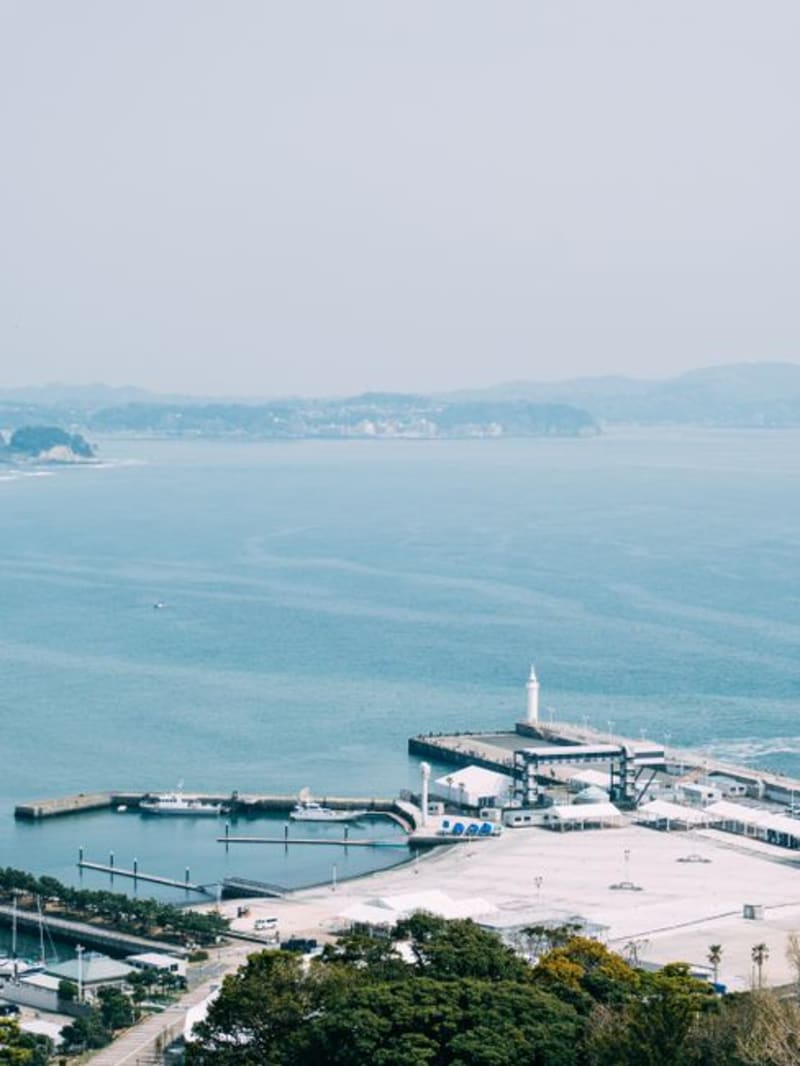
A long, unhurried stretch of Tokushima coast where loggerhead turtles still haul themselves up dark beaches to nest, and a scatter of green islands breaks the Pacific into quieter water. It is Shikoku's warm, salt-bleached edge, far from any crowd.
Explore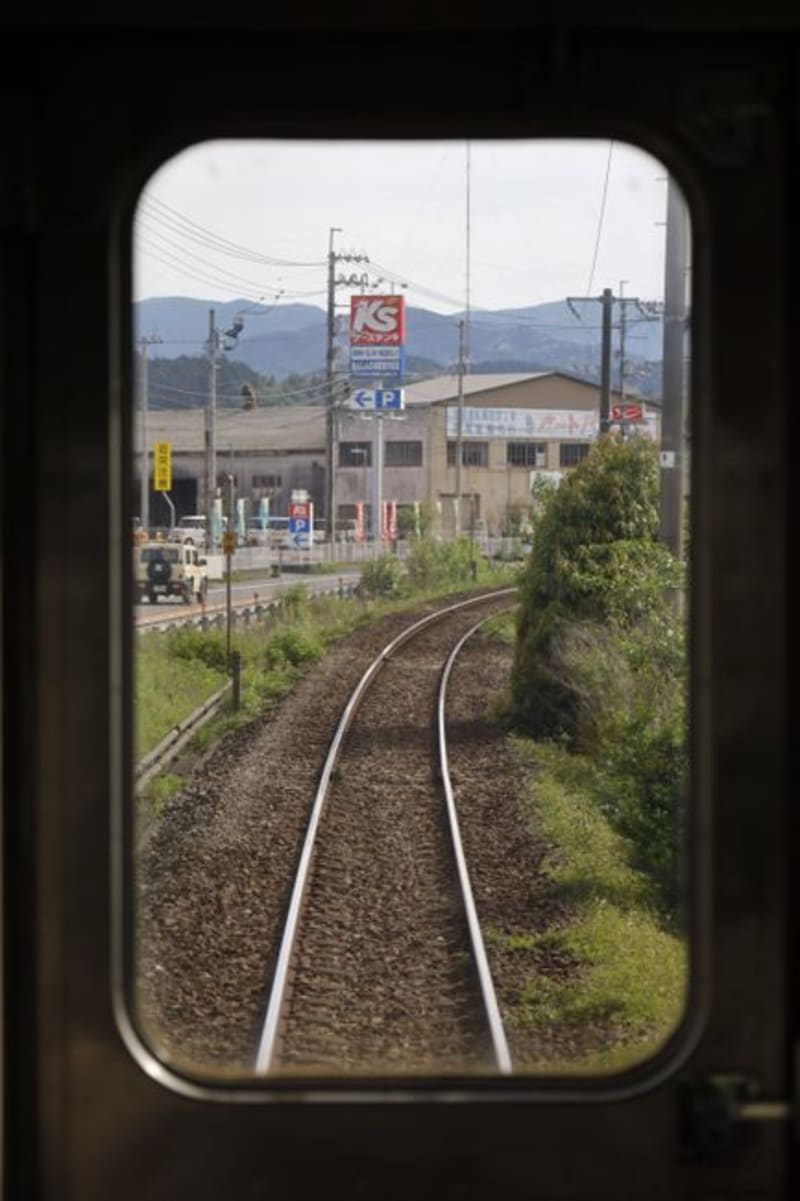 japan
japan Aoshima (Cat Island, Ehime)
A tiny island in the Uwa Sea where feral cats vastly outnumber the handful of elderly residents left, descendants of cats fishermen once brought aboard to control shipboard mice. No shops, no vending machines, just a short ferry ride and cats sunning themselves in half-empty doorways.
Explore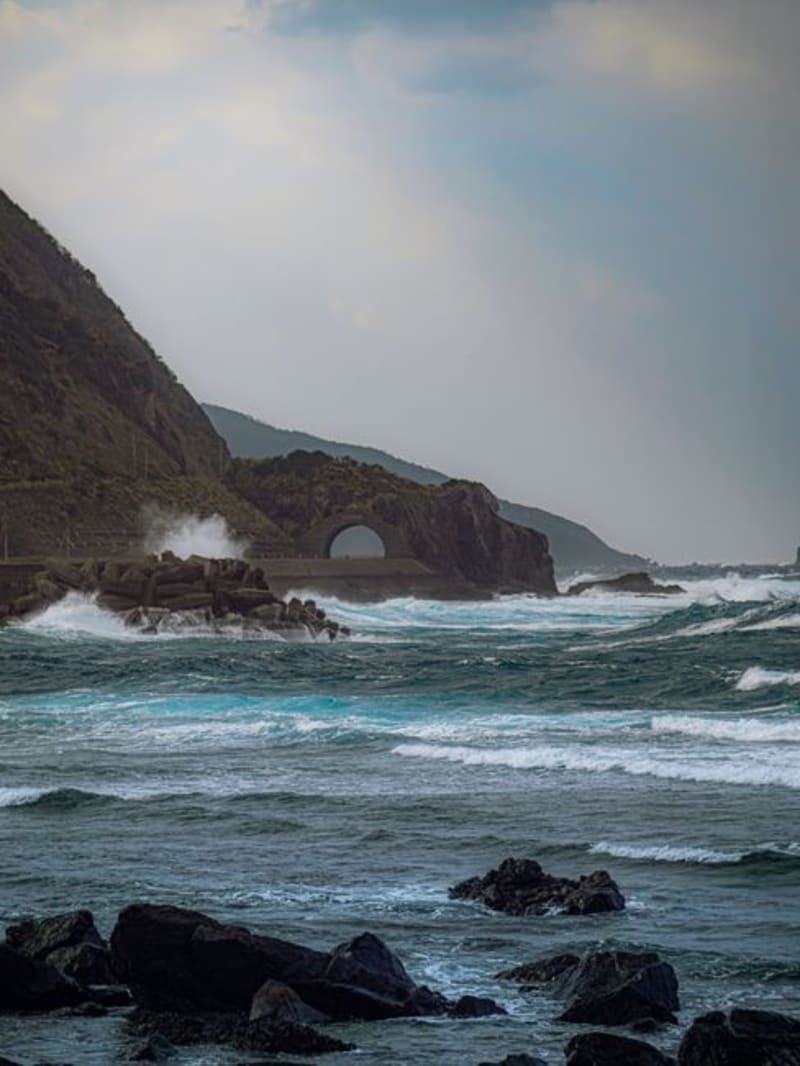 japan
japan Cape Ashizuri
The wild southwestern tip of Kochi, where Shikoku runs out of land in a flourish of black cliffs, subtropical greenery, and a white lighthouse that has watched over some of the roughest water in Japan for over a century. It is remote, weather-beaten, and gloriously empty — a place to feel small in the good way. We drove a long way for it and the cape paid us back with interest.
Explore japan
japan Hiketa
An Edo-period port district in Higashikagawa that flourished as the 'port waiting for the wind,' trading salt, cotton, and the hand-refined sugar called wasanbon still made almost nowhere else in Japan. Its merchant streets of lattice doors and white-plastered storehouses remain intact enough to walk straight into the past.
Explore japan
japan Imabari
A working port on the Seto Inland Sea where the Shimanami Kaidō lands back on Shikoku after leaping island to island on impossible bridges. Imabari smells of the sea and of freshly pressed cotton, and moves at the speed of a bicycle.
Explore japan
japan Ino
A Kochi town that has made Tosa washi paper for over a thousand years, legend crediting a Heian-era governor and poet with encouraging the craft. At the paper museum near the station you can work a vat of pulp yourself, hands in the water beside artisans repeating the same rocking motion their grandparents used.
Explore